Estrofemel
Ukraine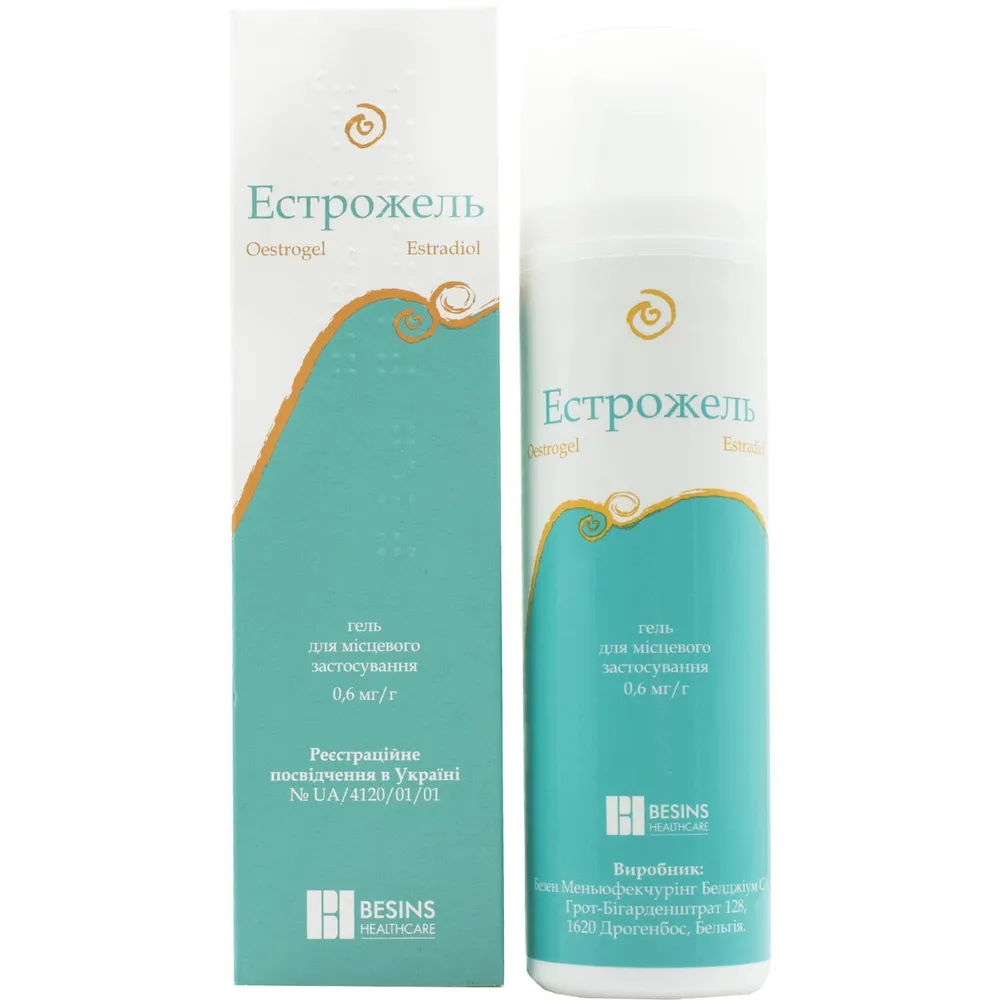
Table of Contents
INSTRUCTIONS FOR MEDICAL USE OF THE MEDICINAL PRODUCT ESTRADIEL (OESTROGEL)
Composition:
Active substance: estradiol;
1 g of gel contains 0.6 mg of estradiol (as estradiol hemihydrate);
Excipients: carbomer 980, triethanolamine, ethanol 96%, purified water.
1 pump press delivers 1.25 g of gel or 0.75 mg of estradiol.
Medicinal form: Topical gel.
Main physicochemical properties: Colorless transparent gel with an alcoholic odor.
Pharmacotherapeutic group: Sex hormones and drugs used in disorders of the reproductive system. Estrogens. Simple preparations of natural and semi-synthetic estrogens.
ATC code: G03CA03.
Pharmacological Properties
Pharmacodynamics
Estradot belongs to the group of natural physiological estrogens. The active substance is chemically and biologically identical to endogenous human estradiol. Systemic administration of 17β-estradiol is possible via application to intact skin. Estradot corrects estrogen deficiency in women during menopause or after oophorectomy and alleviates menopausal symptoms. Estrogen prevents bone tissue loss caused by menopause or oophorectomy.
Upon interaction with specific estrogen receptors, estrogen forms a complex that predominantly stimulates DNA and protein synthesis at the intracellular level and exerts metabolic effects at the target organ level. The most potent estrogen at the receptor level is estradiol, which is primarily synthesized in ovarian follicles from menarche until menopause. Estradot also exerts estrogenic effects on major target organs, acting not only on the ovaries, endometrium, and mammary glands but also on the hypothalamus, pituitary gland, vagina, uterus, and liver. The observed effect is similar to that typically occurring during the follicular phase of the menstrual cycle.
Transdermal administration of Estradot avoids the so-called first-pass liver effect, which otherwise enhances the synthesis of angiotensinogen, LDL lipoproteins (triglycerides), and certain blood coagulation factors.
Information from clinical studies
Alleviation of menopausal symptoms:
- Relief of menopausal symptoms is observed within the first weeks of treatment;
- The pattern of withdrawal bleeding or amenorrhea depends on the individually tailored regimen of estrogen and progestogen dosing.
Osteoporosis prevention:
- Estrogen deficiency during menopause is associated with increased bone metabolism and reduced bone mass. The effect of estrogen on bone mineral density is dose-dependent. The protective effect persists only during treatment. Upon discontinuation of hormone replacement therapy (HRT), bone mass decreases at a rate similar to that in untreated women.
- Data from the Women's Health Initiative (WHI) study and meta-analyses indicate that HRT, either as estrogen monotherapy or in combination with progestogens, reduces the risk of hip, vertebral, and other osteoporosis-related fractures in generally healthy women. HRT may also reduce fracture risk in women with low bone density and/or diagnosed osteoporosis, although data in this regard are limited.
Pharmacokinetics
Within the first few hours after gel application (2–12 hours), estradiol levels reach values directly proportional to the dose and the surface area of gel application.
Serum estradiol concentrations, measured experimentally 24 hours after daily application of 2.5 g and 5 g of gel over a skin surface area of 750 cm², averaged 75 pg/mL and 98 pg/mL, respectively (individual variations ranged from a minimum of 42 pg/mL to a maximum of 122 pg/mL with 2.5 g gel, and from 67 pg/mL to 160 pg/mL with 5 g gel). On average, these levels remained stable and consistent over 72 hours following daily gel application, even after six consecutive treatment cycles, according to other experimental studies.
Estradiol blood levels remain consistent in the same patient, even after several months' interruption (individual variations are approximately 11%). Transdermal administration of estradiol avoids the first-pass liver effect: compared with physiological levels, circulating E2 and E1 ratios range from 0.78 to 0.97, thus resembling and maintaining levels comparable to those observed before menopause. After therapy cessation, serum hormone levels return to baseline values within approximately 76 hours, including conjugated estradiol, which is excreted in urine.
Estradiol
Approximately 10% of the applied dose of estradiol penetrates through the skin following transdermal administration.
The plasma elimination half-life of estradiol is approximately 1 hour. Plasma clearance of these metabolites ranges from 650 to 900 liters/day/m².
The amounts of estradiol entering the systemic circulation over 24 hours after daily application of 2.5 g and 5 g of gel are approximately 75 µg/day and 100 µg/day, respectively.
Estradiol is primarily metabolized in the liver to estrone and conjugates (glucuronides, sulfates), which are significantly less active and are mainly excreted in urine as glucuronides and sulfates. These metabolites also participate in enterohepatic circulation.
Clinical characteristics.
Indications.
- Hormone replacement therapy (HRT) for correction of estrogen deficiency and symptoms of estrogen deficiency, particularly in age-related or artificial menopause: vasomotor disorders (hot flushes, night sweats), urogenital atrophic disorders (atrophic vulvovaginitis, dyspareunia, urinary incontinence), and psychological symptoms (sleep disturbances, asthenia).
- Prevention of postmenopausal osteoporosis in women with a high risk of fractures, and in women who cannot tolerate or for whom other medicinal products approved for osteoporosis prevention are contraindicated.
Experience with this therapy in women aged 65 years and older is limited.
Contraindications.
- Hypersensitivity to the active substance or to any of the excipients.
- Breast cancer (diagnosed, suspected, or history of).
- Diagnosed or suspected estrogen-dependent malignant tumors (e.g., endometrial cancer).
- Vaginal bleeding of unknown etiology.
- Untreated endometrial hyperplasia.
- Idiopathic venous thromboembolic disease, present or history of (e.g., deep vein thrombosis (DVT), pulmonary embolism).
- Detected blood hypercoagulability (e.g., protein C, protein S, or antithrombin deficiency).
- Arterial thromboembolism, current or recently occurred (e.g., angina pectoris, myocardial infarction).
- Acute liver disease, present or history of (until normalization of liver function laboratory tests).
- Severe liver impairment or liver dysfunction with residual elevated levels of liver function tests in history.
- Porphyria.
Interaction with other medicinal products and other forms of interaction.
Estraderm does not stimulate excessive synthesis of liver proteins when used at usual doses: it has no adverse effect on lipid metabolism, blood coagulation factors (fibrinogen, antithrombin II activity), levels of circulating renin substrate, or sex hormone-binding proteins; thus, it does not promote hypertriglyceridemia, diabetes mellitus, or arterial hypertension.
However, estrogen metabolism may be enhanced when used concomitantly with enzyme inducers, particularly cytochrome P450 enzymes, such as anticonvulsants (e.g., phenobarbital, phenytoin, carbamazepine, meprobamate, and phenylbutazone), or antimicrobial agents (such as rifampicin, rifabutin, nevirapine, efavirenz).
CYP3A4 inhibitors, such as erythromycin, clarithromycin, ketoconazole, itraconazole, and grapefruit juice, may increase estrogen plasma concentrations and lead to the development of adverse reactions.
Concomitant use with cyclosporine may result in decreased hepatic elimination of cyclosporine and increased plasma levels of cyclosporine, creatinine, and transaminases.
Ritonavir and nelfinavir, although known as potent enzyme inhibitors, act as enzyme inducers when co-administered with steroid hormones.
Herbal preparations containing St. John's wort (Hypericum perforatum) may enhance the metabolism of estrogens and progestogens.
With transdermal administration, the drug bypasses the "first-pass" liver effect; therefore, transdermally applied estrogens and progestogens are less affected by enzyme inducers than orally administered hormones.
Clinically, increased metabolism of estrogens and progestogens may lead to reduced efficacy and changes in the pattern of vaginal bleeding.
Special precautions for use.
HRT should be used for treating postmenopausal symptoms only if these symptoms affect quality of life. In any case, a careful risk-benefit assessment should be performed at least once a year. HRT may be continued only if benefits outweigh potential risks.
Data on risks associated with HRT in the treatment of premature menopause are limited. However, due to the low absolute risk in younger women, the benefit-risk ratio in these women may be more favorable than in older women.
Clinical examination and monitoring
Before initiating or re-initiating HRT, the physician should obtain a complete personal and family medical history and perform a physical examination (including pelvic and breast examination) to identify possible contraindications and necessary precautions for prescribing the medication. Regular medical check-ups are also recommended during treatment, with frequency and type individually tailored for each patient.
Women should be informed about changes in the breasts and instructed to report such changes to their physician or nurse (see the section "Breast cancer" below). Regular examinations, including mammography, should be performed during treatment. The frequency and type of examinations should be individually determined for each patient according to current clinical guidelines.
Conditions requiring monitoring
Diagnostic procedures, including mammography, should be performed according to accepted standards and adapted to the individual clinical needs of each patient.
If any of the conditions listed below are present, have occurred previously, or worsened during pregnancy or previous hormonal therapy, the patient should be under continuous medical supervision. These conditions may recur or worsen during treatment with Estradot, including leiomyoma (fibroids) or endometriosis, previous or existing risk factors for thromboembolic complications (see above), risk factors for estrogen-dependent tumors (e.g., first-degree family history of breast cancer), arterial hypertension, liver dysfunction (e.g., liver adenoma), diabetes mellitus with or without vascular complications, cholelithiasis, migraine or severe headaches, systemic lupus erythematosus, history of endometrial hyperplasia, epilepsy, bronchial asthma, otosclerosis, or hereditary angioedema.
Caution should be exercised in patients with risk factors for cardiovascular complications, coronary and/or cerebrovascular events, the likelihood of which increases with arterial hypertension and/or in women who smoke.
Any palpable changes in the breasts require appropriate additional gynecological evaluation at any stage of treatment. Medical consultation is also necessary in case of irregular vaginal bleeding (except for menstrual-like reactions occurring during treatment-free intervals), headache or visual disturbances, painful swelling of the lower limbs, or abdominal pain.
Reasons requiring immediate discontinuation of treatment
Treatment must be immediately discontinued if contraindications are identified or if the following conditions occur: jaundice or severe liver dysfunction, marked increase in blood pressure, new episodes of migraine-type headache, pregnancy or suspected pregnancy.
Endometrial hyperplasia and carcinoma
In women with an intact uterus, the risk of developing endometrial hyperplasia and carcinoma increases with prolonged use of estrogen-only therapy. In patients receiving estrogen-only therapy, the risk of endometrial cancer has been observed to increase 2–12 times compared to women not taking the medication, depending on duration of treatment and estrogen dose (see section "Adverse reactions"). After discontinuation of treatment, the risk may remain elevated for at least 10 years.
Therefore, in patients with an intact uterus, the use of Estradot must be accompanied by cyclic administration of progestogens. Concurrent administration of progestogens for at least 12 days per month/28-day cycle, or continuous combined estrogen-progestogen therapy in women without prior hysterectomy, prevents the excess risk associated with estrogen-only HRT.
Breakthrough bleeding or spotting may occur during the first months of treatment. If such bleeding occurs after a period of treatment and persists after therapy discontinuation, the cause should be investigated, which may require endometrial biopsy to exclude malignant etiology of these symptoms.
Estrogen monotherapy may lead to precancerous changes and malignant transformation of residual endometriosis foci. In women who have undergone hysterectomy due to endometriosis, consideration should be given to adding a progestogen to estrogen replacement therapy, since residual endometriosis foci may persist.
Breast cancer
Overall data indicate an increased risk of breast cancer in women receiving combined estrogen-progestogen therapy, and possibly also in women receiving estrogen-only HRT, depending on the duration of HRT use.
Treatment with estrogen-progestogen combination
In the randomized placebo-controlled Women’s Health Initiative (WHI) study, as well as in epidemiological studies including the Million Women Study, an increased risk of breast cancer was observed in women receiving combined estrogen-progestogen therapy after approximately 3 years (see section "Adverse reactions").
Treatment with estrogen only
In the WHI study, no increased risk of breast cancer was observed in women who had undergone hysterectomy and received estrogen-only HRT. In observational studies, a slight increase in risk was mainly observed, which was significantly lower than in women receiving estrogen-progestogen combinations (see section "Adverse reactions").
The increased risk becomes significant after several years of use and returns to baseline levels within several years (up to 5 years) after discontinuation of therapy.
HRT use, particularly combined estrogen-progestogen therapy, is associated with increased breast density on mammography, which may reduce the accuracy of radiological diagnosis of breast cancer.
Venous thromboembolic complications
HRT use is associated with a 1.3–3-fold increase in the relative risk of venous thromboembolic events (VTE), i.e., deep vein thrombosis or pulmonary embolism. The risk of such events is higher during the first year of HRT use than thereafter (see section "Adverse reactions").
Patients with diagnosed thrombophilia have an increased risk of VTE, and HRT may further increase this risk. Therefore, HRT is contraindicated in these patients (see section "Contraindications").
Established risk factors for VTE include personal or family history of VTE, marked obesity (BMI > 30 kg/m²), systemic lupus erythematosus (SLE), estrogen use, advanced age, major surgery, prolonged immobilization, pregnancy/postpartum period, and cancer. There is no consensus regarding the role of varicose veins in the development of venous thrombosis.
Patients with a history of VTE and those with thrombophilia represent a high-risk group for VTE. HRT use may increase this risk. In patients with personal or family history of severe VTE or recurrent spontaneous abortions, testing for thrombophilia should be performed. In patients without personal history of venous thromboembolism but with close relatives who experienced thromboembolism at a young age, screening may be considered after careful evaluation of limitations (screening detects only a portion of thrombophilic disorders). If a thrombophilic disorder manifesting as thrombosis in relatives is identified, or if the disorder is severe (e.g., antithrombin, protein S or protein C deficiency, or combined defects), HRT is contraindicated.
HRT is contraindicated in this patient group until a thorough evaluation of thrombophilic factors and initiation of anticoagulant therapy. Women already receiving anticoagulants require special attention and careful risk-benefit assessment of HRT.
The risk of VTE may temporarily increase during prolonged immobilization, severe trauma, or major surgery. As in all patients, special attention should be paid to VTE prophylaxis in the postoperative period. Since prolonged immobilization often follows planned surgeries, particularly abdominal or orthopedic lower limb procedures, temporary discontinuation of HRT 4–6 weeks before surgery should be considered as one of the preventive measures. HRT may be resumed only after full recovery of mobility.
If VTE develops after initiation of treatment, therapy should be discontinued. Patients should be informed about the need to seek immediate medical attention if symptoms of thromboembolism occur (e.g., painful leg swelling, sudden chest pain, or dyspnea).
Ischemic heart disease
Controlled randomized studies have not demonstrated preventive effects against myocardial infarction in women with or without ischemic heart disease receiving HRT with estrogen-progestogen combination or estrogen-only therapy.
Treatment with estrogen-progestogen combination
The relative risk of ischemic heart disease slightly increases with HRT using estrogen-progestogen combination. Since the baseline absolute risk of ischemic heart disease strongly depends on age, the number of additional cases due to estrogen-progestogen use is very low in healthy women approaching menopause but increases in older women.
Treatment with estrogen only
In randomized controlled studies, no increased risk of ischemic heart disease was observed in women after hysterectomy receiving estrogen-only therapy.
Cerebrovascular complications (ischemic stroke)
Treatment with estrogen-progestogen combination and estrogen-only therapy increases the risk of ischemic stroke by 1.5 times or less. The relative risk does not depend on age or time since menopause. However, since the baseline risk of stroke strongly depends on age, the overall risk of stroke in women receiving HRT increases with age (see section "Adverse reactions").
Ovarian cancer
Ovarian cancer is much rarer than breast cancer. Data from epidemiological studies in a large meta-analysis indicate a slight increase in risk in women receiving estrogen-only HRT or estrogen-progestogen combination therapy, which becomes evident after 5 years of treatment and gradually decreases after therapy discontinuation.
Other studies, including the WHI study, suggest a similar or slightly lower risk with combined HRT (see section "Adverse reactions").
Other conditions
Estrogens may cause fluid retention; therefore, patients with cardiac or renal impairment require special monitoring. Patients with end-stage renal failure require particularly careful observation due to expected increased levels of active substances of Estradot in blood.
Changes in glucose tolerance have been observed in some patients taking estrogen/progestogen medications. Estradot may increase insulin sensitivity and accelerate insulin elimination. Blood glucose levels should be closely monitored in diabetic patients during the first months of HRT.
An increased risk of surgically confirmed gallstone disease in postmenopausal women taking estrogens is known.
Estrogen use may alter results of certain endocrine tests and liver function parameters.
Patients with hypertriglyceridemia receiving estrogen monotherapy or HRT should be carefully monitored due to reported rare cases of marked increase in plasma triglyceride levels, which may lead to pancreatitis.
Estrogens increase levels of thyroid-binding globulin (TBG), leading to increased circulating levels of thyroid hormones measured by protein-bound iodine, T4 concentration (column or radioimmunoassay), or T3 concentration (radioimmunoassay). The increase in TBG binding reduces the free or biologically active hormone levels, which remain unchanged. Concentrations of other plasma binding proteins may also increase, e.g., corticosteroid-binding globulin (CBG), sex hormone-binding globulin (SHBG), resulting in increased circulating levels of corticosteroids and sex steroid hormones, respectively. Concentrations of free or biologically active hormones remain unchanged. Concentrations of other plasma proteins may increase (angiotensin/renin substrate, alpha-1-antitrypsin, ceruloplasmin).
Chloasma may rarely occur, particularly in women with a history of chloasma during pregnancy. Women prone to chloasma should minimize exposure to sunlight or ultraviolet radiation during HRT.
There is no convincing evidence of improved cognitive function with HRT use. The WHI study showed a trend toward possible increased risk of dementia in women receiving long-term combined HRT with conjugated estrogens and medroxyprogesterone acetate initiated at age 65 or older. It remains unknown whether these observations apply to younger postmenopausal women or to other types of HRT.
Careful monitoring of patients is required in the following cases:
ischemic stroke due to atherosclerosis, cerebral hemorrhage, retinal vein occlusion, obesity (due to venous thrombosis risk), bed rest, and preparation for planned surgery (discontinuation of treatment one month before surgery is recommended). Close monitoring is also needed in patients with benign skin tumors, prolactin-secreting pituitary tumors, otospongiosis, or history of pruritus.
Use during pregnancy or breastfeeding.
HRT must not be used during pregnancy or breastfeeding. Treatment with Estradot should be immediately discontinued if pregnancy is confirmed or suspected. Threat of miscarriage and lactation suppression are not indications for estrogen therapy. Epidemiological studies have not confirmed an additional risk of fetal congenital malformations due to estrogen use in early pregnancy if pregnancy is diagnosed late. However, it should be noted that women who used estrogens or estrogen-progestogens in early pregnancy due to late diagnosis do not require induced abortion. Currently, no teratogenic or fetotoxic effects have been demonstrated in epidemiological studies of pregnant women who accidentally received therapeutic doses of estrogens.
Ability to affect reaction speed when driving or operating machinery.
Data are lacking, but possible nervous system reactions such as dizziness and somnolence should be considered.
Method of Administration and Dosage.
The medicinal product is intended for transdermal use.
Dosage should be individualized according to individual needs.
For treatment of postmenopausal symptoms, the minimum effective dose is 1.25 g of gel per day (= 0.75 mg of estradiol). Administration is recommended for 21–28 days per month. The dose may vary depending on the patient's requirements, with the average dose being 2.5 g of gel per day. At the beginning or during continuation of treatment for menopause-related symptoms, the lowest effective dose should be used for the shortest possible duration (see also section "Special Warnings and Precautions for Use").
In women with an intact uterus, prolonged estrogen-only therapy is not recommended due to the possible risk of endometrial adverse effects (glandular-cystic hyperplasia, dysplasia, which increases the risk of endometrial cancer). Treatment should be administered for at least 3 consecutive weeks, followed by a 1-week break. During each 28-day cycle, a progestagen should be administered orally for 12–14 days per month. Treatment may be carried out from day 1 to day 25 of the cycle, simultaneously with oral progestagen, if necessary. Withdrawal bleeding may occur during the weekly break due to decreased hormone levels. Only those progestagens that are approved for concomitant use with estrogens should be used.
At the same time, long-term estrogen therapy may be indicated in women after hysterectomy or in cases of pronounced symptoms of estrogen deficiency after discontinuation of treatment. In the latter case, progesterone may be prescribed for the first 12–14 days of each month. Simultaneous administration of a progestagen is not recommended in women after hysterectomy unless there is a confirmed diagnosis of endometriosis.
Dosage may be adjusted after 2–3 treatment cycles based on clinical symptoms, as follows:
- In case of symptoms of hyperestrogenism, such as breast tenderness, bloating in the abdominal and pelvic area, anxiety, nervousness, or aggressiveness, the dose should be reduced;
- In case of symptoms of hypoestrogenism, such as persistent hot flushes, vaginal dryness, headaches, sleep disturbances, asthenia, or depressive tendencies, the dose should be increased.
If a dose is missed, a double dose should not be administered the following day. If the next dose is due within less than 12 hours, wait for the next scheduled dose. If the next dose is due more than 12 hours later, the missed dose should be applied immediately, and the next dose should be applied at the usual time. Missing doses increases the risk of breakthrough bleeding and spotting.
Method of Administration
It is recommended to apply the dose to large skin areas, preferably on the forearm, shoulder and/or upper arm, or on a large area of intact skin. Application to the skin of the breasts and mucous membranes of the vulvovaginal area should be avoided.
Patients should apply the gel themselves, in the evening or in the morning, preferably after evening or morning hygiene procedures, at approximately the same time each day. To dispense the gel, remove the cap from the bottle and press firmly on the pump dispenser, holding the other hand beneath to collect the gel. One press of the pump delivers 1.25 g of gel, which corresponds to half the daily dose. The amount dispensed with the first press may be inaccurate and should be discarded. The bottle is designed for 64 pump actuations. After 64 actuations, the amount of gel dispensed per press may be less than required. Therefore, use of the bottle beyond 64 pump actuations is not recommended.
The gel should be applied in a thin layer to the skin surface in the areas specified above. If the skin remains greasy for more than 3 minutes after application, this indicates that the area covered with gel was too small. A larger skin surface should be used for the next application.
Hands should be thoroughly washed after applying the gel.
Children.
The medicinal product is not intended for use in pediatric practice.
Overdose.
In case of overdose, symptoms such as headache, nervousness, breast tenderness, vaginal bleeding, and adverse reactions listed in the section "Side Effects" (signs of excessive estrogen levels) may occur. These symptoms usually resolve upon discontinuation of treatment or dose reduction.
Side effects.
Below are all possible side effects, particularly those observed in up to 10% of patients.
The frequency of adverse reactions was assessed according to the following criteria: > 1/100, < 1/10 – common; > 1/1000, < 1/100 – uncommon.
Psychiatric disorders: common – nervousness, depressive disorders.
Nervous system disorders: common – headache; uncommon – migraine, dizziness, somnolence.
Cardiovascular system disorders: uncommon – deep or superficial venous thrombosis, thrombophlebitis.
Gastrointestinal disorders: common – abdominal pain, gastric colic, bloating, nausea, vomiting.
Hepatobiliary disorders: uncommon – abnormal liver function tests, hepatic adenoma, cholelithiasis.
Skin and subcutaneous tissue disorders: uncommon – skin rash, pruritus, chloasma.
Reproductive system and breast disorders: common – dysmenorrhea, menorrhagia, bleeding (blood spotting), menstrual cycle disturbances, leukorrhea; uncommon – benign breast tumors, endometrial polyps, increased size of uterine leiomyoma, endometriosis, mastodynia, progression of estrogen-dependent tumors.
Musculoskeletal and connective tissue disorders: common – muscle cramps, limb pain; uncommon – arthralgia.
General disorders and administration site conditions: uncommon – peripheral edema, sodium retention, sensation of swelling, weight changes.
Side effects observed in clinical trials.
Nervous system disorders: restlessness.
Respiratory, thoracic and mediastinal disorders: sinusitis, rhinitis.
Cardiovascular system disorders: palpitations.
Hepatobiliary disorders: diarrhea.
Reproductive system disorders: breast pain, metrorrhagia, vaginitis, vaginal bleeding, endometrial disorders, changes in Pap smear.
General disorders: infections, back pain, pain, influenza-like syndrome, asthenia.
Side effects reported during clinical trials and post-marketing experience.
Benign, malignant and unspecified neoplasms (including cysts and polyps): fibroids.
Immune system disorders: exacerbation of hereditary angioedema.
Metabolism and nutrition disorders: increased appetite, hypercholesterolemia.
Psychiatric disorders: libido and mood changes, anxiety, insomnia, apathy, emotional lability, difficulty concentrating, euphoria, agitation.
Nervous system disorders: paresthesia, tremor.
Eye disorders: visual disturbances, dry eyes.
Cardiovascular disorders: tachycardia, increased blood pressure, cerebral circulation disorders, superficial phlebitis, purpura.
Respiratory, thoracic and mediastinal disorders: dyspnea, nasal congestion.
Gastrointestinal disorders: constipation, dyspepsia, diarrhea, rectal symptoms.
Hepatobiliary disorders: liver function and bile flow disturbances, cholestatic jaundice.
Skin and subcutaneous tissue disorders: acne, alopecia, dry skin, contact dermatitis, eczema, nail changes, nodular skin lesions, hirsutism.
Musculoskeletal and connective tissue disorders: joint symptoms.
Renal and urinary disorders: increased frequency of urination and urinary urgency, urinary incontinence, cystitis, discoloration of urine, hematuria.
Reproductive system disorders: breast tenderness/pain/tension, vaginal discharge, vulvar/vaginal symptoms, breast enlargement, endometrial hyperplasia, uterine symptoms.
General disorders and administration site reactions: irritation, pain, hyperhidrosis, fatigue, laboratory test abnormalities, asthenia, hyperthermia, flu-like symptoms, malaise.
Other side effects reported with combined estrogen-progestogen therapy.
Gallbladder dysfunction, hemorrhagic rash.
Risk of ovarian cancer.
Long-term use of estrogen-only HRT and combined estrogen-progestogen HRT is associated with a slight increase in the risk of ovarian cancer (see section "Special precautions"). A meta-analysis of 52 epidemiological studies showed an increased risk of ovarian cancer in women currently using HRT compared to women who have never used HRT (relative risk (RR) 1.43, 95% confidence interval (CI): 1.31–1.56). Among women aged 50 to 54 years, 5 years of HRT use results in one additional case per 2000 women. Among women aged 50 to 54 years not using HRT, ovarian cancer develops in 2 out of 2000 women over a 5-year period.
Risk of venous thromboembolism.
HRT is associated with a 1.3–3-fold increased risk of venous thromboembolism, such as deep vein thrombosis or pulmonary embolism. The risk is highest during the first year of HRT use (see section "Special precautions"). Results from the WHI study are presented in Table 1.
Table 1
WHI study: additional risk of venous thromboembolism over 5 years of treatment
| Age range (years) |
Incidence rate per 1000 women in the placebo group over 5 years |
Relative risk with 95% CI |
Additional cases per 1000 women using HRT |
| Oral estrogen only* |
|||
| 50–59 |
7 |
1.2 (0.6–2.4) |
1 (-3 – 10) |
| Combination of oral estrogen and progestogen |
|||
| 50–59 |
4 |
2.3 (1.2–4.3) |
5 (1–13) |
| *Study in women after hysterectomy. |
|||
Risk of ischemic heart disease.
The risk of developing ischemic heart disease is slightly increased in women aged 60 years and older who are receiving estrogen-progestogen hormone replacement therapy (HRT) (see section "Special precautions").
Risk of ischemic stroke.
The relative risk of ischemic stroke increases by 1.5 times in women receiving either estrogen-only therapy or combined estrogen-progestogen therapy. The risk of hemorrhagic stroke does not increase during HRT.
The relative risk is independent of age or duration of treatment; however, the absolute risk clearly depends on age, so the overall risk of stroke increases with age in women receiving HRT (see section "Special precautions").
Table 2
Pooled data from all WHI studies: additional risk of ischemic stroke* over 5 years of treatment
| Age (years) |
Incidence rate per 1000 women in the placebo group over 5 years |
Relative risk with 95% CI |
Additional cases per 1000 women taking HRT over 5 years |
| 50–59 |
8 |
1.3 (1.1–1.6) |
3 (1–5) |
| *Differentiation between ischemic and hemorrhagic stroke was not performed. |
|||
Risk of breast cancer development.
An increased risk of breast cancer development by two-fold or less has been reported in women who received treatment with a combination of estrogen and progestogen for more than 5 years.
The risk with estrogen-only therapy is substantially lower compared to treatment with a combination of estrogen and progestogen.
The level of risk depends on the duration of treatment (see section "Special precautions").
Below are the results of the largest randomized placebo-controlled trial (WHI) and the largest epidemiological study (MWS).
Table 3
MWS (Million Women Study): estimation of additional risk of breast cancer development after 5 years of treatment
| Age range (years) |
Additional cases per 1000 women who have never used HRT, over 5 years* |
Relative risk# with 95% CI |
Additional cases per 1000 women using HRT over 5 years (95% CI) |
||||
| Estrogen-only HRT |
|||||||
| 50–65 |
9–12 |
1.2 |
1–2 (0–3) |
||||
| Combined estrogen-progestagen HRT |
|||||||
| 50–65 |
9–12 |
1.7 |
6 (5–7) |
||||
| * Taken from baseline incidence rates in developed countries. # Overall risk ratio. The relative risk is not constant and increases with longer duration of treatment. Note: Since baseline breast cancer incidence rates differ across EU countries, the number of additional breast cancer cases also varies proportionally. Table 4 WHI study in the US: additional risk of developing breast cancer after 5 years of treatment |
|||||||
| Age range (years) |
Incidence rate per 1000 women in the placebo group over 5 years |
Relative risk with 95% CI |
Additional cases per 1000 women using HRT over 5 years (95% CI) |
||||
| CEE#, estrogen-only |
|||||||
| 50–79 |
21 |
0.8 (0.7–1.0) |
|
||||
| CEE + MPA##, estrogen-progestagen‡ |
|||||||
| 50–79 |
17 |
1.2 (1.0–1.5) |
+4 (0–9) |
||||
| * In women without a uterus, the WHI study did not show an increased risk of breast cancer. ‡ When the analysis was limited to women who had not used HRT prior to the study, no increased risk was observed during the first 5 years of treatment; after 5 years, the risk was higher compared to those not using HRT. # CEE – conjugated equine estrogen. ## MPA – medroxyprogesterone acetate. |
|||||||
Endometrial cancer risk.
The risk of developing endometrial cancer is approximately 5 per 1000 women with a uterus who do not use HRT.
HRT with estrogen alone is not recommended for women with a uterus, as it increases the risk of endometrial cancer (see section "Special precautions for use").
Depending on the duration of treatment and estrogen dose, epidemiological studies have shown an increased risk of endometrial cancer ranging from 5 to 55 additional cases per 1000 women aged 50 to 65 years.
Adding a progestagen to estrogen-only therapy for at least 12 days per cycle can prevent this increased risk. In the Million Women Study (MWS), the use of combined (sequential or continuous) HRT for five years did not increase the risk of endometrial cancer [RR 1.0 (0.8–1.2)].
The following adverse effects have been reported with combined estrogen-progestagen therapy:
- benign and malignant estrogen-dependent neoplasms, such as endometrial cancer;
- venous thromboembolic events (i.e., pelvic and lower limb deep vein thrombosis or pulmonary artery embolism). These complications occur more frequently in women receiving HRT compared to women not receiving HRT. Additional information is provided in the sections "Contraindications" and "Special precautions for use";
- myocardial infarction and stroke;
- gallbladder disease;
- biliary tract infections;
- skin and subcutaneous tissue disorders: chloasma, erythema multiforme, nodular erythema, vasculitic purpura;
- possible dementia at age 65 years and older (see section "Special precautions for use").
The following adverse effects may require dose adjustment depending on signs of estrogen deficiency or excess:
signs of estrogen deficiency: hot flushes, frequent headache, migraine, vaginal dryness, eye irritation during contact lens use;
signs of estrogen excess: nausea, vomiting, abdominal cramps, bloating, breast tenderness, irritability, edema, sensation of heaviness in the legs, increased cervical secretion;
other possible adverse effects: uterine bleeding (other causes such as endometriosis must be excluded), galactorrhea (prolactinoma must be excluded), exacerbation of epilepsy, chloasma or melanosis.
Reporting of suspected adverse reactions
After marketing authorization, it is important to collect reports of suspected adverse reactions. This enables ongoing monitoring of the benefit-risk balance of the medicinal product. Healthcare professionals should report any suspected adverse reactions via the national pharmacovigilance system.
Shelf life. 3 years.
Storage conditions.
Store at temperatures not exceeding 25 °C in places inaccessible to children.
Packaging.
80 g in a bottle with a dosing device; 1 bottle per cardboard box.
Prescription status. Prescription only.
Manufacturer.
- Besins Manufacturing Belgium;
- Laboratoires Besins International.
Address of manufacturer and location of its operations.
- Groot-Bijgaardenstraat 128, 1620 Drogenbos, Belgium;
- 13 rue Pierre, Montrouge, 92120, France.
Marketing authorization holder.
Besins Healthcare SA.
Address of marketing authorization holder.
Rue Washington 80, 1050 Ixelles, Belgium.