Aekol
Ukraine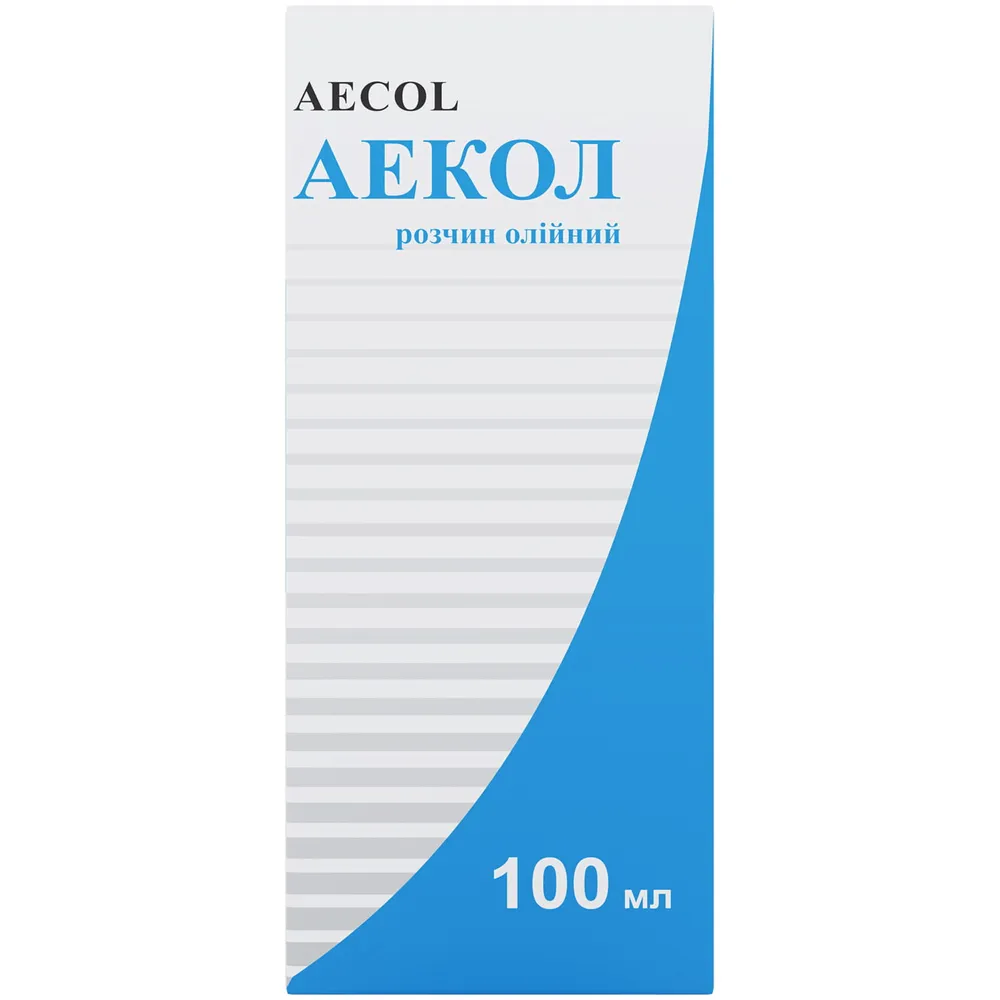
Table of Contents
INSTRUCTIONS for medical use of the medicinal product AECOL (AECOL)
Composition:
Active substances: retinyl acetate, alpha-tocopheryl acetate, menadione, beta-carotene;
1 ml of the preparation contains: retinyl acetate (vitamin A acetate) – 2826.08 IU (0.972164 mg); alpha-tocopheryl acetate (vitamin E acetate) – 1.8 mg; menadione – 0.5 mg; beta-carotene – 1.8 mg;
Excipients: sunflower oil.
Pharmaceutical form. Oil solution.
Main physicochemical properties: oily liquid of orange-red color.
Pharmacotherapeutic group. Agents for the treatment of wounds and ulcerative lesions. Preparations promoting wound healing (scar formation).
ATC code D03A X.
Pharmacological properties.
Pharmacodynamics.
A combined vitamin preparation whose action is determined by vitamins A, E, and K contained in its composition. Exerts metabolic and anti-ulcer effects. Accelerates wound healing and stimulates tissue repair. Exhibits antioxidant and anti-inflammatory activity, restores capillary circulation, normalizes tissue and capillary permeability, and has a hemostatic effect.
Pharmacokinetics.
Pharmacokinetic studies of the drug have not been conducted.
Clinical characteristics.
Indications.
To be used as part of combination therapy for gastric and duodenal ulcer, post-gastrectomy conditions, nonspecific ulcerative colitis.
Locally: mucosal fissures of the rectum (including post-excision states), proctosigmoiditis, hemorrhoids, scleroderma, decubitus ulcers, trophic and varicose ulcers, cervical erosion, endocervicitis, colpitis, purulent-necrotic wounds, infected II–III degree burns, post-autodermoplasty conditions.
Contraindications.
Hypersensitivity to the components of the drug.
For internal use: pregnancy and lactation, patient age under 14 years. Hypervitaminosis A, hypervitaminosis E, retinoid overdose, thyrotoxicosis, obesity, marked cardiac sclerosis, acute phase of myocardial infarction, decompensated cardiac failure, cholelithiasis, chronic pancreatitis, severe hepatic insufficiency, chronic glomerulonephritis, acute and chronic nephritis, hyperlipidemia, hypercoagulability, thromboembolism, chronic alcoholism, sarcoidosis (including in medical history), glucose-6-phosphate dehydrogenase deficiency.
Interaction with other medicinal products and other types of interactions.
The drug must not be taken internally simultaneously with estrogens (which increase the risk of developing hypervitaminosis A); with nitrates and cholestyramine, as they impair drug absorption; with iron and silver preparations, alkaline-reacting agents, and indirect-acting anticoagulants.
Vitamin A is incompatible with hydrochloric acid and acetylsalicylic acid. Vitamin A reduces the anti-inflammatory effect of glucocorticoids. Concurrent use of mineral oil may impair intestinal absorption of vitamin A. Vitamin E facilitates absorption and utilization of vitamin A.
Administration of vitamin E in high doses may cause vitamin A deficiency in the body. Vitamin E enhances the action of steroid and nonsteroidal anti-inflammatory drugs (diclofenac sodium, ibuprofen, prednisolone); reduces the toxic effects of cardiac glycosides (digoxin, digitoxin), and vitamins A and D. Cholestyramine, colestipol, and mineral oils reduce absorption of vitamin E. Vitamin E may enhance the efficacy of anticonvulsant agents in epileptic patients with elevated concentrations of lipid peroxidation products in blood. Vitamin E and its metabolites exhibit antagonistic action towards vitamin K.
Vitamin K reduces the effect of indirect anticoagulants (including coumarin and indandione derivatives). It does not affect the anticoagulant activity of heparin. When used concurrently with platelet aggregation agents and fibrinolysis inhibitors, their hemostatic effect is potentiated. Concurrent use with broad-spectrum antibiotics, quinidine, quinine, high-dose salicylates, and sulfonamides requires an increased dose of vitamin K. Antacids reduce absorption due to precipitation of bile acid salts in the proximal small intestine. Cholestyramine, colestipol, mineral oils, sucralfate, and dactinomycin reduce absorption of vitamin K. Concurrent administration with hemolytic medicinal agents increases the risk of adverse effects.
Special precautions.
Use with caution in severe disorders of the hepatobiliary system, increased risk of thromboembolism, myocardial infarction, atherosclerosis, and in diseases associated with impaired blood coagulation.
During prolonged use, biochemical parameters and blood coagulation time should be monitored. When administered orally in high doses, exacerbation of cholelithiasis and chronic pancreatitis is possible.
Rarely observed: creatinuria, increased creatine kinase activity, elevated cholesterol levels, thrombophlebitis, pulmonary artery thromboembolism, and thrombosis in predisposed patients. In areas affected by alopecia in patients with bullous epidermolysis, white hair growth may occur.
The drug has the ability to accumulate and remain in the body for a prolonged period. Women who have taken high doses of retinol should not plan pregnancy earlier than 6–12 months after discontinuation. This is due to the risk of fetal developmental abnormalities caused by high levels of vitamin A in the body during this period.
Concomitant use of the drug during long-term therapy with tetracyclines is not recommended.
Do not use together with medicinal products containing vitamins A, E, or K.
For normal absorption of vitamin A, the presence of dietary fats is essential.
Alcohol and tobacco abuse impair drug absorption from the gastrointestinal tract.
Use during pregnancy or breastfeeding.
Oral use of the drug during pregnancy or breastfeeding is contraindicated.
Ability to affect reaction speed when driving or operating machinery.
The medicinal product does not affect reaction speed when driving or operating machinery.
Method of Administration and Dosage
Administer orally, 30–40 minutes before meals: adults – 5–10 ml (1–2 teaspoons) 2–3 times daily for 4–5 weeks.
If necessary, after consultation with a physician, the treatment course may be repeated after 6 months.
In proctology, for local use apply as tampons moistened with the solution or as microenemas of 30–50 ml for 10–12 days; in gynecology – as tampons moistened with the solution, treatment course – 1–15 procedures.
For external use, apply every other day to affected skin areas previously cleared of necrotic formations, in the form of oily dressings until granulation and epithelialization occur.
Children.
The use of the drug is contraindicated in children under 14 years of age.
Overdose.
Symptoms of hypervitaminosis A, E, and K.
Symptoms of vitamin A overdose: irritability, dizziness, confusion, diarrhea, severe dehydration; generalized rash followed by extensive desquamation starting from the face; gingival bleeding, dryness and ulceration of the oral mucosa, lip desquamation, sharply painful palpation of long tubular bones due to subperiosteal hemorrhages.
Acute and chronic hypervitaminosis A is accompanied by severe headache, fever, drowsiness, vomiting, visual disturbances (diplopia), dry skin, joint and muscle pain, appearance of pigmented spots, enlargement of the liver and spleen, jaundice, changes in blood parameters, weakness, and loss of appetite. In severe cases, seizures, cardiac weakness, and hydrocephalus may develop.
Treatment is symptomatic.
With prolonged intake of high doses of vitamin E (from 400 mg to 800 mg daily), possible symptoms include headache, general weakness, fatigue, and dyspeptic disorders; increased risk of thromboembolic events in predisposed patients and increased risk of elevated cholesterol levels.
Treatment of vitamin E overdose involves elimination of the vitamin from the body and symptomatic therapy.
Symptoms of vitamin K hypervitaminosis: hyperprothrombinemia and hyperthrombinemia, hyperbilirubinemia, jaundice, increased liver enzyme activity; abdominal pain, constipation or diarrhea, general restlessness, agitation, and skin rash may occur.
In such cases, discontinue the drug. Monitor blood coagulation parameters and administer anticoagulants if necessary. Treatment is symptomatic.
Adverse Reactions
Central nervous system and sensory organs: rapid fatigue, drowsiness, lethargy, weakness, irritability, headache, insomnia, convulsions, discomfort, intraocular hypertension, visual disturbances, profuse sweating, altered taste sensations, increased body temperature, sensation of heat.
Musculoskeletal system: gait disturbances, pain in the bones of lower limbs, radiographic bone changes.
Gastrointestinal tract: loss of appetite, dry mouth, aphthae, dyspeptic symptoms such as epigastric discomfort, abdominal pain, nausea, vomiting, diarrhea, weight loss.
Exacerbation of liver diseases, increased transaminase and alkaline phosphatase activity.
Urinary system: polyuria, nocturia, pollakiuria.
Hematopoietic system: hemolytic anemia, hyperprothrombinemia and hyperthrombinemia (elevated blood levels of prothrombin and thrombin – blood coagulation factors), thromboembolism, hemolysis in patients with vitamin E deficiency.
Cardiovascular system: transient decrease in arterial pressure, tachycardia, weak pulse filling.
Allergic reactions: itching, urticaria, erythema and rash, dry desquamating skin; facial hyperemia, bronchospasm, lip skin fissures, yellow-orange discoloration on palms, soles, and nasolabial triangle area, subcutaneous edema; in isolated cases on the first day of application, pruritic maculopapular rash may occur, requiring discontinuation of the drug; local reactions at the site of application.
Other: hair loss, menstrual cycle disturbances, photosensitivity, hypercalcemia, hyperbilirubinemia (elevated blood levels of bilirubin pigment).
Adverse effects resolve spontaneously upon dose reduction or temporary discontinuation of the drug.
In skin disorders, high-dose treatment may be associated after 7–10 days with a temporary exacerbation of local inflammatory reaction, which does not require additional therapy and subsequently subsides. This effect is related to the myelo- and immunostimulatory action of the drug.
Prolonged use of high doses of vitamin E (400–800 mg daily) may lead to: increased hypoprothrombinemia; dizziness, creatinuria, and development of gastrointestinal bleeding.
If any of the above effects occur, drug administration should be discontinued immediately.
Shelf life. 2 years.
Storage conditions. Store in original packaging at a temperature not exceeding 25 °C. Keep out of reach of children.
Packaging. 50 ml or 100 ml in flacons. One flacon per carton.
Prescription status. Over-the-counter.
Manufacturer.
PJSC "Tekhnolog".
Manufacturer’s address and location of business activity.
8 Stara Prorezna Street, Uman, Cherkasy region, 20300, Ukraine.
INSTRUCTION
for medical use of the medicinal product
AECOL
(AECOL)
Composition:
Active substances: retinyl acetate, alpha-tocopheryl acetate, menadione, beta-carotene;
1 ml of the preparation contains: retinyl acetate (vitamin A acetate) – 2826.08 IU (0.972164 mg); alpha-tocopheryl acetate (vitamin E acetate) – 1.8 mg; menadione – 0.5 mg; beta-carotene – 1.8 mg;
Excipients: sunflower oil.
Pharmaceutical form. Oil solution.
Main physicochemical properties: oily orange-red liquid.
Pharmacotherapeutic group. Agents for treatment of wounds and ulcerative lesions. Wound healing promoters (scar formation).
ATC code D03AX.
Pharmacological properties.
Pharmacodynamics.
A combined vitamin preparation whose action is determined by the included vitamins A, E, and K. Exerts metabolic and anti-ulcer effects. Accelerates wound healing, stimulates tissue repair. Possesses antioxidant and anti-inflammatory properties, restores capillary circulation, normalizes tissue and capillary permeability, and has hemostatic effects.
Pharmacokinetics.
Pharmacokinetic studies of the drug have not been conducted.
Clinical characteristics.
Indications.
For use as part of combination therapy in peptic ulcer disease of the stomach and duodenum, post-gastrectomy states, and non-specific ulcerative colitis.
Topically: anal mucosal fissures (including post-fissurectomy states), proctosigmoiditis, hemorrhoids, scleroderma, decubitus ulcers, trophic ulcers, varicose ulcers, cervical erosion, endocervicitis, colpitis, purulent-necrotic wounds, infected II–III degree burns, post-autodermoplasty conditions.
Contraindications.
Hypersensitivity to the components of the medicinal product.
For oral use: pregnancy and lactation, age under 14 years.
Hypervitaminosis A, hypervitaminosis E, retinoid overdose, thyrotoxicosis, obesity, pronounced cardiac sclerosis, acute phase of myocardial infarction, decompensated cardiac failure, cholelithiasis, chronic pancreatitis, severe hepatic insufficiency, chronic glomerulonephritis, acute and chronic nephritis, hyperlipidemia, hypercoagulation, thromboembolism, chronic alcoholism, sarcoidosis (including in medical history), glucose-6-phosphate dehydrogenase deficiency.
Interaction with other medicinal products and other types of interactions.
The medicinal product should not be taken orally simultaneously with estrogens (increases the risk of hypervitaminosis A); with nitrates and cholestyramine, as they impair drug absorption; with iron and silver preparations, alkaline-reacting agents, and indirect-acting anticoagulants.
Vitamin A is incompatible with hydrochloric and acetylsalicylic acids. Vitamin A reduces the anti-inflammatory effect of glucocorticoids. Concurrent use of mineral oil may impair intestinal absorption of vitamin A. Vitamin E facilitates absorption and utilization of vitamin A.
High-dose vitamin E administration may cause vitamin A deficiency in the body. Vitamin E enhances the effect of steroid and non-steroidal anti-inflammatory drugs (diclofenac sodium, ibuprofen, prednisolone); reduces the toxic effects of cardiac glycosides (digitoxin, digoxin), and vitamins A and D. Cholestyramine, colestipol, and mineral oils reduce vitamin E absorption. Vitamin E may enhance the efficacy of anticonvulsant drugs in epileptic patients with elevated blood levels of lipid peroxidation products. Vitamin E and its metabolites exert antagonistic effects on vitamin K.
Vitamin K reduces the effect of indirect anticoagulants (including coumarin and indandione derivatives). It does not affect the anticoagulant activity of heparin. When used concurrently with platelet aggregation agents and fibrinolysis inhibitors, their hemostatic effect is potentiated. Concurrent use with broad-spectrum antibiotics, quinidine, quinine, high-dose salicylates, and sulfonamides requires increased vitamin K dosage. Antacids reduce absorption due to precipitation of bile salts in the proximal small intestine. Cholestyramine, colestipol, mineral oils, sucralfate, and dactinomycin reduce vitamin K absorption. Concurrent use with hemolytic medicinal agents increases the risk of adverse effects.
Special precautions.
Use with caution in severe hepatobiliary disorders, high risk of thromboembolism, myocardial infarction, atherosclerosis, and diseases associated with impaired blood coagulation.
During prolonged use, biochemical parameters and blood coagulation time should be monitored. High-dose oral administration may exacerbate cholelithiasis and chronic pancreatitis.
Rarely observed: creatinuria, increased creatine kinase activity, elevated cholesterol concentration, thrombophlebitis, pulmonary artery thromboembolism, and thrombosis in predisposed patients. In patients with bullous epidermolysis, white hair may grow in areas affected by alopecia.
The drug accumulates and remains in the body for a prolonged period. Women who have taken high doses of retinol should not plan pregnancy earlier than 6–12 months after discontinuation. This is due to the risk of fetal maldevelopment caused by high vitamin A levels in the body during this period.
The drug is not recommended during prolonged therapy with tetracyclines.
Do not use concurrently with medicinal products containing vitamins A, E, or K.
For normal vitamin A absorption, dietary fats are required.
Excessive alcohol and tobacco use impair drug absorption from the gastrointestinal tract.
Use during pregnancy or breastfeeding.
Oral administration of the drug during pregnancy or lactation is contraindicated.
Ability to affect reaction rate when operating vehicles or machinery.
The medicinal product does not affect reaction speed when operating vehicles or machinery.
Administration and dosage.
Oral administration: 30–40 minutes before meals: adults – 5–10 ml (1–2 teaspoons) 2–3 times daily for 4–5 weeks.
If necessary, after medical consultation, the treatment course may be repeated after 6 months.
In proctology, apply locally as solution-soaked tampons or micro-enemas of 30–50 ml for 10–12 days; in gynecology – as solution-soaked tampons, treatment course – 1–15 procedures.
Externally, apply every other day to cleaned, necrotic debris-free affected skin areas using oily dressings until granulation and epithelialization occur.
Children.
The drug is contraindicated in children under 14 years of age.
Overdose.
Symptoms of hypervitaminosis A, E, and K.
Symptoms of vitamin A overdose: irritability, dizziness; confusion, diarrhea, severe dehydration, generalized rash followed by large-scale desquamation starting on the face; gingival bleeding, dryness and ulceration of oral mucosa, lip desquamation, extremely painful palpation of long tubular bones due to subperiosteal hemorrhages.
Acute and chronic hypervitaminosis A is characterized by severe headache, fever, drowsiness, vomiting, visual disturbances (diplopia), dry skin, joint and muscle pain, appearance of pigmented spots, hepatosplenomegaly, jaundice, blood count abnormalities, weakness, and loss of appetite. In severe cases, seizures, cardiac weakness, and hydrocephalus may develop.
Treatment is symptomatic.
High-dose vitamin E intake (400–800 mg daily over a prolonged period) may cause: headache, general weakness, fatigue, dyspeptic disorders; increases the risk of thromboembolism in predisposed patients and elevated cholesterol concentration.
Treatment of overdose includes elimination of vitamin E from the body and symptomatic therapy.
Symptoms of vitamin K hypervitaminosis: hyperprothrombinemia and hyperthrombinemia, hyperbilirubinemia, jaundice, increased liver enzyme activity; abdominal pain, constipation or diarrhea, general agitation, restlessness, and skin rash.
In such cases, discontinue the drug. Monitor blood coagulation parameters and administer anticoagulants if needed. Treatment is symptomatic.
Adverse reactions.
Central nervous system and sensory organs: rapid fatigue, drowsiness, lethargy, weakness, irritability, headache, insomnia, convulsions, discomfort, intraocular hypertension, visual disturbances, profuse sweating, altered taste sensations, increased body temperature, sensation of heat.
Musculoskeletal system: gait disturbances, pain in the bones of lower limbs, radiographic bone changes.
Gastrointestinal tract: loss of appetite, dry mouth, aphthae, dyspeptic symptoms such as epigastric discomfort, abdominal pain, nausea, vomiting, diarrhea, weight loss.
Exacerbation of liver diseases, increased transaminase and alkaline phosphatase activity.
Urinary system: polyuria, nocturia, pollakiuria.
Hematopoietic system: hemolytic anemia, hyperprothrombinemia and hyperthrombinemia (elevated blood levels of prothrombin and thrombin – blood coagulation factors), thromboembolism, hemolysis in patients with vitamin E deficiency.
Cardiovascular system: transient decrease in arterial pressure, tachycardia, weak pulse filling.
Allergic reactions: itching, urticaria, erythema and rash, dry desquamating skin; facial hyperemia, bronchospasm, lip skin fissures, yellow-orange discoloration on palms, soles, and nasolabial triangle area, subcutaneous edema; in isolated cases on the first day of application, pruritic maculopapular rash may occur, requiring discontinuation of the drug; local reactions at the site of application.
Other: hair loss, menstrual cycle disturbances, photosensitivity, hypercalcemia, hyperbilirubinemia (elevated blood levels of bilirubin pigment).
Adverse effects resolve spontaneously upon dose reduction or temporary discontinuation of the drug.
In skin disorders, high-dose treatment may be associated after 7–10 days with a temporary exacerbation of local inflammatory reaction, which does not require additional therapy and subsequently subsides. This effect is related to the myelo- and immunostimulatory action of the drug.
Prolonged use of high doses of vitamin E (400–800 mg daily) may lead to: increased hypoprothrombinemia; dizziness, creatinuria, and development of gastrointestinal bleeding.
If any of the above effects occur, drug administration should be discontinued immediately.
Shelf life. 2 years.
Storage conditions. Store in original packaging at a temperature not exceeding 25 °C. Keep out of reach of children.
Packaging. 50 ml or 100 ml in flacons. One flacon per carton.
Prescription status. Over-the-counter.
Manufacturer.
PJSC "Tekhnolog".
Manufacturer’s address and location of business activity.
8 Stara Prorezna Street, Uman, Cherkasy region, 20300, Ukraine.