Oxynador
Poland
Table of Contents
Package leaflet: information for the patient
Oxynador, 10 mg + 5 mg, prolonged-release tablets
Oxynador, 20 mg + 10 mg, prolonged-release tablets
Oxynador, 40 mg + 20 mg, prolonged-release tablets
oxycodoni hydrochloridum + naloxoni hydrochloridum
Please read this leaflet carefully before using the medicine, as it contains
important information for the patient.
- Keep this leaflet, so that you can read it again if necessary.
- If you have any questions, please consult your doctor or pharmacist.
- This medicine has been prescribed for a specific individual. Do not pass it on to others. The medicine may harm someone else, even if their symptoms are the same.
- If you experience any adverse reactions, including any adverse reactions not listed in this leaflet, tell your doctor or pharmacist. See section 4.
Table of contents of the leaflet
- What Oxynador is and what it is used for
- Important information before taking Oxynador
- How to take Oxynador
- Possible side effects
- How to store Oxynador
- Contents of the pack and other information
1. What Oxynador is and what it is used for
Oxynador is available as prolonged-release tablets, which means that the active substances are released from the tablet over an extended period. Their effect lasts for 12 hours.
These tablets may be used only in adults.
Pain relief
Oxynador is indicated for the treatment of severe pain that can be adequately managed only with opioid analgesics.
How the tablets work in relieving pain
Oxynador contains oxycodoni hydrochloridum and naloxoni hydrochloridum as active substances. Oxycodoni hydrochloridum is responsible for the analgesic effect of Oxynador and is a potent opioid analgesic. The second active substance in Oxynador – naloxoni hydrochloridum – is intended to reduce certain adverse effects associated with opioid analgesic therapy.
2. Important information before using Oxynador
When not to use Oxynador
- if the patient is allergic to oxycodone hydrochloride, naloxone hydrochloride, or any of the other ingredients of this medicine (listed in section 6),
- if the patient has breathing problems that prevent sufficient oxygen from entering the blood and carbon dioxide from being removed from the body (respiratory depression),
- if the patient has severe lung disease associated with narrowed airways (chronic obstructive pulmonary disease, COPD),
- if the patient has been diagnosed with cor pulmonale. In this condition, the right side of the heart is enlarged due to increased pressure in the blood vessels of the lungs (e.g. as a result of COPD - see above),
- if the patient has been diagnosed with severe bronchial asthma,
- if the patient has paralytic ileus (a type of intestinal obstruction) not caused by opioids,
- if the patient has moderate to severe liver impairment.
Warnings and precautions
Before starting treatment with Oxynador, consult a doctor or pharmacist:
- in elderly or debilitated patients,
- if the patient has opioid-induced paralytic ileus (a type of intestinal obstruction),
- if the patient has renal impairment,
- if the patient has mild liver impairment,
- if the patient has severe lung disease (i.e. reduced vital capacity),
- if the patient experiences frequent breathing interruptions during sleep at night (sleep apnoea), which may cause excessive daytime sleepiness,
- if the patient suffers from a disorder characterised by frequent breathing pauses at night, causing daytime sleepiness (sleep apnoea);
- if the patient has myxoedema (a thyroid disorder presenting with dryness, reduced body temperature, and skin swelling ("puffy face") affecting the face and limbs),
- if the thyroid gland does not produce enough hormones (underactive thyroid or hypothyroidism),
- if the adrenal glands do not produce sufficient hormones (adrenal insufficiency or Addison's disease),
- if the patient has been diagnosed with a mental disorder accompanied by (partial) loss of reality (psychosis) caused by alcohol or other substances (psychoactive substances),
- if the patient has symptoms related to gallstones or other disorders of the biliary tract (biliary diseases, gallbladder diseases, etc.),
- if the patient has been diagnosed with abnormal enlargement of the prostate gland (prostate hyperplasia),
- if the patient has alcoholism or alcohol withdrawal delirium,
- if the patient has pancreatitis,
- if the patient has low blood pressure (hypotension),
- if the patient has high blood pressure (hypertension),
- if the patient has previously diagnosed cardiovascular disease,
- if the patient has a head injury (due to risk of increased intracranial pressure),
- if the patient has epilepsy or predisposition to seizures,
- if the patient is currently taking MAO inhibitors (used in the treatment of depression or Parkinson's disease), or if the patient has taken any of the following within the last two weeks: tranylcypromine, phenelzine, isocarboxazid, moclobemide, or linezolid;
- if the patient feels sleepy or falls asleep unexpectedly;
Sleep-related breathing disorders
Oxynador may cause sleep-related breathing disorders such as sleep apnoea (breathing interruptions during sleep) and sleep-related hypoxemia (low blood oxygen levels). Symptoms may include breathing pauses during sleep, waking up due to breathlessness, difficulty falling asleep, or excessive daytime sleepiness. If the patient or someone else observes such symptoms, medical advice should be sought. The doctor may recommend reducing the dose.
Consult a doctor if any of the above conditions have ever applied to the patient in the past. Also consult a doctor if any of the above disorders develop during treatment with these tablets. The most serious consequence of opioid overdose is respiratory depression (slow and shallow breathing), which may lead to reduced blood oxygen levels and result in fainting.
The prolonged-release tablet must be swallowed whole to ensure the controlled release of oxycodone hydrochloride. Do not break, chew, or crush the tablets. Taking broken or crushed tablets may result in the absorption of a potentially fatal dose of oxycodone hydrochloride (see "Taking more Oxynador than you should" in section 3).
If severe diarrhoea occurs at the beginning of treatment, this may be due to the action of naloxone. It may indicate that intestinal function is returning to normal. Such diarrhoea may occur within the first 3–5 days of treatment. If diarrhoea persists beyond 3–5 days or causes concern, the patient should contact a doctor.
When switching to Oxynador from previous opioid painkillers, withdrawal symptoms such as restlessness, sweating, and muscle pain may initially occur. If the patient experiences such symptoms, special medical supervision may be required.
Tolerance, dependence and addiction
This medicine contains oxycodone, an opioid. Repeated use of opioid medicines may lead to reduced effectiveness (the patient becomes accustomed, known as tolerance). Repeated use of Oxynador may lead to dependence and abuse, potentially resulting in life-threatening overdose. The risk of these adverse effects may increase with higher doses and longer duration of use.
Dependence or abuse may cause the patient to feel they have lost control over the dose or frequency of medicine intake. The patient may feel they must continue taking the medicine, even if it no longer relieves pain.
The risk of dependence or addiction varies between patients. The risk of addiction to Oxynador may be higher if:
- the patient or any family member has ever abused or been dependent on alcohol,
- prescription medicines, or drugs;
- the patient smokes cigarettes;
- the patient has had mood problems (depression, anxiety, or personality disorders) or has been treated
- by a psychiatrist for other mental disorders.
If, while taking Oxynador, the patient notices any of the following symptoms, this may indicate developing tolerance or dependence:
- The patient needs to take the medicine longer than prescribed by the doctor.
- The patient needs to take a higher dose than recommended.
- The patient uses the medicine for reasons other than those prescribed by the doctor, e.g. "to stay calm" or "to help sleep".
- The patient has made repeated unsuccessful attempts to stop or control medicine use.
- The patient feels unwell after stopping the medicine and feels better after resuming it ("withdrawal effects").
If any of these symptoms are observed, contact a doctor to discuss the best treatment path for the patient, including when and how to stop taking the medicine safely (see section 3 "Stopping Oxynador treatment").
Contact a doctor if the patient experiences severe upper abdominal pain radiating to the back, nausea, vomiting, or fever, as these may be symptoms of pancreatitis or biliary tract disorders.
Patients with cancer involving peritoneal metastases or intestinal obstruction in advanced stages of gastrointestinal or pelvic cancer should inform their doctor.
If surgery is required, inform the medical team that the patient is taking Oxynador.
Like other opioids, oxycodone may affect normal hormone production in the body, such as cortisol or sex hormones, particularly if the patient has taken high doses for a prolonged period. If the patient experiences persistent symptoms such as nausea (including vomiting), loss of appetite, fatigue, weakness, dizziness, changes in menstrual cycle, impotence, infertility, or reduced libido, discuss this with a doctor, as hormone level monitoring may be necessary.
This medicine may increase sensitivity to pain, especially at high doses. Inform the doctor if this occurs. Dose reduction or a change in medicine may be necessary.
Remnants of the prolonged-release tablet may be visible in the stool. This is not a cause for concern, as the active substances (oxycodone hydrochloride and naloxone hydrochloride) have already been released and absorbed during passage through the gastrointestinal tract.
Improper use of Oxynador tablets
The tablets are not suitable for treating withdrawal symptoms.
Never misuse Oxynador, especially in individuals with substance dependence. In people dependent on substances such as heroin, morphine, or methadone, misuse of these tablets may cause severe withdrawal symptoms due to the presence of naloxone. Existing withdrawal symptoms may worsen.
Do not misuse these tablets by dissolving and injecting their contents (e.g. intravenously). The tablets contain talc, which may cause local tissue necrosis and pulmonary granulomas. Such misuse may lead to other serious consequences, including death.
Use of Oxynador may result in a positive doping test for stimulants.
Using Oxynador as a stimulant may be life-threatening.
Oxynador and other medicines
Inform your doctor or pharmacist about all medicines currently taken, recently taken, or planned for use.
The risk of adverse effects increases if the patient takes antidepressants (such as citalopram, duloxetine, escitalopram, fluoxetine, fluvoxamine, paroxetine, sertraline, venlafaxine). These medicines may interact with oxycodone, causing symptoms such as involuntary rhythmic muscle contractions (including eye movement muscles), agitation, excessive sweating, tremor, increased reflexes, increased muscle tone, and body temperature above 38°C.
If these symptoms occur, contact a doctor.
Concomitant use of opioids, including oxycodone hydrochloride, and sedative medicines such as benzodiazepines or similar drugs, increases the risk of drowsiness, breathing difficulties (respiratory failure), coma, and potentially life-threatening outcomes. Therefore, concomitant use should only be considered if other treatment options are not feasible.
If a doctor prescribes Oxynador together with sedative medicines, the dose and duration of concomitant use should be limited.
Inform the doctor about all sedative medicines taken and strictly follow dosage instructions. Informing family members or friends about the above symptoms may be helpful. Contact a doctor if such symptoms occur.
Examples of sedative or similarly acting medicines include:
- other strong painkillers (opioids);
- medicines used to treat epilepsy, pain, and anxiety disorders, such as gabapentin and pregabalin;
- sleeping and sedative medicines (including benzodiazepines and anxiolytics);
- medicines used to treat depression;
- medicines used for allergies, motion sickness, or nausea (antihistamines or antiemetics);
- medicines used to treat mental or psychiatric disorders (antipsychotics containing phenothiazines, neuroleptics);
- muscle relaxants;
- medicines used to treat Parkinson's disease.
When taking these tablets together with other medicines, the effects of both the tablets and the medicines listed below may be altered.
Inform the doctor if taking any of the following:
- medicines that affect blood clotting (coumarin derivatives), which may prolong or shorten blood clotting time;
- macrolide antibiotics (e.g. clarithromycin, erythromycin, or telithromycin);
- azole antifungal medicines (such as ketoconazole, voriconazole, itraconazole, or posaconazole);
- protease inhibitors used in HIV treatment (examples include ritonavir, indinavir, nelfinavir, and saquinavir);
- cimetidine (used for stomach ulcers, indigestion, or heartburn);
- rifampicin (used to treat tuberculosis);
- carbamazepine (used to treat seizures, fits, or certain types of pain);
- phenytoin (used to treat seizures, fits, or convulsions);
- St John's wort (also known as Hypericum perforatum);
- quinidine (a medicine used to treat heart rhythm disorders).
No interaction between Oxynador and paracetamol, acetylsalicylic acid, or naltrexone is expected.
Oxynador with food, drink, and alcohol
Drinking alcohol while taking Oxynador may cause drowsiness or increase the risk of serious adverse effects such as shallow breathing, apnoea, and loss of consciousness. Alcohol consumption is not recommended during treatment with Oxynador. Avoid drinking grapefruit juice while taking these tablets.
Pregnancy and breastfeeding
If the patient is pregnant, breastfeeding, suspects she may be pregnant, or plans to have a child, she should consult a doctor or pharmacist before using this medicine.
Pregnancy
Avoid using these tablets in pregnant women if possible. Prolonged use of prolonged-release tablets during pregnancy may cause withdrawal symptoms in the newborn. If oxycodone hydrochloride is used during labour, respiratory depression (slow and shallow breathing) may occur in the newborn.
Breastfeeding
Breastfeeding must be discontinued during treatment with these tablets. Oxycodone hydrochloride passes into breast milk. It is unknown whether naloxone hydrochloride also passes into breast milk. Therefore, the risk to a breastfed infant cannot be excluded if the mother is taking Oxynador long-term.
Driving and operating machinery
Oxynador may impair the ability to drive and operate machinery. This effect is particularly expected at the beginning of treatment, after any dose increase, or when switching to another medicine. However, these disturbances usually subside once the patient has been on a stable dose of Oxynador for a prolonged period.
Oxynador has been associated with drowsiness and sudden episodes of falling asleep. If the patient experiences this adverse effect, they must not drive or operate machinery. Consult a doctor if such adverse effects occur.
The patient should consult a doctor regarding the ability to drive or operate machinery.
Oxynador contains lactose
This medicine contains lactose (milk sugar). If the patient has previously been diagnosed with intolerance to certain sugars, they should consult a doctor before taking these tablets.
3. How to take Oxynador
This medicine should always be taken exactly as prescribed by your doctor. If in doubt, consult your doctor or pharmacist.
Before starting treatment and regularly during treatment, your doctor will discuss with you the expected effects of taking Oxynador, when and for how long you should take it, when you should contact your doctor, and when you should stop taking Oxynador (see "Stopping treatment with Oxynador").
Oxynador is available as prolonged-release tablets, which means that the active substances are released slowly over an extended period. The effect lasts for 12 hours.
Prolonged-release tablets must be swallowed whole to avoid disrupting the slow release of hydrochloride oxycodone from the tablet. Do not break, chew, or crush the tablets. Taking a broken, chewed, or crushed tablet may lead to rapid release of the active substance. This could result in absorption of a potentially fatal dose of hydrochloride oxycodone (see section 3 "Taking more Oxynador than you should").
Unless otherwise prescribed by your doctor, the usual dose of Oxynador is:
Pain treatment
Adults
The usual starting dose is 10 mg hydrochloride oxycodone + 5 mg hydrochloride naloxone in the form of prolonged-release tablet(s) every 12 hours.
Your doctor will decide on any necessary dose adjustments during treatment. The dose will be adjusted according to the intensity of pain and individual patient sensitivity. You should receive the lowest effective dose needed to control your pain. If you have previously been treated with opioid painkillers, treatment with Oxynador may be started at higher doses.
The maximum daily dose is 160 mg hydrochloride oxycodone and 80 mg hydrochloride naloxone. If you require a higher dose, your doctor may prescribe additional doses of hydrochloride oxycodone without hydrochloride naloxone. However, the total daily dose of hydrochloride oxycodone should not exceed 400 mg.
When additional doses of hydrochloride oxycodone without hydrochloride naloxone are administered, the beneficial effect of hydrochloride naloxone on bowel function may be reduced.
If your doctor switches you from Oxynador to another opioid medicine, bowel function may worsen.
If you experience pain before the next scheduled dose of Oxynador, you may need to take a fast-acting painkiller as needed. These tablets are not intended for this purpose.
In such cases, consult your doctor or pharmacist.
Your doctor will determine the daily dose you should take and how to divide the daily dose into morning and evening doses.
If you feel the effect of the tablets is too strong or too weak, consult your doctor or pharmacist.
Elderly patients
Dose adjustment is usually not necessary in elderly patients with normal liver and/or kidney function.
Liver or kidney impairment
If you have kidney problems or mild liver impairment, your doctor will prescribe these tablets with special caution. If you have moderate to severe liver impairment, these tablets should not be used (see also section 2 "When not to take Oxynador" and "Warnings and precautions").
Children and adolescents under 18 years of age
Oxynador has not been studied in children and adolescents under 18 years of age. Safety and efficacy have not been established in this population. Therefore, Oxynador is not recommended for use in children and adolescents under 18 years of age.
Method of administration
Oral use.
Swallow the tablets whole (do not chew), with an adequate amount of liquid (½ glass of water).
The tablets may be taken with or without food. Take the tablets every 12 hours according to the prescribed treatment schedule (e.g., morning at 8:00 a.m., evening at 8:00 p.m.). Do not break, chew, or crush prolonged-release tablets (see section 2 "Warnings and precautions").
For single-dose blisters with child-resistant packaging only:
Oxynador is available in single-dose blisters with child-resistant closure. To remove the prolonged-release tablet from the blister, follow these steps:
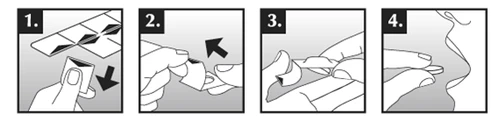
- Hold the edge of the blister and gently separate one square from the rest along the perforation line.
- Pull the edge of the foil and completely peel it off.
- Push the prolonged-release tablet out onto your hand.
- Swallow the prolonged-release tablet whole with an adequate amount of liquid, with or without food.
Duration of treatment
These tablets should not be taken longer than necessary. If you are on long-term treatment with these tablets, your doctor should regularly assess whether continued treatment is still needed.
Taking more Oxynador than you should
If you take more tablets than prescribed, contact your doctor immediately.
Overdose may cause:
- Constricted pupils,
- Slow and shallow breathing (respiratory depression),
- Drowsiness progressing to unconsciousness (narcotic-like state),
- Reduced muscle tone (hypotonia),
- Slowed heart rate,
- Drop in blood pressure,
- Brain disorders (toxic leukoencephalopathy).
In severe cases, unconsciousness (coma), pulmonary edema, and circulatory collapse may occur, which in some cases may lead to death.
Avoid activities requiring increased attention, such as driving.
Missing a dose of Oxynador
Missing a dose or taking a lower dose than prescribed may result in inadequate pain relief.
If you forget to take a dose, follow these instructions:
- If 8 hours or more remain until the next dose: take the missed dose immediately and continue taking the medicine according to the prescribed schedule.
- If less than 8 hours remain until the next dose: do not take the missed dose. Wait 8 hours before taking the next dose. Try to return to your original dosing schedule (e.g., 8:00 a.m. and 8:00 p.m.). Do not take more than one dose within any 8-hour period.
Do not take a double dose to make up for a missed dose.
Stopping treatment with Oxynador
Do not stop taking this medicine without consulting your doctor.
If treatment is no longer needed, the daily dose should be gradually reduced under medical supervision. This helps prevent withdrawal symptoms such as restlessness, especially motor agitation, sweating, and muscle pain.
If you have any further questions about the use of these tablets, consult your doctor or pharmacist.
4. Possible adverse effects
Like all medicines, this medicine can cause adverse effects, although not everyone will experience them.
Important information about adverse effects and actions to take if they occur:
If any of the following adverse effects occur, contact your doctor immediately.
Slow and shallow breathing (respiratory depression) is the main risk associated with opioid overdose. It occurs mainly in elderly and weakened patients. Opioids may also cause a severe drop in blood pressure in sensitive patients.
The following adverse effects have been observed in patients treated for pain:
Common (may occur in up to 1 in 10 patients):
- abdominal pain
- constipation
- diarrhoea
- dry mouth
- indigestion
- vomiting
- nausea
- bloating (gas)
- reduced appetite up to loss of appetite
- dizziness or spinning sensation
- headache
- hot flushes
- fatigue or exhaustion
- feeling of unusual weakness
- itching of the skin
- skin reactions, rash
- sweating
- dizziness
- difficulty sleeping
- drowsiness
Uncommon (may occur in up to 1 in 100 patients):
- abdominal distension
- abnormal thinking
- anxiety
- disorientation
- depression
- nervousness
- chest tightness, especially if coronary heart disease is present
- drop in blood pressure
- withdrawal symptoms, e.g. restlessness
- fainting
- feeling of lack of energy
- thirst
- taste disturbances
- palpitations
- biliary colic
- chest pain
- general malaise
- pain
- swelling of hands, ankles and feet
- difficulty concentrating
- speech difficulties
- tremor
- breathing difficulties
- restlessness, especially motor restlessness
- chills
- increased liver enzyme activity
- increased blood pressure
- reduced libido
- catarrh
- cough
- hypersensitivity/allergic reactions
- weight loss
- accidental injuries
- increased urge to urinate
- muscle cramps
- muscle twitching
- muscle pain
- visual disturbances
- seizures (especially in patients with epilepsy or predisposition to seizures)
Rare (may occur in up to 1 in 1000 patients):
- increased heart rate
- drug dependence
- dental changes
- weight gain
- yawning
Not known (frequency cannot be estimated from available data):
- aggression
- euphoric state
- severe drowsiness
- erectile dysfunction
- nightmares
- hallucinations
- shallow breathing
- difficulty passing urine
- tingling of the skin (numbness and tingling)
- belching
- sleep apnoea (breathing pauses during sleep)
The following adverse effects of the active substance hydrochloride oxycodone are known
when it is not combined with hydrochloride naloxone:
Oxycodone may cause breathing problems (respiratory depression), pupil constriction, bronchial muscle spasms and smooth muscle spasms, as well as suppression of the cough reflex.
Common (may occur in up to 1 in 10 patients):
- mood and personality changes (e.g. depression, feeling of extreme happiness)
- reduced activity
- increased activity
- difficulty passing urine
- hiccups
Uncommon (may occur in up to 1 in 100 patients):
- concentration difficulties
- migraines
- increased muscle tension
- involuntary muscle contractions
- intestinal dysfunction (intestinal obstruction)
- dry skin
- drug tolerance
- reduced sensitivity to pain and touch
- impaired coordination
- voice changes (hoarseness)
- fluid retention
- hearing problems
- oral ulceration
- swallowing difficulties
- gum pain
- perceptual disturbances (e.g. hallucinations, derealisation)
- skin redness
- dehydration
- restlessness
- decreased sex hormone levels, which may affect sperm production in men or menstrual cycle in women
Rare (may occur in up to 1 in 1000 patients):
- itchy rash (urticaria)
- infections such as herpes (which may cause blisters around the mouth or genital organs)
- increased appetite
- black (tarry) stools
- bleeding gums
Not known (frequency cannot be estimated from available data):
- acute generalized allergic reactions (anaphylactic reactions)
- increased sensitivity to pain
- absence of menstruation
- neonatal withdrawal syndrome
- bile flow problems: disorders affecting the valve in the intestine, which may cause severe upper abdominal pain (dysfunction of the sphincter of Oddi)
- dental caries
Reporting of adverse effects
If any adverse effects occur, including any not listed in this leaflet, inform your doctor or pharmacist. Adverse effects can be reported directly to the Department of Monitoring of Adverse Drug Reactions of the Office for Registration of Medicinal Products, Medical Devices and Biocidal Products:
Al. Jerozolimskie 181C, 02-222 Warsaw
Tel.: + 48 22 49 21 301
Fax: + 48 22 49 21 309
Website: https://smz.ezdrowie.gov.pl
Adverse effects can also be reported to the marketing authorisation holder.
Reporting adverse effects helps to provide more information on the safety of the medicine.
5. How to store Oxynador
Keep this medicine out of sight and reach of children.
Do not use this medicine after the expiry date stated on the packaging after the abbreviation
"EXP". The expiry date refers to the last day of the stated month.
The batch number is indicated on the packaging after the abbreviation "Lot".
Do not store above 30°C.
Store in the original packaging to protect from moisture.
Medicines must not be disposed of via wastewater or household waste. Ask your pharmacist how to dispose of medicines no longer required. This practice helps protect the environment.
6. Contents of the pack and other information
What Oxynador contains
-
The active substances in this medicine are oxycodone hydrochloride and naloxone hydrochloride.
10 mg + 5 mg prolonged-release tablets
Each prolonged-release tablet contains 10 mg of oxycodone hydrochloride, equivalent to 9 mg of oxycodone, and 5 mg of naloxone hydrochloride as 5.45 mg of naloxone hydrochloride dihydrate, equivalent to 4.5 mg of naloxone.
20 mg + 10 mg prolonged-release tablets
Each prolonged-release tablet contains 20 mg of oxycodone hydrochloride, equivalent to 18 mg of oxycodone, and 10 mg of naloxone hydrochloride as 10.9 mg of naloxone hydrochloride dihydrate, equivalent to 9 mg of naloxone.
40 mg + 20 mg prolonged-release tablets
Each prolonged-release tablet contains 40 mg of oxycodone hydrochloride, equivalent to 36 mg of oxycodone, and 20 mg of naloxone hydrochloride as 21.8 mg of naloxone hydrochloride dihydrate, equivalent to 18 mg of naloxone. -
Other ingredients are hydroxypropyl cellulose, ethyl cellulose, glyceryl distearate, lactose monohydrate, talc, and magnesium stearate; and in the tablet coating: polyvinyl alcohol, titanium dioxide (E 171), macrogol 3350, talc, iron oxide red (E 172) – only in 20 mg + 10 mg tablets, and iron oxide yellow (E 172) – only in 40 mg + 20 mg tablets. See section 2, "Oxynador contains lactose".
What Oxynador looks like and contents of the pack
10 mg + 5 mg prolonged-release tablets (tablets): white, oval, slightly biconvex coated prolonged-release tablets with "10" engraved on one side of the tablet (dimensions: 9.5 mm x 4.5 mm).
20 mg + 10 mg prolonged-release tablets (tablets): light pink, oval, slightly biconvex coated prolonged-release tablets with "20" engraved on one side of the tablet (dimensions: 9.5 mm x 4.5 mm).
40 mg + 20 mg prolonged-release tablets (tablets): brownish-yellow, capsule-shaped, slightly biconvex coated prolonged-release tablets with "40" engraved on one side of the tablet (dimensions: 14.0 mm x 6.0 mm).
10 mg + 5 mg:
Packs: 10, 14, 20, 28, 30, 50, 56, 60, 90, 98, 100 or 112 prolonged-release tablets in child-resistant blisters, in a cardboard carton.
20 mg + 10 mg, 40 mg + 20 mg:
Packs: 10, 20, 28, 30, 50, 56, 60, 90, 98, 100 or 112 prolonged-release tablets in child-resistant blisters, in a cardboard carton.
For single-dose blisters with child-resistant protection only:
10 mg + 5 mg:
Packs: 10x1, 14x1, 20x1, 28x1, 30x1, 50x1, 56x1, 60x1, 90x1, 98x1, 100x1 or 112x1 prolonged-release tablet in single-dose child-resistant blisters, in a cardboard carton.
20 mg + 10 mg, 40 mg + 20 mg:
Packs: 10x1, 20x1, 28x1, 30x1, 50x1, 56x1, 60x1, 90x1, 98x1, 100x1 or 112x1 prolonged-release tablet in single-dose child-resistant blisters, in a cardboard carton.
Not all pack sizes may be marketed.
Marketing Authorisation Holder
KRKA, d.d., Novo mesto, Šmarješka cesta 6, 8501 Novo mesto, Slovenia
Manufacturer
KRKA, d.d., Novo mesto, Šmarješka cesta 6, 8501 Novo mesto, Slovenia
TAD Pharma GmbH, Heinz-Lohmann-Straße 5, 27472 Cuxhaven, Germany
This medicinal product is authorised for sale in the European Economic Area and the United Kingdom (Northern Ireland) under the following names:
| Belgium, Germany | Oxycodone/Naloxone Krka |
| Bulgaria | Adolax |
| Czech Republic, Estonia | Noldoxen |
| Denmark, Finland, Sweden | Oxycodone/Naloxone Krka |
| Ireland | Nolxado |
| Croatia, Slovenia, Slovakia | Adolax |
| Hungary, Latvia | Oxynador |
| Lithuania, Romania | Dolnada |
| Portugal | Oxycodone + Naloxone TAD |
| United Kingdom (Northern Ireland) | Oxycodone hydrochloride/Naloxone hydrochloride |
For more detailed information about this medicinal product, please contact the local representative of the marketing authorization holder:
KRKA-POLSKA Sp. z o.o.
Równoległa 5 Street
02-235 Warsaw
Phone: +48 22 57 37 500