Oramorph
Poland
Table of Contents
Patient Information Leaflet
Oramorph, 2 mg/ml, oral solution
Morphini sulfas
Please read all of this leaflet carefully before taking this medicine, because it contains
important information for you.
- Keep this leaflet so that you can read it again if necessary.
- If you have any questions, please consult your doctor or pharmacist.
- This medicine has been prescribed for a specific individual. Do not pass it on to others. This medicine may harm other people, even if their symptoms are the same.
- If you experience any side effects, including any side effects not listed in this leaflet, tell your doctor or pharmacist. See section 4.
Leaflet Contents
- What Oramorph is and what it is used for
- Important information before taking Oramorph
- How to take Oramorph
- Possible side effects
- How to store Oramorph
- Contents of the pack and other information
1. What Oramorph is and what it is used for
The name of the medicine is Oramorph, 2 mg/ml, oral solution. In this leaflet, the shorter name is used:
Oramorph. Oramorph contains morphine (in the form of sulfate) as the active substance. It belongs to a group of medicines called "opioids".
Oramorph is used for the treatment of severe pain or pain that cannot be controlled by other medicines (particularly cancer pain) in adults, adolescents, and children (over 1 year of age).
2. Important information before using Oramorph
When not to take Oramorph
- if the patient is allergic to morphine sulphate or any of the other ingredients of this medicine (listed in section 6)
- if the patient has consumed a large amount of alcohol ("alcohol intoxication")
- if the patient is highly agitated due to alcohol consumption or use of sleeping medicines ("hypnotics")
- in case of suspected intestinal obstruction
- in case of acute abdomen syndrome
- in case of acute liver diseases
- in case of head injury or increased intracranial pressure
- in case of asthma or sudden or serious breathing problems
- in case of serious breathing difficulties ("respiratory depression")
- if the patient is taking monoamine oxidase inhibitors (MAO inhibitors, used in the treatment of depression) or has taken them within the last 2 weeks
- during pregnancy or breastfeeding.
Do not take Oramorph if any of the above apply to the patient. If in doubt, consult a doctor or pharmacist before starting treatment with Oramorph.
Warnings and precautions
Before starting treatment with Oramorph, discuss with your doctor or pharmacist if the patient:
- has breathing problems caused by airway obstruction or diseases affecting respiration (such as scoliosis, emphysema, or severe obesity)
- has heart and lung problems (cor pulmonale)
- has increased intracranial pressure
- has low blood pressure combined with reduced circulating blood volume
- is not fully conscious
- has undergone surgery within the last 24 hours
- is due to undergo surgery for pain relief ("cordotomy") within 24 hours
- has chronic kidney or liver problems, pancreatitis, hypothyroidism, adrenal gland disorders, or tumours called "pheochromocytoma"
- has benign prostatic hyperplasia with urinary retention
- has inflammatory bowel disease or intestinal problems causing obstruction
- has biliary or urinary tract obstruction
- has colicky pain due to gallstones or kidney stones
- has undergone biliary tract surgery
- has problems with normal emptying of the stomach
- has epilepsy or experiences seizures (fits)
- is taking medicines similar to morphine (such as buprenorphine, nalbuphine, pentazocine) or medicines that reverse the effects of morphine (such as naloxone).
If any of the above apply to the patient (or if the patient is unsure), consult a doctor or pharmacist before using Oramorph.
If any of the following symptoms occur during treatment with Oramorph, consult a doctor or pharmacist:
- Increased sensitivity to pain despite increasing doses (hyperalgesia). The doctor will decide whether a dose adjustment or change in strong painkiller ("analgesic") is needed (see section 3).
- Weakness, fatigue, loss of appetite, nausea, vomiting, or low blood pressure. This may indicate insufficient cortisol production by the adrenal glands, and hormone supplementation may be required.
- Loss of libido, impotence, cessation of menstruation. This may be due to reduced production of sex hormones.
- If the patient is or has been addicted to drugs or alcohol. The patient should also report whether they feel becoming dependent on Oramorph during treatment. If so, the patient may begin thinking frequently about when they can take the next dose, even if it is not needed for pain relief.
- Acute generalised exanthematous pustulosis (AGEP) has been reported with Oramorph treatment. Symptoms usually appear within the first 10 days of treatment. Inform the doctor if the patient has ever experienced severe skin rash, skin peeling, blisters, and/or oral ulcers after taking Oramorph or other opioids. Discontinue Oramorph and seek immediate medical attention if the patient notices any of the following symptoms: appearance of blisters, extensive skin peeling, or pustular rash accompanied by fever.
- Sleep-related breathing disorders. Oramorph may cause sleep-related breathing disorders such as sleep apnoea (pauses in breathing during sleep) and sleep-related hypoxemia (low blood oxygen levels). Symptoms may include episodes of stopped breathing during sleep, waking up at night due to breathlessness, difficulty maintaining sleep, or excessive daytime sleepiness. Consult a doctor if the patient or someone else observes these symptoms. The doctor may consider reducing the dose.
- Seek medical advice if the patient experiences severe upper abdominal pain radiating to the back, nausea, vomiting, or fever, as these may be symptoms of pancreatitis or biliary tract disorders.
- Withdrawal symptoms or dependence. The most common withdrawal symptoms are listed in section 3. If they occur, the doctor may change the type of medicine or the interval between doses.
Surgery, tests and monitoring
- Patients taking Oramorph are at higher risk of intestinal or breathing problems after surgery. Therefore, doctors will exercise particular caution before and after the procedure.
- The pain-relieving effect of morphine may mask serious postoperative complications, such as intestinal perforation.
- If the patient has adrenal gland problems, doctors will perform monitoring tests in case steroid medications are needed.
Tolerance, dependence and addictive use
This medicine contains morphine, which is an opioid. If the patient takes Oramorph for a long time, their body may become accustomed to it (called "tolerance"). This means the medicine will become less effective.
- This is less likely to happen if the amount taken is just enough to relieve pain. To reduce this risk, always take Oramorph exactly as directed by the doctor.
- Take the dose as prescribed by the doctor, at the correct time every day.
Repeated use of opioids may lead to reduced effectiveness of the medicine (the patient becomes accustomed to it, known as drug tolerance). Repeated use of Oramorph may also lead to dependence, abuse, and addictive use, which may result in life-threatening overdose. The risk of these adverse effects may increase with higher doses and longer duration of use.
Dependence or addictive use may cause the patient to feel a loss of control over how much medicine to take or how often to take it.
The risk of dependence or addictive use varies between individuals. The risk of becoming dependent on Oramorph or using it addictively may be higher if:
- the patient or any of their relatives have ever abused or been dependent on alcohol, prescription medicines, or drugs ("addiction");
- the patient smokes cigarettes;
- the patient has ever had mood disorders (depression, anxiety disorders, or personality disorders) or has been treated by a psychiatrist for other mental illnesses.
If any of the following symptoms occur while taking Oramorph, this may indicate dependence or addictive use:
- the patient needs to take the medicine for longer than prescribed by the doctor;
- the patient needs to take a higher dose than recommended;
- the patient uses the medicine for reasons other than those for which the doctor prescribed it, e.g., "to calm down" or "to be able to sleep";
- the patient has made repeated unsuccessful attempts to stop or control use of the medicine;
- after stopping the medicine, the patient feels unwell and feels better when taking it again ("withdrawal effect").
If any of these symptoms are noticed, discuss with the doctor the best treatment strategy for the patient, including when it is appropriate to stop treatment and how it can be safely discontinued (see section 3 "Stopping Oramorph").
Children and adolescents
Due to its concentration, Oramorph is not suitable for children under 1 year of age.
This medicine contains a small amount of alcohol – parents and caregivers should take this into account.
Oramorph with other medicines
Tell your doctor or pharmacist about all medicines the patient is currently taking, has recently taken, or plans to take, including over-the-counter medicines and herbal supplements.
The patient should not take this medicine and should inform their doctor or pharmacist if they are taking or using any of the following medicines:
- MAO inhibitors (used in the treatment of depression), including if they were taken within the last 2 weeks
- medicines similar to morphine (such as buprenorphine, nalbuphine, pentazocine) or medicines that reverse the effects of morphine (such as naloxone). The patient should not take Oramorph if any of the above apply. If in doubt, consult a doctor or pharmacist before starting treatment with Oramorph.
Also inform the doctor or pharmacist if the patient is taking or using any of the following medicines:
- medicines that help with sleep or have a calming effect – such as sedatives, anaesthetics, and sleeping pills
- calming medicines, such as benzodiazepines or related drugs. Concurrent use with Oramorph increases the risk of drowsiness, breathing difficulties (respiratory depression), and coma, which may be life-threatening. Therefore, concurrent use should only be considered if no other treatment options are possible. If the doctor prescribes Oramorph together with other calming medicines, the dose and duration of combined treatment should be limited by the doctor. Inform the doctor about all calming medicines the patient is taking and follow dosing instructions exactly. It may be helpful to inform friends or relatives about the above symptoms. Contact the doctor if such symptoms occur.
- medicines for mental health problems, such as depression (called "tricyclic antidepressants") or schizophrenia (called "phenothiazines"), such as clomipramine and amitriptyline.
- These medicines may enhance the "inhibitory" effect of Oramorph, especially on breathing. Alcohol also has this inhibitory effect.
- other medicines for mental health problems.
- These medicines may worsen side effects such as constipation, dry mouth, and difficulty urinating (so-called "anticholinergic" side effects).
- medicines called "antihistamines"
- antiemetic medicines (to prevent vomiting)
- medicines used in the treatment of Parkinson's disease
- cimetidine – used in the treatment of stomach ulcers and other stomach problems
- muscle relaxants used during surgical procedures
- medicines used to treat high blood pressure
- rifampicin – an antibiotic used to treat, for example, tuberculosis
- some medicines used to treat blood clots (e.g., clopidogrel, prasugrel, ticagrelor) may have delayed and reduced effects when taken with morphine
- gabapentin or pregabalin used in the treatment of epilepsy and nerve-related pain (neuropathic pain).
If any of the above apply to the patient, consult a doctor or pharmacist before using Oramorph.
Oramorph and alcohol
Do not drink alcohol while taking Oramorph.
Pregnancy, breastfeeding and fertility
- Do not use Oramorph if the patient is pregnant or suspects she may be pregnant, or if planning to have a child. This may affect the baby. If Oramorph is used for a long time during pregnancy, there is a risk that the newborn will experience withdrawal symptoms, which should be treated by a doctor.
- Do not breastfeed while taking Oramorph, as small amounts may pass into breast milk.
- Do not plan pregnancy while taking this medicine. The patient and her partner should use effective contraception during treatment. If pregnancy occurs during this time, contact a doctor immediately.
Driving and operating machinery
- Do not drive, ride a bicycle, or operate any tools or machinery while taking this medicine. The patient may feel drowsy and less alert during treatment – even at normal doses.
- This effect is more pronounced at the beginning of treatment or after a dose increase. The effect is also stronger if the patient drinks alcohol or takes other medicines that cause drowsiness. The time after which it is safe to resume driving or operating machinery is highly individual and must be determined by the doctor.
Oramorph contains
- Methyl parahydroxybenzoate (E218) and propyl parahydroxybenzoate (E216), which may cause allergic reactions (including delayed-type reactions).
- Ethanol
- This medicine contains 80 mg of alcohol (ethanol) in each ml of solution, equivalent to 8% m/v. The amount in a 5 ml dose corresponds to 10 ml of beer or 4 ml of wine.
- It is unlikely that the amount of alcohol in this medicine will affect adults and adolescents; it is unlikely that its effect will be noticeable in children. However, some effects may occur in younger children, such as drowsiness.
- The alcohol in this medicine may alter the effects of other medicines. If the patient is taking other medicines, they should consult a doctor or pharmacist.
- If the patient is pregnant or breastfeeding, she should consult a doctor or pharmacist.
- If the patient is alcohol-dependent, they should consult a doctor or pharmacist before using this medicine.
- Sucrose and glucose – 100 mg of liquid glucose and 300 mg of sucrose in each ml of solution.
- If a doctor has ever informed the patient of an intolerance to certain sugars, consult a doctor before taking this medicine.
- If the patient has diabetes – Oramorph contains sucrose and liquid glucose. 5 ml of solution corresponds to 0.17 bread units.
3. How to use Oramorph
This medicine should always be taken exactly as prescribed by the doctor. If in doubt, consult the doctor or pharmacist.
Before starting treatment and regularly during treatment, the doctor will discuss with the patient what to expect from using Oramorph, when and for how long it should be taken, when to contact the doctor, and when to stop taking the medicine (see also "Stopping Oramorph" in this section).
Dosage
The doctor will determine the dose based on the intensity of pain, the patient's age, concomitant use of other medicines, and liver function.
The doctor may increase the dose depending on:
- intensity of pain
- previous use of pain-relieving medicines. For higher doses, Oramorph is available as an oral solution 20 mg/ml.
What dose should be taken
Oral administration.
The solution should be taken with a drink (water or juice). This medicine may be taken regardless of meals.
The dosing intervals of 4 hours, or between 4 and 6 hours, must be strictly observed. The effect of this medicine lasts for approximately 4 hours.
| Age | Volume of Oramorph medicinal solution | Morphine dose in the solution |
| Children 1-5 years (10-20 kg): |
| Up to 5 mg morphine |
| Children 6-12 years (20-40 kg): |
| Up to 5-10 mg morphine |
| Adolescents 13-16 years (40-50 kg): |
| 10-20 mg morphine |
| Adults and adolescents over 16 years of age: |
| 10-20 mg morphine |
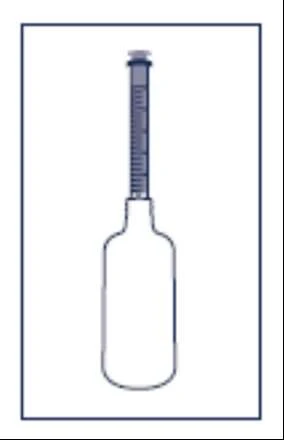
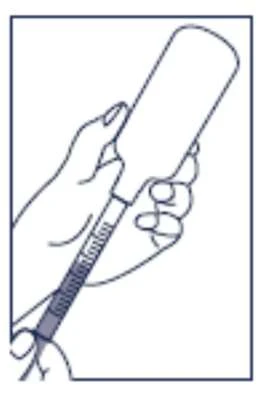
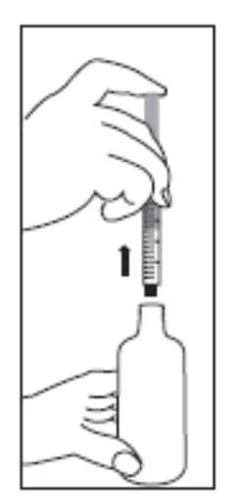
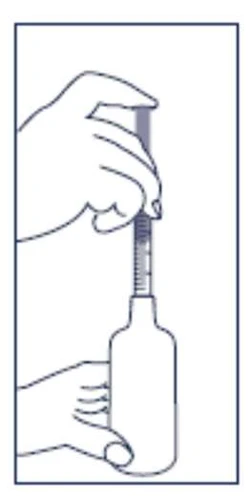
How to measure the dose
|
|
 |
 |
 |
 |
|
|
Oramorph is not suitable for long-term use.
Elderly patients (over 75 years of age)
Elderly individuals (aged 75 years and above) and those in generally poor health may be more sensitive to morphine. Therefore, a lower dose may be administered.
Patients with liver, kidney or heart problems
The doctor will exercise particular caution when determining the dose for patients with liver, kidney or heart problems. The same applies to patients with delayed gastric and intestinal motility.
Administration of a higher than recommended dose of Oramorph
If a higher than recommended dose of Oramorph is taken, seek immediate medical advice from a doctor or go to the nearest hospital.
In such a case, the following symptoms may occur:
- breathing difficulties, which may lead to loss of consciousness and even death
- pinpoint pupils (pupillary constriction)
- low blood pressure
- drowsiness – from mild fatigue to profound sleepiness
- cold and clammy skin.
In patients who have taken an excessive dose, aspiration pneumonia caused by inhalation of vomit or foreign bodies may occur; symptoms include shortness of breath, cough and fever.
The effect on the patient depends on the amount of morphine ingested.
Information for physicians: see section: Information intended exclusively for medical personnel.
Missed dose of Oramorph
This medicine should always be taken strictly according to the doctor's instructions. If a patient misses a dose, they should consult their doctor. A double dose should not be taken to make up for a missed dose.
Discontinuation of Oramorph
Do not stop taking Oramorph without consulting your doctor. If a patient wishes to discontinue treatment with Oramorph, they should consult their doctor on how to gradually reduce the dose to avoid withdrawal symptoms. Withdrawal symptoms may include body aches, tremors, diarrhea, abdominal pain, nausea, flu-like symptoms, rapid heartbeat and dilated pupils. Psychological symptoms may include intense feelings of dissatisfaction, anxiety and irritability.
If there are any further doubts regarding the use of this medicine, consult a doctor or pharmacist.
4. Possible adverse reactions
Like all medicines, this medicine can cause adverse reactions, although not everyone will experience them.
Important adverse reactions or symptoms to be aware of, and what to do if they occur:
- Severe allergic reaction causing difficulty in breathing or dizziness.
- Severe skin reaction with blistering, extensive peeling of the skin, pustular rash accompanied by fever. This may be a condition called acute generalized exanthematous pustulosis (AGEP). If any of these serious adverse reactions occur, contact your doctor immediately. If you notice any of the adverse reactions listed below, inform your doctor or pharmacist:
Very common: occur in more than 1 in 10 patients
- Mood changes, mainly euphoria, but low mood may also occur.
Common: occur in 1 in 10 patients
- Dizziness or headache
- Changes in well-being (mainly drowsiness, but sometimes increased activity or agitation)
- Insomnia
- Thinking and perception disturbances (feeling of anxiety, hallucinations, confusion)
- Constricted pupils
- Nausea or vomiting (more frequent at the beginning of treatment)
- Constipation
- Loss of appetite, abdominal pain or taste disturbances
- Excessive sweating
- Allergic reactions such as urticaria and itching of the skin.
Uncommon: occur in 1 in 100 patients
- Breathing difficulties, bronchospasm (airway constriction)
- Facial flushing
- Disorientation, restlessness, dizziness, drowsiness or excessive drowsiness, or mood changes
- Irregular heartbeat (palpitations)
- Dry mouth
- Colic or biliary colic
- Urinary retention (inability to empty the bladder), reduced urine output compared to usual, urinary tract spasms.
Rare: occur in 1 in 1,000 patients
- Severe allergic reactions (anaphylactic and anaphylactoid reactions), asthma attacks in sensitive patients
- Chills or low body temperature
- Increased intracranial pressure
- Blurred vision, double vision, and abnormal eye movements
- Low blood pressure, slow or rapid heartbeat, general muscle weakness, which may lead to fainting and cardiac failure
- Increased levels of pancreatic enzymes (shown in blood tests) or symptoms associated with inflammation of the pancreas (pancreatitis) and biliary tract, e.g. severe upper abdominal pain radiating to the back, nausea, vomiting, or fever.
Very rare: occur in less than 1 in 10,000 patients
- Sudden shortness of breath
- Schwartz-Bartter syndrome (SIADH) with low blood sodium levels
- Tremor, involuntary muscle twitching, seizures
- Morphine dependence
- Low libido or sexual impotence
- Intestinal obstruction, abdominal pain
- Increased liver enzyme levels (shown in blood tests)
- Other skin reactions such as rash and skin swelling (resolves upon discontinuation of the medicine). Morphine releases histamine and may consequently cause urticaria, other skin reactions, and itching
- Muscle spasms, muscle stiffness.
Frequency not known: frequency cannot be estimated from available data
- Sleep apnoea (episodes of breathing cessation during sleep)
- Increased sensitivity to pain
- Withdrawal symptoms (symptoms – see section 3: Stopping Oramorph treatment)
Reporting of adverse reactions
If any adverse reactions occur, including any adverse reactions not listed in this leaflet, inform your doctor or pharmacist. Adverse reactions can be reported directly to the Department of Monitoring Adverse Drug Reactions, Office for Registration of Medicinal Products, Medical Devices and Biocidal Products, Al. Jerozolimskie 181C, 02-222 Warsaw, tel.: +48 22 49 21 301, fax: +48 22 49 21 309. Website: https://smz.ezdrowie.gov.pl.
Reporting adverse reactions helps to provide more information on the safety of the medicine.
Adverse reactions can also be reported to the marketing authorization holder.
5. How to store Oramorph
The bottle should be stored in the outer carton to protect it from light.
Do not store above 25°C.
Keep the medicine out of the sight and reach of children.
Do not use this medicine after the expiry date stated on the carton and bottle after:
"EXP". The expiry date refers to the last day of the stated month.
Expiry date after opening the Oramorph bottle: 3 months.
Medicines must not be disposed of via wastewater or household waste. Ask your
pharmacist how to dispose of medicines no longer in use. This will help protect
the environment.
6. Contents of the pack and other information
What Oramorph contains
- The active substance is morphine sulfate. 1 ml of the aqueous solution contains 2 mg of morphine sulfate.
- The other ingredients are: sucrose, glucose liquid, methyl parahydroxybenzoate (E 218), propyl parahydroxybenzoate (E 216), ethanol (96%) and purified water.
What Oramorph looks like and contents of the pack
Oramorph is a nearly colourless aqueous solution for oral use, available in a 100 ml bottle.
A pipette is supplied with the pack.
Marketing Authorisation Holder and Manufacturer
L. Molteni & C. dei F.lli Alitti Società di Esercizio S.p.A.,
Strada Statale 67, Tosco Romagnola,
50018 Scandicci (FI),
Italy
This medicinal product is authorised in the EEA countries under the following names:
Austria: Oramorph, 2 mg/ml
Croatia: Oramorph, 2 mg/ml
Slovenia: Oramorph, 2 mg/ml, peroralna raztopina
Information intended exclusively for medical personnel:
Overdose
Symptoms:
Signs of morphine intoxication and overdose include: respiratory depression, aspiration pneumonia, miosis (pinpoint pupils), and hypotension. In cases of significant hypoxia, pupils may become dilated, and respiratory depression occurs (respiratory rate 2–4 breaths per minute), with the patient becoming cyanotic.
In more severe cases, circulatory failure and deep coma may develop.
Initially, blood pressure remains within normal limits but drops significantly as intoxication progresses. Persistent hypotension may lead to shock. Tachycardia, bradycardia, and rhabdomyolysis may occur. Body temperature decreases. Skeletal muscles become relaxed, and generalized seizures may occasionally occur, particularly in children. Respiratory failure or complications such as pulmonary edema may result in death.
Treatment of overdose:
Primary treatment involves airway clearance and maintenance of airway patency, as well as assisted or controlled ventilation.
In cases of significant overdose, intravenous administration of 0.4–0.8 mg naloxone is recommended. If necessary, doses may be repeated at 2–3 minute intervals or replaced by an infusion of 2 mg in 500 ml of physiological saline or 5% dextrose solution (0.004 mg/ml). Infusion rate should depend on previously administered doses and must be adjusted according to the patient's response. Because the effect of naloxone wears off after a relatively short time (2–3 hours), close monitoring of the patient is essential until spontaneous respiration is fully restored.
The single dose of naloxone in children is 0.01 mg per kg body weight.
Naloxone should not be administered if morphine overdose does not cause clinically significant respiratory or circulatory depression. Naloxone must be administered with extreme caution to individuals with known or suspected physical dependence on morphine. In such cases, sudden or complete opioid antagonism may precipitate an acute withdrawal syndrome.
Additional supportive measures (oxygen administration, vasopressor agents, intravenous fluid volume replacement) should be applied depending on the patient's condition. Gastric lavage should be performed within the first 2 hours after morphine ingestion and only in patients who are responsive to treatment.