Omnipaque
Poland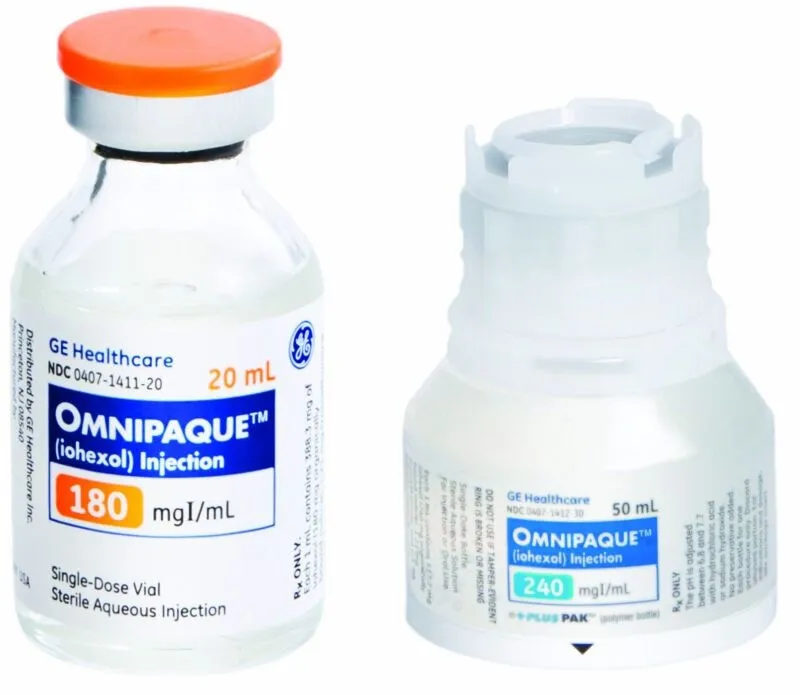
Table of Contents
Patient Information Leaflet
Omnipaque, 518 mg/ml (240 mg I/ml), solution for injection
Omnipaque, 647 mg/ml (300 mg I/ml), solution for injection
Omnipaque, 755 mg/ml (350 mg I/ml), solution for injection
Iohexol
Please read this leaflet carefully before using this medicine, as it contains
important information for you.
- Keep this leaflet, as you may need to read it again.
- If you have any further questions, please ask your doctor, pharmacist, or nurse.
- This medicine has been prescribed for a specific individual. Do not share it with others. This medicine may harm other people, even if their symptoms are similar.
- If you experience any adverse reactions, including any possible side effects not listed in this leaflet, inform your doctor, pharmacist, or nurse. See section 4.
Leaflet Contents
- What Omnipaque is and what it is used for
- Important information before using Omnipaque
- How to use Omnipaque
- Possible side effects
- How to store Omnipaque
- Contents of the pack and other information
1. What Omnipaque is and what it is used for
This product is intended for diagnostic use only.
A radiographic contrast agent for administration in adult patients and children undergoing the following diagnostic procedures: cardioangiography, arteriography, urography, venography, and computed tomography (in adults).
When administered intrathecally, it is used in lumbar, thoracic, and cervical myelography, as well as in computed tomography of the basal cisterns of the brain.
The medicine is also used in arthrography, retrograde endoscopic pancreatography (ERP), retrograde endoscopic cholangiopancreatography (ERCP), herniography, hysterosalpingography, sialography, and gastrointestinal tract examinations.
Omnipaque may also be used in contrast-enhanced mammography (CEM) in adults for the evaluation and detection of confirmed or suspected breast lesions, as a supplement to mammography (with or without ultrasound) or as an alternative to magnetic resonance imaging (MRI) when contraindications exist or MRI is not feasible.
2. Important information before using Omnipaque
When not to use Omnipaque:
- if the patient is allergic to iohexol or any of the other ingredients of this medicine (listed in section 6);
- if the patient has severe symptomatic hyperthyroidism.
Warnings and precautions
Before starting treatment with Omnipaque, discuss this with your doctor.
Transient disturbances in brain function, known as encephalopathy, may occur during or shortly after the imaging procedure. If the patient experiences any symptoms related to this condition described in section 4, the doctor should be informed immediately.
General warnings regarding the use of all non-ionic contrast media
Hypersensitivity reactions
Special attention is required in patients with a history of allergy, asthma, or adverse reactions to iodinated contrast media. Therefore, every administration of contrast agents should be preceded by a thorough medical history. Omnipaque should be used in patients with a predisposition to allergies or known hypersensitivity reactions only when absolutely necessary.
In patients at risk of intolerance, premedication with corticosteroids or H and H receptor-blocking agents should be considered. However, these may not prevent anaphylactic shock and may mask its initial symptoms. Patients with bronchial asthma are particularly at increased risk of bronchospasm.
The risk of severe reactions following administration of Omnipaque is considered low. However, iodinated contrast media may cause severe, life-threatening or fatal anaphylactic and/or anaphylactoid reactions or other hypersensitivity symptoms. Regardless of dose or route of administration, symptoms such as angioedema, conjunctivitis, cough, itching, rhinitis, sneezing, and urticaria may indicate a serious anaphylactoid reaction requiring treatment. Therefore, necessary medications and equipment should be prepared in advance for such situations, and access to qualified and experienced medical personnel must be ensured. In a pre-shock state, administration of the contrast agent should be stopped immediately, and if necessary, appropriate intravenous treatment should be initiated. An intravenous cannula or catheter ensuring immediate venous access should be maintained throughout the radiological examination.
Patients receiving β-adrenergic receptor blockers may present atypical symptoms of anaphylaxis, which may be confused with symptoms from the parasympathetic nervous system (vagus nerve reaction).
Typical hypersensitivity reactions include mild respiratory and skin symptoms such as mild breathing difficulties, skin redness (flushing), urticaria, itching, or facial swelling. Serious symptoms such as angioedema, subglottic edema, bronchospasm, and shock are rare. These reactions usually occur within one hour after administration of the contrast agent. In rare cases, hypersensitivity may be delayed (after several hours or days), but such cases rarely threaten the patient's life and usually involve the skin.
Observation period after Omnipaque administration
After administration of the contrast agent, the patient should be observed for 30 minutes, as most severe adverse reactions occur within this time. However, delayed reactions are still possible.
Coagulopathy
Serious, rarely fatal, thromboembolic events leading to myocardial infarction and stroke have been reported during angiocardiographic procedures using both ionic and non-ionic contrast media. During vascular catheterization procedures, attention should be paid to angiographic technique and the need for frequent catheter flushing (e.g., with heparinized saline) to minimize the risk of thrombosis or embolism related to the procedure.
During catheterization, it should be considered that, apart from the contrast agent, many other factors may influence the development of thromboembolic complications. These include duration of the procedure, number of injections, type of catheter and syringe material, underlying diseases, and concomitant medications.
The examination should be as short as possible.
Caution is advised in patients with homocystinuria (risk of thromboembolic complications).
Non-ionic contrast media show weaker anticoagulant effects in vitro compared to ionic contrast media.
Hydration
Adequate hydration of the patient should be ensured before and after administration of the contrast agent. If necessary, the patient should be hydrated intravenously until complete elimination of the contrast agent. This particularly applies to patients with dysproteinemia and paraproteinemia (e.g., multiple myeloma, diabetes, renal dysfunction, hyperuricemia), as well as infants, young children, elderly patients, and patients in poor general condition. In high-risk patients, water and electrolyte metabolism should be monitored, and symptoms of decreased serum calcium levels should be observed.
Due to the risk of dehydration during diuretic therapy, hydration and electrolyte replacement are essential to reduce the risk of acute kidney injury.
Cardiovascular reactions
Particular attention should be paid to patients with severe heart disease, cardiovascular disorders, and pulmonary hypertension. Hemodynamic disturbances and cardiac arrhythmias may occur, especially after intra-arterial, left, or right ventricular administration of the contrast agent.
Patients with heart failure, severe coronary artery disease, unstable angina pectoris, valvular heart disease, previous myocardial infarction, pulmonary hypertension, or previous coronary artery bypass grafting are particularly susceptible to cardiovascular disturbances.
ECG changes and arrhythmias occur more frequently in elderly patients and in patients with previous cardiac diseases involving ischemic changes.
In patients with heart failure, intravenous administration of the contrast agent may cause pulmonary edema.
Central nervous system disorders
Particular attention should also be paid to patients with acute brain pathologies, brain tumors, or a history of epilepsy due to increased risk of seizures. The risk of neurological reactions and seizures is also increased in patients with alcohol or drug dependence.
Caution is advised when administering the contrast agent intra-arterially to patients with acute stroke or acute intracranial hemorrhage, as well as to patients with diseases causing blood-brain barrier disruption, cerebral edema, acute demyelinating disease, or advanced cerebral atherosclerosis.
Neurological symptoms caused by metastases, degenerative, or inflammatory processes may worsen after administration of the contrast agent.
Patients with symptomatic cerebrovascular disease, previous strokes, or transient ischemic attacks are particularly susceptible to neurological disturbances induced by intra-arterial injection of the contrast agent. Intra-arterial injection of the contrast agent may induce vasoconstriction, potentially leading to cerebral ischemia.
Transient hearing loss and even deafness have been reported in a few patients after myelography. This was probably related to decreased cerebrospinal fluid pressure following lumbar puncture.
Renal function disturbances
Iodinated contrast media may cause increased serum creatinine levels and acute kidney injury. To prevent these conditions after contrast agent administration, special care should be taken with patients who have pre-existing renal dysfunction or diabetes and are at risk. These patients are at risk of contrast-induced nephropathy.
Other predisposing factors include: previous contrast-induced renal failure, history of kidney disease, age over 60 years, dehydration, advanced atherosclerosis, decompensated heart failure, high doses and repeated injections of contrast agent, direct injection into the renal artery, exposure to other nephrotoxic substances, severe and chronic hypertension, hyperuricemia, paraproteinemia (multiple myeloma, Waldenström's macroglobulinemia, plasmacytoma), or dysproteinemia.
Preventive measures:
- identification of high-risk groups;
- ensuring adequate hydration; if necessary, intravenous infusion should be started before the procedure and maintained until complete elimination of the contrast agent by the kidneys;
- avoiding additional renal burden, such as concomitant use of drugs with potential nephrotoxic properties, oral cholecystographic agents, vascular clamps, renal angioplasty, or other extensive surgical procedures, until the contrast agent has been completely eliminated from the body;
- minimizing the dose of contrast agent;
- delaying repeat administration of the contrast agent until renal function parameters return to baseline values.
Patients undergoing hemodialysis may receive the contrast agent for radiological examination. The timing of contrast agent administration relative to hemodialysis is not essential.
Diabetic patients receiving metformin
In diabetic patients treated with metformin, particularly those with renal dysfunction, there is a risk of lactic acidosis following administration of iodinated contrast media.
In diabetic patients receiving metformin, serum creatinine levels should be measured immediately before intra-arterial administration of contrast agents to reduce the risk of lactic acidosis. The following precautions should be taken in the following situations:
(1) Patients with estimated glomerular filtration rate (eGFR) ≥60 ml/min/1.73 m² (stage 1 and 2 chronic kidney disease) may continue normal metformin intake.
(2) Patients with eGFR 30–59 ml/min/1.73 m² (stage 3 chronic kidney disease)
- Patients receiving intravenous contrast agent with eGFR ≥45 ml/min/1.73 m² may continue normal metformin intake.
- In patients receiving intra-arterial contrast agent and in patients receiving intravenous contrast agent with eGFR between 30 and 44 ml/min/1.73 m², metformin should be discontinued 48 hours before contrast agent administration and restarted 48 hours after administration if renal function has not deteriorated.
(3) In patients with eGFR <30 ml/min/1.73 m² (stage 4 and 5 chronic kidney disease) or with concomitant conditions causing liver dysfunction or hypoxia, metformin is contraindicated. Iodinated contrast agents should not be administered.
(4) In emergency situations where renal function is impaired or unknown, the physician should consider the risks and benefits of contrast-enhanced examination. Metformin should be discontinued from the moment of contrast agent administration. After the procedure, the patient should be monitored for symptoms of lactic acidosis. Metformin should be restarted 48 hours after contrast agent administration if serum creatinine/eGFR has not changed compared to pre-procedure values.
Concomitant liver and kidney dysfunction
Particular attention should be paid to patients with severe concurrent kidney and liver dysfunction, as the clearance of the contrast agent may be significantly prolonged.
Myasthenia
Administration of the contrast agent may exacerbate symptoms in patients with myasthenia.
Pheochromocytoma
Patients with pheochromocytoma or suspected pheochromocytoma should receive α-receptor blocking agents before the examination to prevent hypertensive crisis.
Thyroid function disturbances
Due to the presence of free iodide in the solution and additional iodide released during deiodination, iodinated contrast media affect thyroid function. As a result, hyperthyroidism or even thyroid storm may occur in predisposed patients. In patients with active but undiagnosed hyperthyroidism (at-risk group), patients with latent hyperthyroidism (e.g., with nodular goiter), and patients with functional autonomy (often elderly patients, particularly from iodine-deficient regions), thyroid function should be evaluated before the examination to rule out these conditions.
Before administering an iodinated contrast agent, ensure the patient will not undergo thyroid imaging, thyroid function tests, or radioactive iodine therapy in the near future. Administration of an iodinated contrast agent, regardless of route, affects hormone assay results, thyroid iodine uptake, or metastases from thyroid cancer until urinary iodine excretion returns to normal levels.
Thyroid disorders may occur in children and adults after administration of Omnipaque. Infants may also be exposed to the drug via the mother during pregnancy. The doctor may order thyroid function tests before and/or after administration of Omnipaque.
Anxiety states
In cases of marked anxiety, sedatives may be used.
Sickle cell anemia
Intravenous and intra-arterial contrast agents may promote sickling of red blood cells in patients homozygous for sickle cell anemia.
Additional risk factors
In patients with autoimmune diseases, cases of severe vasculitis and Stevens-Johnson-like symptoms have been observed.
Severe vascular and neurological diseases, particularly in elderly patients, are risk factors for contrast agent reactions.
Extravascular administration of Omnipaque
Extravasation of the contrast agent may rarely cause pain, swelling, and redness at the injection site. Symptoms are usually transient and resolve without consequences. However, inflammatory symptoms and tissue necrosis have also been observed. As routine preventive measures, elevation and cooling of the affected area should be applied. Surgical decompression may be necessary in cases of compartment syndrome.
Children and adolescents
Particular attention should be paid to children under 3 years of age, as hypothyroidism in early life may impair motor, hearing, and cognitive development and may require temporary replacement therapy with T4. The incidence of hypothyroidism in patients under 3 years exposed to iodinated contrast agents ranges from 1.3% to 15%, depending on age and dose of the contrast agent, and is more frequently observed in newborns and preterm infants. Newborns may also be exposed to iodinated contrast agents via the mother during pregnancy. Thyroid function should be evaluated in all children under 3 years after exposure to iodinated contrast agents. In cases of diagnosed hypothyroidism, thyroid function should be monitored appropriately until normalization.
Particular care should be taken to ensure adequate hydration before and after contrast agent administration in infants and young children. Nephrotoxic drugs should be discontinued. Age-dependent glomerular filtration rate (GFR), which is reduced in this age group, may be responsible for delayed elimination of contrast agents from the body.
Infants (<1 year), especially newborns, are sensitive to electrolyte imbalances and hemodynamic changes.
Intrathecal administration
After myelography, the patient should rest for 1 hour with the head and chest elevated by 20 degrees. The patient may then leave the examination room but should be warned not to bend forward. If remaining in bed, the head and chest should remain elevated for 6 hours. Patients with a low seizure threshold should be particularly closely observed during this time. Outpatients should not be left unattended for 24 hours.
Cerebral angiography
Cardiovascular reactions such as bradycardia, elevated or reduced blood pressure may occur more frequently in patients with advanced atherosclerosis, severe hypertension, heart decompensation, advanced age, previous cerebral thrombosis or embolism, and migraine.
Arteriography
Due to the procedure used, complications such as damage to arteries, veins, aorta, and adjacent organs, pleural puncture, retroperitoneal hemorrhage, spinal cord injury, and symptoms of paraplegia may occur.
Contrast-enhanced mammography (CEM)
Contrast-enhanced mammography results in greater exposure to ionizing radiation than standard mammography. Radiation dose depends on breast thickness, type of mammographic equipment, and system settings. The total radiation dose from CEM remains below the threshold specified in international mammography guidelines (below 3 mGy).
Omnipaque and other medicines
Inform your doctor about all medicines currently or recently taken, as well as any medicines planned for use.
Inform your doctor if the patient is taking β-adrenergic receptor blockers, which may increase the risk of breathing difficulties and may affect treatment of severe allergic reactions associated with Omnipaque.
Although no incompatibilities have been reported, Omnipaque should not be mixed directly with other medicines and should be administered from a separate syringe.
Administration of iodinated contrast agents may cause transient renal dysfunction, which may lead to lactic acidosis in diabetic patients taking metformin (see section 2, subsection "Warnings and precautions").
In patients who have received interleukin-2 or interferon less than 2 weeks before the examination, there is an increased risk of delayed reactions such as flushing, skin reactions, and flu-like symptoms.
Concomitant use of certain neuroleptics and tricyclic antidepressants may lower the seizure threshold, thereby increasing the risk of contrast agent-induced seizures.
Treatment with β-adrenergic receptor blockers may lower the threshold for hypersensitivity reactions and may require higher doses of β-agonists in the treatment of established hypersensitivity reactions.
β-adrenergic receptor blockers, vasoactive substances, angiotensin-converting enzyme inhibitors, and angiotensin receptor antagonists may reduce the effectiveness of cardiovascular compensatory mechanisms in response to changes in blood pressure.
All iodinated contrast agents interfere with thyroid function tests. Thyroid iodine binding capacity may be reduced for several weeks after the examination.
High concentrations of contrast agents in serum and urine may affect laboratory test results, including bilirubin, protein, and inorganic compounds such as iron, copper, calcium, and phosphates. Measurements of these substances should not be performed on the day of radiological examination.
Omnipaque with food, drink, and alcohol
Not applicable.
Pregnancy, breastfeeding, and fertility
If the patient is pregnant or breastfeeding, suspects she may be pregnant, or plans to have a child, she should consult her doctor or pharmacist before using this medicine.
Pregnancy
There are no clinical data on the use of iohexol in pregnant women.
Animal studies do not indicate direct or indirect harmful effects on reproduction, embryo/fetal development, pregnancy course, or perinatal and postnatal development.
Since exposure to X-ray radiation should be avoided in pregnant women whenever possible, the benefits of radiological examination, with or without contrast agent, should be weighed against the risks.
Omnipaque should not be used in pregnant women unless benefits outweigh risks and the doctor considers the examination necessary. In addition to avoiding fetal exposure to radiation, the sensitivity of the fetal thyroid gland to iodine should be considered when weighing benefits and risks.
Newborns exposed to iodinated contrast agents in utero should have their thyroid function monitored (see section "Warnings and precautions").
Breastfeeding
The contrast agent passes into breast milk in small amounts and is minimally absorbed by the intestines. Breastfeeding may be continued when the contrast agent is administered to the mother. In one study, the amount of iohexol excreted into breast milk 24 hours after administration was 0.5% of the dose corrected for body weight. The amount of iohexol ingested by the infant in the first 24 hours after injection is 0.2% of the dose used in children.
Driving and using machines
Omnipaque has a significant effect on the ability to drive and operate machinery.
Driving and operating machinery are not recommended for 1 hour after the last injection or for 24 hours after intrathecal administration of the medicine.
Omnipaque contains trometamol, calcium disodium edetate, hydrochloric acid (for pH adjustment), and water for injections.
Omnipaque contains less than 1 mmol (23 mg) of sodium per 1 ml, meaning the medicine is considered "sodium-free".
The risk of severe reactions after administration of Omnipaque is considered low. However, iodinated contrast media may trigger severe, life-threatening or fatal anaphylactic and/or anaphylactoid reactions or other hypersensitivity symptoms.
3. How to use Omnipaque
This medicine should always be used as directed by a physician. If in doubt, consult a doctor or pharmacist.
The dosage may vary depending on the type of examination, age, body weight, cardiac output, patient's general condition, and administration technique. Usually, the same iodine concentrations and volumes are used as with other commonly used iodine-containing contrast agents. Proper hydration of the patient should be ensured before and after administration of the product. Recommended dosages are provided in the tables below.
Intravenous administration
| Indication | Recommended concentration | Recommended volume | Remarks |
|---|---|---|---|
| Urography Adults Children < 7 kg Children > 7 kg | 300 mg I/ml or 350 mg I/ml 240 mg I/ml or 300 mg I/ml 240 mg I/ml or 300 mg I/ml | 40 – 80 ml 40 – 80 ml 4 ml/kg b.w. 3 ml/kg b.w. 3 ml/kg b.w. 2 ml/kg b.w. | In individual cases, volume may exceed 80 ml Maximum 40 ml |
| Lower limb venography | 240 mg I/ml or 300 mg I/ml | 20 – 100 ml/limb | |
| Subtraction angiography | 300 mg I/ml or 350 mg I/ml | 20 – 60 ml/injection | |
| Contrast-enhanced mammography (CEM) | 300 mg I/ml or 350 mg I/ml | 1.5 ml/kg b.w. 1.3 ml/kg b.w. | |
| Contrast-enhanced computed tomography (CT) Adults | 240 mg I/ml or 300 mg I/ml or 350 mg I/ml | 100 – 250 ml 100 – 200 ml 100 – 150 ml | Total iodine dose usually 30 – 60 g |
| Children | 240 mg I/ml or 300 mg I/ml | 2 – 3 ml/kg b.w. up to 40 ml 1 – 3 ml/kg b.w. up to 40 ml | In individual cases, up to 100 ml may be administered |
Intra-arterial administration
| Indication | Recommended concentration | Recommended volume | Notes |
| Arteriography Aortic arch Selective cerebral Aortography Femoral Other | 300 mg I/ml 300 mg I/ml 350 mg I/ml 300 mg I/ml or 350 mg I/ml 300 mg I/ml | 30–40 ml/injection 5–10 ml/injection 40–60 ml/injection 30–50 ml/injection depending on the type of examination | The injected volume depends on the site of administration |
| Cardioangiography Adults Left ventricle and aortic root injection Selective coronary angiography Children | 350 mg I/ml 350 mg I/ml 300 mg I/ml or 350 mg I/ml | 30–60 ml/injection 4–8 ml/injection Depending on age, body weight, and pathology; maximum 8 ml/kg body weight | |
| Subtraction angiography | 240 mg I/ml or 300 mg I/ml | 1–15 ml/injection | Depending on the site of administration, a larger volume may sometimes be used – up to 30 ml |
Intrathecal administration
| Indication | Recommended concentration | Recommended volume | Remarks |
| Lumbar and thoracic myelography Cervical myelography (via lumbar approach) Cervical myelography (via lateral cervical approach) CT cisternography (via lumbar approach) | 240 mg I/ml 240 mg I/ml or 300 mg I/ml 240 mg I/ml or 300 mg I/ml 240 mg I/ml | 8 – 12 ml 10 – 12 ml 7 – 10 ml 6 – 10 ml 6 – 8 ml 4 – 12 ml |
To minimize the risk of adverse effects, the total dose of iodine should not exceed 3 g.
Body cavity examination
| Indication | Recommended concentration | Recommended volume | Notes |
| Arthrography | 240 mg I/ml or 300 mg I/ml or 350 mg I/ml | 5 – 20 ml 5 – 15 ml 5 – 10 ml | |
| ERP/ERCP | 240 mg I/ml | 20 – 50 ml | |
| Herniography | 240 mg I/ml | 50 ml | Dose depends on hernia size |
| Hysterosalpingography | 240 mg I/ml or 300 mg I/ml | 15 – 50 ml 15 – 25 ml | |
| Sialography | 240 mg I/ml or 300 mg I/ml | 0.5 – 2 ml | |
| Gastrointestinal tract examination Oral administration: Adults Children
| 350 mg I/ml 300 mg I/ml or 350 mg I/ml 350 mg I/ml 140 mg I/ml or dilute with water to concentration of 100–150 mg I/ml | Individual dosing 2–4 ml/kg body weight 2–4 ml/kg body weight 2–4 ml/kg body weight 5–10 ml/kg body weight 5–10 ml/kg body weight | Maximum dose 50 ml Maximum dose 50 ml Example: dilute product at concentration of 240, 300 or 350 mg I/ml with water in a ratio of 1:1 or 1:2 |
| Contrast-enhanced computed tomography (CT) Oral administration: Adults Children Rectal administration: Children | Dilute product with tap water to concentration of approximately 6 mg I/ml Dilute product with tap water to concentration of approximately 6 mg I/ml Dilute product with tap water to concentration of approximately 6 mg I/ml | 800–2000 ml over a given time period 15–20 ml/kg body weight of prepared solution Individual dosing | Example: dilute product at concentration of 300 or 350 mg I/ml with water in a ratio of 1:50 |
Use of a higher than recommended dose of Omnipaque
Preclinical studies indicate a wide safety margin for the use of Omnipaque. There is no established upper dose limit for Omnipaque in routine intravenous administration. Symptomatic overdose is unlikely in patients with normal kidney function, provided that the dose of 2000 mg I/kg body weight is not exceeded within a given time period. When high doses of contrast agent are administered, renal tolerance is influenced by the duration of the procedure (approximately 2 hours).
Accidental overdose may occur in children, particularly during comprehensive angiography involving repeated administration of a highly concentrated contrast agent.
In case of overdose, disturbances in fluid and electrolyte balance should be corrected. Renal function should be monitored for three consecutive days. If necessary, the overdosed agent can be removed from the body by hemodialysis.
There is no specific antidote for this medicinal product.
Missed administration of Omnipaque
Omnipaque is administered by trained medical personnel, so missed administration is unlikely.
If you have any further questions regarding the use of this medicinal product, consult your doctor, pharmacist, or nurse.
4. Possible adverse effects
Like all medicines, this medicine can cause adverse effects, although not everyone will experience them.
General (concerning all iodinated contrast agents)
Below are the probable general adverse effects that may occur during radiographic examinations, including after administration of non-ionic, monomeric contrast agents.
Adverse effects specifically related to the route of administration are described below.
Hypersensitivity reactions may occur regardless of dose and route of administration. Mild symptoms may be the first sign of severe anaphylactoid and (or) shock reactions. In such cases, administration of the medicine should be stopped immediately, and if necessary, appropriate treatment should be initiated via an intravascular cannula placed beforehand.
After administration of iodinated contrast agents, transiently increased serum creatinine concentration may be observed. Additionally, contrast-induced nephropathy may occur.
Iodine poisoning (so-called "iodine mumps") is a very rare complication occurring after administration of iodinated contrast agents. Symptoms include swelling and increased tension of the salivary glands, which may persist for up to 10 days after the examination.
The frequencies of adverse effects are based on clinical documentation and published study results. In total, adverse effects observed in studies involving over 200,000 patients have been considered.
The frequency of adverse effects associated with the use of Omnipaque is defined as follows:
- very common: (occur in more than 1 in 10 people);
- common: (occur in 1 to 10 in 100 people);
- uncommon: (occur in 1 to 10 in 1,000 people);
- rare: (occur in 1 to 10 in 10,000 people);
- very rare: (occur in less than 1 in 10,000 people);
- frequency not known: (frequency cannot be estimated from the available data).
Immune system disorders
Rare: hypersensitivity (may be life-threatening or fatal), including dyspnoea, rash, erythema, urticaria, pruritus, skin reactions, conjunctivitis, cough, rhinitis, sneezing, vasculitis, angioedema, laryngeal oedema, laryngospasm, bronchospasm, non-cardiogenic pulmonary oedema. Adverse effects may occur immediately after injection or may indicate the onset of a shock state. Hypersensitivity-related skin reactions may appear up to several days after injection.
Very rare: anaphylactic and (or) anaphylactoid reaction (may be life-threatening or fatal).
Frequency not known: anaphylactic and (or) anaphylactoid shock (may be life-threatening or fatal).
Nervous system disorders
Uncommon: headache.
Very rare: taste disturbances (transient metallic taste), vasovagal syncope.
Cardiac disorders
Rare: bradycardia.
Vascular disorders
Very rare: hypertension, hypotension.
Gastrointestinal disorders
Uncommon: nausea.
Rare: vomiting, abdominal pain.
Very rare: diarrhoea.
Frequency not known: salivary gland enlargement.
General disorders and administration site conditions
Common: feeling of warmth.
Uncommon: excessive sweating, feeling of cold, vasovagal reactions.
Rare: fever.
Very rare: chills.
Intravascular administration (intravenous or intra-arterial)
First, refer to the adverse effects described in the "General" section. Below are described only those adverse effects (with their frequency of occurrence) that are specific to intravascular administration of a non-ionic, monomeric contrast agent.
Observed adverse effects, particularly after intra-arterial administration, depend on the site and dose of contrast agent administered. During selective arteriography or other procedures, when the contrast agent reaches an organ in high concentration, complications may affect that organ.
Blood and lymphatic system disorders
Frequency not known: thrombocytopenia.
Endocrine disorders
Frequency not known: hyperthyroidism, transient hypothyroidism.
Psychiatric disorders
Frequency not known: confusion, restlessness, nervousness, anxiety, disorientation.
Nervous system disorders
Rare: dizziness, paresis, paralysis.
Very rare: seizures, disturbances of consciousness, stroke, dementia, sensory disturbances (including hypoesthesia), paresthesia, tremor.
Frequency not known: amnesia, transient motor disturbances (including speech disorders, aphasia, dysarthria), contrast medium-induced encephalopathy.
Eye disorders
Rare: visual disturbances (including diplopia, blurred vision), photophobia.
Frequency not known: transient cortical blindness.
Ear and labyrinth disorders
Frequency not known: transient hearing loss.
Cardiac disorders
Rare: cardiac arrhythmias (including bradycardia and tachycardia).
Very rare: circulatory depression or ischaemia, thrombosis or embolism after phlebography, myocardial infarction, chest pain.
Frequency not known: severe cardiac complications (cardiac arrest, circulatory and respiratory arrest), heart failure, coronary artery spasm, cyanosis. After administration into coronary, cerebral, or renal arteries, arterial spasm may occur, resulting in transient ischaemia.
Vascular disorders
Very rare: hot flushes.
Frequency not known: shock, arterial spasm, thrombophlebitis, venous thrombosis.
Respiratory, thoracic and mediastinal disorders
Common: transient changes in respiratory rate, respiratory failure.
Rare: cough, respiratory arrest.
Very rare: dyspnoea.
Frequency not known: severe subjective and objective symptoms of respiratory tract infection, pulmonary oedema, acute respiratory distress syndrome, bronchospasm, laryngospasm, apnoea, tachypnoea and shallow breathing, asthma attack.
Skin and subcutaneous tissue disorders
Rare: rash, pruritus, urticaria.
Frequency not known: bullous dermatitis, Stevens-Johnson syndrome, erythema multiforme, toxic epidermal necrolysis, acute generalized exanthematous pustulosis, drug reaction with eosinophilia and systemic symptoms (DRESS), psoriasis flare-up, erythema, drug eruption, skin desquamation.
Gastrointestinal disorders
Rare: diarrhoea.
Frequency not known: exacerbation of pancreatitis.
Musculoskeletal and connective tissue disorders
Very rare: joint pain, muscle weakness, skeletal muscle cramps, back pain.
Renal and urinary disorders
Uncommon: acute kidney injury.
Frequency not known: increased blood creatinine concentration.
General disorders and administration site conditions
Common: distal pain (during peripheral arteriography).
Uncommon: pain and discomfort.
Rare: weakness (including malaise, fatigue).
Frequency not known: reactions at the injection site.
Injury, poisoning and procedural complications
Frequency not known: iodism.
Intrathecal administration
First, refer to the adverse effects described in the "General" section. Below are described only those adverse effects (with their frequency of occurrence) that are specific to intrathecal administration of a non-ionic, monomeric contrast agent.
Adverse effects after intrathecal administration of a contrast agent may occur with delay, appearing several hours or even days after the procedure. Their frequency is similar to that after lumbar puncture. Headache, nausea, vomiting, or dizziness are largely attributable to decreased pressure in the subarachnoid space, resulting from cerebrospinal fluid leakage at the puncture site. To minimize reduction in spinal canal pressure, excessive drainage of cerebrospinal fluid should be avoided.
Psychiatric disorders
Frequency not known: confusion, restlessness, anxiety, disorientation.
Nervous system disorders
Very common: headache (may be severe and prolonged).
Uncommon: aseptic meningitis (including chemical meningitis).
Rare: seizures, dizziness.
Frequency not known: meningeal reaction, status epilepticus, brain disturbances (encephalopathy) after contrast medium administration, motor disturbances (including speech disturbances), sensory disturbances.
Eye disorders
Frequency not known: transient cortical blindness, photophobia.
Ear and labyrinth disorders
Frequency not known: transient hearing loss.
Gastrointestinal disorders
Common: nausea, vomiting.
Musculoskeletal and connective tissue disorders
Rare: neck pain, back pain.
Frequency not known: muscle cramps.
General disorders and administration site conditions
Rare: limb pain.
Frequency not known: reactions at the administration site.
Administration into body cavities
First, refer to the adverse effects described in the "General" section. Below are described only those adverse effects (with their frequency of occurrence) that are specific to administration of a non-ionic, monomeric contrast agent into body cavities.
Endoscopic retrograde cholangiopancreatography (ERCP)
Gastrointestinal disorders
Common: pancreatitis, increased blood amylase activity.
Oral administration
Gastrointestinal disorders
Very common: diarrhoea.
Common: nausea, vomiting.
Uncommon: abdominal pain.
Hysterosalpingography
Gastrointestinal disorders
Very common: lower abdominal pain.
Arthrography
Musculoskeletal and connective tissue disorders
Frequency not known: joint inflammation.
General disorders and administration site conditions
Very common: pain.
Herniography
General disorders and administration site conditions
Frequency not known: post-herniography pain.
Description of selected adverse effects
Thromboembolic complications have been reported in patients undergoing contrast angiography of arteries: coronary, cerebral, renal, and peripheral. Administration of contrast medium may have contributed to these complications.
Cardiac complications, including acute myocardial infarction, have been reported during or after completion of coronary angiography. Increased risk of such complications applies to elderly patients or those with severe coronary artery disease, unstable angina, and left ventricular dysfunction.
Very rarely, the contrast agent may cross the blood-brain barrier, leading to uptake by the cerebral cortex and potentially causing contrast medium-induced encephalopathy. Symptoms may include headache, visual disturbances, cortical blindness, seizures, confusion, disorientation, drowsiness, loss of consciousness, coma, loss of coordination, hemiparesis, speech disturbances, aphasia, amnesia, and cerebral oedema. Symptoms usually appear within minutes to 24 hours after administration. In most reported cases, the reaction lasted from several hours to 72 hours.
Anaphylactoid reactions and anaphylactoid shock may lead to significant hypotension and associated subjective and objective symptoms such as hypoxic encephalopathy, renal and hepatic failure. In several reported cases, extravasation of contrast medium caused local pain and swelling. Pain and swelling usually resolved without clinical sequelae. Additionally, inflammatory conditions, tissue necrosis, and compartment syndrome have been reported.
Additional adverse effects in children
In preterm infants, newborns, and other children, cases of transient hypothyroidism after administration of contrast medium have been reported. Preterm infants are particularly sensitive to iodine. Cases of transient hypothyroidism have also been reported in breastfed infants whose mothers received multiple doses of Omnipaque.
Particular attention should be paid to ensuring adequate hydration before and after the examination, especially in infants and young children. Nephrotoxic drugs should be discontinued. The age-dependent glomerular filtration rate (which is reduced in this age group) may be responsible for delayed elimination of contrast agents from the body.
Reporting of adverse effects
If any adverse effects occur, including any possible adverse effects not listed in this leaflet, inform your doctor, pharmacist, or nurse. Adverse effects can be reported directly to:
Department of Monitoring of Adverse Drug Reactions, Office for Registration of Medicinal Products, Medical Devices and Biocidal Products.
Al. Jerozolimskie 181C,
02-222 Warsaw,
Tel.: +48 22 49 21 301,
Fax: +48 22 49 21 309,
Website: https://smz.ezdrowie.gov.pl
Adverse effects can also be reported to the responsible entity.
Reporting adverse effects helps to gather more information on the safety of the medicine.
5. How to store Omnipaque
Keep this medicine out of sight and reach of children.
Store below 30°C. Keep in the outer packaging to protect from light.
The medicine, whether in glass or polypropylene bottles, may be stored at 37°C for 1 month.
Do not use this medicine after the expiry date stated on the label.
Do not use this medicine if visible signs of degradation are observed.
Medicines must not be disposed of via wastewater or household waste. Ask your pharmacist how to dispose of medicines no longer in use. Such measures help protect the environment.
6. Contents of the package and other information
What Omnipaque contains
The active substance in this medicine is iohexol.
| Active substance | Dose | Content in 1 ml |
| Iohexol (INN) | 240 mg I/ml 300 mg I/ml 350 mg I/ml | 518 mg equivalent to 240 mg I 647 mg equivalent to 300 mg I 755 mg equivalent to 350 mg I |
- Other ingredients: trometamol, sodium calcium edetate, hydrochloric acid (for pH adjustment), and water for injections.
What Omnipaque looks like and contents of the pack
Omnipaque is supplied in vials or bottles made of colorless glass or USB bottles made of polypropylene, packed in a cardboard box.
The vials and bottles are made of colorless, borosilicate glass (Ph. Eur. type I), closed with a stopper made of grey chlorobutyl rubber or black bromobutyl rubber (Ph. Eur. type I), and protected with a thin plastic cap. The second type of packaging consists of bottles made of polypropylene, closed with a stopper made of grey chlorobutyl rubber or black bromobutyl rubber (Ph. Eur. type I), and protected with a plastic cover.
Omnipaque (518 mg/ml) is available in glass packaging: 10 vials of 10 ml, 6 vials of 20 ml, 25 vials of 20 ml, 10 bottles of 50 ml, and 6 bottles of 200 ml, as well as in polypropylene packaging: 10 bottles of 50 ml.
Omnipaque (647 mg/ml) is available in glass packaging: 10 vials of 10 ml, 6 vials of 20 ml, 25 vials of 20 ml, 10 bottles of 50 ml, 10 bottles of 100 ml, as well as in polypropylene packaging: 10 bottles of 50 ml, 10 bottles of 75 ml, 10 bottles of 100 ml, 10 bottles of 200 ml, and 6 bottles of 500 ml.
Omnipaque (755 mg/ml) is available in glass packaging: 6 vials of 20 ml, 25 vials of 20 ml, 10 bottles of 50 ml, 10 bottles of 100 ml, and 6 bottles of 200 ml, as well as in polypropylene packaging: 10 bottles of 50 ml, 10 bottles of 75 ml, 10 bottles of 100 ml, 10 bottles of 200 ml, and 6 bottles of 500 ml.
Not all pack sizes may be marketed.
Marketing Authorisation Holder and Manufacturer
Marketing Authorisation Holder:
GE Healthcare A.S.
Nycoveien 1
NO-0485 Oslo
Norway
For further information, please contact the representative of the Marketing Authorisation Holder:
GE Medical Systems Polska Sp. z o.o.
ul. Wołoska 9
02-583 Warsaw
Tel: +48 22 330 83 00
Manufacturer:
GE Healthcare A.S.
Nycoveien 1
NO-0485 Oslo
Norway
GE Healthcare Ireland Limited
IDA Business Park, Carrigtohill, Co.
Cork
Ireland