Methotrexate ever pharma
PolandTable of Contents
- Package leaflet: Information for the user
- 1. What Methotrexate EVER Pharma is and what it is used for
- 2. Important information before using Methotrexate EVER Pharma
- 3. How to use Methotrexate EVER Pharma
- 4. Possible adverse reactions
- 5. How to store Methotrexate EVER Pharma
- 6. Contents of the pack and other information
Package leaflet: Information for the user
Methotrexate EVER Pharma, 7.5 mg, solution for injection in pre-filled syringe
Methotrexate EVER Pharma, 10 mg, solution for injection in pre-filled syringe
Methotrexate EVER Pharma, 12.5 mg, solution for injection in pre-filled syringe
Methotrexate EVER Pharma, 15 mg, solution for injection in pre-filled syringe
Methotrexate EVER Pharma, 17.5 mg, solution for injection in pre-filled syringe
Methotrexate EVER Pharma, 20 mg, solution for injection in pre-filled syringe
Methotrexate EVER Pharma, 22.5 mg, solution for injection in pre-filled syringe
Methotrexate EVER Pharma, 25 mg, solution for injection in pre-filled syringe
Methotrexatum
Please read this leaflet carefully before using this medicine, as it contains
important information for you.
- Keep this leaflet, as you may need to read it again.
- If you have any questions, ask your doctor or pharmacist.
- This medicine has been prescribed for a specific individual. Do not pass it on to others. This medicine may harm others, even if their symptoms are the same.
- If you experience any adverse reactions, including any adverse reactions not listed in this leaflet, inform your doctor or pharmacist. See section 4.
Leaflet contents
- What Methotrexate EVER Pharma is and what it is used for
- Important information before using Methotrexate EVER Pharma
- How to use Methotrexate EVER Pharma
- Possible side effects
- How to store Methotrexate EVER Pharma
- Contents of the pack and other information
1. What Methotrexate EVER Pharma is and what it is used for
Methotrexate EVER Pharma contains the active substance methotrexate, which works by:
- reducing inflammation or swelling, and
- reducing the activity of the immune system (the body's defence mechanism). Excessive immune system activity is associated with inflammatory diseases.
Methotrexate EVER Pharma is used to treat:
- severe, active rheumatoid arthritis in adults. Active rheumatoid arthritis is an inflammatory disease affecting the joints;
- severe, active juvenile idiopathic arthritis affecting five or more joints (this condition is therefore called polyarticular) in patients who have not responded adequately to non-steroidal anti-inflammatory drugs (NSAIDs);
- severe, treatment-resistant psoriasis and severe psoriatic arthritis in adults;
2. Important information before using Methotrexate EVER Pharma
When not to use Methotrexate EVER Pharma
- if the patient is allergic to methotrexate or any of the other ingredients of this medicine (listed in section 6)
- if the patient has severe or active infection
- if the patient has oral mucositis or gastrointestinal ulceration
- if the patient has severe kidney disease (the physician will assess whether kidney disease is severe)
- if the patient has severe liver disease (the physician will assess whether liver disease is severe)
- if the patient has a blood disorder
- if the patient has immune system dysfunction
- if the patient consumes excessive amounts of alcohol, has alcoholic liver disease or another chronic liver disease
- if the patient is pregnant or breastfeeding (see section "Pregnancy, breastfeeding and fertility")
- if the patient is simultaneously receiving vaccines containing live microorganisms.
Warnings and precautions
Important warning regarding dosing of Methotrexate EVER Pharma:
Methotrexate EVER Pharma, used in the treatment of rheumatic diseases or skin disorders,
must be administered once weekly only. Dosing errors during methotrexate therapy
may result in severe adverse reactions, including death.
Please read section 3 of this leaflet carefully.
If you have any questions, consult your doctor or pharmacist before taking this
medicine.
Before starting treatment with Methotrexate EVER Pharma, discuss with your doctor if:
- the patient has diabetes and is being treated with insulin
- the patient has inactive, chronic infection (e.g. tuberculosis, hepatitis B or C, shingles)
- the patient has or has previously had kidney or liver disease
- the patient has lung function disorders
- if the patient is significantly overweight
- if the patient has fluid accumulation in the abdominal cavity or in the space between the lungs and chest wall (ascites, pleural effusion)
- the patient is dehydrated or has conditions leading to dehydration (e.g. vomiting, diarrhoea, oral mucositis).
If the patient, their partner or caregiver notice new onset or worsening of
neurological symptoms, including generalised muscle weakness, visual disturbances, cognitive, memory and orientation changes leading to disorientation and personality changes, contact the
physician immediately, as these may be symptoms of a very rare, serious brain infection
called progressive multifocal leukoencephalopathy (PML).
Methotrexate temporarily affects sperm and ovulation production. Methotrexate may cause
miscarriage and severe congenital malformations in the foetus. Women should avoid becoming pregnant
during methotrexate treatment and for at least six months after completion of therapy.
Men should avoid fathering a child during methotrexate treatment and for at least 3 months
after completion of therapy. See also section "Pregnancy, breastfeeding and fertility".
During treatment with Methotrexate EVER Pharma, radiation-induced dermatitis (radiation dermatitis) or sunburn may recur.
Exposure to ultraviolet radiation during therapy with Methotrexate EVER Pharma
may exacerbate skin lesions associated with psoriasis.
Cases of acute pulmonary haemorrhage have been reported in patients with underlying rheumatic disease during methotrexate therapy. If the patient develops haemoptysis, i.e. coughing up blood-tinged sputum, seek immediate medical attention.
Diarrhoea may occur as an adverse effect of Methotrexate EVER Pharma, which may require discontinuation of treatment. If diarrhoea occurs, consult your doctor.
Lymphadenopathy (enlarged lymph nodes) may occur in patients receiving low-dose methotrexate (lymphoma). In such cases, treatment should be discontinued.
Recommended monitoring tests and precautions
Even with low-dose methotrexate, severe adverse reactions may occur.
To detect these reactions early, the physician must perform regular monitoring and laboratory tests.
Before starting treatment:
Prior to initiating therapy, the physician will recommend blood tests to verify adequate blood cell counts for administration of the drug. The physician will also recommend blood tests to assess liver function and to determine whether hepatitis is present. Additionally, blood tests will be performed to measure serum albumin levels (a blood protein), degree of liver inflammation (liver infection), and kidney function. The physician may also decide to perform additional liver tests, some of which may be imaging studies of the liver, while others may require a small liver tissue biopsy for more detailed examination. The physician may also check for tuberculosis and recommend a chest X-ray or pulmonary function tests.
During treatment:
The physician may recommend the following tests:
- examination of the mouth and throat to check for mucosal changes such as inflammation or ulceration
- blood tests / complete blood count to determine blood cell counts and serum methotrexate levels
- blood tests to monitor liver function
- imaging studies to assess liver status
- liver biopsy to obtain a small tissue sample for detailed examination
- blood tests to monitor kidney function
- respiratory monitoring and, if necessary, pulmonary function tests
It is very important that the patient attends all scheduled blood tests.
If any of these test results are abnormal, the physician will adjust treatment accordingly.
Children, adolescents and elderly patients
Use in children under 3 years of age is not recommended due to insufficient experience with the drug in this age group.
During treatment with Methotrexate EVER Pharma, children, adolescents and elderly patients receiving methotrexate should remain under close medical supervision to detect any adverse reactions as early as possible.
In elderly patients, a relatively low dose of methotrexate is necessary due to impaired liver and kidney function and reduced folic acid reserves.
Methotrexate EVER Pharma and other medicines
Inform your doctor or pharmacist about all medicines currently taken or recently taken, including those planned for future use, even if available without prescription, herbal medicines and dietary supplements such as vitamins.
It is particularly important to inform the doctor about the use of:
- non-steroidal anti-inflammatory drugs or salicylates (medicines used to treat pain and/or inflammation, such as acetylsalicylic acid, diclofenac and ibuprofen)
- azathioprine (a medicine used to prevent organ transplant rejection)
- retinoids (medicines used to treat psoriasis and other skin disorders)
- metamizole (a medicine used to reduce pain and fever)
- other medicines used in rheumatoid arthritis or psoriasis, such as leflunomide, sulfasalazine (also used in the treatment of ulcerative colitis), penicillamine or cyclosporine
- anticonvulsants (medicines used to prevent epileptic seizures), such as phenytoin, valproate or carbamazepine
- antineoplastic medicines, such as mercaptopurine or fluorouracil
- barbiturates (sleeping agents administered by injection)
- sedatives
- p-aminobenzoic acid (a medicine used to treat skin disorders)
- hydroxychloroquine (a medicine used to prevent and treat malaria)
- oral contraceptives
- probenecid (a medicine used to treat gout)
- antibiotics and medicines used for infections, such as tetracyclines, chloramphenicol, non-absorbable broad-spectrum antibiotics, trimethoprim with sulfamethoxazole, penicillin, glycopeptides, sulfonamides, ciprofloxacin and cephalothin. Penicillins may reduce methotrexate excretion, potentially increasing the frequency of adverse reactions
- pyrimethamine (a medicine used to prevent and treat malaria)
- medicines containing folic acid and vitamin preparations
- proton pump inhibitors (medicines that reduce gastric acid production, used to treat severe heartburn or ulcers), such as omeprazole or pantoprazole
- theophylline (a medicine used to treat asthma)
- nitrous oxide (a gas used for general anaesthesia)
- any live vaccines (these should be avoided), such as measles, mumps, or yellow fever vaccines
- cholestyramine (used to reduce blood cholesterol levels)
Methotrexate EVER Pharma with alcohol and beverages
During treatment with Methotrexate EVER Pharma, alcohol should not be consumed, and excessive intake of coffee, caffeine-containing beverages and black tea should be avoided, as they may exacerbate adverse reactions or affect the efficacy of Methotrexate EVER Pharma.
During treatment with Methotrexate EVER Pharma, patients should drink plenty of fluids, as dehydration (reduced body water) may intensify the toxic effects of Methotrexate EVER Pharma.
Pregnancy, breastfeeding and fertility
If the patient is pregnant or breastfeeding, suspects she may be pregnant, or plans to have a child, she should consult her doctor or pharmacist before using this medicine.
Pregnancy
Methotrexate EVER Pharma must not be used if the patient is pregnant or planning pregnancy.
Methotrexate may cause congenital malformations, harm the unborn child or induce miscarriage. It may cause skull, facial, cardiac, vascular, brain and limb abnormalities. Therefore, it is essential that methotrexate is not used in pregnant women or women planning pregnancy. In women of childbearing potential, pregnancy must be definitively excluded, e.g. by performing a pregnancy test before starting treatment. The patient should avoid becoming pregnant during methotrexate treatment and for at least 6 months after its completion.
During this time, effective contraception methods must be used (see also section "Warnings and precautions").
If a woman becomes pregnant during treatment or suspects she may be pregnant, she should contact her doctor immediately. The physician will advise the patient on the risks to the foetus associated with treatment.
If a woman plans pregnancy, the treating physician may refer her for specialist consultation prior to planned initiation of therapy.
Breastfeeding
Breastfeeding should be avoided during treatment, as methotrexate passes into breast milk.
If the treating physician considers methotrexate therapy absolutely necessary at this time, breastfeeding must be discontinued.
Male fertility
Available data do not indicate an increased risk of congenital malformations or miscarriage in cases where the father has used methotrexate at doses below 30 mg per week. However, risk cannot be completely excluded. Methotrexate may have genotoxic effects, meaning it may cause genetic changes. Methotrexate may affect sperm production, potentially leading to congenital malformations. Therefore, patients receiving methotrexate should avoid fathering a child or donating sperm during treatment and for at least 3 months after its completion.
Driving and operating machinery
During treatment with Methotrexate EVER Pharma, adverse reactions affecting the central nervous system, such as fatigue and dizziness, may occur, which may impair the ability to drive or operate machinery. If the patient experiences fatigue or dizziness, they should not drive or operate machinery.
Methotrexate EVER Pharma contains sodium
This medicine contains less than 1 mmol (23 mg) of sodium per pre-filled syringe, meaning the medicine is considered "sodium-free".
3. How to use Methotrexate EVER Pharma
Important warning regarding dosing of Methotrexate EVER Pharma (methotrexate)
In the treatment of rheumatoid arthritis, active juvenile idiopathic arthritis, and psoriasis,
Methotrexate EVER Pharma must be used once weekly only.
Taking more than the prescribed amount of Methotrexate EVER Pharma may result in death.
Please read section 3 of this leaflet carefully. If you have any questions, consult your doctor or
pharmacist before taking this medicine.
This medicine should always be used exactly as prescribed by your doctor. If in doubt, consult your
doctor or pharmacist.
Methotrexate EVER Pharma is administered once a week only. Together with your doctor, choose
an appropriate day of the week for the injection to be given.
Incorrect use of Methotrexate EVER Pharma may lead to severe adverse reactions, which could
result in death.
Recommended dosage:
Dosing in patients with rheumatoid arthritis
The recommended starting dose is 7.5 mg of methotrexate once weekly.
If this dose is not effective and the patient tolerates the medicine well, the doctor may increase the
dose by 2.5 mg per week. The average weekly dose of methotrexate is 15–20 mg. Weekly doses
higher than 25 mg should generally not be exceeded. Once the desired therapeutic effect is
achieved, the doctor may gradually reduce the dose of Methotrexate EVER Pharma to the lowest
effective maintenance dose.
The expected response to treatment usually occurs after 4–8 weeks. After discontinuation of
Methotrexate EVER Pharma, symptoms may return.
Use in children and adolescents (aged 3 years and older) with polyarticular forms of juvenile
idiopathic arthritis
The doctor will calculate the required dose based on the child's body surface area (m²). The dose is
expressed as mg/m².
Use in children under 3 years of age is not recommended due to insufficient experience in this age
group.
Adults with severe psoriasis or psoriatic arthritis
The doctor will administer a single test dose of 2.5–5 mg to assess possible toxic effects. If the test
dose is well tolerated, treatment will continue one week later with a dose of approximately 7.5 mg
(applicable to an adult with an average body weight of 70 kg). Weekly doses higher than 25 mg should
generally not be exceeded. Once the desired therapeutic effect is achieved, the doctor may
gradually reduce the dose of Methotrexate EVER Pharma to the lowest effective maintenance dose.
The expected response to treatment usually occurs after 2–6 weeks. Depending on the severity of
symptoms and blood and urine test results, treatment should be continued or discontinued.
In elderly patients, the dose should be reduced due to age-related decline in liver and kidney
function and decreased folate stores.
Method of administration and duration of treatment
Methotrexate EVER Pharma is administered by subcutaneous injection. The medicine may only be
used by injection once a week. It is recommended to administer Methotrexate EVER Pharma
injections on the same day each week.
At the beginning of treatment, Methotrexate EVER Pharma may be administered by healthcare
professionals. However, the doctor may decide that the patient is capable of self-administering the
injection. The patient will be properly trained in this regard. Never attempt self-injection without
prior training.
The duration of treatment is determined by the treating physician. Treatment of rheumatoid
arthritis, juvenile idiopathic arthritis, psoriasis, and psoriatic arthritis requires long-term use of
Methotrexate EVER Pharma.
How to self-administer Methotrexate EVER Pharma injection
If you have difficulty handling the syringe, consult your doctor or pharmacist.
Do not attempt self-injection unless you have been properly trained in how to do so. If you are
unsure about what to do, contact your doctor or nurse immediately.
Before self-administerering Methotrexate EVER Pharma injection
- Check the expiry date of the medicine. Do not use the medicine after the expiry date.
- Check whether the syringe is damaged and whether the solution inside is a clear, yellowish liquid. If not, use another syringe.
- Check whether there is redness, skin discoloration, swelling, leakage, or persistent pain at the site of the previous injection. If such symptoms are present, consult your doctor or nurse.
- Choose the injection site. The injection site should be changed each time.
Instructions for self-administerering Methotrexate EVER Pharma injection
- Open the package. Ensure that the packaging is intact.
- Place the syringe and needle with protective cap on a clean surface.
- Wash your hands thoroughly with soap and water.
- Sit or lie down in a relaxed, comfortable position. Ensure that you can clearly see the area of skin where the injection will be given. The best injection sites are the skin of the anterior-lateral abdominal wall or the front of the thigh.



- The pre-filled syringe is ready for use. Examine the syringe for visible defects (or cracks). Inspect the solution. A yellowish liquid should be visible. A small air bubble may be seen in the solution, which will not affect the injection and does not pose a risk to the patient. Do not attempt to remove the air bubble before injection – this may result in loss of part of the medicine.
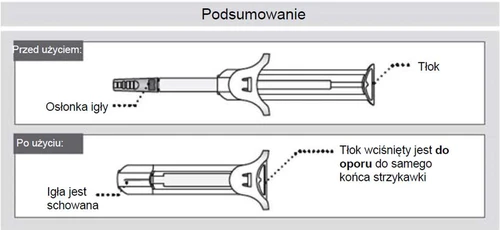
The pre-filled syringe of Methotrexate EVER Pharma is equipped with a needle safety system
designed to prevent needlestick injury after use. The following instructions apply to pre-filled
syringes with this safety system and may differ from instructions for other injection systems.
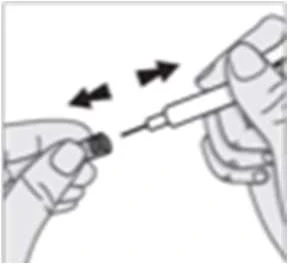
- Holding the syringe barrel with one hand, remove the protective cap by pulling it straight off to avoid bending the needle. Be careful not to touch the needle with your fingers to maintain sterility.
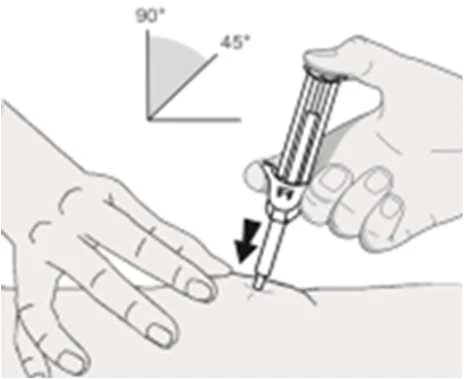
- With two fingers, pinch a fold of skin. Creating a skin fold ensures delivery of the active substance into the subcutaneous fatty tissue. Quickly insert the needle into the skin at the appropriate angle (45° to 90°) and push the plunger all the way down. Visually check whether any solution remains in the syringe. If liquid remains in the syringe, this means that the full dose was not properly administered, and you should consult your doctor.
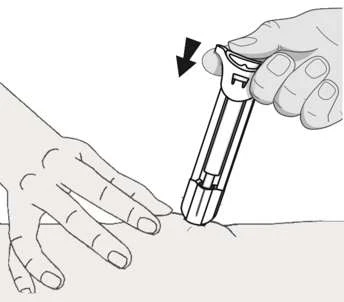
- When the plunger is fully depressed, the needle will be safely retracted. Only now should you release the skin fold.
- Press a swab gently against the injection site. Do not rub the injection site, as this may cause irritation.
- Dispose of the syringe immediately in a sharps container. Close the container tightly and store it out of reach of children. If accidental contact with methotrexate occurs on the skin or soft tissues, rinse the area thoroughly with large amounts of water.
Women who are pregnant or planning to become pregnant should not come into contact with
Methotrexate EVER Pharma.
The duration of treatment is determined by the treating physician. Treatment of rheumatoid
arthritis, juvenile idiopathic arthritis, psoriasis, and psoriatic arthritis requires long-term use of
Methotrexate EVER Pharma.
If you feel that the effect of Methotrexate EVER Pharma is too strong or too weak, consult your
doctor or pharmacist.
Overdose of Methotrexate EVER Pharma
Use only the dose prescribed by your treating physician. Do not change the dose without medical
advice.
If you suspect that a patient has taken more Methotrexate EVER Pharma than prescribed, contact
your doctor or the nearest hospital emergency department immediately. Patients attending a doctor
or hospital should bring the medicine packaging and this leaflet with them.
Methotrexate overdose may cause severe toxic reactions. Symptoms of overdose may include easy
bruising or bleeding, unexplained weakness, mouth sores, nausea, vomiting, black or bloody stools,
coughing up blood or vomiting material resembling coffee grounds, and reduced urine output. See
also section 4.
Missed dose of Methotrexate EVER Pharma
Do not take a double dose to make up for a missed dose. Consult your doctor for advice.
Stopping Methotrexate EVER Pharma
Do not stop or discontinue treatment with Methotrexate EVER Pharma without consulting your
doctor. If you suspect severe adverse reactions, seek immediate medical advice.
If you have any further questions about the use of this medicine, consult your doctor or
pharmacist.
4. Possible adverse reactions
Like all medicines, this medicine can cause adverse reactions, although not everyone will experience them.
The frequency and severity of adverse reactions depend on the dose and frequency of administration.
Since serious adverse reactions may occur even after administration of small doses, regular medical examinations are necessary. Your doctor should order tests to rule out abnormalities in blood parameters (e.g. low white blood cell count, low platelet count, lymphoma) and changes in the liver and kidneys.
You must inform your doctor immediately if any of the following symptoms occur in the patient, as they may indicate serious, potentially life-threatening adverse reactions requiring urgent treatment:
- sudden wheezing, difficulty breathing, swelling of the eyelids, face or lips, rash or itching (especially affecting the whole body)
- lung inflammation (symptoms may include general malaise, dry irritating cough, shortness of breath, breathlessness at rest, chest pain or fever)
- haemoptysis or coughing up blood-stained sputum
- severe skin peeling or formation of blisters on the skin
- unexplained bleeding (including vomiting blood) or appearance of bruises
- severe diarrhoea
- oral mucosal ulcers
- black or tarry stools
- blood in urine or faeces
- small red spots on the skin
- fever
- yellowing of the skin (jaundice)
- pain or difficulty passing urine
- feeling thirsty and (or) frequent urination
- seizures (convulsions)
- loss of consciousness
- blurred vision or visual disturbances
The following adverse reactions have also been reported:
Very common (may affect more than 1 in 10 people):
- loss of appetite
- nausea
- abdominal pain
- inflammation of the oral mucosa
- digestive disturbances
- increased liver enzyme activity.
Common (may affect up to 1 in 10 people):
- decreased production of blood cells with reduced numbers of white and (or) red blood cells or platelets (leukopenia, anaemia, thrombocytopenia)
- headache
- feeling tired
- drowsiness
- lung inflammation with dry cough without sputum, breathlessness and fever
- diarrhoea
- rash
- skin redness
- itching.
Uncommon (may affect up to 1 in 100 people):
- decreased number of blood cells and platelets
- dizziness
- disorientation
- depression
- oral ulceration
- vasculitis
- gastrointestinal ulceration and haemorrhage
- liver function disorders
- diabetes
- decreased blood protein levels
- urticaria
- photosensitivity
- fluid-filled blisters on the skin
- hair loss
- enlargement of rheumatoid nodules
- skin ulceration
- herpes zoster
- joint or muscle pain
- osteoporosis (reduced bone mass)
- inflammation and ulceration of the urinary bladder (may present with haematuria)
- kidney function disorder
- painful urination
- inflammation and ulceration of the vagina.
Rare (may affect up to 1 in 1000 people):
- infection (including reactivation of inactive chronic infection)
- sepsis
- eye redness
- allergic reactions
- anaphylactic shock
- decreased levels of antibodies in blood
- impaired filling of the heart chamber due to fluid accumulation in the pericardium
- Pneumocystis jiroveci-induced pneumonia
- visual disturbances
- pericarditis
- fluid accumulation in the pericardial sac
- low blood pressure
- blood clots
- lung damage
- breathlessness
- bronchial asthma
- fluid accumulation in the pleural sac
- gingivitis
- acute hepatitis
- brownish skin discoloration
- acne
- presence of red or purple spots due to haemorrhages
- allergic vasculitis
- fever
- bone fractures
- kidney failure
- reduced or absent urine production
- electrolyte disturbances
- slow wound healing.
Very rare (may affect up to 1 in 10,000 people):
- marked decrease in certain white blood cells (agranulocytosis)
- severe bone marrow failure
- liver failure
- lymph node swelling
- pain
- muscle weakness
- tingling and numbness/reduced sensitivity to stimuli
- taste disturbances (metallic taste in mouth)
- cramps
- inflammation of the membranes covering the brain, causing paralysis or vomiting
- worsening of vision
- Stevens-Johnson syndrome, toxic epidermal necrolysis (Lyell's syndrome)
- nail discoloration
- retinal damage
- vomiting blood
- fever, sore throat, fatigue followed by skin damage
- loss of libido
- problems achieving erection
- paronychia of the fingers
- severe gastrointestinal complications
- boils
- visible enlargement of small blood vessels
- hot flushes
- breast enlargement in men (gynaecomastia)
- lymphoproliferative disorders (excessive proliferation of white blood cells)
- disturbances in semen production
- menstrual disorders.
Unknown (frequency cannot be estimated from available data):
- redness and peeling of the skin
- swelling
- tissue necrosis at the injection site
- increased number of certain white blood cells (eosinophilia)
- certain brain disorders (encephalopathy/leukoencephalopathy)
- nosebleeds
- pulmonary haemorrhage
- presence of protein in urine
- feeling of weakness
- jaw bone damage (secondary to excessive white blood cell proliferation).
Subcutaneous administration of methotrexate is locally well tolerated. Only mild skin reactions (such as burning sensation, erythema, swelling, discoloration, intense itching, pain) have been observed after administration of Methotrexate EVER Pharma, which diminish during the course of treatment.
Reporting of adverse reactions
If any adverse reactions occur, including any not listed in this leaflet, inform your doctor or pharmacist. Adverse reactions can be reported directly to the Department of Monitoring Adverse Drug Reactions, Office for Registration of Medicinal Products, Medical Devices and Biocidal Products, Al. Jerozolimskie 181 C, 02-222 Warsaw, tel.: +48 22 49 21 301, fax: +48 22 49 21 309, website: https://smz.ezdrowie.gov.pl
Adverse reactions can also be reported to the marketing authorization holder.
Reporting adverse reactions helps to provide more information on the safety of the medicine.
5. How to store Methotrexate EVER Pharma
Keep the medicine out of the sight and reach of children.
Do not store above 25°C.
Do not store in a refrigerator or freeze.
Store the pre-filled syringe in its outer packaging to protect from light.
Do not use this medicine after the expiry date stated on the label of the pre-filled syringe and the cardboard box: Expiry date (EXP). The expiry date refers to the last day of the stated month.
Do not use this medicine if the syringe is damaged or if the solution is not clear and contains precipitated particles.
Medicines must not be disposed of via the sewage system or household waste. Ask your pharmacist how to dispose of medicines no longer required. This will help protect the environment.
6. Contents of the pack and other information
What Methotrexate EVER Pharma contains
- The active substance is methotrexate. One mL of injection solution contains 25 mg of methotrexate.
Methotrexate EVER Pharma, 7.5 mg
Each pre-filled syringe with 0.3 mL of injection solution contains 7.5 mg of methotrexate.
Methotrexate EVER Pharma, 10 mg
Each pre-filled syringe with 0.4 mL of injection solution contains 10 mg of methotrexate.
Methotrexate EVER Pharma, 12.5 mg
Each pre-filled syringe with 0.5 mL of injection solution contains 12.5 mg of methotrexate.
Methotrexate EVER Pharma, 15 mg
Each pre-filled syringe with 0.6 mL of injection solution contains 15 mg of methotrexate.
Methotrexate EVER Pharma, 17.5 mg
Each pre-filled syringe with 0.7 mL of injection solution contains 17.5 mg of methotrexate.
Methotrexate EVER Pharma, 20 mg
Each pre-filled syringe with 0.8 mL of injection solution contains 20 mg of methotrexate.
Methotrexate EVER Pharma, 22.5 mg
Each pre-filled syringe with 0.9 mL of injection solution contains 22.5 mg of methotrexate.
Methotrexate EVER Pharma, 25 mg
Each pre-filled syringe with 1 mL of injection solution contains 25 mg of methotrexate.
- The other ingredients are sodium chloride, sodium hydroxide (for pH adjustment), hydrochloric acid (for pH adjustment) and water for injections.
What Methotrexate EVER Pharma looks like and contents of the pack
Methotrexate EVER Pharma is available in 1 mL pre-filled syringes made of colourless glass (type I), with a fixed stainless steel needle, closed with a bromobutyl rubber stopper, and equipped with a needle safety system.
The pre-filled syringes are equipped with a safety device preventing needlestick injury after use.
Blister made of PET foil.
Pack sizes containing syringes in one cardboard box:
1 pre-filled syringe in a blister
4 pre-filled syringes in two double blisters
12 pre-filled syringes in six double blisters
Not all pack sizes may be marketed.
Marketing Authorisation Holder
EVER Valinject GmbH
Oberburgau 3
4866 Unterach am Attersee
Austria
Manufacturer
EVER Pharma Jena GmbH
Otto-Schott-Strasse 15
07745 Jena
Germany
For further information about this medicine, please contact the local representative of the Marketing Authorisation Holder:
EVER Pharma Poland Sp. z o.o.
e-mail: [email protected]
This medicinal product is authorised in the European Economic Area countries under the following names:
Germany: Methotrexat EVER Pharma 7.5 mg, 10 mg, 12.5 mg, 17.5 mg, 20 mg, 22.5 mg, 25 mg Injektionslösung in einer Fertigspritze
Poland: Methotrexate EVER Pharma
Czech Republic: Methotrexát EVER Pharma
Slovakia: Metotrexát EVER Pharma 7.5 mg, 10 mg, 12.5 mg, 17.5 mg, 20 mg, 22.5 mg, 25 mg injekčný roztok v naplnenej injekčnej striekačke