Lisiprol hct
Poland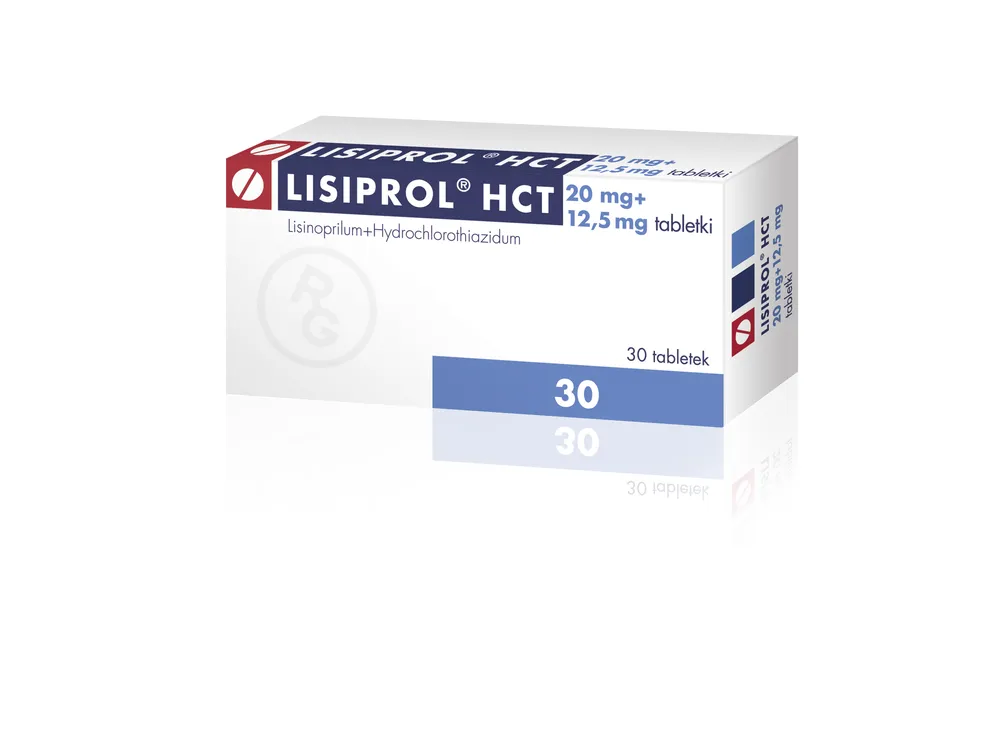
Table of Contents
Patient Information Leaflet
Lisiprol HCT, 10 mg+12.5 mg, tablets
Lisiprol HCT, 20 mg+12.5 mg, tablets
Lisinoprilum + Hydrochlorothiazidum
Please read this leaflet carefully before taking this medicine, as it contains
important information for you.
- Keep this leaflet, as you may need to read it again.
- If you have any further questions, please ask your doctor or pharmacist.
- This medicine has been prescribed for you personally. Do not pass it on to others. It may harm someone else, even if their symptoms are the same as yours.
- If you experience any side effects, including any not listed in this leaflet, inform your doctor or pharmacist. See section 4.
Leaflet Contents:
- What Lisiprol HCT is and what it is used for
- Important information before taking Lisiprol HCT
- How to take Lisiprol HCT
- Possible side effects
- How to store Lisiprol HCT
- Contents of the pack and other information
1. What Lisiprol HCT is and what it is used for
Lisiprol HCT is used to treat high blood pressure (hypertension).
This medicine contains two active substances: lisinopril and hydrochlorothiazide.
Lisinopril belongs to a group of medicines called angiotensin-converting enzyme (ACE) inhibitors. It works by relaxing blood vessels.
Hydrochlorothiazide belongs to a group of medicines called diuretics (water pills). It helps the body get rid of excess water and salts, such as sodium, through the urine.
These medicines work together to lower blood pressure.
2. Important information before taking Lisiprol HCT
When not to take Lisiprol HCT
- if the patient is allergic to lisinopril, hydrochlorothiazide, or any of the other ingredients of this medicine (listed in section 6);
- if the patient is allergic to ACE inhibitors or substances derived from sulfonamides. If the patient is unsure whether this applies, they should consult a doctor;
- if the patient has ever experienced sudden swelling of the hands, feet, ankles, face, lips, tongue, or throat, particularly if it occurred during treatment with an ACE inhibitor. Difficulty swallowing or breathing may also occur;
- if the patient has hereditary angioedema (a condition that makes the patient more prone to the swelling described above). If the patient is unsure whether this applies, they should consult a doctor;
- if the patient has severe kidney problems;
- if the patient is unable to pass urine;
- if the patient has severe liver problems;
- after the 3rd month of pregnancy (Lisiprol HCT should also be avoided during early pregnancy – see section "Pregnancy and breastfeeding");
- if the patient has diabetes or kidney problems and is being treated with a blood pressure-lowering medicine containing aliskiren;
- if the patient has taken or is currently using sacubitril with valsartan, a medicine used to treat certain types of chronic (long-term) heart failure in adults, because this increases the risk of angioedema (rapid swelling of tissues under the skin, such as in the throat).
Do not take Lisiprol HCT if any of the above points apply to the patient. If the patient has any doubts, they should speak with a doctor or pharmacist before taking Lisiprol HCT.
Warnings and precautions
Before starting Lisiprol HCT, discuss with a doctor or pharmacist:
- if the patient has narrowing (stenosis) of the aorta (the heart's main artery), heart valves (mitral valves), or renal artery;
- if the patient has thickening of the heart muscle (called hypertrophic cardiomyopathy);
- if the patient has blood vessel disorders (collagen vascular disease);
- if the patient has low blood pressure. The patient may experience symptoms such as dizziness or lightheadedness, especially when standing up;
- if the patient has kidney problems or is undergoing dialysis or has received a kidney transplant;
- if the patient has liver problems;
- if the patient has diabetes;
- if the patient has recently had diarrhoea or vomiting;
- if the doctor has advised the patient to monitor salt intake in their diet;
- if the patient has high cholesterol levels or is undergoing LDL apheresis;
- if the patient has ever had systemic lupus erythematosus (SLE);
- if the patient is of Black origin, as Lisiprol HCT may be less effective in people of this race. The patient may also be more likely to experience a side effect – angioedema (a severe allergic reaction causing swelling of the hands, feet, ankles, face, lips, tongue, or throat);
- if the patient is taking any of the following medicines used to treat high blood pressure:
- an angiotensin II receptor antagonist (AIIRA), also known as a sartan – for example, valsartan, telmisartan, irbesartan, especially if the patient has kidney problems related to diabetes,
- aliskiren;
- if the patient has previously had skin cancer or develops an unexpected skin change during treatment. Treatment with hydrochlorothiazide, especially in high doses over a long period, may increase the risk of certain types of skin and lip cancers (non-melanoma skin cancer). While taking Lisiprol HCT, protect the skin from sunlight and UV radiation.
- if the patient has previously had breathing or lung problems after taking hydrochlorothiazide (including pneumonia or fluid accumulation in the lungs). If the patient develops severe shortness of breath or breathing difficulties after taking Lisiprol HCT, seek immediate medical help.
- if there is blurred vision or eye pain. These may be symptoms of fluid accumulation in the vascular layer surrounding the eye (excessive fluid buildup between the choroid and sclera) or increased pressure inside the eye – these may occur from several hours to several weeks after taking Lisiprol HCT. Untreated, this may lead to permanent vision impairment. The risk is higher if the patient has previously had an allergy to penicillin or sulfonamides.
The doctor may recommend regular monitoring of kidney function, blood pressure, and blood electrolyte levels (e.g. potassium).
See also the section "When not to take Lisiprol HCT".
If the patient is taking any of the following medicines, there is an increased risk of angioedema (rapid swelling of the skin in areas such as the throat):
- sirolimus, everolimus, temsirolimus, and other medicines belonging to the group of so-called mTOR inhibitors (used to prevent organ transplant rejection and in cancer treatment);
- tissue plasminogen activator (a medicine dissolving blood clots), usually administered in hospital;
- vildagliptin, a medicine used to treat diabetes;
- racecadotril, a medicine used to treat diarrhoea.
In case of pregnancy (or suspected pregnancy), consult a doctor. Lisiprol HCT is not recommended during early pregnancy and must not be taken after the 3rd month of pregnancy, as it may seriously harm the unborn child (see section "Pregnancy and breastfeeding").
If the patient is unsure whether any of the conditions mentioned above apply, they should contact a doctor or pharmacist before taking Lisiprol HCT.
Allergy treatment, such as allergy to insect venom
Inform the doctor if desensitization treatment for insect venom allergy (allergy immunotherapy) is being or will be performed. Taking Lisiprol HCT during such treatment may cause severe allergic reactions.
Surgical procedures
Inform the doctor or dentist about taking Lisiprol HCT if a surgical procedure (including dental surgery) is planned. Low blood pressure (hypotension) may occur during local or general anaesthesia if the patient is also taking Lisiprol HCT.
Taking Lisiprol HCT may affect the results of certain blood tests
Hydrochlorothiazide present in this medicine may cause positive results in anti-doping tests.
Children and adolescents
The safety and efficacy of Lisiprol HCT in children and adolescents under 18 years of age have not been established.
Lisiprol HCT and other medicines
Tell your doctor or pharmacist about all medicines the patient is currently taking or has recently taken, as well as any medicines the patient plans to take. This includes over-the-counter medicines and herbal remedies. This is important because Lisiprol HCT may affect the action of some medicines, and some medicines may affect the action of Lisiprol HCT. The doctor may recommend a dose adjustment and/or additional precautions.
In particular, inform the doctor or pharmacist if the patient is taking any of the following medicines:
- other medicines used to treat high blood pressure (antihypertensives),
- angiotensin II receptor antagonists (AIIRAs) or aliskiren (see also sections "When not to take Lisiprol HCT" and "Warnings and precautions"),
- medicines that reduce potassium levels in the blood (hypokalaemia), such as diuretics (water tablets), laxatives, corticosteroids (e.g. prednisone), ACTH (a hormone), amphotericin (an antifungal medicine), carbenoxolone (a medicine used to treat ulcers or inflammatory conditions of the oesophageal and oral mucosa), and salicylic acid derivatives,
- non-steroidal anti-inflammatory drugs (NSAIDs), such as aspirin, ibuprofen, or indomethacin, used to treat muscle pain and joint inflammation,
- medicines used to treat depression (tricyclic and tetracyclic antidepressants),
- medicines used to treat mental disorders, such as lithium,
- acetylsalicylic acid used in doses greater than 3 g per day,
- potassium supplements (including salt substitutes), potassium-sparing diuretics, and other medicines that increase potassium levels in the blood (e.g. trimethoprim and co-trimoxazole, used for bacterial infections; cyclosporine, an immunosuppressive medicine used to prevent organ transplant rejection, and heparin, a medicine used to thin the blood to prevent clots);
- calcium salts or vitamin D supplements,
- antidiabetic medicines (insulin and oral antidiabetic medicines, such as sulfonylurea derivatives) – when using thiazide diuretics, the dose of antidiabetic medicine may need to be adjusted,
- anti-asthma medicines,
- medicines used for nasal or sinus congestion or other cold remedies (including over-the-counter medicines),
- medicines that suppress the body's immune response (immunosuppressants),
- allopurinol (used to treat gout),
- medicines used for heart rhythm disorders (such as procainamide),
- heart medicines (e.g. digoxin) or other medicines used to treat heart rhythm disorders,
- gold preparations administered by injection (such as sodium aurothiomalate), usually used to treat rheumatoid arthritis,
- cholestyramine and colestipol (used to reduce cholesterol levels, prevent diarrhoea, or relieve itching),
- muscle relaxants, such as tubocurarine,
- amantadine (an antiviral medicine against influenza A virus, also used in Parkinson's disease),
- sotalol (a beta-adrenolytic medicine),
- lovastatin (used to reduce cholesterol levels),
- dextran sulfate (used in a treatment called LDL apheresis to reduce blood cholesterol levels),
- anticancer medicines (e.g. cyclophosphamide, methotrexate),
- other medicines that affect heart function and may cause ventricular tachycardia of the torsade de pointes type.
The following medicines may increase the risk of angioedema (symptoms of angioedema include swelling of the face, lips, tongue, and/or throat, with difficulty swallowing or breathing):
- medicines used to dissolve blood clots (tissue plasminogen activators, usually administered in hospital),
- medicines most commonly used to prevent organ transplant rejection and in cancer treatment (sirolimus, everolimus, temsirolimus, and other medicines belonging to the group of so-called mTOR inhibitors). See section "Warnings and precautions",
- vildagliptin, a medicine used to treat diabetes,
- racecadotril used to treat diarrhoea.
Alcohol, barbiturates, or anaesthetics may enhance the blood pressure-lowering effect. The patient may experience dizziness when changing to an upright position.
Lisiprol HCT with food, drink, and alcohol
Ask the doctor about whether it is safe to drink alcohol while being treated with Lisiprol HCT. Alcohol may worsen the side effects of Lisiprol HCT.
Pregnancy and breastfeeding
If the patient is pregnant or breastfeeding, suspects she may be pregnant, or plans to have a child, she should consult a doctor or pharmacist before taking this medicine.
Pregnancy
Inform the doctor about pregnancy, suspected pregnancy, or planned pregnancy. The doctor will usually advise stopping Lisiprol HCT before a planned pregnancy or immediately after pregnancy is confirmed and will recommend an alternative medicine. Lisiprol HCT is not recommended during early pregnancy and must not be used after the 3rd month of pregnancy, as it may seriously harm the unborn child.
Breastfeeding
Inform the doctor about breastfeeding or plans to breastfeed. Lisiprol HCT is not recommended during breastfeeding, especially when breastfeeding a newborn or premature infant. The doctor may recommend using another medicine.
Driving and operating machinery
This medicine may occasionally cause fatigue or dizziness, which may affect the ability to drive and operate machinery, especially at the beginning of treatment, during dose changes, or when combined with alcohol. If the patient experiences such symptoms, they should not drive or operate tools or machinery. The patient should wait until they know how they react to the medicine before performing the above activities.
3. How to take Lisiprol HCT
This medicine should always be taken exactly as prescribed by the doctor. If in doubt, consult the doctor or pharmacist.
If the patient has already started taking Lisiprol HCT, the doctor may perform blood tests. The doctor may then adjust the dose according to the individual patient's needs.
Taking the medicine
Swallow the tablet with water.
Try to take the medicine at the same time each day. It does not matter whether Lisiprol HCT is taken before or after meals.
Lisiprol HCT should be taken for as long as the doctor recommends. Treatment is long-term. It is important to take Lisiprol HCT every day.
Taking the first dose
Exercise particular caution when taking the first dose or increasing the dose of Lisiprol HCT. Blood pressure may drop more than with subsequent doses.
Dizziness or lightheadedness may occur. If such symptoms occur, lying down may help. If in doubt, contact the doctor immediately.
Adults
The recommended dose is one tablet once daily. The doctor will prescribe tablets of the appropriate strength for the individual patient.
If necessary, the doctor may increase the dose to two tablets once daily.
Use in children
Lisiprol HCT is not recommended for use in children.
Taking more than the recommended dose of Lisiprol HCT
If more Lisiprol HCT has been taken than prescribed by the doctor, contact a doctor or go to a hospital immediately. Bring the medicine packaging so the tablets can be identified.
Missing a dose of Lisiprol HCT
If a dose is missed, take it as soon as remembered, unless it is almost time for the next dose. In that case, skip the missed dose completely.
Do not take a double dose to make up for a missed dose.
Stopping Lisiprol HCT
Do not stop taking the tablets, even if the patient feels well, unless the doctor advises otherwise.
If there are any further doubts about using this medicine, consult the doctor or pharmacist.
4. Possible adverse effects
Like all medicines, this medicine can cause adverse effects, although they do not occur in everyone.
Lisiprol HCT contains two medicines: lisinopril and hydrochlorothiazide. The following adverse
effects have been observed with each of these medicines when used separately. This also means
they may occur during treatment with Lisiprol HCT.
Your doctor may from time to time take blood samples to check whether Lisiprol HCT is affecting
your blood parameters.
Possible adverse effects related to lisinopril
Severe allergic reactions (rare, may occur in fewer than 1 in 1,000 patients)
If a severe allergic reaction occurs, stop taking Lisiprol HCT and contact your doctor immediately.
Symptoms may include sudden onset of:
- swelling of the face, lips, tongue or throat – this may cause difficulty swallowing and (or) breathing,
- severe or sudden swelling of hands, feet or around the ankles,
- difficulty breathing (including wheezing and chest tightness),
- severe skin itching (with raised lumps).
Severe liver function disorders (very rare, may occur in fewer than 1 in 10,000 patients)
Symptoms may include:
- yellowing of the skin or eyes, dark urine or loss of appetite. If you experience such symptoms, contact your doctor immediately.
Other possible adverse effects:
Common (may occur in fewer than 1 in 10 patients):
- headache,
- dizziness or lightheadedness, especially when standing up quickly,
- fainting,
- diarrhoea,
- vomiting,
- cough,
- kidney disorders (detected in blood tests).
Uncommon (may occur in fewer than 1 in 100 patients):
- mood changes, including depressive feelings,
- tingling sensation,
- sensation of spinning (dizziness),
- changes in taste perception,
- difficulty falling asleep,
- heart attack or stroke,
- irregular heartbeat,
- colour change in fingers of hands and feet,
- nasal congestion,
- nausea,
- abdominal pain and indigestion,
- changes in blood test results related to liver function,
- rash,
- itching,
- inability to achieve erection (impotence),
- feeling of weakness,
- feeling of fatigue,
- increased levels of certain substances in blood (urea, creatinine and potassium).
Rare (may occur in fewer than 1 in 1,000 patients):
- changes in certain blood cells or other blood components. Symptoms may include fatigue and pale skin,
- disorientation,
- changes in sense of smell,
- dryness of the oral mucous membrane,
- rash with dark red, raised, itchy eruptions (urticaria),
- hair loss (alopecia),
- psoriasis (skin disorders),
- high blood urea levels due to kidney failure,
- kidney failure,
- breast enlargement in men,
- syndrome of inappropriate antidiuretic hormone secretion (SIADH),
- low sodium levels in blood, which may cause weakness, fatigue, headache, nausea, vomiting and muscle cramps.
Very rare (may occur in fewer than 1 in 10,000 patients):
- disorders of the bone marrow or reduced number of blood cells and (or) platelets. The patient may notice fatigue, infections (which may be severe), fever, shortness of breath or a tendency to bruise or bleed more easily,
- swelling of lymph nodes,
- worsening of immune reactions (autoimmune diseases),
- low blood sugar (hypoglycaemia). Symptoms may include hunger or weakness, sweating and rapid heartbeat,
- sudden wheezing or shortness of breath (bronchospasm),
- lung inflammation (which may cause shortness of breath),
- sinusitis (feeling of pain and fullness in the cheek and eye socket areas),
- eosinophilic pneumonia – symptoms include:
- sinusitis,
- flu-like symptoms,
- increasing shortness of breath,
- stomach and intestinal pain,
- skin rash,
- tingling or numbness in hands and feet.
- pancreatitis, which may cause moderate to severe upper abdominal pain,
- intestinal mucosal oedema. This may cause sudden abdominal pain, diarrhoea or vomiting,
- sweating,
- severe skin disorders or rashes. Symptoms include redness, blistering and peeling of the skin, which may develop rapidly and involve blistering in the mouth and nose,
- reduced urine output or absence of urine.
Frequency not known (frequency cannot be estimated from available data):
- seeing, feeling or hearing things that are not real (hallucinations),
- redness of the skin.
Possible adverse effects related to hydrochlorothiazide
Very rare (may occur in fewer than 1 in 10,000 patients):
- acute respiratory failure (symptoms include severe shortness of breath, fever, weakness and confusion).
Frequency not known (frequency cannot be estimated from available data):
- inflammation of salivary glands,
- decreased number of white blood cells and (or) platelets. The patient may experience fatigue, infection (which may be severe), fever, shortness of breath or a tendency to bruise or bleed more easily,
- loss of appetite,
- increased blood sugar (glucose) levels (hyperglycaemia),
- presence of sugar in urine,
- increased blood uric acid levels,
- changes in blood electrolyte levels (e.g. low sodium and potassium). The patient may experience muscle weakness, thirst, tingling sensation, cramps and nausea,
- increased or high blood fat levels (including cholesterol),
- restlessness,
- depression,
- difficulty falling asleep,
- tingling sensation,
- dizziness,
- visual disturbances, which may cause yellow vision,
- transient visual disturbances,
- severe eye pain with redness and sudden visual disturbances. If the patient suddenly develops eye pain and redness, inform the doctor immediately; treatment may be necessary to prevent permanent vision loss,
- reduced vision or eye pain due to increased pressure (possible symptoms of fluid accumulation in the uvea, i.e. excessive fluid accumulation between choroid and sclera, or acute angle-closure glaucoma),
- sensation of spinning (vestibular dizziness),
- feeling of fainting (especially when standing up),
- damage to blood vessels causing red or purple spots on the skin,
- breathing difficulties. If there is lung inflammation or fluid, shortness of breath may occur,
- stomach irritation,
- diarrhoea,
- constipation,
- pancreatitis, which may cause moderate to severe upper abdominal pain,
- yellowing of the skin or eyes (jaundice),
- skin disorders, including sun-sensitive rash, rash, severe rash appearing rapidly with blisters or skin peeling and possibly blisters in the mouth, development or worsening of lupus-like reactions or occurrence of unusual skin reactions,
- allergic reactions,
- muscle cramps and weakness,
- kidney function disorders, which may be severe (detected in blood tests),
- fever,
- weakness,
- malignant skin and lip tumours (non-melanoma skin cancers).
The list of possible adverse effects should not cause concern, as they do not necessarily occur.
Reporting of adverse effects
If any adverse effects occur, including those not listed in this leaflet, inform your doctor or pharmacist. Adverse effects can be reported directly to the Department of Monitoring of Adverse Drug Reactions at the Office for Registration of Medicinal Products, Medical Devices and Biocidal Products
Al. Jerozolimskie 181C
02-222 Warsaw
Tel.: +48 22 49 21 301
Fax: +48 22 49 21 309
Website: https://smz.ezdrowie.gov.pl
Adverse effects can also be reported to the marketing authorisation holder.
Reporting adverse effects helps to provide more information on the safety of this medicine.
5. How to store Lisiprol HCT
Keep the medicine out of the sight and reach of children.
Do not store above 25°C.
Do not use this medicine after the expiry date stated on the packaging (EXP:). The expiry date refers to the last day of the stated month.
Medicines must not be disposed of via wastewater or household waste. Ask your pharmacist how to dispose of medicines no longer required. These measures will help protect the environment.
6. Contents of the pack and other information
What Lisiprol HCT contains
The active substances in the medicine are: lisinopril (in the form of dihydrate) and hydrochlorothiazide.
Lisiprol HCT, 10 mg+12.5 mg, tablets
Each tablet contains 10 mg of lisinopril (as 10.88 mg of lisinopril dihydrate)
and 12.5 mg of hydrochlorothiazide.
Lisiprol HCT, 20 mg+12.5 mg, tablets
Each tablet contains 20 mg of lisinopril (as 21.76 mg of lisinopril dihydrate)
and 12.5 mg of hydrochlorothiazide.
Other ingredients are:
mannitol (E 421)
indigotine (E 132), lac
corn starch
pregelatinized starch, corn
dicalcium phosphate dihydrate
pregelatinized starch, corn (partially pregelatinized)
magnesium stearate – only in Lisiprol HCT, 20 mg+12.5 mg, tablets
iron oxide yellow (E 172)
What Lisiprol HCT looks like and contents of the pack
Lisiprol HCT, 10 mg+12.5 mg, tablets
Round, flat, light blue tablets with few darker specks, approximately 8 mm in diameter, bevelled edges, and engraved with the code "C43" on one side.
Lisiprol HCT, 20 mg+12.5 mg, tablets
Round, flat, light green tablets with few darker specks, approximately 8 mm in diameter, bevelled edges, and engraved with the code "C44" on one side.
The pack contains 30 tablets.
Marketing Authorisation Holder
GEDEON RICHTER POLSKA Sp. z o.o.
ul. Ks. J. Poniatowskiego 5
05-825 Grodzisk Mazowiecki
POLAND
Manufacturer
GEDEON RICHTER POLSKA Sp. z o.o.
ul. Ks. J. Poniatowskiego 5
05-825 Grodzisk Mazowiecki
POLAND
Gedeon Richter Plc.,
Gyömrői út 19-21,
Budapest H-1103
HUNGARY
For more detailed information about the medicine and its names in other European Economic Area countries, please contact:
GEDEON RICHTER POLSKA Sp. z o.o.
Medical Department
ul. Ks. J. Poniatowskiego 5
05-825 Grodzisk Mazowiecki
Tel. +48 (22) 755 96 48
[email protected]
((logo of the marketing authorisation holder))
((pharmacode))