Letrox 125 micrograms
Poland
Table of Contents
Package leaflet: Information for the user
Letrox 50, 50 micrograms, tablets
Letrox 75 micrograms, 75 micrograms, tablets
Letrox 100, 100 micrograms, tablets
Letrox 125 micrograms, 125 micrograms, tablets
Letrox 150, 150 micrograms, tablets
Levothyroxinum natricum
Please read all of this leaflet carefully before taking this medicine, because it contains
important information for you.
- Keep this leaflet, as you may need to read it again.
- If you have any further questions, ask your doctor or pharmacist.
- This medicine has been prescribed for you personally. Do not pass it on to others. It may harm someone else, even if their symptoms are the same as yours.
- If you experience any adverse effects, including any not listed in this leaflet, inform your doctor or pharmacist. See section 4.
Contents of the leaflet
- What Letrox is and what it is used for
- What you need to know before taking Letrox
- How to take Letrox
- Possible side effects
- How to store Letrox
- Contents of the pack and other information
1. What Letrox is and what it is used for
Letrox is a medicine containing the thyroid hormone levothyroxine as the active substance. It has the same action as the hormone naturally produced by the body.
The purpose of treatment with Letrox is to replace deficient thyroid hormone and/or to correct thyroid function disorders.
Letrox is used:
- To replace thyroid hormones in hypothyroidism.
- To prevent recurrence of goitre (enlargement of the thyroid gland) after surgical treatment in patients with normal thyroid function.
- For the treatment of mild goitre in patients with normal thyroid function.
- As an adjunct in the treatment of hyperthyroidism in combination with antithyroid drugs (medicines that suppress thyroid function), after normal thyroid function has been achieved.
- In the treatment of malignant thyroid tumours, particularly after surgical removal of the thyroid gland, to suppress tumour growth and to replace deficient thyroid hormones.
- In diagnostic tests assessing thyroid function (thyroid suppression test).
Letrox is indicated for use in all age groups.
2. Important information before using Letrox
When not to use Letrox
- If the patient is allergic to sodium levothyroxine or any of the other ingredients of this medicine (listed in section 6).
- If the patient has any of the following diseases or conditions:
- untreated hyperthyroidism
- adrenal insufficiency and the patient is not receiving appropriate replacement therapy
- untreated pituitary insufficiency, if it leads to adrenal cortical failure requiring treatment
- acute myocardial infarction
- acute myocarditis
- acute inflammation of all layers of the heart wall (pericarditis).
During pregnancy, Letrox must not be taken together with drugs that suppress thyroid function (so-called antithyroid drugs) (see also section "Pregnancy, breastfeeding and fertility").
Warnings and precautions
Before starting treatment with Letrox, discuss with your doctor if the patient has adrenal insufficiency.
Medical history regarding other disorders
Before starting treatment with Letrox, the doctor should exclude or treat the following diseases or conditions:
- coronary heart disease
- chest pain with pressure (angina pectoris)
- high blood pressure (hypertension)
- pituitary and/or adrenal insufficiency
- areas in the thyroid gland that uncontrollably produce thyroid hormones (autonomous nodule).
Before performing a so-called thyroid suppression test to assess thyroid function, the above-mentioned diseases should be excluded or treated by the doctor. The exception is autonomous thyroid function, as the test is used, among other things, to identify it.
Special caution is required when taking Letrox:
- in patients with a history of myocardial infarction, coronary heart disease, weakened heart muscle, cardiac arrhythmias (tachycardia), myocarditis without acute course, or long-standing hypothyroidism. In such cases, excessive concentration of thyroid hormones in the blood should be avoided. Thyroid hormone levels should be monitored more frequently. If mild symptoms of hyperthyroidism related to Letrox occur, discuss this with your doctor (see section 4 "Possible side effects").
- in patients with hypothyroidism caused by pituitary insufficiency. If adrenal cortical insufficiency coexists, the doctor should initiate its treatment first, as acute adrenal cortical failure (Addisonian crisis) may occur.
- if there is suspicion of autonomously functioning areas of the thyroid gland producing hormones uncontrollably. Before starting treatment, the doctor will recommend additional tests to evaluate thyroid function.
- in postmenopausal women at increased risk of bone loss (osteoporosis). The treating physician should monitor thyroid function much more frequently to avoid excessively high serum thyroid hormone levels and ensure the use of the lowest effective dose of the drug.
- in patients with diabetes. For further information, see section "Letrox with other medicines".
- in patients treated with anticoagulant drugs (e.g. dicumarol) and drugs affecting the thyroid (e.g. amiodarone, tyrosine kinase inhibitors [drugs used in cancer treatment], salicylates, and high doses of furosemide). For further information, see section "Letrox with other medicines".
- in patients receiving sevelamer. The treating physician will recommend monitoring blood TSH levels to assess the effectiveness of levothyroxine treatment (see also: "Letrox with other medicines").
- if the patient has ever had epilepsy, due to increased risk of seizures.
- if the patient experiences an allergic reaction (see section 4 "Possible side effects"). Contact your doctor or healthcare professional immediately or go straight to the nearest hospital emergency department.
- if the patient is scheduled for laboratory tests measuring thyroid hormone levels, the patient should inform the doctor or laboratory staff about current or recent biotin intake (also known as vitamin H, vitamin B7, or vitamin B8). Biotin may affect laboratory test results. Depending on the type of test, results may be falsely elevated or falsely decreased due to biotin intake. The doctor may recommend discontinuing biotin before laboratory testing. It is also important to remember that other products the patient may be taking, such as multivitamin preparations or supplements for hair, skin, and nails, may also contain biotin. This may affect laboratory test results. If the patient takes such products, they should inform the doctor or laboratory staff (refer to the information in the section "Letrox with other medicines").
Improper use
Letrox must not be used for weight reduction. In patients with normal serum thyroid hormone levels, additional intake of thyroid hormones will not lead to weight loss. Taking extra thyroid hormones or increasing the dose without specific medical advice may cause severe, even life-threatening adverse effects, especially when combined with other weight-reducing drugs.
Changing treatment
When switching from Letrox to another medicine containing levothyroxine, thyroid function imbalance may occur. If you have any questions regarding such a switch, discuss them with your doctor. Patients should be closely monitored (clinically and biologically) during the transition period. Inform your doctor if any adverse effects occur, as this may indicate the need for dose adjustment (increasing or decreasing the dose).
Elderly patients
In elderly patients (especially those with heart problems), the dose should be increased cautiously, and patients should undergo more frequent medical check-ups.
Children and adolescents
When starting levothyroxine treatment in premature infants with very low birth weight, blood pressure should be monitored regularly, as sudden drop in blood pressure (so-called circulatory collapse) may occur (see section 4 "Possible side effects").
Letrox with other medicines
Tell your doctor or pharmacist about all medicines the patient is currently taking or has recently taken, as well as any medicines the patient plans to take.
Letrox affects the action of the following medicinal substances and drug groups:
- Antidiabetic drugs (drugs lowering blood glucose such as metformin, glimepiride, glibenclamide, and insulin): In diabetic patients, blood glucose levels should be monitored regularly, especially at the beginning and after completion of thyroid hormone treatment. If necessary, the doctor may adjust the dose of the glucose-lowering drug, as levothyroxine may reduce its effectiveness.
- Coumarin derivatives (anticoagulants): If Letrox is taken together with coumarin derivatives (e.g. dicumarol), blood coagulation parameters should be monitored regularly. If necessary, the doctor may
adjust the dose of the anticoagulant, as levothyroxine may enhance its effect.
The following medicines may affect the action of Letrox:
- Ion-exchange resins: Medicines used to lower blood lipid levels (e.g. cholestyramine, colestipol) or to reduce high blood potassium levels (calcium or sodium salts of polystyrene sulfonic acid) should be taken 4 to 5 hours after taking Letrox. Otherwise, these drugs inhibit the intestinal absorption of levothyroxine and thus reduce its effectiveness.
- Proton pump inhibitors (PPIs): Proton pump inhibitors (such as omeprazole, esomeprazole, pantoprazole, rabeprazole, and lansoprazole), used to reduce stomach acid production, may inhibit the intestinal absorption of levothyroxine and thus reduce its effectiveness. If the patient is taking levothyroxine during treatment with proton pump inhibitors, the doctor should monitor thyroid function and, if necessary, adjust the dose of Letrox.
- Sevelamer and lanthanum carbonate: Sevelamer and lanthanum carbonate (medicines used to lower elevated serum phosphate levels in dialysis patients) may reduce the absorption and effectiveness of levothyroxine. The treating physician will perform more frequent monitoring of thyroid function (see also section "Warnings and precautions").
- Bile acid-binding substances: Colesevelam (a medicine used to reduce high blood cholesterol levels) binds levothyroxine and thus reduces its intestinal absorption. Therefore, Letrox should be taken at least 4 hours before colesevelam.
- Medicines neutralizing gastric acid containing aluminum, iron-containing medicines, calcium-containing medicines: Letrox should be taken at least 2 hours before taking aluminum-containing antacids (antacids, sucralfate), iron-containing medicines, or calcium-containing medicines, as these may reduce the intestinal absorption of levothyroxine.
- Propylthiouracil, glucocorticosteroids, beta-blockers (especially propranolol): Propylthiouracil (a drug used in hyperthyroidism), glucocorticosteroids (adrenal cortex hormones, "cortisone"), and beta-blockers (drugs slowing heart function and reducing blood pressure) may reduce the effectiveness of Letrox.
- Amiodarone and iodine-containing contrast agents: Amiodarone (a drug used to treat cardiac arrhythmias) and iodine-containing contrast agents (mainly drugs used in X-ray diagnostics) may, due to their high iodine content, cause both hypothyroidism and hyperthyroidism. Particular attention should be paid to patients with nodular goiter, in whom undiagnosed autonomous thyroid nodules releasing hormone uncontrollably may be present. If necessary, the treating physician will adjust the dose of Letrox.
- Salicylates, especially doses above 2 g per day (antipyretic and analgesic drugs).
- Dicumarol (anticoagulant).
- Furosemide (diuretic) in high doses (250 mg).
- Clofibrate (a drug lowering elevated blood lipid levels).
- Contraceptives and drugs used in hormone replacement therapy:
Contraceptives containing estrogens ("birth control pills") and postmenopausal hormone replacement therapy may increase the requirement for levothyroxine.
- Sertraline, chloroquine / proguanil: Sertraline (a drug used to treat depression) and chloroquine and proguanil (drugs used to treat malaria and rheumatoid arthritis) reduce the effectiveness of levothyroxine.
- Rifampicin, carbamazepine, phenytoin, barbiturates, St. John's wort-containing products: Rifampicin (an antibiotic), carbamazepine (used in epilepsy treatment), phenytoin (used in epilepsy and cardiac arrhythmias), barbiturates (used in epileptic seizures, anesthesia; some sleeping pills), and St. John's wort-containing products (herbal medicinal products) may reduce the effectiveness of levothyroxine.
- Protease inhibitors (drugs used in HIV and chronic hepatitis C virus infection treatment): The doctor should closely monitor disease symptoms and thyroid function in patients taking levothyroxine together with protease inhibitors (lopinavir, ritonavir). Concurrent use of levothyroxine with lopinavir and/or ritonavir may reduce its effectiveness.
- Tyrosine kinase inhibitors (drugs used in cancer treatment): The doctor should closely monitor clinical symptoms and thyroid function in patients taking levothyroxine together with tyrosine kinase inhibitors (e.g. imatinib, sunitinib, sorafenib, motesanib). The effectiveness of levothyroxine may be reduced; if necessary, the doctor will adjust the levothyroxine dose.
- Semaglutide: If the patient is taking levothyroxine at the same time as semaglutide (an antidiabetic drug), this may affect levothyroxine levels, and the doctor may recommend monitoring thyroid hormone levels and adjusting the dose of Letrox.
- Orlistat: Orlistat (used in obesity treatment) may reduce the absorption of levothyroxine.
- Biotin (also known as vitamin H, vitamin B7, or vitamin B8): If the patient is currently or recently taking biotin, they must inform the doctor or laboratory staff if thyroid hormone laboratory tests are to be performed. Biotin may affect laboratory test results (see "Warnings and precautions").
Letrox with food and drink
Do not take Letrox with food, especially a diet rich in calcium (e.g. milk and dairy products), as this may significantly reduce the absorption of levothyroxine.
In case of a diet containing soy, the doctor will monitor thyroid hormone levels in the blood more frequently. During such a diet and after its discontinuation, it may be necessary for the doctor to adjust the dose of Letrox, as soy-containing products interfere with levothyroxine absorption in the intestines, thus reducing its effectiveness.
Do not take Letrox with coffee, as this may reduce the intestinal absorption of levothyroxine and thus reduce its effectiveness. After taking Letrox, wait at least half an hour to one hour before drinking coffee. Patients taking levothyroxine are advised not to change their coffee-drinking habits without checking and monitoring levothyroxine levels by their treating physician.
Pregnancy, breastfeeding and fertility
If the patient is pregnant or breastfeeding, suspects she may be pregnant, or plans to become pregnant, she should consult her doctor or pharmacist before using this medicine.
Proper thyroid hormone treatment is particularly important for the health of both mother and fetus during pregnancy and breastfeeding. Therefore, treatment should be continued uninterrupted under the supervision of the treating physician.
Despite the widespread use of levothyroxine during pregnancy, its negative impact on pregnancy or on the health of the fetus or newborn remains unknown.
If the patient is breastfeeding, levothyroxine intake should be continued according to the doctor's recommendations.
Even when taking high doses of levothyroxine during breastfeeding, the amount of levothyroxine passing into breast milk is very small.
Thyroid function should be monitored both during and after pregnancy, as dose adjustment by the doctor may be necessary during pregnancy.
During pregnancy, Letrox must not be used together with antithyroid drugs.
Thyroid suppression testing must not be performed in pregnant or breastfeeding women.
Hypothyroidism or hyperthyroidism may affect fertility.
When treating patients with hypothyroidism, the dose of Letrox should be adjusted based on laboratory test results, as an insufficient dose may fail to correct hypothyroidism, while overdosing may lead to hyperthyroidism.
Driving and operating machinery
No studies have been conducted on the effect of Letrox on the ability to drive vehicles or operate machinery.
Letrox contains sodium
The medicine contains less than 1 mmol (23 mg) of sodium per tablet, meaning it is considered "sodium-free".
3. How to use Letrox
This medicine should always be taken exactly as prescribed by your doctor. If in doubt, consult your doctor or pharmacist.
Your doctor will determine the daily dose for each patient based on clinical evaluation and laboratory tests.
Dosage
Letrox is available in tablets with different amounts of active substance (25–150 micrograms of sodium levothyroxine), meaning that most patients will take one tablet per day.
Your doctor will prescribe tablets with the appropriate amount of active substance when starting treatment and when increasing the dose.
Depending on symptoms, your doctor will adjust the dose according to the following recommendations:
- In the treatment of hypothyroidism, the initial dose for adult patients is 25–50 micrograms of sodium levothyroxine per day. Your doctor may recommend increasing the dose by 25–50 micrograms of sodium levothyroxine at intervals of 2–4 weeks until reaching a daily dose of 100–200 micrograms of sodium levothyroxine.
- To prevent recurrence of goitre after its removal and in the treatment of benign goitre, the daily dose is 75–200 micrograms of sodium levothyroxine.
- As an adjunct in the treatment of hyperthyroidism in combination with antithyroid drugs, the daily dose is 50–100 micrograms of sodium levothyroxine.
- After surgical removal of the thyroid due to malignant thyroid tumours, the daily dose is 150–300 micrograms of sodium levothyroxine.
- In tests assessing thyroid function during a thyroid suppression test, the daily dose is 200 micrograms of sodium levothyroxine taken for 14 days until radiological examination (scintigraphy) is performed.
A lower dose of thyroid hormone may also be appropriate.
Use in children and adolescents
The maintenance dose in long-term treatment of hypothyroidism (congenital or acquired) is usually 100 to 150 micrograms of sodium levothyroxine per m² body surface area per day.
In newborns and infants with congenital hypothyroidism, prompt initiation of treatment is particularly important to achieve normal development. The recommended initial dose is 10 to 15 micrograms of sodium levothyroxine per kg body weight per day for the first 3 months. Thereafter, the doctor will individually adjust the daily dose based on clinical findings (particularly blood levels of thyroid hormones and TSH).
In children with acquired hypothyroidism, the recommended initial dose is 12.5–50 micrograms of sodium levothyroxine per day. The doctor will gradually increase the daily dose at intervals of 2–4 weeks until the appropriate replacement dose is achieved. For this purpose, the doctor will particularly monitor blood levels of thyroid hormones and TSH.
Elderly patients, patients with ischaemic heart disease, patients with hypothyroidism
In elderly patients, patients with ischaemic heart disease, and patients with severe or long-standing hypothyroidism, thyroid hormone therapy should be initiated with particular caution (a low starting dose, which should then be increased slowly at long intervals, with frequent monitoring of thyroid hormone and TSH levels).
Patients with low body weight and patients with large goitre
Experience shows that lower doses are also sufficient in patients with low body weight and in patients with large goitre.
Splitting tablets
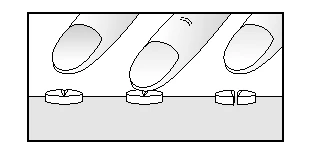
Tablets may be divided into equal doses.
Place the tablet on a flat, hard surface with the scored side facing up. Pressing with a finger will split the tablet into two equal halves.
Method of administration
The full daily dose should be taken in the morning with a large amount of liquid, preferably a glass of water, on an empty stomach, at least half an hour before breakfast. The active substance is better absorbed on an empty stomach than before or after a meal.
Children should receive the full daily dose at least half an hour before the first meal. Tablets may also be dissolved in an appropriate amount of water (10–15 ml), and the resulting suspension (tablets must always be dissolved immediately before administration) may be administered with a small additional amount of liquid (5–10 ml).
Duration of treatment
Letrox is usually taken for life in cases of hypothyroidism and after surgical removal of the thyroid due to malignant thyroid tumour. In the case of benign goitre and prevention of goitre recurrence, treatment may last several months or years, and even for life.
In adjunctive therapy for hyperthyroidism, Letrox should be taken for as long as antithyroid drugs are used. Treatment of benign goitre with normal thyroid function should last from 6 months to 2 years. If during this time treatment with Letrox does not produce the expected effect, the doctor will consider alternative treatment options.
The duration of treatment is determined by the doctor.
Taking more than the recommended dose of Letrox
If more medicine is taken than recommended, contact your doctor immediately.
Symptoms of hyperthyroidism may occur after overdose.
Overdose symptoms are described in section 4. "Possible side effects".
Missed dose of Letrox
If a patient takes too low a dose or misses a dose, they should not take a double dose to make up for the missed dose. Continue taking the medicine as prescribed by the doctor.
Stopping Letrox treatment
To achieve the desired therapeutic effects, Letrox must be taken regularly at the dose prescribed by the doctor.
Under no circumstances should the treatment with Letrox be changed, interrupted, or prematurely discontinued without consulting a doctor, as symptoms may recur.
If you have any further questions about the use of this medicine, consult your doctor or pharmacist.
4. Possible adverse effects
Like all medicines, this medicine can cause adverse effects, although not everyone will experience them.
Hypersensitivity to the active substance or any of the other ingredients of Letrox
In case of hypersensitivity to levothyroxine or any of the other ingredients of the medicine
Letrox, allergic reactions on the skin and allergic reactions related to the respiratory system (either immediately or within a few days after administration of the medicine) may occur, which may be life-threatening. These symptoms may include rash, itching, difficulty breathing, shortness of breath, swelling of the face, lips, throat or tongue. You should contact your doctor or healthcare professional immediately or go straight to the nearest hospital emergency department.
Intolerance to the administered dose, overdose
In individual cases, when the recommended dose is not tolerated or when the medicine has been overdosed, particularly in cases where the dose was increased too rapidly at the beginning of treatment, typical symptoms of hyperthyroidism may occur.
Very common: may affect more than 1 in 10 patients
- Palpitations
- Insomnia
- Headache
Common: may affect up to 1 in 10 patients
- Fast heart rate (tachycardia)
- Nervousness
Rare: may affect up to 1 in 1,000 patients
- Increased intracranial pressure (especially in children)
Frequency not known: cannot be estimated from the available data
- Hypersensitivity
- Cardiac arrhythmias
- Chest pain with a feeling of pressure (angina pectoris)
- Skin allergic reactions (e.g. angioedema [difficulty breathing or swelling of the face, lips, throat or tongue], rash, urticaria)
- Restlessness
- Muscle weakness, muscle cramps
- Osteoporosis during long-term use of high doses of levothyroxine, particularly in postmenopausal women
- Feeling of warmth, intolerance to high temperature, circulatory collapse in preterm infants with low birth weight (see section 2 "Warnings and precautions")
- Menstrual disturbances
- Diarrhoea
- Vomiting
- Nausea
- Weight loss
- Tremor
- Excessive sweating
- Fever
You should inform your doctor about any adverse effects. The doctor will decide whether the daily dose should be reduced or whether you should temporarily stop taking the medicine for a few days. Once the adverse effects have subsided, the doctor may restart treatment, carefully adjusting the dose.
Reporting of adverse effects
If any adverse symptoms occur, including any adverse symptoms not listed in this leaflet, you should inform your doctor, pharmacist or nurse. Adverse effects can be reported directly to the Department of Monitoring of Adverse Drug Reactions of the Office for Registration of Medicinal Products, Medical Devices and Biocidal Products
Al. Jerozolimskie 181C
02-222 Warsaw
Tel.: +48 22 49 21 301
Fax: +48 22 49 21 309
Website: https://smz.ezdrowie.gov.pl
Adverse effects can also be reported to the marketing authorization holder.
By reporting adverse effects, additional information on the safety of the medicine can be collected.
5. How to store Letrox
Keep this medicine out of the sight and reach of children.
Do not use this medicine after the expiry date stated on the blister and outer packaging,
following the abbreviation "EXP". The expiry date refers to the last day of the stated month.
Do not store above 30°C. Store in the original blister to protect from light.
Medicines must not be disposed of via wastewater or household waste. Ask your pharmacist how to
dispose of medicines no longer required. Such measures help protect the environment.
6. Contents of the package and other information
What Letrox contains
The active substance is sodium levothyroxine.
Letrox 50: Each tablet contains 53.2 – 56.8 micrograms of sodium levothyroxine x H\O (corresponding to 50 micrograms of sodium levothyroxine).
Letrox 75 micrograms: Each tablet contains 79.8 – 85.2 micrograms of sodium levothyroxine x H\O (corresponding to 75 micrograms of sodium levothyroxine).
Letrox 100: Each tablet contains 106.4 – 113.6 micrograms of sodium levothyroxine x H\O (corresponding to 100 micrograms of sodium levothyroxine).
Letrox 125 micrograms: Each tablet contains 133.0 – 142.0 micrograms of sodium levothyroxine x H\O (corresponding to 125 micrograms of sodium levothyroxine).
Letrox 150: Each tablet contains 159.6 – 170.4 micrograms of sodium levothyroxine x H\O (corresponding to 150 micrograms of sodium levothyroxine).
The other ingredients are:
Cysteine hydrochloride monohydrate (partly present in the tablet as cystine), microcrystalline cellulose, maize starch, pregelatinized starch, magnesium oxide, light, talc.
What Letrox looks like and contents of the pack
Letrox is a white to beige, round, slightly convex tablet with a score line on one side. The tablet can be divided into equal doses.
The pack contains 25, 50, 84 or 100 tablets.
Not all pack sizes may be marketed.
Marketing Authorisation Holder and Manufacturer
BERLIN – CHEMIE AG
Glienicker Weg 125
12489 Berlin, Germany
For further information on this medicinal product, please contact the local representative of the Marketing Authorisation Holder:
Berlin - Chemie/Menarini Polska Sp. z o.o.
Tel.: +48 22 566 21 00
Fax: +48 22 566 21 01