Kwetaplex xr
Poland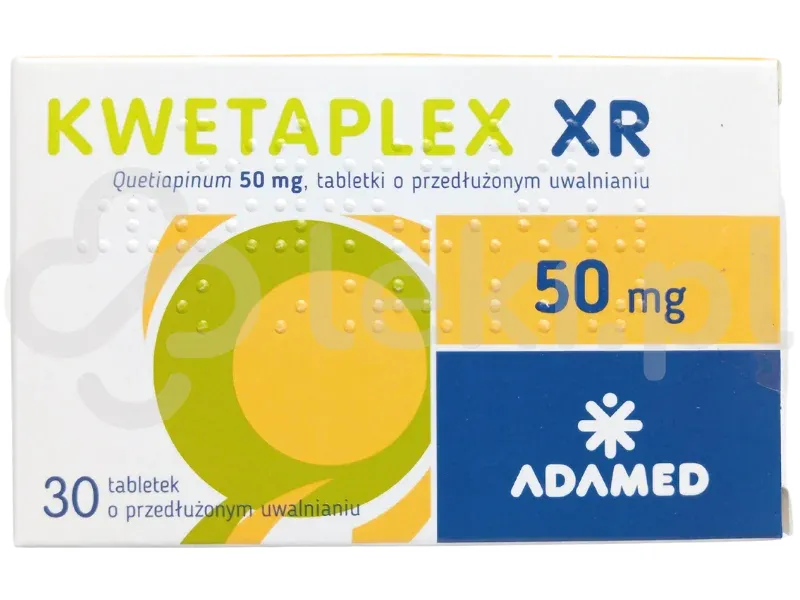
Table of Contents
Package leaflet: Information for the patient
Kwetaplex XR, 50 mg, prolonged-release tablets
Kwetaplex XR, 200 mg, prolonged-release tablets
Kwetaplex XR, 300 mg, prolonged-release tablets
Kwetaplex XR, 400 mg, prolonged-release tablets
Quetiapinum
Please read this leaflet carefully before taking this medicine, as it contains important information for you.
- Keep this leaflet, as you may need to read it again.
- If you have any further questions, please ask your doctor or pharmacist.
- This medicine has been prescribed for a specific individual. Do not pass it on to others. This medicine may harm other people, even if their symptoms are the same.
- If you experience any adverse reactions, including any not listed in this leaflet, inform your doctor or pharmacist. See section 4.
Leaflet contents:
- What Kwetaplex XR is and what it is used for
- Important information before taking Kwetaplex XR
- How to take Kwetaplex XR
- Possible side effects
- How to store Kwetaplex XR
- Contents of the pack and other information
1. What Kwetaplex XR is and what it is used for
Kwetaplex XR contains a substance called quetiapine. It belongs to a group of medicines known as antipsychotics. Kwetaplex XR may be used to treat conditions such as:
- depression associated with bipolar affective disorder and major depressive episodes in major depressive disorder, when the patient experiences profound sadness or despair, feelings of guilt, lack of energy and appetite, or difficulty sleeping;
- mania, when the patient may be highly agitated, excited, enthusiastic, excessively active, or have impaired critical judgment, and may be aggressive or display destructive behaviors;
- schizophrenia, when the patient hears or senses voices and things that do not exist, has hallucinations, is excessively suspicious, fearful, anxious, confused, or experiences feelings of guilt, tension, or depression.
In the treatment of major depressive episodes in major depressive disorder, Kwetaplex XR will be used in combination with another medicine.
Your doctor may recommend continuing treatment with Kwetaplex XR even if your condition improves.
2. Important information before using Kwetaplex XR
When not to take Kwetaplex XR:
- if the patient is allergic to quetiapine or any of the other ingredients of this medicine (listed in section 6),
- if the patient is taking concomitantly: certain medicines used in HIV infection, medicines from the azole group (used in fungal infections),
erythromycin or clarithromycin (used in infections),
nefazodone (used in the treatment of depression).
If in doubt, consult a doctor or pharmacist before using Kwetaplex XR.
Warnings and precautions
Before starting treatment with Kwetaplex XR, discuss with your doctor if:
the patient has or has had heart diseases, such as cardiac arrhythmias; heart muscle weakness or myocarditis; the patient is taking medicines that may cause changes in heart rhythm;
the patient has low blood pressure;
the patient has had a stroke, particularly if elderly;
the patient has liver problems;
the patient has ever had seizures (epilepsy);
the patient has diabetes or an increased risk of developing diabetes. In this case, the doctor may recommend glucose monitoring during treatment with Kwetaplex XR;
the patient has ever had a low white blood cell count (regardless of whether it was caused by other medicines or not);
the patient is an elderly person with dementia (reduced brain function). Such patients should not use Kwetaplex XR, as medicines in this class may increase the risk of stroke and sometimes risk of death in such patients;
if the patient is an elderly person with Parkinson's disease/parkinsonism
the patient or a family member has a history of blood clots, as use of medicines in this class may promote their formation;
if the patient has or has had episodes during which breathing stopped briefly during normal nighttime sleep (so-called sleep apnoea) and is taking medicines that reduce normal brain activity (so-called depressants);
if the patient has or has had difficulty completely emptying the bladder (urinary retention), has an enlarged prostate, intestinal obstruction, or increased intraocular pressure. These symptoms may sometimes be caused by medicines (so-called anticholinergic medicines) used to treat certain conditions affecting nerve cell function;
if the patient has or has had problems with alcohol or drug abuse;
if the patient has depression or other conditions treated with antidepressants. Using these medicines together with Kwetaplex XR may lead to the development of serotonin syndrome, a potentially life-threatening condition (see "Kwetaplex XR with other medicines").
Inform the doctor immediately if any of the following symptoms occur after taking Kwetaplex XR:
a combination of fever, muscle stiffness, sweating, or reduced level of consciousness (a condition called neuroleptic malignant syndrome). Immediate medical help may be required;
involuntary movements, especially of the facial muscles or tongue;
dizziness, feeling of extreme drowsiness. This may increase the risk of accidental injuries (falls) in elderly patients;
seizure (convulsion);
prolonged and painful erection (priapism).
Rapid or irregular heartbeat, even at rest, palpitations, difficulty breathing, chest pain, or unexplained fatigue. The doctor will need to examine the heart and, if necessary, refer the patient immediately to a cardiologist.
All these symptoms may occur during treatment with medicines in this therapeutic class.
Inform the doctor as soon as possible if any of the following symptoms occur:
- fever, flu-like symptoms, sore throat, or other infections, which may result from a low white blood cell count. This may require discontinuation of Kwetaplex XR therapy and/or appropriate treatment;
- constipation accompanied by persistent abdominal pain or constipation that does not respond to treatment. This may lead to serious intestinal obstruction.
- Suicidal thoughts and worsening of depression Patients with depression may sometimes experience thoughts of self-harm or suicide. Such symptoms or behaviours may worsen at the beginning of treatment with antidepressants, as these medicines usually take at least 2 weeks, or sometimes longer, to take effect. Such thoughts may also worsen after abrupt discontinuation of the medicine. The occurrence of suicidal thoughts, thoughts of self-harm, or suicide attempts is more likely if the patient is a young adult. Clinical trial data indicate an increased risk of suicidal thoughts and/or suicidal behaviour in young adults under 25 years of age with depression. If the patient experiences suicidal thoughts or thoughts of self-harm, contact a doctor immediately or go to hospital. It may be helpful to inform relatives or friends about the depression and ask them to read this leaflet. The patient may ask for help from relatives or friends and ask them to inform him/her if they notice worsening depression or disturbing changes in behaviour. Severe skin reactions Very rarely, severe cutaneous adverse reactions (SCAR) have been reported during treatment with this medicine, which may be life-threatening or lead to death. These usually present as:
- Stevens-Johnson syndrome (SJS): widespread rash with blistering and peeling of the skin, particularly around the mouth, nose, eyes, and genital organs
- toxic epidermal necrolysis (TEN): a more severe form causing extensive skin peeling
- drug reaction with eosinophilia and systemic symptoms (DRESS): includes flu-like symptoms with rash, fever, lymph node swelling, and abnormal blood test results (including increased white blood cells (eosinophilia) and liver enzymes)
If the patient develops any of these symptoms, discontinue Kwetaplex XR immediately and contact the treating doctor or seek medical help immediately.
Weight gain
Weight gain has been observed in patients taking Kwetaplex XR. Body weight should be monitored regularly, either by the patient or together with the doctor.
Children and adolescents
Kwetaplex XR should not be used in children and adolescents under 18 years of age.
Kwetaplex XR with other medicines
Inform the doctor about all medicines currently or recently taken, as well as any medicines the patient plans to take.
Do not take Kwetaplex XR if the patient is using:
certain medicines used in HIV treatment,
azole group medicines (used in fungal infections),
erythromycin or clarithromycin (used in infections),
nefazodone (used in the treatment of depression).
Inform the doctor if the patient is taking:
antiepileptic medicines (such as phenytoin or carbamazepine),
antihypertensive medicines,
barbiturates (medicines used in sleep disorders),
thioridazine or lithium (or other antipsychotic medicines),
medicines that affect heart rhythm, for example medicines that disturb electrolyte balance (reduced potassium or magnesium levels), such as diuretics (water pills) or selected antibiotics (medicines used in infections),
constipation-causing medicines,
medicines (called anticholinergic medicines) affecting nerve cell function used to treat certain conditions,
antidepressants. These medicines may interact with Kwetaplex XR and may cause symptoms such as involuntary, rhythmic muscle contractions, including muscles controlling eye movements, agitation, hallucinations, coma, excessive sweating, tremor, increased reflexes, increased muscle tension, body temperature above 38°C (serotonin syndrome). If such symptoms occur, contact the doctor.
Do not discontinue other medicines without consulting the doctor.
Kwetaplex XR with food, drink, and alcohol
Food intake may interfere with the medicine's action; therefore, Kwetaplex XR should be taken at least one hour before a meal or immediately before bedtime.
Exercise caution when consuming alcoholic beverages. Concomitant use of Kwetaplex XR and alcohol may cause drowsiness.
Do not consume grapefruit juice during treatment with Kwetaplex XR. It may affect the medicine's action.
Pregnancy and breastfeeding
If the patient is pregnant or breastfeeding, suspects she may be pregnant, or is planning to have a baby, she should consult a doctor or pharmacist before using this medicine. Kwetaplex XR should not be used during pregnancy unless otherwise advised by a doctor. Kwetaplex XR should not be used during breastfeeding.
Newborns and mothers who used quetiapine during the third trimester of pregnancy (last three months) may experience the following symptoms: tremor, muscle stiffness and/or weakness, drowsiness, agitation, breathing difficulties, feeding problems. If the child develops any of these symptoms, contact a doctor immediately.
Driving and operating machinery
Kwetaplex XR may cause drowsiness. Do not drive or operate machinery until the patient knows how the medicine affects him/her.
Effect on drug screening tests for narcotics in urine
If the patient is taking Kwetaplex XR and undergoes urine drug screening tests, some testing methods may yield a positive result for methadone or tricyclic antidepressants (TCA) despite not having taken them. In such cases, more detailed testing should be performed.
Kwetaplex XR contains sodium
Kwetaplex XR 50 mg, 200 mg, 300 mg, prolonged-release tablets:
The medicine contains less than 1 mmol (23 mg) of sodium per tablet, i.e. the medicine is considered "sodium-free".
Kwetaplex XR 400 mg, prolonged-release tablets:
The medicine contains 25.67 mg of sodium (main component of table salt) in each tablet. This corresponds to 1.28% of the maximum recommended daily sodium intake in the diet of adults.
3. How to take Kwetaplex XR
This medicine should always be taken according to the doctor's instructions. If in doubt, consult the doctor or pharmacist.
The initial dose will be determined by the treating doctor. The usual daily maintenance dose of Kwetaplex XR typically ranges from 150 mg to 800 mg, depending on the patient's symptoms and needs.
The medicine should be taken once daily.
Do not split, chew, or crush the tablets.
Swallow the tablets whole with water.
Take the tablets without food (at least one hour before a meal or before bedtime, as directed by the doctor).
Do not consume grapefruit juice during treatment with Kwetaplex XR. It may affect the medicine's action.
Even if the patient feels better, do not discontinue the medicine unless advised by the doctor.
Patients with impaired liver function
The doctor may adjust the dose in patients with impaired liver function.
Elderly patients
The doctor may adjust the dose in elderly patients.
Use in children and adolescents
Kwetaplex XR should not be used in children and adolescents under 18 years of age.
Taking more than the recommended dose of Kwetaplex XR
If an overdose is taken, the patient may experience drowsiness, dizziness, or irregular heartbeat. Contact a doctor immediately or go to the nearest hospital. Bring the Kwetaplex XR medicine with you.
Missing a dose of Kwetaplex XR
If the patient forgets to take a dose, take it as soon as possible. If it is almost time for the next dose, take the medicine at the usual time. Do not take a double dose to make up for a missed dose.
Stopping treatment with Kwetaplex XR
If treatment with Kwetaplex XR is stopped abruptly, symptoms such as difficulty sleeping (insomnia), nausea, headache, diarrhoea, vomiting, dizziness, or irritability may occur. The doctor may recommend gradually reducing the dose before stopping treatment.
If there are any further doubts regarding the use of this medicine, consult the doctor or pharmacist.
4. Possible adverse reactions
Like any medicine, this medicine can cause adverse reactions, although they do not occur in everyone.
Very common adverse reactions (may affect more than 1 in 10 people):
dizziness (may lead to falls), headache, dry mouth;
drowsiness (may diminish with continued use of this medicine) (may lead to falls);
withdrawal symptoms (symptoms that may occur after discontinuation of this medicine), including
difficulty falling asleep (insomnia), nausea, headache, diarrhoea, vomiting, dizziness,
or irritability. Gradual discontinuation of the medicine over 1–2 weeks is recommended;
weight gain;
abnormal muscle movements. Difficulty initiating intended movements, tremors, restlessness, or
muscle stiffness without accompanying pain;
changes in levels of certain lipids (triglycerides, total cholesterol).
Common adverse reactions (may affect up to 1 in 10 people):
increased heart rate;
palpitations or irregular heartbeat;
constipation, indigestion;
feeling of weakness;
swelling of hands or feet;
decreased blood pressure upon standing. These may cause dizziness or fainting (may lead to falls);
increased blood glucose levels;
blurred vision;
unpleasant dreams and nightmares;
increased feeling of hunger;
feeling of irritability;
speech disorders;
suicidal thoughts and worsening of depression;
shortness of breath;
vomiting (mainly in elderly patients);
fever;
changes in thyroid hormone activity in blood;
changes in the count of certain types of blood cells;
increased liver enzyme activity;
increased prolactin levels in blood – in rare cases this may lead to:
o breast swelling and unexpected milk production, in both women and men;
o amenorrhea or irregular menstruation in women.
Uncommon adverse reactions (may affect up to 1 in 100 people):
seizures;
hypersensitivity reactions, including skin nodules and blisters, skin swelling and swelling around the mouth;
uncomfortable sensations in the lower limbs (so-called restless legs syndrome);
difficulty swallowing;
involuntary movements, mainly of facial muscles or tongue;
sexual dysfunction;
diabetes;
changes in electrocardiographic activity visible on ECG (prolongation of QT interval);
decreased heart rate, which may occur at the beginning of treatment and lead to low blood pressure and loss of consciousness;
difficulty urinating;
fainting (may lead to falls);
nasal congestion;
decreased number of red blood cells;
decreased serum sodium concentration;
worsening of pre-existing diabetes;
neutrop游戏副本
5. How to store Kwetaplex XR
Keep the medicine out of the sight and reach of children.
There are no special storage temperature requirements for this medicine.
Store in the original packaging to protect from light and moisture.
Do not use this medicine after the expiry date stated on the carton and blister after EXP. The expiry date refers to the last day of the stated month.
Medicines must not be disposed of via the sewage system or household waste. Ask your pharmacist how to dispose of medicines no longer required. This will help protect the environment.
6. Contents of the pack and other information
What Kwetaplex XR contains
- The active substance is quetiapine. Each prolonged-release coated tablet contains 50 mg, 200 mg, 300 mg, or 400 mg of quetiapine (as quetiapine fumarate).
- Other ingredients are:
Tablet core: hypromellose, microcrystalline cellulose, anhydrous sodium citrate, magnesium stearate;
Coating: titanium dioxide (E 171), hypromellose, polyethylene glycol 400, polysorbate 80, yellow iron oxide (E 172) (only in 50 mg, 200 mg, and 300 mg tablets), red iron oxide (E 172) (only in 50 mg, 200 mg, and 300 mg tablets), black iron oxide (E 172) (only in 50 mg and 300 mg tablets).
What Kwetaplex XR looks like and contents of the pack:
Kwetaplex XR 50 mg prolonged-release tablets
Brown, biconvex, elongated coated tablets with an embossed mark "Q50" on one side.
Kwetaplex XR 200 mg prolonged-release tablets
Yellow, biconvex, elongated coated tablets with an embossed mark "Q200" on one side.
Kwetaplex XR 300 mg prolonged-release tablets
Light yellow, biconvex, elongated coated tablets with an embossed mark "Q300" on one side.
Kwetaplex XR 400 mg prolonged-release tablets
White, biconvex, elongated coated tablets with an embossed mark "Q400" on one side.
Blister packs made of PVC/Aclar/Aluminium or PVC/PVDC, in cardboard boxes containing 10, 20, 30, 50, 50x1 (perforated blister) (hospital pack), 56 (calendar pack), 60, 90, or 100 tablets.
HDPE containers with a PP cap containing a desiccant, with 60 tablets.
Kwetaplex XR 50 mg: packs of 30 or 60 tablets
Kwetaplex XR 200 mg: packs of 60 tablets
Kwetaplex XR 300 mg: packs of 60 tablets
Kwetaplex XR 400 mg: packs of 60 tablets
Not all pack sizes may be marketed.
Marketing Authorisation Holder and Manufacturer
Marketing Authorisation Holder:
Adamed Pharma S.A.
Pieńków, ul. M. Adamkiewicza 6A
05-152 Czosnów, Poland
Manufacturers:
- TEVA Pharmaceutical Works Private Limited Company, Pallagi út 13, 4042 Debrecen, Hungary
- Pharmachemie B.V., Swensweg 5, 2031 GA Haarlem, The Netherlands
- Teva Czech Industries s.r.o., Ostravska 29, c.p. 305, 74770 Opava-Komarov, Czech Republic
- Teva Operations Poland Sp. z o.o., ul. Mogilska 80, 31-546 Kraków, Poland
- TEVA PHARMA S.L.U., C/C, n. 4, Poligono Industrial Malpica, 50016 Zaragoza, Spain
- Merckle GmbH, Ludwig-Merckle-Strasse 3, 89143 Blaubeuren, Germany
- Adamed Pharma S.A., Pieńków, ul. M. Adamkiewicza 6A, 05-152 Czosnów, Poland