Hydrocortisone vuab
Poland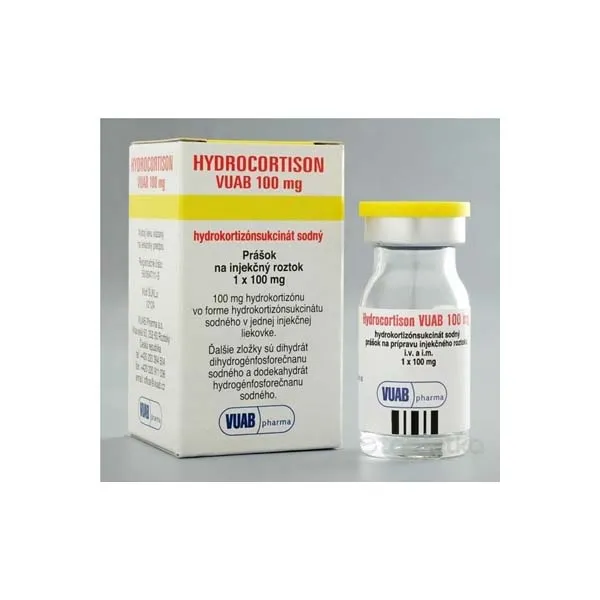
Table of Contents
- Package leaflet: Information for the patient
- 1. What Hydrocortison VUAB is and what it is used for
- 2. Important information before using Hydrocortison VUAB
- 3. How to use Hydrocortison VUAB
- 4. Possible adverse effects
- 5. How to store Hydrocortison VUAB
- 6. Contents of the pack and other information
- Information intended exclusively for healthcare professionals:
Package leaflet: Information for the patient
Hydrocortison VUAB
100 mg, powder for solution for injection/infusion
Hydrocortisone
Please read this leaflet carefully before using this medicine, as it contains
important information for the patient.
- Keep this leaflet, as you may need to read it again.
- If you have any further questions, please ask your doctor or pharmacist.
- This medicine has been prescribed for a specific individual. Do not pass it on to others. This medicine may harm other people, even if their symptoms are the same.
- If you experience any adverse reactions, including any not listed in this leaflet, inform your doctor. See section 4.
Leaflet contents
- What Hydrocortison VUAB is and what it is used for
- Important information before using Hydrocortison VUAB
- How to use Hydrocortison VUAB
- Possible side effects
- How to store Hydrocortison VUAB
- Contents of the pack and other information
1. What Hydrocortison VUAB is and what it is used for
The active substance in Hydrocortison VUAB, hydrocortisone, is a glucocorticoid (a natural
hormone) produced in the human adrenal cortex. The main action of hydrocortisone is to reduce
inflammatory and immunological reactions (immune system responses to foreign substances).
Additionally, it affects, among others, carbohydrate and protein metabolism.
Hydrocortison VUAB is used in the following conditions:
Use in acute/severe conditions:
- Treatment of shock caused by adrenal insufficiency (adrenal crisis due to acute adrenal failure)*
- Treatment of other types of shock unresponsive to conventional therapy, especially when adrenal insufficiency is suspected
- Non-allergic shock (anaphylactoid reactions)
- Severe, life-threatening exacerbations of respiratory diseases (asthma, COPD) – as an adjunct in severe anaphylactic reactions
- Other acute/severe conditions requiring steroid therapy (e.g. drug hypersensitivity reactions, Quincke's angioedema, severe erythema multiforme (Stevens-Johnson syndrome))
* Acute adrenal insufficiency is a syndrome of symptoms developing due to sudden – relative or absolute – deficiency of cortisol, resulting from an imbalance between increased demand for hydrocortisone and the body’s ability to supply it (endogenously or exogenously).
Prophylactic use:
- Endocrine disorders, to prevent the development of acute adrenal failure, where additional glucocorticoid supply may be required due to increased demand for cortisol (e.g. surgery in a patient with adrenal insufficiency or thyroiditis; impaired adrenal function due to chronic steroid therapy).
Use in chronic conditions:
may be considered by the physician and may include conditions/diseases such as:
- Allergic conditions
- Dermatological diseases responsive to corticosteroids
- Endocrine disorders
- Gastrointestinal diseases (in specific situations – treatment of inflammatory flare-ups)
- Hematological disorders
- Neoplastic diseases
- Respiratory diseases
- Rheumatic diseases.
2. Important information before using Hydrocortison VUAB
When not to use Hydrocortison VUAB
- If the patient is allergic to hydrocortisone or any of the other ingredients of this medicine (listed in section 6).
- If the patient has acute viral, bacterial, fungal, or tropical parasitic infections. Such infections must be treated before starting treatment with Hydrocortison VUAB.
- Do not use Hydrocortison VUAB in immunosuppressive doses if the patient has been or needs to be vaccinated with a live or attenuated virus.
- General principles regarding contraindications for corticosteroids (glucocorticoids) and precautions applicable during systemic glucocorticoid therapy also apply to Hydrocortison VUAB.
WARNING: In life-threatening conditions, there are no absolute contraindications, especially if
the drug is expected to be used for a short period (24–36 hours).
Warnings and precautions
The risk of adverse effects during glucocorticoid therapy increases with higher doses and prolonged treatment duration. Therefore, benefits and risks of the treatment will be carefully weighed when determining the dose and duration of therapy.
Do not abruptly discontinue treatment with Hydrocortison VUAB; it should be gradually withdrawn.
Before starting treatment, discuss the following with your doctor or pharmacist:
-
Patients undergoing surgery during or after treatment with Hydrocortison VUAB, those who have suffered an accident, or those with infections may require treatment with fast-acting glucocorticoids.
-
Glucocorticoids may mask signs of infection, and new infections may occur during their use due to reduced immune response. In bacterial infections, the doctor will first identify the causative bacteria and treat the infection before initiating glucocorticoid therapy.
-
While taking immunosuppressive drugs, patients may be more susceptible to infections than healthy individuals.
-
If the patient already has a cardiovascular disease risk factor, they may be at increased risk of additional cardiovascular disorders with high-dose and long-term use of Hydrocortison VUAB. Examples include elevated blood pressure and increased and/or decreased levels of one or more blood lipids (e.g., cholesterol, triglycerides).
-
In patients with congestive heart failure.
-
Hydrocortisone may increase blood pressure due to sodium and water retention. The doctor may recommend a low-sodium diet with additional potassium intake.
-
In patients with septic shock—a condition caused by infection characterized by a sudden drop in blood pressure, pallor, restlessness, weak and rapid pulse, clammy skin, and reduced level of consciousness. Routine use of Hydrocortison VUAB is not recommended in such cases.
-
Patients receiving high-dose hydrocortisone should not be vaccinated with live virus vaccines.
-
If the patient has active tuberculosis or is being treated for tuberculosis, the doctor should closely monitor the patient during treatment with Hydrocortison VUAB.
-
If the patient has previously experienced drug hypersensitivity reactions, the doctor will take necessary precautions before starting treatment.
-
If the patient has a herpes simplex eye infection, regular ophthalmological examinations should be performed during treatment.
-
Corticosteroid treatment may cause retinal detachment and cataracts. If blurred vision or other visual disturbances occur, contact your doctor.
-
Psychiatric changes such as euphoria, insomnia, irritability, personality changes, and depression may occur during treatment.
-
Cases of fat accumulation in the spinal canal have been reported during long-term, high-dose corticosteroid therapy.
-
If the patient has gastric or intestinal inflammation, high blood pressure, active or inactive peptic ulcer, impaired kidney function, adrenal gland tumor, Kaposi's sarcoma (a type of skin cancer), osteoporosis, myasthenia (certain muscle diseases), or thrombosis or is at increased risk of thrombosis, the doctor should exercise particular caution when prescribing Hydrocortison VUAB.
-
If the patient has liver disease, the doctor may prescribe a lower dose, as hydrocortisone may have enhanced effects in such patients.
-
If the patient has Cushing's disease (a condition caused by excess cortisol in the blood).
-
If the patient has reduced thyroid function (hypothyroidism).
-
If the patient has overactive thyroid (hyperthyroidism).
-
If the patient has diabetes.
-
If the patient has a condition associated with seizures or convulsions (e.g., epilepsy).
-
When using certain anti-inflammatory and antipyretic pain medications (NSAIDs).
-
If the patient has pancreatitis, characterized by severe upper abdominal pain radiating to the back, nausea, and vomiting.
If the patient develops muscle weakness, muscle pain, cramps, or stiffness during hydrocortisone treatment, contact the doctor immediately. These may be symptoms of a disorder called thyrotoxic periodic paralysis, which may occur in patients with hyperthyroidism (hyperthyroidism) treated with hydrocortisone. Additional treatment may be needed to alleviate symptoms of this condition.
Children and adolescents up to 18 years of age
Long-term glucocorticoid therapy may suppress growth in children. Therefore, doctors usually prescribe alternate-day dosing in children.
Infants and children undergoing long-term corticosteroid therapy are particularly at risk of increased intracranial pressure.
High doses of corticosteroids may cause pancreatitis in children.
If hydrocortisone is administered to premature infants, monitoring of heart function and myocardial imaging may be necessary.
Hydrocortison VUAB and other medicines
Inform your doctor about all medicines currently or recently used, as well as any medicines the patient plans to use.
Inform the doctor about any of the following medicines:
- Isoniazid: used to treat bacterial infections.
- Rifampicin: an antibiotic used to treat tuberculosis.
- Anticoagulants (oral anticoagulants).
- Barbiturates, carbamazepine, and/or phenytoin used to treat epilepsy.
- Medicines used to treat certain neurological disorders (anticholinergic drugs).
- Medicines used in muscle disease—myasthenia (anticholinesterases).
- Medicines used to treat diabetes (antidiabetic drugs).
- Aprepitant and fosaprepitant: used to prevent nausea and vomiting.
- Itraconazole or ketoconazole: used to treat fungal infections.
- Some medicines may enhance the effect of Hydrocortison VUAB, and the doctor will monitor the patient taking these medicines (including certain anti-HIV drugs: indinavir, ritonavir, cobicistat).
- Aminoglutethimide and/or cyclophosphamide: used to treat cancer.
- Tacrolimus: a medicine used after organ transplantation to prevent rejection.
- Diltiazem: used to treat heart disease or hypertension.
- Digoxin: cardiac drugs belonging to the cardiac glycoside group.
- Estrogens (including oral contraceptives containing estrogens).
- Cyclosporine: used to treat, among others, severe joint inflammation (rheumatoid arthritis), severe skin disorders associated with desquamation and rash (psoriasis), and to prevent rejection of transplanted organs.
- Clarithromycin, erythromycin, and/or troleandomycin: medicines used to prevent or control certain infections.
- Aspirin (acetylsalicylic acid) and/or a specific group of painkillers with anti-inflammatory and antipyretic effects (NSAIDs).
- Medicines that reduce potassium levels, such as diuretics.
Hydrocortison VUAB with food and drink
Grapefruit juice may alter the effect of Hydrocortison VUAB. Consult your doctor or pharmacist before using this medicine and consuming grapefruit juice simultaneously.
Pregnancy, breastfeeding, and fertility
If the patient is pregnant, breastfeeding, suspects she may be pregnant, or plans to become pregnant, she should consult her doctor or pharmacist before using this medicine.
Pregnancy
Hydrocortison VUAB may be used only if absolutely necessary. Prolonged use of high doses should be avoided as much as possible.
Breastfeeding
Adrenal corticosteroids pass into breast milk. Therefore, breastfeeding during corticosteroid therapy is not recommended unless discussed with a doctor who will assess the benefit-risk ratio for both mother and child.
Fertility
There is no evidence that corticosteroids affect fertility.
Driving and operating machinery
Many potential adverse effects of Hydrocortison VUAB, such as blurred vision, mood changes, muscle weakness, and involuntary muscle contractions, may negatively affect the ability to drive or operate machinery.
Hydrocortison VUAB contains sodium
This medicine contains less than 1 mmol (23 mg) of sodium per single dose, meaning it is considered "sodium-free."
3. How to use Hydrocortison VUAB
This medicine should always be used as directed by the physician. If in doubt, consult your doctor or pharmacist.
Hydrocortison VUAB will be administered by a doctor or nurse. It can be given intravenously (by injection or infusion) or intramuscularly (by injection).
The appropriate dose will be determined by the doctor according to the patient's condition.
Use in children up to 14 years of age
The dose for each child is individually adjusted based on clinical condition, age, and body weight. The usual single doses are:
- in children up to 12 months of age: 8–10 mg/kg body weight per day
- in children aged 2–14 years: 4–8 mg/kg body weight per day
Higher doses may be used when clinically justified. Doses lower than 25 mg per day should not be used in children.
Use of a higher than recommended dose of Hydrocortison VUAB
There is no available data on acute overdose of Hydrocortison VUAB. Hydrocortisone can be removed by dialysis, meaning that in case of overdose, excess hydrocortisone can be removed from the blood using an artificial kidney.
Prolonged, repeated use (daily or several times per week) may lead to Cushing's syndrome in patients (characterized, among others, by moon face – "moon face").
Missed dose of Hydrocortison VUAB
The doctor will ensure that the patient receives the next dose at the appropriate time. Do not use a double dose to make up for a missed dose.
Discontinuation of Hydrocortison VUAB treatment
If treatment with Hydrocortison VUAB is suddenly stopped, or if surgery becomes necessary or a severe infection occurs during treatment, adrenal cortex function may become impaired. This could worsen the symptoms of the disease being treated.
Especially in children, seizures, dizziness, and headaches may occur if treatment is discontinued too rapidly.
Therefore, the doctor will usually gradually withdraw Hydrocortison VUAB treatment.
If you have any further questions about the use of this medicine, consult your doctor or pharmacist.
4. Possible adverse effects
Like all medicines, this medicine can cause adverse effects, although not everyone experiences them.
The following adverse effects have been reported with unknown frequency (frequency cannot be estimated from the available data):
-
Hydrocortisone VUAB may mask signs of inflammation, which in turn may make it difficult to diagnose infection.
-
Opportunistic infection (typical in individuals with reduced immunity).
-
Skin cancer (Kaposi's sarcoma).
-
Severe increase in blood pressure due to development of a chromaffin tumor in the adrenal glands.
-
Increased number of white blood cells in the blood (leukocytosis).
-
Severe allergic reaction, including sudden drop in blood pressure, pallor, restlessness, weak and rapid pulse, moist skin, and reduced level of consciousness due to sudden, intense vasodilation (anaphylactic or anaphylactoid reaction).
-
Hypersensitivity to medicines.
-
Development of obesity (face, trunk), moon-shaped face (moon face), and high blood pressure (Cushing's syndrome).
-
Deficiency of one or more hormones secreted by the pituitary gland (hypothalamic-pituitary-adrenal axis suppression).
-
Withdrawal syndrome, characterized by symptoms occurring after discontinuation of corticosteroid therapy (steroid withdrawal syndrome).
-
Metabolic acidosis.
-
Sodium retention by the kidneys.
-
Fluid retention in the body.
-
Disorders of fat metabolism (dyslipidemia).
-
Disturbance in blood acid-base balance due to excessive loss of potassium (hypokalemic alkalosis).
-
Reduced glucose tolerance.
-
Impaired glucose metabolism, which may lead to the development of diabetes or may cause diabetic patients to require higher doses of insulin or other blood glucose-lowering medications.
-
Increased appetite.
-
Accumulation of fatty tissue in various parts of the body (lipomatosis).
-
Psychiatric disorders such as excessive elation associated with high energy levels (mania), delusions, perception of things that are not present (hallucinations), and severe mental illness (schizophrenia) characterized by progressive personality changes.
-
Mood disorders, such as depressed mood, extreme feelings of joy (euphoria), emotional lability, drug dependence, suicidal thoughts.
-
Psychiatric disorder.
-
Disorientation, anxiety.
-
Personality changes, mood swings.
-
Unusual behavior.
-
Insomnia, irritability.
-
Exacerbation of pre-existing psychotic behaviors.
-
Fat accumulation in the spinal canal (epidural lipomatosis).
-
Increased intracranial pressure.
-
Increased intracranial pressure with papilledema (benign intracranial hypertension).
-
Loss of consciousness with convulsions (seizures).
-
Memory loss (amnesia).
-
Cognitive dysfunction, including perception, attention, concentration, memory, orientation, language use, and skills (cognitive disorders).
-
Dizziness, headaches.
-
Disorders of retina and choroid (chorioretinopathy).
-
Visual disturbances, clouding of the lens (cataract).
-
Increased intraocular pressure (glaucoma).
-
Abnormal protrusion of the eyeballs (exophthalmos).
-
Dizziness with balance disturbances (vertigo).
-
Congestive heart failure.
-
Increased blood coagulation (thrombosis).
-
Low blood pressure (hypotension).
-
High blood pressure (hypertension).
-
Pulmonary embolism.
-
Respiratory disorders (severe respiratory distress syndrome).
-
Hiccups.
-
Gastric and/or duodenal ulcers with possible complications such as perforation and bleeding.
-
Bleeding and damage to the intestinal wall (intestinal perforation).
-
Gastrointestinal bleeding.
-
Pancreatitis with symptoms of severe upper abdominal pain radiating to the back, nausea, and vomiting (pancreatitis).
-
Esophagitis with or without ulcers.
-
Abdominal pain, bloating.
-
Diarrhea.
-
Feeling of fullness or pain in the abdominal area, regurgitation of food, nausea, vomiting, and/or heartburn (dyspepsia).
-
Sudden swelling of the skin and mucous membranes (e.g., throat or tongue), causing difficulty in breathing and/or itching and rash, often as an allergic reaction (angioedema).
-
Excessive hair growth in women (hirsutism).
-
Small pinpoint bleeding under the skin (petechiae).
-
Small pinpoint bleeding in the mucous membrane (oozing).
-
Thin, fragile, and wrinkled skin (skin atrophy).
-
Skin redness (erythema).
-
Excessive sweating.
-
Skin scars (striae).
-
Skin rash, itching.
-
Skin rash with intense itching and bumps (urticaria).
-
Acne-like skin eruptions ("adolescent" acne).
-
Muscle weakness, muscle pain.
-
Muscle disorders (myopathy).
-
Reduction of muscle tissue due to disuse or inability to use the muscle due to neurological disease (muscle atrophy).
-
Bone necrosis, bone demineralization (osteoporosis).
-
Bone fractures (pathological fracture).
-
Joint disease caused by nervous system disorders (neuropathic arthropathy).
-
Joint pain.
-
Growth delay.
-
Vertebral collapse (compression fracture of the spinal column).
-
Tendon rupture.
-
Irregular menstruation.
-
Impaired wound healing.
-
Fluid retention in the limbs (peripheral edema).
-
Fatigue, general malaise.
-
Reaction at the injection site.
-
Increased intraocular pressure.
-
Reduced carbohydrate metabolism, which may lead to increased need for insulin or other blood glucose-lowering medication (reduced carbohydrate tolerance).
-
Decreased potassium levels in blood, in severe cases manifesting as muscle cramps or muscle weakness and fatigue (hypokalemia).
-
Increased calcium excretion in urine.
-
Abnormal blood test results (increased alanine aminotransferase activity, increased aspartate aminotransferase activity, increased alkaline phosphatase activity in blood).
-
Increased levels of protein breakdown products in blood (elevated blood urea nitrogen).
-
Disturbances in skin allergy test results.
-
Increased body weight.
Additional adverse effects that may occur in children and adolescents up to 18 years of age
In children, growth suppression may occur.
In preterm infants, hypertrophic cardiomyopathy (thickening of the heart muscle) may occur – frequency unknown.
Reporting of adverse effects
If any adverse symptoms occur, including any adverse effects not listed in this leaflet, inform your doctor or pharmacist.
Adverse effects can be reported directly to the Department of Monitoring Adverse Drug Reactions, Office for Registration of Medicinal Products, Medical Devices and Biocidal Products
Al. Jerozolimskie 181C
02-222 Warsaw
Phone: +48 22 49 21 301
Fax: +48 22 49 21 309
Website: https://smz.ezdrowie.gov.pl
Adverse effects can also be reported to the responsible entity.
Reporting adverse effects helps to collect more information on the safety of the medicine.
5. How to store Hydrocortison VUAB
Keep out of the sight and reach of children.
Do not use this medicinal product after the expiry date stated on the label, carton, and bottle
after: EXP. The expiry date refers to the last day of the stated month.
Before opening: No special storage conditions required for the medicinal product.
After opening: Must be used immediately.
After dilution: Must be used immediately; any remaining solution must be discarded.
Medicines must not be disposed of via wastewater or household waste. Ask your pharmacist how to dispose of medicines no longer in use. Such measures help protect the environment.
6. Contents of the pack and other information
What Hydrocortison VUAB contains
- The active substance is hydrocortisone. One vial for injection contains hydrocortisone in a dose of 100 mg, in the form of hydrocortisone sodium succinate.
- Other ingredients are: monosodium dihydrogen phosphate monohydrate, disodium phosphate.
What Hydrocortison VUAB looks like and contents of the pack
A white or almost white lyophilised powder.
Hydrocortison VUAB is packed in a 10 ml vial made of colourless type II glass,
closed with a bromobutyl rubber stopper and aluminium seal or a "flip-off" closure, placed in a cardboard box.
Pack size: 1 x 100 mg.
Marketing Authorisation Holder and Manufacturer
Marketing Authorisation Holder
VUAB Pharma a.s.
Vltavská 53
252 63 Roztoky
Czech Republic
Tel.: +420 220 394 504
E-mail: [email protected]
Manufacturer
VUAB Pharma a.s.
Vltavská 53
252 63 Roztoky
Czech Republic
Information intended exclusively for healthcare professionals:
Solution preparation
For intravenous or intramuscular use, prepare the solution aseptically by adding no more than 2 ml of sterile water for injections to the contents of one vial of Hydrocortison VUAB, shake and withdraw for use.
For intravenous infusion, first prepare the solution by adding no more than 2 ml of sterile water for injections to the vial. This solution may then be added to 100 ml - 1000 ml (but not less than 100 ml) of 5% dextrose in water (or in isotonic saline solution or 5% dextrose in isotonic saline solution, when sodium restriction is not required in the patient).
After reconstitution, the pH of the solution ranges from 7.0 to 8.0. The prepared solution is practically clear, colorless, and essentially free from particles.