Gliclazide medreg
Poland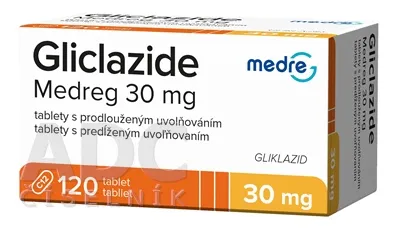
Table of Contents
Package leaflet: Information for the patient
Gliclazide Medreg, 30 mg, prolonged-release tablets
Gliclazide Medreg, 60 mg, prolonged-release tablets
Gliclazide
Please read all of this leaflet carefully before taking this medicine, because it contains
important information for the patient.
- Keep this leaflet, as you may need to read it again.
- If you have any further questions, please consult your doctor or pharmacist.
- This medicine has been prescribed for a specific individual. Do not pass it on to others. It may harm someone else, even if their symptoms are the same.
- If you experience any adverse reactions, including any not listed in this leaflet, tell your doctor or pharmacist. See section 4.
Table of contents
- What Gliclazide Medreg is and what it is used for
- Important information before taking Gliclazide Medreg
- How to take Gliclazide Medreg
- Possible side effects
- How to store Gliclazide Medreg
- Contents of the pack and other information
1. What Gliclazide Medreg is and what it is used for
Gliclazide Medreg is a blood glucose-lowering agent (an oral antidiabetic drug belonging to the sulfonylurea derivatives group).
Gliclazide Medreg is used in adults with a certain type of diabetes (type 2 diabetes) when diet, physical exercise, and weight reduction alone do not provide adequate control of blood glucose levels.
2. Important information before using Gliclazide Medreg
When not to use Gliclazide Medreg
- if the patient is allergic to gliclazide or any of the other ingredients of this medicine (listed in section 6), to other medicines of the same group (sulfonylurea derivatives), or to similar drugs (sulphonamides lowering blood glucose),
- if the patient has insulin-dependent diabetes (type 1),
- if the patient has ketones and glucose in the urine (this may indicate diabetic ketoacidosis), pre-coma or diabetic coma,
- if the patient has severe kidney or liver disease,
- if the patient is taking any antifungal medications (miconazole) (see section "Gliclazide Medreg with other medicines"),
- if the patient is breastfeeding (see section "Pregnancy, breastfeeding and fertility").
Warnings and precautions
Before taking Gliclazide Medreg, discuss this with your doctor or pharmacist.
Follow the treatment regimen recommended by your doctor to achieve proper blood glucose control. This includes not only regular intake of the medicine, but also adherence to diet, physical exercise, and, if necessary, weight reduction.
During treatment with gliclazide, blood glucose (and possibly urine glucose) and glycated haemoglobin (HbA1c) should be monitored regularly.
During the first few weeks of treatment, the risk of low blood glucose (hypoglycaemia) may be increased. Therefore, close medical supervision is necessary.
Low blood glucose (hypoglycaemia) may occur:
- if the patient eats meals irregularly or skips meals,
- if the patient is fasting,
- if the patient is undernourished,
- when diet changes,
- when physical activity increases and carbohydrate intake does not meet the increased demand,
- if the patient consumes alcohol, especially when skipping meals,
- when other medicines, including herbal products, are taken concomitantly,
- if the patient takes too high a dose of gliclazide,
- if the patient has certain hormonal disorders (thyroid, pituitary or adrenal cortex dysfunction),
- if kidney or liver function is significantly impaired.
If the patient has low blood glucose, the following symptoms may occur: headache, intense hunger, nausea, vomiting, fatigue, sleep disturbances, restlessness, aggression, difficulty concentrating, reduced alertness and prolonged reaction time, depression, confusion, speech or vision disturbances, tremor, sensory disturbances, dizziness and helplessness.
Additional symptoms may include: sweating, moist skin, anxiety, rapid or irregular heartbeat, high blood pressure, sudden, severe chest pain radiating to adjacent body parts (angina pectoris).
If blood glucose continues to decrease, the patient may experience severe confusion (delirium), seizures, loss of consciousness, shallow breathing and slow heartbeat.
Symptoms of low blood glucose resolve rapidly after consuming some form of sugar, e.g. glucose tablets, sugar cubes, sweet juice or sweet tea. Therefore, always carry a source of sugar (glucose tablets, sugar cubes). Remember that artificial sweeteners are ineffective. Contact your doctor or nearest hospital if sugar intake does not help or if symptoms recur.
Symptoms of low blood glucose may be absent, less noticeable, develop very slowly, or the patient may not realize that blood glucose has dropped. This may occur if the patient is elderly and taking certain medicines (e.g. acting on the central nervous system and beta-blockers).
In stressful situations (accidents, surgical procedures, fever, etc.), the doctor may temporarily switch treatment to insulin therapy.
Symptoms of high blood glucose (hyperglycaemia) may occur when gliclazide has not sufficiently lowered blood glucose, if the patient has not followed the treatment plan recommended by the doctor, if the patient is taking products containing St John's wort (Hypericum perforatum) (see section "Gliclazide Medreg with other medicines"), or during particular stress situations.
These may include thirst, frequent urination, dry mouth, dry, itchy skin, skin infections and reduced performance.
If these symptoms occur, contact your doctor or pharmacist.
Glucose level disturbances (low and high blood glucose) may occur when gliclazide is taken concomitantly with antibiotics belonging to the fluoroquinolone group, especially in elderly patients. In such cases, the doctor will remind the patient of the importance of monitoring blood glucose levels.
If the patient or family members have or have had glucose-6-phosphate dehydrogenase (G6PD) deficiency (a red blood cell abnormality), haemolytic anaemia (decreased haemoglobin and breakdown of red blood cells) may occur. Consult your doctor before using this medicine.
In patients with porphyria (a hereditary genetic disorder involving accumulation of porphyrins or their precursors in the body), cases of porphyria exacerbation have been reported after using certain other sulfonylurea derivatives.
Children and adolescents
Gliclazide Medreg is not recommended for use in children due to lack of data.
Gliclazide Medreg with other medicines
Inform your doctor or pharmacist about all medicines currently used, recently used, or planned for use.
The following medicines may enhance the blood glucose-lowering effect of gliclazide and may cause symptoms of low blood glucose:
- other medicines used to treat high blood glucose (oral antidiabetic drugs, GLP-1 receptor agonists or insulin),
- antibiotics (sulfonamides, clarithromycin),
- medicines used to treat high blood pressure or heart failure (beta-blockers, ACE inhibitors such as captopril or enalapril),
- antifungal medicines (miconazole, fluconazole),
- medicines used to treat peptic ulcer disease of the stomach or duodenum (H-\receptor antagonists),
- medicines used to treat depression (monoamine oxidase inhibitors),
- painkillers or anti-rheumatic drugs (phenylbutazone, ibuprofen),
- medicines containing alcohol.
The blood glucose-lowering effect of gliclazide may be reduced, leading to high blood glucose, when any of the following medicines are taken:
- medicines used to treat disorders of the central nervous system (chlorpromazine),
- anti-inflammatory medicines (corticosteroids),
- medicines used to treat asthma or during childbirth (intravenous salbutamol, ritodrine and terbutaline),
- medicines used to treat breast disorders, heavy menstrual bleeding and endometriosis (danazol),
- products containing St John's wort (Hypericum perforatum).
When Gliclazide Medreg is taken simultaneously with antibiotics belonging to the fluoroquinolone group, especially in elderly patients, disturbances in blood glucose levels (low and high blood glucose) may occur.
Gliclazide Medreg may enhance the effect of concomitantly used anticoagulant medicines (e.g. warfarin).
Before starting any other medicine, consult your doctor.
If hospitalization is necessary, inform medical staff that you are taking Gliclazide Medreg.
Gliclazide Medreg with food, drink and alcohol
Gliclazide Medreg may be taken with food and non-alcoholic beverages. Alcohol consumption is not recommended, as it may affect diabetes control in an unpredictable manner.
Pregnancy, breastfeeding and fertility
If the patient is pregnant, breastfeeding, suspects she may be pregnant, or is planning to have a child, she should consult her doctor or pharmacist before using this medicine.
Gliclazide Medreg is not recommended during pregnancy.
Gliclazide Medreg must not be used during breastfeeding.
Driving and using machines
If blood glucose is too low (hypoglycaemia) or too high (hyperglycaemia), or if vision disturbances occur due to abnormal blood glucose levels, the ability to concentrate or react may be impaired. Remember that this may be dangerous for the patient or others (e.g. when driving a car or operating machinery).
Ask your doctor whether you may drive if:
- you frequently experience episodes of low blood glucose (hypoglycaemia),
- you have mild or no warning symptoms of low blood glucose (hypoglycaemia).
Gliclazide Medreg contains lactose
If the patient has previously been diagnosed with intolerance to certain sugars, he/she should consult a doctor before taking this medicine.
3. How to use Gliclazide Medreg
This medicine should always be used as directed by the physician. If in doubt, consult your
doctor or pharmacist.
The dose is determined by the doctor according to blood glucose levels and, if necessary, glucose
levels in urine. Changes in external factors (reduction in body weight, lifestyle changes, stress) or
improvement in blood glucose control may require adjustment of the gliclazide dose.
The recommended daily dose is 30 to 120 mg (one to four tablets of Gliclazide Medreg, 30 mg or half to two tablets of Gliclazide Medreg, 60 mg), taken once daily with breakfast.
The number of tablets depends on the individual response to treatment.
Gliclazide Medreg is intended for oral administration. The tablet(s) should be taken with a glass of water at breakfast time (preferably at the same time every day). Swallow half a tablet or
the whole tablet(s) whole, without chewing or crushing. After taking the tablet(s), a meal should always be consumed.
When initiating combination therapy with Gliclazide Medreg and metformin, an alpha-glucosidase inhibitor, a thiazolidinedione, a dipeptidyl peptidase-4 inhibitor, a GLP-1 receptor agonist, or insulin, the physician will determine the appropriate dose of each medicine individually for each patient.
Consult your doctor or pharmacist if you notice high blood glucose levels despite using Gliclazide Medreg as directed.
Taking more Gliclazide Medreg than prescribed
If you have taken too many tablets, contact your doctor immediately or go to the nearest hospital emergency department. Symptoms of overdose are those of low blood glucose (hypoglycaemia), as described in section 2. These symptoms can be relieved by immediate intake of sugar (4 to 6 sugar cubes) or sweet drinks, followed by a substantial snack or meal. If the patient is unconscious, contact a doctor immediately and call emergency services. The same applies in case of accidental ingestion, for example by a child. Do not give drinks or food to an unconscious person.
Inform another person about your condition so that, if necessary, they can seek medical help.
Missing a dose of Gliclazide Medreg
It is important to take the medicine every day, as regular treatment provides better results.
If you forget to take a dose of Gliclazide Medreg, take the next dose at the usual time. Do not take a double dose to make up for the missed tablet.
Stopping Gliclazide Medreg
Since diabetes treatment usually lasts a lifetime, talk to your doctor before stopping the medicine. Discontinuing treatment may lead to increased blood glucose levels (hyperglycaemia), increasing the risk of diabetes-related complications.
If you have any further questions about the use of this medicine, consult your doctor or pharmacist.
4. Possible adverse reactions
Like all medicines, this medicine may cause adverse reactions, although not everybody will experience them.
The most commonly observed adverse reaction is low blood sugar (hypoglycaemia). Symptoms and signs are described in section 2 "Warnings and precautions". Untreated symptoms may progress to drowsiness, loss of consciousness or even coma. If a hypoglycaemic episode is severe or prolonged, even if temporarily controlled by consuming sugar, immediate medical assistance should be sought.
Liver disorders
Isolated cases of liver function disorders causing yellowing of the skin and eyes have been reported. If these occur, medical advice should be sought immediately. These symptoms usually resolve after discontinuation of the medicine. The physician will decide whether treatment should be discontinued.
Skin disorders
Skin reactions such as rash, redness, itching, urticaria, and angioedema (sudden swelling of tissues such as eyelids, face, lips, mouth, tongue or throat, which may cause breathing difficulties) have been reported. The rash may progress to extensive blisters or skin peeling.
If such symptoms occur, this medicine should be discontinued immediately, and the patient should urgently consult a physician and inform them about taking this medicine.
Rarely, symptoms of severe hypersensitivity reactions (DRESS, Drug Reaction with Eosinophilia and Systemic Symptoms) have been reported: initially presenting as influenza-like symptoms and facial rash, followed by widespread rash with high fever.
Blood disorders
Decreased numbers of certain blood cells (e.g. platelets, red and white blood cells) have been reported, which may lead to pallor, prolonged bleeding time, bruising, sore throat and fever. These symptoms usually resolve after stopping treatment.
Gastrointestinal disorders
Abdominal pain, nausea, vomiting, dyspepsia, diarrhoea and constipation. These effects are reduced when Gliclazide Medreg is taken with food, as recommended.
Eye disorders
Transient visual disturbances may occur, especially at the beginning of treatment. These are due to changes in blood glucose concentration.
As with other sulphonylurea derivatives, the following adverse reactions have been observed: cases of significant blood cell count changes and allergic vasculitis, decreased blood sodium levels (hyponatremia), symptoms of liver dysfunction (e.g. jaundice), which in most cases resolved after discontinuation of sulphonylurea derivatives, but in isolated cases may lead to life-threatening liver failure.
Reporting of adverse reactions
If any adverse reactions occur, including any not listed in this leaflet, inform your doctor or pharmacist. Adverse reactions can be reported directly to the Department of Monitoring Adverse Drug Reactions, Office for Registration of Medicinal Products, Medical Devices and Biocidal Products, Al. Jerozolimskie 181C, 02-222 Warsaw, phone: +48 22 49 21 301, fax: +48 22 49 21 309, website: https://smz.ezdrowie.gov.pl
Reporting adverse reactions helps provide more information on the safety of this medicine.
Adverse reactions can also be reported to the marketing authorization holder.
5. How to store Gliclazide Medreg
Keep this medicine out of sight and reach of children.
There are no special requirements for storage.
Do not use this medicine after the expiry date stated on the carton, blister, or bottle
after: EXP. The expiry date refers to the last day of the stated month.
Medicines must not be disposed of via wastewater or household waste. Ask your
pharmacist how to dispose of medicines no longer required. Such measures will help
protect the environment.
6. Contents of the pack and other information
What Gliclazide Medreg contains:
Gliclazide Medreg, 30 mg:
- The active substance is gliclazide. Each prolonged-release tablet contains 30 mg of gliclazide.
- The other ingredients are: monohydrate lactose, maize starch, povidone, hypromellose, colloidal silicon dioxide, anhydrous magnesium stearate.
Gliclazide Medreg, 60 mg:
- The active substance is gliclazide. Each prolonged-release tablet contains 60 mg of gliclazide.
- The other ingredients are: monohydrate lactose, maize starch, hypromellose, magnesium stearate.
What Gliclazide Medreg looks like and contents of the pack
Gliclazide Medreg, 30 mg:
White or almost white, capsule-shaped, biconvex, prolonged-release tablets approximately 10 mm long and 4 mm wide, uncoated, with the imprint “C12” on one side and smooth on the other side.
Prolonged-release tablets are supplied in blisters made of PVC/PVdC/Aluminium, packed in a cardboard box.
Pack sizes: 10, 14, 20, 28, 30, 56, 60, 84, 90, 100, 112, 120 and 180 prolonged-release tablets.
Gliclazide Medreg, 60 mg:
White or almost white, oval tablets approximately 14 mm long and 6.5 mm wide, with the letter “C” imprinted on one side and “55” on the other side of the break line, and a break line on the other side.
The tablet can be divided into equal doses.
Prolonged-release tablets are supplied in blisters made of Aluminium/Aluminium, packed in a cardboard box.
Pack sizes: 10, 14, 20, 28, 30, 56, 60, 84, 90, 100, 112, 120 and 180 prolonged-release tablets.
or
Prolonged-release tablets are supplied in HDPE bottles with PP screw caps.
Pack sizes: 30 and 1000 prolonged-release tablets.
Not all pack sizes may be marketed.
Marketing Authorisation Holder and Manufacturer
Marketing Authorisation Holder:
Medreg s.r.o.
Na Florenci 2116/15
Nové Město
110 00 Prague 1
Czech Republic
Tel.: (+420) 516 770 199
Manufacturer/Importer:
Medis International a.s.
Výrobní závod Bolatice
Průmyslová 961/16
747 23 Bolatice
Czech Republic
Dr. Max Pharma s.r.o.
Na Florenci 2116/15
Nové Město
110 00 Prague 1
Czech Republic
This medicinal product is authorised in the Member States of the European Economic Area under the following names:
Czech Republic: Gliclazide Medreg
Poland: Gliclazide Medreg
Romania: Gliclazidă Gemax Pharma 60 mg comprimate cu eliberare prelungită
Slovakia: Gliclazide Medreg 30 mg
Gliclazide Medreg 60 mg