Glibenese gits
Poland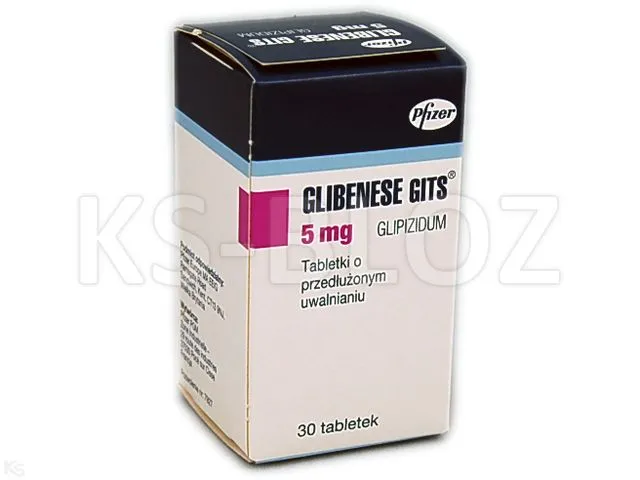
Table of Contents
Package leaflet: Information for the patient
Glibenese GITS, 5 mg, prolonged-release tablets
Glibenese GITS, 10 mg, prolonged-release tablets
Glipizide
Please read the entire leaflet carefully before taking this medicine, as it contains
important information for the patient.
- Keep this leaflet to be able to read it again if necessary.
- If you have any questions, please consult your doctor or pharmacist.
- This medicine has been prescribed for a specific individual. Do not pass it on to others. The medicine may harm another person, even if their symptoms are the same.
- If you experience any adverse reactions, including any not listed in this leaflet, inform your doctor or pharmacist. See section 4.
Table of contents of the leaflet
- What Glibenese GITS is and what it is used for
- Important information before taking Glibenese GITS
- How to take Glibenese GITS
- Possible side effects
- How to store Glibenese GITS
- Contents of the pack and other information
1. What Glibenese GITS is and what it is used for
Glibenese GITS is administered as oral prolonged-release tablets containing 5 mg or 10 mg of glipizide. Glipizide belongs to a group of medicines called sulfonylureas, which act by reducing blood glucose levels.
Glibenese GITS is indicated for the treatment of non-insulin-dependent diabetes (type 2) when adequate blood glucose control cannot be achieved by diet alone.
2. Important information before using Glibenese GITS
When not to use Glibenese GITS
- if the patient is allergic to glipizide or any of the other ingredients of this medicine (listed in section 6),
- in patients with type 1 diabetes (insulin-dependent diabetes),
- in patients with acute complications of diabetes (diabetic ketoacidosis, diabetic coma),
- in patients with severe liver, kidney, or pancreas disorders,
- in patients with significant gastrointestinal strictures,
- in patients being treated concomitantly with miconazole,
- in pregnant women and breastfeeding women.
Warnings and precautions
Before starting treatment with Glibenese GITS, discuss this with your doctor or pharmacist.
-
Like all medicines containing sulfonylurea derivatives, this medicine may cause hypoglycaemia, i.e. abnormally low blood glucose levels. You should learn to recognize early symptoms of hypoglycaemia such as: headache, visual disturbances, impaired hearing, tingling sensation, hunger, muscle weakness, hand tremors,
anxiety, sweating, palpitations, so that you can contact your doctor in a timely manner.
Family members of diabetic patients should be aware of the following symptoms indicating possible hypoglycaemia: weakness, difficulty concentrating, speech disturbances,
aggressiveness, depression, laughing without reason, confusion, seizures, pallor, loss of
consciousness. In renal or hepatic impairment, there is an increased risk of severe
hypoglycaemia leading to coma, seizures, or other neurological symptoms. This is a condition
requiring hospital treatment. Emaciated or malnourished patients, as well as those with
adrenal or pituitary insufficiency, are particularly susceptible to hypoglycaemia.
In elderly patients and in patients treated with beta-adrenergic blocking agents, hypoglycaemia
may be difficult to recognize. The likelihood of hypoglycaemia is increased by
inadequate caloric intake, intense or prolonged physical exertion, alcohol consumption, and when using more than one glucose-lowering medicine. -
During treatment with Glibenese GITS, stress, fever, trauma, infection, or surgery may lead to loss of glycaemic control. In such cases, your doctor will decide whether discontinuation of Glibenese GITS and temporary insulin therapy are necessary. In many patients, the effectiveness of any oral glucose-lowering medicine, including Glibenese GITS, decreases over time. This may be due to worsening of diabetes or reduced responsiveness to the medicine. During treatment, follow dietary recommendations, proper dosing of the medicine, regular physical exercise, and regularly monitor blood glucose levels.
-
In patients with gastrointestinal disorders, the shortened tablet residence time may alter the effectiveness of the medicine. There have also been rare reports of symptoms of obstruction in patients with gastrointestinal strictures who were taking another medicine containing a non-absorbable coating similar to that in Glibenese GITS. Therefore, use of Glibenese GITS in such patients is contraindicated.
-
Caution is advised when using Glibenese GITS in patients with glucose-6-phosphate dehydrogenase deficiency. Use of Glibenese GITS in patients with glucose-6-phosphate dehydrogenase deficiency may lead to haemolytic anaemia.
Consult your doctor, even if the above warnings refer to conditions that occurred in the past.
Glibenese GITS and other medicines
Tell your doctor or pharmacist about all medicines you are currently taking, have recently taken, or plan to take.
Substances that may enhance the hypoglycaemic effect (i.e. abnormally low blood glucose) of Glibenese GITS:
- Miconazole Increases the hypoglycaemic effect, which may lead to hypoglycaemia or coma. Concomitant use of glipizide and miconazole is contraindicated.
- Fluconazole There have been reports of hypoglycaemia during concomitant use of glipizide and fluconazole, probably due to prolonged half-life of glipizide.
- Voriconazole Although not specifically studied, voriconazole may increase plasma concentrations of sulfonylureas (e.g. tolbutamide, glipizide, glibenclamide) and thereby cause hypoglycaemia. Close monitoring of blood glucose levels is recommended during concomitant administration of voriconazole and Glibenese GITS.
- Non-steroidal anti-inflammatory drugs (e.g. phenylbutazone) Enhance the hypoglycaemic effect of sulfonylureas (by displacing sulfonylureas from plasma protein binding sites or reducing their excretion).
- Salicylates (acetylsalicylic acid) High doses of acetylsalicylic acid enhance the hypoglycaemic effect.
- Alcohol Enhances the hypoglycaemic effect and may lead to coma.
- Beta-adrenergic blocking agents Mask some symptoms of hypoglycaemia, such as palpitations and tachycardia. Most non-cardioselective beta-blockers increase the frequency and severity of hypoglycaemic episodes.
- Angiotensin-converting enzyme (ACE) inhibitors Hypoglycaemia may occur during concomitant use of sulfonylureas and ACE inhibitors, and a reduction in glipizide dosage may be necessary.
- H--receptor antagonists (e.g. cimetidine) may enhance the hypoglycaemic effect of sulfonylureas, including glipizide.
- The hypoglycaemic effect of sulfonylureas may also be enhanced by monoamine oxidase inhibitors, quinolones, and drugs highly bound to plasma proteins such as sulfonamides, chloramphenicol, probenecid, and coumarin derivatives. If any of these medicines are used or discontinued, patients taking Glibenese GITS should consult their doctor if they experience any concerning symptoms suggestive of hypoglycaemia (or loss of glycaemic control).
Substances which, when used concomitantly with Glibenese GITS, may lead to hyperglycaemia (excessively high blood glucose):
- Phenothiazine derivatives (e.g. chlorpromazine) In high doses (> 100 mg chlorpromazine per day), they increase blood glucose levels (due to reduced insulin secretion).
- Corticosteroids Increase blood glucose levels.
- Sympathomimetic agents (e.g. ritodrine, salbutamol, terbutaline) May increase blood glucose levels by stimulating beta-adrenergic receptors.
- Other medicines that may cause hyperglycaemia and lead to loss of glycaemic control include: certain diuretics, including thiazides, thyroid treatment medicines, oestrogens, progestogens, oral contraceptives, phenytoin, nicotinic acid, calcium channel blockers, and isoniazid.
After starting treatment with any of the above medicines (or after their discontinuation), patients taking glipizide should consult their doctor if they experience any concerning symptoms suggestive of hypoglycaemia or loss of glycaemic control.
Colesevelam
Glibenese GITS should be administered at least 4 hours before colesevelam to avoid reduced absorption of Glibenese GITS.
Pregnancy and breastfeeding
Pregnancy
If the patient is pregnant or breastfeeding, suspects she may be pregnant, or is planning to become pregnant, she should consult her doctor before using this medicine.
Reproductive studies in rats have shown that Glibenese GITS has minimal foetal toxicity. Teratogenic effects of Glibenese GITS were not observed in studies in rats or rabbits.
Insulin therapy is recommended for pregnant women with diabetes to maintain blood glucose levels as close to normal as possible, since data suggest that abnormal blood glucose levels during pregnancy are associated with a higher incidence of congenital malformations.
Cases of prolonged, severe hypoglycaemia (lasting from 4 to 10 days) have been reported in newborns whose mothers used sulfonylurea derivatives during pregnancy.
Breastfeeding
Consult your doctor before using this medicine.
It is not known whether glipizide passes into human breast milk. It has been shown that some sulfonylurea derivatives are excreted in breast milk. Due to the risk of hypoglycaemia in the infant, breastfeeding should be discontinued or the medicine discontinued, taking into account the importance of the medicine to the mother. If treatment with Glibenese GITS is discontinued and diet alone is insufficient to control blood glucose levels, the doctor will consider the need for insulin therapy.
Driving and operating machinery
The effect of Glibenese GITS on the ability to drive and operate machinery has not been studied.
Patients should be aware of the risk of hypoglycaemic symptoms and exercise caution when driving and operating machinery.
Glibenese GITS contains sodium
This medicine contains less than 1 mmol (23 mg) of sodium per tablet, i.e. the medicine is considered "sodium-free".
3. How to use Glibenese GITS
This medicine should always be taken exactly as directed by your doctor or pharmacist. If in doubt,
you should consult your doctor or pharmacist.
The tablets should be swallowed whole with an adequate amount of liquid. Do not chew, divide, or crush the tablets. In Glibenese GITS, the active substance is contained within a non-absorbable coating that enables slow release of the drug. After completion of the drug release process, the empty coating is excreted from the body (it may be visible in the stool).
Initial dose:
The initial dose of Glibenese GITS is 5 mg once daily. The medicine should be taken with breakfast.
Adjusting the appropriate dose:
Your doctor may increase the dose by 5 mg every few days, based on blood glucose measurements. At least several days should elapse between each dose adjustment.
Maintenance treatment:
The medicine, taken once daily, effectively reduces blood glucose concentration. The maximum recommended daily dose is 20 mg, as this dose provides the strongest therapeutic effect.
Glipizide administered as immediate-release tablets in doses from 5 mg to 20 mg daily can be safely switched to Glibenese GITS, taken once daily at the same or a lower dose.
Patients previously treated with insulin
For many patients with stable type 2 diabetes currently treated with insulin, the doctor may safely switch therapy to Glibenese GITS instead of insulin, as well as to other oral antidiabetic agents belonging to the sulfonylurea derivatives.
When switching from insulin to Glibenese GITS, the doctor should follow the rules below.
- In patients requiring 20 units or less of insulin per day, insulin may be discontinued and treatment with Glibenese GITS initiated at the recommended dose of 5 mg. The dose may be increased after several days.
- In patients requiring more than 20 units of insulin per day, the insulin dose should be reduced by 50%, and treatment with Glibenese GITS initiated at the recommended dose of 5 mg. Further reduction of insulin dose should be based on the patient's response to treatment. The dose of Glibenese GITS may be increased after several days. During the period of insulin dose reduction, the patient should self-monitor blood glucose levels at least three times daily. The patient should contact their physician immediately if test results are abnormal. In some cases, especially in patients receiving more than 40 units of insulin per day, the doctor should consider hospitalizing the patient during the transition period.
Patients previously treated with other oral antidiabetic medicines
When switching from another sulfonylurea derivative (especially one with a long half-life,
e.g. chlorpropamide) to Glibenese GITS, the doctor should carefully monitor the patient
for at least two weeks due to the risk of hypoglycemia (e.g. by observing clinical symptoms or monitoring blood glucose levels) and exercise caution when adjusting the dose.
Patients treated concomitantly with other oral hypoglycemic agents (reducing blood glucose levels)
In patients who do not achieve satisfactory glycemic control with Glibenese GITS alone, or in whom the drug becomes secondarily ineffective, the doctor may add another oral hypoglycemic agent to the treatment regimen.
When Glibenese GITS is used concomitantly with colesevelam, Glibenese GITS should be administered at least 4 hours before colesevelam.
Use of a higher than recommended dose of Glibenese GITS
Overdose of sulfonylurea derivatives, including glipizide, may cause hypoglycemia.
If any disturbing symptoms occur, consult your doctor immediately.
A patient experiencing symptoms of severe hypoglycemia with coma, loss of consciousness, or other neurological disturbances should be immediately hospitalized. Treatment consists of restoring blood glucose levels by any available means, including intravenous glucose administration, and the patient should be observed for at least 24 to 48 hours.
Missed dose of Glibenese GITS
Take the missed dose as soon as possible, unless it is almost time for the next dose. Do not take two doses at the same time or within a short interval. If in doubt, consult your doctor.
Discontinuation of Glibenese GITS
The decision to discontinue treatment should be made by the doctor. If you feel the effect of the medicine is too strong or too weak, consult your doctor.
4. Possible adverse reactions
Like all medicines, this medicine can cause adverse reactions, although not everyone experiences them.
As with other sulfonylurea derivatives, the following adverse reactions may occur:
Common (may occur in up to 1 in 10 people)
- hypoglycaemia‡
- headache*, tremor*
- visual disturbances
- abdominal pain, nausea, constipation, diarrhoea, vomiting
- pruritus (itching)
- changes in laboratory test results (increased aspartate aminotransferase activity§, increased alkaline phosphatase activity in blood§, increased blood creatinine concentration§)
Uncommon (may occur in up to 1 in 100 people)
- confusion*
- urticaria (hives)
Frequency not known (cannot be estimated from the available data)
- leucopenia (reduced white blood cell count), agranulocytosis (absence of granulocytes), thrombocytopenia (reduced platelet count), haemolytic anaemia, aplastic anaemia, and pancytopenia (reduction in all blood cells);
- hyponatraemia
- blurred vision*, decreased visual acuity*
- discomfort in the epigastrium
- cholestatic jaundice†, toxic hepatitis
- allergic skin reactions, including skin and mucous membrane lesions, and maculopapular rash
- non-acute porphyria
- malaise*
- changes in laboratory test results (increased lactate dehydrogenase activity in blood§, increased blood urea concentration§)
* symptoms are usually transient and treatment need not be discontinued; however, they may indicate
hypoglycaemia.
‡ may be severe, prolonged, and may lead to coma.
† if cholestatic jaundice occurs, treatment must be discontinued.
§ association with Glibenese GITS use is uncertain.
Reporting of adverse reactions
If any adverse reactions occur, including any not listed in this leaflet, inform your doctor. Adverse reactions can be reported directly to the Department of Monitoring Adverse Drug Reactions of the Office for Registration of Medicinal Products, Medical Devices and Biocidal Products
Al. Jerozolimskie 181C
02-222 Warsaw,
Tel.: + 48 22 49 21 301
Fax: + 48 22 49 21 309
Website: https://smz.ezdrowie.gov.pl
Adverse reactions can also be reported to the representative of the responsible entity.
Reporting adverse reactions helps provide more information on the safety of the medicine.
5. How to store Glibenese GITS
Keep the medicine out of the sight and reach of children.
Store below 30°C. Protect from moisture.
Do not use this medicine after the expiry date stated on the packaging after: EXP.
The expiry date refers to the last day of the stated month.
Medicines must not be disposed of via wastewater or household waste. Ask your pharmacist how to dispose of medicines you no longer use. This will help protect the environment.
6. Contents of the packaging and other information
What Glibenese GITS contains
5 mg tablet
- The active substance is glipizide. One tablet contains 5 mg of glipizide.
- The other ingredients are: polyethylene glycol, sodium chloride (see section 2 “Glibenese GITS contains sodium”), hypromellose, iron oxide red, magnesium stearate, cellulose acetate, polyethylene glycol, outer coating: Opadry White, black ink (S-1-17823).
10 mg tablet
- The active substance is glipizide. One tablet contains 10 mg of glipizide.
- The other ingredients are: polyethylene glycol, sodium chloride (see section 2 “Glibenese GITS contains sodium”), hypromellose, iron oxide red, magnesium stearate, cellulose acetate, polyethylene glycol, outer coating: Opadry White, black ink (S-1-17823).
What Glibenese GITS looks like and contents of the pack
Glibenese GITS is a prolonged-release tablet.
Packaging:
5 mg tablets: pack containing 30 prolonged-release tablets.
10 mg tablets: pack containing 30 prolonged-release tablets.
Marketing Authorisation Holder
Pfizer Europe MA EEIG, Boulevard de la Plaine 17, 1050 Brussels, Belgium
Manufacturer
Fareva Amboise, Zone Industrielle, 29 route des Industries, 37530 Pocé-sur-Cisse, France
For further information, please contact the local representative of the Marketing Authorisation Holder:
Pfizer Polska Sp. z o.o.
tel. 22 335 61 00
Detailed and up-to-date information about this medicine can be obtained by scanning the QR code located on the outer packaging using a mobile device. The same information is also available at the following URL: https://pfi.sr/ulotka-glibenesegits and on the website of the Office for Registration of Medicinal Products, Medical Devices and Biocidal Products http://www.urpl.gov.pl.