Fludrocortisone acetate ria
Poland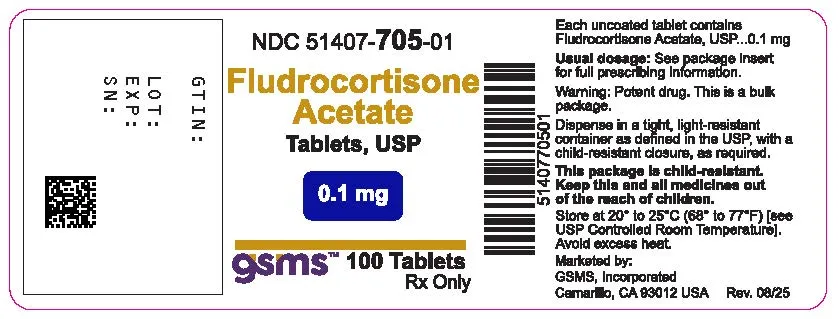
Table of Contents
- Package leaflet: Information for the patient
- 1. What Fludrocortisone acetate RIA is and what it is used for
- 2. Important information before using Fludrocortisone acetate RIA
- 3. How to use Fludrocortisone acetate RIA
- 4. Possible adverse reactions
- 5. How to store Fludrocortisone acetate RIA
- 6. Contents of the package and other information
Package leaflet: Information for the patient
Fludrocortisone acetate RIA, 0.1 mg, tablets
Fludrocortisoni acetas
Please read all of this leaflet carefully before taking this medicine because it contains
important information for you.
- Keep this leaflet so that you can read it again if necessary.
- If you have any questions, please consult your doctor or pharmacist.
- This medicine has been prescribed for a specific individual. Do not share it with others. This medicine may harm another person, even if their symptoms are the same.
- If you experience any adverse effects, including any not listed in this leaflet, inform your doctor or pharmacist. See section 4.
Contents of the leaflet
- What Fludrocortisone acetate RIA is and what it is used for
- Important information before taking Fludrocortisone acetate RIA
- How to take Fludrocortisone acetate RIA
- Possible side effects
- How to store Fludrocortisone acetate RIA
- Contents of the pack and other information
1. What Fludrocortisone acetate RIA is and what it is used for
The tablets contain the active substance fludrocortisone acetate. Fludrocortisone is a hormonal medicine.
Fludrocortisone acetate is used to prevent salt loss, which may occur
in the treatment of Addison's disease (a disorder of the adrenal glands) and in the treatment of congenital adrenal hyperplasia
(a hormonal disorder in which male sexual characteristics become enhanced).
2. Important information before using Fludrocortisone acetate RIA
When not to use Fludrocortisone acetate RIA
- If the patient is allergic to the active substance or to any of the other ingredients of this medicine (listed in section 6).
- Untreated heart failure.
Warnings and precautions
Before starting treatment with Fludrocortisone acetate RIA, discuss the following with your doctor or pharmacist:
- If the patient develops swelling of the feet or ankles or weight gain. Due to reduced salt excretion, salt intake must be closely monitored to prevent the development of high blood pressure, swelling of the feet or ankles, or weight gain. During long-term treatment, the doctor may perform blood tests and a low-sodium diet and additional potassium intake may be necessary. Like other corticosteroids, fludrocortisone acetate may increase calcium excretion; this may lead to osteoporosis or may worsen existing osteoporosis.
- If the patient has ever had a stomach ulcer, mental illness, high blood pressure, or severe osteoporosis.
- When using fludrocortisone acetate, especially in high doses: vaccination should be avoided due to reduced immunity. Fludrocortisone acetate may mask (hide) certain signs of infection. Reduced immunity may also occur. As a result, chickenpox, measles, shingles, or tapeworm infection may have a much more severe or even fatal course.
- In case of active tuberculosis: treatment with fludrocortisone acetate should be limited to special cases.
- If the patient has gastrointestinal disorders, kidney function disorders, heart pumping disorders (heart failure), vein inflammation, thrombosis, rash, Cushing's syndrome, diabetes, neurological disorders, cancer with metastases, or severe muscle weakness.
- With prolonged use, eye disorders may occur; additionally, adequate protein intake is recommended to prevent loss of body mass or muscle weakness.
- During periods of stress (such as trauma, surgery, or severe illness), dose adjustment may be necessary during treatment and for one year after its completion.
- If the patient has thyroid dysfunction or liver cirrhosis, this may affect the action of fludrocortisone acetate.
- Use in elderly patients: adverse effects such as osteoporosis and high blood pressure may have more serious consequences in elderly patients. Therefore, elderly patients require additional monitoring.
- During treatment with fludrocortisone acetate, the patient may experience insomnia, depression, feelings of extreme happiness (euphoria), mood changes, psychotic symptoms, and personality disorders. Antidepressants may help alleviate these symptoms.
- The patient should consult a doctor if blurred vision or other visual disturbances occur.
- Corticosteroid treatment may cause stomach ulcers, heartburn, and irregular menstruation.
- Fludrocortisone acetate may affect laboratory test results aimed at detecting bacterial infections.
Children
Caution should be exercised when using this medicine in children and young adults, as fludrocortisone acetate may inhibit growth. This medicine may also affect hormone production. Infants require higher doses of fludrocortisone. In addition, children should receive additional salt (sodium chloride), i.e. 1–3 g per day. This salt should be divided among individual meals.
Talk to your doctor or pharmacist before taking this medicine if any of the above situations apply to you or have applied in the past.
Use in athletes
Fludrocortisone may be prohibited during sports competitions. Athletes undergoing replacement therapy with fludrocortisone should be informed that the product contains an active substance that may result in a positive anti-doping test.
Fludrocortisone acetate RIA and other medicines
Tell your doctor or pharmacist about all medicines you are currently taking, have recently taken, or plan to take, including those available without a prescription.
Substances that may interact with fludrocortisone acetate include: amphotericin B and ketoconazole (medicines used against bacteria, fungi, and yeasts), potassium-depleting diuretics, growth hormones, anticoagulants, blood sugar-lowering medicines (both tablets and insulin), anti-tuberculosis medicines, medicines used in transplants (cyclosporines), heart-stimulating medicines, oral contraceptives (and the female sex hormone estrogen), antiepileptic medicines, muscle relaxants, anti-inflammatory medicines, acetylsalicylic acid, vaccines, medicines that inhibit liver enzyme activity, and thyroid medicines.
Some medicines may enhance the effect of fludrocortisone acetate, and your doctor may recommend careful monitoring of patients taking these medicines (including certain medicines used in the treatment of HIV infection: ritonavir, cobicistat).
Pregnancy, breastfeeding, and effects on fertility
If the patient is pregnant or breastfeeding, suspects she may be pregnant, or is planning to have a baby, she should consult her doctor or pharmacist before using this medicine.
Pregnancy
There are no data on the use of fludrocortisone acetate in pregnant women. Similar substances have been shown to have harmful effects in animals. In humans, there is currently no evidence of an increased risk of congenital malformations with the use of this type of medicine. Treatment with the recommended low dose should be continued during pregnancy. At this low dose, no adverse effects are expected.
Breastfeeding
Breastfeeding can be continued during treatment with fludrocortisone acetate at the recommended low doses.
Fertility
There are insufficient data to determine whether fludrocortisone acetate affects fertility in men or women.
Driving and using machines
It is unknown whether fludrocortisone acetate affects the ability to drive and use machines. However, adverse effects are not expected.
Fludrocortisone acetate contains monohydrate lactose
If the patient has previously been diagnosed with intolerance to certain sugars, the patient should contact their doctor before taking this medicine.
3. How to use Fludrocortisone acetate RIA
This medicine should always be used as directed by a doctor or pharmacist. If in doubt,
consult a doctor or pharmacist.
Fludrocortisone acetate should only be used for medical conditions for which this medicine
has been prescribed by a doctor.
To achieve the best therapeutic outcome, it is important to strictly follow the dosing instructions
provided by the doctor.
Tablets should be swallowed with a small amount of water.
The dose depends on the severity of the disease and the patient's response to this medicine. The doctor will prescribe the lowest possible dose.
In Addison's disease, the usual dose is 1 tablet of fludrocortisone acetate per day. However, doses of 2 tablets per day or 3 tablets per week may also be prescribed. If the patient's blood pressure rises, the doctor will reduce the dose to half a tablet per day. If high blood pressure persists despite dose reduction, treatment with fludrocortisone acetate must be discontinued.
In congenital adrenal hyperplasia, the usual dose is 1 to 2 tablets per day.
The duration of treatment depends on the nature and severity of the condition for which fludrocortisone acetate has been prescribed.
If fludrocortisone acetate has been prescribed, the patient will also receive cortisone or hydrocortisone.
Tablets cannot be divided into equal doses. For a dose of 0.05 mg, more suitable tablets and (or) pharmaceutical forms should be used.
Method of administration
Oral administration.
If the patient notices that the effect of fludrocortisone acetate is too strong or too weak, consult a doctor or pharmacist.
Use of a higher than recommended dose of Fludrocortisone acetate RIA
If too many tablets are taken, increased blood pressure, fluid and salt retention (which may cause swelling of the ankles and legs and weight gain), and decreased potassium levels in the blood may occur. In severe cases, this may present as muscle cramps or muscle weakness and fatigue (see also section 4). If a higher than recommended dose of fludrocortisone acetate is taken, contact a doctor or pharmacist immediately.
Missed dose of Fludrocortisone acetate RIA
For effective treatment, it is important to take the prescribed tablet(s) every day.
If a patient forgets to take a tablet, no special action is required. Simply continue treatment with the normal dose.
Do not take a double dose to make up for a missed dose.
Stopping Fludrocortisone acetate RIA
If fludrocortisone acetate is suddenly discontinued, symptoms such as general malaise, muscle weakness, mental changes, muscle and joint pain, skin peeling, tension, loss of appetite, nausea and vomiting, fever, and dehydration may occur. Therefore, it is important to gradually reduce the use of fludrocortisone acetate. Never stop taking the medicine without consulting a doctor.
If there are any further doubts regarding the use of this medicine, consult a doctor or pharmacist.
4. Possible adverse reactions
Like all medicines, this medicine can cause adverse reactions, although they do not occur in everyone.
When the recommended low dose is used, adverse reactions usually do not occur.
The following adverse reactions have been reported with unknown frequency (frequency cannot be estimated from the available data):
loss of appetite (anorexia; may resolve with prolonged use), perception of things that are not present (hallucinations), seizures, headache, fainting, taste disturbances, heart failure, diarrhoea, reduction of muscle tissue due to lack of muscle use, regardless of whether it results from a nervous system disorder or not (muscle atrophy), muscle weakness, loss of potassium (in severe cases manifesting as muscle cramps or muscle weakness and fatigue), overdose, blurred vision.
The following adverse reactions may be the first signs of fludrocortisone acetate overdosage:
decreased potassium concentration in the blood (in severe cases manifesting as muscle cramps or muscle weakness and fatigue), enlarged heart, increased blood pressure (hypertension), fluid retention caused by salt and fluid retention (oedema), increased body weight.
If you notice any of these symptoms, you should discontinue fludrocortisone acetate and contact your doctor. Symptoms usually resolve within a few days, and treatment may be continued using a lower dose.
Reporting of adverse reactions
If any adverse reactions occur, including any adverse reactions not listed in this leaflet, inform your doctor or pharmacist. Adverse reactions can be reported directly to the Department of Monitoring Adverse Drug Reactions of the Office for Registration of Medicinal Products, Medical Devices and Biocidal Products
Al. Jerozolimskie 181C
02-222 Warsaw
Tel.: +48 22 49 21 301
Fax: +48 22 49 21 309
Website: https://smz.ezdrowie.gov.pl
Adverse reactions can also be reported to the marketing authorisation holder.
By reporting adverse reactions, additional information on the safety of the medicine can be collected.
5. How to store Fludrocortisone acetate RIA
Do not store above 30°C.
Keep this medicine out of the sight and reach of children.
Do not use this medicine after the expiry date stated on the container following: EXP. The expiry date refers to the last day of the stated month.
6. Contents of the package and other information
What Fludrocortisone acetate RIA contains
The active substance is fludrocortisone acetate. Each tablet contains 0.1 mg of fludrocortisone acetate.
The other ingredients are: lactose monohydrate, sodium carboxymethyl starch (type A), talc (E 533),
magnesium stearate (E 470b).
What Fludrocortisone acetate RIA looks like and contents of the pack
The tablets are white, round, smooth on both sides, packed in blisters in cardboard boxes
and in a bottle in a cardboard box.
Blister:
The tablets are white, round, smooth on both sides. Pack sizes:
20, 30, 40, 50, 60 and 100 tablets.
Bottle:
White, opaque HDPE bottle with CR closure containing 100 tablets.
Not all pack sizes may be marketed.
Marketing Authorisation Holder
RIA Generics Limited
The Black Church
St. Mary’s Place
D07 P4AX Dublin 7
Ireland
Tel: +44 (0) 7799882887
e-mail: [email protected]
Importer
RIA Generics Limited
Cube Building, Monahan Road
T12 H1XY Cork
Ireland
This medicinal product is authorised in the European Economic Area countries under the following names:
Netherlands – Fludrocortisonacetaat RIA 0,1 mg tabletten
Poland – Fludrocortisone acetate RIA
Spain – Fludrocortisona Ria 0,1 mg comprimidos EFG