Eltrombopag polpharma
Poland
Table of Contents
- Package leaflet: Information for the user
- 1. What Eltrombopag Polpharma is and what it is used for
- 2. Important information before using Eltrombopag Polpharma
- 3. How to use Eltrombopag Polpharma
- 4. Possible adverse reactions
- 5. How to store Eltrombopag Polpharma
- 6. Contents of the pack and other information
Package leaflet: Information for the user
Eltrombopag Polpharma, 12.5 mg, film-coated tablets
Eltrombopag Polpharma, 25 mg, film-coated tablets
Eltrombopag Polpharma, 50 mg, film-coated tablets
Eltrombopag Polpharma, 75 mg, film-coated tablets
Eltrombopagum
Please read all of this leaflet carefully before taking this medicine because it contains
important information for you.
- Keep this leaflet. You may need to read it again.
- If you have any further questions, please ask your doctor or pharmacist.
- This medicine has been prescribed for you only. Do not pass it on to other people. It may harm them, even if their symptoms are the same as yours.
- If you experience any side effects, including any not listed in this leaflet, tell your doctor or pharmacist. See section 4.
Contents of the leaflet:
- What Eltrombopag Polpharma is and what it is used for
- What you need to know before taking Eltrombopag Polpharma
- How to take Eltrombopag Polpharma
- Possible side effects
- How to store Eltrombopag Polpharma
- Contents of the pack and other information
1. What Eltrombopag Polpharma is and what it is used for
Eltrombopag Polpharma contains eltrombopag, which belongs to a group of medicines called thrombopoietin receptor agonists. This medicine is used to increase the number of platelets in your blood. Platelets are blood components that help reduce the risk of bleeding or prevent it.
Eltrombopag Polpharma is used to treat a blood clotting disorder called immune (idiopathic) thrombocytopenia in patients over 1 year of age who have already been treated with other medicines (corticosteroids or immunoglobulins) that were ineffective. Immune thrombocytopenia is caused by a low number of platelets (thrombocytopenia). People with immune thrombocytopenia are at higher risk of bleeding. Symptoms that patients with immune thrombocytopenia may notice include petechiae (small, flat, red, round spots under the skin), bruising, nosebleeds, bleeding gums, and difficulty stopping bleeding after a cut or injury.
Eltrombopag Polpharma may also be used to treat low platelet counts (thrombocytopenia) in adults with chronic hepatitis C virus (HCV) infection who have difficulties due to side effects during interferon-based treatment. Many people with hepatitis C have low platelet counts, not only due to the disease itself but also as a result of certain antiviral medicines used in treatment. Taking Eltrombopag Polpharma may help patients complete a full course of antiviral therapy (peginterferon and ribavirin).
2. Important information before using Eltrombopag Polpharma
When not to use Eltrombopag Polpharma
- if the patient is allergic to eltrombopag or to any of the other ingredients of this medicine (listed in section 6 under "What Eltrombopag Polpharma contains"). The patient should consult a doctor if they think they are experiencing the condition described above.
Warnings and precautions
Before starting treatment with Eltrombopag Polpharma, discuss the following with your doctor:
- if the patient has liver disease. Patients with low platelet counts and/or advanced (chronic) liver disease are at increased risk of adverse reactions, including life-threatening liver damage and blood clots. If the doctor considers that the benefits of taking Eltrombopag Polpharma outweigh the risks, the patient will be closely monitored during treatment.
- if the patient is at risk of venous or arterial thrombosis, or if there is a family history of blood clots. The risk of thrombosis may be increased:
- if the patient is elderly
- if the patient has been immobilized for a prolonged period
- if the patient has a malignant tumour
- if the patient is taking oral contraceptives or hormone replacement therapy
- if the patient has recently undergone surgery or experienced trauma
- if the patient is overweight
- if the patient smokes
- if the patient has advanced chronic liver disease. The patient should inform the doctor before starting treatment if any of the above conditions apply. Eltrombopag Polpharma should not be taken unless the doctor determines that the expected benefits outweigh the risk of thrombosis.
- if the patient has cataracts (clouding of the eye lens)
- if the patient has other blood disorders, such as myelodysplastic syndrome (MDS). Before starting Eltrombopag Polpharma, the doctor will perform tests to rule out this condition. If the patient has MDS and is taking Eltrombopag Polpharma, the MDS may worsen.
The patient should inform the doctor if any of the above situations apply.
Ophthalmological examination
The treating physician will recommend regular monitoring to detect cataracts. If the patient does not undergo routine ophthalmological examinations, the doctor should schedule regular eye exams. Monitoring may also include detection of any bleeding in or near the retina (the layer of light-sensitive cells at the back of the eye).
Regular testing will be required
Before starting Eltrombopag Polpharma, the doctor will perform blood tests to evaluate blood cells, including platelets. These tests will be repeated periodically during treatment.
Liver function blood tests
Eltrombopag Polpharma may cause blood test results indicating liver damage—elevated activity of certain liver enzymes, particularly bilirubin, alanine aminotransferase (ALT), and aspartate aminotransferase (AST). If the patient is receiving interferon-based therapy concurrently with Eltrombopag Polpharma for low platelet count associated with hepatitis C, some liver conditions may worsen.
Before starting Eltrombopag Polpharma and periodically during treatment, blood tests assessing liver function will be performed. It may be necessary to discontinue Eltrombopag Polpharma if levels of these substances rise too high or if other signs of liver damage occur.
Please refer to section 4 of this leaflet entitled " Liver disorders ".
Monitoring of platelet count
If the patient stops taking Eltrombopag Polpharma, there is a likelihood that low platelet count may recur within a few days. Platelet counts will be monitored, and the treating physician will discuss appropriate precautions with the patient.
Very high platelet counts may increase the risk of thrombosis. However, thrombosis may also occur even when platelet counts are normal or low. The treating physician will adjust the dose of Eltrombopag Polpharma to prevent excessive increases in platelet count.
Seek immediate medical help if the patient experiences any of the following symptoms of thrombosis:
- swelling, pain, or tenderness in one leg
- sudden shortness of breath, especially with acute chest pain or rapid breathing
- abdominal pain, abdominal swelling, or blood in the stool.
Bone marrow examinations
In patients with bone marrow disorders, drugs such as Eltrombopag Polpharma may worsen these conditions. Changes in the bone marrow may manifest as abnormal blood test results. The treating physician may order direct bone marrow examinations during treatment with Eltrombopag Polpharma.
Tests to detect gastrointestinal bleeding
If the patient is receiving interferon-based therapy concurrently with Eltrombopag Polpharma, they will be monitored for signs of bleeding from the stomach or intestines after discontinuation of Eltrombopag Polpharma treatment.
Heart examinations
The treating physician may consider it necessary to monitor the patient's heart during treatment with Eltrombopag Polpharma and may perform an electrocardiogram (ECG).
Elderly patients (aged 65 years and older)
There is limited data on the use of Eltrombopag Polpharma in patients aged 65 years and older. Caution should be exercised when using Eltrombopag Polpharma in patients aged 65 years and older.
Children and adolescents
Eltrombopag Polpharma is not recommended for children under 1 year of age with immune thrombocytopenia. It is also not recommended for patients under 18 years of age with low platelet count due to hepatitis C virus infection.
Eltrombopag Polpharma and other medicines
Inform the doctor or pharmacist about all medicines the patient is currently taking or has recently taken, including those to be taken in the future. This includes over-the-counter medicines and vitamins.
Some commonly used medicines interact with Eltrombopag Polpharma—including both prescription and non-prescription medicines, as well as mineral-containing supplements. These include:
- antacids used to treat indigestion, heartburn, stomach ulcers (see also "When to take the medicine" in section 3)
- statins, used to lower cholesterol levels
- certain medicines used to treat HIV infection, such as lopinavir and/or ritonavir
- cyclosporine, used in organ transplantation or in immune system disorders
- mineral products such as iron, calcium, magnesium, aluminium, selenium, and zinc, which may be components of vitamin and mineral supplements (see also "When to take the medicine" in section 3)
- medicines such as methotrexate and topotecan, used in the treatment of cancer.
Consult a doctor if the patient is taking any of the medicines listed above. Some of these medicines must not be taken during treatment with Eltrombopag Polpharma; others may require dose adjustments or appropriate timing of administration. The treating physician will review all medications the patient is taking and recommend changes if necessary.
If the patient is taking anticoagulant medicines, the risk of bleeding may be increased. The treating physician will discuss this with the patient.
If the patient is taking corticosteroids, danazol, and/or azathioprine, doses of these medicines may be reduced or their use discontinued during concomitant treatment with Eltrombopag Polpharma.
Taking Eltrombopag Polpharma with food and drink
Eltrombopag Polpharma must not be taken with dairy products or dairy drinks, as the calcium in dairy products interferes with the absorption of the medicine. Further information—see "When to take the medicine" in section 3.
Pregnancy and breastfeeding
Do not use Eltrombopag Polpharma during pregnancy unless the doctor specifically recommends it.
The effect of Eltrombopag Polpharma during pregnancy is unknown.
- Inform the doctor if the patient is pregnant, suspects she may be pregnant, or is planning a pregnancy.
- An effective method of contraception must be used during treatment with Eltrombopag Polpharma to prevent pregnancy.
- Inform the doctor if the patient becomes pregnant while taking Eltrombopag Polpharma.
Breastfeeding must not be undertaken during treatment with Eltrombopag Polpharma. It is not known whether Eltrombopag Polpharma passes into breast milk.
Inform the doctor if the patient is breastfeeding or planning to breastfeed.
Driving and operating machinery
Eltrombopag Polpharma may cause dizziness and other adverse effects that impair attention.
Do not drive or operate machinery unless the patient is certain that these symptoms do not occur.
Eltrombopag Polpharma contains isomalt and sodium
If the patient has previously been diagnosed with intolerance to certain sugars, they should consult their doctor before taking this medicine.
The medicine contains less than 1 mmol (23 mg) of sodium per tablet; therefore, the medicine is considered "sodium-free".
3. How to use Eltrombopag Polpharma
This medicine should always be used exactly as prescribed by your doctor. If in doubt, consult your
doctor or pharmacist. Do not change the dose or dosing schedule of Eltrombopag Polpharma unless
instructed by your doctor or pharmacist. While taking Eltrombopag Polpharma, you will remain under
the care of a doctor experienced in treating the condition you have.
How much medicine to take
In primary immune thrombocytopenia
Adults and children (aged 6 to 17 years) – the usual starting dose in primary immune
thrombocytopenia is one 50 mg tablet of Eltrombopag Polpharma per day.
Patients of East or South-East Asian origin may require a lower starting dose of 25 mg.
Children (aged 1 to 5 years) – the usual starting dose in primary immune thrombocytopenia is
one 25 mg tablet of Eltrombopag Polpharma per day.
In chronic hepatitis C
Adults – the usual starting dose in chronic hepatitis C is one 25 mg tablet of
Eltrombopag Polpharma per day.
For patients of East or South-East Asian origin, treatment should be initiated with the same 25 mg dose.
The effect of Eltrombopag Polpharma may begin within 1 to 2 weeks. Depending on the patient's
response to treatment with Eltrombopag Polpharma, the doctor may adjust the daily dose.
How to take the tablets
The tablets should be swallowed whole with water.
When to take the medicine
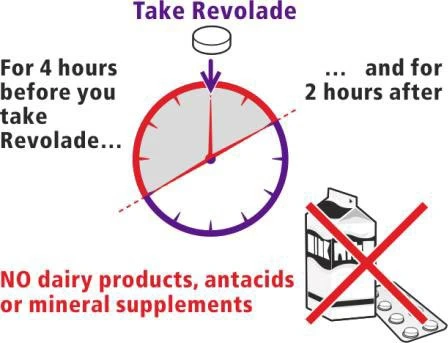
Make sure that
- 4 hours before
- and 2 hours after taking Eltrombopag Polpharma, the patient does not consume the following foods:
- dairy products, such as cheese, butter, yoghurt, ice cream
- milk or drinks containing milk, yoghurt, or cream
- antacids used to treat indigestion and heartburn
- vitamin and mineral supplements containing iron, calcium, magnesium, aluminium, selenium, or zinc.
Failure to follow these instructions may result in inadequate absorption of Eltrombopag Polpharma.

Consult your doctor for further information regarding suitable foods and drinks.
Taking more than the recommended dose of Eltrombopag Polpharma
Contact your doctor or pharmacist immediately. If possible, show them the medicine packaging or this leaflet.
The patient will be monitored for any adverse effects and appropriate treatment will be initiated promptly.
Missing a dose of Eltrombopag Polpharma
Take the next dose at the usual time. Do not take more than one dose of Eltrombopag Polpharma per day.
Stopping Eltrombopag Polpharma treatment
Do not stop taking Eltrombopag Polpharma without consulting your doctor. If your doctor decides to discontinue treatment, your platelet count will be monitored weekly for four weeks. See also "Bleeding or bruising after stopping treatment" in section 4.
If you have any further questions about the use of this medicine, consult your doctor or pharmacist.
4. Possible adverse reactions
Like all medicines, this medicine can cause adverse reactions, although they do not occur in everyone.
Symptoms to pay attention to: consult a doctor
In patients taking Eltrombopag Polpharma for the treatment of primary immune thrombocytopenia or low platelet count associated with hepatitis C, symptoms of severe adverse reactions may occur. It is important to inform your doctor if any of these symptoms appear.
Increased risk of thrombosis
Some patients may have an increased risk of blood clots, and medicines such as Eltrombopag Polpharma may increase this risk. Sudden blockage of a blood vessel by a clot is an uncommon adverse reaction and may occur in no more than 1 in 100 patients.
Seek immediate medical help if the patient experiences symptoms of thrombosis such as:
- swelling, pain, warmth, redness, or tenderness to pressure in one leg
- sudden shortness of breath, especially with sharp chest pain or rapid breathing
- abdominal pain (stomach pain), abdominal swelling, blood in stool.
Liver disorders
Eltrombopag Polpharma may cause changes detectable in blood tests, which may indicate liver damage. Liver disorders (increased liver enzyme activity in blood tests) are common and may affect up to 1 in 10 patients. Other liver problems are uncommon and may affect up to 1 in 100 patients.
If any of the following symptoms of liver disorders occur:
- yellowing of the skin or whites of the eyes (jaundice)
- abnormally dark-colored urine
inform the doctor immediately.
Bleeding or bruising after stopping treatment
Usually, within two weeks of stopping Eltrombopag Polpharma, the patient's platelet count decreases to the level observed before starting treatment with Eltrombopag Polpharma. Low platelet count may increase the risk of bleeding or bruising. The doctor will monitor the patient's platelet count for at least 4 weeks after stopping Eltrombopag Polpharma.
Inform the doctor if bruising or bleeding occurs after stopping Eltrombopag Polpharm.
Some patients may experience gastrointestinal bleeding after discontinuing peginterferon, ribavirin, and Eltrombopag Polpharma. Symptoms include:
- black, tarry stools (change in stool color is an uncommon adverse reaction, which may affect up to 1 in 100 patients)
- blood in stool
- vomiting blood or coffee-ground-like material. Inform the doctor immediately if any of these symptoms occur.
The following adverse reactions have been reported as associated with eltrombopag treatment in adult patients with primary immune thrombocytopenia:
Very common adverse reactions (may occur in more than 1 out of 10 patients):
- infection of nose, sinuses, throat, and upper respiratory tract (upper respiratory tract infection)
- cough, common cold
- nausea, diarrhoea
- back pain.
Very common adverse reactions that may be detected in blood tests:
- increased liver enzyme activity (alanine aminotransferase (AlAT)).
Common adverse reactions (may occur in no more than 1 out of 10 patients):
- influenza, herpes, pneumonia, irritation and inflammation (swelling) of sinuses, inflammation (swelling) and infection of tonsils, lung, sinus, nose and throat infection, gingivitis, sore throat and discomfort when swallowing
- loss of appetite
- sleep disturbances, depression
- reduced skin sensation, tingling, pricking or numbness commonly referred to as "pins and needles", drowsiness, migraine
- eye disorders, including abnormal eye test results, dry eyes, eye pain and blurred vision
- ear pain, sensation of spinning (dizziness)
- pain, swelling and tenderness in one leg (usually calf) with warm skin in the affected area (symptoms of deep vein thrombosis), localized swelling filled with blood from a damaged blood vessel (haematoma), hot flushes
- watery nasal discharge
- oral disorders, including dry mouth, mouth pain, tongue sensitivity, bleeding gums, mouth ulcers, toothache, vomiting, abdominal pain, bloating/gas
- abnormal liver function
- skin changes including: excessive sweating, raised itchy rash, red spots, changes in skin appearance, hair loss
- muscle pain, muscle cramps, muscle weakness, bone pain
- foamy urine with presence of air bubbles (symptoms of protein in urine)
- heavy menstrual bleeding
- high body temperature, feeling of warmth, chest pain, feeling of weakness.
Common adverse reactions that may be detected in blood tests:
- decreased number of red blood cells (anaemia), decreased number of platelets (thrombocytopenia), decreased number of white blood cells, decreased hemoglobin concentration, increased eosinophilia, increased number of white blood cells (leukocytosis)
- increased uric acid concentration, decreased potassium concentration
- increased liver enzyme activity (aspartate aminotransferase (AspAT))
- increased blood bilirubin concentration (a substance produced by the liver)
- increased levels of certain proteins, increased creatinine concentration
- increased alkaline phosphatase concentration.
Uncommon adverse reactions (may occur in no more than 1 out of 100 patients):
- skin infection
- rectal and colorectal cancer
- allergic reaction
- loss of appetite, painful joint swelling due to uric acid (gout)
- lack of interest, mood changes, crying that is difficult to control or occurs unexpectedly
- problems with balance, speech and nerve function, tremor, paralysis on one side of the body, migraine with aura, nerve damage, dilation or swelling of blood vessels causing headache
- eye disorders, including increased tear production, clouding of the lens in the eye (cataract), retinal bleeding, dry eyes
- rapid heartbeat, irregular heartbeat, bluish skin discoloration, heart rhythm disorders (QT interval prolongation), which may indicate heart and blood vessel problems, interruption of blood flow to part of the heart
- pain, swelling and (or) redness around a vein, which may indicate blood clot in a vein, blood clot, redness
- sudden shortness of breath, especially with accompanying sharp chest pain and (or) rapid breathing, which may indicate blood clots in the lungs (see "Increased risk of blood clots" above in section 4), loss of function in part of the lung due to blockage of the pulmonary artery, disorders of nose, throat and sinuses, breathing disorders during sleep
- oral disorders, including dry or painful mouth, tongue pain, bleeding gums, oral discomfort, blisters/ulcers in mouth and throat, gastrointestinal disorders, including frequent bowel movements, food poisoning, blood in stool, bloody vomiting, rectal bleeding, change in stool color, abdominal bloating, constipation
- yellowing of the skin and (or) abdominal pain, which may indicate biliary obstruction, liver damage, liver damage due to inflammatory condition (see "Liver disorders" above in section 4), drug-induced liver injury
- painful or unusual skin sensations, skin changes, including skin discoloration, peeling, redness, itching and sweating, cold sweats
- muscle weakness
- kidney disorders, including kidney inflammation, excessive urination at night, kidney failure, white blood cells in urine
- feeling of warmth, feeling of restlessness, bleeding around catheter (if present) into the skin, redness or swelling around the wound, general malaise, foreign body sensation
- sunburn.
Uncommon adverse reactions that may be detected in laboratory tests:
- changes in shape of red blood cells, decreased number of red blood cells (anaemia) caused by excessive destruction of red blood cells (haemolytic anaemia), increased number of myelocytes, increased number of neutrophilic band granulocytes, presence of developing white blood cells, which may indicate certain diseases, increased platelet count, elevated hemoglobin level
- decreased calcium concentration
- increased blood urea concentration, increased protein in urine
- increased blood albumin concentration, increased total protein concentration, decreased blood albumin concentration, increased urine pH.
The following additional adverse reactions have been reported as associated with eltrombopag treatment in children (aged 1 to 17 years) with ITP:
If these adverse reactions worsen, inform your doctor, pharmacist, or nurse.
Very common adverse reactions (may occur in more than 1 out of 10 children):
- infection of nose, sinuses, throat and upper respiratory tract, common cold (upper respiratory tract infection)
- cough
- nausea, diarrhoea, abdominal pain
- high body temperature.
Common adverse reactions (may occur in no more than 1 out of 10 children):
- difficulty falling asleep (insomnia)
- itching, runny or blocked nose, sore throat, cold, nasal mucosa congestion and sneezing, nasal and throat pain
- toothache, oral problems including dry mouth, mouth pain, tongue sensitivity, bleeding gums, mouth ulcers.
The following adverse reactions have been reported as associated with eltrombopag treatment in combination with peginterferon and ribavirin in patients with hepatitis C:
Very common adverse reactions (may occur in more than 1 out of 10 patients):
- loss of appetite
- headache
- cough
- nausea, diarrhoea
- itching, swelling of hands or feet, unusual hair loss
- muscle pain, muscle weakness
- fever, feeling of fatigue, flu-like illness, weakness, chills.
Very common adverse reactions that may be detected in blood tests:
- decreased number of red blood cells (anaemia).
Common adverse reactions (may occur in no more than 1 out of 10 patients):
- urinary tract infections, infection of nose, sinuses, throat and upper respiratory tract, common cold (upper respiratory tract infection), bronchitis, nasal passage inflammation, throat, oral cavity inflammation, flu-like symptoms, dry mouth, pain or inflammation of oral cavity, toothache, influenza, cold sores
- weight loss
- sleep disorders, abnormal drowsiness, depression, anxiety
- dizziness, concentration and memory problems, mood changes, brain dysfunction due to liver damage, tingling or numbness in hands or feet
- vision disorders, including: clouding of eye lens (cataract), dry eye syndrome, small yellow deposits in the retina, yellowing of the whites of the eyes, retinal bleeding
- sensation of spinning (dizziness)
- rapid or irregular heartbeat (palpitations)
- shortness of breath, cough with sputum, runny nose, sore throat and discomfort when swallowing
- gastrointestinal disorders including: vomiting, abdominal pain, indigestion, constipation, abdominal bloating, taste disturbances, haemorrhoids, stomach pain or discomfort, swelling and bleeding of blood vessels in the oesophagus, toothache
- liver problems including liver tumour, yellowing of the whites of the eyes or skin (jaundice), drug-induced liver injury (see above "Liver disorders" in section 4)
- skin changes, including: rash, dry skin, skin eruptions, skin redness, itching, excessive sweating, skin growths, hair loss
- joint pain, back pain, bone pain, limb pain (legs, arms, hands or feet), muscle cramps
- irritability, general malaise, skin reaction such as redness or swelling and pain at injection site, chest pain and discomfort, fluid accumulation in the body or limbs causing swelling
- depression, anxiety, sleep disorders, nervousness
- fever, headache.
Common adverse reactions that may be detected in blood tests:
- increased blood sugar (glucose) concentration, decreased number of white blood cells, decreased number of neutrophils, decreased blood albumin concentration, decreased hemoglobin concentration, increased blood bilirubin concentration (a substance produced in the liver), changes in enzymes controlling blood clotting.
Uncommon adverse reactions (may occur in no more than 1 out of 100 patients):
- stomach flu (gastroenteritis), sore throat
- decreased number of red blood cells (anaemia) caused by excessive destruction of red blood cells (haemolytic anaemia)
- disorientation, agitation
- blisters or ulcers in the mouth, gastritis
- blood clots in the vein bringing blood to the liver (possible liver and (or) gastrointestinal damage), liver failure
- skin changes, including color changes, peeling, redness, itching, skin lesions and night sweats
- abnormal blood clotting in small blood vessels with kidney failure, painful urination
- rash, bruising at injection sites, chest discomfort
- heart rhythm disorders (QT interval prolongation).
Reporting of adverse reactions
If any adverse reactions occur, including any not listed in this leaflet, inform your doctor, pharmacist, or nurse. Adverse reactions can be reported directly to the Department of Monitoring Adverse Drug Reactions, Office for Registration of Medicinal Products, Medical Devices and Biocidal Products
Al. Jerozolimskie 181C
02-222 Warsaw
Tel.: + 48 22 49 21 301
Fax: + 48 22 49 21 309
Website: https://smz.ezdrowie.gov.pl
Adverse reactions can also be reported to the marketing authorization holder.
Reporting adverse reactions helps provide more information on the safety of this medicine.
5. How to store Eltrombopag Polpharma
Keep this medicine out of the sight and reach of children.
Do not use this medicine after the expiry date stated on the carton and blister indicated after EXP.
The expiry date refers to the last day of the specified month.
The marking on the packaging following EXP indicates the expiry date, and following Lot indicates the batch number.
No special storage instructions apply for this medicine.
Medicines must not be disposed of via wastewater or household waste. Ask your pharmacist how to dispose of medicines no longer required. Such measures help protect the environment.
6. Contents of the pack and other information
What Eltrombopag Polpharma contains
- The active substance is eltrombopag olamine. Eltrombopag Polpharma 12.5 mg: each coated tablet contains eltrombopag olamine equivalent to 12.5 mg of eltrombopag. Eltrombopag Polpharma 25 mg: each coated tablet contains eltrombopag olamine equivalent to 25 mg of eltrombopag. Eltrombopag Polpharma 50 mg: each coated tablet contains eltrombopag olamine equivalent to 50 mg of eltrombopag. Eltrombopag Polpharma 75 mg: each coated tablet contains eltrombopag olamine equivalent to 75 mg of eltrombopag.
- Other ingredients are: microcrystalline cellulose, mannitol, povidone, isomalt (E 953), calcium silicate, sodium carboxymethyl starch (type A), magnesium stearate (tablet core); hypromellose, titanium dioxide (E 171), iron oxide red (E 172), iron oxide yellow (E 172) (only in 12.5 mg, 25 mg and 50 mg strengths), triacetin (coating of the tablet).
What Eltrombopag Polpharma looks like and contents of the pack
Eltrombopag Polpharma 12.5 mg are orange to brown, round, biconvex coated tablets with an imprint “I” on one side and approximately 5.5 mm in diameter.
Eltrombopag Polpharma 25 mg are dark pink, round, biconvex coated tablets with an imprint “II” on one side and approximately 8 mm in diameter.
Eltrombopag Polpharma 50 mg are pink, round, biconvex coated tablets with an imprint “III” on one side and approximately 10 mm in diameter.
Eltrombopag Polpharma 75 mg are red to brown, round, biconvex coated tablets with an imprint “IV” on one side and approximately 12 mm in diameter.
Eltrombopag Polpharma 12.5 mg is available in cardboard boxes containing 10, 14, 28, 30 or 84 coated tablets packed in blisters, or in cardboard boxes containing 10x1, 14x1, 28x1, 30x1 or 84x1 coated tablets packed in perforated unit-dose blisters.
Eltrombopag Polpharma 25 mg is available in cardboard boxes containing 10, 14, 28, 30 or 84 coated tablets packed in blisters, or in cardboard boxes containing 10x1, 14x1, 28x1, 30x1 or 84x1 coated tablets packed in perforated unit-dose blisters.
Eltrombopag Polpharma 50 mg is available in cardboard boxes containing 10, 14, 28, 30 or 84 coated tablets packed in blisters, or in cardboard boxes containing 10x1, 14x1, 28x1, 30x1 or 84x1 coated tablets packed in perforated unit-dose blisters.
Eltrombopag Polpharma 75 mg is available in cardboard boxes containing 10, 14, 28, 30 or 84 coated tablets packed in blisters, or in cardboard boxes containing 10x1, 14x1, 28x1, 30x1 or 84x1 coated tablets packed in perforated unit-dose blisters.
Not all pack sizes may be marketed.
Marketing Authorisation Holder
Zakłady Farmaceutyczne POLPHARMA S.A.
ul. Pelplińska 19, 83-200 Starogard Gdański
tel. +48 22 364 61 01
Manufacturer
Synthon Hispania S.L.
Calle De Castello 1
08330 Sant Boi De Llobregat
Spain
Synthon B.V.
Microweg 22
6545 CM Nijmegen
The Netherlands