Ciprotic
Poland
Table of Contents
- Package leaflet: Information for the user
- 1. What Ciprotic is and what it is used for
- 2. Important information before using Ciprotic
- 3. How to use Ciprotic medicine
- 4. Possible adverse reactions
- 5. How to store Ciprotic
- 6. Contents of the packaging and other information
- Package leaflet: Information for the patient
- 1. What Ciprotic is and what it is used for
- 2. Important information before using Ciprotic
- 3. How to use Ciprotic
- 4. Possible side effects
- 5. How to store Ciprotic
- 6. Contents of the packaging and other information
Package leaflet: Information for the user
Ciprotic
3 mg/ml + 0,25 mg/ml, ear drops, solution
Ciprofloxacinum + Fluocinoloni acetonidum
Please read all of this leaflet carefully before using this medicine because it contains important
information for you.
- Keep this leaflet as you may need to read it again.
- Please contact your doctor or pharmacist if you have any questions.
- This medicine has been prescribed for a specific individual. Do not pass it on to others.
- It may harm other people, even if their symptoms are the same.
- If you experience any adverse reactions not listed in this leaflet, inform your doctor or pharmacist. See section 4.
Leaflet contents:
- What Ciprotic is and what it is used for
- What you need to know before using Ciprotic
- How to use Ciprotic
- Possible side effects
- How to store Ciprotic
- Contents of the pack and other information
1. What Ciprotic is and what it is used for
Ciprotic is a solution for administration into the ear.
It contains:
- ciprofloxacin, an antibiotic belonging to the group of fluoroquinolones. Ciprofloxacin kills bacteria causing infections,
- fluocinolone acetonide, a glucocorticosteroid with anti-inflammatory and analgesic properties used to treat swelling and pain.
Antibiotics are used to treat bacterial infections. They are not effective against viral infections.
You must follow the guidelines for proper use of antibiotics, including dosage, dosing intervals, and duration of treatment.
Do not store or reuse the medicine. If any medicine remains unused after treatment is completed, return it to the pharmacy for proper disposal. Do not dispose of medicines via wastewater or household waste.
Ciprotic is an ear drop solution for use in adults and children from 6 months of age, for the treatment of acute otitis externa (acute otitis externa) and for the treatment of otitis media (otitis media) with ventilating ear drainage (tympanostomy tubes) of bacterial origin.
Contact your doctor if there is no improvement or if you feel worse after completing treatment.
2. Important information before using Ciprotic
When not to use Ciprotic
- if the patient is allergic (hypersensitive) to ciprofloxacin or other quinolones, fluocinolone acetonide, or any of the other ingredients of Ciprotic (see section 6);
- if the patient has ear inflammation caused by viruses or fungi.
Warnings and precautions
- This medicine is for ear use only. It must not be swallowed, injected, or inhaled. It should not be administered into the eye.
- If, after starting treatment, the patient develops hives, skin rash, or any other allergic symptoms (e.g. sudden swelling of the face, throat, or eyelids, difficulty breathing), treatment must be stopped immediately and medical advice sought. Severe allergic reactions may require immediate emergency treatment.
- Inform the doctor if symptoms do not improve before treatment is completed. As with other antibiotics, additional infections caused by organisms resistant to ciprofloxacin may occasionally occur. If such an infection develops, the doctor will initiate appropriate treatment.
- If the patient experiences blurred vision or other visual disturbances, medical advice should be sought.
Use in children
Due to insufficient clinical data on the use of Ciprotic in children under 6 months of age, consult a doctor before administering this medicine to infants in this age group.
Ciprotic with other medicines
Inform your doctor or pharmacist about all medicines the patient is currently taking or has recently taken, as well as any medicines the patient plans to use. This includes medicines obtained without a prescription. Concomitant use with other ear medicines is not recommended.
Pregnancy and breastfeeding
Adequate and well-controlled studies on the teratogenic effects of fluocinolone acetonide in pregnant women have not been conducted.
If the patient is pregnant or breastfeeding, suspects she may be pregnant, or is planning a pregnancy, she should inform her doctor or pharmacist before using this medicine.
Due to the fact that penetration of Ciprotic into human breast milk has not been confirmed, caution should be exercised when using Ciprotic during breastfeeding.
Driving and operating machinery
Due to the formulation and route of administration, Ciprotic has no influence on the ability to drive or operate machinery.
Ciprotic contains methyl parahydroxybenzoate and propyl parahydroxybenzoate, which may cause allergic reactions (delayed-type reactions possible).
3. How to use Ciprotic medicine
Ciprotic medicine is intended for ear use only (otic administration).
Ciprotic should always be used as directed by a doctor or pharmacist. If in doubt, consult a doctor or pharmacist.
The recommended dose for adults and children is 6 to 8 drops into the affected ear twice daily for 7 days.
Ciprotic should be administered into both ears only if specifically instructed by a doctor.
Your doctor will determine how long you should continue treatment with Ciprotic. To prevent recurrence of infection, do not stop treatment too early, even if the condition of the ear(s) has improved.
Method of administration
The person administering Ciprotic should wash their hands.
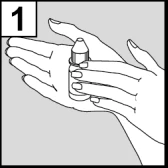
- Warm the drops by holding the bottle in your hands for several minutes to avoid dizziness that may occur when instilling a cold solution into the ear canal.
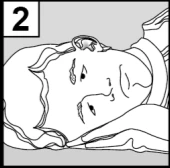
- Tilt the head to the side so that the affected ear is facing upward.
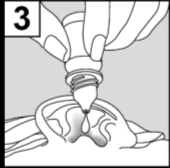
- Administer the drops into the ear using the dropper. Do not let the dropper touch the ear or fingers to avoid contamination of the drops.
- After instilling the drops, follow the instructions below depending on the patient's specific ear infection:
For patients with middle ear inflammation and a ventilation tube:
The patient should lie on their side, and the person administering Ciprotic should
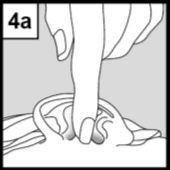
gently press the skin at the entrance of the ear canal with a pumping motion (see Figure 4a) 4 times. This helps the drops pass through the ventilation tube and reach the middle ear.
For patients with external ear infection:
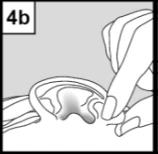
The patient should lie on their side, and the person administering Ciprotic should gently pull the earlobe upward and backward (Figure 4b). This allows the drops to flow into the ear canal.
- Keep the head tilted for about 1 minute to allow the drops to flow deep into the ear.
- If necessary, repeat the procedure for the other ear. To ensure effective action of the medicine in the ear, follow the administration instructions carefully. During instillation, avoid keeping the head in an upright position or making sudden head movements, as this may result in loss of some of the medicine—drops may run down the face instead of entering the ear canal.
Keep the bottle until the end of treatment. Do not save the medicine for future use.
Using more Ciprotic than recommended
Symptoms of overdose are unknown. In case of overdose or accidental ingestion, contact a doctor or pharmacist immediately, or call the toxicology information center at telephone number 42 63 14 724/25, providing the name of the medicine and the amount taken.
Missing a dose of Ciprotic
Do not use a double dose to make up for a missed dose. Apply the next dose according to the prescribed treatment schedule.
Stopping Ciprotic treatment
Do not stop using Ciprotic without consulting your doctor or pharmacist. It is very important to continue using these ear drops for the full duration prescribed by your doctor, even if symptoms improve earlier. Stopping treatment prematurely may lead to recurrence of infection, return or worsening of symptoms, and may also result in the development of antibiotic resistance.
If you have any further doubts regarding the use of this medicine, consult your doctor or pharmacist.
4. Possible adverse reactions
Like any medicinal product, Ciprotic may cause adverse reactions, although not everyone experiences them.
If serious allergic reactions or any of the adverse reactions listed below occur, discontinue use of the medicine immediately and consult a doctor without delay: swelling of the hands, feet, ankles, face, lips, mouth, throat, difficulty swallowing or breathing, rash or urticaria, lesions, ulcers.
Common: may occur in up to 1 in 10 patients.
- Local adverse reactions in the ear: discomfort, pain, itching.
- General adverse reactions: taste disturbances.
Uncommon: may occur in up to 1 in 100 patients:
- Local adverse reactions in the ear: tinnitus, presence of residual medicinal product, blocked drainage, tingling, hyperemia, hearing impairment, rash, redness, fungal infection of the external ear, ear discharge, swelling, tympanic membrane disorders, granulation tissue, otitis media of the contralateral ear.
- General adverse reactions: fungal infection with Candida species, irritability, excessive tear production, dizziness, skin redness, headache, vomiting, fatigue.
Unknown (frequency cannot be estimated from available data):
Visual disturbances: blurred vision.
Reporting of adverse reactions
If any adverse reactions occur, including any not listed in this leaflet, inform your doctor or pharmacist. Adverse reactions can also be reported directly to the Department of Monitoring Adverse Drug Reactions, Office for Registration of Medicinal Products, Medical Devices and Biocidal Products, Al. Jerozolimskie 181C, 02-222 Warsaw, Tel: +48 22 49 21 301, Fax: +48 22 49 21 309, Website: https://smz.ezdrowie.gov.pl. By reporting adverse reactions, additional information regarding the safety of this medicinal product can be collected. If any of the adverse reactions worsen or if any adverse reactions not listed in this leaflet occur, inform your doctor or pharmacist.
5. How to store Ciprotic
Keep out of the reach and sight of children.
Store below 25°C. Do not store in the refrigerator or freeze.
Do not use Ciprotic after the expiry date stated on the container after "EXP". The expiry date refers to the last day of the specified month.
Period of use after first opening the bottle – 28 days.
Medicines should not be disposed of via wastewater or household waste. Ask your pharmacist what to do with medicines no longer required. This will help protect the environment.
6. Contents of the packaging and other information
What Ciprotic contains
The active substances are:
- ciprofloxacin in the form of ciprofloxacin hydrochloride and fluocinolone acetonide.
1 ml of Ciprotic contains 3 mg of ciprofloxacin (as ciprofloxacin hydrochloride) and 0.25 mg of fluocinolone acetonide.
- Other ingredients: povidone K90, glycereth-26 (glycerol and ethylene oxide), diethylene glycol monoethyl ether, methyl parahydroxybenzoate (E 218), propyl parahydroxybenzoate (E 216), sodium hydroxide (for pH adjustment), concentrated hydrochloric acid (for pH adjustment), purified water. What Ciprotic looks like and contents of the pack Ciprotic is a clear solution for ear drops. The packaging consists of an LDPE bottle with an LDPE dropper, closed with an HDPE cap with a tamper-evident ring, in a cardboard box. Each bottle contains 10 ml of solution. Advice and medical education Antibiotics are used to treat bacterial infections. They are not effective in treating viral infections. If a doctor has prescribed an antibiotic, its use is necessary due to a specific illness currently affecting the patient for whom it was prescribed. Despite antibiotic use, some bacteria may survive or multiply. This phenomenon is known as resistance: treatment with certain antibiotics becomes ineffective. Inappropriate use of antibiotics leads to increased resistance. A patient may even contribute to the development of bacterial resistance and thereby delay recovery or reduce the effectiveness of the antibiotic if they do not follow the appropriate:
- dosing,
- administration schedule,
- duration of treatment. Therefore, to prevent reduced effectiveness of this medicine, the following recommendations should be observed:
- Use the antibiotic only when prescribed.
- Strictly follow the doctor's instructions.
- Do not reuse the antibiotic without consulting a doctor, even if symptoms are similar.
- Never give your antibiotic to another person; it may not be suitable for treating their illness.
- After treatment, return any unused medicine to a pharmacy so it can be properly destroyed.
Marketing Authorisation Holder:
Solinea Sp. z o.o
Elizówka ul. Szafranowa 6
21-003 Ciecierzyn
Poland
Manufacturers:
Mako Pharma Sp. z o.o.
Ul. Władysława Reymonta 2
05-092 Dziekanów Leśny
Poland
Medicofarma S.A.
ul. Tarnobrzeska 13
26-613 Radom
Poland
05.2025
Package leaflet: Information for the patient
Ciprotic
3 mg/ml + 0.25 mg/ml, ear drops, solution
Ciprofloxacinum + Fluocinoloni acetonidum
Read the entire leaflet before using the medicine, as it contains important information for the patient.
- Keep this leaflet for future reference.
- Consult your doctor or pharmacist if you have any doubts.
- This medicine has been prescribed for a specific individual. Do not give it to others.
- The medicine may harm another person, even if their symptoms are the same.
- If you experience any adverse effects not listed in this leaflet, inform your doctor or pharmacist. See section 4.
Leaflet contents:
- What Ciprotic is and what it is used for
- Important information before using Ciprotic
- How to use Ciprotic
- Possible side effects
- How to store Ciprotic
- Contents of the packaging and other information
1. What Ciprotic is and what it is used for
Ciprotic is a solution for administration into the ear.
It contains:
- ciprofloxacin, an antibiotic belonging to the fluoroquinolone group. Ciprofloxacin kills bacteria causing infections,
- fluocinolone acetonide, a glucocorticosteroid with anti-inflammatory and analgesic effects used to treat swelling and pain.
Antibiotics are used to treat bacterial infections. They are not effective in treating viral infections.
Follow the guidelines regarding proper use of medicines, including dosage, intervals between doses, and duration of treatment.
Do not store or reuse the medicine. After treatment is completed, return any unused medicine to a pharmacy for proper disposal. Do not dispose of medicines via the sewage system or household waste.
Ciprotic is an ear drop solution for use in adults and children from 6 months of age, for the treatment of acute otitis externa (acute otitis externa) and otitis media (otitis media) with ventilating ear drainage (tympanostomy tubes) of bacterial origin.
Contact your doctor if there is no improvement or if you feel worse after completing treatment.
2. Important information before using Ciprotic
When not to use Ciprotic
- if the patient is allergic (hypersensitive) to ciprofloxacin or other quinolones, fluocinolone acetonide, or any of the other ingredients of Ciprotic (see section 6);
- if the patient has ear inflammation caused by viruses or fungi. Warnings and precautions
- This medicine is for ear use only. Do not swallow, inject, or inhale it. Do not apply it to the eye.
- If, after starting treatment, the patient develops hives, skin rash, or any other allergic symptoms (e.g., sudden swelling of the face, throat, or eyelids, difficulty breathing), stop treatment immediately and contact a doctor. Severe allergic reactions may require immediate medical treatment.
- Inform your doctor if symptoms do not improve before treatment ends. As with other antibiotics, additional infections caused by organisms resistant to ciprofloxacin may occasionally occur. If such an infection develops, the doctor will initiate appropriate treatment.
- If the patient experiences blurred vision or other visual disturbances, contact a doctor. Use in children Due to insufficient clinical data on the use of Ciprotic in children under 6 months of age, consult a doctor before administering this medicine to infants in this age group. Ciprotic with other medicines Inform your doctor or pharmacist about all medicines currently taken or recently used, as well as any medicines you plan to use. This includes medicines available without a prescription. Concomitant use with other ear drops is not recommended. Pregnancy and breastfeeding Adequate and controlled studies on the teratogenic effects of fluocinolone acetonide in pregnant women have not been conducted.
If the patient is pregnant or breastfeeding, suspects she may be pregnant, or plans to become pregnant, she should inform her doctor or pharmacist before using this medicine.
Due to the fact that penetration of Ciprotic into breast milk has not been confirmed, caution should be exercised when using Ciprotic during breastfeeding.
Driving and operating machinery
Due to the form and route of administration, Ciprotic does not affect the ability to drive or operate machinery.
Ciprotic contains methyl parahydroxybenzoate and propyl parahydroxybenzoate, which may cause allergic reactions (delayed-type reactions possible).
3. How to use Ciprotic
Ciprotic is intended for ear use only (aurally).
Always use Ciprotic exactly as directed by your doctor or pharmacist. If in doubt, consult your doctor or pharmacist.
The recommended dose for adults and children is 6 to 8 drops into the affected ear twice daily for 7 days.
Ciprotic should be administered into both ears only if specifically instructed by the doctor.
Your doctor will determine how long you should continue using Ciprotic. To avoid recurrence of infection, do not stop treatment prematurely, even if the condition of the ear(s) improves.
Administration method
The person administering Ciprotic should wash their hands.
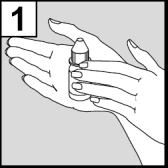
- Warm the drops by holding the bottle in your hands for several minutes to avoid dizziness that may occur when instilling cold solution into the ear canal.
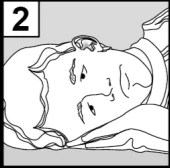
- Tilt the head to the side so that the affected ear is facing upward.
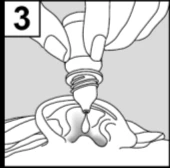
- Administer the drops into the ear using the dropper. Do not touch the dropper to the ear or fingers to avoid contamination of the drops.
- After instilling the drops into the ear, follow the instructions below depending on the patient's specific ear infection: In patients with otitis media with ventilating ear drainage: The patient lies on their side, and the person administering Ciprotic should
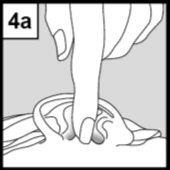
gently press the skin at the entrance of the ear canal (see Fig. 4a) 4 times with a pumping motion. This helps the drops pass through the drainage tube in the eardrum into the middle ear.
In patients with otitis externa:
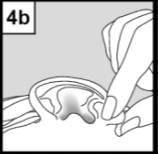
The patient lies on their side, and the person administering Ciprotic should gently pull the earlobe upward and backward (Fig. 4b). This allows the drops to flow into the ear canal.
- Keep the head tilted for about 1 minute to allow the drops to flow deeper into the ear.
- If necessary, repeat the procedure for the other ear. To ensure effective action of the medicine in the ear, follow the administration instructions. During instillation, avoid keeping the head upright or making sudden head movements, as this may lead to loss of part of the medicine, with drops running down the face instead of entering the ear canal. Store the bottle until treatment is completed. Do not save the medicine for later use. Overdose of Ciprotic Symptoms of overdose are unknown. In case of overdose or accidental ingestion, contact a doctor or pharmacist immediately or call the Poison Information Centre at telephone number 42 63 14 724/25, providing the name of the medicine and the amount taken. Missed dose of Ciprotic Do not use a double dose to make up for a missed dose. Take the next dose according to the prescribed treatment schedule. Stopping use of Ciprotic Do not stop using Ciprotic without consulting a doctor or pharmacist. It is very important to use these ear drops for the duration recommended by the doctor, even if symptoms improve earlier. Stopping treatment early may lead to recurrence of infection, return or worsening of symptoms, or development of antibiotic resistance. If you have any further doubts about using this medicine, consult your doctor or pharmacist.
4. Possible side effects
Like all medicines, Ciprotic can cause side effects, although not everyone will experience them.
If serious allergic reactions or any of the following adverse effects occur, stop using the medicine immediately and consult a doctor without delay: swelling of hands, feet, ankles, face, lips, mouth, throat, difficulty swallowing or breathing, rash or hives, sores, ulcers.
Common: may occur in up to 1 in 10 patients.
- local adverse effects in the ear: discomfort, pain, itching.
- general adverse effects: taste disturbances. Uncommon: may occur in up to 1 in 100 patients:
- local adverse effects in the ear: tinnitus, residual medicine, drainage obstruction, tingling, redness, hearing impairment, rash, erythema, fungal infection of the external ear, ear discharge, swelling, eardrum disorders, granulation tissue, otitis media in the other ear.
- general adverse effects: fungal infection with Candida species, irritability, excessive tearing, dizziness, skin redness, headache, vomiting, fatigue. Unknown (frequency cannot be estimated from available data): Visual disturbances: blurred vision. Reporting of adverse effects If any adverse effects occur, including those not listed in this leaflet, inform your doctor or pharmacist. Adverse effects can be reported directly to the Department of Monitoring of Adverse Drug Reactions, Office for Registration of Medicinal Products, Medical Devices and Biocidal Products, Al. Jerozolimskie 181C, 02-222 Warsaw, tel.: +48 22 49 21 301, fax: +48 22 49 21 309, website: https://smz.ezdrowie.gov.pl. Reporting adverse effects helps gather more information on the safety of the medicine. If any of the adverse effects worsen or if any unlisted adverse effects occur, inform your doctor or pharmacist.
5. How to store Ciprotic
Keep out of the reach and sight of children.
Store below 25°C. Do not store in the refrigerator or freeze.
Do not use Ciprotic after the expiry date stated on the packaging after "EXP". The expiry date refers to the last day of the specified month.
Period of use after first opening of the bottle: 28 days.
Do not dispose of medicines via the sewage system or household waste. Ask your pharmacist what to do with medicines no longer needed. This helps protect the environment.
6. Contents of the packaging and other information
What Ciprotic contains
The active substances are:
- ciprofloxacin in the form of ciprofloxacin hydrochloride and fluocinolone acetonide.
1 ml of Ciprotic contains 3 mg of ciprofloxacin (as ciprofloxacin hydrochloride) and 0.25 mg of fluocinolone acetonide.
- Other ingredients: povidone K90, glycereth-26 (glycerol and ethylene oxide), diethylene glycol monoethyl ether, methyl parahydroxybenzoate (E 218), propyl parahydroxybenzoate (E 216), sodium hydroxide (for pH adjustment), concentrated hydrochloric acid (for pH adjustment), purified water. What Ciprotic looks like and contents of the pack Ciprotic is a clear solution for ear drops. The packaging consists of an LDPE bottle with an LDPE dropper, closed with an HDPE cap with a tamper-evident ring, in a cardboard box. Each bottle contains 10 ml of solution. Advice and medical education Antibiotics are used to treat bacterial infections. They are not effective in treating viral infections. If a doctor has prescribed an antibiotic, its use is necessary due to a specific illness currently affecting the patient for whom it was prescribed. Despite antibiotic use, some bacteria may survive or multiply. This phenomenon is known as resistance: treatment with certain antibiotics becomes ineffective. Inappropriate use of antibiotics leads to increased resistance. A patient may even contribute to the development of bacterial resistance and thereby delay recovery or reduce the effectiveness of the antibiotic if they do not follow the appropriate:
- dosing,
- administration schedule,
- duration of treatment. Therefore, to prevent reduced effectiveness of this medicine, the following recommendations should be observed:
- Use the antibiotic only when prescribed.
- Strictly follow the doctor's instructions.
- Do not reuse the antibiotic without consulting a doctor, even if symptoms are similar.
- Never give your antibiotic to another person; it may not be suitable for treating their illness.
- After treatment, return any unused medicine to a pharmacy so it can be properly destroyed.
Marketing Authorisation Holder:
Solinea Sp. z o.o
Elizówka ul. Szafranowa 6
21-003 Ciecierzyn
Poland
Manufacturers:
Mako Pharma Sp. z o.o.
Ul. Władysława Reymonta 2
05-092 Dziekanów Leśny
Poland
Medicofarma S.A.
ul. Tarnobrzeska 13
26-613 Radom
Poland
05.2025