Budesonide easyhaler
Poland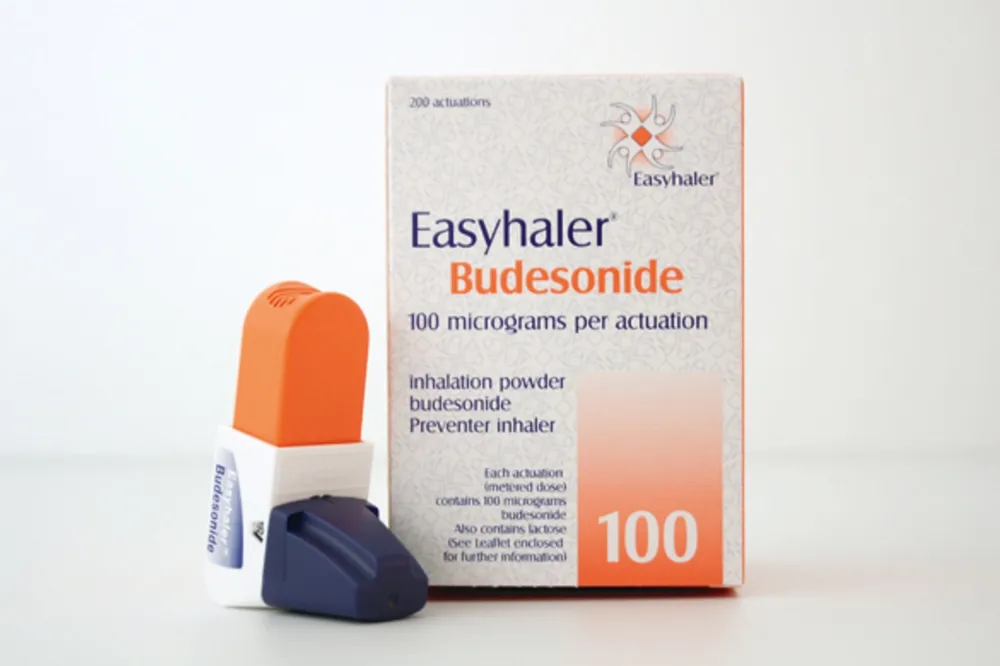
Table of Contents
QR code for the website www.oeh.fi/bupl
To obtain instructions on how to use the Easyhaler inhaler, please refer to the information
at the end of this leaflet or scan this QR code. The same information is also available at the
website: www.oeh.fi/bupl
Package leaflet: Information for the patient
Budesonide Easyhaler, 100 micrograms/dose
Budesonide Easyhaler, 200 micrograms/dose
Budesonide Easyhaler, 400 micrograms/dose
inhalation powder
Budesonidum
Please read the entire leaflet carefully before using this medicine, as it contains
important information for the patient.
- Keep this leaflet for future reference.
- If you have any questions, consult your doctor, pharmacist, or nurse.
- This medicine has been prescribed for a specific individual. Do not pass it on to others. The medicine may harm someone else, even if their symptoms are the same.
- If you experience any adverse effects, including any not listed in this leaflet, inform your doctor, pharmacist, or nurse. See section 4.
Contents of the leaflet:
- What Budesonide Easyhaler is and what it is used for
- Important information before using Budesonide Easyhaler
- How to use Budesonide Easyhaler
- Possible side effects
- How to store Budesonide Easyhaler
- Contents of the pack and other information
1. What Budesonide Easyhaler is and what it is used for
The active substance in Budesonide Easyhaler is budesonide. Budesonide in powder form is contained
in an inhaler called Easyhaler. The powder is inhaled through the mouthpiece of the inhaler into the lungs. Budesonide
works by reducing and preventing inflammation and swelling in the lungs.
Budesonide Easyhaler belongs to a group of medicines used prophylactically. It is used to
prevent asthma symptoms. It belongs to a group of medicines called corticosteroids.
Budesonide does not relieve an asthma attack that has already started. Therefore, you should always have a fast-acting "rescue" bronchodilator (beta-agonist) available.
Noticeable effects of budesonide may take several days to appear, while maximum effect may take several weeks. Budesonide Easyhaler should be used regularly to prevent the inflammation associated with asthma. This medicine must be taken regularly as directed, even if you do not have any symptoms.
2. Important information before using Budesonide Easyhaler
When not to use Budesonide Easyhaler
If the patient is allergic to:
- budesonide
- any of the other ingredients of this medicine (listed in section 6), which is lactose (containing small amounts of milk protein).
In such case, contact the treating physician who will change the medication to another one.
Warnings and precautions
Inform your doctor before using Budesonide Easyhaler if the patient has been diagnosed with:
- pulmonary tuberculosis,
- any untreated bacterial, viral or fungal infections of the mouth or respiratory tract, including lungs,
- severe liver disease.
If the patient experiences blurred vision or other visual disturbances, contact a doctor.
After inhalation, rinse the mouth thoroughly to prevent fungal infection of the mouth.
Budesonide Easyhaler is not recommended for use in children under 6 years of age.
Budesonide Easyhaler and other medicines
Tell your doctor or pharmacist about all medicines the patient is currently taking or has recently taken, as well as any medicines the patient plans to take, including those available without a prescription.
Some medicines may increase the effect of Budesonide Easyhaler, and the doctor may wish to closely monitor the patient taking such medicines (including certain HIV medications: ritonavir, cobicistat).
Tell your doctor if the patient is taking:
- nasal corticosteroid medicines,
- oral corticosteroid tablets,
- antifungal medicines containing itraconazole or ketoconazole.
Pregnancy and breastfeeding
If the patient is pregnant or breastfeeding, suspects she may be pregnant, or is planning to have a baby, she should consult a doctor before using this medicine. It is important for both the unborn child and the mother that asthma is properly treated during pregnancy. As with other medicines used during pregnancy, the benefit of using budesonide for the mother should be weighed against any potential risk to the unborn child. The lowest effective dose of budesonide should be used to maintain adequate asthma control.
Driving and operating machinery
Budesonide Easyhaler has not been shown to affect the ability to drive or operate machinery.
Budesonide Easyhaler inhalation powder contains a small amount of lactose, which is unlikely to cause problems even if the patient has lactose intolerance. If the patient has been diagnosed with intolerance to certain sugars, the patient should contact a doctor before using this medicine.
Lactose contains small amounts of milk protein, which may cause an allergic reaction.
3. How to use Budesonide Easyhaler
This medicine should always be used exactly as prescribed by your doctor. If in doubt, consult your
doctor or pharmacist.
Your doctor has prescribed the appropriate strength and dose of this medicine for you. Always follow your
doctor's instructions carefully.
Switching from oral corticosteroids to Budesonide Easyhaler:
Inform your doctor if you have been taking oral corticosteroids (e.g. oral cortisone) for asthma treatment. Your doctor may recommend gradually reducing the number of tablets, eventually stopping them completely over several weeks. If during this period of gradual withdrawal you feel unwell, contact your doctor, but do not stop using Budesonide Easyhaler.
Use in adults (including elderly patients) and adolescents (aged 12 to 17 years):
- 1 - 2 doses inhaled in the morning and evening, or once daily in the evening.
Use in children aged 6 to 11 years:
- 1 - 2 doses inhaled in the morning and evening, or once daily in the evening.
During treatment, your doctor may occasionally adjust the dose to establish the lowest effective dose needed to control your asthma (maintenance dose).
If Budesonide Easyhaler is to be used by a child, ensure that the child is able to use the inhaler correctly.
In addition to the preventive medicine Budesonide Easyhaler, you also need a fast-acting reliever medicine for immediate relief:
Budesonide will not stop an asthma attack that has already started. Therefore, always carry a fast-acting reliever bronchodilator (beta-agonist) to use in case of sudden asthma symptoms.
If you regularly use a reliever inhaler (beta-agonist), use it before taking Budesonide Easyhaler (the preventive medicine).
Worsening of asthma symptoms during treatment:
Contact your doctor immediately if:
- wheezing or chest tightness worsens during treatment
- you need to use your reliever medicine more often than before
- your reliever medicine becomes less effective than before. This may indicate worsening asthma and the need for additional treatment.
Using more than the recommended dose of Budesonide Easyhaler
If you use more doses or a higher dose than recommended, inform your doctor as soon as possible. Unless your doctor advises otherwise, continue using Budesonide Easyhaler as prescribed.
It is important to take the medicine exactly as instructed in this leaflet or as directed by your doctor. Do not change the dose on your own without consulting your doctor.
Missing a dose of Budesonide Easyhaler
If you miss a dose, take it as soon as possible, or take the next dose according to your regular schedule. It is best to take the medicine at the same time each day.
Do not take a double dose to make up for a missed dose.
Stopping Budesonide Easyhaler
Do not stop using Budesonide Easyhaler without consulting your doctor. If you suddenly stop using this medicine, your asthma symptoms may worsen.
If you have any further questions about the use of this medicine, consult your doctor, pharmacist, or nurse.
Instructions for using the inhaler are provided at the end of this leaflet.
4. Possible side effects
Like all medicines, this medicine can cause side effects, although not everybody will get them.
Common (may affect up to 1 in 10 people):
Throat irritation, difficulty swallowing, cough, and fungal infections (thrush) in the mouth or throat.
If any of these side effects occur, do not stop using Budesonide Easyhaler. Consult your doctor.
You can reduce the risk of these side effects by rinsing your mouth and throat with water after each dose of the medicine. Do not swallow the water after rinsing; spit it out.
Uncommon (may affect up to 1 in 100 people):
Anxiety, depression, cataract, blurred vision, muscle spasms, and tremor.
Rare (may affect up to 1 in 1,000 people):
Too high or too low blood cortisol levels. Adrenal suppression (reduced function of the glands located near the kidneys). Skin rash, itching, bruising, hoarseness, restlessness, and nervousness. Growth retardation in children. Behavioural changes, particularly in children.
Rare but serious allergic reactions:
If, shortly after taking a dose of the medicine, you experience itching, rash, redness of the skin, swelling of the eyelids, lips, face or throat, wheezing, low blood pressure or collapse, you should:
- stop using Budesonide Easyhaler immediately
- contact your doctor immediately.
Breathing difficulty immediately after taking the medicine:
Rarely, inhaled medicines may cause worsening wheezing and breathlessness (bronchospasm) immediately after use. In such a case, you should:
- stop using Budesonide Easyhaler immediately
- use a fast-acting bronchodilator
- contact your doctor immediately.
Very rare (may affect up to 1 in 10,000 people):
Glaucoma. Decreased bone mineral density (weakening of the bones).
Unknown (frequency cannot be estimated from the available data):
Sleep problems, aggression, psychomotor hyperactivity (difficulty staying still), and irritability. These side effects are more likely to occur in children.
If you think you have experienced any of these rare side effects, or if you are concerned that they may occur, you should speak to your doctor.
Reporting of side effects
If you get any side effects, including any not listed in this leaflet, tell your doctor, pharmacist, or nurse. Side effects can also be reported directly to the Department of Monitoring Adverse Drug Reactions, Office for Registration of Medicinal Products, Medical Devices and Biocidal Products:
Al. Jerozolimskie 181C, 02-222 Warsaw, Tel: +48 22 49-21-301, Fax: +48 22 49-21-309,
Website: https://smz.ezdrowie.gov.pl
Side effects can also be reported to the responsible entity.
By reporting side effects, more information can be gathered about the safety of this medicine.
5. How to store Budesonide Easyhaler
Keep the medicine out of the sight and reach of children.
Before first use: store in the sealed foil bag.
After opening the foil bag: store below 30 °C and protect from moisture. The Easyhaler inhaler may be kept in its protective case.
The Budesonide Easyhaler inhaler may be used for up to 6 months after opening the foil bag.
To remember the date of opening the foil bag, write down this date. __________
If the Budesonide Easyhaler medicine gets wet, it must be replaced with a new one.
Do not use this medicine after the expiry date stated on the label and carton after: “EXP”.
Medicines must not be disposed of via wastewater or household waste. Ask your pharmacist how to dispose of medicines no longer required. This will help protect the environment.
6. Contents of the pack and other information
What Budesonide Easyhaler contains
- The active substance is budesonide.
- The other ingredient is lactose monohydrate (which contains milk proteins).
What Budesonide Easyhaler looks like and contents of the pack
White or almost white powder.
Budesonide Easyhaler powder inhaler, 100 micrograms/dose
- 200 doses + protective case for the inhaler
- 200 doses
- 2 x 200 doses
- 600 doses (3 x 200 doses)
Budesonide Easyhaler powder inhaler, 200 micrograms/dose
- 120 doses
- 200 doses + protective case for the inhaler
- 200 doses
- 2 x 200 doses
- 600 doses (3 x 200 doses)
Budesonide Easyhaler powder inhaler, 400 micrograms/dose
- 100 doses + protective case for the inhaler
- 100 doses
- 2 x 100 doses
- 3 x 100 doses
Not all pack sizes may be marketed.
Marketing Authorisation Holder
Orion Corporation
Orionintie 1
FI-02200 Espoo
Finland
Manufacturer
Orion Corporation, Orion Pharma
Orionintie 1
02200 Espoo
Finland
For further information about this medicinal product, contact the local representative of the Marketing Authorisation Holder:
Orion Pharma Poland sp. z o.o.
[email protected]
This medicinal product is authorised in the European Economic Area under the following names:
Finland, Hungary, Germany Budesonid Easyhaler
Spain Budesonida Easyhaler
Belgium, Poland Budesonide Easyhaler
Slovenia Budesonid Orion Easyhaler
Netherlands Budesonide Orion Easyhaler
United Kingdom Easyhaler Budesonide
Norway, Sweden, Denmark, Czech Republic, Slovakia,
Estonia, Lithuania, Latvia, Malta Giona Easyhaler
Detailed and up-to-date information on the use of this medicinal product is available by scanning the QR code
(located on both the outer packaging and the inhaler label) with a smartphone.
The same information is available on the website: www.oeh.fi/bupl
QR code for the website www.oeh.fi/bupl
How to use the Easyhaler inhaler
Information about the Easyhaler inhaler
The Budesonide Easyhaler inhaler may differ from inhalers previously used by the patient. Therefore, it is very important to use it correctly, as incorrect use may result in the patient not receiving the proper dose of medicine. This could lead to worsening of the patient's condition or inadequate treatment of asthma.
The doctor, nurse or pharmacist will show the patient how to use the inhaler correctly.
The patient should ensure they understand how to use the inhaler properly. If in doubt, contact the doctor, nurse or pharmacist. As with all inhalers, caregivers should ensure that children prescribed Budesonide Easyhaler use the correct inhalation technique as described below. An instructional video is also available at: www.oeh.fi/bupl
Using the Easyhaler inhaler for the first time
| The Easyhaler inhaler is supplied in a foil pouch. Do not open the pouch until ready to start using the medicine, as it helps keep the dry powder in the inhaler dry. When the patient is ready to start treatment, the pouch should be opened and the date of opening recorded, for example in a calendar. The inhaler can be used for 6 months after removal from the foil pouch. | 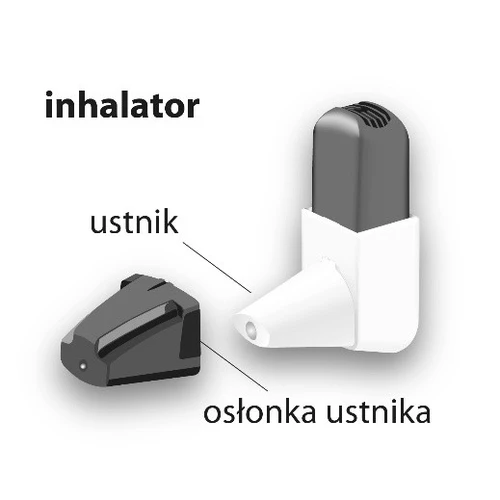 |
HOW TO USE THE INHALER CORRECTLY
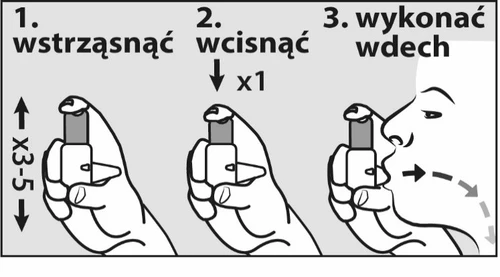
Step 1: SHAKE
| SHAKE FROM 3 TO 5 TIMES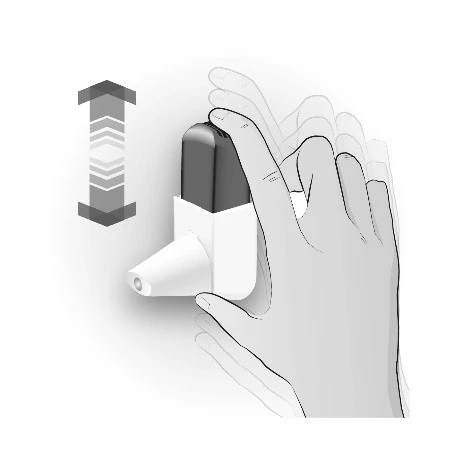 | Important information to remember
|
Step 2: ACTUATING
| ACTUATE ONCE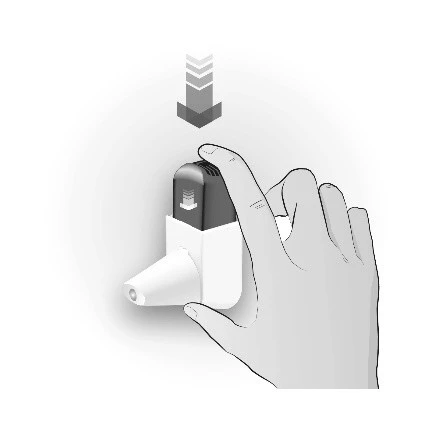 | Important information to remember
|
Step 3: INHALATION
| INHALATION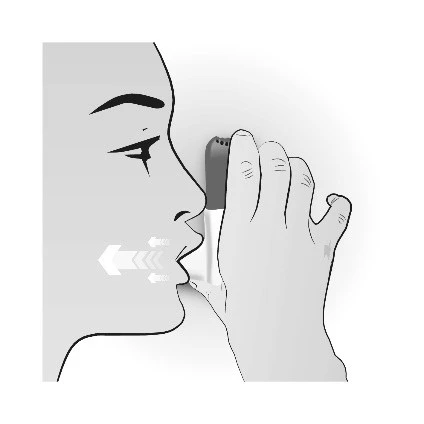 | Important information to remember
|
If an additional inhalation is required, repeat the steps described in points 1–3
"Shake, Click, Breathe In."
After using the inhaler:
- Replace the mouthpiece cover to prevent accidental activation of the inhaler.
- After inhaling the dose, rinse the mouth with water and spit out the water. This will reduce the risk of developing a fungal infection (thrush) and hoarseness.
| How to remove powder from the mouthpiece If the inhaler is accidentally actuated, repeatedly actuated, or if you have exhaled into the inhaler, remove the powder from the mouthpiece:
| 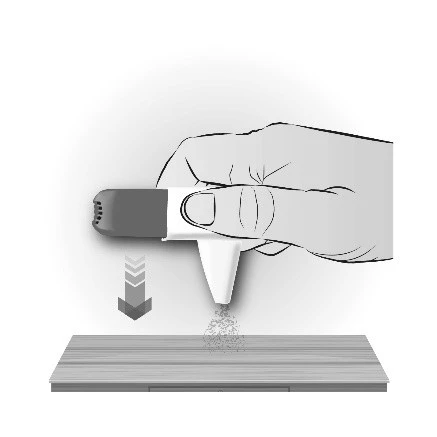 |
Cleaning the Easyhaler inhaler
Keep the inhaler dry and clean. If necessary, the mouthpiece of the inhaler may be cleaned with a dry cloth or tissue. Do not use water. The powder in the Easyhaler inhaler is sensitive to moisture.
| Use of the Easyhaler inhaler in a protective case The Easyhaler inhaler can be used with a protective case, which may help increase the medicine's shelf life. Before placing the inhaler into the protective case, ensure that the mouthpiece cover is closed to prevent accidental actuation of the inhaler. The inhaler can be used without removing it from the protective case. Use according to the instructions above:
| 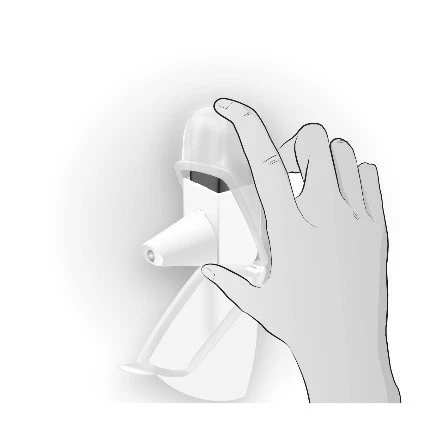 |
| Switching to a new Easyhaler inhaler The inhaler is equipped with a dose counter indicating the number of doses remaining. The counter rotates every five actuations. When the dose counter turns red, this indicates that 20 doses remain. If the patient does not yet have a new Easyhaler inhaler, they should contact their doctor to obtain a new prescription. When the counter shows 0, the Easyhaler inhaler should be replaced. If the patient has been using a protective case, it should be kept and used for the new inhaler. | 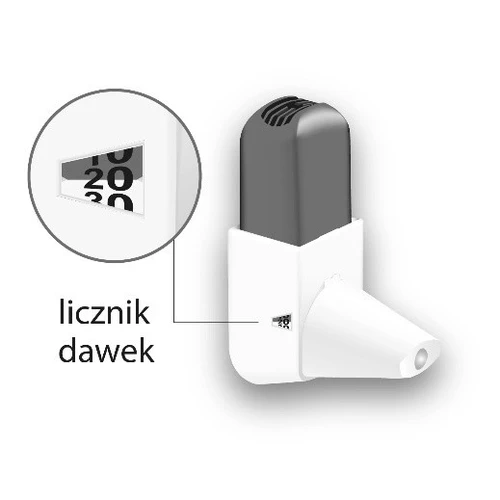 |
To remember
- 1. Shake, 2. Click, 3. Inhale.
- After administration of the dose, rinse the mouth with water and spit the water out.
- Do not allow the inhaler to get wet; protect it from moisture.
If you have any further questions regarding the use of this medicine, consult your
doctor or pharmacist.