Betaloc zok 50
Poland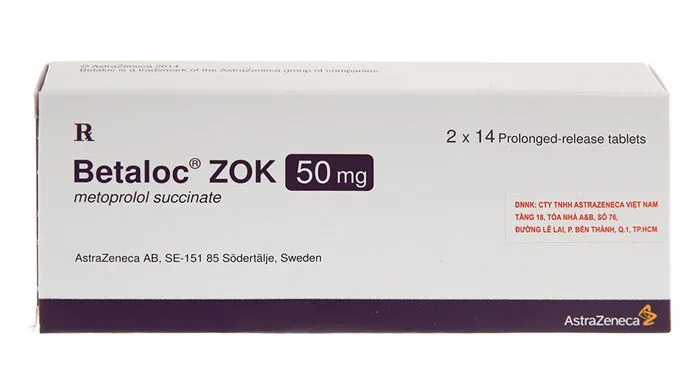
Table of Contents
Patient Information Leaflet
Warning! Keep this leaflet; the information on the immediate packaging is in a foreign language!
Betaloc ZOK 50 (Betaloc ZOK)
47.5 mg, prolonged-release tablets
Metoprololi succinas
Betaloc ZOK 50 and Betaloc ZOK are different trade names for the same medicine.
Please read this leaflet carefully before taking the medicine, as it contains
important information for the patient.
- Keep this leaflet so that you can read it again if necessary.
- If you have any doubts, consult your doctor or pharmacist.
- This medicine has been prescribed for a specific individual. Do not give it to others. It may harm someone else, even if their symptoms are the same.
- If you experience any adverse reactions, including any not listed in this leaflet, tell your doctor or pharmacist. See section 4.
Table of contents
- What Betaloc ZOK 50 is and what it is used for
- Important information before taking Betaloc ZOK 50
- How to take Betaloc ZOK 50
- Possible side effects
- How to store Betaloc ZOK 50
- Contents of the pack and other information
1. What Betaloc ZOK 50 is and what it is used for
Betaloc ZOK 50 contains the active substance metoprolol, which belongs to a group of medicines called beta-blockers.
Metoprolol reduces the effects of stress hormones on the heart during physical and psychological stress.
This results in a slowing of heart function (reduction in heart rate).
Betaloc ZOK 50 is used in the treatment of:
- high blood pressure (hypertension), to lower blood pressure and reduce the risk of complications (such as myocardial infarction or stroke) and death (including sudden cardiac death) due to cardiovascular causes;
- chest pain caused by insufficient oxygen supply to the heart (angina pectoris);
- irregular heart rhythm (arrhythmia), especially supraventricular tachycardia, ventricular extrasystoles, and atrial fibrillation, to slow down ventricular response;
- palpitations (awareness of heartbeat) due to non-organic (functional) heart disorders;
- chronic heart failure (with symptoms such as breathlessness and ankle swelling), in combination with other heart failure medications, to improve survival, reduce hospitalization rates, improve left ventricular function, and enhance quality of life.
Betaloc ZOK 50 is used for prevention of:
- recurrence of myocardial infarction or sudden death following the acute phase of myocardial infarction;
- migraine attacks.
Betaloc ZOK 50 is used to treat high blood pressure (hypertension) in children and adolescents aged 6 to 18 years.
2. Important information before using Betaloc ZOK 50
When not to use Betaloc ZOK 50
- if the patient is allergic to metoprolol tartrate or any of the other ingredients of this medicine (listed in section 6),
- if the patient is allergic to other beta-adrenergic blocking agents, e.g. atenolol, propranolol,
- if the patient has:
- cardiogenic shock,
- sick sinus syndrome (unless a pacemaker has been implanted),
- second- or third-degree atrioventricular block,
- uncontrolled heart failure (shortness of breath, swelling around the ankles),
- bradycardia (slowed heart rate below 45 beats per minute),
- very low blood pressure which may cause fainting,
- severe peripheral arterial circulatory disorders,
- metabolic acidosis,
- untreated phaeochromocytoma,
- suspected recent myocardial infarction if heart rate is less than 45 beats per minute, PQ interval is longer than 0.24 s, or systolic blood pressure is less than 100 mmHg.
- if the patient is receiving (short- or long-term) drugs with positive inotropic action stimulating beta-adrenergic receptors.
Warnings and precautions
Before starting treatment with Betaloc ZOK 50, discuss this with your doctor. Inform your doctor if the patient has:
- bronchial asthma, wheezing or other similar breathing disorders, or allergic reactions, e.g. to insect venom, food or other substances. If the patient has ever had an asthma attack or wheezing – do not use this medicine without consulting a doctor,
- chest pain caused by Prinzmetal's angina,
- circulatory disorders or heart failure,
- liver disease,
- first-degree heart block (conduction disturbances in the heart),
- intermittent claudication (tiring and weakening of one or both legs during walking),
- diabetes (your doctor may recommend changing the dose of antidiabetic medicines),
- hyperthyroidism – Betaloc ZOK 50 may mask its symptoms,
- phaeochromocytoma,
- psoriasis.
Consult your doctor, even if the above warnings refer to conditions that occurred in the past.
Before planned anaesthesia, inform the dentist or anaesthesiologist that the patient is taking Betaloc ZOK 50.
Do not suddenly stop treatment with Betaloc ZOK 50. If discontinuation of treatment is necessary, the medicine should be withdrawn gradually, if possible, over a period of at least two weeks, reducing the dose down to half a 25 mg tablet once daily, maintained for at least four days before completely stopping the medicine.
Betaloc ZOK 50 with other medicines
Tell your doctor about all medicines the patient is currently taking or has recently taken, as well as any medicines the patient plans to take. This includes eye drops, injectable medicines, and over-the-counter medicines, including herbal remedies and dietary supplements. Some medicines may affect the action of other medicines. Consult your doctor if the patient is taking any of the following medicines:
- Medicines used to treat cardiovascular diseases (such as digitalis glycosides/digoxin, calcium antagonists, antiarrhythmics, ganglion-blocking agents, hydralazine).
- Other medicines such as monoamine oxidase inhibitors (MAO inhibitors), inhaled anaesthetics, antibacterial medicines (rifampicin), medicines used for peptic ulcer disease (cimetidine), anti-inflammatory medicines (e.g. indomethacin, celecoxib), certain antidepressants and antipsychotics, antihistamines, other beta-adrenergic blocking agents (e.g. eye drops), and other substances (e.g. alcohol, certain hormones).
- If the patient is taking clonidine and Betaloc ZOK 50 simultaneously and discontinuation of clonidine treatment is necessary, Betaloc ZOK 50 should be discontinued several days before stopping clonidine. Information on discontinuation of Betaloc ZOK 50 is provided in the section "Warnings and precautions".
- If the patient is taking oral antidiabetic medicines, the doctor may adjust their dosage.
Betaloc ZOK 50 with food, drink or alcohol
Consuming alcohol while taking metoprolol may enhance the effect of the medicine.
Pregnancy and breastfeeding
If the patient is pregnant, suspects she may be pregnant, or is planning to become pregnant, she should consult her doctor before using this medicine.
Pregnancy
Betaloc ZOK 50 should not be used during pregnancy unless the benefits of treatment outweigh the risks to the fetus. In general, beta-blocking agents, including metoprolol, may cause fetal harm and premature labour.
If a woman treated with Betaloc ZOK 50 becomes pregnant, she should inform her doctor as soon as possible.
Breastfeeding
Betaloc ZOK 50 should not be used during breastfeeding unless the benefits of treatment outweigh the risks to the breastfed infant.
Driving and operating machinery
The patient should assess their individual response after taking Betaloc ZOK 50, as dizziness or fatigue may occur in some patients, which may impair psycho-motor performance.
Betaloc ZOK 50 contains sodium
This medicine contains less than 1 mmol (23 mg) of sodium per tablet, i.e. the medicine is considered "sodium-free".
3. How to use Betaloc ZOK 50
This medicine should always be taken exactly as prescribed by the doctor. In case of doubt, consult
your doctor or pharmacist.
Available in the market are: Betaloc ZOK 25 (23.75 mg), Betaloc ZOK 50 (47.5 mg), Betaloc
ZOK 100 (95 mg).
Betaloc ZOK 50 tablets (or their halves) must not be chewed or crushed. Tablets (or their halves)
should be swallowed whole with liquid.
Betaloc ZOK 50 is usually taken once daily, with or without food. Your doctor will inform you
how and when to take the tablets.
Hypertension
Adults
The recommended dose for adult patients with mild to moderate hypertension is 50 mg once daily.
If the response to the 50 mg dose is inadequate, your doctor may increase it to 100–200 mg once
daily and/or add another antihypertensive medicine.
Children and adolescents
In children and adolescents above 6 years of age, the dose depends on the child's body weight. The
doctor will determine the appropriate dose.
The usual starting dose is 0.5 mg/kg body weight, not exceeding 50 mg, given once daily as a tablet
with a strength closest to the calculated dose.
The doctor may increase the dose up to 2 mg/kg body weight depending on blood pressure response.
Betaloc ZOK 50 should not be used in children under 6 years of age.
Angina pectoris
The recommended dose is 100–200 mg once daily. If necessary, your doctor may prescribe Betaloc
ZOK 50 in combination with other medicines used to treat angina pectoris.
Symptomatic chronic heart failure
The dose will be determined by the doctor. The recommended initial dose is 1 tablet of 25 mg once
daily for the first 2 weeks of treatment. For patients with more severe heart failure, the doctor may
prescribe half a 25 mg tablet once daily for the first week of treatment. The doctor will then double
the dose every two weeks until reaching the maximum dose of 200 mg once daily or the highest
dose tolerated by the patient.
Cardiac arrhythmias
The recommended dose of Betaloc ZOK 50 is 100–200 mg once daily.
Functional cardiac disorders with palpitations
The recommended dose is 100 mg once daily. If necessary, the doctor may increase the dose to
200 mg once daily.
Prevention of further myocardial infarction or sudden death after the acute phase of myocardial
infarction
The recommended dose is 200 mg once daily.
Migraine prophylaxis
The recommended dose is 100 mg to 200 mg once daily.
If you feel that the effect of Betaloc ZOK 50 is too strong or too weak, consult your doctor or
pharmacist.
Taking more Betaloc ZOK 50 than prescribed
If you take more Betaloc ZOK 50 than prescribed, seek immediate medical advice from your doctor
or go to the nearest hospital emergency department.
In case of significant overdose, the following symptoms may occur: slow or irregular heartbeat,
shortness of breath, swelling around the ankles, sensation of strong heartbeat, dizziness, fainting,
chest pain or tightness, cold skin, weak pulse, confusion, anxiety, cardiac arrest, partial or complete
loss of consciousness/coma, nausea, vomiting, and cyanosis.
Missing a dose of Betaloc ZOK 50
Do not take a double dose to make up for a missed dose.
If you miss a dose of Betaloc ZOK 50 and less than 12 hours have passed since the scheduled time,
take the missed dose immediately. If you remember the missed dose after 12 hours or more, skip the
missed dose. Take the next dose at the usual time.
4. Possible adverse effects
Like all medicines, this medicine can cause adverse effects, although not everyone experiences them.
Below is a list of adverse effects that may occur during treatment with this medicine.
Very common (may occur in at least 1 out of 10 patients)
- fatigue.
Common (may occur in less than 1 out of 10 patients)
- dizziness,
- headache,
- slowed heart rate; inform your doctor immediately, as the doctor may reduce the dose or gradually discontinue the medicine,
- palpitations,
- changes in blood pressure related to change in body position (very rarely with fainting),
- shortness of breath during exertion,
- nausea,
- abdominal pain,
- diarrhoea,
- constipation,
- cold sensation in hands and feet.
Uncommon (may occur in less than 1 out of 100 patients)
- depression,
- insomnia,
- nightmares,
- difficulty concentrating,
- drowsiness,
- burning, tingling or numbness sensation (paraesthesiae),
- worsening of existing heart failure,
- cardiac conduction disturbances, seen on ECG (first-degree atrioventricular block),
- sudden drop in blood pressure during myocardial infarction (cardiogenic shock),
- bronchospasm,
- vomiting,
- skin rash,
- excessive sweating,
- muscle cramps,
- substernal pain,
- oedema,
- weight gain.
Rare (may occur in less than 1 out of 1000 patients)
- nervousness,
- anxiety states,
- visual disturbances,
- dryness and/or irritation of the eyes,
- conjunctivitis,
- cardiac conduction disturbances, cardiac arrhythmias, worsening of existing atrioventricular block,
- pallor, cyanosis, followed by redness of the fingers, accompanied by numbness and pain (Raynaud's phenomenon),
- nasal mucosal inflammation,
- dryness of the oral mucosa,
- hair loss,
- erectile dysfunction (impotence),
- liver function abnormalities (detected in blood tests),
- positive antinuclear antibody titre (antibodies used in diagnosing connective tissue diseases).
Very rare (may occur in less than 1 out of 10,000 patients)
- gangrene (tissue necrosis) in patients with severe peripheral circulatory disorders,
- reduced platelet count, which may lead to easy bruising,
- confusion,
- hallucinations,
- loss of or disturbances in memory,
- taste disturbances,
- tinnitus,
- worsening of intermittent claudication (leg pain during walking),
- hepatitis,
- photosensitivity,
- exacerbation of psoriasis,
- joint pain.
Conditions that may worsen
The following conditions may worsen during treatment with this medicine:
- shortness of breath, feeling of fatigue or swelling around the ankles (in case of myocardial infarction). These are uncommon adverse effects, occurring in less than 1 out of 100 people.
- psoriasis (skin disease), circulatory disorders. These are rare adverse effects, occurring in less than 1 out of 10,000 people.
Reporting of adverse effects
If any adverse effects occur, including any not listed in this leaflet, inform your doctor or pharmacist. Adverse effects can be reported directly to the Department of Monitoring Adverse Drug Reactions of the Office for Registration of Medicinal Products, Medical Devices and Biocidal Products
Al. Jerozolimskie 181C
02-222 Warsaw
tel.: +48 22 49 21 301
fax.: +48 22 49 21 309
website: https://smz.ezdrowie.gov.pl
Reporting adverse effects helps to provide more information on the safety of the medicine.
5. How to store Betaloc ZOK 50
Keep this medicine out of sight and reach of children.
Store below 30°C.
Keep the tablets in the original packaging.
Do not use this medicine after the expiry date stated on the packaging.
The expiry date refers to the last day of the month indicated.
Do not take this medicine if the packaging is damaged.
Medicines must not be disposed of via wastewater or household waste. Ask your pharmacist how to dispose of medicines no longer required. This will help protect the environment.
6. Contents of the pack and other information
What Betaloc ZOK 50 contains
- The active substance is metoprolol succinate. One tablet contains 47.5 mg of metoprolol succinate, equivalent to 50 mg of metoprolol tartrate.
- The other components are: ethylcellulose, hydroxypropylcellulose, microcrystalline cellulose, colloidal anhydrous silica, sodium stearyl fumarate, hypromellose, paraffin, macrogol, titanium dioxide (E 171).
What Betaloc ZOK 50 looks like and contents of the pack
White or almost white, round tablets with a diameter of 9 mm, with a score line on one side and marked on the other side with "A/mO". The score line is intended to facilitate breaking the tablet solely for easier swallowing, and not for dividing the tablet into equal doses.
Packaged in a high-density polyethylene (HDPE) bottle with a polypropylene cap, placed in a cardboard box.
The pack contains 30 extended-release tablets.
For more detailed information, please contact the marketing authorisation holder or the parallel importer.
Marketing Authorisation Holder in Latvia, country of export:
Recordati Ireland Ltd
Raheens East, Ringaskiddy
Co. Cork, P43 KD30
Ireland
Manufacturer:
Casen Recordati, S.L.
Autovía de Logroño, km. 13,300
50180 Utebo (Saragossa)
Spain
AstraZeneca AB
Gärtunavägen
SE-152 57 Södertälje
Sweden
Parallel Importer:
Medezin Sp. z o.o.
ul. Zbąszyńska 3
91-342 Łódź
Poland
Relabeled in:
Medezin Sp. z o.o.
ul. Zbąszyńska 3
91-342 Łódź
Poland
Marketing Authorisation Number in Latvia, country of export: 98-0300
Parallel Import Authorisation Number: 234/24