Absenor
Poland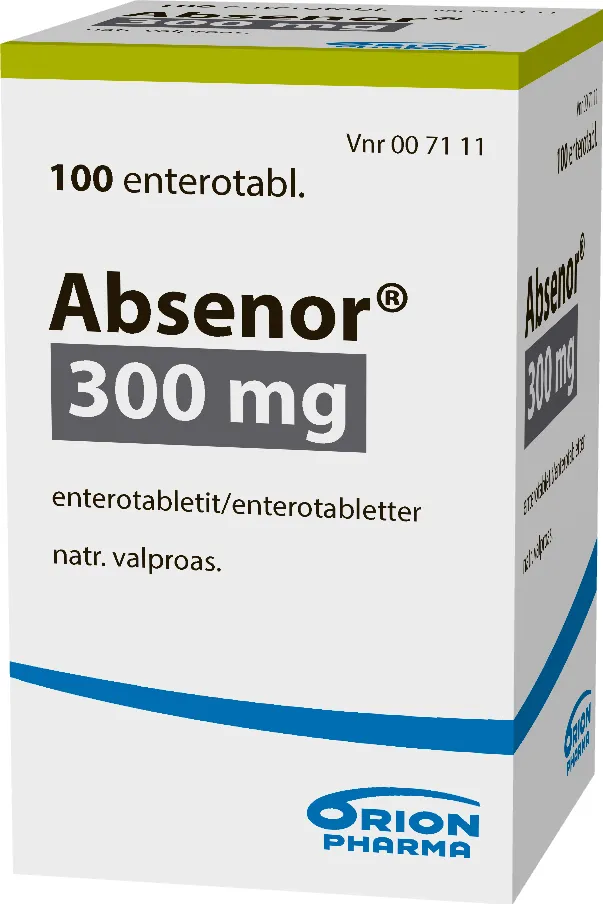
Table of Contents
Patient Information Leaflet
Absenor, 300 mg, prolonged-release tablets
Absenor, 500 mg, prolonged-release tablets
Valproic acid sodium
▼ This medicinal product is subject to additional monitoring. This will allow rapid identification of new safety information. You can also help by reporting any adverse reactions you experience after using the medicine. For information on how to report adverse reactions, see section 4.
WARNING
Absenor (valproate) used during pregnancy can harm the unborn child.
Women of childbearing potential must use an effective method of contraception (birth control) continuously throughout the entire duration of Absenor treatment. Your doctor will discuss this with you, but you should also follow the recommendations provided in section 2 of this leaflet.
You must contact your doctor immediately if you are planning a pregnancy or suspect you may be pregnant.
Do not stop taking Absenor unless your doctor advises you to do so, as your condition may worsen.
Please read all of this leaflet carefully before taking this medicine, as it contains important information for you.
- Keep this leaflet, as you may need to read it again.
- If you have any questions, please ask your doctor or pharmacist.
- This medicine has been prescribed for a specific individual. Do not share it with others. It may harm them, even if their symptoms are the same.
- If you experience any adverse effects, including any not listed in this leaflet, tell your doctor or pharmacist. See section 4.
Table of contents
- What Absenor is and what it is used for
- Important information before taking Absenor
- How to take Absenor
- Possible side effects
- How to store Absenor
- Contents of the pack and other information
1. What Absenor is and what it is used for
Absenor is a medicine used in the treatment of epilepsy (an antiepileptic medicine) and manic episodes (abnormally elevated mood and increased activity).
Absenor is used to treat:
- Seizures involving both sides of the brain (generalized seizures), such as absence seizures, myoclonic seizures, and tonic-clonic seizures,
- Seizures starting in a specific part of the brain (focal seizures) which under certain circumstances may spread to both sides of the brain (secondarily generalized seizures).
Absenor may also be used in combination with other antiepileptic medicines to treat other types of epileptic seizures, such as mixed (complex) seizure types, and seizures spreading from a specific brain area to both sides of the brain, when these types of seizures do not respond to commonly used antiepileptic medicines.
- Mania, when the patient feels extremely excited, elated, stimulated, enthusiastic, or hyperactive. Mania occurs in a condition known as bipolar affective disorder. Absenor may be used when lithium cannot be used.
Notes:
When switching from previous treatment with sodium valproate (in immediate-release form) to Absenor, appropriate serum drug concentrations should be maintained.
In small children, Absenor is a first-line treatment only in exceptional cases. Absenor should be used with particular caution, after careful consideration of benefits and risks, and, if possible, not in combination with other antiepileptic medicines.
2. Important information before using Absenor
When not to use Absenor
- if the patient is allergic to sodium valproate, peanuts or soy, or to any of the other ingredients of this medicine (listed in section 6);
- if the patient or a family member has previously had severe liver disease or if the patient currently has serious impairment of liver or pancreas function;
- if any sibling has had liver dysfunction leading to death during treatment with valproic acid;
- if the patient has an inherited or acquired metabolic disorder of blood pigment (hepatic porphyria);
- if the patient has been diagnosed with blood clotting disorders;
- if the patient has a genetic disorder causing mitochondrial dysfunction (e.g. Alpers-Huttenlocher syndrome);
- if the patient has urea cycle disorders (a type of metabolic disorder).
Bipolar affective disorder
- In the case of bipolar affective disorder, do not use Absenor if the patient is pregnant.
- In the case of bipolar affective disorder, if the patient is of childbearing age, Absenor must not be taken unless the patient uses an effective method of birth control (contraception) throughout the entire treatment period with Absenor. Do not stop taking Absenor or contraception without first discussing it with your doctor. Your doctor will provide further guidance (see "Pregnancy, breastfeeding and fertility – Important advice for women").
Epilepsy
- In the case of epilepsy, do not use Absenor if the patient is pregnant, unless there is no alternative treatment available.
- In the case of epilepsy, if the woman is of childbearing age, Absenor should not be taken unless the patient uses an effective method of birth control (contraception) throughout the entire treatment period with Absenor. Do not stop taking Absenor or contraception until you have discussed this with your doctor. Your doctor will provide further guidance (see below "Pregnancy, breastfeeding and fertility – Important advice for women").
Warnings and precautions
Before starting this medicine, discuss with your doctor:
- if the patient has ever experienced severe skin rash, skin peeling, blistering and/or oral ulcers after taking valproate.
SEEK IMMEDIATE MEDICAL ADVICE
Severe skin reactions have been reported during treatment with valproate, including
Stevens-Johnson syndrome, toxic epidermal necrolysis, drug reaction with eosinophilia and systemic symptoms (DRESS), erythema multiforme and angioedema.
If the patient notices any of the symptoms related to these severe skin reactions described in section 4, they should seek immediate medical advice.
Special caution is required when using Absenor in the following cases:
- history of bone marrow damage;
- systemic lupus erythematosus (an autoimmune condition where the body's immune system attacks its own connective tissue);
- metabolic disorders, particularly congenital enzyme deficiencies;
- increased serum ammonia levels (hyperammonemia) during treatment with medicines containing valproic acid. Contact your doctor if symptoms such as apathy, fatigue, vomiting, low blood pressure or increased frequency of epileptic seizures occur. Your doctor will measure serum ammonia and valproic acid levels and may reduce the dose of Absenor if necessary;
- suspected urea cycle enzyme disorders; your doctor will measure serum ammonia levels before starting treatment with valproic acid (see also section 2: "When not to use Absenor");
- metabolic disorder due to deficiency of carnitine palmitoyltransferase (CPT) II enzyme – risk of rhabdomyolysis (breakdown of striated muscle) increases during treatment with medicines containing valproic acid;
- if the patient has a family history of genetic disorders causing mitochondrial dysfunction;
- impaired kidney function and/or low blood protein levels;
- before any surgical or dental procedure (e.g. tooth extraction), or after injury or spontaneous bleeding. Due to increased bleeding tendency, inform your doctor about Absenor use so that blood clotting tests can be arranged;
- concomitant use of anticoagulant medicines (e.g. vitamin K antagonists), as bleeding tendency may increase. Regular blood clotting tests should therefore be performed;
- concomitant use of acetylsalicylic acid, as blood levels of valproic acid (the active substance in Absenor) may increase;
- worsening of epileptic seizures. As with other antiepileptic medicines, seizure frequency or severity may increase during treatment with Absenor. In such cases, contact your doctor immediately.
A small number of people taking antiepileptic medicines containing sodium valproate have had
thoughts of harming themselves or committing suicide. If such thoughts occur, contact your doctor
immediately.
Warning! The glass bottle contains a moisture-absorbing agent. Do not swallow the moisture-absorbing
agent.
Children and adolescents
Particular caution is required when using Absenor in:
- young children also taking other antiepileptic medicines;
- children and adolescents with multiple disabilities and severe forms of epileptic seizures.
Sodium valproate should not be used in children and adolescents under 18 years of age for the treatment of mania.
In infants, children with fever-related conditions, and adolescents, do not use Absenor concomitantly with medicines containing acetylsalicylic acid.
Concomitant use is permitted only on specific medical advice.
Warning:
Severe liver damage has been reported infrequently, and pancreas damage rarely. Your doctor will monitor whether the patient, especially an infant, young or older child, shows symptoms of these conditions, particularly during the first six months of treatment.
Liver and/or pancreas damage may be preceded by sudden, non-specific symptoms such as recurrence or increased frequency or severity of epileptic seizures, altered consciousness with disorientation, restlessness, motor disturbances, physical agitation and weakness, loss of appetite, aversion to usual foods, aversion to valproic acid, nausea, vomiting, upper gastrointestinal discomfort, drowsiness, somnolence, unusually frequent bruising, jaundice (yellowing of the skin or whites of the eyes), nosebleeds, and local or generalized swelling (fluid retention). If these disturbances persist or are severe, inform your doctor so they can determine whether treatment with Absenor should continue.
Methods for early detection of liver and/or pancreas damage
Before starting treatment, your doctor will perform a detailed medical history and clinical and biochemical laboratory tests (with particular attention to metabolic disorders, liver or pancreas function, blood count and clotting disorders).
Four weeks after starting treatment, your doctor will order a follow-up biochemical laboratory test.
For patients without clinical symptoms but with abnormally elevated test results, three additional follow-up tests will be ordered at two-week intervals, followed by monthly testing until the sixth month of treatment.
Parents and/or caregivers should immediately, regardless of this schedule, inform the treating doctor of any unusual changes in the patient's condition, including abnormalities detected in test results.
For adolescents (approximately 15 years and older) and adults, monthly monitoring of clinical status and laboratory test results is recommended during the first six months and always before starting treatment.
If laboratory test results show no abnormalities for 12 months of treatment, medical check-ups are sufficient 2 to 3 times per year.
Notes:
Weight gain may occur at the beginning of treatment. Body weight should be monitored regularly and appropriate management discussed with your doctor if necessary.
Do not use Absenor for migraine prophylaxis (see also "Pregnancy, breastfeeding and fertility").
Absenor with other medicines
Tell your doctor or pharmacist about all medicines currently or recently taken, and any medicines the patient plans to take.
Medicines that increase the effect of Absenor (and sometimes adverse effects):
- felbamate (an antiepileptic medicine);
- cimetidine (a medicine for stomach ulcers);
- erythromycin (used in bacterial infections);
- acetylsalicylic acid (an antipyretic and analgesic medicine): acetylsalicylic acid reduces the binding of valproic acid to blood proteins. This may increase the harmful effect of valproic acid on the liver. See also "Children and adolescents" in section 2: "Important information before using Absenor".
Medicines that decrease the effect of Absenor:
- phenobarbital, primidone, phenytoin, carbamazepine (other antiepileptic medicines);
- mefloquine (an antimalarial medicine);
- rifampicin (a medicine for tuberculosis);
- carbapenems (antibiotics used in bacterial infections, such as imipenem, panipenem and meropenem);
- Concomitant use of valproic acid and carbapenems should be avoided, as the effectiveness of sodium valproate may be reduced;
- protease inhibitors such as lopinavir or ritonavir (HIV medicines);
- cholestyramine (reduces blood lipid levels);
- medicines containing estrogen (including some hormonal contraceptives);
- metamizole, a medicine used for pain and fever.
Medicines that may increase or decrease the effects of Absenor:
- concomitant use of fluoxetine (an antidepressant). Serum levels of valproic acid (the active substance in Absenor) may increase or decrease.
Absenor increases the effects, and sometimes also the adverse effects, of:
- phenobarbital, primidone, phenytoin, carbamazepine, lamotrigine, felbamate (antiepileptic medicines);
- neuroleptics (medicines used in psychiatric disorders), benzodiazepines (medicines used to relieve anxiety and tension), barbiturates (sedatives), MAO inhibitors (antidepressants) and other antidepressants;
- codeine (a cough medicine);
- zidovudine (an anti-HIV medicine);
- anticoagulant medicines (e.g. vitamin K antagonists or acetylsalicylic acid), which may increase bleeding tendency;
- rufinamide (an antiepileptic medicine) (caution is advised, especially in children);
- propofol (an anaesthetic);
- nimodipine (a medicine used in the treatment of brain function disorders);
- clozapine (used in the treatment of psychiatric disorders).
Serum phenytoin levels (another antiepileptic medicine) may increase in children when the patient is simultaneously receiving clonazepam (a benzodiazepine used to relieve anxiety, tension and as an antiepileptic) and valproic acid.
Cases of impaired consciousness (prolonged unconsciousness) have occurred in patients with pre-existing seizures involving loss of consciousness (generalized epileptic seizures) when valproic acid-containing medicines and clonazepam were used concomitantly.
Catatonia (a state of rigidity with lack of response to stimuli) occurred in one patient with schizoaffective disorders (a psychiatric disorder) during concomitant use of valproic acid, sertraline (an antidepressant) and risperidone (a neuroleptic).
Additional interactions
- Absenor does not affect serum lithium levels.
- The medicine does not reduce the effectiveness of hormonal contraceptives (oral contraceptives).
- In diabetic patients, false positive results in urine ketone tests may occur, as valproic acid is partially metabolized to ketone bodies.
- Concomitant use of other medicines that burden liver metabolism may increase the risk of liver damage.
- Symptoms of brain dysfunction (encephalopathy) and/or increased blood ammonia levels (hyperammonemia) have been reported with concomitant use of valproate and topiramate (an antiepileptic medicine).
- Concomitant use of Absenor with acetazolamide (a medicine for glaucoma) may lead to increased blood ammonia levels with risk of brain dysfunction (encephalopathy).
- Concomitant use of valproic acid and phenobarbital or phenytoin increases blood ammonia levels; therefore, your doctor will closely monitor the patient's condition.
- Concomitant use of valproic acid and quetiapine (a medicine used in psychiatric disorders) may increase the risk of decreased white blood cell count (leukopenia, neutropenia).
- Absenor may reduce serum levels of olanzapine (a medicine used in psychiatric disorders).
Your doctor will decide whether concomitant use of medicines should be discontinued or treatment can continue.
Absenor with food, drink and alcohol
Concomitant alcohol consumption may weaken or intensify the effects and increase the risk of adverse effects of Absenor. Therefore, avoid alcohol consumption during treatment.
Taking Absenor with food does not significantly affect the medicine's bioavailability.
If gastrointestinal irritation occurs at the beginning or during treatment, tablets should be taken during or after meals.
Pregnancy, breastfeeding and fertility
Important advice for women
Bipolar affective disorder
- In the case of bipolar affective disorder, do not use Absenor if the patient is pregnant.
- In the case of bipolar affective disorder, if the patient is of childbearing age, Absenor must not be taken unless the patient uses an effective method of birth control (contraception) throughout the entire treatment period with this medicine. Do not stop taking Absenor or contraception until discussed with your doctor. Your doctor will provide further guidance.
Epilepsy
- In the case of epilepsy, do not use Absenor if the patient is pregnant, unless there is no alternative treatment available.
- In the case of epilepsy, if the woman is of childbearing age, Absenor should not be taken unless the patient uses an effective method of birth control (contraception) throughout the entire treatment period with Absenor. Do not stop taking Absenor or contraception until discussed with your doctor. Your doctor will provide further guidance.
Risk of taking valproate during pregnancy (regardless of the condition for which valproate is used)
- Seek immediate advice from your doctor if you are planning a pregnancy or are pregnant.
- Taking valproate during pregnancy carries risks. The higher the dose, the greater the risk, but no dose is risk-free, even when valproate is used in combination with other epilepsy medicines.
- Valproate may cause serious congenital malformations and affect the child's physical and mental development after birth. Most commonly reported congenital malformations include: spina bifida (when spinal bones do not develop properly); facial and cranial developmental defects; heart, kidney, urinary tract and genital organ defects, limb defects and many associated developmental defects affecting several organs and body parts. Congenital malformations may cause disability, which may be significant.
- Hearing problems or deafness have been reported in children exposed to valproate in utero.
- Eye developmental defects together with other congenital malformations have been reported in children exposed to valproate in utero. Eye developmental defects may affect vision.
- Pregnant women taking valproate have an increased risk of giving birth to a child with congenital malformations requiring treatment. Valproate has been used for many years, so it is known that in the group of children born to mothers taking valproate, about 11 out of 100 will have congenital malformations. For comparison, such malformations are found in 2-3 out of every 100 children born to women without epilepsy.
- It is estimated that 30-40% of preschool-aged children whose mothers took valproate during pregnancy may show early developmental problems. Affected children may start walking and talking later, may be less intellectually capable than other children, and may have language and memory problems.
- Autism spectrum disorders are more frequently diagnosed in children exposed to valproate. Some evidence suggests that children exposed to valproate may be more likely to develop attention deficit hyperactivity disorder (ADHD).
- Before prescribing this medicine, your doctor will explain to the patient what risks the child may face if the patient becomes pregnant while taking valproate. If a patient taking this medicine later decides to have a child, they should not stop taking the medicine or contraception on their own until they have discussed it with their doctor.
- Parents or caregivers of girls treated with valproate should contact the treating doctor when menstruation begins in their child.
- Some hormonal contraceptives (oral contraceptives containing estrogens) may reduce blood levels of valproate. Discuss with your doctor which contraceptive method is most suitable for the patient.
- Ask your doctor about taking folic acid before trying to become pregnant. Folic acid may reduce the general risk of spina bifida and early miscarriage, which affects all pregnancies. However, it is unlikely that taking folic acid will reduce the risk of congenital malformations associated with valproate treatment.
- If the patient took a medicine containing valproate during pregnancy, coagulation parameters (platelets, fibrinogen) and coagulation factors should be tested, and coagulation tests performed in newborns due to possible coagulation disorders.
- Newborns whose mothers took valproate-containing medicines during the last three months of pregnancy may experience withdrawal symptoms (such as motor restlessness, excessive motor activity, tremor, seizures and feeding difficulties).
- Cases of low blood sugar in newborns have been reported when mothers took valproate during the last three months of pregnancy.
- Cases of hypothyroidism in newborns have been reported when mothers took valproate for epilepsy during pregnancy.
Please select from the situations described below the one that applies to the patient and read the
corresponding information:
- STARTING TREATMENT WITH ABSENOR
- CONTINUING TREATMENT WITH ABSENOR WITHOUT PLANNING PREGNANCY
- CONTINUING TREATMENT WITH ABSENOR WITH PLANNED PREGNANCY
- UNPLANNED PREGNANCY DURING CONTINUATION OF TREATMENT WITH ABSENOR
STARTING TREATMENT WITH ABSENOR
If Absenor is being prescribed for the first time, your doctor will explain the risks to the unborn child if the patient becomes pregnant. A woman of childbearing age should ensure that she uses an effective method of contraception continuously throughout the entire treatment period with Absenor. Consult your doctor or family planning clinic if you need advice on an appropriate contraceptive method.
Important information:
- Before starting Absenor, pregnancy must be ruled out with a pregnancy test, the result of which must be confirmed by your doctor.
- The patient should use an effective method of birth control (contraception) throughout the entire treatment period with Absenor.
- Discuss the method of birth control (contraception) with your doctor. Your doctor will provide information on pregnancy prevention and may refer you to a specialist for contraceptive advice.
- Visit a specialist experienced in treating bipolar affective disorder or epilepsy at least once a year. During this visit, your doctor will ensure that the patient has been adequately informed and understands all risks and advice related to taking valproate during pregnancy.
- Inform your doctor if you are planning a pregnancy.
- Inform your doctor immediately if you are pregnant or suspect you may be pregnant.
CONTINUING TREATMENT WITH ABSENOR WITHOUT PLANNING PREGNANCY
If the patient continues treatment with Absenor and does not plan pregnancy, she must be certain that she uses an effective method of contraception continuously throughout the entire treatment period with Absenor. Consult your doctor or family planning clinic if you need advice on contraception.
Important information:
- The patient should use an effective method of birth control (contraception) throughout the entire treatment period with Absenor.
- Discuss the method of birth control (contraception) with your doctor. Your doctor will provide information on pregnancy prevention and may refer you to a specialist for contraceptive advice.
- Visit a specialist experienced in treating bipolar affective disorder or epilepsy at least once a year. During this visit, your doctor will ensure that the patient has been adequately informed and understands all risks and advice related to taking valproate during pregnancy.
- Inform your doctor if you are planning a pregnancy.
- Inform your doctor immediately if you are pregnant or suspect you may be pregnant.
CONTINUING TREATMENT WITH ABSENOR WITH PLANNED PREGNANCY
If the patient plans pregnancy, she should first schedule an appointment with her doctor.
Do not stop treatment with Absenor or contraception until discussed with your doctor. Your doctor will provide further guidance.
Children born to mothers who took valproate are seriously at risk of congenital malformations and developmental problems, which may significantly impair the child.
Your doctor will refer the patient to a specialist experienced in treating bipolar affective disorder or epilepsy so that alternative treatment options can be appropriately assessed early. The specialist may take actions to ensure the best possible pregnancy course and minimize risks to mother and unborn child.
The specialist may decide to change the dose of Absenor, switch to another medicine, or discontinue Absenor treatment well before conception – to ensure the disease is stable.
Ask your doctor about taking folic acid before trying to become pregnant. Folic acid may reduce the general risk of spina bifida and early miscarriage, which affects all pregnancies. However, it is unlikely that taking folic acid will reduce the risk of congenital malformations associated with valproate treatment.
Important information:
- Do not stop Absenor treatment until your doctor decides to do so.
- Do not stop using birth control methods (contraception) before talking to your doctor and jointly developing a management plan that ensures control of the patient's condition and reduces risks to the child.
- First, schedule an appointment with your doctor. During this visit, your doctor will ensure that the patient has been adequately informed and understands all risks and advice related to taking valproate during pregnancy.
- Your doctor will attempt to switch to another medicine or discontinue Absenor treatment well before conception.
- Schedule an urgent appointment with your doctor if you are pregnant or think you may be pregnant.
UNPLANNED PREGNANCY DURING CONTINUATION OF TREATMENT WITH ABSENOR
Do not stop Absenor treatment until discussed with your doctor, as the patient's health condition may worsen. Schedule an urgent appointment with your doctor if you are pregnant or suspect you may be pregnant. Your doctor will provide further guidance.
Children born to mothers who took valproate are seriously at risk of congenital malformations and developmental problems, which may significantly impair the child.
The patient will be referred to a specialist experienced in treating bipolar affective disorder or epilepsy to assess alternative treatment options.
In exceptional circumstances, when Absenor is the only appropriate treatment option during pregnancy, the patient will be very closely monitored for both the underlying disease treatment and fetal development. The patient and her partner will receive advice and support regarding valproate-exposed pregnancy.
Ask your doctor about taking folic acid before trying to have a child. Folic acid may reduce the general risk of spina bifida and early miscarriage, which affects all pregnancies. However, it is unlikely that taking folic acid will reduce the risk of congenital malformations associated with valproate treatment.
Important information:
- Schedule an urgent appointment with your doctor if you are pregnant or suspect you may be pregnant.
- Do not stop taking Absenor unless your doctor decides to do so.
- The patient must be referred to a specialist experienced in treating epilepsy or bipolar affective disorder to assess the need for alternative treatment options.
- The patient must receive advice on the risks of using Absenor during pregnancy, including its teratogenic effects (congenital malformations) and physical and mental developmental disorders in children.
- The patient must be referred to a specialist in prenatal monitoring to detect possible developmental abnormalities.
Please read the patient guide received from your doctor.
Your doctor will discuss the annual risk acknowledgment form and ask you to sign and keep it. You will also receive a Patient Card from the pharmacist as a reminder of the risks of using valproate during pregnancy.
Breastfeeding
Valproic acid passes into human milk in small amounts. Consult your doctor before using this medicine if breastfeeding.
Fertility
This medicine may impair fertility. Isolated case reports suggest that this effect is usually reversible after stopping treatment or reducing the dose. Do not stop treatment without first consulting your doctor.
Important advice for male patients
Possible risk associated with taking valproate within 3 months before conception
A study suggests a possible risk of motor and mental developmental disorders (early childhood developmental problems) in children whose fathers were treated with valproate during the 3 months before conception. In this study, about 5 out of 100 children whose fathers were treated with valproate had such disorders, compared to about 3 out of 100 children of men treated with lamotrigine or levetiracetam (other medicines that may be used in the treatment of the patient's condition). The risk in children whose fathers discontinued valproate treatment at least 3 months (the time needed to produce new sperm) before conception is unknown. The study has limitations, so it is unclear whether the suggested increased risk of motor and mental developmental disorders is caused by valproate. The study was not large enough to show exactly what types of motor and mental developmental disorders this risk involves.
As a precaution, your doctor will discuss with the patient:
- Possible risks for children whose fathers were treated with valproate
- The need to consider using effective birth control (contraception) by the patient and his partner during treatment and for 3 months after its end
- The need to consult a doctor when planning conception and before stopping contraception
- The possibility of using other treatment methods for the disease, depending on the patient's individual situation
Do not donate sperm while taking valproate and for 3 months after stopping it. If planning parenthood, discuss this with your doctor.
If the patient's partner becomes pregnant while the patient is taking valproate within the 3 months before conception and the patient has questions about this, he should contact his doctor. Do not stop treatment without consulting your doctor. If the patient stops treatment, symptoms may worsen.
The patient should have regular visits with the doctor prescribing the medicine. During such visits, the doctor will discuss precautions related to valproate use and the possibility of using other treatment methods for the patient's condition, depending on the individual situation.
Please read the patient guide received from your doctor. The patient will also receive a Patient Card from the pharmacist as a reminder of the possible risks associated with valproate use.
Driving and operating machinery
Do not drive or operate machinery before consulting your doctor.
At the beginning of Absenor treatment, especially at higher doses and/or in combination with medicines affecting central nervous system (CNS) function, symptoms such as drowsiness and/or disorientation may occur, which, regardless of the currently treated disease, may impair the ability to actively participate in road traffic or operate machinery. This is especially true when alcohol is consumed concomitantly.
Absenor contains sodium and soy lecithin
Absenor 300 mg prolonged-release contains 42 mg of sodium (the main component of table salt) per tablet. This corresponds to 2.1% of the WHO recommended maximum daily sodium intake for adults.
Absenor 500 mg prolonged-release contains 69 mg of sodium (the main component of table salt) per tablet. This corresponds to 3.5% of the WHO recommended maximum daily sodium intake for adults.
Absenor 300 mg prolonged-release contains 2.1 mg of soy lecithin (E 322) per tablet. Do not use if hypersensitivity to peanuts or soy is diagnosed.
Absenor 500 mg prolonged-release contains 2.9 mg of soy lecithin (E 322) per tablet. Do not use if hypersensitivity to peanuts or soy is diagnosed.
3. How to use Absenor
This medicine should always be used exactly as prescribed by your doctor. If in doubt, consult your
doctor or pharmacist. Do not change the medicine or the dosage without consulting your
doctor.
Girls and women of childbearing age
Treatment with Absenor should be initiated and supervised by a doctor specializing in the treatment
of epilepsy or bipolar affective disorder.
Male patients
It is recommended that treatment with Absenor be initiated and supervised by a specialist
experienced in the treatment of epilepsy or bipolar affective disorder – see section 2
"Important advice for male patients".
Manic episodes:
The daily dose should be individually determined and monitored by the treating physician.
Starting dose:
The recommended starting dose is 750 mg. The dose should be increased as rapidly as possible to
the lowest effective concentration providing the desired clinical effect.
Average daily dose:
Recommended daily doses usually range from 1,000 mg to 2,000 mg. The dose should be individually
adjusted according to the clinical picture.
Continuation of treatment for mania in bipolar affective disorder should be individually
tailored, using the lowest effective dose.
Epilepsy:
Dosage must be individually determined and monitored by a specialist doctor; the goal is
to achieve seizure control using the lowest possible dose, especially during pregnancy.
Dosing:
Gradual increase (or decrease) of the dose is recommended until the optimal, effective
dose is reached.
If sodium valproate is used as the sole medication (monotherapy), the initial dose is usually
5 mg to 10 mg of sodium valproate per kg of body weight. Subsequently, the daily dose should be
gradually increased every 4 to 7 days by approximately 5 mg of sodium valproate per kg of body weight,
until the dose controlling seizures is achieved.
In some cases, full effect may not be observed until after 4 to 6 weeks of treatment.
Therefore, the daily dose should not be increased above average values too early.
The average daily dose during long-term treatment is typically:
- 30 mg of sodium valproate/kg body weight/day for children
- 25 mg of sodium valproate/kg body weight/day for adolescents
- 20 mg of sodium valproate/kg body weight/day for adults and elderly patients
The following daily doses are recommended:
| Age | Body weight (kg) | Average dose1 (mg/day) |
|---|---|---|
| Adults | over approximately 60 | 1,200 to 2,100 |
| Adolescents from 14 years | approximately 40 to 60 | 1,000 to 1,500 |
| Children2 | ||
| 3 to 6 months | approximately 5.5 to 7.5 | 150 |
| 6 to 12 months | approximately 7.5 to 10 | 150 to 300 |
| 1 to 3 years | approximately 10 to 15 | 300 to 450 |
| 3 to 6 years | approximately 15 to 25 | 450 to 750 |
| 7 to 14 years | approximately 25 to 40 | 750 to 1,200 |
Refers to mg of sodium valproate.
Warning:
For children up to 3 years of age, it is preferable to use pharmaceutical forms with lower active substance content (e.g. solution).
For children up to 6 years of age, the best options are pharmaceutical forms with lower active substance content (e.g. solution or 150 mg tablets).
Patients with impaired renal function
The physician may decide that dose adjustment is necessary for patients with impaired renal function.
Patients with low blood protein levels
In patients with low blood protein levels, the concentration of the active substance in Absenor (sodium valproate) in the body may increase. If necessary, the physician may recommend using a lower dose of the medication.
Changing treatment
When switching treatment from another antiepileptic drug containing the same active substance or from an antiepileptic drug containing a different active substance to treatment with Absenor, always strictly follow the recommendations of the treating physician.
For most patients treated with immediate-release formulations, switching to a prolonged-release formulation can be done immediately or within a few days. In such cases, the previously used dose should be maintained. Dose reduction may be considered after a reduction in seizure frequency.
If Absenor is used in combination with other antiepileptic drugs, the dose of the previously used drug should be immediately reduced, especially in the case of phenobarbital. If the previously used drug is to be discontinued, this should be done gradually.
Other antiepileptic drugs accelerate the elimination of valproic acid. When treatment with these drugs is discontinued, the concentration of valproic acid in the blood will slowly increase; therefore, serum valproic acid concentration should be monitored for a period of 4 to 6 weeks after ending combination therapy. If necessary, the daily dose of Absenor should be reduced.
Serum concentration (measured before administration of the first daily dose) should not exceed 100 mg of valproic acid/L.
Therapeutic efficacy does not have a direct relationship with daily dose or serum concentration of the active substance. Therefore, dosing should be based on the degree of seizure control.
The daily dose can be administered in one or two divided doses.
Administration method
Absenor is intended for oral use.
Tablets should be taken orally, swallowed whole, with sufficient fluid (e.g. a glass of water), before or after a meal. Tablets should not be chewed or crushed. If gastrointestinal irritation occurs at the beginning or during treatment, tablets should be taken during or after a meal (but always following the same schedule).
Duration of treatment
Treatment of epilepsy and manic episodes is long-term.
In each individual case, the decision regarding the duration and discontinuation of treatment with Absenor is made by a specialist physician. In epilepsy, dose reduction and discontinuation of treatment may generally be considered for the first time after two or three years without epileptic seizures.
Dose reduction or discontinuation of treatment should be carried out gradually over a period of one to two years.
Experience with long-term use of Absenor is limited, especially in children under 6 years of age.
If the effect of Absenor seems too strong or too weak, consult a physician.
Use of higher than recommended dose of Absenor
If a patient (or anyone else) accidentally takes a higher dose than recommended, contact a physician or go to a hospital so that necessary actions can be taken.
In both adults and children, adverse effects may be more intense, e.g. increased tendency to seizures and behavioral disturbances. After significant overdose, sporadic deaths have occurred.
Missed dose of Absenor
Do not take a double dose to make up for a missed dose. Continue taking the medication as directed by the physician.
Discontinuation of Absenor
Do not change, interrupt, or prematurely discontinue treatment with Absenor without medical advice. If intolerance or unusual changes in the patient's condition occur, consult the treating physician first. Otherwise, loss of treatment efficacy and recurrence of epileptic seizures may occur.
If you have any further questions about the use of this medication, consult your physician or pharmacist.
4. Possible adverse effects
Like all medicines, this medicine can cause adverse effects, although not everyone will experience them.
The frequency of occurrence of adverse effects has been defined as follows:
Very common: may affect more than 1 in 10 people
Common: may affect up to 1 in 10 people
Uncommon: may affect up to 1 in 100 people
Rare: may affect up to 1 in 1,000 people
Very rare: may affect up to 1 in 10,000 people
Frequency not known: frequency cannot be estimated from the available data
If the patient experiences any of the following severe adverse effects, contact a doctor immediately,
as the patient may urgently require medical assistance:
Uncommon: breathing difficulties, pain or a feeling of pressure in the chest (especially during inhalation),
shortness of breath, and dry cough due to fluid accumulation around the lungs (pleural effusion).
If any of the following adverse effects worsen or persist for longer than a few days, inform the
doctor or pharmacist; treatment may be necessary:
Frequency not known: darkened areas of the skin and mucous membranes (hyperpigmentation).
Other adverse effects
Benign, malignant and unspecified neoplasms (including cysts and polyps)
Rare: blood precursor cell disorder in the bone marrow (myelodysplastic syndrome, confirmed in blood tests).
Blood and lymphatic system disorders
Common: reduced number of red blood cells (anaemia), platelets (thrombocytopenia), or significantly reduced number of white blood cells (leukopenia).
Uncommon: significantly reduced number of all blood cells (pancytopenia).
Rare: bone marrow dysfunction with reduced number of white blood cells (lymphopenia, neutropenia), significantly reduced number of certain white blood cells (agranulocytosis), absence of red blood cells (aplasia), or enlarged red blood cells (macrocytosis) with normal or reduced numbers (macrocytic anaemia). These changes are visible in blood morphology and sometimes cause symptoms such as fever and breathing difficulties.
Endocrine disorders
Uncommon: increased concentration of the hormone reducing urine excretion (syndrome of inappropriate antidiuretic hormone secretion, SIADH), excessive body hair growth in women, development of male characteristics in women, acne, male-pattern baldness, and/or increased androgen levels.
Rare: hypothyroidism, which may cause fatigue or weight gain.
Metabolism and nutrition disorders
Very common: isolated, moderate increase in blood ammonia levels (hyperammonemia) without changes in liver function test results, but sometimes with central nervous system (CNS) symptoms such as problems with balance and coordination, drowsiness or reduced alertness, accompanied by vomiting (see also section 2 "Warnings and precautions").
Common: weight gain (a risk factor for ovarian cysts) or weight loss, increased appetite or loss of appetite, decreased sodium levels in blood (hyponatremia), which may cause disorientation.
Rare: obesity.
Psychiatric disorders
Common: confusion, hallucinations (seeing, feeling or hearing things that do not exist), aggression, psychomotor agitation, attention disturbances.
Uncommon: irritability, hyperactivity.
Rare: unusual behaviour, learning difficulties, psychomotor hyperactivity.
These adverse effects were mainly observed in children.
Nervous system disorders
Very common: tremors.
Common: extrapyramidal disorders (movement disorders affecting brain-controlled muscles, such as uncontrolled muscle movements; partially irreversible), stupor, somnolence, seizures (convulsions), memory disturbances, headaches, involuntary eye movements (nystagmus), dizziness, tingling, and sensation of non-existent stimuli (paresthesia).
Uncommon: coma, brain dysfunction (encephalopathy), lethargy, parkinsonism resolving after discontinuation of valproic acid treatment, increased muscle tone (spasticity), movement coordination disorder (ataxia), e.g. gait instability, worsening of seizures (see also section 2 "Warnings and precautions"). Symptoms of brain dysfunction (encephalopathy) were observed shortly after administration of medicines containing valproic acid. These symptoms resolved after discontinuation of the medicine. Sometimes they were associated with increased ammonia levels and also with phenobarbital when used in combination therapy with phenobarbital.
Rare: double vision, marked intellectual impairment (dementia), which is transient after discontinuation of treatment, sometimes associated with brain tissue atrophy; mild intellectual impairment (cognitive disorder).
Rare cases of brain diseases (chronic encephalopathy) with disturbances in brain function and mental performance have been reported, particularly after use of higher doses or in combination with other antiepileptic medicines.
Frequency not known: sedation.
Cases of stupor and lethargy progressing to transient coma or brain dysfunction (encephalopathy) have been reported. Sometimes they were associated with increased frequency of convulsions.
These cases occurred particularly during concomitant use of phenobarbital or topiramate, or after rapid dose increase. Symptoms resolved after dose reduction or discontinuation of treatment.
With long-term treatment with Absenor, especially when administered with phenytoin (another antiepileptic medicine), symptoms of brain dysfunction (encephalopathy) may occur: increased convulsive seizures, apathy, stupor, reduced muscle tone (muscle hypotonia), and serious general changes in brain activity recording (EEG).
Ear and labyrinth disorders
Common: hearing loss (partially irreversible).
Frequency not known: tinnitus (ringing in the ears).
Vascular disorders
Common: spontaneous bruising or bleeding (see also sections "Warnings and precautions" and "Pregnancy, breastfeeding and fertility").
Uncommon: inflammation of blood vessels (vasculitis).
Gastrointestinal disorders
Very common: nausea.
Common: vomiting, gum disorders (mainly gum overgrowth), inflammation of the oral mucosa (pain, swelling, ulcers and burning in the mouth), diarrhoea, especially at the beginning of treatment, upper abdominal discomfort usually resolving within a few days despite continued treatment.
Uncommon: pancreas damage, sometimes leading to death (see also "Warning" in section 2 "Warnings and precautions"), excessive saliva production (especially at the beginning of treatment).
Hepatobiliary disorders
Common: dose-dependent, severe (sometimes leading to death) liver damage (see also "Warning" in section 2 "Warnings and precautions").
Skin and subcutaneous tissue disorders
Common: hypersensitivity, transient and/or dose-dependent hair loss, nail and nail bed disorders.
Uncommon: swelling (angioedema) with painful, itchy blisters, usually affecting the eyes, lips, throat and larynx, and sometimes the hands, feet and genital organs, rash, hair changes (e.g. changes in hair structure, hair colour change, abnormal hair growth).
Rare: severe skin reactions: blistering, peeling or bleeding from various parts of the body (including lips, eyes, mouth, nose, genital organs, palms or soles), with or without rash, sometimes with flu-like symptoms such as fever, chills or muscle pain (Stevens-Johnson syndrome or toxic epidermal necrolysis or Lyell’s syndrome), skin rash (especially on palms or soles) or skin changes with a red/pink ring and pale centre, which may be itchy, peeling or fluid-filled (erythema multiforme), drug reaction with eosinophilia and systemic symptoms (DRESS syndrome) characterised by rash, fever, lymph node swelling, increased white blood cell count (eosinophilia), and possible organ dysfunction.
Musculoskeletal and connective tissue disorders
Cases ranging from decreased bone density (osteopenia and osteoporosis) to bone fractures have been reported.
Consult a doctor or pharmacist if the patient is taking antiepileptic medicines long-term, has osteoporosis, or is taking cortisone or other steroids concurrently.
Rare: immune system reaction against the body's own connective tissue with symptoms such as joint pain, fever, fatigue and rash (systemic lupus erythematosus syndrome, see also section "Warnings and precautions"), severe breakdown of striated muscles, with accompanying muscle pain and weakness (rhabdomyolysis).
Renal and urinary disorders
Common: urinary incontinence (involuntary urination).
Uncommon: kidney failure, which may manifest as reduced urine output.
Rare: frequent urination or increased need to urinate, kidney inflammation (tubulointerstitial nephritis), kidney function disorders (Fanconi syndrome) with excretion of phosphate, glucose and certain proteins, and excessive acidity in the body (metabolic acidosis).
Reproductive system and breast disorders
Common: painful menstruation.
Uncommon: irregular menstruation or absence of menstruation.
Rare: male infertility, usually reversible after discontinuation of treatment and may be reversible after dose reduction. Do not discontinue treatment without prior consultation with a doctor. Increased blood testosterone levels, ovarian cysts (polycystic ovaries).
Congenital anomalies, familial and genetic disorders
(see section "Pregnancy, breastfeeding and fertility").
General disorders and administration site conditions
Uncommon: decreased body temperature (hypothermia), fluid retention in the upper and/or lower limbs (peripheral oedema).
Investigations
Rare: blood coagulation disorders, identified based on changes in laboratory test results related to blood coagulation (see also sections "Warnings and precautions" and "Pregnancy, breastfeeding and fertility"). Decreased vitamin B7 levels in the body (biotin deficiency).
Additional information
If dose-independent adverse effects occur, such as symptoms of liver or pancreas damage (see also warning in section 2: "Important information before using Absenor"), inform the doctor immediately. The doctor will decide whether to continue treatment with Absenor.
Additional adverse effects in children and adolescents
Some adverse effects of valproate occur more frequently or are more severe in children than in adults. These include liver damage, pancreatitis, aggression, agitation, attention disturbances, unusual behaviour, psychomotor hyperactivity and learning difficulties.
Reporting of adverse effects
If any adverse effects occur, including any not listed in this leaflet, inform the doctor or pharmacist. Adverse effects can be reported directly to the Department of Monitoring Adverse Drug Reactions of the Office for Registration of Medicinal Products, Medical Devices and Biocidal Products
Al. Jerozolimskie 181C, 02-222 Warsaw
Tel.: + 48 22 49 21 301
Fax: + 48 22 49 21 309
Website: https://smz.ezdrowie.gov.pl
Adverse effects can also be reported to the marketing authorisation holder.
Reporting adverse effects helps to provide more information on the safety of the medicine.
5. How to store Absenor
Keep this medicine out of sight and reach of children.
Do not use this medicine after the expiry date stated on the label and carton. The expiry date refers to the last day of the specified month.
Store below 25°C.
Tablets may be stored in a tablet dispenser for up to one week, at a temperature below 25°C.
Keep the bottle tightly closed to protect from moisture.
Medicines must not be disposed of via wastewater or household waste. Ask your pharmacist how to dispose of medicines no longer required. This will help protect the environment.
6. Contents of the pack and other information
What Absenor contains
- The active substance is sodium valproate.
- Absenor 300 mg: one tablet contains 300 mg of sodium valproate.
- Absenor 500 mg: one tablet contains 500 mg of sodium valproate.
- Other ingredients of the tablet core: copovidone, hypromellose, colloidal anhydrous silica, magnesium stearate.
- Coating ingredients: polyvinyl alcohol, titanium dioxide (E 171), talc, soy lecithin (E 322), xanthan gum.
What Absenor looks like and contents of the pack
Absenor 300 mg: white or almost white, round, convex, prolonged-release coated tablets, 12.5 mm in diameter.
Absenor 500 mg: white or almost white, capsule-shaped, prolonged-release coated tablets, 9.8 x 20.7 mm in size.
Pack size: 100 tablets.
Marketing Authorisation Holder
Orion Corporation
Orionintie 1
FI-02200 Espoo
Finland
Manufacturer
Orion Corporation, Orion Pharma
Orionintie 1
FI-02200 Espoo
Finland
Orion Corporation Orion Pharma
Joensuunkatu 7
FI-24100 Salo
Finland
For further information about this medicinal product, please contact the local representative of the Marketing Authorisation Holder:
Orion Pharma Poland Sp. z o.o.
[email protected]
This medicinal product is authorised in the European Economic Area under the following names:
Lithuania, Latvia, Poland: Absenor
Germany: Valproat Orion 300 mg Retardtabletten, Valproat Orion 500 mg Retardtabletten
Detailed and up-to-date information on the use of this product is available by scanning with a smartphone the QR code included in the patient leaflet. The same information is available on the website: qr.orionproductsafety.com/valproate/PL
QR code for the website: qr.orionproductsafety.com/valproate/PL