Rifater
Italy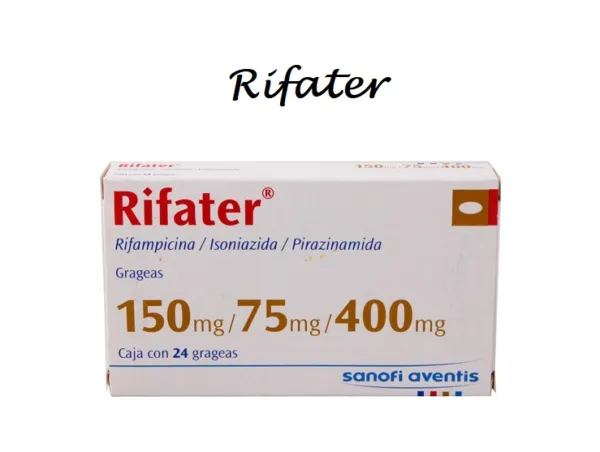
Table of Contents
Package leaflet: Information for the user
Rifater 50 mg/120 mg/300 mg film-coated tablets
isoniazid/rifampicin/pyrazinamide
Please read all of this leaflet carefully before you start taking this medicine because it contains important information for you.
- Keep this leaflet. You may need to read it again.
- If you have any questions, ask your doctor or pharmacist.
- This medicine has been prescribed for you only. Do not give it to other people, even if they have the same symptoms as yours, because it may be harmful.
- If you experience any side effect, including those not listed in this leaflet, talk to your doctor or pharmacist. See section 4.
Contents of this leaflet:
- What Rifater is and what it is used for
- What you need to know before taking Rifater
- How to take Rifater
- Possible side effects
- How to store Rifater
- Contents of the pack and other information
1. What Rifater is and what it is used for
Rifater is a medicine that contains three active substances: isoniazid, rifampicin and pyrazinamide.
These belong to a class of medicines called antibacterials, which work by suppressing the bacteria
that cause tuberculosis (an infectious disease) that usually affects the lungs.
Rifater is used in the initial treatment of pulmonary tuberculosis.
2. What you should know before using Rifater
Do not use Rifater
- if you are allergic to the active substances or to any of the other ingredients of this medicine (listed in section 6);
- if you have a disease causing yellowing of the skin or eyes (jaundice);
- if you are taking a medicine containing saquinavir and ritonavir used to treat HIV infection, the virus that causes AIDS (see section “Other medicines and Rifater”);
- if you are taking a medicine for schizophrenia and bipolar disorder called lurasidone (see section “Other medicines and Rifater”);
- if you have ever developed severe skin rashes, skin peeling, blisters and/or mouth ulcers after taking Rifater.
Warnings and precautions
Talk to your doctor or pharmacist before taking Rifater if:
- you have liver problems;
- you have severe kidney problems;
- you suffer or have suffered from gout (joint pain and swelling) or have elevated uric acid levels in the blood (hyperuricemia);
- you experience coughing up blood (haemoptysis);
- you suffer from diarrhoea;
- you regularly drink alcohol or have alcohol-related problems, if you inject drugs intravenously, if you are a black or Hispanic woman, as these conditions increase the likelihood of developing liver inflammation (hepatitis), which can sometimes be fatal. If you experience fatigue, weakness, malaise, loss of appetite (anorexia), nausea or vomiting, inform your doctor, as these may be symptoms of liver inflammation;
- you suffer from porphyria (a rare inherited blood metabolism disorder);
- you are malnourished, elderly or adolescent, or have diabetes or nerve diseases (neuropathies): your doctor may decide to administer vitamin B6 at the same time;
- you have bleeding problems or a tendency to bruise easily (as this medicine may cause blood clotting disorders);
- you are taking other antibiotics (as some of them may increase the risk of blood clotting disorders);
- you have a history of lung inflammation (interstitial lung disease/pneumonia).
If you are unsure whether any of these conditions apply to you, consult your doctor or pharmacist before taking Rifater.
If you experience itching, fatigue, weakness, malaise, loss of appetite, nausea, vomiting, abdominal pain, yellowing of the eyes or skin, or dark urine, contact your doctor immediately. These symptoms may be related to liver inflammation or serious liver problems (hepatitis or cholestasis).
This medicine may cause a drug reaction (DRESS syndrome) characterized by rash, fever, internal organ inflammation, hematological abnormalities, and systemic diseases.
If you develop any of these symptoms, stop taking the medicine and contact your doctor as soon as possible; your doctor will assess whether treatment should be discontinued.
Severe skin reactions, including Stevens-Johnson syndrome (SJS), toxic epidermal necrolysis (TEN), or generalized pustular rash with pustule and blister formation (acute generalized exanthematous pustulosis - AGEP), have been reported during treatment with Rifater. Discontinue this treatment and seek immediate medical attention if you notice any of the symptoms related to these severe skin reactions described in section 4.
If you notice any of the symptoms related to cerebellar syndrome described in section 4 - Possible side effects, consult your doctor or pharmacist. This syndrome has been mainly reported in patients with chronic kidney disease. Your doctor may reduce the dose or advise you to stop treatment.
If you develop new or sudden worsening of breathlessness, possibly with dry cough or fever unresponsive to antibiotic treatment, inform your doctor immediately. These may be symptoms of lung inflammation (interstitial lung disease/pneumonia) and may lead to serious breathing problems due to fluid accumulation in the lungs, interfering with normal respiration and potentially leading to life-threatening conditions.
If, while taking this medicine, tuberculosis symptoms return or worsen, inform your doctor immediately (see section 4. Possible side effects).
This medicine, when taken together with other medicines, may reduce their effectiveness. If you are taking Rifater, always inform your doctor before taking any other medicine (also see section “Other medicines and Rifater”).
This medicine may cause discoloration (yellow, orange, red, brown) of teeth, urine, sweat, sputum, and tears, and may permanently stain soft contact lenses.
Laboratory tests
Before taking this medicine, your doctor will prescribe blood tests.
During treatment, your doctor will examine you monthly. If you are over 35 years old, your doctor will prescribe specific blood tests every month to monitor liver function.
Children
This medicine is not suitable for use in children under 12 years of age.
Other medicines and Rifater
Inform your doctor or pharmacist if you are taking, have recently taken, or might take any other medicine.
The use of Rifater must be avoided when taking saquinavir/ritonavir (used to treat HIV infection), halothane (an anaesthetic), and daclatasvir, simeprevir, sofosbuvir, telaprevir (used to treat hepatitis C, a liver infection caused by a virus).
The use of Rifater must be avoided when taking lurasidone, a medicine for schizophrenia and bipolar disorder, as rifampicin may reduce lurasidone blood levels.
The use of Rifater together with other antibiotics causing blood clotting problems (such as cefazolin) may lead to severe, even fatal, blood clotting disorders, and therefore must be avoided. If this combination cannot be avoided, your doctor will perform clinical monitoring, including haemostasis monitoring.
In particular, inform your doctor if you are taking any of the following medicines, as dose adjustment may be necessary:
- medicines for seizures or epilepsy (e.g. phenytoin or carbamazepine);
- medicines for heart rhythm disorders (e.g. disopyramide, mexiletine, quinidine, propafenone, tocainide);
- medicines for treating certain cancers (e.g. tamoxifen, toremifene, irinotecan);
- medicines used to thin the blood (e.g. warfarin, clopidogrel);
- medicines for depression and other nervous system disorders (e.g. nortriptyline, haloperidol);
- antifungal medicines (e.g. caspofungin, fluconazole, itraconazole, ketoconazole);
- medicines for treating HIV infection (e.g. zidovudine, saquinavir, indinavir, efavirenz);
- medicines used to treat anxiety and sleep disorders (e.g. zopiclone, zolpidem, diazepam or barbiturates);
- medicines for high blood pressure or other heart diseases (e.g. enalapril, losartan, diltiazem, nifedipine, verapamil, cardiac glycosides and beta-blockers);
- antibiotics (e.g. fluoroquinolones such as telithromycin, quinine, dapsone, doxycycline, chloramphenicol, clarithromycin, para-aminosalicylic acid);
- anti-inflammatory medicines, such as cortisone;
- cholesterol-lowering medicines (e.g. clofibrate, statins);
- hormone-containing medicines (e.g. gestrinone, oral contraceptives such as estrogens and progestins);
- medicines to reduce the body's immune response (e.g. tacrolimus, ciclosporin);
- diabetes medicines (e.g. sulfonylureas, rosiglitazone);
- a thyroid medicine (levothyroxine);
- narcotics used to treat pain (e.g. oxycodone, morphine) or to treat drug addiction (e.g. methadone);
- medicines for parasitic infections (e.g. praziquantel, atovaquone);
- a medicine used in amyotrophic lateral sclerosis (riluzole);
- a medicine for nausea (ondansetron);
- a medicine for respiratory diseases (theophylline).
Pay special attention if you are taking:
- antacids: Rifater should be taken at least 1 hour before taking an antacid;
- oral contraceptives: to avoid unintended pregnancy, you must switch to a different type of contraception, using a reliable barrier method such as condoms or an intrauterine device (IUD), as Rifater reduces the effectiveness of oral contraceptives;
- dapsone (an antibiotic): when used with rifampicin, it may cause hematological toxicity, including bone marrow suppression and reduced red blood cells, and methemoglobinemia (reduced oxygen in the blood due to red blood cell abnormalities);
- paracetamol: when used with rifampicin, it may increase the risk of liver damage.
Inform your doctor or pharmacist if you are pregnant and planning or need to undergo termination of pregnancy using mifepristone.
Diagnostic tests
Rifater contains rifampicin, isoniazid, and pyrazinamide. This combination may increase the risk of liver problems; therefore, your doctor may prescribe periodic blood tests.
Rifater may interfere with certain diagnostic and laboratory tests. Inform your doctor if you need to undergo medical or laboratory tests, particularly:
- a test to measure vitamin B12 or folate levels in the blood;
- a gallbladder examination;
- a urine test to detect the presence of opiates.
Rifater with food, drinks, and alcohol
If you are taking Rifater, consuming the following foods and drinks may cause headache, sweating, hot flushes, palpitations, and low blood pressure:
- cheese;
- tuna or other tropical fish;
- red wine.
Therefore, it is recommended to avoid the above-mentioned foods during treatment with Rifater.
Pregnancy, breastfeeding, and fertility
If you are pregnant, suspect you may be pregnant, plan to become pregnant, or are breastfeeding, use this medicine only if your doctor considers it necessary and under their direct supervision.
Pregnancy
Rifampicin has been shown to be teratogenic (i.e. may cause fetal malformations) at high doses in rodent studies; it crosses the placenta and is present in umbilical cord blood, but its effect on the fetus is not fully known.
When rifampicin is administered during the last weeks of pregnancy, it may cause postnatal hemorrhage in both mother and newborn; therefore, its use must be carefully monitored by qualified healthcare personnel. Isoniazid has been shown to affect embryonic cardiac development in rats and rabbits when administered orally during pregnancy, although no congenital anomalies were observed in reproductive studies in mammals (mouse, rat, rabbit).
Breastfeeding
Rifampicin, isoniazid, and pyrazinamide pass into breast milk. Therefore, Rifater should only be used during breastfeeding if the potential benefit outweighs the risk to the newborn.
Driving and using machines
Rifater may cause certain side effects (e.g. dizziness and low blood pressure) that may impair your ability to concentrate and perform tasks requiring attention. If this occurs, avoid driving vehicles or operating machinery.
Rifater contains sucrose
If your doctor has diagnosed you with an intolerance to certain sugars, contact them before taking this medicine.
Rifater contains sodium
This medicine contains less than 1 mmol (23 mg) of sodium per tablet, i.e. essentially 'sodium-free'.
3. How to take Rifater
Take this medicine exactly as instructed by your doctor or pharmacist.
If you have any doubts, consult your doctor or pharmacist.
The recommended dose is:
Use in adults and elderly patients
From 3 to 6 tablets per day.
The number of tablets depends on your body weight and will be determined by your doctor.
Take all tablets at the same time, as a single daily dose.
The tablets must be taken one or two hours before meals.
At the beginning of treatment, your doctor may consider it necessary to administer other anti-tuberculosis medicines such as streptomycin or ethambutol.
Treatment may last from 2 to 6 months, during which your doctor may change the medication.
Use in children
This medicine MUST NOT be used in children under 12 years of age.
In children and adolescents above 12 years of age, the dose will be determined by the doctor.
If you take more Rifater than you should
If you take a dose of Rifater higher than prescribed, inform your doctor immediately or go to the nearest hospital. Take the medicine package with you so that the doctor knows what you have taken.
Some symptoms of overdose may include: nausea, vomiting, stomach pain, itching, headache, drowsiness, dizziness, difficulty speaking, blurred vision or hallucinations (seeing things that are not there), loss of consciousness (in case of severe liver disease). Other symptoms include: brownish-red or orange discoloration of the skin, urine, sweat, saliva, tears and faeces, the intensity of which is proportional to the dose taken, swelling of the face, eyes or eyelids, liver disorders, increased bilirubin and uric acid levels in the blood. Less commonly, you may experience: low blood pressure, rapid and/or irregular heartbeat, seizures and cardiac arrest.
In cases where the dose taken is very high compared to the prescribed dose, breathing difficulties and decreased activity of the central nervous system (which may include slowed breathing, difficulty speaking, slowed heartbeat, slowed reflexes, etc.) may occur, potentially leading to coma and severe, intractable seizures.
If you forget to take Rifater
Do not take a double dose to make up for the forgotten tablet.
If you stop taking Rifater
Do not stop treatment without consulting your doctor, as allergic reactions and anaphylactic shock (a severe allergic reaction causing breathing difficulties, swelling of the face and lips, tongue and other body parts) may occur if treatment is suddenly discontinued.
If you have any doubts about how to use this medicine, consult your doctor or pharmacist.
4. Possible side effects
Like all medicines, this medicine can cause side effects, although not everyone experiences them.
If you experience any of the following side effects, stop taking the medicine and
seek immediate medical help:
Frequency not known (frequency cannot be estimated from the available data): reddish, non-elevated spots, target-shaped or circular rashes on the trunk, often with central blisters, skin peeling, mouth ulcers, ulcers in the throat, nose, genitals, and eyes. These severe skin reactions may be preceded by fever and flu-like symptoms (Stevens-Johnson syndrome, toxic epidermal necrolysis):
- severe and widespread skin damage (separation of the epidermis and superficial mucous membranes) (toxic epidermal necrolysis - TEN);
- any skin changes (e.g. mouth, throat, nose, genital ulcers, widespread blisters and peeling), conjunctivitis (red and swollen eyes). These may be symptoms of a serious skin reaction called “Stevens-Johnson syndrome” - SJS;
- red, scaly rash with pustule and blister formation (acute generalized exanthematous pustulosis - AGEP);
- skin diseases, difficulty swallowing or breathing, shortness of breath, swelling of the lips, face, throat, or tongue. These may be symptoms of anaphylactic shock (severe allergic reaction);
- a drug reaction causing erythema, fever, internal organ inflammation, hematological abnormalities, and systemic illness (DRESS syndrome, may affect up to 1 in 1,000 people);
- inflammation of the pancreas, causing severe abdominal and back pain (pancreatitis, frequency not known);
- yellowing of the skin and whites of the eyes, dark urine, pale stools, fatigue, weakness, malaise, loss of appetite, nausea or vomiting due to liver problems (hepatitis, may affect up to 1 in 100 people);
- inflammation of small blood vessels in the skin causing a red-purple skin rash called “purpura”. The medicine may lead to a reduced number of certain blood cells called platelets (thrombocytopenia, may affect up to 1 in 10 people), which can result in abnormal blood accumulation under the skin. This condition usually improves upon discontinuation of treatment, but may worsen, leading to brain hemorrhage and death if treatment is not stopped or is restarted after the onset of this “purpura”.
The following side effects have also been reported with the use of this medicine:
Very common side effects (may affect more than 1 in 10 people)
- fever, chills.
Common side effects (may affect up to 1 in 10 people)
- headache, dizziness;
- nausea, vomiting;
- increased bilirubin in the blood (hyperbilirubinemia);
- abnormal results in liver function tests (increased aspartate aminotransferase; increased alanine aminotransferase);
- paradoxical drug reaction: during treatment, after initial improvement, symptoms of tuberculosis may reappear or new symptoms may occur. Paradoxical reactions have been reported as early as 2 weeks and up to 18 months after starting anti-tuberculosis treatment. These reactions are typically associated with fever, enlarged lymph nodes (lymphadenitis), shortness of breath, and cough. Patients experiencing a paradoxical drug reaction may also develop headache, loss of appetite, and weight loss.
Uncommon side effects (may affect up to 1 in 100 people)
- changes in blood cells (leukopenia);
- diarrhea;
Side effects with frequency not known (frequency cannot be estimated from the available data):
- a painful inflammatory condition of the colon (last part of the intestine) characterized by cramps, persistent diarrhea, weakness, and fever (pseudomembranous colitis);
- changes in blood cells (agranulocytosis, eosinophilia, anemia);
- blood clotting disorders (vitamin K-dependent);
- bleeding;
- allergic reactions;
- breast enlargement in men (gynecomastia);
- a disease called “pellagra” characterized by gastrointestinal disturbances (e.g. diarrhea), neurological and mental disorders (e.g. mental confusion, insomnia, nervousness, psychomotor slowing, apathy, depression, dementia, delirium), and skin lesions (e.g. scaly skin);
- a disease characterized by joint inflammation that may become swollen, tender, and very painful due to accumulation of uric acid crystals (gout);
- inflammation of nerves (polyneuritis) which may cause tingling in limbs, muscle weakness, loss of tendon reflexes, etc.;
- yellowing of the skin or eyes (jaundice) and liver inflammation (hepatitis), severe and sometimes fatal;
- alteration of bile flow (cholestasis);
- decreased appetite (anorexia);
- stomach and intestinal disturbances, abdominal discomfort;
- inflammation of the pancreas (pancreatitis);
- worsening of peptic ulcer (lesion affecting the stomach);
- redness and other skin disorders, itching, hives, acne;
- severe and widespread skin redness with peeling (exfoliative dermatitis);
- a rare disease affecting the skin and mucous membranes characterized by blister formation (pemphigus);
- a chronic disease that may affect various organs of the body (systemic lupus erythematosus-like syndrome);
- muscle weakness, diseases affecting muscles (myopathies), and joint pain (arthralgia);
- difficulty urinating (dysuria);
- bleeding after childbirth (in mother and fetus);
- menstrual cycle disorders;
- fluid retention leading to swelling in certain body areas (edema);
- malaise and fever;
- hot flushes;
- inflammation of blood vessels causing skin disorders, weakness, fever, joint and muscle pain (vasculitis);
- change in the color of tears, sputum, sweat, or urine;
- change in tooth color (which may be permanent);
- porphyria attacks in patients who already suffer from this condition (a rare inherited blood metabolism disorder);
- abnormal liver function test results (increased liver enzymes, increased alkaline phosphatase);
- increased blood creatinine levels (creatinine indicates kidney function);
- flu-like symptoms with bone pain and general malaise;
- breathing difficulties (dyspnea) and wheezing;
- low blood pressure;
- low blood pressure leading to impaired consciousness and other mental functions (shock);
- acute kidney injury due to onset of kidney diseases (e.g. renal tubular necrosis or tubulo-interstitial nephritis);
- a serious illness characterized by widespread blood clot formation (disseminated intravascular coagulation);
- seizures;
- a condition characterized by mental confusion, altered consciousness level, and coma due to accumulation of toxic substances (toxic encephalopathy);
- nerve inflammation (neuritis) that may affect the eye, causing visual blurring and reduced visual field (optic atrophy);
- memory disturbances;
- mental disorders;
- poor coordination of movements, imbalance, changes in speech, involuntary eye movements (cerebellar syndrome);
- altered adrenal function in patients who already have adrenal problems;
- rapid swelling of the skin and mucous membranes, especially of the face and throat (angioedema);
- lung inflammation (interstitial lung disease/pneumonitis): inform your doctor immediately if you develop new or sudden worsening of breathlessness, possibly with cough or fever;
- increased sensitivity of the skin to sunlight and ultraviolet rays (photosensitivity);
- hair loss.
Reporting of side effects
If you experience any side effect, including those not listed in this leaflet, consult your doctor or pharmacist. You may also report side effects directly via the website
https://www.aifa.gov.it/content/segnalazioni-reazioni-avverse.
By reporting side effects, you can help provide more information on the safety of this medicine.
5. How to store Rifater
Do not store above 25°C.
Keep this medicine out of the sight and reach of children.
Do not use this medicine after the expiry date stated on the carton and blister after "Exp.". The expiry date refers to the last day of that month.
Do not dispose of any medicine via wastewater or household waste. Ask your pharmacist how to dispose of medicines you no longer use. This will help protect the environment.
6. Package contents and other information
What Rifater contains
- The active substances are isoniazid, rifampicin and pyrazinamide. One tablet contains 50 mg of isoniazid, 120 mg of rifampicin and 300 mg of pyrazinamide.
- The other components are: low-substituted carboxymethylcellulose sodium, sodium lauryl sulfate, calcium stearate, sucrose, acacia gum, talc, magnesium carbonate, kaolin, titanium dioxide, povidone, anhydrous colloidal silica, hydrated aluminum oxide, iron oxide, carnauba wax, white wax, rosin, solid paraffin.
What Rifater looks like and contents of the pack
Rifater 50 mg/120 mg/300 mg film-coated tablets are supplied in a box containing 40 tablets
or in a box containing 100 tablets.
Marketing Authorization Holder and Manufacturer
Sanofi S.r.l. – Viale L. Bodio, 37/B – 20158 Milan
Manufacturer
Sanofi S.r.l. - Via Valcanello, 4 – 03012 Anagni (FR) - Italy