Furosemide Teva Generics
Italy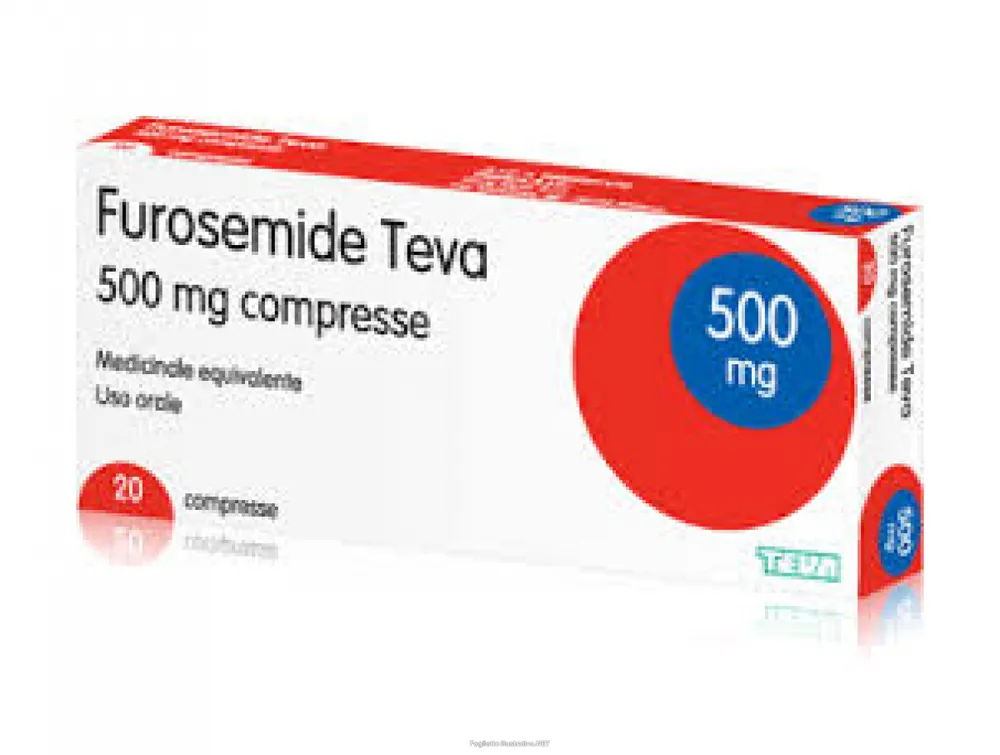
Table of Contents
- Package leaflet: Information for the patient
- Furosemide Teva Generics 25 mg tablets
- 1. What FUROSEMIDE TEVA GENERICS is and what it is used for
- 2. What you need to know before taking FUROSEMIDE TEVA GENERICS
- 3. How to take FUROSEMIDE TEVA GENERICS
- 4. Possible side effects
- 5. How to store Furosemide Teva Generics
- 6. Package contents and other information
Package leaflet: Information for the patient
Furosemide Teva Generics 25 mg tablets
Equivalent medicine
Please read this leaflet carefully before taking this medicine because it contains important information for you.
- Keep this leaflet. You may need to read it again.
- If you have any questions, ask your doctor, pharmacist, or nurse.
- This medicine has been prescribed for you only. Do not give it to other people, even if their symptoms are the same as yours, as it may be harmful.
- If you experience any side effects, including those not listed in this leaflet, tell your doctor, pharmacist, or nurse. See section 4.
Contents of this leaflet
- What FUROSEMIDE TEVA GENERICS is and what it is used for
- What you need to know before taking FUROSEMIDE TEVA GENERICS
- How to take FUROSEMIDE TEVA GENERICS
- Possible side effects
- How to store FUROSEMIDE TEVA GENERICS
- Contents of the pack and other information
1. What FUROSEMIDE TEVA GENERICS is and what it is used for
FUROSEMIDE TEVA GENERICS contains the active substance furosemide, which belongs to a class of medicines called diuretics, helping to produce more urine and thereby relieving symptoms caused by excessive fluid accumulation in the body.
FUROSEMIDE TEVA GENERICS is indicated for the treatment of oedema caused by heart or kidney diseases (in nephrotic syndrome, also in combination with ACTH or corticosteroids); ascites (fluid accumulation in the abdomen) due to liver cirrhosis, mechanical obstruction, or cardiac failure; peripheral oedema (for example, in the ankles and legs); and mild to moderate high blood pressure.
If you do not feel better or feel worse, speak to your doctor.
2. What you need to know before taking FUROSEMIDE TEVA GENERICS
Do not take FUROSEMIDE TEVA GENERICS
- if you are allergic to furosemide or to any of the other ingredients of this medicine (listed in section 6). If you are allergic to sulfonamides (e.g. sulfonamide antibiotics or sulfonylureas, medicines used in diabetes), you may experience cross-sensitivity to furosemide;
- if you are dehydrated or have hypovolemia (reduced blood volume);
- if you have severe low blood pressure;
- if you are not passing urine or your urine output is significantly reduced (renal failure with oliguria or anuria) and does not respond to treatment with medicines containing furosemide;
- if you have hypokalaemia (low potassium levels in the blood);
- if you have hyponatraemia (low sodium levels in the blood);
- if your body is unable to produce adequate amounts of adrenal hormones (Addison's disease);
- in pre-coma or coma states associated with hepatic encephalopathy (a brain disorder due to liver problems);
- in case of digitalis overdose (a medicine used in certain heart conditions);
- if you are pregnant, confirmed or suspected, or if you are breastfeeding (see section “Pregnancy and breastfeeding”).
Warnings and precautions
Talk to your doctor or pharmacist before taking FUROSEMIDE TEVA GENERICS:
if you are elderly, if you are taking other medicines that may lower your blood pressure, or if you suffer from other diseases that increase the risk of low blood pressure.
It is necessary to ensure free urine flow.
If you have partial obstruction of urine flow (e.g. if your bladder emptying is impaired, if you suffer from prostate tumour or conditions causing urethral narrowing), this requires particularly close monitoring, especially during the initial stages of treatment.
Treatment with FUROSEMIDE TEVA GENERICS requires regular medical check-ups.
In particular, careful monitoring is required in the following cases:
- if you suffer from low blood pressure (hypotension) or high blood pressure (hypertension);
- if you are particularly at risk of excessive drop in blood pressure, e.g. if you have significant blockages in the coronary arteries (heart vessels) or blood vessels supplying the brain;
- if you suffer from latent (not yet symptomatic) or overt diabetes mellitus;
- if you suffer from gout;
- if you have severe liver or kidney problems (hepatorenal syndrome);
- if you have hypoproteinaemia (low protein levels in the blood), e.g. associated with nephrotic syndrome, a kidney disease (the effect of furosemide may be weakened and its ototoxicity enhanced). Particular caution is required in determining the dosage;
- in case of premature infants (due to possible development of nephrocalcinosis/nephrolithiasis, calcium precipitation leading to kidney stone formation); renal ultrasound and monitoring of kidney function are required;
- if you have an adrenal gland disorder (see section 2 “Do not take FUROSEMIDE TEVA GENERICS”);
- if you are taking antipsychotics (e.g. risperidone).
Generally, during treatment with furosemide, regular monitoring of sodium, potassium and creatinine levels (a test of kidney function) is recommended; in particular, strict monitoring is required if you are at high risk of electrolyte imbalance (of salts) or when further significant fluid loss occurs (e.g. due to vomiting, diarrhoea or excessive sweating).
Although the use of FUROSEMIDE TEVA GENERICS only rarely leads to decreased potassium levels, a potassium-rich diet (potatoes, bananas, oranges, tomatoes, spinach and dried fruit) is recommended. Sometimes pharmacological correction may also be necessary.
Particular conditions predisposing to potassium deficiency such as liver cirrhosis, chronic diarrhoea, prolonged use of laxatives, potassium-poor diet, or concomitant use of mineralocorticoids (hormones regulating water-salt balance) require appropriate monitoring and supplementation.
Reduction in blood volume, dehydration and any significant alteration in salt balance and blood acidity must be corrected. This may require temporary discontinuation of furosemide administration.
Regular monitoring of blood glucose (blood sugar), glycosuria (sugar in urine) and, where necessary, uric acid metabolism (a substance produced from protein metabolism and elevated in gout) is also advisable.
If you suffer from a chronic autoimmune disease that can affect various organs and tissues called systemic lupus erythematosus, taking this medicine could worsen your condition. The use of this medicine may also trigger the onset of this disease in individuals in whom it has not yet been diagnosed (see section 4 “Possible side effects”).
Use this medicine under direct medical supervision.
Other medicines and FUROSEMIDE TEVA GENERICS
Inform your doctor or pharmacist if you are taking, have recently taken or might take any other medicines.
Particular attention is required if you take FUROSEMIDE TEVA GENERICS with:
- Chloral hydrate (a sedative): in isolated cases, intravenous administration of furosemide within 24 hours of taking chloral hydrate may cause skin flushing, sudden sweating, agitation, nausea, increased blood pressure and increased heart rate (tachycardia). Therefore, simultaneous administration of furosemide and chloral hydrate is not recommended.
- Aminoglycosides (a class of antibiotics) and other ototoxic medicines: furosemide may enhance the ototoxicity of aminoglycosides and other ototoxic medicines. Since this may lead to irreversible damage, these medicines should only be used in combination with furosemide when there is a clear clinical need.
- Cisplatin (an anticancer medicine): concurrent administration of furosemide and cisplatin carries a risk of ototoxic effects. In addition, the nephrotoxicity of cisplatin may be enhanced if furosemide is not administered in small doses (e.g. 40 mg in patients with normal kidney function) and in the presence of positive fluid balance, when furosemide is used to achieve forced diuresis during cisplatin treatment.
- Sucralfate (an anti-ulcer medicine): oral administration of furosemide should be separated from sucralfate by at least 2 hours, as sucralfate reduces intestinal absorption of furosemide, thereby reducing its effect.
- Lithium salts (used in the treatment of bipolar disorder): furosemide reduces the elimination of lithium salts and may increase their blood concentration and associated toxicity, thereby increasing the risk of adverse effects on the heart or nervous system. Therefore, careful monitoring of lithium levels is recommended if both medicines are administered simultaneously.
- ACE inhibitors (used to treat high blood pressure): if you are on diuretic therapy, you may experience a severe drop in blood pressure and impaired kidney function upon first administration of an ACE inhibitor, an angiotensin II receptor antagonist, or when increasing the dose of these medicines (“first-dose hypotension”). Therefore, consider temporarily stopping furosemide administration or at least reducing its dose 3 days before starting treatment with an ACE inhibitor, an angiotensin II receptor antagonist, or before increasing the dose of these medicines.
- Risperidone (an antipsychotic medicine used to treat mental disorders): caution should be exercised, considering the risks and benefits of combining furosemide with this medicine.
- Levothyroxine (used to stimulate the thyroid gland): high doses of furosemide may inhibit the binding of thyroid hormones to blood proteins. Thyroid hormone levels should be monitored.
- Non-steroidal anti-inflammatory drugs, including acetylsalicylic acid: concurrent administration of non-steroidal anti-inflammatory drugs, including acetylsalicylic acid, may reduce the effect of furosemide. If you are dehydrated or have reduced blood volume, non-steroidal anti-inflammatory drugs may induce acute kidney failure. Furosemide may exacerbate salicylate toxicity.
- Phenytoin (an antiepileptic drug): reduced effect of furosemide may occur with concomitant administration of phenytoin.
- Antibiotics with nephrotoxic potential: harmful effects of nephrotoxic antibiotics may be increased.
- Corticosteroids (cortisone and similar), carbenoxolone (an anti-ulcer medicine), high doses of liquorice and prolonged use of laxatives: administration of corticosteroids, carbenoxolone and high doses of liquorice, as well as prolonged use of laxatives, may increase the risk of low potassium levels in the blood.
- Certain electrolyte imbalances (e.g. low potassium and magnesium) may increase the toxicity of certain medicines (e.g. digitalis preparations, used in certain heart conditions, and medicines that induce long QT syndrome, an alteration of the electrocardiogram).
- Antihypertensive medicines (used to treat high blood pressure): when furosemide and antihypertensive medicines or other potentially antihypertensive drugs are administered together, a more pronounced drop in blood pressure may be expected.
- Probenecid (used in the treatment of gout, an inflammatory joint disease), methotrexate (an immunosuppressant) and other medicines that, like furosemide, are primarily eliminated via the kidneys, may reduce the effect of furosemide. Conversely, furosemide may reduce the renal elimination of these substances. In case of treatment with high doses (both of furosemide and other medicines), increased blood concentrations of either substance may occur. Consequently, the risk of adverse effects due to furosemide or concomitant therapies increases.
- Antidiabetic medicines and sympathomimetics: the effects of antidiabetic medicines and sympathomimetics (e.g. adrenaline, noradrenaline) may be reduced.
- Curare-like muscle relaxants or theophylline (used in asthma): the effects of curare-like muscle relaxants (tubocurarine) or theophylline may be enhanced.
- Cephalosporins (an antibiotic): in patients receiving concomitant treatment with furosemide and high doses of certain cephalosporins, impaired kidney function may develop.
- Cyclosporine A (used to prevent organ transplant rejection): concomitant use with furosemide is associated with an increased risk of gouty arthritis due to hyperuricaemia.
- Contrast media (substances used in certain radiological examinations): furosemide may increase the kidney-damaging effects of these substances.
- Aliskiren (used to treat high blood pressure): may reduce blood concentrations of orally administered furosemide.
FUROSEMIDE TEVA GENERICS with food
It is recommended to take the medicine on an empty stomach.
Pregnancy and breastfeeding
If you are pregnant, suspect you may be pregnant, plan to become pregnant, or are breastfeeding, consult your doctor or pharmacist before taking this medicine.
Pregnancy
If you are pregnant, suspected or confirmed, you must not take FUROSEMIDE TEVA GENERICS (see section “Do not take FUROSEMIDE TEVA GENERICS”).
Breastfeeding
If you are breastfeeding, you must not take FUROSEMIDE TEVA GENERICS, as furosemide passes into breast milk and may suppress lactation; therefore, breastfeeding must be discontinued during treatment with furosemide.
Driving and using machines
Some side effects (e.g. unexpected and severe drop in blood pressure) may impair your ability to concentrate and react and therefore may represent a risk in situations where these abilities are particularly important (e.g. driving vehicles or operating machinery).
FUROSEMIDE TEVA GENERICS contains lactose
If your doctor has diagnosed you with an intolerance to certain sugars, contact him before taking this medicine.
For athletes: using the medicine without therapeutic need constitutes doping and may lead to a positive anti-doping test.
3. How to take FUROSEMIDE TEVA GENERICS
Take this medicine exactly as directed by your doctor or pharmacist. If you have any doubts, consult your doctor or pharmacist.
For the treatment of oedema, in most cases the recommended dose is 1–3 tablets of 25 mg taken at once, preferably in the morning or at the most suitable time when you wish to achieve the desired effect. Depending on the response obtained, the same dose may be repeated after 4 hours.
If the saluretic effect (elimination of salts and, consequently, fluids through urine) is not sufficient, your doctor may advise increasing the dose by 1–2 tablets every 4 hours until the desired diuretic effect is achieved.
For the treatment of high blood pressure, 1–3 tablets distributed over 24 hours may be sufficient.
When used in combination with medicines that lower blood pressure, your doctor will carefully determine the dose of furosemide based on your health status to avoid excessive lowering of blood pressure, and will decide whether to recommend potassium supplementation.
Patients with kidney or liver problems
If you have kidney disease (low glomerular filtration rate) or liver disease (hepatic cirrhosis), or impaired function of both kidneys and liver, your doctor may adjust the dose.
Method of administration
FUROSEMIDE TEVA GENERICS should be taken on an empty stomach (see “FUROSEMIDE TEVA GENERICS with food”).
If you take more FUROSEMIDE TEVA GENERICS than you should
If you take more than the prescribed dose, contact your doctor immediately or go to the nearest hospital. Symptoms of overdose include: severe drop in blood pressure (up to shock), acute renal failure, thrombosis (blood clot formation), delirium, flaccid paralysis (muscle paralysis with reduced muscle tone), apathy, and confusion. These symptoms are primarily due to the extent and consequences of fluid and electrolyte loss, such as reduced blood volume, dehydration, blood concentration, and cardiac arrhythmias (including A-V block and ventricular fibrillation).
If you have just taken an excessive dose, your doctor will limit absorption by measures such as gastric lavage or administration of activated charcoal, monitor your clinical condition, and provide appropriate therapeutic interventions.
If you have difficulty urinating, for example due to prostate enlargement or unconsciousness, it is necessary to ensure free urinary flow.
If you forget to take FUROSEMIDE TEVA GENERICS
Do not take a double dose to make up for the forgotten dose.
If you stop taking FUROSEMIDE TEVA GENERICS
If you have any questions about using this medicine, consult your doctor or pharmacist. Seek medical advice if you intend to stop treatment.
4. Possible side effects
Like all medicines, this medicine can cause side effects, although not everybody gets them.
Stop taking this medicine and contact your doctor or nurse immediately if you experience any of the following symptoms:
difficulty breathing or swallowing, swelling of the face, eyes, lips and/or tongue, skin irritation;
these may be symptoms of a severe allergic reaction (anaphylactic shock), which is rare.
Side effects may include:
Very common (may affect more than 1 in 10 people)
- Electrolyte disturbances (alteration of the balance of salts in the blood);
- dehydration;
- reduction in blood volume (hypovolemia), especially in elderly patients;
- low blood pressure (hypotension);
- drop in blood pressure when moving from sitting to standing (orthostatic hypotension);
- increased levels in certain blood tests (creatinine and triglycerides).
Common (may affect up to 1 in 10 people)
- Increased concentration of blood due to excessive fluid loss (haemoconcentration);
- decreased levels of sodium, chloride and potassium in the blood (hyponatraemia, hypochloraemia, hypokalaemia);
- increased cholesterol in the blood (hypercholesterolaemia);
- increased uric acid in the blood (hyperuricaemia);
- gout (joint inflammation causing pain and swelling);
- brain disturbances as a consequence of liver problems (hepatic encephalopathy);
- production of large amounts of urine (polyuria).
Uncommon (may affect up to 1 in 100 people)
- Reduced number of blood cells called platelets (thrombocytopenia);
- decreased blood proteins (hypoproteinaemia);
- cramps, muscle spasms, involuntary muscle contractions and tremors (symptoms of a condition known as tetany);
- diabetes and worsening of pre-existing diabetes (impaired glucose tolerance, clinical manifestation of latent diabetes mellitus);
- confusion;
- drowsiness;
- headache;
- vision disturbances;
- hearing disorders, usually temporary, especially in patients with renal impairment;
- hearing loss (deafness), sometimes irreversible;
- dizziness;
- dry mouth;
- nausea;
- intestinal motility disorders;
- itching, hives, skin irritation, blister formation on the skin and mucous membranes (symptoms of skin diseases such as bullous dermatitis, exfoliative dermatitis, erythema multiforme or pemphigoid);
- appearance of small red or purple spots widespread on the skin, with or without joint and muscle pain, weakness and fever (may indicate inflammation of blood vessel walls, known as purpura);
- allergic reaction to sunlight, manifesting as skin irritation with itching (photosensitivity reaction);
- disturbances in heart rhythm (cardiac arrhythmias);
- sudden, severe muscle pain caused by involuntary contraction of one or more muscles (muscle cramps or spasms);
- muscle weakness (myasthenia);
- fatigue.
Rare (may affect up to 1 in 1,000 people)
- Reduced white blood cells in the blood (leucopenia);
- increased white blood cells in the blood (eosinophilia);
- severe allergic reaction (anaphylactic shock);
- altered sensation in limbs or other body parts (paraesthesia);
- inflammation of blood vessels (vasculitis);
- vomiting and diarrhoea;
- kidney disease known as tubulo-interstitial nephritis;
- fever.
Very rare (may affect up to 1 in 10,000 people)
- Inadequate production in the bone marrow of all types of blood cells (aplastic anaemia);
- severe reduction in white blood cells called granulocytes (agranulocytosis);
- excessive reduction in haemoglobin concentration in the blood due to abnormal destruction of red blood cells (haemolytic anaemia);
- ringing in the ears (tinnitus);
- severe inflammation of the pancreas (acute pancreatitis);
- impairment of normal bile flow (cholestasis);
- increased levels of certain liver enzymes in the blood (transaminases).
Not known (frequency cannot be estimated from available data)
- Decreased calcium levels in the blood (hypocalcaemia);
- decreased magnesium levels in the blood (hypomagnesaemia);
- alteration of blood acidity (metabolic alkalosis);
- pseudo-Bartter syndrome (a rare kidney disorder) in case of abuse or prolonged use of furosemide;
- dizziness, fainting and loss of consciousness (due to symptomatic hypotension or other causes);
- attention disturbances;
- difficulty standing (abnormal coordination);
- formation of blood clots within blood vessels (thrombosis);
- skin disorders such as hives, red papules or widespread blisters and peeling, particularly on legs, arms, hands and feet, which may extend to the face and lips, occasionally accompanied by fever. These may be symptoms of serious skin diseases such as Stevens-Johnson syndrome, toxic epidermal necrolysis (TEN), acute generalised exanthematous pustulosis (AGEP), or drug reaction with eosinophilia and systemic symptoms (DRESS syndrome);
- lichenoid reactions, characterised by small itchy, reddish-purple, polygonal lesions on the skin, genitals or in the mouth;
- severe damage to skeletal muscle and release into the blood of substances contained in muscle (rhabdomyolysis), usually in the context of severe potassium deficiency in the blood;
- onset or worsening of a chronic autoimmune disease that can affect various organs and tissues of the body, called systemic lupus erythematosus;
- difficulty emptying the bladder (urinary retention, in patients with prostatic hypertrophy, urethral stenosis or other bladder emptying difficulties);
- alteration in kidney function (renal impairment);
- physical exhaustion (asthenia);
- increased sensation of thirst;
- increased urea in the blood;
- increased sodium in the urine;
- increased chloride in the urine.
Additional side effects in children
In premature infants, furosemide may worsen nephrocalcinosis/nephrolithiasis (calcium precipitation in the kidney, leading to stone formation). Therefore, if administered to premature infants during the first weeks of life, it may increase the risk of delayed closure of the ductus arteriosus (a blood vessel in the heart that normally closes at birth).
Reporting of side effects
If you experience any side effect, including those not listed in this leaflet, please inform your doctor, pharmacist or nurse. You can also report side effects directly via the national reporting system at www.aifa.gov.it/content/segnalazioni-reazioni-avverse. By reporting side effects, you can help provide more information on the safety of this medicine.
5. How to store Furosemide Teva Generics
Keep this medicine out of the sight and reach of children.
Do not use this medicine after the expiry date stated on the packaging after "Exp.". The expiry date refers to the last day of that month. The shelf life applies to the product in its original, unopened packaging, stored correctly.
Store in the original packaging to protect the medicine from light.
Do not dispose of medicines via wastewater or household waste. Ask your pharmacist how to dispose of medicines no longer in use. This will help protect the environment.
6. Package contents and other information
What FUROSEMIDE TEVA GENERICS contains
- The active substance is furosemide. One tablet contains 25 mg of furosemide.
- The other components are: lactose, maize starch, talc, anhydrous colloidal silica and magnesium stearate.
Description of the appearance of FUROSEMIDE TEVA GENERICS and contents of the pack
Tablets.
Box containing 30 tablets.
Marketing Authorization Holder and Manufacturer
Marketing Authorization Holder
Teva Italia S.r.l. - Piazzale Luigi Cadorna, 4 - 20123 Milan
Manufacturer
Lachifarma S.p.A. Laboratorio Chimico Farmaceutico Salentino - S.S. 16 Zona Industriale - 73010 Zollino (LE)