Clarithromycin Eurogenerici
Italy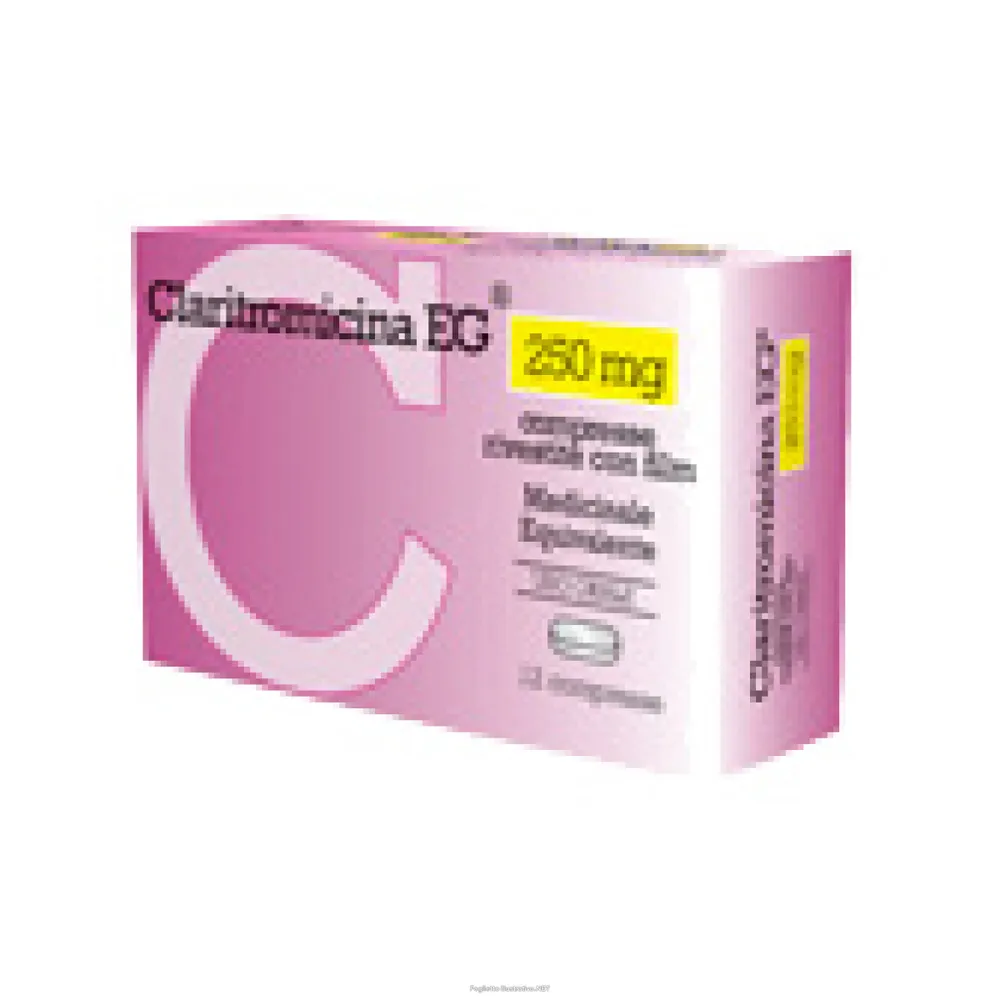
Table of Contents
Do not take CLARITROMYCIN EUROGENERICI
- If you are allergic to clarithromycin or to any of the other components of this medicine (listed in section 6) or to other macrolide antibiotics such as erythromycin or azithromycin.
- If you are taking ergotamine or dihydroergotamine tablets or using ergotamine inhalers for the treatment of migraine.
- If you are taking terfenadine or astemizole (commonly prescribed to treat hay fever or allergies) or cisapride (used to treat heartburn) or pimozide tablets (for the treatment of conditions affecting thought, emotions, and behavior). Taking these medicines may sometimes cause serious disturbances in heart rhythm. Consult your doctor for advice on alternative medicines.
- If you are taking other medicines known to cause serious disturbances in heart rhythm.
- If you are taking colchicine (usually taken for the treatment of gout) due to possible serious side effects.
- If you are taking ticagrelor (a medicine that prevents blood clotting).
- If you are taking ranolazine (a medicine used to treat angina pectoris).
- If you are taking lovastatin or simvastatin (certain medicines to lower cholesterol).
- If you have severe kidney problems, consult your doctor before taking this medicine. Your doctor may prescribe clarithromycin in a different formulation.
- If you have heart problems, consult your doctor before taking this medicine.
- If you or someone in your family has a history of heart rhythm disorders (ventricular arrhythmia, including torsades de pointes) or an electrocardiogram (ECG, a graphical recording of the heart's electrical activity) abnormality called "long QT syndrome".
- If you suffer from severe liver problems.
- If you suffer from very low levels of potassium in the blood (hypokalemia).
CLARITROMYCIN EUROGENERICI tablets are not suitable for children under 12 years of age.
Warnings and precautions
Talk to your doctor or pharmacist before taking Clarithromycin Eurogenerici, particularly
- if you suffer from heart, liver, or kidney disease;
- if you have previously used clarithromycin on certain occasions or for a long period of time;
- if you develop severe or persistent diarrhea (pseudomembranous colitis) during or after taking CLARITROMYCIN EUROGENERICI, consult your doctor immediately. Inflammation of the colon (pseudomembranous colitis) has been reported with almost all antibacterial agents, including clarithromycin;
- if you are allergic to lincomycin and clindamycin;
- if your blood potassium levels have previously been low;
- if you suffer from very low levels of magnesium in the blood (hypomagnesemia), consult your doctor before taking these tablets. A blood test performed during treatment with CLARITROMYCIN EUROGENERICI may show elevated liver enzymes. Usually these levels return to normal and symptoms are unlikely to occur. However, rarely jaundice and other liver disorders may occur, which can be serious or even fatal in extremely rare cases. If you feel generally unwell or if your skin and/or eyes turn yellow, consult your doctor immediately. Kidney problems have also been reported, including increased levels of proteins commonly excreted by the kidneys, and rarely kidney failure. A blood test may occasionally show a decrease in white blood cell levels.
Other medicines and Clarithromycin Eurogenerici
Tell your doctor or pharmacist if you are taking, have recently taken, or might take any other medicine.
You must not take Clarithromycin Eurogenerici if you are taking any of the medicines listed in the section "Do not take Clarithromycin Eurogenerici" above.
Inform your doctor if you are taking any of the following medicines, as your dose may need to be adjusted or you may need regular monitoring:
- insulin or other antidiabetic medicines (such as tolbutamide, gliclazide, glyburide, nateglinide, repaglinide);
- digoxin, quinidine, or disopyramide (heart medicines);
- warfarin (a medicine to thin the blood);
- atorvastatin, rosuvastatin (HMG-CoA reductase inhibitors, commonly known as statins, used to lower cholesterol levels (a type of fat) in the blood);
- carbamazepine, valproate, phenytoin, or phenobarbital (medicines for the treatment of epilepsy);
- theophylline (helps breathing);
- triazolam, alprazolam, or midazolam (sedatives);
- omeprazole, aprepitant (for gastrointestinal disorders);
- zidovudine, efavirenz, nevirapine, ritonavir, atazanavir, saquinavir, etravirine (antiviral medicines used to treat HIV);
- rifabutin (an antibiotic effective against certain infections);
- rifampicin, rifapentine (for tuberculosis);
- beta-lactam antibiotics;
- streptomycin or gentamicin (aminoglycoside antibiotics);
- itraconazole, fluconazole (antifungal medicines);
- sildenafil, tadalafil, or vardenafil (for the treatment of erectile dysfunction);
- tolterodine (for the treatment of symptoms of overactive bladder syndrome);
- methylprednisolone (a corticosteroid used to treat inflammation);
- vinblastine (a chemotherapeutic agent used to treat cancer);
- ziprasidone or quetiapine (antipsychotics);
- eletriptan (for the treatment of migraine);
- halofantrine (used to treat malaria);
- cilostazol (to improve circulation in the legs);
- tacrolimus, sirolimus, or cyclosporine (after organ transplantation);
- St. John’s wort (herbal product used to treat depression);
- verapamil, amlodipine, diltiazem (for the treatment of high blood pressure and irregular heartbeat).
Pregnancy and breastfeeding
If you are pregnant, think you may be pregnant, are planning to become pregnant, or are breastfeeding, ask your doctor or pharmacist for advice before taking this medicine.
Do not take CLARITROMYCIN EUROGENERICI if you are pregnant or breastfeeding, as the safety profile of CLARITROMYCIN EUROGENERICI during pregnancy and breastfeeding is not known.
Driving and using machines
Do not drive and do not operate machinery if you feel drowsy, dizzy, or confused during treatment with this medicine.
CLARITROMYCIN EUROGENERICI contains lactose
If your doctor has diagnosed you with an intolerance to certain sugars, contact him before taking this medicine.
3. How to take Clarithromycin Eurogenerici
Take this medicine exactly as prescribed by your doctor. If you are unsure, consult your doctor or pharmacist.
Your doctor will tell you how and for how long to take CLARITROMYCIN EUROGENERICI.
Adults and use in children (from 12 years of age onwards)
The usual recommended dose of CLARITROMYCIN EUROGENERICI in adults and children (from 12 years of age onwards) is one 500 mg tablet per day.
Your doctor may increase the dose to two 500 mg extended-release tablets in case of severe infections.
Try to take both tablets at the same time.
Use in children under 12 years of age
These tablets are not suitable for children under 12 years of age, for whom liquid formulations are generally preferred. Your doctor will prescribe a more suitable formulation for your child.
Like all medicines, this medicine can cause side effects, although not everybody gets them.
CLARITROMYCIN EUROGENERICI is generally well tolerated and the side effects listed below observed in patients treated with clarithromycin are mainly mild to moderate in severity. In most cases, they are gastrointestinal disorders (nausea, diarrhea, abdominal pain, vomiting).
If any of the following conditions occur, stop taking CLARITROMYCIN EUROGENERICI and contact your doctor immediately or go to the nearest emergency room.
- Severe abdominal and back pain due to inflammation of the pancreas.
- Severe diarrhea with blood in the stool during or after treatment with CLARITROMYCIN EUROGENERICI. Diarrhea may occur more than two months after completion of treatment with CLARITROMYCIN EUROGENERICI.
- Dark urine, pale stools, yellowing of the skin and/or eyes (jaundice), nausea, fever.
- During treatment with clarithromycin, allergic reactions with skin rashes have been reported. In very rare cases, breathing difficulties, fainting, and swelling of the face and throat may occur, which could require emergency treatment. The severity of allergic skin rashes can range from mild itchy rashes to a rarer and more serious condition known as Stevens-Johnson syndrome (which can cause mouth, lip, and skin ulcers) or toxic epidermal necrolysis (which causes a serious illness and skin peeling).
- Contact your doctor immediately if you notice a severe skin reaction: red, scaly rash with pustules and blisters (exanthematous pustulosis). The frequency of this reaction is unknown (cannot be estimated from the available data).
In the unlikely event that the infection was caused by a germ that CLARITROMYCIN EUROGENERICI cannot treat, symptoms may worsen. If this occurs, consult your doctor.
Common side effects (may affect up to 1 in 10 people)
- Difficulty sleeping (insomnia);
- altered sense of taste (dysgeusia);
- abdominal pain;
- diarrhea;
- indigestion (dyspepsia);
- feeling unwell (nausea);
- headache;
- vomiting;
- abnormalities in liver function tests;
- skin rash;
- excessive sweating.
Uncommon side effects (may affect up to 1 in 100 people)
- inflammation of the stomach and intestines, oral thrush, skin rash, vaginal thrush and vaginal infections;
- low number of a certain type of white blood cells (leukopenia);
- hypersensitivity;
- loss of appetite (anorexia), reduced appetite;
- anxiety, nervousness;
- drowsiness (somnolence);
- dizziness;
- headache;
- tremors (trembling);
- ringing in the ears (tinnitus), sensation of dizziness or spinning (vertigo), and impaired hearing;
- heart stopping (cardiac arrest), irregular heartbeat and heart rate, abnormal ECG (accelerated heartbeat), premature heartbeat (extrasystoles), awareness of heartbeat (palpitations);
- nosebleeds;
- constipation;
- dry mouth;
- regurgitation;
- rectal pain;
- flatulence;
- gastrointestinal disorders, including bleeding;
- inflammation inside the mouth;
- discoloration of the tongue;
- changes in blood tests showing liver function;
- skin itching, hives;
- muscle pain;
- weakness (asthenia).
Frequency not known (frequency cannot be estimated from the available data):
- infection of the colon (pseudomembranous colitis);
- bacterial skin infections (erysipelas);
- reduction in the number of certain blood cells, including platelets, which help blood clotting;
- severe allergic reaction that may cause difficulty breathing or dizziness;
- psychiatric disorders such as depression, abnormal dreams;
- sensation of euphoria or overexcitement (mania);
- confusion;
- depersonalization (self-awareness);
- disorientation;
- seeing things (hallucinations) and other psychotic disorders;
- epileptic seizures (convulsions);
- loss of taste and changes in sense of smell;
- sensation of “pins and needles” in the skin (paresthesia);
- deafness;
- abnormal pattern of the heart's electrical activity (ECG), changes in heart rhythm, life-threatening irregular heartbeat;
- bleeding;
- discoloration of tongue and teeth;
- inflammation of the pancreas (acute pancreatitis);
- liver failure;
- yellowing of the skin or whites of the eyes due to liver or blood problems (jaundice);
- Stevens-Johnson syndrome (serious skin condition);
- toxic epidermal necrolysis (serious skin condition);
- rash associated with fever and organ inflammation (DRESS);
- acne;
- abnormal muscle breakdown with possible subsequent kidney problems;
- muscle pain or weakness;
- kidney failure;
- kidney inflammation;
- change in urine color;
- prolonged clotting time.
Reporting of side effects
If you experience any side effect, including those not listed in this leaflet, talk to your doctor or pharmacist. You can also report side effects directly via the national reporting system at www.agenziafarmaco.gov.it/content/come-segnalare-una-sospetta-reazione-avversa. By reporting side effects, you can help provide more information on the safety of this medicine.
This medicine is authorized in the Member States of the European Economic Area with the following names:
Austria: Clarithromycin Uno STADA 500 mg Retard-Filmtabletten
Belgium: Clarithromycine UNO EG 500 mg filmomhulde tabletten met verlengde afgifte
Italy: CLARITROMYCIN EUROGENERICI 500 mg prolonged-release film-coated tablets
Luxembourg: Clarithromycine UNO EG 500 mg Comprimés pelliculés à libération modifiée
Netherlands: Claritromycine retard CF 500 mg, filmomhulde tabletten met verlengde afgifte