Allopurinol Sandoz
Italy
Table of Contents
- Package leaflet: Information for the patient
- Allopurinol Sandoz 100 mg tablets, 300 mg tablets
- 1. What Allopurinolo Sandoz is and what it is used for
- 2. What you need to know before taking Allopurinol Sandoz
- 3. How to take Allopurinol Sandoz
- 4. Possible side effects
- 5. How to store Allopurinol Sandoz
- 6. Package contents and other information
Package leaflet: Information for the patient
Allopurinol Sandoz 100 mg tablets, 300 mg tablets
Generic medicine
Please read this leaflet carefully before taking this medicine because it contains important information for you
- Keep this leaflet. You may need to read it again.
- If you have any questions, ask your doctor or pharmacist.
- This medicine has been prescribed for you only. Do not give it to other people, even if their symptoms are the same as yours, because it could be harmful.
- If you experience any adverse reaction, including those not listed in this leaflet, contact your doctor or pharmacist. See section 4.
Contents of this leaflet:
- What Allopurinol Sandoz is and what it is used for
- What you need to know before taking Allopurinol Sandoz
- How to take Allopurinol Sandoz
- Possible side effects
- How to store Allopurinol Sandoz
- Contents of the pack and other information
1. What Allopurinolo Sandoz is and what it is used for
Allopurinolo Sandoz 100 mg:
Allopurinolo Sandoz is used to reduce the levels of uric acid in the blood:
in adults whose uric acid levels are too high and cannot be controlled by diet, or who have symptoms, particularly the following:
- gout
- kidney damage caused by uric acid
- dissolution and prevention of uric acid stones
- prevention of calcium oxalate stones, when uric acid levels are also elevated;
in adults and children with body weight equal to or greater than 15 kg whose elevated uric acid levels have caused increased excretion of uric acid in the urine, for example due to:
- radiotherapy
- treatment of a tumour with medicines
- another severe form of cell breakdown;
in children with body weight equal to or greater than 15 kg affected by:
- kidney damage caused by uric acid during treatment of a blood tumour associated with an excessive white blood cell count or abnormal white blood cells
- certain specific inherited enzyme deficiency disorders, known as Lesch-Nyhan syndrome and adenine phosphoribosyltransferase deficiency.
Allopurinolo Sandoz 300 mg:
Allopurinolo Sandoz is used to reduce the levels of uric acid in the blood:
in adults whose uric acid levels are too high and cannot be controlled by diet, or who have symptoms, particularly the following:
- gout
- kidney damage caused by uric acid
- dissolution and prevention of uric acid stones
- prevention of calcium oxalate stones, when uric acid levels are also elevated;
in adults and children with body weight equal to or greater than 45 kg whose elevated uric acid levels have caused increased excretion of uric acid in the urine, for example due to:
- radiotherapy
- treatment of a tumour with medicines
- another severe form of cell breakdown;
in children with body weight equal to or greater than 45 kg affected by:
- kidney damage caused by uric acid during treatment of a blood tumour associated with an excessive white blood cell count or abnormal white blood cells
- certain specific inherited enzyme deficiency disorders, known as Lesch-Nyhan syndrome and adenine phosphoribosyltransferase deficiency.
2. What you need to know before taking Allopurinol Sandoz
Do not take Allopurinol Sandoz
Allopurinol Sandoz 100 mg
- if you are allergic to allopurinol or to any of the other ingredients of this medicine (listed in section 6). This medicine is not indicated for children with body weight below 15 kg.
Allopurinol Sandoz 300 mg
- if you are allergic to allopurinol or to any of the other ingredients of this medicine (listed in section 6)
- if you have severe impairment of kidney function, with creatinine clearance below 20 ml/min. This medicine is not indicated for children with body weight below 45 kg.
Warnings and precautions
Talk to your doctor before taking Allopurinol Sandoz if:
- You are of Han Chinese, African or Indian origin
- You have liver or kidney problems. Your doctor may prescribe a lower dose or advise you to take it less frequently than daily. You will also be monitored more closely.
- You have heart problems or high blood pressure and are taking diuretics and/or a medicine called an ACE inhibitor.
- You are currently experiencing a gout attack
- You have thyroid problems
- Serious skin rashes (hypersensitivity syndrome, Stevens-Johnson syndrome, toxic epidermal necrolysis) have been reported in patients taking allopurinol. The rash often includes mouth, throat, nose, genital ulcers and conjunctivitis (red and swollen eyes). These severe skin reactions are often preceded by flu-like symptoms such as fever, headache and body aches. These serious skin rashes may be more common in people of Han Chinese, Thai or Korean origin. Chronic kidney disease may further increase the risk in these patients. If you develop a skin rash or these skin symptoms, stop taking allopurinol and contact your doctor immediately.
- If you have cancer or Lesch-Nyhan syndrome, the amount of uric acid in the urine may increase. To prevent this, make sure you drink enough fluids to dilute the urine. If you have kidney stones, they may become smaller and pass into the urinary tract.
Children
Use in children is rarely indicated, except in certain types of cancer (especially leukemia) and in certain enzymatic disorders, such as Lesch-Nyhan syndrome.
Other medicines and Allopurinol Sandoz
Tell your doctor or pharmacist if you are taking, have recently taken or might take any other medicines.
The following medicines may affect (or be affected by) allopurinol:
- 6-mercaptopurine, a drug used to treat blood cancers associated with excessive white blood cell count or abnormalities
- medicines used to treat aggressive tumours, such as cyclophosphamide, doxorubicin, bleomycin, procarbazine, or alkylating agents. Your doctor will frequently monitor your blood cell counts.
- azathioprine, cyclosporine, medicines used to suppress the immune system or to treat other disorders. Note: side effects due to cyclosporine may occur more frequently.
- vidarabine, a medicine used to treat viral diseases. Note: side effects due to vidarabine may occur more frequently; if this happens, particular caution is required.
- didanosine, a medicine used to treat HIV infection
- ampicillin, amoxicillin, medicines used to treat bacterial infections. If possible, patients should receive alternative antibiotics, as there is an increased likelihood of allergic reactions.
- salicylates, drugs used to reduce pain, fever or inflammation, such as acetylsalicylic acid
- probenecid, benzbromarone, medicines used to increase uric acid excretion through urine
- chlorpropamide, a drug used to treat diabetes. A dose reduction of chlorpropamide may be necessary, especially in patients with reduced kidney function
- warfarin, fenprocoumon, acenocoumarol, medicines used to prevent normal blood clotting. Your doctor will check your blood clotting parameters more frequently and, if necessary, reduce the doses of these medicines
- phenytoin, a medicine used to treat epilepsy or certain painful conditions
- theophylline, a drug used to treat asthma and other respiratory disorders. Your doctor will measure theophylline plasma levels, especially at the start of allopurinol treatment or when dose adjustments are made
- captopril, a drug used to treat hypertension and heart conditions
- Medicines used to treat heart conditions and high blood pressure, such as ACE inhibitors or diuretics. The risk of skin reactions may increase, especially if your kidney function is chronically reduced.
- If taken concomitantly with aluminium hydroxide, allopurinol may have a reduced effect. There should be an interval of at least 3 hours between taking the two medicines.
- When allopurinol is administered together with cytostatic agents (e.g. cyclophosphamide, doxorubicin, bleomycin, procarbazine, alkylating agents), blood dyscrasias occur more frequently than when these active substances are administered alone. Therefore, regular monitoring of blood counts should be performed.
Allopurinol Sandoz with food, drinks and alcohol
Avoid:
- alcohol, especially beer
- foods high in purines, such as offal (sweetbreads, kidney, brain, heart and tongue) and meat extract.
Pregnancy, breastfeeding and fertility
If you are pregnant, think you may be pregnant or are planning to become pregnant, or if you are breastfeeding, consult your doctor or pharmacist before taking this medicine. Allopurinol is excreted in breast milk. Allopurinol is not recommended during breastfeeding.
Driving and using machines
You may feel drowsy, dizzy or have problems with coordination. If this occurs, do not drive or operate tools or machinery. Dizziness, drowsiness and difficulty controlling movements may occur as side effects.
3. How to take Allopurinol Sandoz
Take this medicine exactly as directed by your doctor. If you have any doubts, consult your
doctor or pharmacist.
Allopurinol Sandoz 100 mg
Adults
- Usual starting dose: 1 tablet per day. Your doctor may adjust the dose depending on your blood uric acid levels.
- Maximum dose: 9 tablets per day.
For individual dose adjustments, tablets containing 300 mg of
allopurinol are available.
Children and adolescents under 18 years of age, with body weight equal to or greater than 15 kg
- Usual dose: 10 mg per kilogram of body weight per day, divided into 3 doses.
- Maximum dose: 4 tablets per day.
Patients over 65 years of age
Your doctor will prescribe the lowest effective dose needed to treat your condition.
Reduced kidney function
Take Allopurinol Sandoz only under close medical supervision. Your doctor will determine the appropriate dose.
- Maximum dose for patients with severe renal impairment: 1 tablet per day. However, if you are on dialysis, your doctor may prescribe 3–4 tablets immediately after each treatment session.
Reduced liver function
The dose will be determined by your doctor.
Method of administration
Take Allopurinol Sandoz
- without chewing the tablet(s)
- with plenty of fluid
- after a meal, and
- always at the same time each day.
Divide the dose and take it throughout the day in the following cases:
- if you are taking more than 3 tablets per day, or
- if you experience gastrointestinal or intestinal disturbances as side effects.
Instructions for tablet splitting
Split the tablet as shown in this figure:

Duration of treatment
Treatment with allopurinol is generally required for prolonged periods. Take Allopurinol Sandoz
regularly and for as long as prescribed by your doctor.
Regularly consult your doctor for check-ups.
Allopurinol Sandoz 300 mg
Adults
- Usual starting dose: 100 mg per day. Your doctor may adjust the dose depending on your blood uric acid levels.
- Maximum dose: 3 tablets per day.
Children and adolescents under 18 years of age, with body weight equal to or greater than 45 kg
- Usual dose: 10 mg per kilogram of body weight per day, divided into 3 doses.
- Maximum dose: 400 mg of allopurinol per day.
For individual dose adjustments, tablets containing 100 mg of
allopurinol are available.
Patients over 65 years of age
Your doctor will prescribe the lowest effective dose needed to treat your condition.
Children and adolescents under 18 years of age, with body weight below 45 kg, patients with reduced kidney or liver function
Due to the high content of active substance, Allopurinol Sandoz 300 mg is not recommended for this
group of patients, for whom tablets containing 100 mg of allopurinol are available.
After dialysis, your doctor may prescribe 300–400 mg of allopurinol immediately after each treatment session.
Method of administration
Take Allopurinol Sandoz
- without chewing the tablet(s)
- with a glass of water
- after a meal, and
- always at the same time each day.
Divide the dose and take it throughout the day in the following cases:
- if you are taking more than 1 tablet per day, or
- if you experience gastrointestinal or intestinal disturbances as side effects.
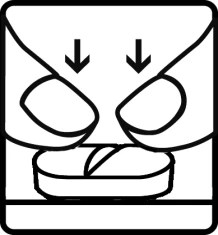
Instructions for tablet splitting
Split the tablet as shown in this figure:
Duration of treatment
Treatment with allopurinol is generally required for prolonged periods. Take Allopurinol Sandoz
regularly and for as long as prescribed by your doctor.
Regularly consult your doctor for check-ups.
If you take more Allopurinol Sandoz than you should
Always consult a doctor. Symptoms of overdose may include nausea, vomiting, diarrhoea and dizziness.
If you forget to take Allopurinol Sandoz
Take the missed dose as soon as you remember. If it is almost time for your next dose, skip the missed dose.
Do not take a double dose to make up for a forgotten dose.
If you stop taking Allopurinol Sandoz
Do not stop treatment without first consulting your doctor: this could impair the success of therapy.
If you have any questions about the use of this medicine, consult your doctor or pharmacist.
4. Possible side effects
Like all medicines, this medicine can cause side effects, although not everyone gets them.
The following side effects may occur with this medicine:
Hypersensitivity
If you experience a hypersensitivity (allergic) reaction, stop taking this medicine and consult a doctor immediately. Symptoms may include:
Uncommon (may affect less than 1 in 100 people)
- Skin peeling, blisters or pain in lips and mouth
- Very rarely, symptoms may include sudden shortness of breath, palpitations or chest tightness, and collapse
Rare (may affect less than 1 in 1,000 people)
- Fever and chills, headache, muscle pain (flu-like symptoms), and general feeling of being unwell
- Severe hypersensitivity reactions including fever, rash, joint pain, and changes in blood tests and liver function tests (these may be signs of a multi-organ hypersensitivity disorder)
- Bleeding of lips, eyes, mouth, nose or genitals
- Any skin changes, for example ulcers in the mouth, throat, nose, genitals, and conjunctivitis (red and swollen eyes), widespread blisters and skin peeling
Very rare (may affect up to 1 in 10,000 people):
- Severe allergic reaction causing swelling of the face or throat
- Potentially serious, life-threatening allergic reaction
Do not take any more tablets unless your doctor tells you to do so.
Other side effects:
Common (may affect up to 1 in 10 people)
- Rash
- Increased levels of thyroid-stimulating hormone in the blood
Uncommon (may affect up to 1 in 100 people)
- Feeling unwell (nausea) or being sick (vomiting)
- Abnormal liver tests
Rare (may affect up to 1 in 1,000 people)
- Liver problems such as liver inflammation
Very rare (may affect up to 1 in 10,000 people)
- Occasionally, this medicine may affect the blood, which may present as bruising more easily, or you may experience sore throat or other signs of infection. These effects generally occur in people with liver or kidney problems. Inform your doctor as soon as possible.
- This medicine may affect the lymph nodes
- High temperature
- Blood in the urine (haematuria)
- High levels of cholesterol in the blood (hyperlipidaemia)
- General feeling of being unwell or weakness
- Weakness, soreness, instability when walking, inability to move muscles (paralysis), or loss of consciousness
- Headache, dizziness, drowsiness or vision disturbances
- Chest pain (angina), high blood pressure or slow pulse
- Male infertility or erectile dysfunction
- Breast enlargement in both men and women
- Changes in normal bowel habits
- Altered taste
- Cataract
- Hair loss or hair discolouration
- Depression
- Lack of voluntary coordination of muscle movements (ataxia)
- Tingling, itching, pricking or burning sensation of the skin (paraesthesia)
- Fluid retention leading to swelling (oedema), particularly of the ankles
- Abnormal glucose metabolism (diabetes). Your doctor may wish to monitor your blood sugar levels to check whether this is occurring.
If any of the side effects worsen, or if you notice any side effects not listed in this leaflet, inform your doctor or pharmacist.
Reporting of side effects
If you get any side effects, including any not listed in this leaflet, talk to your doctor or pharmacist. You can also report side effects directly via the national reporting system at https://www.aifa.gov.it/content/segnalazioni-reazioni-avverse. By reporting side effects, you can help provide more information on the safety of this medicine.
5. How to store Allopurinol Sandoz
Keep this medicine out of the sight and reach of children.
Do not use this medicine after the expiry date which is stated on the blister pack/plastic-aluminium tablet container and on the outer box, after "EXP". The expiry date refers to the last day of that month.
No special storage precautions are required for this medicine.
Tablet container
Shelf life after first opening of the tablet container: 6 months.
Do not dispose of any medicine via wastewater or household waste. Ask your pharmacist how to dispose of medicines you no longer use. This will help protect the environment.
6. Package contents and other information
What Allopurinolo Sandoz contains
Allopurinolo Sandoz 100 mg
- The active substance is allopurinol. Each tablet contains 100 mg of allopurinol.
- The other components are: microcrystalline cellulose, powdered cellulose, crospovidone, macrogol 4000, magnesium stearate, povidone K25 and talc.
Allopurinolo Sandoz 300 mg
- The active substance is allopurinol. Each tablet contains 300 mg of allopurinol.
- The other components are: microcrystalline cellulose, powdered cellulose, crospovidone, macrogol 4000, magnesium stearate, povidone K25 and talc.
Description of the appearance of Allopurinolo Sandoz and contents of the pack
Allopurinolo Sandoz 100 mg
White, rounded on the upper and lower sides, with a single score line. The tablets can be divided into two equal doses.
The following pack sizes are available:
- Blister packs containing 1, 7, 10, 25, 28, 30, 50, 90 and 100 tablets
- Containers containing 50, 100, 250, 500 and 1000 tablets.
Allopurinolo Sandoz 300 mg
Tablets white to off-white in colour, oblong, rounded on the upper and lower sides, with a score line on both sides. The tablets can be divided into two equal doses.
The following pack sizes are available:
- Blister packs containing 1, 7, 10, 20, 28, 30, 50, 90, 100 and 105 tablets
- Containers containing 20, 30, 50, 100, 105, 250, 500 and 1000 tablets.
Not all pack sizes may be marketed.
Marketing Authorisation Holder
Sandoz Spa – Largo U. Boccioni 1 – 21040 Origgio (VA)
Manufacturers
Salutas Pharma GmbH, Otto-von-Guericke Allee 1, 39179 Barleben, Germany;
Lek SA Ul. Podlipie 16 C, 95010 Strykow, Poland;
Lek Pharmaceuticals d.d Verovskova 57, 1526 Ljubljana, Slovenia
Lek Pharmaceuticals d.d Trimlini 2 D, 9220 Lendava Slovenia
This medicinal product has been authorised in EEA member states under the following names:
Allopurinolo Sandoz 100 mg tablets
Belgium Allopurisand 100 mg tablets
Finland Apurin
Italy Allopurinolo Sandoz 100 mg tablets
Allopurinol Sandoz 300 mg tablets
Belgium Allopurisand 300 mg tablets
Finland Apurin
Italy Allopurinolo Sandoz 300 mg tablets