Tecentriq 1200 mg concentrate for solution for infusion
Spain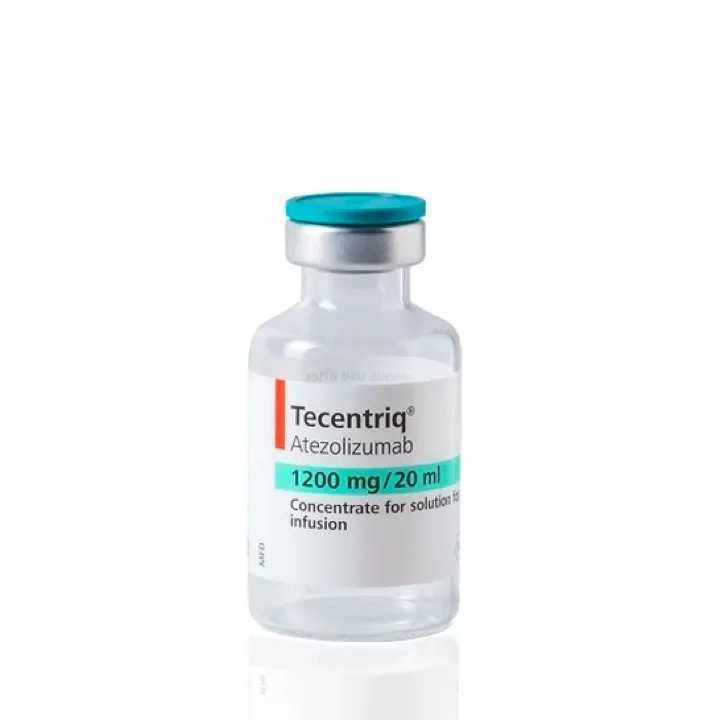
Table of Contents
Package leaflet: Information for the user
Introduction
Package leaflet: information for the patient
Tecentriq 840mg concentrate for solution for infusion
Tecentriq 1200mg concentrate for solution for infusion
atezolizumab
Read the entire leaflet carefully before you start using this medicine, because it contains important information for you.
- Keep this leaflet, as you may need to read it again.
- It is important that you keep the patient information card during your treatment.
- If you have any questions, consult your doctor or nurse.
- If you experience any adverse reactions, consult your doctor or nurse, even if they are not listed in this leaflet. See section 4.
Contents of the leaflet:
- What Tecentriq is and what it is used for
- What you need to know before using Tecentriq
- How to use Tecentriq
- Possible side effects
- How to store Tecentriq
- Contents of the pack and other information
1. What Tecentriq is and what it is used for
What Tecentriq is
Tecentriq is an antitumour medicine that contains the active substance atezolizumab.
- It is a type of protein belonging to a group known as "monoclonal antibodies".
- Monoclonal antibodies are a type of protein designed to recognise and bind to a specific target substance in the body.
- This antibody can help your immune system fight your cancer.
What Tecentriq is used for
Tecentriq is used in adults to treat:
- A type of bladder cancer called urothelial carcinoma
- A type of lung cancer called non-small cell lung cancer
- A type of lung cancer called small cell lung cancer
- A type of breast cancer called triple-negative breast cancer
- A type of liver cancer called hepatocellular carcinoma
Patients may be treated with Tecentriq when their cancers have spread to other parts of the body or after prior treatment.
Patients may be treated with Tecentriq when their lung cancer has not spread to other parts of the body; in this case, treatment will be given after surgery and chemotherapy. Treatment given after surgery is called adjuvant therapy.
Tecentriq may be given in combination with other anticancer medicines. It is important that you also read the package leaflet of any other anticancer medicines you may be receiving. If you have any questions about these medicines, please consult your doctor.
How Tecentriq works
Tecentriq works by binding to a specific protein in your body called programmed death-ligand 1 (PD-L1). This protein suppresses the body's immune system (defences), thereby protecting cancer cells from attack by immune cells. By binding to this protein, Tecentriq helps your immune system to fight cancer.
2. What you need to know before using Tecentriq
Do not use Tecentriq:
- if you are allergic to atezolizumab or to any of the other components of this medicine (listed in section 6).
If you are unsure, consult your doctor or nurse before starting Tecentriq.
Warnings and precautions
Talk to your doctor or nurse before starting Tecentriq:
- if you have an autoimmune disease (a condition in which the body attacks its own cells)
- if you have been told that your cancer has spread to your brain
- if you have a history of lung inflammation (called pneumonitis)
- if you have or have had chronic viral liver infection, including hepatitis B (HBV) or hepatitis C (HCV)
- if you have human immunodeficiency virus (HIV) infection or acquired immunodeficiency syndrome (AIDS)
- if you have cardiovascular, blood disorders or significant organ damage due to inadequate blood pressure
- if you have had serious adverse reactions to antibody therapies previously given to treat your cancer
- if you have received medicines to stimulate your immune system
- if you have received medicines to suppress your immune system
- if you have received a live attenuated vaccine
- if you have received medications to treat infections (antibiotics) within the previous two weeks
Tecentriq works on your immune system. This may cause inflammation in different parts of your body. The risk of this happening may be higher if you already have an autoimmune disease (a condition in which the body attacks its own cells). You may also experience frequent flare-ups of your autoimmune disease, which in most cases will be moderate.
If any of the above apply to you (or if you are unsure), consult your doctor or nurse before using Tecentriq.
Tecentriq can cause certain side effects that you must report to your doctor immediately. These may occur weeks or months after the last dose. Inform your doctor immediately if you notice any of the following symptoms:
- inflammation of the lung (pneumonitis); symptoms may include new or worsening cough, difficulty breathing, and chest pain
- inflammation of the liver (hepatitis); symptoms may include yellowing of the skin or eyes, nausea, vomiting, bleeding or bruising, dark urine, and stomach pain
- inflammation of the intestine (colitis); symptoms may include diarrhea (watery, loose, or soft stools), blood in the stool, and stomach pain
- inflammation of the thyroid gland, adrenal glands, or pituitary gland (hypothyroidism, hyperthyroidism, adrenal insufficiency, or hypophysitis); symptoms may include fatigue, weight loss, weight gain, mood changes, hair loss, constipation, dizziness, headache, increased thirst, increased need to urinate, and vision changes
- type 1 diabetes, including serious, sometimes life-threatening problems due to acidic blood caused by diabetes (diabetic ketoacidosis); symptoms include unusual hunger or thirst, increased need to urinate, weight loss, feeling tired or confused, breath that smells sweet or fruity, a sweet or metallic taste in the mouth, unusual odor in urine or sweat, nausea or vomiting, stomach pain, and deep or rapid breathing
- inflammation of the brain (encephalitis) or inflammation of the membrane surrounding the spinal cord and brain (meningitis); symptoms may include neck stiffness, headache, fever, chills, vomiting, sensitivity to light, confusion, and drowsiness
- nerve inflammation or problems (neuropathy); symptoms may include weakness in the muscles of the arms and legs or face, double vision, difficulty speaking and chewing, numbness, and tingling in hands and feet
- inflammation of the spinal cord (myelitis); symptoms may include pain, abnormal sensations such as numbness, tingling, cold, or burning, weakness in arms or legs, and bladder or bowel problems
- inflammation of the pancreas (pancreatitis); symptoms include abdominal pain, nausea, and vomiting
- inflammation of the heart muscle (myocarditis); symptoms may include difficulty breathing, reduced exercise tolerance, feeling tired, chest pain, swelling in ankles or legs, irregular heartbeat, and fainting
- inflammation of the kidneys (nephritis); symptoms may include changes in amount and color of urine, pelvic pain, body swelling, and may lead to kidney failure
- muscle inflammation (myositis); symptoms may include muscle weakness, fatigue after walking or standing, tripping or falling, and difficulty swallowing or breathing
- serious infusion-related reactions (events occurring during or within the first day after infusion); may include fever, chills, difficulty breathing, and redness
- serious skin reactions (SCARs); which may include rash, itching, blistering, peeling, or ulcers on the skin, and/or ulcers in the mouth or mucous membranes of the nose, throat, or genital area
- inflammation of the pericardium with fluid accumulation in the sac (in some cases) (pericardial disorders); symptoms are similar to myocarditis and may include chest pain (typically in the front of the chest, sharp, worsens with deep breathing and improves when sitting and leaning forward in case of pericarditis), cough, irregular heartbeat, swelling of ankles, legs, or abdomen, difficulty breathing, fatigue, and fainting
- a condition in which the immune system produces too many infection-fighting cells called histiocytes and lymphocytes, which can cause various symptoms (hemophagocytic lymphohistiocytosis); these symptoms may include enlargement of the liver and/or spleen, skin rash, swollen lymph nodes, breathing problems, easy bruising, kidney abnormalities, and heart problems
Inform your doctor immediately if you experience any of the symptoms described above.
Do not attempt to treat your symptoms with other medicines on your own. Your doctor may:
- give you other medicines to prevent complications and reduce your symptoms
- delay your next dose of Tecentriq
- stop your treatment with Tecentriq
Tests and monitoring
Before your treatment, your doctor will check your general health status. You will also have blood tests during your treatment.
Children and adolescents
This medicine should not be given to children or adolescents under 18 years of age. This is because the safety and efficacy of Tecentriq have not been established in this age group.
Other medicines and Tecentriq
Tell your doctor or nurse if you are taking, have recently taken, or might need to take any other medicines. This includes medicines obtained without a prescription, including herbal medicines.
Pregnancy and breastfeeding
- If you are pregnant or breastfeeding, think you may be pregnant, or plan to become pregnant, talk to your doctor before using this medicine.
- Do not take Tecentriq if you are pregnant unless your doctor specifically tells you to. This is because the effect of Tecentriq in pregnant women is unknown—it may harm the unborn baby.
- If you could become pregnant, you must use an effective method of contraception:
- while you are being treated with Tecentriq and
- for 5 months after your last dose.
- If you become pregnant while being treated with Tecentriq, inform your doctor.
Breastfeeding
It is unknown whether Tecentriq passes into breast milk. The risk to the breastfed infant cannot be excluded. Ask your doctor whether you should stop breastfeeding or whether you should stop treatment with Tecentriq.
Driving and using machines
Tecentriq may have a minor influence on your ability to drive and use machines. If you feel tired, do not drive or operate machinery until you feel better.
Tecentriq contains polysorbate
Tecentriq 840 mg contains 5.6 mg of polysorbate 20 in each 14 ml dose, equivalent to 0.4 mg/ml. Tecentriq 1,200 mg contains 8.0 mg of polysorbate 20 in each 20 ml dose, equivalent to 0.4 mg/ml. Polysorbates may cause allergic reactions. Inform your doctor if you have any known allergies.
Patient Information Card
Important information from this leaflet is included in the Patient Information Card provided by your doctor. It is important that you keep this card and show it to your partner or caregiver.
3. How to use Tecentriq
You will receive Tecentriq treatment from a doctor experienced in cancer treatment at a hospital or clinic.
There are two different formulations of Tecentriq:
- one is administered as an intravenous infusion (intravenous infusion)
- the other is administered as an injection under the skin (subcutaneous injection).
Your doctor may consider switching your Tecentriq treatment from intravenous to subcutaneous (and vice versa) if deemed appropriate for you.
Dose of intravenous Tecentriq
The recommended dose is one of the following:
- 840 milligrams (mg) every two weeks, or
- 1,200 milligrams (mg) every three weeks, or
- 1,680 milligrams (mg) every four weeks.
How intravenous Tecentriq is administered
Tecentriq is administered as an intravenous infusion (‘intravenous infusion’) through a drip into a vein.
The first infusion will be given over a period of 60 minutes.
- Your doctor will closely monitor you during the first infusion.
- If you do not have a reaction to the infusion during the first infusion, subsequent infusions will be administered over a period of 30 minutes.
Duration of treatment
Your doctor will continue to administer Tecentriq as long as you are benefiting from it. However, treatment will be discontinued if adverse effects are not tolerated.
If you forget to take Tecentriq
If you miss an appointment with your doctor, reschedule it immediately. To ensure the treatment is as effective as possible, it is very important to continue receiving the infusions as scheduled.
If you interrupt treatment with Tecentriq
Do not interrupt treatment with Tecentriq unless you have discussed it with your doctor. Interrupting your treatment may stop the medicine's effect.
If you have any further questions about the use of this medicine, ask your doctor or nurse.
4. Possible adverse effects
Like all medicines, this medicine can cause adverse effects, although not everyone will experience them.
If you experience any of the adverse effects described below or if they worsen, tell your doctor immediately. They may occur weeks or months after your last dose. Do not take other medicines on your own.
Tecentriq used alone
The following adverse effects have been reported in clinical trials with Tecentriq used alone:
Very common: may affect more than 1 in 10 people
- fever
- nausea
- vomiting
- feeling very tired, lacking energy (fatigue)
- lack of energy
- skin itching
- diarrhea
- joint pain
- rash
- loss of appetite
- difficulty breathing
- urinary tract infection
- back pain
- cough
- headache
Common: may affect up to 1 in 10 people
- inflammation of the lungs (pneumonitis)
- low oxygen levels that may cause difficulty breathing as a result of lung inflammation (hypoxia)
- stomach pain
- muscle and bone pain
- liver inflammation
- elevated liver enzymes (shown in tests), which may be a sign of liver inflammation
- difficulty swallowing
- blood tests may show low levels of potassium (hypokalemia) or sodium (hyponatremia)
- low blood pressure (hypotension)
- underactive thyroid gland (hypothyroidism)
- allergic reaction (infusion-related reaction, hypersensitivity, or anaphylaxis)
- flu-like illness
- chills
- inflammation of the intestines
- low platelet count, which may make you more prone to bruising or bleeding
- increased blood glucose
- common cold (rhinopharyngitis)
- mouth or throat pain or dry mouth
- dry skin
- abnormal kidney function tests (possible kidney damage)
- overactive thyroid gland (hyperthyroidism)
- inflammation of the sac around the heart with fluid accumulation in the sac (in some cases) (pericardial disorders)
Uncommon: may affect up to 1 in 100 people
- inflammation of the pancreas
- numbness or paralysis – which may be signs of Guillain-Barré syndrome
- inflammation of the membrane surrounding the spinal cord and brain
- low levels of adrenal hormones
- type I diabetes (including diabetic ketoacidosis)
- muscle inflammation (myositis)
- red, dry, scaly, and thickened skin areas (psoriasis)
- kidney inflammation
- itching, blistering, peeling, or ulcers on the skin, and/or ulcers in the mouth or mucosa of the nose, throat, or genital area, which may be severe (serious skin reactions)
- inflammation of the pituitary gland located at the base of the brain
- increased blood creatine phosphokinase (shown in tests), which may be a sign of muscle or heart inflammation
- changes in any skin and/or genital area associated with dryness, thinning, itching, and pain (lichenoid disorders)
Rare: may affect up to 1 in 1,000 people
- inflammation of the heart muscle
- myasthenia gravis, a disease that may cause muscle weakness
- eye inflammation (uveitis)
- hemophagocytic lymphohistiocytosis, a disorder in which the immune system produces too many infection-fighting cells called histiocytes and lymphocytes, which may cause various symptoms
- inflammation of the spinal cord (myelitis)
- weakness of facial nerves and muscles (facial paralysis)
- Celiac disease (characterized by symptoms such as stomach pain, diarrhea, and bloating after consuming foods containing gluten)
- a type of infection caused by the herpes virus (cytomegalovirus infection)
- inflammatory disease affecting mainly the skin, lungs, and eyes (sarcoidosis)
- abnormal destruction of red blood cells (autoimmune hemolytic anemia)
Other adverse effects reported with frequency not known (cannot be estimated from the available data):
- Bladder inflammation. Signs and symptoms may include frequent and/or painful urination, urgent need to urinate, blood in the urine, pain or pressure in the lower abdomen.
- Absence or reduction of digestive enzymes produced by the pancreas (exocrine pancreatic insufficiency)
Tecentriq used in combination with anticancer medicines
The following side effects have been reported in clinical trials when Tecentriq is administered in combination with anticancer medicines.
Very common: may affect more than 1 in 10 people
- low red blood cell count, which may cause tiredness and difficulty breathing
- low white blood cell count with or without fever, which may increase the risk of infection (neutropenia, leukopenia)
- low platelet count, which may make you more prone to bruising or bleeding (thrombocytopenia)
- constipation
- nerve damage causing possible numbness, pain, or loss of motor function (peripheral neuropathy)
- underactive thyroid gland (hypothyroidism)
- loss of appetite
- difficulty breathing
- diarrhea
- nausea
- skin itching
- rash
- joint pain
- feeling of tiredness (fatigue)
- fever
- headache
- cough
- muscle and bone pain
- vomiting
- back pain
- lack of energy
- lung infection
- common cold (rhinopharyngitis)
- hair loss
- increased blood pressure (hypertension)
- swelling in arms or legs
Common: may affect up to 1 in 10 people
- blood tests showing low levels of potassium (hypokalemia) or sodium (hyponatremia)
- inflammation of the mouth or lips
- hoarseness (dysphonia)
- low magnesium levels (hypomagnesemia), which may cause weakness and muscle cramps, numbness, and pain in arms and legs
- protein in urine (proteinuria)
- inflammation of the intestines
- fainting
- elevated liver enzymes (detected in tests), which may be a sign of liver inflammation
- change in taste sensation (dysgeusia)
- decreased number of lymphocytes (a type of white blood cell), associated with increased risk of infection
- abnormal kidney test (possible kidney damage)
- overactivity of the thyroid gland (hyperthyroidism)
- dizziness
- reactions related to drug infusion (infusion-related reaction, hypersensitivity, cytokine release syndrome, or anaphylaxis)
- severe blood infection (sepsis)
- joint inflammation (arthritis)
Uncommon: may affect up to 1 in 100 people
- red, dry, scaly, and thickened skin areas (psoriasis)
- itching, blistering, peeling, or ulcers on the skin, and/or ulcers in the mouth or mucosa of the nose, throat, or genital area, which may be severe (serious skin reactions)
- inflammation of the sac around the heart with fluid accumulation in the sac (in some cases) (pericardial disorders)
- inflammation of the pituitary gland located at the base of the brain
- inflammation around tendons (tenosynovitis)
Rare: may affect up to 1 in 1,000 people
- hemophagocytic lymphohistiocytosis, a disorder in which the immune system produces too many infection-fighting cells called histiocytes and lymphocytes, which may cause various symptoms
- weakness of facial nerves and muscles (facial paralysis)
- Celiac disease (characterized by symptoms such as stomach pain, diarrhea, and bloating after consuming foods containing gluten)
- changes in any skin and/or genital area associated with dryness, thinning, itching, and pain (lichenoid disorders)
- eye inflammation (uveitis)
- a type of infection caused by the herpes virus (cytomegalovirus infection)
- abnormal destruction of red blood cells (autoimmune hemolytic anemia)
Other adverse effects reported with frequency not known (cannot be estimated from the available data):
- Absence or reduction of digestive enzymes produced by the pancreas (exocrine pancreatic insufficiency)
If you notice any of the side effects listed above or if they worsen, inform your doctor immediately.
Reporting of adverse effects
If you experience any kind of adverse effect, talk to your doctor, pharmacist, or nurse, even if it is a possible adverse effect not listed in this leaflet. You can also report them directly through the national reporting system included in Appendix V. By reporting adverse effects, you can help provide more information on the safety of this medicine.
5. Storage of Tecentriq
Tecentriq will be stored by healthcare professionals in the hospital or clinic. The storage details are as follows:
- Do not use this medicine after the expiry date stated on the carton and on the label of the vial after EXP. The expiry date refers to the last day of the month indicated.
- Store in a refrigerator (between 2 °C and 8 °C). Do not freeze.
- Keep the vial in the outer packaging to protect it from light.
- The diluted solution should not be stored for more than 24 hours between 2 °C and 8 °C or for more than 8 hours at room temperature (≤ 25 °C), unless the dilution was carried out under validated and controlled aseptic conditions.
- Do not use this medicine if it appears cloudy, discolored, or contains particles.
Medicines must not be disposed of via wastewater or household waste. Ask your pharmacist how to dispose of medicines and packaging that you no longer need. This will help protect the environment.
6. Contents of the pack and other information
Composition of Tecentriq
- The active substance is atezolizumab. Each ml contains 60 mg of atezolizumab.
- Each 14 ml vial contains 840 mg of atezolizumab.
- Each 20 ml vial contains 1,200 mg of atezolizumab.
- After dilution, the final concentration of the diluted solution must be between 3.2 and 16.8 mg/ml.
- The other components are L-histidine, glacial acetic acid, sucrose, polysorbate 20 (see section 2 “Tecentriq contains polysorbate”), and water for injections.
Appearance of the product and contents of the pack
Tecentriq is a concentrate for solution for infusion. It is a clear, colourless to pale yellow liquid.
Tecentriq is available in packs containing 1 glass vial.
Marketing Authorization Holder
Roche Registration GmbH
Emil-Barell-Strasse 1
79639 Grenzach-Wyhlen
Germany
Manufacturer responsible for manufacturing
Roche Pharma AG
Emil-Barell-Strasse 1
79639
Grenzach-Wyhlen
Germany
More information on this medicinal product is available upon request by contacting the local representative of the Marketing Authorization Holder:
Belgium/Belgium/Belgium, Luxembourg/Luxembourg N.V. Roche S.A. Belgium/Belgium/Belgium Tel/Tel: +32 (0) 2 525 82 11 | Lithuania UAB “Roche Lietuva” Tel: +370 5 2546799 |
| Hungary Roche (Hungary) Kft. Tel: +36 1 279 4500 |
Czech Republic Roche s. r. o. Tel: +420 - 2 20382111 | Netherlands Roche Nederland B.V. Tel: +31 (0) 348 438050 |
Denmark Roche Pharmaceutical A/S Tlf: +45 - 36 39 99 99 | Norway Roche Norge AS Tlf: +47 - 22 78 90 00 |
Germany Roche Pharma AG Tel: +49 (0) 7624 140 | Austria Roche Austria GmbH Tel: +43 (0) 1 27739 |
Estonia Roche Eesti OÜ Tel: + 372 - 6 177 380 | Poland Roche Polska Sp. z o.o. Tel: +48 - 22 345 18 88 |
Greece, Cyprus Roche (Hellas) A.E. Greece Tel: +30 210 61 66 100 | Portugal Roche Farmacêutica Química, Lda Tel: +351 - 21 425 70 00 |
Spain Roche Farma S.A. Tel: +34 - 91 324 81 00 | Romania Roche România S.R.L. Tel: +40 21 206 47 01 |
France Roche Tél: +33 (0) 1 47 61 40 00 | Slovenia Roche farmacevtska družba d.o.o. Tel: +386 - 1 360 26 00 |
Croatia Roche d.o.o. Tel: +385 1 4722 333 | Slovakia Roche Slovensko, s.r.o. Tel: +421 - 2 52638201 |
Ireland, Malta Roche Products (Ireland) Ltd. Tel: +353 (0) 1 469 0700 | Finland Roche Oy Puh/Tel: +358 (0) 10 554 500 |
Iceland Roche Pharmaceutical A/S c/o Icepharma hf Sími: +354 540 8000 | Sweden Roche AB Tel: +46 (0) 8 726 1200 |
Italy Roche S.p.A. Tel: +39 - 039 2471 | |
Latvia Roche Latvija SIA Tel: +371 - 6 7039831 |
Date of the most recent review of this leaflet
Other sources of information
Detailed information on this medicine is available on the European Medicines Agency website: http://www.ema.europa.eu
This information is intended for healthcare professionals only:
Dilution instructions
For the recommended dose of 840 mg: 14 ml of Tecentriq concentrate should be withdrawn from the vial and diluted in a polyvinyl chloride (PVC), polyolefin (PO), polyethylene (PE), or polypropylene (PP) infusion bag containing 9 mg/ml (0.9%) sodium chloride for injectable solution.
For the recommended dose of 1,200 mg: 20 ml of Tecentriq concentrate should be withdrawn from the vial and diluted in a polyvinyl chloride (PVC), polyolefin (PO), polyethylene (PE), or polypropylene (PP) infusion bag containing 9 mg/ml (0.9%) sodium chloride for injectable solution.
For the recommended dose of 1,680 mg: 28 ml of Tecentriq concentrate should be withdrawn from two Tecentriq 840 mg vials and diluted in a polyvinyl chloride (PVC), polyolefin (PO), polyethylene (PE), or polypropylene (PP) infusion bag containing 9 mg/ml (0.9%) sodium chloride for injectable solution.
After dilution, the final concentration of the diluted solution must be between 3.2 and 16.8 mg/ml.
The bag should be gently inverted to mix the solution to avoid foam formation. Once the infusion is prepared, it should be administered immediately.
Parenteral medicines should be inspected visually for particulate matter and discoloration prior to administration. If particulate matter or discoloration is observed, the solution must not be used.
No incompatibilities have been observed between Tecentriq and PVC, PO, PE, or PP infusion bags. Additionally, no incompatibilities have been observed with in-line filters containing membranes composed of polyethersulfone or polysulfone, or with infusion sets or other infusion devices made of PVC, PE, polybutadiene, or polyetherurethane. The use of in-line filters with membranes is optional.
Diluted solution
Chemical and physical in-use stability has been demonstrated for up to 24 hours at ≤ 30 °C and up to 30 days between 2 °C and 8 °C from the time of preparation.
From a microbiological standpoint, the prepared infusion solution should be used immediately. If not used immediately, the in-use storage times and conditions prior to use are the responsibility of the user and generally should not exceed 24 hours between 2 °C and 8 °C or 8 hours at room temperature (≤25 °C), unless the dilution was performed under validated and controlled aseptic conditions.
Method of administration
Tecentriq is administered by intravenous infusion. Tecentriq infusions must not be administered as a rapid infusion or intravenous bolus.
The initial dose of Tecentriq should be administered over 60 minutes. If the first infusion is well tolerated, all subsequent infusions may be administered over 30 minutes.
Do not administer simultaneously with other medicines through the same infusion line.
Disposal
The disposal of unused medicine and all materials that have come into contact with it should be carried out in accordance with local regulations.