Opdivo 10 mg/ml concentrate for solution for infusion
Spain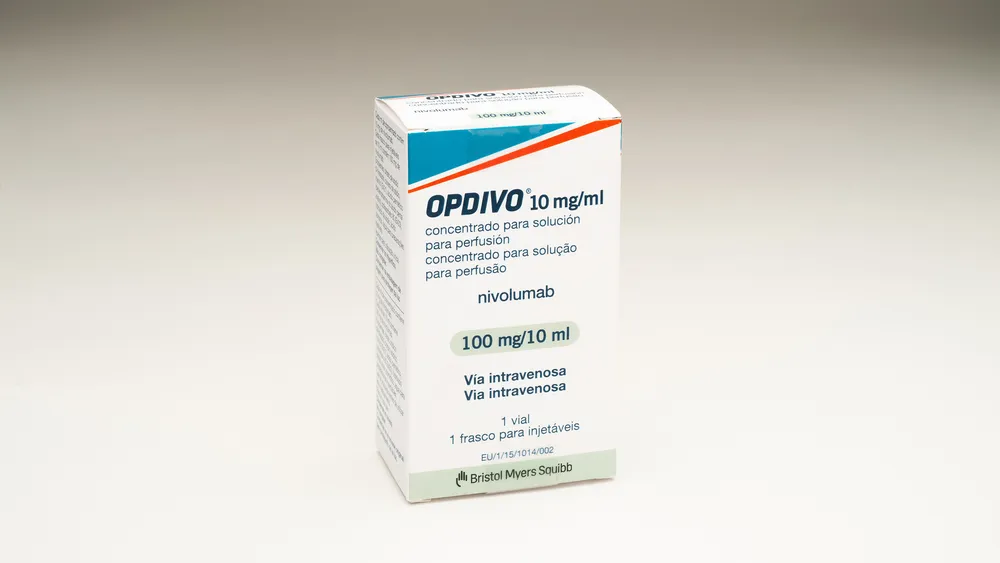
Table of Contents
Package leaflet: Information for the user
Introduction
Package leaflet: information for the user
OPDIVO 10 mg/ml concentrate for solution for infusion
nivolumab
Read the entire leaflet carefully before you start using this medicine, because it contains important information for you.
- Keep this leaflet, as you may need to read it again.
- It is important that you always carry the "Patient Information Card" with you during treatment.
- If you have any questions, consult your doctor.
- If you experience any adverse reactions, consult your doctor, even if they are adverse reactions not listed in this leaflet. See section 4.
Contents of the leaflet
- What OPDIVO is and what it is used for
- What you need to know before using OPDIVO
- How to use OPDIVO
- Possible side effects
- How to store OPDIVO
- Contents of the pack and other information
1. What OPDIVO is and what it is used for
OPDIVO is a medicine used to treat:
-
advanced melanoma (a type of skin cancer) in adults and adolescents 12 years of age and older
-
melanoma after complete resection in adults and adolescents 12 years of age and older (treatment after surgery is called adjuvant therapy)
-
advanced non-small cell lung cancer (a type of lung cancer) in adults
-
non-small cell lung cancer (a type of lung cancer) before resection in adults (treatment before surgery is called neoadjuvant treatment)
-
non-small cell lung cancer (a type of lung cancer) before resection and after resection in adults (treatment before surgery is called neoadjuvant treatment; treatment after surgery is called adjuvant treatment)
-
malignant pleural mesothelioma (a type of cancer affecting the lining of the lungs) in adults
-
advanced renal cell carcinoma (advanced kidney cancer) in adults
-
classical Hodgkin lymphoma that has relapsed or has not responded to prior treatments, including autologous hematopoietic progenitor cell transplantation (a transplant of your own blood-forming cells) in adults
-
classical Hodgkin lymphoma that has relapsed or has not responded to prior treatment in children 5 years of age and older, adolescents, and adults up to 30 years of age
-
advanced head and neck cancer in adults
-
advanced urothelial carcinoma (advanced bladder and urinary tract cancer) in adults
-
urothelial carcinoma after complete resection in adults
-
advanced colorectal cancer (cancer of the colon or rectum) in adults
-
advanced esophageal cancer (cancer of the tube connecting the mouth to the stomach) in adults
-
esophageal cancer (cancer of the tube connecting the mouth to the stomach) or gastroesophageal junction cancer with residual pathological disease after chemoradiotherapy followed by surgery in adults
-
advanced gastric adenocarcinoma, gastroesophageal junction adenocarcinoma, or esophageal adenocarcinoma (cancer of the stomach, or the tube connecting the mouth to the stomach)
-
unresectable or advanced hepatocellular carcinoma (liver cancer) in adults.
It contains nivolumab as the active substance, which is a monoclonal antibody, a type of protein designed to recognize and attack a specific target substance in the body.
Nivolumab targets and blocks a protein called programmed death-1 (PD-1), which can inhibit the activity of T cells (a type of white blood cell in the blood that are part of the immune system, the body's natural defense). By targeting PD-1, nivolumab blocks its action and prevents the inhibition of your T cells. This helps increase their activity against melanoma cells, lung cancer cells, kidney cancer cells, lymphoma cells, head and neck cancer cells, bladder cancer cells, colon or rectal cancer cells, stomach cancer cells, esophageal cancer cells, or gastroesophageal junction cancer cells.
OPDIVO may be administered in combination with other anti-cancer medicines. It is important that you also read the package leaflet of the other medicines. If you have any questions about these medicines, please consult your doctor.
2. What you need to know before using OPDIVO
Do not use OPDIVO
- if you are allergic to nivolumab or to any of the other ingredients of this medicine (listed in section 6 "Contents of the pack and other information"). If in doubt, consult your doctor.
Warnings and precautions
Talk to your doctor before starting OPDIVO, as it may cause:
-
Problems with your heart, such as changes in heart rhythm or rate, or abnormal heartbeat.
-
Problems with your lungs, such as difficulty breathing or cough. These may be signs of lung inflammation (pneumonitis or interstitial lung disease).
-
Diarrhea (watery, loose, or soft stools) or any symptoms of intestinal inflammation (colitis), such as stomach pain or mucus or blood in the stool.
-
Liver inflammation (hepatitis). Signs and symptoms of hepatitis may include abnormal liver function tests, yellowing of the eyes or skin (jaundice), pain in the right side of the abdomen, or fatigue.
-
Inflammation or problems with your kidneys. Signs and symptoms may include abnormal kidney function tests or reduced urine volume.
-
Problems with hormone-producing glands (such as the pituitary, thyroid, parathyroid, and adrenal glands), which may affect how these glands function. Signs and symptoms of impaired gland function include fatigue (extreme tiredness), weight changes, headaches, low blood calcium levels, and visual disturbances.
-
Diabetes, including a serious, sometimes potentially life-threatening condition caused by acid buildup in the blood due to diabetes (diabetic ketoacidosis). Symptoms may include increased hunger or thirst, more frequent urination, weight loss, fatigue, difficulty thinking clearly, sweet or fruity-smelling breath, a sweet or metallic taste in the mouth, or unusual odor in urine or sweat, feeling sick or vomiting, stomach pain, and deep or rapid breathing.
-
Skin inflammation, which may lead to a severe skin reaction (known as toxic epidermal necrolysis and Stevens-Johnson syndrome). Signs and symptoms of severe skin reactions may include rash, itching, and skin peeling (potentially fatal).
-
Muscle inflammation, such as myocarditis (inflammation of the heart muscle), myositis (muscle inflammation), and rhabdomyolysis (muscle and joint stiffness, muscle spasms). Signs and symptoms may include muscle pain, stiffness, weakness, chest pain, or severe fatigue.
-
Rejection of solid organ transplants.
-
Graft-versus-host disease.
-
Hemophagocytic lymphohistiocytosis. A rare condition in which the immune system produces too many cells—normally used to fight infections—called histiocytes and lymphocytes. Symptoms may include enlargement of the liver or spleen, skin rash, swollen lymph nodes, breathing problems, tendency to bruise easily, kidney abnormalities, and heart problems.
Contact your doctor immediately if you experience any of these signs or symptoms, or if they worsen. Do not attempt to treat your symptoms with other medicines on your own. Your doctor may:
- prescribe other medicines to prevent complications and reduce your symptoms,
- delay the next dose of OPDIVO,
- permanently discontinue your treatment with OPDIVO.
Please note that these signs and symptoms sometimes occur late and may appear weeks or months after your last treatment dose. Before treatment, your doctor will assess your general health. You will also have blood tests during your treatment.
Check with your doctor before receiving OPDIVO if:
- you have an autoimmune disease (a disorder in which the body attacks its own cells);
- you have ocular melanoma;
- you have previously received ipilimumab, another medicine used to treat melanoma, and experienced serious adverse reactions to that medicine;
- you have been told that your cancer has spread to your brain;
- you have a history of lung inflammation;
- you have been taking medicines that suppress your immune system;
- you have a type of lymphoma called nodular lymphocyte-predominant Hodgkin lymphoma (NLPHL).
OPDIVO works on your immune system. This could cause inflammation in certain parts of your body. The risk of these adverse effects may be higher if you already have an autoimmune disease (a condition in which the body attacks its own cells). You may also experience flare-ups of your autoimmune disease, which in most cases are mild.
Complications of hematopoietic progenitor cell transplantation using donor (allogeneic) cells after treatment with OPDIVO. These complications can be serious and may be fatal. Your doctor will monitor you for signs of complications if you have undergone hematopoietic progenitor cell transplantation.
Children and adolescents
OPDIVO should not be used in children and adolescents under 18 years of age, except in adolescents aged 12 years and older with melanoma and children aged 5 years and older and adolescents with classical Hodgkin lymphoma.
Other medicines and OPDIVO
Before receiving OPDIVO, inform your doctor if you are taking any medicine that suppresses your immune system, such as corticosteroids, as these medicines may interfere with the effect of OPDIVO. However, once you are on OPDIVO treatment, your doctor may administer corticosteroids to reduce any potential adverse effects you may experience during treatment, and this will not affect the medicine's efficacy.
Inform your doctor if you are taking, have recently taken, or might need to take any other medicine. Do not take any other medicine during your treatment without first consulting your doctor.
Pregnancy and breastfeeding
If you are pregnant or breastfeeding, think you may be pregnant, or plan to become pregnant, consult your doctor.
Do not use OPDIVO if you are pregnant, unless specifically instructed by your doctor. The effects of OPDIVO in pregnant women are unknown, but the active substance, nivolumab, may cause fetal harm.
- You must use an effective method of contraception while receiving OPDIVO treatment and for at least 5 months after the last dose of OPDIVO, if you are a woman of childbearing potential.
- If you become pregnant while using OPDIVO, inform your doctor.
It is unknown whether OPDIVO passes into breast milk. The risk to the breastfed infant cannot be excluded. Ask your doctor whether you can breastfeed during or after treatment with OPDIVO.
Driving and using machines
OPDIVO or OPDIVO in combination with ipilimumab may have a minor influence on the ability to drive and use machines; however, exercise caution when performing these activities until you are certain that OPDIVO does not adversely affect you.
OPDIVO contains sodium
Inform your doctor if you are on a low-sodium (low-salt) diet before receiving OPDIVO. This medicine contains 2.5 mg of sodium per ml of concentrate (main component of table salt) in each ml of concentrate. OPDIVO contains 10 mg of sodium per 4-ml vial, 25 mg of sodium per 10-ml vial, 30 mg of sodium per 12-ml vial, or 60 mg of sodium per 24-ml vial, which is equivalent to 0.5%, 1.25%, 1.5%, or 3%, respectively, of the maximum daily recommended sodium intake for an adult.
OPDIVO contains polysorbate 80 (E433)
This medicine contains 0.94 mg of polysorbate 80 per 4-ml vial, 2.14 mg of polysorbate 80 per 10-ml vial, 2.6 mg of polysorbate 80 per 12-ml vial, and 5.0 mg of polysorbate 80 per 24-ml vial. Polysorbates may cause allergic reactions. Inform your doctor if you have any known allergies.
You will also find this key message from the package leaflet on the "patient information card" provided by your doctor. It is important that you always carry this patient information card with you and show it to your partner or caregivers.
3. How to use OPDIVO
How much OPDIVO is given
When OPDIVO is administered alone, the recommended dose is 240 mg given every 2 weeks or 480 mg given every 4 weeks, depending on the indication.
When OPDIVO is administered alone for the treatment of skin cancer in adolescents aged 12 years and older with a minimum body weight of 50 kg, the recommended dose is 240 mg given every 2 weeks or 480 mg given every 4 weeks. For adolescents aged 12 years and older with body weight below 50 kg, the recommended dose is 3 mg of nivolumab per kilogram of body weight given every 2 weeks or 6 mg of nivolumab per kilogram of body weight given every 4 weeks.
When OPDIVO is administered in combination with ipilimumab for the treatment of skin cancer in adults and adolescents aged 12 years and older, the recommended dose of OPDIVO is 1 mg of nivolumab per kilogram of body weight for the first 4 doses (combination phase). Subsequently, the recommended dose of OPDIVO (monotherapy phase) is 240 mg given every 2 weeks or 480 mg given every 4 weeks in adults and adolescents aged 12 years and older with a minimum body weight of 50 kg, or 3 mg of nivolumab per kilogram of body weight given every 2 weeks or 6 mg of nivolumab per kilogram of body weight given every 4 weeks for adolescents aged 12 years and older with body weight below 50 kg.
When OPDIVO is administered in combination with ipilimumab for the treatment of advanced kidney cancer, the recommended dose of OPDIVO is 3 mg of nivolumab per kilogram of body weight for the first 4 doses (combination phase). Subsequently, the recommended dose of OPDIVO is 240 mg given every 2 weeks or 480 mg given every 4 weeks (monotherapy phase).
When OPDIVO is administered in combination with ipilimumab for the treatment of advanced colon or rectal cancer, the recommended dose of OPDIVO is 3 mg of nivolumab per kilogram of body weight or 240 mg for the first 4 doses (combination phase), depending on your treatment. Subsequently, the recommended dose of OPDIVO is 240 mg given every 2 weeks or 480 mg given every 4 weeks (monotherapy phase), depending on your treatment.
When OPDIVO is administered in combination with ipilimumab for the treatment of malignant pleural mesothelioma, the recommended dose of OPDIVO is 360 mg every 3 weeks.
When OPDIVO is administered in combination with ipilimumab for the treatment of advanced oesophageal cancer, the recommended dose of OPDIVO is 3 mg of nivolumab per kilogram of body weight every 2 weeks or 360 mg every 3 weeks.
When OPDIVO is administered in combination with ipilimumab for the treatment of unresectable or advanced liver cancer, the recommended dose of OPDIVO is 1 mg of nivolumab per kilogram of body weight for up to 4 doses (combination phase), depending on your treatment. Subsequently, the recommended dose of OPDIVO is 240 mg given every 2 weeks or 480 mg given every 4 weeks (monotherapy phase), depending on your treatment.
When OPDIVO is administered in combination with chemotherapy for the neoadjuvant treatment of non-small cell lung cancer, the recommended dose of OPDIVO is 360 mg every 3 weeks.
When OPDIVO is administered in combination with chemotherapy for the neoadjuvant and adjuvant treatment of non-small cell lung cancer, the recommended dose of OPDIVO is 360 mg every 3 weeks before resection and 480 mg every 4 weeks after surgery.
When OPDIVO is administered in combination with chemotherapy for the treatment of advanced oesophageal cancer, the recommended dose of OPDIVO is 240 mg every 2 weeks or 480 mg every 4 weeks.
When OPDIVO is administered in combination with chemotherapy for the treatment of advanced gastric adenocarcinoma, gastroesophageal junction adenocarcinoma, or oesophageal adenocarcinoma, the recommended dose of OPDIVO is 360 mg every 3 weeks or 240 mg every 2 weeks.
When OPDIVO is administered in combination with chemotherapy for the treatment of urothelial carcinoma, the recommended dose of OPDIVO is 360 mg of nivolumab every 3 weeks for up to 6 cycles, followed by nivolumab monotherapy administered intravenously, either 240 mg every 2 weeks or 480 mg every 4 weeks.
When OPDIVO is administered in combination with ipilimumab and chemotherapy for the treatment of advanced non-small cell lung cancer, the recommended dose of OPDIVO is 360 mg every 3 weeks. After completing 2 cycles of chemotherapy, OPDIVO is administered in combination with ipilimumab, with the recommended dose of OPDIVO being 360 mg every 3 weeks.
When OPDIVO is administered in combination with cabozantinib for the treatment of advanced kidney cancer, the recommended dose of OPDIVO is 240 mg given every 2 weeks or 480 mg given every 4 weeks.
When OPDIVO is administered in combination with brentuximab vedotin for the treatment of relapsed or refractory classical Hodgkin lymphoma, the recommended dose of OPDIVO is 3 mg/kg every 3 weeks for 4 to 6 cycles.
Depending on your dose, the appropriate amount of OPDIVO may be diluted before use with either a sodium chloride solution for injection at a concentration of 9 mg/ml (0.9%) or a glucose solution for injection at a concentration of 50 mg/ml (5%). More than one vial of OPDIVO may be required to achieve the necessary dose.
How OPDIVO is administered
You will receive OPDIVO treatment in a hospital or clinic under the supervision of an experienced doctor.
OPDIVO will be administered to you as an intravenous infusion (a drip) into a vein over a period of 30 or 60 minutes, every 2 or 4 weeks, depending on the dose you receive. Your doctor will continue administering OPDIVO as long as you benefit from it or until you no longer tolerate the treatment.
When OPDIVO is administered in combination with ipilimumab for the treatment of skin cancer, advanced kidney cancer, advanced colon or rectal cancer, or unresectable or advanced liver cancer, you will receive an infusion over 30 minutes every 3 weeks for up to 4 doses (combination phase), depending on your treatment. Subsequently, you will receive an infusion over 30 or 60 minutes every 2 or 4 weeks, depending on the dose you are receiving (monotherapy phase).
When OPDIVO is administered in combination with ipilimumab for the treatment of malignant pleural mesothelioma, you will receive an infusion over 30 minutes every 3 weeks.
When OPDIVO is administered in combination with ipilimumab for the treatment of advanced oesophageal cancer, you will receive an infusion over 30 minutes every 2 or 3 weeks, depending on the dose you are receiving.
When OPDIVO is administered in combination with chemotherapy for the neoadjuvant treatment of non-small cell lung cancer, you will receive an infusion over 30 minutes every 3 weeks.
When OPDIVO is administered after surgery as adjuvant treatment for non-small cell lung cancer, you will receive an infusion over 30 minutes every 4 weeks.
When OPDIVO is administered in combination with chemotherapy for the treatment of advanced oesophageal cancer, you will receive an infusion over 30 minutes every 2 or 4 weeks, depending on the dose you are receiving.
When OPDIVO is administered in combination with chemotherapy for the treatment of advanced gastric adenocarcinoma, gastroesophageal junction adenocarcinoma, or oesophageal adenocarcinoma, you will receive an infusion over 30 minutes every 3 weeks or every 2 weeks, depending on the dose you are receiving.
When OPDIVO is administered in combination with chemotherapy for the treatment of urothelial carcinoma, you will receive an infusion over 30 minutes every 2, 3, or 4 weeks, depending on the dose you are receiving.
When OPDIVO is administered in combination with ipilimumab and chemotherapy for the treatment of advanced non-small cell lung cancer, you will receive an infusion over 30 minutes every 3 weeks.
When OPDIVO is administered in combination with cabozantinib, you will receive an infusion over 30 or 60 minutes every 2 or 4 weeks, depending on the dose you are receiving.
When OPDIVO is administered in combination with brentuximab vedotin for the treatment of relapsed or refractory classical Hodgkin lymphoma, you will receive an infusion over 30 minutes every 3 weeks.
If you forget to use OPDIVO
It is very important that you attend all your scheduled appointments to receive OPDIVO. If you miss an appointment, ask your doctor when your next dose can be scheduled.
If you interrupt treatment with OPDIVO
Interrupting your treatment may stop the medicine’s effect. Do not interrupt treatment with OPDIVO unless you have discussed it with your doctor.
If you have any further questions about your treatment or the use of this medicine, ask your doctor.
When OPDIVO is administered in combination with other anticancer medicines, except with brentuximab vedotina, OPDIVO will be given first, followed by the other medicine. When OPDIVO is administered in combination with brentuximab vedotin, brentuximab vedotin will be given first, followed by OPDIVO at least 30 minutes after completion of the brentuximab vedotin infusion on the same day.
Please refer to the patient information leaflet of the other anticancer medicines to understand their use. If you have any questions about them, please consult your doctor.
4. Possible adverse effects
Like all medicines, this medicine can cause adverse effects, although not everyone will experience them. Your doctor will discuss these with you and explain the risks and benefits of your treatment.
Be aware of the importance of inflammation symptoms. OPDIVO acts on your immune system and may cause inflammation in some part of your body. This inflammation could cause serious harm, and some inflammatory conditions could be life-threatening, requiring treatment or discontinuation of OPDIVO.
The following adverse effects have been reported with OPDIVO monotherapy:
Very common (may affect more than 1 in 10 people)
- Upper respiratory tract infections
- Decreased number of red blood cells (which carry oxygen), white blood cells (important for fighting infections), or platelets (cells that help blood clotting)
- Decreased appetite, high blood sugar levels (hyperglycemia)
- Headache
- Shortness of breath (dyspnea), cough
- Diarrhea (watery, loose, or soft stools), vomiting, nausea, stomach pain, constipation
- Skin rash, sometimes with blisters, itching
- Pain in muscles, bones (musculoskeletal pain), and joints (arthralgia)
- Feeling tired or weak, fever
Common (may affect up to 1 in 10 people)
- Severe lung infection (pneumonia), bronchitis
- Reactions related to drug infusion, allergic reaction (including potentially fatal allergic reactions)
- Decreased thyroid gland function (which may cause tiredness or weight gain), increased thyroid gland function (which may cause increased heart rate, sweating, and weight loss), swelling of the thyroid gland
- Dehydration, decreased body weight, low blood sugar levels (hypoglycemia)
- Inflammation of nerves (causing numbness, weakness, tingling, or burning in arms and legs), dizziness
- Blurred vision, dry eyes
- Rapid heartbeat, abnormal heart rhythm
- Elevated blood pressure (hypertension)
- Inflammation of the lungs (pneumonitis), characterized by cough and difficulty breathing, fluid around the lungs
- Inflammation of the intestines (colitis), mouth ulcers and herpes (stomatitis), dry mouth
- Skin color changes in patches (vitiligo), dry skin, skin redness, unusual or weakened hair loss
- Inflammation of joints (arthritis)
- Kidney failure (including sudden loss of kidney function)
- Pain, chest pain, edema (swelling)
Uncommon (may affect up to 1 in 100 people)
- Increased levels of certain white blood cells
- Chronic diseases associated with accumulation of inflammatory cells in various organs and tissues, most frequently in the lungs (sarcoidosis)
- Decreased secretion of hormones produced by the adrenal glands (glands located above the kidneys), low pituitary function (hypopituitarism), or inflammation of the pituitary gland located at the base of the brain (hypophysitis), diabetes
- Increased level of acid in the blood (metabolic acidosis)
- Damaged nerves causing numbness and weakness (polyneuropathy), inflammation of nerves caused by the body attacking itself, leading to numbness, weakness, tingling, or burning (autoimmune neuropathy)
- Inflammation of the eyes (causing pain and redness)
- Inflammation of the heart muscle, inflammation of the heart lining and fluid accumulation around the heart (pericardial disorders), changes in heart rate or rhythm
- Fluid in the lungs
- Inflammation of the pancreas (pancreatitis), inflammation of the stomach (gastritis)
- Inflammation of the liver (hepatitis), blockage of bile ducts (cholestasis)
- Skin disease with raised red patches, often with silvery scales (psoriasis), facial skin condition where the nose and cheeks are unusually red (rosacea), severe skin condition causing redness, often itchy spots similar to measles rash starting in the limbs and sometimes face and rest of the body (erythema multiforme), hives (itchy raised rash)
- Inflammation of muscles causing pain or stiffness (polymyalgia rheumatica)
Rare (may affect up to 1 in 1000 people)
- Temporary, reversible, non-infectious inflammation of the membranes surrounding the brain and spinal cord (aseptic meningitis)
- A disease causing inflammation or enlargement of lymph nodes (Kikuchi lymphadenitis)
- Acid in the blood due to diabetes (diabetic ketoacidosis), decreased function of parathyroid glands
Temporary inflammation of nerves causing pain, weakness, and paralysis in limbs (Guillain-Barré syndrome); loss of the protective nerve sheath (demyelination); a condition where muscles weaken and tire easily (myasthenic syndrome), inflammation in the brain
- Inflammation of the optic nerve that could cause complete or partial vision loss (optic neuritis)
- Inflammatory blood vessel disease
- Ulcers in the small intestine
- Severe and potentially fatal skin peeling (toxic epidermal necrolysis or Stevens-Johnson syndrome)
- A disease where the immune system attacks glands producing moisture for the body, such as tears and saliva (Sjögren's syndrome), muscle pain, sensitivity or weakness not caused by exercise (myopathy), muscle inflammation (myositis), muscle and joint stiffness, muscle spasm (rhabdomyolysis)
- Kidney inflammation, bladder inflammation; signs and symptoms may include frequent and/or painful urination, urgent need to urinate, blood in urine, pain or pressure in lower abdomen
- Absence or reduction of digestive enzymes produced by the pancreas (exocrine pancreatic insufficiency)
- Celiac disease (characterized by symptoms such as stomach pain, diarrhea, and bloating after consuming foods containing gluten)
Other adverse effects reported with unknown frequency (cannot be estimated from available data):
- A disease where the immune system produces too many cells to fight infections, called histiocytes and lymphocytes, which may cause various symptoms (known as hemophagocytic lymphohistiocytosis)
- Rejection of solid organ transplants
- A group of metabolic complications occurring after cancer treatment, characterized by high levels of potassium and phosphate in blood and low levels of calcium in blood (tumor lysis syndrome)
- An inflammatory disorder (most likely autoimmune in origin) affecting the eyes, skin, and membranes of ears, brain, and spinal cord (Vogt-Koyanagi-Harada syndrome)
- Pain, numbness, tingling, or weakness in arms or legs; bladder or bowel problems, including increased need to urinate, urinary incontinence, difficulty urinating, and constipation (myelitis/transverse myelitis)
- Changes in any area of the skin and/or genital area associated with dryness, thinning of the skin, itching, and pain (lichen sclerosus or other lichen disorders)
The following adverse effects have been reported with OPDIVO in combination with other anti-cancer medicines (frequency and severity of adverse effects may vary depending on the combination of anti-cancer medicines received):
Very common (may affect more than 1 in 10 people)
- Upper respiratory tract infections
- Decreased number of red blood cells (which carry oxygen), white blood cells (important for fighting infections), or platelets (cells that help blood clotting)
- Allergic reaction, reactions related to drug infusion
- Decreased thyroid gland activity (which may cause tiredness or weight gain), increased thyroid gland activity (which may cause increased heart rate, sweating, and weight loss)
- Decreased appetite, decreased body weight, decreased blood albumin levels, high (hyperglycemia) or low (hypoglycemia) blood sugar levels
Inflammation of nerves (causing numbness, weakness, tingling, or burning in arms and legs), headache, dizziness, altered sense of taste
- Elevated blood pressure (hypertension)
- Shortness of breath (dyspnea), cough, abnormal voice sound (dysphonia)
- Diarrhea (watery, loose, or soft stools), constipation, vomiting, nausea, stomach pain, mouth ulcers and herpes (stomatitis), indigestion (dyspepsia)
- Skin rash, sometimes with blisters, itching, pain in hands or soles of feet; skin rash or redness, tingling and sensitivity progressing to symmetric redness, swelling, and pain mainly in palms and soles (hand-foot syndrome or palmar-plantar erythrodysesthesia)
- Joint pain (arthralgia), muscle and bone pain (musculoskeletal pain), muscle spasms
- Excess protein in urine
- Feeling tired or weak, fever, edema (swelling)
Common (may affect up to 1 in 10 people)
- Severe lung infection (pneumonia), bronchitis, eye inflammation (conjunctivitis)
- Increased levels of certain white blood cells, decreased neutrophils with fever
- Decreased secretion of hormones produced by adrenal glands (glands located above the kidneys), decreased pituitary function (hypopituitarism), or inflammation of the pituitary gland located at the base of the brain (hypophysitis), swelling of the thyroid gland, diabetes
- Dehydration, decreased blood phosphate levels
- Sensation of numbness and tingling (paresthesia)
- Hearing a persistent sound in the ear when no sound is present (tinnitus)
- Blurred vision, dry eye
- Rapid heartbeat, abnormal heart rhythm, inflammatory blood vessel disease
- Formation of a blood clot inside a blood vessel (thrombosis)
- Inflammation of the lungs (pneumonitis, characterized by cough and difficulty breathing), fluid in the lungs, blood clots, nosebleeds
- Inflammation of the intestines (colitis), inflammation of the pancreas (pancreatitis), dry mouth, inflammation of the stomach (gastritis), oral pain, hemorrhoids
- Inflammation of the liver
- Skin color changes in patches (including vitiligo), skin redness, unusual or weakened hair loss, hair color change, hives (itchy rash), abnormal skin discoloration or darkening (skin hyperpigmentation), dry skin
- Inflammation of joints (arthritis), muscle weakness, sore muscles
- Kidney failure (including sudden loss of kidney function)
- Pain, chest pain, chills
- Feeling unwell (malaise)
Uncommon (may affect up to 1 in 100 people)
- Acid in the blood due to diabetes (diabetic ketoacidosis)
- Increased levels of acid in the blood
- Temporary inflammation of nerves causing pain, weakness, and paralysis in limbs (Guillain-Barré syndrome); damaged nerves causing numbness and weakness (polyneuropathy); foot drop (peroneal nerve paralysis); inflammation of nerves caused by the body attacking itself, leading to numbness, weakness, tingling, or burning (autoimmune neuropathy); muscle weakness and fatigue without atrophy (myasthenia gravis or syndrome)
- Inflammation in the brain
- Inflammation of the eyes (causing pain and redness)
- Changes in heart rate or rhythm, slow heartbeat, inflammation of the heart muscle
- Intestinal perforation, duodenal inflammation, burning or painful sensation on the tongue (glossodynia)
- Severe and potentially fatal skin peeling (Stevens-Johnson syndrome), skin disease with raised red patches, often with silvery scales (psoriasis), severe skin condition causing red spots, often itchy, similar to measles rash starting in limbs and sometimes face and rest of the body (erythema multiforme), changes in any area of the skin and/or genital area associated with dryness, thinning of the skin, itching, and pain (or other lichen disorders)
- Muscle sensitivity or weakness not caused by exercise (myopathy), muscle inflammation (myositis), stiffness in muscles and joints, muscle inflammation causing pain or stiffness (polymyalgia rheumatica), jaw bone damage, abnormal connection between two body parts, such as an organ or blood vessel and another structure (fistula)
- Kidney inflammation, bladder inflammation; signs and symptoms may include frequent and/or painful urination, urgent need to urinate, blood in urine, pain or pressure in lower abdomen
Rare (may affect up to 1 in 1000 people)
- Temporary, reversible, non-infectious inflammation of the membranes surrounding the brain and spinal cord (aseptic meningitis)
- Chronic diseases associated with accumulation of inflammatory cells in various organs and tissues, most frequently in the lungs (sarcoidosis)
- Decreased function of parathyroid glands
- A group of metabolic complications occurring after cancer treatment, characterized by high levels of potassium and phosphate in blood and low levels of calcium in blood (tumor lysis syndrome)
- An inflammatory disorder (very likely autoimmune in origin) affecting the eyes, skin, and membranes of ears, brain, and spinal cord (Vogt-Koyanagi-Harada syndrome)
- Inflammation of the optic nerve that could cause complete or partial vision loss (optic neuritis)
- Inflammation of nerves
- Pain, numbness, tingling, or weakness in arms or legs; bladder or bowel problems, including increased need to urinate, urinary incontinence, difficulty urinating, and constipation (myelitis/transverse myelitis)
- Severe and potentially fatal skin peeling (toxic epidermal necrolysis), changes in any area of the skin and/or genital area associated with dryness, thinning of the skin, itching, and pain (lichen sclerosus)
- Chronic joint disease (spondyloarthropathy), a disease where the immune system attacks glands producing body moisture, such as tears and saliva (Sjögren's syndrome), muscle spasms (rhabdomyolysis)
- Absence or reduction of digestive enzymes produced by the pancreas (exocrine pancreatic insufficiency)
- Celiac disease (characterized by symptoms such as stomach pain, diarrhea, and bloating after consuming foods containing gluten)
Other adverse effects reported with unknown frequency (cannot be estimated from available data):
- A disease where the immune system produces too many cells to fight infections, called histiocytes and lymphocytes, which may cause various symptoms (known as hemophagocytic lymphohistiocytosis)
- Rejection of solid organ transplants
- Inflammation of the heart lining and fluid accumulation around the heart (pericardial disorders)
If you experience any of the adverse effects listed above, contact your doctor immediately. Do not attempt to treat these symptoms with other medicines on your own.
Changes in laboratory test results
OPDIVO alone or in combination may cause changes in laboratory test results performed by your doctor, including:
- Abnormal liver function tests (increased blood concentration of liver enzymes aspartate aminotransferase, alanine aminotransferase, gamma-glutamyl transferase, or alkaline phosphatase; increased blood levels of the waste product bilirubin)
- Abnormal kidney function tests (increased blood creatinine concentration)
- Increased levels of the enzyme that breaks down fats and the enzyme that breaks down starch
- Increased or decreased levels of calcium or potassium
- Increased or decreased levels of magnesium or sodium in blood
- Increased levels of thyroid-stimulating hormone
- Increased blood triglyceride levels
- Increased blood cholesterol levels
Reporting of adverse effects
If you experience any type of adverse effect, consult your doctor, even if they are possible adverse effects not listed in this leaflet. You may also report them directly through the national reporting system included in Appendix V. By reporting adverse effects, you can help provide more information on the safety of this medicine.
5. Storage of OPDIVO
Keep this medicine out of the sight and reach of children.
Do not use this medicine after the expiry date stated on the carton and label of the vial after EXP. The expiry date refers to the last day of the month indicated.
Store in a refrigerator (between 2 °C and 8 °C).
Do not freeze.
Keep this medicine in its original packaging to protect it from light.
The unopened vial may be stored at room temperature not exceeding 25 °C without protection from light for up to 48 hours.
Do not store unused perfusion solution for later use. Any unused medicine and materials that have come into contact with it must be disposed of in accordance with local regulations.
6. Contents of the container and additional information
Composition of OPDIVO
- The active substance is nivolumab.
Each ml of concentrate for solution for infusion contains 10 mg of nivolumab.
Each vial contains 40 mg (in 4 ml), 100 mg (in 10 ml), 120 mg (in 12 ml), or 240 mg (in 24 ml) of nivolumab.
- The other components are sodium citrate dihydrate, sodium chloride, mannitol (E421), pentetic acid, polysorbate 80 (E433), sodium hydroxide, hydrochloric acid, and water for injections (see section 2 "OPDIVO contains sodium" and "OPDIVO contains polysorbate 80 [E433]").
Appearance of OPDIVO and contents of the container
OPDIVO concentrate for solution for infusion (sterile concentrate) is a liquid ranging from clear to opalescent, colourless to pale yellow, which may contain a few (small number of) particles.
It is available in packs containing 1 vial of 4 ml, 1 vial of 10 ml, 1 vial of 12 ml, or 1 vial of 24 ml.
Only some pack sizes may be marketed.
Marketing Authorization Holder
Bristol‑Myers Squibb Pharma EEIG
Plaza 254
Blanchardstown Corporate Park 2
Dublin 15, D15 T867
Ireland
Manufacturer
Swords Laboratories Unlimited Company t/a Bristol‑Myers Squibb Cruiserath Biologics
Cruiserath Road, Mulhuddart
Dublin 15, D15 H6EF
Ireland
More information about this medicinal product is available upon request to the local representative of the Marketing Authorization Holder:
Belgium/Belgium/Belgium N.V. Bristol-Myers Squibb Belgium S.A. Tel/Tel: + 32 2 352 76 11 | Lithuania Swixx Biopharma UAB Tel: + 370 52 369140 |
| Luxembourg/Luxembourg N.V. Bristol-Myers Squibb Belgium S.A. Tel/Tel: + 32 2 352 76 11 |
Czech Republic Bristol-Myers Squibb spol. s r.o. Tel: + 420 221 016 111 | Hungary Bristol-Myers Squibb Kft. Tel.: + 36 1 301 9797 |
Denmark Bristol-Myers Squibb Denmark Tlf: + 45 45 93 05 06 | Malta A.M. Mangion Ltd Tel: + 356 23976333 |
Germany Bristol-Myers Squibb GmbH & Co. KGaA Tel: 0800 0752002 (+ 49 89 121 42 350) | Netherlands Bristol-Myers Squibb B.V. Tel: + 31 (0)30 300 2222 |
Estonia Swixx Biopharma OÜ Tel: + 372 640 1030 | Norway Bristol-Myers Squibb Norway AS Tlf: + 47 67 55 53 50 |
Greece Bristol-Myers Squibb A.E. Tel: + 30 210 6074300 | Austria Bristol-Myers Squibb GesmbH Tel: + 43 1 60 14 30 |
Spain Bristol-Myers Squibb, S.A. Tel: + 34 91 456 53 00 | Poland Bristol-Myers Squibb Polska Sp. z o.o. Tel.: + 48 22 2606400 |
France Bristol-Myers Squibb SAS Tél: + 33 (0)1 58 83 84 96 | Portugal Bristol-Myers Squibb Farmacêutica Portuguesa, S.A. Tel: + 351 21 440 70 00 |
Croatia Swixx Biopharma d.o.o. Tel: + 385 1 2078 500 | Romania Bristol-Myers Squibb Marketing Services S.R.L. Tel: + 40 (0)21 272 16 19 |
Ireland Bristol-Myers Squibb Pharmaceuticals uc Tel: 1 800 749 749 (+ 353 (0)1 483 3625) | Slovenia Swixx Biopharma d.o.o. Tel: + 386 1 2355 100 |
Iceland Vistor ehf. Tel: + 354 535 7000 | Slovakia Swixx Biopharma s.r.o. Tel: + 421 2 20833 600 |
Italy Bristol-Myers Squibb S.r.l. Tel: + 39 06 50 39 61 | Finland Oy Bristol-Myers Squibb (Finland) Ab Tel: + 358 9 251 21 230 |
Cyprus Bristol-Myers Squibb A.E. Tel: 800 92666 (+ 30 210 6074300) | Sweden Bristol-Myers Squibb Aktiebolag Tel: + 46 8 704 71 00 |
Latvia Swixx Biopharma SIA Tel: + 371 66164750 |
Date of the most recent review of this summary:
Detailed information on this medicine is available on the European Medicines Agency website: https://www.ema.europa.eu
This information is intended for healthcare professionals only:
Preparation and administration of OPDIVO
Preparation must be performed by trained personnel according to good practice standards, particularly with regard to aseptic techniques.
Dose calculation
More than one vial of OPDIVO concentrate may be required to deliver the total dose to the patient.
Nivolumab as monotherapy
The prescribed dose for adults is 240 mg or 480 mg, regardless of body weight, depending on the indication.
Melanoma (advanced or adjuvant treatment) in adolescents. The prescribed dose for adolescents aged 12 years and older with a minimum body weight of 50 kg is 240 mg or 480 mg. For adolescents aged 12 years and older with body weight below 50 kg, the prescribed dose is administered in mg/kg. Based on this prescribed dose, calculate the total dose to be administered.
- The total dose of nivolumab in mg = patient's weight in kg × prescribed dose in mg/kg.
- The volume of OPDIVO concentrate to prepare the dose (ml) = total dose of nivolumab in mg divided by 10 (the concentration of OPDIVO concentrate is 10 mg/ml).
Nivolumab in combination with ipilimumab
The prescribed dose for the patient is administered in mg/kg. Based on this prescribed dose, calculate the total dose to be administered (see above).
Nivolumab in combination with ipilimumab in malignant pleural mesothelioma
The prescribed dose for a patient is 360 mg, regardless of body weight.
Nivolumab in combination with ipilimumab in advanced colorectal cancer
The prescribed dose for a patient may be based on body weight (3 mg/kg) or 240 mg regardless of body weight.
Nivolumab in combination with ipilimumab in advanced esophageal cancer
The prescribed dose for a patient may be based on body weight (3 mg/kg) or 360 mg regardless of body weight.
Nivolumab in combination with ipilimumab in unresectable or advanced hepatocellular carcinoma
The prescribed dose for the patient is based on body weight (1 mg/kg).
Nivolumab in combination with chemotherapy in resectable non-small cell lung cancer
The prescribed dose for a patient is 360 mg, regardless of body weight.
Nivolumab in combination with chemotherapy in advanced esophageal cancer
The prescribed dose for a patient is 240 mg or 480 mg, regardless of body weight.
Nivolumab in combination with chemotherapy in gastric, gastroesophageal junction, or esophageal adenocarcinoma
The prescribed dose for a patient is 360 mg or 240 mg, regardless of body weight.
Nivolumab in combination with ipilimumab and chemotherapy
The prescribed dose for a patient is 360 mg, regardless of body weight.
Nivolumab in combination with cabozantinib
The prescribed dose for a patient is nivolumab 240 mg or 480 mg, regardless of body weight.
Nivolumab in combination with brentuximab vedotin
The prescribed dose for the patient is administered in mg/kg. Based on this prescribed dose, calculate the total dose to be administered (see above).
Preparation of infusion
Aseptic handling must be ensured during preparation of the infusion.
OPDIVO may be used for intravenous administration:
- without dilution, after transfer to an infusion container using an appropriate sterile syringe;
or
-
after dilution, according to the following instructions:
-
the final concentration of the infusion must be between 1 and 10 mg/ml;
-
the total volume of the infusion must not exceed 160 ml. For patients weighing less than 40 kg, the total infusion volume must not exceed 4 ml per kg of body weight.
-
OPDIVO concentrate may be diluted with:
-
sodium chloride solution for injection at a concentration of 9 mg/ml (0.9%); or
-
glucose solution for injection at a concentration of 50 mg/ml (5%).
STEP 1
- Inspect the OPDIVO concentrate for particulate matter or discoloration. Do not shake the vial. OPDIVO concentrate is a liquid ranging from clear to opalescent, colorless to pale yellow. Discard the vial if the solution is cloudy, discolored, or contains particles other than a few translucent to white particles.
- Withdraw the required volume of OPDIVO concentrate using an appropriate sterile syringe.
STEP 2
- Transfer the concentrate to a sterile evacuated glass vial or intravenous solution container (PVC or polyolefin).
- If applicable, dilute with the precise volume of sodium chloride solution for injection at a concentration of 9 mg/ml (0.9%) or glucose solution for injection at a concentration of 50 mg/ml (5%). To facilitate preparation, the concentrate may be transferred directly into a pre-filled bag containing the appropriate volume of sodium chloride solution for injection at a concentration of 9 mg/ml (0.9%) or glucose solution for injection at a concentration of 50 mg/ml (5%).
- Gently mix the infusion by manual rotation. Do not shake.
Administration
OPDIVO infusion must not be administered as an intravenous bolus injection.
Administer OPDIVO infusion intravenously over a period of 30 to 60 minutes, depending on the dose and indication.
OPDIVO infusion must not be co-infused through the same intravenous line with other medications. Use a separate infusion line for the infusion.
Use an infusion set and an in-line filter that is sterile, non-pyrogenic, and low protein-binding (pore size 0.2 μm to 1.2 μm).
OPDIVO infusion is compatible with:
- PVC containers
- Polyolefin containers
- Glass vials
- PVC infusion sets
- In-line filters with polyethersulfone membranes with pore sizes from 0.2 μm to 1.2 μm.
After administration of the nivolumab dose, flush the line with sodium chloride solution for injection at a concentration of 9 mg/ml (0.9%) or glucose solution for injection at a concentration of 50 mg/ml (5%).
Storage conditions and shelf life
Unopened vial
OPDIVO must be stored in a refrigerator (2 °C–8 °C). Keep vials in the original packaging to protect from light. OPDIVO must not be frozen.
The unopened vial may be stored at room temperature not exceeding 25 °C without protection from light for up to 48 hours.
Do not use OPDIVO after the expiry date stated on the container and vial label after EXP. The expiry date refers to the last day of the month indicated.
OPDIVO infusion
Chemical and physical stability has been demonstrated from the time of preparation as described below (times include the administration period):
Preparation of the infusion | Physical and chemical stability during use | |
Storage at 2°C to 8°C, protected from light | Storage at room temperature (≤25°C) and exposed to ambient light | |
Infusion undiluted or diluted with sodium chloride solution 9 mg/ml (0.9%) for injectable preparations | 30 days | 24 hours (within the total 30-day storage period) |
Diluted with 50 mg/ml (5%) glucose solution for injectable preparations. | 7 days | 8 hours (within the total 7-day storage period) |
From a microbiological standpoint, the infusion solution prepared, regardless of the diluent used, should be used immediately. If not used immediately, the storage times for use and the conditions prior to use are the responsibility of the user and should normally not exceed 7 days between 2 °C and 8 °C, or 8 hours (within the total 7-day storage period) at room temperature (≤ 25 °C). Aseptic handling must be ensured during the preparation of the infusion.
Disposal
Do not retain unused infusion solution for later use. Disposal of unused medication and all materials that have been in contact with it should be carried out in accordance with local regulations.