Everolimus Tamarang 2.5 mg tablets EFG
Spain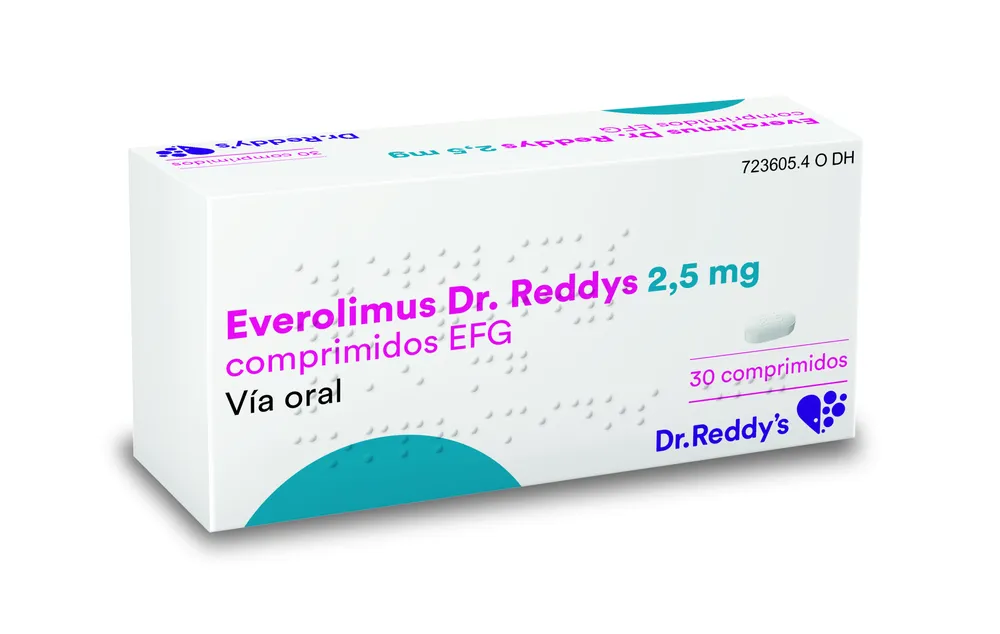
Table of Contents
- Patient Information Leaflet
- Introduction
- 1. What Everolimus Tamarang is and what it is used for
- 2. What you need to know before starting to take Everolimus Tamarang
- 3. How to take Everolimus Tamarang
- 4. Possible adverse effects
- 5. Storage of Everolimus Tamarang
- 6. Contents of the pack and other information
Patient Information Leaflet
Introduction
Package Leaflet: Information for the Patient
Everolimus Tamarang 2.5 mg tablets EFG
Everolimus Tamarang 5 mg tablets EFG
Everolimus Tamarang 10 mg tablets EFG
Read the entire leaflet carefully before you start taking this medicine, as it contains important information for you.
- Keep this leaflet, as you may need to read it again.
- If you have any questions, ask your doctor or pharmacist.
- This medicine has been prescribed for you only and must not be given to other people, even if they have the same symptoms as you, because it may harm them.
- If you experience any adverse effects, consult your doctor or pharmacist, even if they are effects not listed in this leaflet. See section 4.
Leaflet Contents
- What Everolimus Tamarang is and what it is used for
- What you need to know before taking Everolimus Tamarang
- How to take Everolimus Tamarang
- Possible side effects
- How to store Everolimus Tamarang
- Contents of the pack and other information
1. What Everolimus Tamarang is and what it is used for
Everolimus Tamarang is a cancer medicine that contains the active substance everolimus. Everolimus reduces the blood supply to the tumour and slows down the growth and spread of cancer cells.
Everolimus Tamarang is used to treat adult patients with:
- Advanced hormone receptor-positive breast cancer in postmenopausal women, in whom other treatments (called «non-steroidal aromatase inhibitors») can no longer keep the disease under control. It is given in combination with a type of medicine called exemestane, a steroidal aromatase inhibitor, which is used for hormonal treatment of cancer.
- Advanced tumours known as neuroendocrine tumours originating in the stomach, intestine, lung, or pancreas. It is administered when the tumours are not surgically removable and do not produce excess specific hormones or other related natural substances.
- Advanced kidney cancer (advanced renal cell carcinoma), when other treatments (called anti-VEGF therapy) have not helped to stop the progression of the disease.
2. What you need to know before starting to take Everolimus Tamarang
Everolimus Tamarang will only be prescribed by a doctor experienced in the treatment of cancer. Carefully follow all instructions provided by your doctor. These may differ from the general information contained in this leaflet. If you have any doubts about Everolimus Tamarang or why you have been prescribed this medicine, consult your doctor.
Do not take Everolimus Tamarang
- If you are allergic to everolimus, to related substances such as sirolimus or temsirolimus, or to any of the other ingredients of this medicine (listed in section 6).
If you think you may be allergic, consult your doctor.
Warnings and precautions
Talk to your doctor before starting to take Everolimus Tamarang:
- If you have liver problems or have had a disease that may have affected your liver. In this case, your doctor may prescribe a different dose of everolimus.
- If you have diabetes (high blood sugar). Everolimus may increase blood sugar levels and worsen diabetes mellitus. This may mean you require treatment with insulin and/or oral antidiabetic medicines. Inform your doctor if you notice excessive thirst or if you need to urinate more frequently.
- If you need to receive a vaccine while taking everolimus.
- If you have high cholesterol. Everolimus may increase cholesterol and/or other blood fats.
- If you have recently undergone major surgery, or if you still have an unhealed wound following surgery. Everolimus may increase the risk of wound healing problems.
- If you have an infection. It may be necessary to treat your infection before starting treatment with everolimus.
- If you have previously had hepatitis B, as it may reactivate during treatment with everolimus (see section 4 “Possible side effects”).
- If you have received or are about to receive radiotherapy.
Everolimus may also:
- Weaken your immune system. Therefore, you may be at risk of developing an infection while taking everolimus. If you develop fever or other signs of infection, consult your doctor. Some infections may be severe and potentially fatal.
- Affect kidney function. Therefore, your doctor will monitor your kidney function while you are taking everolimus.
- Cause difficulty breathing, cough, and fever.
- Cause mouth ulcers and sores. Your doctor may need to interrupt or stop treatment with Everolimus Tamarang. You may require treatment with a mouthwash, gel, or other products. Some mouthwashes and gels may worsen ulcers, so do not use any without first consulting your doctor. Your doctor may restart treatment with Everolimus Tamarang at the same dose or at a lower dose.
- Cause complications related to radiotherapy. Serious complications of radiotherapy (such as difficulty breathing, nausea, diarrhea, skin rash, and pain in the mouth, gums, and throat), including fatal cases, have been observed in some patients taking everolimus at the same time as receiving radiotherapy or shortly after completing radiotherapy. The so-called radiation recall syndrome (characterized by skin redness or lung inflammation at the site of previous radiotherapy) has also been reported in patients who previously received radiotherapy.
Inform your doctor if you are scheduled to receive radiotherapy soon, or if you have previously received radiotherapy.
Tell your doctor if you experience any of these symptoms.
During treatment, you will have periodic blood tests. These tests will measure the number of blood cells (white blood cells, red blood cells, and platelets) to check whether everolimus is having any unwanted effects on these cells. You will also have blood tests to monitor kidney function (creatinine levels), liver function (transaminase levels), and blood sugar and cholesterol levels. These tests are performed because these parameters may be affected by treatment with everolimus.
Children and adolescents
Everolimus must not be given to children or adolescents (under 18 years of age).
Other medicines and Everolimus Tamarang
Everolimus may affect how other medicines work. If you are taking other medicines at the same time as everolimus, your doctor may adjust the dose of Everolimus Tamarang or of the other medicines.
Inform your doctor or pharmacist if you are currently using, have recently used, or might need to use any other medicines.
The following may increase the risk of adverse effects with everolimus:
- Ketoconazole, itraconazole, voriconazole, or fluconazole and other antifungal medicines used to treat fungal infections.
- Clarithromycin, telithromycin, or erythromycin, antibiotics used to treat bacterial infections.
- Ritonavir and other medicines used to treat HIV/AIDS infection.
- Verapamil or diltiazem, used to treat heart problems or high blood pressure.
- Dronedarone, a medicine used to help regulate your heartbeat.
- Cyclosporine, a medicine used to prevent the body from rejecting transplanted organs.
- Imatinib, used to inhibit the growth of abnormal cells.
- Angiotensin-converting enzyme (ACE) inhibitors (such as ramipril) used to treat high blood pressure or other cardiovascular problems.
- Nefazodone, used to treat depression.
- Cannabidiol (used, among others, for the treatment of epileptic seizures).
The following may reduce the effectiveness of everolimus:
- Rifampicin, used to treat tuberculosis (TB).
- Efavirenz or nevirapine, used to treat HIV/AIDS infection.
- St. John’s wort (Hypericum perforatum), a herbal product used to treat depression and other conditions.
- Dexamethasone, a corticosteroid used to treat a wide range of conditions including inflammatory or immune disorders.
- Phenytoin, carbamazepine, or phenobarbital and other antiepileptic medicines used to control seizures.
The use of these medicines should be avoided during treatment with everolimus. If you are taking any of them, your doctor may prescribe a different medicine or adjust your dose of Everolimus Tamarang.
Taking Everolimus Tamarang with food and drink
Do not eat grapefruit or drink grapefruit juice while taking everolimus. It may increase the amount of Everolimus Tamarang in your blood, possibly to harmful levels.
Pregnancy, breastfeeding, and fertility
Pregnancy
Everolimus may harm the unborn baby and treatment with everolimus is not recommended during pregnancy. Inform your doctor if you are pregnant or think you may be pregnant. Your doctor will discuss with you whether you should take this medicine during pregnancy.
Women who can become pregnant must use a highly effective method of contraception during treatment and for 8 weeks after stopping treatment. If, despite these measures, you think you may be pregnant, consult your doctor before taking any further doses of everolimus.
Breastfeeding
Everolimus may harm the breastfed infant. You must not breastfeed during treatment and for 2 weeks following the last dose of everolimus. Inform your doctor if you are breastfeeding.
Female fertility
Absence of menstrual periods (amenorrhea) has been observed in some patients treated with everolimus.
Everolimus may affect female fertility. Inform your doctor if you wish to have children.
Male fertility
Everolimus may affect male fertility. Consult your doctor if you wish to father children.
Driving and use of machines
If you feel unusually tired (fatigue is a very common side effect), take special care when driving or using machines.
Everolimus Tamarang contains lactose
Everolimus Tamarang contains lactose (milk sugar). If your doctor has told you that you have an intolerance to certain sugars, consult with your doctor before taking this medicine.
3. How to take Everolimus Tamarang
Follow exactly the instructions for administering this medicine as given by your doctor or pharmacist. If in doubt, consult your doctor or pharmacist again.
The recommended dose is 10 mg once daily. Your doctor will inform you how many Everolimus Tamarang tablets you should take.
If you have liver problems, your doctor may start treatment with a lower dose of Everolimus Tamarang (2.5; 5; or 7.5 mg daily).
If you experience any adverse effects while taking Everolimus Tamarang (see section 4), your doctor may reduce your dose, or interrupt treatment temporarily or permanently.
Take Everolimus Tamarang once daily, approximately at the same time each day, always with food or always without food.
Swallow the tablet(s) whole with a glass of water. The tablets must not be chewed or crushed.
If you take more Everolimus Tamarang than you should
- If you have taken too much Everolimus Tamarang, or if someone has accidentally taken your tablets, contact your doctor or pharmacist immediately, go to the hospital immediately, or call the Toxicology Information Service at: 91 562 04 20, stating the medication and amount taken. Urgent treatment may be necessary.
- Take the container and this leaflet so the doctor can see what you have taken.
If you forget to take Everolimus Tamarang
If you miss a dose, take the next dose at your usual time. Do not take a double dose to make up for a missed dose.
If you stop taking Everolimus Tamarang
Do not stop treatment with Everolimus Tamarang unless your doctor tells you to.
If you have any further questions about using this medicine, ask your doctor or pharmacist.
4. Possible adverse effects
Like all medicines, this medicine can cause adverse effects, although not everyone will experience them.
STOP taking everolimus and seek immediate medical help if you experience any of the following signs of an allergic reaction:
- Difficulty breathing or swallowing
- Swelling of the face, lips, tongue, or throat
- Severe skin itching, with red rash or lumps on the skin
Serious adverse effects of everolimus include:
Very common (may affect more than 1 in 10 people)
- Increased body temperature, chills (signs of infection)
- Fever, cough, difficulty breathing, crackling sounds in the lungs (signs of lung inflammation, also known as pneumonitis)
Common (may affect up to 1 in 10 people)
- Excessive thirst, increased urination, increased appetite with weight loss, fatigue (signs of diabetes)
- Bleeding (haemorrhage), for example in the intestinal wall
- Marked decrease in urine output (sign of kidney failure)
Uncommon (may affect up to 1 in 100 people)
- Fever, skin rash, joint pain and swelling, as well as fatigue, loss of appetite, nausea, jaundice (yellowing of the skin), pain in the upper right abdomen, pale stools, dark urine (may be signs of reactivation of hepatitis B)
- Feeling short of breath, difficulty breathing when lying down, swelling of feet or legs (signs of heart failure)
- Swelling and/or pain in one leg, usually in the calf, redness or warmth in the skin in the affected area (signs of blockage of a blood vessel (vein) in the legs caused by a blood clot)
- Sudden onset of breathing difficulties, chest pain, or coughing up blood (potential signs of pulmonary embolism, a condition that occurs when one or more arteries in the lungs become blocked)
- Marked decrease in urine output, swelling in the legs, confusion, back pain (signs of sudden kidney failure)
- Rash, itching, pimples, difficulty breathing or swallowing, dizziness (signs of a severe allergic reaction, also known as hypersensitivity)
Rare (may affect up to 1 in 1,000 people)
- Difficulty breathing or rapid breathing (signs of respiratory distress syndrome)
If you experience any of these adverse effects, inform your doctor immediately, as they could be life-threatening.
Other possible adverse effects of everolimus include:
Very common (may affect more than 1 in 10 people)
- High blood sugar level (hyperglycaemia)
- Loss of appetite
- Taste disturbance (dysgeusia)
- Headache
- Nosebleeds (epistaxis)
- Cough
- Mouth ulcers
- Stomach discomfort including nausea or diarrhoea
- Skin rash
- Itching (pruritus)
- Feeling weak or tired
- Fatigue, shortness of breath, dizziness, pale skin, signs of low red blood cell count (anaemia)
- Swelling of arms, hands, feet, ankles, or other body parts (signs of oedema)
- Weight loss
- High level of lipids (fats) in the blood (hypercholesterolaemia)
Common (may affect up to 1 in 10 people)
- Spontaneous bleeding or bruising (signs of low platelet count, also known as thrombocytopenia)
- Difficulty breathing (dyspnoea)
- Thirst, low urine output, dark urine, dry red skin, irritability (signs of dehydration)
- Trouble sleeping (insomnia)
- Headache, dizziness (signs of high blood pressure, also known as hypertension)
- Swelling of part or all of the arm (including fingers) or leg (including toes), feeling of heaviness, limited mobility, discomfort (possible symptoms of lymphoedema)
- Fever, sore throat, mouth ulcers due to infections (signs of low white blood cell count, leucopenia, lymphopenia and/or neutropenia)
- Fever
- Inflammation of the mucous lining of the mouth, stomach, intestine
- Dry mouth
- Stomach burning (dyspepsia)
- Vomiting
- Difficulty swallowing (dysphagia)
- Abdominal pain
- Acne
- Rash and pain on the palms of the hands or soles of the feet (hand-foot syndrome)
- Skin redness (erythema)
- Joint pain
- Mouth pain
- Menstrual disorders such as irregular periods
- High level of lipids (fats) in the blood (hyperlipidaemia, increased triglycerides)
- Low potassium level in the blood (hypokalaemia)
- Low phosphate level in the blood (hypophosphataemia)
- Low calcium level in the blood (hypocalcaemia)
- Dry skin, skin peeling, skin lesions
- Nail disorders, nail breakage
- Mild hair loss
- Abnormal liver function tests (increased alanine and aspartate aminotransferase)
- Abnormal kidney function tests (increased creatinine)
- Swelling of the eyelid
- Protein in the urine
Uncommon (may affect up to 1 in 100 people)
- Weakness, spontaneous bleeding or bruising, and frequent infections with symptoms such as fever, chills, sore throat, or mouth ulcers (signs of low blood cell count, also known as pancytopenia)
- Loss of taste (ageusia)
- Coughing up blood (haemoptysis)
- Menstrual disorders such as absence of periods (amenorrhoea)
- More frequent urination during the day
- Chest pain
- Abnormal wound healing
- Hot flushes
- Watery, itchy, red eyes, pink or red eye (conjunctivitis)
Rare (may affect up to 1 in 1,000 people)
- Fatigue, difficulty breathing, dizziness, pale skin (signs of low red blood cell count, possibly due to a type of anaemia called pure red cell aplasia)
- Swelling of the face, around the eyes, mouth and inner mucosa of the mouth and/or throat, as well as the tongue, and difficulty breathing or swallowing (also known as angioedema), which may be signs of an allergic reaction
Frequency not known (cannot be estimated from available data)
- Reaction at the site of previous radiotherapy (e.g. skin redness or lung inflammation) (known as radiation recall syndrome)
- Worsening of adverse effects of radiotherapy
If these adverse reactions worsen, inform your doctor and/or pharmacist. Most adverse effects are mild to moderate and usually resolve if treatment is interrupted for a few days.
Reporting of adverse effects
If you experience any adverse effect, talk to your doctor or pharmacist, even if it is a possible adverse effect not listed in this leaflet. You can also report them directly via the Spanish Pharmacovigilance System for Human Medicines: https://www.notificaram.es. By reporting adverse effects, you can help provide more information on the safety of this medicine.
5. Storage of Everolimus Tamarang
- Keep this medicine out of the sight and reach of children.
- Do not use this medicine after the expiry date stated on the packaging and blister. The expiry date refers to the last day of the month indicated.
- Do not store above 25°C.
- Store in the original packaging to protect from light and moisture.
- Open the blister pack immediately before taking the tablets.
- Do not use this medicine if you notice that the packaging is damaged or shows signs of tampering.
Medicines must not be disposed of via wastewater or household waste. Dispose of unused medicines and their containers at the SIGRE Point in your pharmacy. If in doubt, ask your pharmacist how to properly dispose of unused medicines and their packaging. This will help protect the environment.
6. Contents of the pack and other information
Composition of Everolimus Tamarang
-
The active substance is everolimus.
-
Each Everolimus Tamarang 2.5 mg tablet contains 2.5 mg of everolimus.
-
Each Everolimus Tamarang 5 mg tablet contains 5 mg of everolimus.
-
Each Everolimus Tamarang 10 mg tablet contains 10 mg of everolimus.
-
The other components are butylhydroxytoluene (E321), magnesium stearate, hypromellose, crospovidone type A, and anhydrous lactose.
Appearance of the product and contents of the pack
Everolimus Tamarang 2.5 mg tablets are elongated, white to slightly yellow in colour, approximately 10 mm long, 4 mm wide and 3 mm high, with the imprint «2.5» on one side.
Everolimus Tamarang 5 mg tablets are elongated, white to slightly yellow in colour, approximately 12 mm long, 5 mm wide and 4 mm high, with the imprint «5» on one side.
Everolimus Tamarang 10 mg tablets are elongated, white to slightly yellow in colour, approximately 15 mm long, 6 mm wide and 5 mm high, with the imprint «10» on one side.
Everolimus Tamarang 2.5 mg is available in packs containing 30x1 or 90x1 tablets.
Everolimus Tamarang 5 mg and Everolimus Tamarang 10 mg are available in packs containing 10x1, 30x1 or 90x1 tablets.
Only certain pack sizes may be marketed.
Marketing Authorization Holder
Tamarang, S.A.,
Balmes 85 P 2
08008-Barcelona
Spain
Manufacturer
Ardena Pamplona, S.L.
Polígono Mocholí. C/ Noáin, 1
31110 Noáin (Navarra), Spain
or
Laboratori Fundació DAU
C/ C, 12-14, Pol. Ind. Zona Franca,
08040 Barcelona, Spain
or
Docuchem, SLU
C/ Pic de Peguera, 11 A.0.07,
17003 Girona, Spain
This medicinal product is authorized in the European Economic Area member states under the following names:
Member State | Medicinal product name |
Germany | Everolimus Tamarang 2.5 mg Tabletten Everolimus Tamarang 5 mg Tabletten Everolimus Tamarang 10 mg Tabletten |
Spain | Everolimus Tamarang 2.5 mg tablets EFG Everolimus Tamarang 5 mg tablets EFG Everolimus Tamarang 10 mg tablets EFG |
Date of the most recent review of this leaflet: November 2023
Other sources of information
Detailed information on this medicinal product is available on the website of the Spanish Agency of Medicines and Medical Devices (AEMPS) http://www.aemps.gob.es/