Zarxio
Ukraine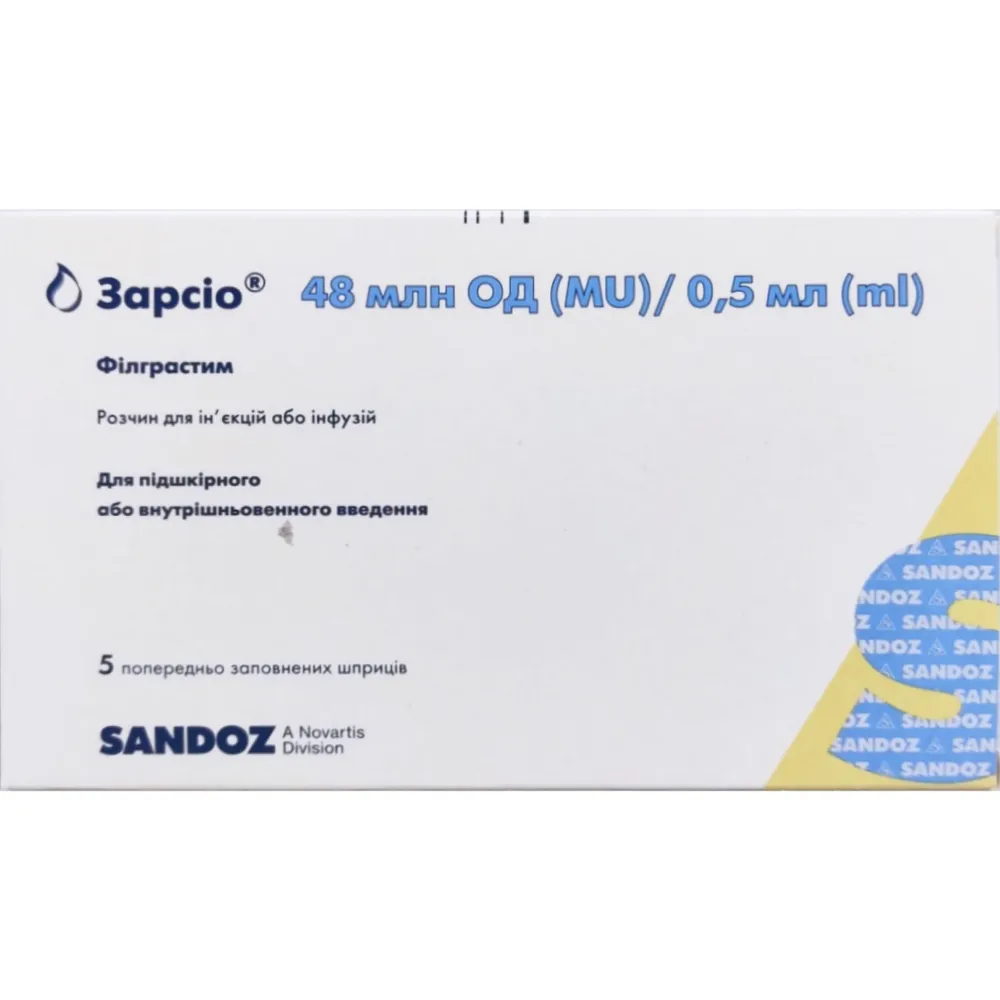
Table of Contents
INSTRUCTION FOR MEDICAL USE OF THE MEDICINAL PRODUCT ZARZIO®
Composition:
Active substance: filgrastim (recombinant human granulocyte colony-stimulating factor);
1 ml of solution contains 60 million IU (600 μg) or 96 million IU (960 μg) of filgrastim;
prefilled syringe (syringe-dose) contains 30 million IU (300 μg) or 48 million IU (480 μg) of filgrastim in 0.5 ml;
Excipients: glutamic acid, sorbitol (E 420), polysorbate 80, water for injections.
Pharmaceutical form. Solution for injection or infusion.
Main physicochemical properties: clear, colorless or slightly yellowish solution.
Pharmacotherapeutic group.
Immunostimulants. Colony-stimulating factors. Filgrastim.
ATC code L03A A02.
Pharmacological Properties
Pharmacodynamics
The active substance of the drug is filgrastim – a recombinant human granulocyte colony-stimulating factor (G-CSF). Filgrastim has the same biological activity as endogenous human G-CSF, differing from it only in being a non-glycosylated protein with an additional N-terminal methionine residue. Filgrastim produced by recombinant DNA technology is isolated from Escherichia coli bacterial cells, whose genetic apparatus has been modified by introduction of the gene encoding the G-CSF protein.
Human granulocyte colony-stimulating factor (G-CSF), a glycoprotein, regulates the production of functionally active neutrophilic granulocytes and their release into the bloodstream from the bone marrow. Filgrastim significantly increases the number of neutrophilic granulocytes in peripheral blood within the first 24 hours after administration and simultaneously causes a slight increase in the number of monocytes. The increase in neutrophilic granulocyte count with filgrastim administration within the recommended dose range is dose-dependent. Their functional properties are normal or enhanced, as evidenced by chemotaxis and phagocytosis studies. After discontinuation of treatment, the number of neutrophilic granulocytes in peripheral blood decreases by 50% within 1–2 days and returns to normal levels within 1–7 days.
Filgrastim use significantly reduces the frequency, severity, and duration of neutropenia in patients following cytotoxic chemotherapy or myeloablative therapy followed by bone marrow transplantation. Administration of filgrastim, both as primary treatment and after chemotherapy, stimulates peripheral blood hematopoietic progenitor cells (PBHPCs). These autologous PBHPCs can be collected from the patient and reinfused after high-dose cytotoxic therapy, either instead of or as an adjunct to bone marrow transplantation. Administration of PBHPCs accelerates hematopoietic recovery, reduces the risk of hemorrhagic complications, and decreases the need for platelet transfusions. In children and adults with severe chronic neutropenia (SCN), filgrastim consistently increases the number of neutrophilic granulocytes in peripheral blood and reduces the frequency of infectious complications.
Pharmacokinetics
Following both intravenous and subcutaneous administration, a positive linear relationship between plasma concentration and dose is observed. After subcutaneous injection of recommended doses, serum concentrations exceed 10 ng/mL for 8–16 hours; the volume of distribution in blood is approximately 150 mL/kg. After both subcutaneous and intravenous administration, elimination of the drug follows first-order kinetics. The mean serum half-life of filgrastim is approximately 3.5 hours, and clearance rate is about 0.6 mL/min per kg. Continuous infusion over 28 days in patients recovering after autologous bone marrow transplantation was not associated with signs of drug accumulation or an increase in elimination half-life.
Clinical characteristics.
Indications.
Reduction of the duration and severity of neutropenia in patients receiving intensive myelosuppressive cytotoxic chemotherapy for malignant diseases (except chronic myeloid leukemia and myelodysplastic syndrome), and reduction of the duration of neutropenia in patients receiving high-dose cytotoxic chemotherapy followed by autologous or allogeneic bone marrow transplantation.
The safety and efficacy of filgrastim are similar in adults and children receiving cytotoxic chemotherapy.
-
The drug is indicated for mobilization of peripheral blood stem cells (PBSC).
-
Long-term use is indicated in children and adults with severe congenital, cyclic, or idiopathic neutropenia and neutropenia with an absolute neutrophil count <0.5×10⁹/L, to increase neutrophil counts and reduce the frequency of infections.
-
Treatment of persistent neutropenia (absolute neutrophil count ≤1.0×10⁹/L) in patients with advanced HIV infection to reduce the risk of bacterial infections when other treatments for neutropenia are inappropriate.
Contraindications.
- Hypersensitivity to filgrastim, colony-stimulating factors, Escherichia coli, or to any excipients.
- Severe hereditary neutropenia (Kostmann’s syndrome) with cytogenetic abnormalities and autoimmune neutropenia.
- Terminal stage of chronic renal failure (CRF).
- Chronic myeloid leukemia and myelodysplastic syndrome.
Interaction with other medicinal products and other forms of interaction.
The safety and efficacy of administering Zarsio® on the same day as myelosuppressive cytotoxic chemotherapeutic agents have not been established. Due to the sensitivity of rapidly dividing myeloid cells to myelosuppressive cytotoxic chemotherapy, administration of Zarsio® within 24 hours before or after these agents is not recommended.
When Zarsio® is administered concomitantly with 5-fluorouracil, the severity of neutropenia may be increased. Interactions with other hematopoietic growth factors and cytokines are unknown.
Since lithium stimulates neutrophil release, a potential enhancement of the effect of Zarsio® may occur with combined administration; however, such studies have not been conducted.
Due to pharmaceutical incompatibility, the drug must not be mixed with 0.9% sodium chloride solution.
Special precautions for use.
Hypersensitivity
Hypersensitivity reactions, including anaphylactic reactions observed at the beginning or during treatment, have been reported in patients receiving filgrastim. The use of ZARZIO® should be discontinued in patients experiencing clinically significant hypersensitivity reactions.
ZARZIO® should not be administered to patients with known hypersensitivity to filgrastim or pegfilgrastim in their medical history.
Pulmonary adverse reactions
There are data regarding rare cases of adverse effects on respiratory organs, including the development of interstitial pneumonia during G-CSF therapy. Patients who have recently experienced infiltrative lung disease or pneumonia may be at higher risk. The appearance of symptoms such as cough, fever, and dyspnea, combined with radiologically detected infiltrative lung lesions and signs of progressive respiratory failure, may suggest adult respiratory distress syndrome (ARDS). In case of ARDS detection, filgrastim administration should be discontinued and appropriate treatment initiated.
During the post-marketing period, there have been reports of very rare pulmonary adverse events (hemoptysis, pulmonary hemorrhage, lung infiltration, dyspnea, and oxygen deficiency), including in healthy donors. If a pulmonary adverse event is suspected or confirmed, further filgrastim administration should be discontinued and appropriate medical care provided.
Glomerulonephritis
Glomerulonephritis has been reported in patients receiving filgrastim and pegfilgrastim. Glomerulonephritis usually resolves after dose reduction or discontinuation of filgrastim and pegfilgrastim. Periodic urinalysis is recommended.
Capillary leak syndrome
Cases of potentially life-threatening capillary leak syndrome have been reported following G-CSF administration, characterized by arterial hypotension, hypoalbuminemia, edema, and hemoconcentration, especially if treatment is delayed. Patients presenting signs of capillary leak syndrome require close monitoring and symptomatic therapy, including resuscitation measures.
Splenomegaly and splenic rupture
Cases of asymptomatic splenomegaly and splenic rupture have been observed in healthy donors and patients after filgrastim administration. Spleen enlargement is a direct consequence of filgrastim administration. Splenomegaly, detected by palpation, was observed in 31% of patients participating in clinical trials. Several fatal cases of splenic rupture have been reported. Therefore, careful monitoring of spleen size (clinical and ultrasound examination) is necessary. The diagnosis of splenic rupture should be ruled out in donors and/or patients complaining of pain in the left upper quadrant of the abdomen or left shoulder. Dose reduction may halt or stop spleen enlargement progression; splenectomy was required in 3% of patients.
Growth of malignant cells
Since G-CSF is known to promote the growth of myeloid cells in vitro, similar effects may occur for some non-myeloid cells in vitro.
Myelodysplastic syndrome or chronic myeloid leukemia
The safety and efficacy of filgrastim in patients with myelodysplastic syndrome or chronic myeloid leukemia have not been established; therefore, filgrastim is not indicated in these conditions. Particular caution is required when differentiating acute myeloid leukemia from blast transformation of chronic myeloid leukemia.
Acute myeloid leukemia (AML)
Due to limited data on the safety and efficacy of filgrastim in patients with secondary acute myeloid leukemia (AML), the drug should be administered with caution.
The safety and efficacy of filgrastim administration in de novo AML patients under 55 years of age with favorable cytogenetic prognosis [t(8;21), t(15;17), and inv(16)] have not been established.
Thrombocytopenia
Thrombocytopenia has been very commonly observed in patients receiving filgrastim. Careful monitoring of platelet count is necessary, especially during the first weeks of filgrastim therapy. In cases of thrombocytopenia development in patients with severe chronic neutropenia (SCN), defined as persistent platelet count reduction to < 100 × 10⁹/L, further filgrastim therapy should be temporarily discontinued or the dose reduced.
Leukocytosis
White blood cell count reaches or exceeds 100 × 10⁹/L in less than 5% of patients receiving a daily dose greater than 0.3 million IU/kg (3 mcg/kg) body weight. There are no reports of adverse effects directly caused by such severe leukocytosis. However, due to the potential risk associated with severe leukocytosis, regular monitoring of white blood cell count is necessary during filgrastim therapy. If the white blood cell count exceeds 50 × 10⁹/L after reaching the expected level, the drug should be immediately discontinued. When used for PBPC mobilization, the drug should be discontinued or the dose adjusted if the white blood cell count increases to > 70 × 10⁹/L.
Immunogenicity
As with all therapeutic proteins, there is a possibility of immunogenicity development. The rate of anti-filgrastim antibody formation is generally low. Binding antibodies have been detected, as with all biopharmaceuticals; however, they are currently not associated with neutralizing activity.
Special warnings and precautions related to concomitant diseases
Special precautions in patients with sickle cell traits or sickle cell disease
Sickle cell crises, sometimes fatal, have been reported during filgrastim use in patients with sickle cell traits or sickle cell disease. Physicians should exercise caution when prescribing filgrastim to patients with sickle cell traits or sickle cell disease.
In patients with sickle cell anemia, cases of acute hemolytic crisis (increased number of abnormal cells) have been observed, sometimes with fatal outcomes. Filgrastim should be administered cautiously to such patients, with close monitoring of relevant clinical and laboratory parameters, paying particular attention to possible spleen enlargement and vascular thrombosis.
Osteoporosis
In patients with concomitant bone pathology and osteoporosis, bone mineral density should be regularly monitored during prolonged (more than 6 months) filgrastim therapy.
Special precautions in oncology patients
Filgrastim should not be used to increase cytotoxic chemotherapy doses beyond established regimens.
Risk associated with increased chemotherapy dose
Particular caution is required when treating patients with malignant tumors receiving high-dose cytostatic therapy, as treatment efficacy has not been established in these cases. Increased chemotherapy doses are known to cause more pronounced toxicity, leading to cardiovascular, pulmonary, neurological, and dermatological adverse reactions (see instructions for concomitant cytostatic drugs).
Impact of chemotherapy on erythrocytes and platelets
Filgrastim monotherapy does not prevent thrombocytopenia and anemia caused by myelosuppressive chemotherapy. When higher chemotherapy doses (e.g., full doses according to prescribed regimens) are used, the risk of severe thrombocytopenia and anemia increases.
Regular monitoring of hematocrit and platelet count is recommended. Particular caution should be exercised when using single-agent or combination chemotherapy regimens that may cause severe thrombocytopenia.
When filgrastim is used for PBPC mobilization, a reduction in the severity and duration of thrombocytopenia caused by myelosuppressive or myeloablative chemotherapy has been observed.
Other special precautions
The efficacy of the drug in patients with significantly reduced numbers of myeloid precursor cells has not been studied. Filgrastim increases neutrophil count primarily by affecting neutrophil precursor cells. Therefore, in patients with reduced numbers of precursor cells (e.g., due to intensive radiation therapy, chemotherapy, or tumor infiltration of bone marrow), the number of neutrophils produced may be reduced.
Vascular complications, such as venous occlusion and fluid imbalance, have occasionally been observed in patients receiving high-dose chemotherapy followed by autologous bone marrow transplantation.
Data exist on the development of graft-versus-host disease (GVHD) and fatal cases in patients receiving G-CSF after allogeneic bone marrow transplantation.
Enhanced hematopoiesis in bone marrow in response to growth factor therapy is associated with transient pathological changes detectable by bone scintigraphy. This should be considered when interpreting diagnostic bone images.
Cases of aortitis after filgrastim administration have been reported in both healthy individuals and oncology patients. Symptoms included fever, abdominal pain, malaise, back pain, and elevated inflammatory markers (e.g., increased C-reactive protein and leukocytosis). In most cases, aortitis was diagnosed by CT scan and typically resolved after filgrastim discontinuation.
Special precautions for patients requiring PBPC mobilization
Mobilization
There is no randomized comparison of the two recommended mobilization methods (filgrastim alone or in combination with myelosuppressive chemotherapy) within the same patient population. The degree of variation between individual patients and between laboratory analyses of CD34+ cells makes direct comparison of different studies difficult. Therefore, it is challenging to recommend an optimal method. The choice of mobilization method should be considered in relation to the overall treatment goals for the individual patient.
Prior exposure to cytotoxic agents
In patients previously treated with intensive myelosuppressive therapy, filgrastim-induced PBPC mobilization may not achieve the recommended minimum level (≥ 2.0 × 10⁶ CD34+ cells/kg) or enhance platelet recovery rate.
Some cytotoxic agents exhibit specific toxicity toward hematopoietic precursor cells and negatively affect their mobilization. Prolonged use of melphalan, carboplatin, or carmustine (BCNU) prior to precursor cell mobilization may impair outcomes. However, concurrent administration of melphalan, carboplatin, or BCNU with filgrastim is effective for PBPC mobilization. If PBPC transplantation is planned, mobilization should be performed at an early stage of patient treatment. Particular attention should be paid to the number of precursor cells activated in these patients before high-dose chemotherapy. If mobilization results are insufficient according to the above criteria, alternative treatment methods not requiring precursor cells should be considered.
Assessment of precursor cell count
When assessing the number of PBPCs mobilized in patients receiving filgrastim therapy, particular attention should be paid to the quantification method. Results of flow cytometric analysis of CD34+ cell count vary significantly depending on the methodology used; therefore, caution should be exercised when interpreting results obtained from other laboratories.
Statistical analysis of the relationship between the number of infused CD34+ cells and the speed of platelet count recovery after high-dose chemotherapy shows a complex but consistent dependency. Recommendations for ensuring a minimum content of ≥ 2.0 × 10⁶ CD34+ cells/kg are based on published data regarding adequate hematological recovery. Faster recovery is observed at levels exceeding the minimum recommended, while slower recovery occurs at levels below the recommended.
Special precautions for healthy donors undergoing PBPC mobilization
PBPC mobilization in healthy donors affects their health and is used exclusively to obtain allogeneic stem cells for transplantation.
Donors undergoing PBPC mobilization for transplantation must meet standard clinical and laboratory criteria for stem cell donors. Particular attention should be paid to blood test results and presence of infectious diseases. The safety and efficacy of filgrastim administration in healthy donors under 16 years of age or over 60 years have not been evaluated.
Transient thrombocytopenia (platelet count < 100 × 10⁹/L) after filgrastim administration and leukapheresis was observed in 35% of patients. Two cases of platelet count reduction to < 50 × 10⁹/L were reported and attributed to the leukapheresis procedure.
If more than one leukapheresis procedure is required, particular attention should be paid to donors whose platelet count before the start of leukapheresis is < 100 × 10⁹/L; leukapheresis is generally not recommended if platelet count is < 75 × 10⁹/L.
Leukapheresis should not be performed in donors requiring anticoagulant therapy or with hemostasis disorders.
Monitoring of donors receiving G-CSF for PBPC mobilization should continue until hematological parameters normalize.
Transient cytogenetic changes have been observed in healthy donors after G-CSF administration. The significance of these changes is unknown.
Long-term safety assessment of the drug in donors is ongoing. The risk of promoting the formation of malignant myeloid cell clones cannot be excluded. Apheresis centers are recommended to conduct systematic follow-up of stem cell donors for at least 10 years to monitor long-term safety parameters.
Special precautions for recipients undergoing PBPC mobilization with filgrastim
Data indicate that allogeneic PBPCs and recipient immunological interaction carry a higher risk of acute and chronic graft-versus-host disease compared to bone marrow transplantation.
Special precautions for patients with SCN
Filgrastim should not be administered to patients with severe congenital neutropenia who have developed leukemia or show signs of leukemic transformation.
Blood composition testing
Other blood formula changes may occur, including anemia and transient increase in myeloid precursor cells; careful monitoring of blood formula is required.
Transformation to leukemia or preleukemia
Particular caution is required in diagnosing SCN to differentiate it from other hematological disorders such as aplastic anemia, myelodysplasia, and myeloleukemia. Before starting treatment, a complete blood count with leukocyte formula and platelet count should be performed, along with bone marrow morphology and karyotype assessment.
Myelodysplastic syndrome (MDS) or leukemia has been rarely observed (approximately in 3% of cases) in patients with severe chronic neutropenia participating in clinical trials of filgrastim. These disorders were observed only in patients with congenital neutropenia. MDS and leukemia are common complications of the disease; their association with filgrastim therapy is uncertain. Approximately 12% of patients (without cytogenetic abnormalities before therapy) showed abnormalities in subsequent tests, including monosomy 7. In cases of cytogenetic abnormalities in patients with severe chronic neutropenia, the benefit-risk ratio of continued filgrastim use should be carefully evaluated. Continued filgrastim administration should be discontinued in patients developing MDS or leukemia. It is unknown whether long-term filgrastim therapy in patients with severe chronic neutropenia increases the risk of cytogenetic abnormalities, MDS, or disease transformation to leukemia. Morphological and cytogenetic examination of bone marrow should be performed regularly, approximately every 12 months.
Other special precautions
Other causes of neutropenia, such as viral infections, should be ruled out.
Hematuria has been frequently observed, while proteinuria has been observed in a small number of patients. Regular urinalysis is necessary for timely detection of these phenomena.
Safety and efficacy in newborns and patients with autoimmune neutropenia have not been established.
Special precautions for HIV-infected patients
Blood formula
Careful monitoring of absolute neutrophil count (ANC) is required, especially during the first weeks of filgrastim therapy. In some patients, a very rapid response with significant neutrophil count increase after the first filgrastim dose has been observed. Daily ANC determination is recommended during the first 2–3 days of filgrastim administration. Subsequently, during the first 2 weeks, ANC determination is recommended at least twice weekly, then once weekly and every 2 weeks during maintenance therapy. Larger fluctuations in ANC values may occur during scheduled filgrastim administration at individually determined doses and at 30 million IU/day (300 mcg/day). To determine the lowest ANC values, blood samples should be obtained immediately before the scheduled filgrastim administration.
Risk associated with increased doses of myelosuppressive drugs
Filgrastim monotherapy does not prevent thrombocytopenia and anemia caused by myelosuppressive chemotherapy. Due to receiving higher chemotherapy doses or using more chemotherapy agents in combination with filgrastim, the risk of thrombocytopenia and anemia in patients may increase. Regular monitoring of blood formula parameters is recommended.
Infectious and malignant diseases causing myelosuppression
Neutropenia development may result from bone marrow infiltration by opportunistic infection agents, such as Mycobacterium avium, or by malignant tumors, such as lymphoma. In patients with infectious diseases or malignant tumors affecting bone marrow, appropriate therapy for the underlying disease is necessary in addition to filgrastim administration to resolve neutropenia. The effect of filgrastim on neutropenia caused by infectious diseases or malignant tumors affecting bone marrow has not been determined.
Excipients
ZARZIO® contains sorbitol; therefore, the drug should not be administered to patients with rare hereditary fructose intolerance.
The protective cap contains derivatives of natural rubber latex. Although the medicinal product itself does not contain natural rubber latex, the safety of using the product in latex-sensitive patients has not been studied.
To improve traceability of G-CSF, the name of the administered medicinal product should be clearly documented in the patient's file.
This medicinal product contains less than 1 mmol (23 mg)/dose of sodium, i.e., essentially "sodium-free."
Use during pregnancy or breastfeeding
The safety of filgrastim in pregnant women has not been established. Data exist on filgrastim crossing the placental barrier. No teratogenic effects of filgrastim were observed in animal studies. Reproductive toxicity was observed in animal studies. Increased rates of abortion were observed in animals receiving filgrastim.
ZARZIO® is not recommended during pregnancy.
It is unknown whether filgrastim and its metabolites are excreted in human breast milk; therefore, risk to infants cannot be excluded. A decision must be made whether to discontinue breastfeeding or filgrastim therapy, taking into account the benefits of breastfeeding for the child and the benefits of therapy for the woman.
Animal studies have shown that filgrastim does not affect reproductive systems or fertility.
Ability to influence reaction speed when driving or operating machinery
Filgrastim may have a minor influence on the ability to drive or operate machinery, specifically due to possible dizziness.
Dosage and Administration
Treatment with ZARZIO® may be administered in healthcare facilities equipped with appropriate diagnostic equipment. Physicians should have experience in using medicinal products containing granulocyte colony-stimulating factor (G-CSF) and in managing patients with hematological disorders.
Procedures for mobilization and apheresis should be performed in collaboration with physicians experienced in these procedures and capable of appropriate monitoring of hematopoietic progenitor cells.
Neutropenia in patients receiving cytotoxic chemotherapy for malignant diseases.
The recommended daily dose is 0.5 million IU/kg (5 mcg/kg) body weight, administered once daily. The first dose should be given no sooner than 24 hours after completion of cytotoxic chemotherapy. Treatment should continue until the total neutrophil count in the blood exceeds the expected threshold and reaches normal levels. After chemotherapy for solid tumors, lymphomas, and lympholeukemias, treatment duration until reaching these levels is up to 14 days. After induction and consolidation therapy for acute myeloid leukemia, treatment duration may be significantly prolonged (up to 38 days), depending on the type, dose, and regimen of the cytotoxic chemotherapy administered.
In patients receiving cytotoxic chemotherapy, a transient increase in neutrophil count is typically observed within 1–2 days after initiating treatment with ZARZIO®. However, to achieve a stable therapeutic effect, treatment should be continued until the neutrophil count exceeds the expected minimum threshold and reaches normal levels. Premature discontinuation of ZARZIO® before neutrophil counts cross this threshold is not recommended.
Administration method
ZARZIO® should be administered either as subcutaneous injections or as intravenous infusions (diluted in 5% glucose solution) over 30 minutes, once daily. In most cases, the subcutaneous route is preferred. When administered intravenously, the duration of effect of a single dose may be shortened. The clinical significance of this observation with repeated dosing has not been established. The choice of administration route depends on the specific clinical situation and should be determined individually for each patient.
Patients undergoing myeloablative therapy followed by bone marrow transplantation.
The recommended initial dose of ZARZIO® is 1 million IU/kg (10 mcg/kg) body weight per day. The first dose should be administered no sooner than 24 hours after completion of cytotoxic chemotherapy and no sooner than 24 hours after bone marrow transplantation.
After reaching the nadir (lowest neutrophil count), the daily dose of ZARZIO® should be adjusted according to changes in neutrophil count (see table).
Dosage adjustment of ZARZIO® in response to nadir achievement.
| Absolute neutrophil count (ANC) |
Dose adjustment of ZARZIO® |
| ANC > 1 × 10⁹/L for 3 consecutive days |
Reduce dose to 0.5 million IU/kg (5 μg/kg) body weight per day |
| ANC > 1 × 10⁹/L for the subsequent 3 consecutive days |
Discontinue the drug |
| If during treatment the ANC decreases to < 1 × 10⁹/L, increase the ZARZIO® dose according to the above scheme. |
|
Route of Administration
The medicinal product should be dissolved in 20 mL of 5% glucose solution and administered as a short-term intravenous infusion over 30 minutes or as a prolonged subcutaneous or intravenous infusion over 24 hours.
Mobilization of peripheral blood stem cells (PBSCs) in patients receiving myelosuppressive or myeloablative therapy followed by autologous PBSC transfusion
Patients receiving myelosuppressive or myeloablative therapy followed by autologous stem cell transplantation.
For PBSC mobilization using ZARZIO® as monotherapy, the recommended dose is 1 million IU/kg (10 µg/kg) body weight per day for 5–7 consecutive days as a prolonged subcutaneous infusion over 24 hours. Usually, 1–2 leukapheresis sessions on days 5 and 6 are sufficient. In some cases, an additional leukapheresis session should be performed. The dose of the medicinal product should not be changed before the final leukapheresis.
For PBSC mobilization after myelosuppressive chemotherapy, the recommended dose of ZARZIO® is 0.5 million IU/kg (5 µg/kg) body weight per day, starting on the first day after completion of chemotherapy, until the neutrophil count passes the expected nadir and returns to normal. Leukapheresis should be performed during the period of rising ANC from < 0.5 × 10⁹/L to > 5 × 10⁹/L. Patients who have not received intensive chemotherapy usually require only one leukapheresis session. In individual cases, additional leukapheresis sessions are recommended.
Route of Administration
Filgrastim for PBSC mobilization when used alone may be administered as a continuous subcutaneous infusion over 24 hours or by subcutaneous injection. For infusions, filgrastim should be diluted in 20 mL of 5% glucose solution.
Filgrastim for PBSC mobilization after myelosuppressive chemotherapy should be administered subcutaneously.
Mobilization of PBSCs in healthy donors prior to allogeneic PBSC transplantation.
For PBSC mobilization prior to allogeneic PBSC transplantation in healthy donors, the recommended dose of ZARZIO® is 1 million IU/kg (10 µg/kg) body weight per day for 4–5 consecutive days. Leukapheresis should be initiated on day 5 and, if necessary, continued on day 6 to obtain 4 × 10⁶ CD34+ cells/kg body weight of the recipient.
Route of Administration
Filgrastim should be administered as a subcutaneous injection.
In patients with severe chronic neutropenia (SCN)
Congenital neutropenia
The recommended initial dose is 1.2 million IU/kg (12 µg/kg) body weight per day administered as a single subcutaneous injection or in divided doses.
Idiopathic and periodic neutropenia
The recommended initial dose is 0.5 million IU/kg (5 µg/kg) body weight per day administered as a single dose or in divided doses.
Dose adjustment
ZARZIO® should be administered daily as a subcutaneous injection until the neutrophil count reaches and stably exceeds 1.5 × 10⁹/L. After achieving the therapeutic effect, determine the minimal effective dose required to maintain this level. Maintenance of the required neutrophil count requires prolonged daily administration of the medicinal product. After 1–2 weeks of treatment, the initial dose may be doubled or halved depending on the therapeutic response. Subsequently, individual dose adjustments should be made every 1–2 weeks to stabilize the average neutrophil count within the range of 1.5 × 10⁹/L to 10 × 10⁹/L. In patients with severe infections, a regimen with more rapid dose escalation may be used. The safety of long-term treatment with filgrastim at doses exceeding 2.4 million IU (24 µg/kg) per day has not been established.
Route of Administration
Filgrastim should be administered as a subcutaneous injection.
In patients with HIV infection
Restoration of neutrophil count
The recommended initial dose of the medicinal product is 0.1 million IU/kg (1 µg/kg) body weight per day, increasing the dose up to 0.4 million IU/kg (4 µg/kg) body weight per day as a single subcutaneous injection until normalization of the neutrophil count (ANC > 2.0 × 10⁹/L). Normalization of neutrophil count usually occurs within 2 days. In a small number of cases (< 10% of patients), the dose may be increased up to 1 million IU/kg (10 µg/kg) body weight per day to restore neutrophil count.
Maintenance of normal neutrophil count
When neutropenia has resolved, the minimal effective dose to maintain a normal neutrophil level should be established. After achieving the therapeutic effect, the maintenance dose is 300 µg/day administered 2–3 times per week on an alternate-day schedule. Subsequently, individual dose adjustments may be required, and prolonged administration of the medicinal product may be necessary to maintain an average neutrophil count > 2.0 × 10⁹/L.
Route of Administration
Filgrastim should be administered as a subcutaneous injection.
Special patient populations
Dose adjustment is not required in patients with severe hepatic or renal impairment, as pharmacokinetic and pharmacodynamic parameters have been found to be similar to those in healthy volunteers.
There are no specific recommendations for the use of ZARZIO® in elderly patients.
Children
When used in pediatric practice, the safety profile of ZARZIO® in children with SCN and oncological diseases was not different from that in adults. The safety and efficacy of the medicinal product in neonates have not been established.
Dosing recommendations for pediatric patients are the same as for adults receiving myelosuppressive cytotoxic chemotherapy.
Recommendations prior to administration
Before administration, visually inspect the contents of the pre-filled syringe. The solution should be clear and free of particles. Short-term exposure to low temperatures does not adversely affect the stability of the medicinal product. The medicinal product does not contain preservatives. To avoid microbial contamination, note that ZARZIO® in the pre-filled syringe is intended for single use only. For storage and outpatient use, the product may be removed from the refrigerator and stored at room temperature (not above 25°C) once for up to 8 days. After this period, the product should not be returned to the refrigerator and must be discarded.
Recommendations for dilution of the medicinal product
ZARZIO® may be administered diluted in 5% glucose solution. Dilution to a concentration below 0.2 million IU/mL (2 µg/mL) is not recommended. When diluting to a concentration < 1.5 million IU/mL (15 µg/mL), human albumin should be added to achieve a final concentration of 2 mg/mL. For example, to achieve a solution volume of 20 mL and a total dose of ZARZIO® of 30 million IU (300 µg), an additional 0.2 mL of 20% albumin solution is required.
When diluted in glucose solution, the medicinal product may be adsorbed onto glass and other materials used for infusion administration. The use of sodium chloride solution for dilution of the medicinal product is prohibited.
The chemical and physical stability of the diluted infusion solution after opening the packaging has been confirmed for 24 hours when stored at 2–8°C. From a microbiological standpoint, the product should be used immediately. If not used immediately, the responsibility for storage conditions and duration after opening until administration lies with the user. Dilution must be performed under controlled and approved aseptic conditions.
Preferred sites of the body for subcutaneous administration of ZARZIO® are shown in the figure:

Instructions for self-injection of the medicinal product by the patient
This section contains information regarding self-injection of ZARZIO® by the patient. Important! Do not attempt to perform self-injection unless you have been trained in the injection technique by a physician or nurse. ZARZIO® is supplied with a needle safety device to prevent needlestick injury after use, and your physician or nurse will show you how to use the syringe. If you are unsure whether you can perform the injection or have any questions, consult your physician or nurse for assistance.
Caution! Do not use the syringe if it has fallen on a hard surface or if it fell after the needle cap was removed.
- Wash your hands.
- Remove one syringe from the packaging and remove the needle safety device from the injection needle. The syringes are marked with raised graduation lines in case partial filling is required. Each graduation line corresponds to a volume of 0.1 mL. If the syringe needs to be partially filled, remove the excess solution before administration.
- Clean the injection site with an alcohol wipe.
- Create a skin fold by pinching the skin between the thumb and index finger.
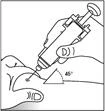
- Insert the needle into the skin fold with a quick, confident motion. Administer the ZARZIO® solution as demonstrated by your physician. If you are unsure, you should consult your physician or pharmacist.
|
|
The following information is intended for healthcare professionals only.
The post-injection needlestick protection device covers the needle after injection to prevent needlestick injury. This does not affect the normal operation of the syringe. Slowly and steadily press the plunger until the full dose is administered and the plunger can no longer be advanced. While continuing to apply pressure on the plunger, withdraw the needle from the skin. The post-injection needlestick protection device will cover the needle upon release of the plunger.
Disposal
Any unused medicinal product or waste material must be disposed of in accordance with local requirements.
Overdose.
Symptoms of ZARZIO® overdose are unknown. Within 1–2 days after discontinuation of treatment, the number of circulating neutrophilic granulocytes usually decreases by 50%, and returns to normal within 1–7 days.
Adverse Reactions
The frequency of adverse reactions is classified as follows: very common (≥ 1/10); common (≥ 1/100, < 1/10); uncommon (≥ 1/1000, < 1/100); rare (≥ 1/10000, < 1/1000); very rare (< 1/10000).
The most serious adverse reactions that may occur during filgrastim treatment include: anaphylactic reactions, severe pulmonary adverse effects (including interstitial pneumonia and acute respiratory distress), capillary leak syndrome, severe splenomegaly/rupture of the spleen, myelodysplastic syndrome or leukemia in patients with severe congenital neutropenia, graft rejection in patients receiving allogeneic bone marrow transplantation or peripheral blood progenitor cell transplantation, and sickle cell crisis in patients with sickle cell disease.
The most commonly observed adverse events during filgrastim therapy are pyrexia, bone and muscle pain (including bone pain, back pain, arthralgia, myalgia, limb pain, musculoskeletal pain, chest musculoskeletal pain, neck pain), anemia, nausea, and vomiting. In oncology patients, musculoskeletal pain of mild to moderate severity was observed in 10% of patients, and of severe intensity in 3%. Bone and muscle pain are usually relieved with standard analgesics.
In healthy donors undergoing mobilization of PBPCs, the most common adverse reaction was skeletal-muscular pain.
In patients with SCN, the most common adverse reactions during filgrastim therapy were bone pain, generalized skeletal-muscular pain, splenomegaly, and rupture of the spleen. Myelodysplastic syndrome (MDS) or leukemia were observed in patients with congenital neutropenia receiving filgrastim.
Capillary leak syndrome, a life-threatening condition if not immediately treated, was reported uncommonly (≥1/1000 to <1/100) in patients with malignancies undergoing chemotherapy and in healthy donors undergoing mobilization of peripheral blood stem cells following administration of human granulocyte colony-stimulating factors.
In clinical trials in HIV-infected patients, the only adverse reactions considered related to filgrastim were skeletal-muscular pain, bone pain, and myalgia.
Administration of filgrastim did not increase the frequency of adverse events caused by cytotoxic chemotherapy. Adverse events observed with similar frequency in patients receiving filgrastim/chemotherapy and those receiving placebo/chemotherapy included nausea and vomiting, alopecia, diarrhea, fatigue, anorexia, mucositis, headache, cough, skin rash, chest pain, general weakness, sore throat, constipation, and unspecified pain.
Vascular system disorders were observed in patients undergoing high-dose chemotherapy followed by autologous bone marrow transplantation.
The list below includes adverse reactions reported in clinical trials and spontaneous post-marketing reports.
Infections and infestations
Common: sepsis, bronchitis, upper respiratory tract infections, urinary tract infections.
Blood and lymphatic system disorders
Very common: thrombocytopenia, anemia¹.
Common: splenomegaly¹, decreased hemoglobin level⁵.
Uncommon: leukocytosis¹, spleen function disorders.
Rare: rupture of the spleen¹, sickle cell crises.
Immune system disorders
Common: allergic reactions, skin rash, urticaria, angioedema.
Uncommon: hypersensitivity reactions, drug hypersensitivity reactions¹, graft-versus-host reactions².
Rare: anaphylactic reactions.
Metabolism and nutrition disorders
Common: increased blood lactate dehydrogenase (LDH) levels, decreased appetite⁵.
Uncommon: increased blood uric acid levels, hyperuricemia.
Rare: pseudogout¹, decreased blood glucose levels, fluid imbalance.
Psychiatric disorders
Common: insomnia.
Nervous system disorders
Very common: headache¹.
Common: dizziness, hypaesthesia, paraesthesia.
Vascular disorders
Common: arterial hypertension, arterial hypotension.
Uncommon: veno-occlusive disease⁴.
Rare: capillary leak syndrome¹, aortitis.
Respiratory, thoracic and mediastinal disorders
Common: haemoptysis, dyspnoea, cough¹, oropharyngeal pain¹,⁵, epistaxis, shortness of breath.
Uncommon: acute respiratory distress syndrome¹, respiratory failure¹, pulmonary edema¹, interstitial lung disease¹, lung infiltrates¹, pulmonary hemorrhage, oxygen desaturation.
Gastrointestinal disorders
Very common: diarrhea¹,⁵, vomiting¹,⁵, nausea¹.
Common: oral pain, constipation.
Hepatobiliary disorders
Common: hepatomegaly, increased blood alkaline phosphatase levels.
Uncommon: increased aspartate aminotransferase (AST) levels, increased gamma-glutamyl transferase (GGT) levels.
Skin and subcutaneous tissue disorders
Very common: alopecia¹.
Common: rash¹, erythema.
Uncommon: maculopapular rash, Sweet's syndrome, cutaneous vasculitis¹.
Musculoskeletal and connective tissue disorders
Very common: bone and muscle pain³.
Common: muscle spasm.
Uncommon: osteoporosis.
Rare: exacerbation of rheumatoid arthritis and arthritis symptoms, decreased bone density.
Renal and urinary disorders
Common: dysuria, haematuria.
Uncommon: proteinuria.
Rare: pathological changes in urine analysis, glomerulonephritis.
General disorders and administration site conditions
Very common: fatigue¹, weakness, mucositis¹, pyrexia.
Common: chest pain¹, pain¹, asthenia¹, malaise⁵, peripheral edema⁵, injection site pain.
Uncommon: injection site reactions.
Injury, poisoning and procedural complications
Common: transfusion reaction⁵.
¹ See description of individual adverse reactions.
² Reports of graft-versus-host reactions and fatal cases have been received in patients receiving G-CSF after allogeneic bone marrow transplantation (see description of individual adverse reactions).
³ Includes bone pain, back pain, arthralgia, myalgia, limb pain, musculoskeletal pain, chest musculoskeletal pain, neck pain.
⁴ Cases reported during post-marketing period in patients undergoing allogeneic bone marrow transplantation or PBPC mobilization.
⁵ Adverse events occurred more frequently in patients receiving filgrastim compared to placebo group and are related to the consequences of the underlying malignant disease or cytotoxic chemotherapy.
Description of individual adverse reactions
Hypersensitivity
Hypersensitivity reactions, including anaphylaxis, rash, urticaria, Quincke's edema, dyspnoea, and arterial hypotension, have been reported in clinical trials and post-marketing experience during initial or subsequent treatment phases. In general, reports were more frequent after intravenous administration. In some cases, symptoms recurred upon provocation testing, indicating a causal relationship. Filgrastim should not be administered further in patients who have experienced serious allergic reactions.
Lung disorders
Pulmonary adverse events, including haemoptysis, pulmonary hemorrhage, lung infiltration, dyspnoea, and oxygen desaturation, leading to respiratory failure or adult respiratory distress syndrome (ARDS), sometimes fatal, have been observed in clinical trials and post-marketing period. Very rare cases of pulmonary adverse events have been reported in healthy donors.
Splenomegaly and rupture of the spleen
Splenomegaly and rupture of the spleen have been reported after filgrastim administration. Some cases of splenic rupture were fatal.
In all cases, splenomegaly in HIV-infected patients was mild to moderate upon clinical examination, and the course of the disorder was benign; no patient was diagnosed with hypersplenism or underwent splenectomy. Since splenomegaly is common in HIV-infected patients and occurs with varying severity in most AIDS patients, a causal relationship with filgrastim use remains unclear.
Capillary leak syndrome
Cases of capillary leak syndrome have been reported with human granulocyte colony-stimulating factors. These typically occurred in patients with advanced disease, sepsis, those receiving multi-agent chemotherapy, or undergoing apheresis procedures.
Cutaneous vasculitis
Cutaneous vasculitis has been reported in patients receiving filgrastim. The mechanism of vasculitis in patients receiving filgrastim is unknown. During long-term treatment, cutaneous vasculitis was observed in 2% of SCN patients.
Leukocytosis
Leukocytosis (absolute leukocyte count > 50 × 10⁹/L) was observed in 41% of donors. Transient thrombocytopenia (absolute platelet count < 100 × 10⁹/L) was also observed in 35% of donors after filgrastim administration and leukapheresis.
Sweet's syndrome
Cases of Sweet's syndrome (acute febrile neutrophilic dermatosis) have been reported in oncology patients receiving filgrastim. However, since most of these patients had leukemia—a condition frequently associated with Sweet's syndrome—a causal relationship with filgrastim has not been established.
Pseudogout (pyrophosphate chondrocalcinosis)
Cases of pseudogout have been reported in oncology patients receiving filgrastim.
Graft-versus-host reactions
Reports of graft-versus-host reactions and fatal cases have been received in patients receiving G-CSF after allogeneic bone marrow transplantation.
Immunogenicity
Data from four clinical trials involving healthy volunteers and oncology patients showed no development of anti-rhG-CSF antibodies following filgrastim administration.
Pediatric population
Clinical trial data in pediatric patients indicate that the safety and efficacy of filgrastim are similar in children and adults receiving cytotoxic chemotherapy, suggesting no age-related differences in filgrastim pharmacokinetics. The only consistently reported adverse reaction was musculoskeletal pain, which was no different from that observed in adults.
There is insufficient data to further evaluate the use of filgrastim in children.
Other special patient populations
Elderly patients
No overall differences in safety and efficacy were observed in subjects aged 65 years and older compared to younger adults (18 years and older) receiving cytotoxic chemotherapy, and clinical experience has not revealed differences in responses between elderly and younger adult patients. There is insufficient data to evaluate the use of filgrastim in elderly patients for other approved indications.
Children with SCN
Cases of decreased bone mineral density and osteoporosis have been reported in children with severe chronic neutropenia receiving long-term filgrastim treatment. The frequency of this adverse event in clinical trials was considered common.
Reporting suspected adverse reactions
Reporting suspected adverse reactions after product authorization is important. It allows continued monitoring of the benefit-risk balance of the medicinal product.
Healthcare professionals should report any suspected adverse reactions via the Ukrainian pharmacovigilance system.
Shelf life. 3 years.
Storage conditions.
Store at 2–8 °C in the original packaging. Do not freeze.
Keep out of reach of children.
After reconstitution, the solution is stable for 24 hours at 2–8 °C.
From a microbiological standpoint, the solution should be used immediately.
Packaging.
0.5 mL of solution in a pre-filled syringe made of clear colorless glass, equipped with a plunger with a grey rubber seal, an injection needle, a grey rubber protective cap, an outer polypropylene cap, and a needlestick protection device, packed in a blister.
1 or 5 blister packs in a cardboard box.
Prescription status. Prescription only.
Manufacturer.
Novartis Pharma Manufacturing GmbH
or
Sandoz GmbH – Manufacturing Division Aseptic Medicinal Products Schaftenu (Aseptic MP Schaftenu)
Manufacturer's address and site of operations.
Biochemiestrasse 10, Unterlangkampfen, Langkampfen, 6336, Austria
or
Biochemiestrasse 10, 6336 Langkampfen, Austria