Cixodil
UkraineTable of Contents
INSTRUCTIONS FOR MEDICAL USE OF THE MEDICINAL PRODUCT CYXODIL (CYXODIL)
Composition:
Active substance: ciclesonide;
1 inhalation (dose delivered from mouthpiece) contains 80 mcg or 160 mcg or 320 mcg of ciclesonide;
Excipients: ethanol anhydrous, norflurane (HFA-134a).
Pharmaceutical form. Pressurized inhalation, solution.
Main physicochemical characteristics: clear, colorless solution.
Pharmacotherapeutic group. Other agents for obstructive airway diseases administered by inhalation. Glucocorticoids. ATC code R03BA08.
Pharmacological Properties
Pharmacodynamics
Mechanism of action
Ciclesonide exhibits low binding affinity to glucocorticoid receptors. After inhalation, ciclesonide is converted by enzymatic activity in the lungs into its main metabolite (C21-des-methylpropionyl-ciclesonide), which has potent anti-inflammatory activity and is therefore considered the active metabolite.
Clinical efficacy and safety
In four clinical studies, ciclesonide was shown to reduce airway hyperresponsiveness to adenosine monophosphate in patients with hyperreactive airways, with the maximum effect observed at a dose of 640 mcg. In another study, pretreatment with ciclesonide for 7 days significantly attenuated both early and late phases of the response following inhaled allergen challenge. In addition, inhaled ciclesonide treatment has been shown to reduce the increase in inflammatory cells (total eosinophil count) and inflammatory mediators in induced sputum.
In a controlled study, the daily area under the plasma concentration-time curve (AUC) of cortisol was compared in 26 adult patients with bronchial asthma after 7 days of treatment. Compared to placebo, treatment with ciclesonide at doses of 320, 640, and 1280 mcg per day did not result in a statistically significant reduction in mean daily plasma cortisol levels (AUC (0–24)/24 hours), and no dose-dependent effect was observed.
In a clinical study involving 164 adult men and women with bronchial asthma, ciclesonide was administered at doses of 320 mcg/day or 640 mcg/day for 12 weeks. Following stimulation with cosyntropin at doses of 1 mcg and 250 mcg, no significant changes in plasma cortisol levels were observed compared to placebo.
Double-blind, placebo-controlled studies of 12 weeks' duration in adults and children aged 12 years and older demonstrated that treatment with ciclesonide improved lung function as measured by FEV1 and peak expiratory flow, improved control of bronchial asthma symptoms, and reduced the need for inhaled beta-2 agonists.
In a 12-week study involving 680 patients with severe bronchial asthma who had previously received 500–1000 mcg of fluticasone propionate per day or its equivalent, 87.3% and 93.3% of patients remained free of exacerbations during treatment with ciclesonide at doses of 160 mcg or 640 mcg, respectively. At the end of the 12-week study period, a statistically significant difference was observed between the 160 mcg/day and 640 mcg/day ciclesonide doses regarding the occurrence of exacerbations after the first day of the study: 43 patients/339 (=12.7%) in the 160 mcg/day group and 23 patients/341 (6.7%) in the 640 mcg/day group (risk ratio = 0.526; p = 0.0134). Both ciclesonide doses provided comparable FEV1 values after 12 weeks. Treatment-related adverse reactions were observed in 3.8% and 5% of patients receiving ciclesonide at 160 mcg/day or 640 mcg/day, respectively.
A further 52-week study involving 367 patients with mild to moderate bronchial asthma failed to demonstrate a significant difference in the effect of higher doses of ciclesonide (320 mcg/day or 640 mcg/day) compared to lower doses (160 mcg/day) on asthma control.
Pharmacokinetics
Ciclesonide is formulated in the propellant HFA-134a and ethanol as a solution aerosol, which demonstrates a linear relationship between different doses, inhalation force, and systemic exposure.
Absorption
Studies with radiolabeled ciclesonide administered orally and intravenously showed incomplete absorption after oral administration (24.5%). The bioavailability of ciclesonide and its active metabolite after oral administration is negligible (<0.5% for ciclesonide, <1% for the metabolite). According to data from a γ-scintigraphy study, deposition of the drug in the lungs of healthy subjects is 52%. Based on this, the systemic bioavailability of the active metabolite following administration via ciclesonide metered-dose inhaler is >50%. Since the oral bioavailability of the active metabolite is <1%, the swallowed portion of inhaled ciclesonide does not contribute to systemic absorption.
Distribution
After intravenous administration to healthy volunteers, the initial distribution phase of ciclesonide occurred rapidly, consistent with its high lipophilicity. The volume of distribution averages 2.9 L/kg. Total clearance of ciclesonide from plasma is high (mean 2.0 L/h/kg), indicating extensive hepatic extraction. The plasma protein binding of ciclesonide in humans averages 99%, and that of the active metabolite is 98–99%, indicating nearly complete binding of ciclesonide/active metabolite to plasma proteins in systemic circulation.
Metabolism
Ciclesonide is hydrolyzed to its biologically active metabolite by esterase enzymes in the lungs. Enzymology studies using human liver microsomes indicate that this compound is primarily metabolized to hydroxylated inactive metabolites via catalysis involving the CYP3A4 isoenzyme.
Additionally, reversible lipophilic fatty acid ester conjugates of the active metabolite have been identified in the lungs.
Elimination
Following oral and intravenous administration, ciclesonide is predominantly excreted in feces (67%), indicating that biliary excretion is the primary elimination pathway.
Pharmacokinetic/pharmacodynamic relationship:
Patients with bronchial asthma
Ciclesonide does not show pharmacokinetic differences in patients with mild bronchial asthma compared to healthy volunteers.
Elderly patients
According to population pharmacokinetic data, age does not affect systemic exposure to the active metabolite.
Renal or hepatic impairment
Reduced liver function may affect the elimination of corticosteroids. In a study involving patients with hepatic impairment suffering from liver cirrhosis, higher systemic exposure to the active metabolite was observed.
Due to the absence of renal excretion of the active metabolite, studies in patients with renal impairment have not been conducted.
Clinical characteristics.
Indications.
Cyclosidil is indicated for the control of persistent bronchial asthma in adults and children aged 12 years and older.
Contraindications.
Hypersensitivity to the active substance or to any of the excipients of the medicinal product.
Interaction with other medicinal products and other forms of interactions.
In vitro data demonstrate that CYP3A4 is the major enzyme involved in the metabolism of the active metabolite M1 of ciclesonide in humans. In a drug interaction study at steady state between ciclesonide and ketoconazole, a potent CYP3A4 inhibitor, exposure to the active metabolite M1 increased approximately 3.5-fold, while no effect on ciclesonide exposure was observed. Therefore, concomitant administration of potent CYP3A4 inhibitors (e.g., ketoconazole, itraconazole, cobicistat-containing products, ritonavir, or nelfinavir) should be avoided unless the benefit outweighs the increased risk of developing systemic corticosteroid side effects; in such cases, patients should be monitored for the development of systemic corticosteroid side effects.
Special precautions for use.
As with all inhaled corticosteroids, the medicinal product Ciclesonide should be prescribed with caution in patients with active or latent pulmonary tuberculosis, fungal, viral, or bacterial infections, and only if adequate treatment for these conditions is provided.
As with all inhaled corticosteroids, Ciclesonide is not indicated for the treatment of status asthmaticus or other acute asthma attacks requiring intensive therapy.
As with all inhaled corticosteroids, Ciclesonide is not intended for relief of acute symptoms of bronchial asthma, which require the use of short-acting inhaled bronchodilators.
Patients should be advised to always have such rescue medications readily available.
Systemic effects of inhaled corticosteroids may occur, particularly when administered at high doses over prolonged periods. These effects are considerably less likely than with oral corticosteroids. Potential systemic effects include Cushing's syndrome, Cushingoid features, adrenal suppression, growth retardation in children, decreased bone mineral density, cataract, glaucoma, and less frequently, a range of psychological and behavioral effects such as psychomotor hyperactivity, sleep disturbances, anxiety, depression, or aggression (especially in children). Therefore, it is important that the dose of inhaled corticosteroid be reduced to the lowest dose at which effective control of bronchial asthma is maintained.
Children
In children receiving long-term treatment with inhaled corticosteroids, regular monitoring of growth is recommended. If growth retardation occurs, therapy should be reviewed with the aim of reducing the dose of inhaled corticosteroid to the lowest dose at which effective control of asthma symptoms is maintained, if possible. In addition, it may be appropriate to refer the patient for evaluation by a pediatric pulmonologist.
Liver function impairment
Data on the use of the drug in patients with severe hepatic impairment are lacking. In patients with severe hepatic impairment, a higher drug exposure is expected; therefore, monitoring for potential systemic effects is required.
Adrenal gland function impairment
The benefits of inhaled ciclesonide should minimize the need for oral steroids. However, in patients switched from oral steroid therapy, the risk of adrenal gland dysfunction may persist for a prolonged period after switching to inhaled ciclesonide. The possibility of developing related symptoms may remain for some time. These patients may require specialist consultation to assess the degree of adrenal dysfunction prior to elective procedures. The possibility of residual adrenal dysfunction should always be considered in emergency (medical or surgical) and elective situations that may cause stress, and appropriate corticosteroid therapy should be taken into account.
Switching patients previously treated with oral corticosteroids
Switching patients dependent on oral corticosteroids to inhaled ciclesonide and their subsequent management requires particular caution, as recovery of adrenal cortex function suppressed by long-term systemic steroid therapy may take a considerable time.
In patients who have received systemic steroid therapy for prolonged periods or at high doses, adrenal cortex function may be suppressed. Such patients require regular monitoring of adrenal cortex function and careful tapering of systemic steroid dosage.
Approximately one week after initiating inhaled ciclesonide, gradual discontinuation of systemic steroids may begin, reducing the dose by 1 mg of prednisolone per week (or equivalent). In patients on maintenance prednisolone doses exceeding 10 mg daily, a more significant dose reduction over weekly intervals may be appropriate, provided caution is exercised.
Some patients may experience malaise during steroid withdrawal, exhibiting rather unusual symptoms despite preserved or even improved respiratory function. Patients should be advised to continue inhaled ciclesonide therapy and to continue tapering systemic steroids unless objective signs of adrenal insufficiency are present.
Patients switched from oral steroids who still have impaired adrenal cortex function should carry an alert card indicating the need for additional systemic steroid intake during periods of stress, such as acute asthma exacerbations, respiratory tract infections, severe concomitant illnesses, surgical procedures, or trauma.
Switching from systemic steroid therapy to inhaled therapy may sometimes reveal allergic conditions such as allergic rhinitis or eczema, previously controlled by systemic steroids.
Paradoxical bronchospasm with immediate increase in wheezing or other bronchoconstriction symptoms after drug administration should be treated with a short-acting inhaled bronchodilator, which usually provides rapid relief. The patient should be evaluated, and treatment with Ciclesonide should be continued only if, after careful assessment, the expected benefit outweighs the potential risk. Consideration should be given to the correlation between the severity of bronchial asthma and general susceptibility to acute bronchial reactions (see section "Adverse reactions").
The patient's inhaler technique should be regularly checked to ensure proper coordination between inhaler activation and inhalation, ensuring optimal drug delivery to the lungs.
Concomitant therapy with ketoconazole or other potent CYP3A4 inhibitors, including medicinal products containing cobicistat, may increase the risk of systemic adverse reactions. Such combinations should be avoided unless the benefit outweighs the increased risk of systemic adverse reactions associated with corticosteroid use (see section "Interaction with other medicinal products and other forms of interaction"). In such cases, patients should be monitored for the development of systemic adverse reactions related to corticosteroid use.
Excipients. The medicinal product contains 4.7 mg of alcohol (ethanol) per dose. The amount of alcohol in one dose of this medicinal product is equivalent to less than 1 mL of beer or wine. This small amount of alcohol has no noticeable effects.
Use during pregnancy or breastfeeding.
Fertility and pregnancy
Adequate and well-controlled studies in pregnant women have not been conducted.
Animal reproductive toxicity studies have shown that glucocorticoids cause congenital malformations (cleft palate, skeletal malformations).
However, these animal experimental findings are unlikely to be relevant to humans when the drug is used at recommended inhaled doses.
In two 12-month studies in dogs, a treatment-related effect on ovaries (atrophy) was observed at the maximum dose. This effect occurred at systemic exposure levels 5.27–8.34 times higher than that at the 160 mcg daily dose. The significance of these findings for humans is unknown.
Animal studies with other glucocorticoids indicate that pharmacological doses of glucocorticoids during pregnancy may increase the risk of intrauterine growth retardation, cardiovascular and/or metabolic disorders in adulthood, and/or irreversible changes in glucocorticoid receptor density, neurotransmitter metabolism, and behavior. The relevance of these data to humans receiving inhaled ciclesonide is unknown.
As with other glucocorticosteroids, ciclesonide should be used during pregnancy only if the expected benefit to the mother outweighs the potential risk to the fetus. The lowest effective dose of ciclesonide that provides adequate control of bronchial asthma symptoms should be used.
Infants born to mothers who received corticosteroids during pregnancy should be carefully monitored for signs of adrenal insufficiency.
Breastfeeding
It is unknown whether ciclesonide passes into breast milk. The use of ciclesonide in breastfeeding women should be considered only if the expected benefit to the mother outweighs any potential risk to the infant.
Ability to influence reaction speed when driving or operating machinery.
Ciclesonide has no effect or has a negligible effect on the ability to drive or operate machinery.
Method of Administration and Dosage
The medicinal product is intended for inhalation use only.
Dosage
Dosage recommendations for adults and children aged 12 years and older
The recommended dose of Cixodil is 160 mcg once daily, which provides control of bronchial asthma in most patients. In patients with severe bronchial asthma, or during reduction or discontinuation of oral corticosteroids, a higher dose may be used – up to 640 mcg per day (320 mcg twice daily) (see section "Pharmacological properties"). The dose of inhaled ciclesonide should be individualized according to the severity of the disease.
Improvement in symptoms with Cixodil occurs within 24 hours of starting treatment. After achieving asthma control, the dose of Cixodil should be individually adjusted and gradually reduced to the lowest effective dose required to maintain adequate control of bronchial asthma.
A reduction to 80 mcg once daily may be an effective maintenance dose for some patients.
Cixodil is preferably administered in the evening, although morning administration of ciclesonide has also demonstrated efficacy. The final decision on whether to administer the drug in the morning or evening should be left to the physician's discretion.
Patients with severe bronchial asthma are at increased risk of acute exacerbations and should undergo regular assessment of asthma control, including lung function tests. An increased frequency of using short-acting bronchodilators to relieve asthma symptoms indicates worsening asthma control. If a patient finds treatment with a short-acting bronchodilator ineffective or feels the need to use more inhalations than usual, medical advice should be sought. In such cases, the patient should be reassessed and the need for intensified anti-inflammatory therapy considered (e.g., temporarily increasing the dose of Cixodil (see section "Pharmacological properties") or initiating a course of oral corticosteroids). Severe asthma exacerbations should be managed according to standard protocols.
To meet individual patient needs, for example, if it is difficult to coordinate pressing the inhaler valve with inhalation, the medicinal product Cixodil can be used with the AeroChamber spacer device with Flow-Vu valve.
Elderly patients and patients with renal or hepatic impairment
Dosage adjustment is not required in elderly patients or in patients with renal or hepatic impairment.
Method of Administration
Appropriate precautions should be taken before preparing and administering the medicinal product.
Patients should be instructed on the correct use of the inhaler.
If the inhaler is new or has not been used for one week or longer, the first three actuations should be released into the air. Shaking the canister is not necessary, as it is a solution aerosol.
During inhalation, the patient should be advised to sit or stand. The first few times, patients should practice in front of a mirror until they are confident that Cixodil is being used correctly.
Instructions for Correct Use of the Medicinal Product Cixodil
The following instructions must be carefully followed.
|
|
|
|
|
|
Do not breathe out into the inhaler. |
|
|
|
|
|
|
|
Breathe out slowly through your mouth. Do not breathe out into the inhaler. |
|
| It is important not to rush steps 3 through 6. |
||
|
|
|
|
|
|
|
|
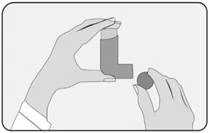
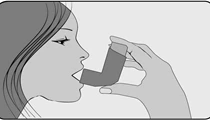
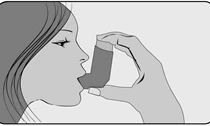
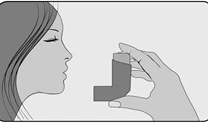
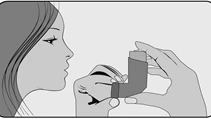
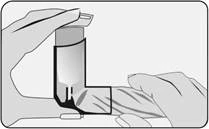
Proper inhaler technique will ensure that the correct amount of Ciclesidil reaches the lungs each time the inhaler is used. The physician should regularly check the inhalation technique to ensure that treatment is as effective as possible. When the canister is completely empty, the patient will not taste the medication and will not hear the propellant being released.
If the patient experiences wheezing or chest tightness after using Ciclesidil, the following steps should be taken:
- Do not administer any further inhalations;
- Use another inhaler prescribed for relief of breathing difficulties;
- Seek immediate medical assistance.
In case of overdose
The medicinal product must be used according to the instructions or as directed by the physician. Do not increase or decrease the dose without consulting a physician.
In case of a missed inhalation
If an inhalation has been missed, it should be taken as soon as possible, following the instructions described above.
Do not take a double dose to compensate for a missed dose.
In case of discontinuation of Ciclesidil
Even if the patient feels better, do not stop taking the medication.
If treatment with this medicinal product is discontinued, the patient must inform their physician immediately.
Additional instructions for handling the medicinal product prior to use
As with most pressurized inhalation medicinal products, the therapeutic effect of this product may be reduced when the canister is cold. However, Ciclesidil ensures delivery of a stable dose within a temperature range of -10°C to 40°C.
If the inhaler has been significantly cooled prior to use, remove it from the plastic case and warm it in the hands for several minutes. Under no circumstances should other heating methods be used to warm the inhaler.
Any unused medicinal product or waste material must be disposed of in accordance with local requirements.
Children
Ciclesidil must not be used in children under 12 years of age.
The safety and efficacy of this medicinal product in children from birth to 12 years of age have not yet been established. Sufficient data are lacking.
Overdose
Acute
Inhalation of a single dose of 2880 mcg of ciclesonide in healthy volunteers was well tolerated. The likelihood of acute toxic effects following an overdose of inhaled ciclesonide is low. Specific treatment after acute overdose is not required.
Chronic
No clinical signs of adrenal suppression were observed after prolonged administration of 1280 mcg of ciclesonide. However, if the recommended dose is exceeded for a very prolonged period, some degree of adrenal suppression cannot be excluded. Monitoring of adrenal function may be necessary.
Adverse reactions.
In clinical studies, adverse reactions were observed in 5% of patients using the ciclesonide aerosol inhaler in doses ranging from 40 to 1280 mcg per day. In most cases, the reactions were mild and did not require discontinuation of treatment with the ciclesonide aerosol inhaler.
| Frequency System Organ Class |
Uncommon (from >1/1000 to <1/100) |
Rare (from 1/10,000 to |
Frequency not known (cannot be estimated from available data) |
| Cardiac disorders |
Palpitations** |
||
| Gastrointestinal disorders |
Nausea, vomiting*, disturbances of taste |
Abdominal pain*, dyspepsia* |
|
| General disorders and administration site conditions |
Application site reactions, dryness at application site |
||
| Immune system disorders |
Angioedema, hypersensitivity |
||
| Infections and infestations |
Fungal infections of the mouth* |
||
| Nervous system disorders |
Headache* |
||
| Eye disorders |
Blurred vision, central serous chorioretinopathy |
||
| Psychiatric disorders |
Psychomotor hyperactivity, sleep disorders, anxiety, depression, aggression, behavioral changes (mainly in children) |
||
| Respiratory, thoracic and mediastinal disorders |
Dysphonia, cough after inhalation*, paradoxical bronchospasm* |
||
| Skin and subcutaneous tissue disorders |
Ecchymosis and rash |
||
| Vascular disorders |
Arterial hypertension |
* Same or lower frequency compared to placebo.
** Palpitations were observed during clinical trials in cases of concomitant use with medicinal products that may cause adverse effects on heart rhythm (e.g., theophylline or salbutamol).
Paradoxical bronchospasm may occur immediately after inhalation and may be a non-specific acute reaction to any inhaled medicinal product, possibly related to the active substance, excipients, or cooling due to evaporation when using pressurized metered-dose inhalers. In severe cases, discontinuation of Cixodil should be considered.
Systemic effects of inhaled corticosteroids may occur, particularly when administered at high doses over prolonged periods. Possible systemic effects include Cushing's syndrome, Cushingoid features, adrenal suppression, growth retardation in children, decreased bone mineral density, cataract, and glaucoma (see also section "Special precautions for use").
Reporting of suspected adverse reactions
Reporting suspected adverse reactions after authorization of the medicinal product is important. It allows ongoing monitoring of the benefit-risk balance of the medicinal product. Healthcare professionals and patients, as well as their legal representatives, should report any suspected adverse reactions and lack of efficacy via the Automated Pharmacovigilance Information System at the following link: https://aisf.dec.gov.ua.
Shelf life.
3 years.
Storage conditions.
No special storage conditions required. Do not expose to temperatures above 50 °C.
Keep out of reach of children.
Pressurized container — do not pierce. Do not break or throw into fire, even when empty.
Packaging.
80 mcg/dose:
The inhaler consists of an aluminum pressurized canister, hermetically sealed with a metering valve, and a polypropylene mouthpiece and dust cap of green color.
160 mcg/dose:
The inhaler consists of an aluminum pressurized canister, hermetically sealed with a metering valve, and a polypropylene mouthpiece and dust cap of violet color.
320 mcg/dose:
The inhaler consists of an aluminum pressurized canister, hermetically sealed with a metering valve, and a polypropylene mouthpiece and dust cap of red color.
120 doses per inhaler; 1 inhaler per cardboard box.
Prescription category.
Prescription only.
Manufacturer.
Djenetik S.p.A.
Manufacturer's location and address of its business premises.
Località Canfora, 84084 Fisciano, Italy