Rosustar
Ukraine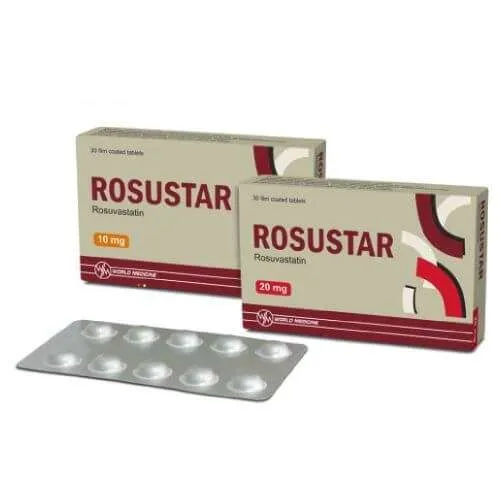
Table of Contents
INSTRUCTION FOR MEDICAL USE OF THE MEDICINAL PRODUCT ROSUSTAR (ROSUSTAR)
Composition:
Active substance: rosuvastatin;
One film-coated tablet contains rosuvastatin (in the form of rosuvastatin calcium) 10 mg, 20 mg, or 40 mg;
Excipients: lactose monohydrate; microcrystalline cellulose (type 102); calcium hydrogen phosphate; crospovidone; magnesium stearate;
Film coating Opadry® II Pink 85F240091: polyvinyl alcohol, titanium dioxide (E 171), macrogol, talc, iron oxide red (E 172).
Pharmaceutical form. Film-coated tablets.
Main physicochemical properties:
10 mg − round, biconvex, film-coated tablets of pink color, with "RS 10" engraved on one side and smooth on the other;
20 mg − round, biconvex, film-coated tablets of pink color, with "RS 20" engraved on one side and smooth on the other;
40 mg − round, biconvex, film-coated tablets of pink color, with "RS 40" engraved on one side and smooth on the other.
Pharmacotherapeutic group.
Lipid-lowering agents. HMG-CoA reductase inhibitors. ATC code C10A A07.
Pharmacological properties.
Pharmacodynamics.
Mechanism of action.
Rosuvastatin is a selective and competitive inhibitor of HMG-CoA reductase, the enzyme that catalyzes the rate-limiting step in the conversion of 3-hydroxy-3-methylglutaryl-coenzyme A to mevalonate, a precursor of cholesterol. The primary site of action of rosuvastatin is the liver, the target organ for reducing cholesterol levels.
Rosuvastatin increases the number of low-density lipoprotein (LDL) receptors on the surface of liver cells, enhancing the uptake and catabolism of LDL, and inhibits hepatic synthesis of very-low-density lipoproteins (VLDL), thereby reducing the total number of VLDL and LDL particles.
Pharmacodynamic effects
Rosuvastatin reduces elevated levels of LDL cholesterol, total cholesterol, and triglycerides, and increases levels of high-density lipoprotein (HDL) cholesterol. It also reduces levels of apolipoprotein B (apoB), non-HDL cholesterol, VLDL cholesterol, VLDL triglycerides, and increases levels of apolipoprotein A-I (apoA-I) (Table 1). Rosuvastatin also reduces the ratios of LDL cholesterol/HDL cholesterol, total cholesterol/HDL cholesterol, non-HDL cholesterol/HDL cholesterol, and apoB/apoA-I.
Table 1 Dose-response in patients with primary hypercholesterolemia type IIa and IIb (adjusted mean percent change from baseline)
| Dose |
N |
LDL-C |
Total Cholesterol |
HDL-C |
Triglycerides |
Non-HDL-C |
apoB |
apoA-I |
| Placebo |
13 |
˗7 |
˗5 |
˗3 |
˗3 |
˗7 |
˗3 |
0 |
| 5 |
17 |
˗45 |
˗33 |
13 |
˗35 |
˗44 |
˗38 |
4 |
| 10 |
17 |
˗52 |
˗36 |
14 |
˗10 |
˗48 |
˗42 |
4 |
| 20 |
17 |
˗55 |
˗40 |
8 |
˗23 |
˗51 |
˗46 |
5 |
| 40 |
18 |
˗63 |
˗46 |
10 |
˗28 |
˗60 |
˗54 |
0 |
The therapeutic effect is achieved within 1 week after starting rosuvastatin treatment, with 90% of the maximum effect reached within 2 weeks. The maximum effect is usually achieved by 4 weeks and persists thereafter.
Clinical efficacy.
Rosuvastatin is effective in the treatment of adults with hypercholesterolemia—with or without hypertriglyceridemia—regardless of race, gender, or age, as well as in patients from special populations such as those with diabetes mellitus or familial hypercholesterolemia.
Based on pooled Phase III trial data, rosuvastatin effectively reduced cholesterol levels to target values established by recognized recommendations of the European Atherosclerosis Society (EAS; 1998) in the majority of patients with type IIa and IIb hypercholesterolemia (mean baseline LDL-C level approximately 4.8 mmol/L). Approximately 80% of patients receiving rosuvastatin 10 mg achieved EAS-recommended target LDL-C levels (< 3 mmol/L).
In a large study involving 435 patients with heterozygous familial hypercholesterolemia, rosuvastatin was administered at doses ranging from 20 to 80 mg using an intensive dose-titration regimen. Favorable lipid profile responses and achievement of target levels were observed at all doses. After titration to a daily dose of 40 mg (12 weeks of treatment), LDL-C levels decreased by 53%. Target EAS LDL-C levels (< 3 mmol/L) were achieved in 33% of patients.
In an open-label dose-titration study, the response to rosuvastatin at doses of 20–40 mg was evaluated in 42 patients with homozygous familial hypercholesterolemia. In the overall population, LDL-C levels decreased on average by 22%.
In clinical trials involving a limited number of patients, an additive effect of rosuvastatin was observed on triglyceride reduction when used in combination with fenofibrate, and on HDL-C elevation when used in combination with niacin (see section "Special precautions").
In a multicenter, double-blind, placebo-controlled clinical trial (METEOR), 984 patients aged 45–70 years with low risk of ischemic heart disease (defined as a Framingham risk score < 10% over 10 years), a mean LDL-C level of 4.0 mmol/L (154.5 mg/dL), but with subclinical atherosclerosis (defined by increased carotid intima-media thickness – CIMT) were randomized into two groups and received either 40 mg rosuvastatin or placebo once daily for 2 years. Compared to placebo, rosuvastatin significantly slowed the progression of maximum CIMT at 12 carotid artery sites by −0.0145 mm/year [95% confidence interval −0.0196, −0.0093; p < 0.0001]. The change from baseline was −0.0014 mm/year (−0.12%/year – statistically non-significant) in the rosuvastatin group compared to progression of +0.0131 mm/year (1.12%/year, p<0.0001) in the placebo group. No direct correlation between reduction in CIMT and reduction in cardiovascular event risk was demonstrated. The METEOR study included patients with low risk of ischemic heart disease who were not representative of the target population for rosuvastatin 40 mg use. The 40 mg dose should only be used in patients with severe hypercholesterolemia and high cardiovascular risk (see section "Dosage and administration").
In the Justification for the Use of Statins in Prevention: an Intervention Trial Evaluating Rosuvastatin (JUPITER), the effect of rosuvastatin on the incidence of major atherosclerotic cardiovascular diseases was evaluated in 17,802 men (≥50 years) and women (≥60 years).
Study participants were randomly assigned to receive either placebo (n = 8,901) or rosuvastatin 20 mg once daily (n = 8,901), with a mean follow-up of 2 years.
LDL-C concentrations decreased by 45% (p < 0.001) in the rosuvastatin group compared to the placebo group.
A retrospective analysis of a high-risk subgroup with baseline Framingham risk score > 20% (1,558 participants) showed a significant reduction in the composite endpoint including cardiovascular death, stroke, and myocardial infarction (p = 0.028) in the rosuvastatin group compared to placebo. The absolute risk reduction was 8.8 events per 1,000 patient-years. The overall mortality rate remained unchanged in this high-risk group (p = 0.193). A retrospective analysis of another high-risk subgroup (9,302 participants) with baseline SCORE risk ≥ 5% (extrapolated to include participants over 65 years of age) showed a significant reduction in the composite endpoint including cardiovascular death, stroke, and myocardial infarction (p = 0.0003) in the rosuvastatin group compared to placebo. The absolute risk reduction expressed as event rate was 5.1 events per 1,000 patient-years. The overall mortality rate in this high-risk subgroup remained unchanged (p = 0.076).
In the JUPITER study, 6.6% of participants in the rosuvastatin group and 6.2% in the placebo group discontinued treatment due to adverse events. The most common adverse events leading to discontinuation were: myalgia (0.3% in the rosuvastatin group, 0.2% in placebo), abdominal pain (0.03% in rosuvastatin, 0.02% in placebo), and rash (0.02% in rosuvastatin, 0.03% in placebo). The most common adverse events observed in the rosuvastatin group with a frequency greater than or equal to that in the placebo group were urinary tract infections (8.7% in rosuvastatin, 8.6% in placebo), nasopharyngitis (7.6% in rosuvastatin, 7.2% in placebo), back pain (7.6% in rosuvastatin, 6.9% in placebo), and myalgia (7.6% in rosuvastatin, 6.6% in placebo).
Special patient groups.
Children.
In a double-blind, randomized, multicenter, placebo-controlled 12-week study (n = 176, 97 male and 79 female participants) followed by a 40-week open-label dose-titration period (n = 173, 96 male and 77 female participants), patients aged 10–17 years (at Tanner stages II–IV, girls with at least 1 year since menarche) with heterozygous familial hypercholesterolemia received rosuvastatin 5, 10, or 20 mg/day or placebo for 12 weeks, after which all participants received rosuvastatin daily for 40 weeks. At baseline, approximately 30% of patients were aged 10–13 years, and approximately 17%, 18%, 40%, and 25% were at Tanner stages II, III, IV, and V, respectively.
LDL-C levels decreased by 38.3%, 44.6%, and 50.0% in the rosuvastatin 5, 10, and 20 mg groups, respectively, compared to 0.7% in the placebo group.
At the end of the 40-week open-label dose-titration period (maximum dose 20 mg once daily) to achieve target levels, 70 out of 173 patients (40.5%) achieved the target LDL-C level of < 2.8 mmol/L.
After 52 weeks of investigational treatment, no effect on growth, body weight, body mass index (BMI), or sexual maturation was observed (see section "Special precautions"). Clinical trial experience in children and adolescents is limited, and the long-term effects of rosuvastatin (>1 year) on sexual maturation are unknown. This study (n = 176) does not allow comparison of rare adverse events.
Rosuvastatin was also studied in a 2-year open-label trial with target dose titration in 198 children with heterozygous familial hypercholesterolemia aged 6 to 17 years (88 male and 110 female participants, Tanner stage <II–V). The initial dose for all patients was 5 mg rosuvastatin once daily. Patients aged 6 to 9 years (n = 64) were titrated up to a maximum dose of 10 mg once daily, and patients aged 10 to 17 years (n = 134) up to a maximum dose of 20 mg once daily.
After 24 months of rosuvastatin treatment, the least-squares mean reduction in LDL-C from baseline was −43% (baseline: 236 mg/dL, month 24: 133 mg/dL). For each age group, the least-squares mean reduction in LDL-C from baseline was −43% (baseline: 234 mg/dL, month 24: 124 mg/dL), −45% (baseline: 234 mg/dL, month 24: 124 mg/dL), and −35% (baseline: 241 mg/dL, month 24: 153 mg/dL) in the age groups 6 to <10, 10 to <14, and 14 to <18 years, respectively.
Treatment with rosuvastatin at doses of 5 mg, 10 mg, and 20 mg also resulted in statistically significant mean changes from baseline in the following secondary lipid and lipoprotein variables: HDL-C, total cholesterol, non-HDL-C, LDL-C/HDL-C, total cholesterol/HDL-C, TG/HDL-C, non-HDL-C/HDL-C, apoB, and apoB/apoA-1. Each of these changes demonstrated improved lipid responses and was maintained over 2 years.
After 24 months of treatment, no effect on growth, body weight, BMI, or sexual maturation was observed (see section "Special precautions").
In a randomized, double-blind, placebo-controlled, multicenter, crossover study, rosuvastatin 20 mg once daily was compared to placebo in 14 children and adolescents (aged 6 to 17 years) with homozygous familial hypercholesterolemia. The study included a 4-week active run-in phase with diet and rosuvastatin 10 mg, a crossover phase consisting of a 6-week treatment period with rosuvastatin 20 mg preceded or followed by a 6-week placebo period, and a 12-week maintenance phase during which all patients received 20 mg rosuvastatin. Patients on ezetimibe or apheresis continued these treatments throughout the study.
A statistically significant (p = 0.005) reduction in LDL-C (22.3%; 85.4 mg/dL, or 2.2 mmol/L) was observed after 6 weeks of rosuvastatin 20 mg treatment compared to placebo. Statistically significant reductions were also observed in total cholesterol (20.1%, p=0.003), non-HDL-C (22.9%, p=0.003), and apoB (17.1%, p=0.024). Reductions in TG, LDL-C/HDL-C, total cholesterol/HDL-C, non-HDL-C/HDL-C, and apoB/apoA-I were also observed after 6 weeks of rosuvastatin 20 mg compared to placebo. The reduction in LDL-C after 6 weeks of rosuvastatin 20 mg followed by 6 weeks of placebo was maintained over 12 weeks of continuous therapy. One patient showed further reductions in LDL-C (8.0%), total cholesterol (6.7%), and non-HDL-C (7.4%) after 6 weeks of dose titration to 40 mg.
During continued open-label treatment with rosuvastatin 20 mg in 9 of these patients up to 90 weeks, LDL-C reductions ranged from −12.1% to −21.3%.
In an open-label dose-titration study in 7 evaluable children and adolescents (aged 8 to 17 years) with homozygous familial hypercholesterolemia (see above), the percentage reduction in LDL-C (21.0%), total cholesterol (19.2%), and non-HDL-C (21.0%) from baseline after 6 weeks of rosuvastatin 20 mg treatment was consistent with that observed in the aforementioned study in children and adolescents with homozygous familial hypercholesterolemia.
The European Medicines Agency has waived the obligation to submit results of rosuvastatin studies in all subgroups of children with homozygous familial hypercholesterolemia, primary combined (mixed) dyslipidemia, and for prevention of cardiovascular disorders (see section "Dosage and administration" for information on pediatric use).
Pharmacokinetics.
Absorption.
After oral administration, maximum plasma concentration (Cmax) of rosuvastatin is reached approximately 5 hours later. Absolute bioavailability is approximately 20%.
Distribution.
Rosuvastatin is significantly taken up by the liver, the primary site of cholesterol synthesis and LDL-C clearance. The volume of distribution of rosuvastatin is approximately 134 L. Approximately 90% of rosuvastatin is bound to plasma proteins, primarily albumin.
Metabolism.
Rosuvastatin undergoes minimal metabolism (approximately 10%). In vitro metabolism studies using human hepatocytes indicate that rosuvastatin is a weak substrate for cytochrome P450 enzyme-based metabolism. The main isoenzyme involved is CYP2C9, with minor contributions from CYP2C19, CYP3A4, and CYP2D6. The main identified metabolites are N-desmethyl and lactone metabolites. The N-desmethyl metabolite is approximately 50% less active than rosuvastatin, and the lactone metabolite is considered clinically inactive. Rosuvastatin accounts for more than 90% of the circulating HMG-CoA reductase inhibitor activity.
Elimination.
Approximately 90% of the rosuvastatin dose is excreted unchanged in feces (including both absorbed and unabsorbed drug), with the remainder excreted in urine. Approximately 5% is excreted unchanged in urine. The plasma elimination half-life is approximately 19 hours and does not increase with dose escalation. The geometric mean plasma clearance is approximately 50 L/h (coefficient of variation – 21.7%). As with other HMG-CoA reductase inhibitors, hepatic uptake of rosuvastatin occurs via the membrane transporter OATP-C, which plays an important role in hepatic elimination of rosuvastatin.
Linearity.
Systemic exposure (AUC) of rosuvastatin increases proportionally with dose. Pharmacokinetic parameters do not change with repeated daily administration.
Special patient groups.
Patients of different age and gender.
No clinically significant effect of age or gender on rosuvastatin pharmacokinetics has been observed in adults. Pharmacokinetics of rosuvastatin in children and adolescents with heterozygous familial hypercholesterolemia were similar to those in adult volunteers (see section "Children").
Patients of different races.
Pharmacokinetic studies revealed that median AUC and Cmax values in Asian patients (Japanese, Chinese, Filipino, Vietnamese, and Korean) were approximately twice as high as in Caucasians; in Indian patients, median AUC and Cmax values were approximately 1.3 times higher. Population pharmacokinetic analysis did not reveal clinically significant differences between Caucasian and African patients.
Patients with renal impairment.
In a study of patients with varying degrees of renal impairment, no changes in plasma concentrations of rosuvastatin or N-desmethyl metabolite were observed in individuals with mild or moderate impairment. In patients with severe renal impairment (creatinine clearance < 30 mL/min), plasma concentrations of rosuvastatin were 3 times higher and N-desmethyl metabolite levels were 9 times higher than in healthy volunteers. Steady-state plasma concentrations of rosuvastatin in patients undergoing hemodialysis were approximately 50% higher than in healthy volunteers.
Patients with hepatic impairment.
In a study of patients with varying degrees of hepatic impairment, no signs of increased rosuvastatin exposure were observed in patients with Child-Pugh scores of 7 or less. However, in 2 patients with Child-Pugh scores of 8 and 9, systemic exposure was at least twice higher than in patients with lower scores. Experience with rosuvastatin use in patients with Child-Pugh scores greater than 9 is lacking.
Patients with genetic polymorphisms.
The distribution of HMG-CoA reductase inhibitors, including rosuvastatin, involves transporter proteins OATP1B1 and BCRP. Patients with genetic polymorphisms in SLCO1B1 (OATP1B1) and/or ABCG2 (BCRP) are at risk of increased rosuvastatin exposure. With specific polymorphisms SLCO1B1 c.521CC and ABCG2 c.421AA, rosuvastatin exposure is increased compared to genotypes SLCO1B1 c.521TT or ABCG2 c.421CC. Routine genotyping is not required in clinical practice, but patients with these polymorphisms should be prescribed a lower daily dose of rosuvastatin.
Children.
Pharmacokinetic parameters in children with heterozygous familial hypercholesterolemia aged 10–17 years have not been fully characterized. A small pharmacokinetic study (tablet formulation) involving 18 pediatric patients showed that rosuvastatin exposure in children is similar to that in adult patients. Results also suggest that significant dose-proportional deviations are not expected.
Clinical characteristics.
Indications.
Treatment of hypercholesterolemia.
Administer to adults, adolescents, and children aged 6 years and older with primary hypercholesterolemia (type IIa, including heterozygous familial hypercholesterolemia) or mixed dyslipidemia (type IIb) as an adjunct to diet when dietary measures and other non-pharmacological interventions (e.g., physical exercise, weight reduction) are insufficient.
Administer to adults, adolescents, and children aged 6 years and older with homozygous familial hypercholesterolemia as an adjunct to diet and other lipid-lowering therapies (e.g., LDL apheresis) or when such treatment is not feasible.
Prevention of cardiovascular disorders.
Administer for the prevention of major cardiovascular events in patients who are estimated to be at high risk of a first cardiovascular event (see section "Pharmacodynamics"), as an adjunct to correction of other risk factors.
Contraindications.
- Hypersensitivity to rosuvastatin or any of the excipients of the medicinal product.
- Active liver disease, including persistent elevations of plasma transaminases of unknown etiology and any elevations of plasma transaminases exceeding three times the upper limit of normal (ULN).
- Severe renal impairment (creatinine clearance < 30 mL/min).
- Myopathy.
- Concomitant use of cyclosporine.
- Concomitant use of the combination sofosbuvir/velpatasvir/voxilaprevir (see section "Interaction with other medicinal products and other forms of interaction").
- Pregnancy.
- Breastfeeding.
- Use in women of childbearing potential who are not using appropriate contraceptive measures.
Rosuvastatin 40 mg is contraindicated in patients with a predisposition to myopathy/rhabdomyolysis. Risk factors include:
- Moderate renal impairment (creatinine clearance < 60 mL/min);
- Hypothyroidism;
- Personal or family history of hereditary muscular disorders;
- History of myotoxicity during treatment with other HMG-CoA reductase inhibitors or fibrates;
- Alcohol abuse;
- Conditions that may lead to increased plasma concentrations of rosuvastatin;
- Asian ethnicity;
- Concomitant use of fibrates (see sections "Special precautions for use", "Interaction with other medicinal products and other forms of interaction", and "Pharmacokinetics").
Interaction with other medicinal products and other forms of interaction.
Effect of concomitant medicinal products on rosuvastatin.
Inhibitors of transport proteins.
Rosuvastatin is a substrate for certain transporter proteins, including the hepatic uptake transporter OATP1B1 and the efflux transporter BCRP. Concomitant administration of rosuvastatin with medicinal products that inhibit these transporter proteins may increase plasma concentrations of rosuvastatin and increase the risk of myopathy (see sections "Dosage and administration", "Special precautions for use", "Interaction with other medicinal products and other forms of interaction", Table 2).
Cyclosporine.
When administered concomitantly with cyclosporine, rosuvastatin AUC values were on average approximately 7-fold higher than those observed in healthy volunteers (see Table 2). Concomitant use of these agents is contraindicated (see section "Contraindications"). Cyclosporine plasma concentrations were not affected by concomitant administration with rosuvastatin.
Protease inhibitors.
Although the exact mechanism of interaction is unknown, concomitant use of protease inhibitors may significantly increase rosuvastatin exposure (see Table 2). For example, in a pharmacokinetic study, concomitant administration of 10 mg rosuvastatin and a combination drug containing two protease inhibitors (300 mg atazanavir / 100 mg ritonavir) in healthy volunteers resulted in increases in rosuvastatin AUC and Cmax by approximately 3 and 7 times, respectively. Concomitant use of rosuvastatin and certain combinations of protease inhibitors may be possible after careful consideration of rosuvastatin dose adjustment based on the expected increase in exposure (see sections "Dosage and administration", "Special precautions for use", "Interaction with other medicinal products and other forms of interaction", Table 2).
Gemfibrozil and other lipid-lowering agents.
Concomitant use with gemfibrozil resulted in a doubling of rosuvastatin AUC and Cmax (see section "Special precautions for use").
Based on data from specific studies, no pharmacokinetically significant interaction with fenofibrate is expected; however, pharmacodynamic interaction is possible. Gemfibrozil, fenofibrate, other fibrates, and lipid-lowering doses (> 1 g/day) of niacin (nicotinic acid) increase the risk of myopathy when used concomitantly with HMG-CoA reductase inhibitors, likely because they may cause myopathy when used individually. Concomitant use of rosuvastatin 40 mg and fibrates is contraindicated (see sections "Contraindications" and "Special precautions for use"). For such patients, rosuvastatin therapy should be initiated at a dose of 5 mg.
Ezetimibe.
Concomitant administration of 10 mg rosuvastatin and 10 mg ezetimibe to patients with hypercholesterolemia resulted in a 1.2-fold increase in rosuvastatin AUC (Table 2). A pharmacodynamic interaction between rosuvastatin and ezetimibe cannot be excluded, which may lead to adverse reactions (see section "Special precautions for use").
Antacids.
Concomitant use with suspensions of antacids containing aluminum or magnesium hydroxide reduced rosuvastatin plasma concentrations by approximately 50%. This effect was less pronounced when antacids were administered 2 hours after rosuvastatin. The clinical significance of this interaction has not been studied.
Erythromycin.
Concomitant use with erythromycin reduced rosuvastatin AUC by 20% and Cmax by 30%. This interaction may be due to enhanced intestinal motility caused by erythromycin.
Ticagrelor.
Concomitant use with ticagrelor may cause renal impairment and may affect renal excretion of rosuvastatin, increasing the risk of its accumulation. In some cases, concomitant use of ticagrelor and rosuvastatin has led to decreased renal function, elevated creatine phosphokinase (CPK) levels, and rhabdomyolysis. When these agents are used concomitantly, monitoring of renal function and CPK levels is recommended.
Cytochrome P450 enzymes.
Results from in vitro and in vivo studies indicate that rosuvastatin does not inhibit or induce cytochrome P450 isoenzymes. Additionally, rosuvastatin is a weak substrate of these isoenzymes. Therefore, interactions with medicinal products due to P450-mediated metabolism are not expected. No clinically significant interactions were observed between rosuvastatin and fluconazole (an inhibitor of CYP2C9 and CYP3A4) or ketoconazole (an inhibitor of CYP2A6 and CYP3A4).
Interactions requiring rosuvastatin dose adjustment.
When co-administration of rosuvastatin with other medicinal products capable of increasing rosuvastatin exposure is necessary, the rosuvastatin dose should be adjusted. If an approximately 2-fold or greater increase in rosuvastatin exposure (AUC) is expected, treatment should be initiated with a dose of 5 mg once daily. The maximum daily dose of rosuvastatin should be adjusted so that the expected exposure does not exceed that observed with a 40 mg/day dose without interacting medicinal products; for example, when used with gemfibrozil, the rosuvastatin dose should be 20 mg (1.9-fold increase in exposure), and when used with ritonavir/atazanavir combination, 10 mg (3.1-fold increase in exposure).
If another medicinal product increases rosuvastatin AUC by less than 2-fold, the initial dose need not be reduced, but caution should be exercised when increasing the rosuvastatin dose above 20 mg.
Table 2. Effect of concomitant medicinal products on rosuvastatin exposure (AUC; in descending order of magnitude) based on published data from clinical studies.
| Dosing regimen of the interacting drug |
Rosuvastatin dosing regimen |
Changes in rosuvastatin AUC* |
| Increase in rosuvastatin AUC by 2-fold or greater |
||
| velpatasvir/voxelaprevir (400 mg-100 mg-100 mg) + voxelprevir (100 mg) once daily, 15 days |
10 mg, single dose |
↑ 7.4-fold |
| Cyclosporine 75–200 mg twice daily, 6 months |
10 mg once daily, 10 days |
↑ 7.1-fold |
| Darolutamide 600 mg twice daily, 5 days |
5 mg, single dose |
↑ 5.2-fold |
| Regorafenib 160 mg once daily, 14 days |
5 mg, single dose |
↑ 3.8-fold |
| Atazanavir 300 mg/ritonavir 100 mg once daily, 8 days |
10 mg, single dose |
↑ 3.1-fold |
| Velpatasvir 100 mg once daily |
10 mg, single dose |
↑ 2.7-fold |
| Ortho-Obicvir 25 mg/paritaprevir 150 mg/ritonavir 100 mg once daily/dasabuvir 400 mg twice daily, 14 days |
5 mg, single dose |
↑ 2.6-fold |
| Glecaprevir 200 mg/elbasvir 50 mg once daily, 11 days |
10 mg, single dose |
↑ 2.3-fold |
| Glecaprevir 400 mg/pibrentasvir 120 mg once daily, 7 days |
5 mg once daily, 7 days |
↑ 2.2-fold |
| Lopinavir 400 mg/ritonavir 100 mg twice daily, 17 days |
20 mg once daily, 7 days |
↑ 2.1-fold |
| Clopidogrel 300 mg loading dose, maintenance dose 75 mg over 24 hours |
20 mg once daily |
↑ 2-fold |
| Gemfibrozil 600 mg twice daily, 7 days |
80 mg, single dose |
↑ 1.9-fold |
| Increase in rosuvastatin AUC less than 2-fold |
||
| Elvitegravir 75 mg once daily, 5 days |
10 mg, single dose |
↑ 1.6-fold |
| Darunavir 600 mg/ritonavir 100 mg twice daily, 7 days |
10 mg once daily, 7 days |
↑ 1.5-fold |
| Tipranavir 500 mg/ritonavir 200 mg twice daily, 11 days |
10 mg, single dose |
↑ 1.4-fold |
| Dronedarone 400 mg twice daily |
Unknown |
↑ 1.4-fold |
| Itraconazole 200 mg once daily, 5 days |
10 mg, single dose |
↑ 1.4-fold ** |
| Ezetimibe 10 mg once daily, 14 days |
10 mg once daily, 14 days |
↑ 1.2-fold ** |
| Decrease in rosuvastatin AUC |
||
| Erythromycin 500 mg four times daily, 7 days |
80 mg, single dose |
↓ 20% |
| St. John's wort 50 mg three times daily, 14 days |
20 mg, single dose |
↓ 47% |
* Data presented as change by x-fold represent the ratio between co-administration and administration of rosuvastatin alone. Data presented as % change represent the percentage difference relative to values observed with rosuvastatin administered alone.
Increases are indicated by ↑, no change by ↔, and decreases by ↓.
** Several interaction studies were conducted at different doses of rosuvastatin; the most significant ratio is presented in the table.
Effect of rosuvastatin on concomitant medicinal products.
Vitamin K antagonists.
As with other HMG-CoA reductase inhibitors, initiation of rosuvastatin therapy or increasing its dose in patients concurrently taking vitamin K antagonists (e.g., warfarin or other coumarin anticoagulants) may lead to an increase in the international normalized ratio (INR). Discontinuation of rosuvastatin or reduction of its dose may result in a decrease in INR. Appropriate monitoring of INR is recommended in such cases.
Oral contraceptives/hormone replacement therapy (HRT).
Concomitant administration of rosuvastatin and oral contraceptives resulted in a 26% and 34% increase in AUC of ethinylestradiol and norgestrel, respectively. Such increases should be considered when selecting the dose of oral contraceptives. There are no data on the pharmacokinetics in patients receiving rosuvastatin and HRT simultaneously; therefore, a similar effect cannot be excluded. However, this combination has been widely used in women in clinical trials and was generally well tolerated.
Digoxin.
Based on dedicated interaction studies, no clinically significant interaction between rosuvastatin and digoxin is expected.
Fusidic acid.
Interaction studies between rosuvastatin and fusidic acid have not been conducted. The risk of myopathy, including rhabdomyolysis, increases when fusidic acid is used concomitantly with statins. The mechanism of this interaction (whether pharmacodynamic, pharmacokinetic, or both) is currently unknown. Cases of rhabdomyolysis (including fatal cases) have been reported in patients receiving this combination.
If treatment with fusidic acid is necessary, rosuvastatin should be discontinued for the entire duration of fusidic acid therapy (see section "Special precautions").
Special patient groups.
Children.
Interaction studies have been conducted only in adults. The extent of interaction in children is unknown.
Special precautions for use.
Renal effects.
Proteinuria, predominantly of tubular origin, detected by urine dipstick testing, has been observed in patients treated with higher doses of rosuvastatin, particularly 40 mg, and was mostly transient or intermittent in most cases. Proteinuria was not a predictor of acute or progressive renal disease (see section "Adverse reactions"). The frequency of reports of serious renal events in post-marketing studies is higher with the 40 mg dose. Renal function should be monitored regularly when the drug is used at a dose of 40 mg.
Skeletal muscle effects.
Skeletal muscle disorders, such as myalgia, myopathy, and rarely rhabdomyolysis, have been observed in patients taking rosuvastatin at any dose, particularly above 20 mg. Isolated cases of rhabdomyolysis have been reported with the use of ezetimibe in combination with HMG-CoA reductase inhibitors. A pharmacodynamic interaction cannot be excluded (see section "Interaction with other medicinal products and other forms of interaction"), and therefore such combination should be used with caution.
As with other HMG-CoA reductase inhibitors, the frequency of post-marketing reports of rhabdomyolysis associated with rosuvastatin use was higher at the 40 mg dose.
Effect on creatine kinase levels.
Creatine kinase (CK) levels should not be measured following significant physical exertion or in the presence of possible alternative causes of elevated CK, which may complicate interpretation of results. If baseline CK levels are markedly elevated (> 5 times the upper limit of normal), repeat testing should be performed within 5–7 days to confirm the results. If repeat testing confirms that baseline CK levels exceed 5 times the upper limit of normal, initiation of the drug should not be started.
Before starting rosuvastatin.
The drug, like other HMG-CoA reductase inhibitors, should be used with caution in patients predisposed to myopathy/rhabdomyolysis. Risk factors include:
- renal dysfunction;
- hypothyroidism;
- personal or family history of hereditary muscle disorders;
- history of myotoxicity with other HMG-CoA reductase inhibitors or fibrates;
- alcohol abuse;
- age > 70 years;
- conditions that may lead to increased plasma levels of the drug (see sections "Dosage and administration", "Interaction with other medicinal products and other forms of interaction", and "Pharmacokinetics");
- concomitant use of fibrates.
In such patients, the treatment-related risk should be weighed against the expected benefit; clinical monitoring is also recommended. If baseline CK levels are markedly elevated (> 5 times the upper limit of normal), initiation of the drug should not be started.
During rosuvastatin therapy.
Patients should be advised to report immediately any unexplained muscle pain, weakness, or cramps, especially if accompanied by malaise or fever. In such patients, CK levels should be measured. The drug should be discontinued if CK levels are markedly elevated (> 5 times the upper limit of normal) or if muscle symptoms are severe and cause daily discomfort (even if CK levels ≤ 5 × upper limit of normal). If symptoms resolve and CK levels return to normal, therapy may be restarted with the drug or an alternative HMG-CoA reductase inhibitor at the lowest dose and under close supervision. Routine monitoring of CK levels in asymptomatic patients is not necessary. Very rare cases of immune-mediated necrotizing myopathy (IMNM) have been reported during or after statin therapy, including rosuvastatin. Clinical manifestations of IMNM include proximal muscle weakness and elevated plasma CK levels, which persist even after discontinuation of statins.
Clinical trials have not provided evidence of increased skeletal muscle effects in a small number of patients taking rosuvastatin with concomitant medications. However, increased incidence of myositis and myopathy has been observed in patients taking other HMG-CoA reductase inhibitors concomitantly with fibric acid derivatives, including gemfibrozil, cyclosporine, nicotinic acid, azole antifungals, protease inhibitors, and macrolide antibiotics. Gemfibrozil increases the risk of myopathy when used concomitantly with certain HMG-CoA reductase inhibitors. Therefore, concomitant use of rosuvastatin with gemfibrozil is not recommended. The benefit of further lipid-lowering with rosuvastatin in combination with fibrates or niacin should be carefully weighed against the potential risks associated with such combinations. Concomitant use of the drug at a dose of 40 mg with fibrates is contraindicated (see sections "Interaction with other medicinal products and other forms of interaction" and "Adverse reactions").
The drug should not be used concomitantly with systemic fusidic acid or within 7 days after discontinuation of fusidic acid treatment. In patients receiving fusidic acid, statin therapy should be suspended for the entire duration of fusidic acid treatment. Cases of rhabdomyolysis (including fatal cases) have been reported in patients receiving fusidic acid and statins concomitantly (see section "Interaction with other medicinal products and other forms of interaction"). Immediate medical attention should be sought if any symptoms of muscle weakness, pain, or tenderness occur. Statin therapy may be resumed 7 days after the last dose of fusidic acid. In individual cases where prolonged systemic fusidic acid therapy is required, e.g., for treatment of severe infections, the need for concomitant use of rosuvastatin and fusidic acid should be considered only on an individual basis and under close medical supervision.
The drug should not be administered to patients with acute, serious conditions indicating myopathy or potential for developing renal failure due to rhabdomyolysis (such as sepsis, hypotension, major surgery, trauma, severe metabolic, endocrine, and electrolyte disorders, or uncontrolled seizures).
In rare cases, statins have been reported to induce "de novo" or exacerbate pre-existing myasthenia gravis or ocular myasthenia (see section "Adverse reactions"). If symptoms worsen, the drug should be discontinued. Recurrences have been reported upon re-administration of the same or another statin.
Risk of severe cutaneous adverse reactions.
Severe cutaneous adverse reactions, including Stevens-Johnson syndrome and drug reaction with eosinophilia and systemic symptoms (DRESS syndrome), have been reported with rosuvastatin use, which may be life-threatening or fatal. During treatment, patients should be informed about signs and symptoms of severe skin reactions and closely monitored. If signs or symptoms suggestive of such reactions occur, the drug should be discontinued immediately and alternative therapy considered. If a patient develops such a serious reaction as Stevens-Johnson syndrome or drug reaction with eosinophilia and systemic symptoms (DRESS syndrome), the drug should be discontinued immediately and never used again.
Hepatic effects.
As with other HMG-CoA reductase inhibitors, the drug should be used with caution in patients who consume alcohol excessively and/or have a history of liver disease.
It is recommended to assess liver function biochemistry before starting treatment and again after 3 months. The drug should be discontinued or the dose reduced if plasma transaminase levels exceed three times the upper limit of normal. The frequency of post-marketing reports of serious hepatic events (mainly elevated liver transaminases) was higher with the 40 mg dose.
In patients with secondary hypercholesterolemia due to hypothyroidism or nephrotic syndrome, the underlying condition should be treated before initiating the drug.
Concomitant use with protease inhibitors.
Increased systemic exposure to rosuvastatin has been observed in individuals taking rosuvastatin concomitantly with various protease inhibitors in combination with ritonavir. Both the benefit of lipid-lowering in HIV patients receiving protease inhibitors and the potential for increased plasma concentrations of rosuvastatin at the initiation of therapy and with dose escalation should be considered. Concomitant use of the drug with protease inhibitors is not recommended unless the dose is adjusted (see sections "Dosage and administration" and "Interaction with other medicinal products and other forms of interaction").
Risk of interstitial lung disease.
Rare cases of interstitial lung disease have been reported during treatment with some statins, particularly with long-term use (see section "Adverse reactions"). Manifestations may include dyspnea, non-productive cough, and general deterioration in health (fatigue, weight loss, fever). If interstitial lung disease is suspected, the drug should be discontinued.
Patients of different races.
Pharmacokinetic studies indicate approximately twofold higher exposure in Asian patients compared to Caucasians. Dose adjustment of the drug is required for such patients (see sections "Dosage and administration", "Contraindications", and "Pharmacokinetics").
Patients with diabetes mellitus.
Evidence suggests that statins may increase plasma glucose levels and in some patients at high risk of developing diabetes may cause hyperglycemia requiring treatment. However, the reduction in vascular risk with statin use outweighs this risk, and therefore it should not be a reason to discontinue statin therapy. Patients at risk (fasting glucose 5.6–6.0 mmol/L, BMI > 30 kg/m², elevated triglycerides, hypertension) should be clinically and biochemically monitored according to national guidelines during treatment.
In the JUPITER study, the overall incidence of diabetes was 2.8% in the rosuvastatin group and 2.3% in the placebo group, predominantly in patients with fasting glucose levels between 5.6 and 6.9 mmol/L.
Patients with lactose intolerance.
This medicinal product should not be administered to patients with rare hereditary problems of galactose intolerance, Lapp lactase deficiency, or glucose-galactose malabsorption.
Children.
Assessment of linear growth (height), body weight, BMI (body mass index), and secondary sexual characteristics by Tanner staging in children aged 6 to 17 years treated with rosuvastatin is limited to a 2-year period.
After 2 years of investigational treatment, no effect on growth, body weight, BMI, or sexual maturation was observed (see section "Pharmacodynamics"). In a clinical study in children and adolescents treated with rosuvastatin for 52 weeks, CK levels >10 times the upper limit of normal and muscle symptoms after physical exertion or increased physical activity were observed more frequently than in adults (see section "Adverse reactions").
Use during pregnancy or breastfeeding.
The drug is contraindicated during pregnancy and breastfeeding.
Women of childbearing potential should use appropriate contraceptive measures.
Since cholesterol and other products of cholesterol biosynthesis play a crucial role in fetal development, the potential risk of HMG-CoA reductase inhibition outweighs any benefit from rosuvastatin use during pregnancy. Data from animal studies on reproductive toxicity are limited. If a patient becomes pregnant during treatment, the drug should be discontinued immediately.
Rosuvastatin is excreted into rat milk. There are no data on excretion into human breast milk (see section "Contraindications").
Ability to influence reaction speed when driving or operating machinery.
Studies on the effect of rosuvastatin on the ability to drive or operate machinery have not been conducted. However, given the pharmacodynamic properties of rosuvastatin, it is unlikely to affect such ability. Dizziness during treatment should be considered when driving or operating machinery.
Method of Administration and Dosage.
The medicinal product is intended for oral administration. Tablets may be taken at any time of day, regardless of food intake.
Prior to initiating treatment with the medicinal product, patients should be placed on a standard hypocholesterolemic diet, which should be maintained throughout the course of therapy.
The rosuvastatin dosage should be individually adjusted based on therapeutic goals and the patient's response to treatment, in accordance with generally accepted guidelines.
Adults.
Treatment of Hypercholesterolemia.
The recommended initial dose is 5 or 10 mg once daily, both for patients who have not previously taken statins and for those switching to rosuvastatin from another HMG-CoA reductase inhibitor.
The selection of initial dose should take into account individual patient cholesterol levels and future cardiovascular risk, as well as the likelihood of developing adverse reactions. Dose increases, if necessary, may be made at 4-week intervals (see section "Pharmacodynamics"). Because adverse reactions occur more frequently with rosuvastatin 40 mg compared to lower doses (see section "Adverse Reactions"), dose titration to 40 mg should only be considered in patients with severe hypercholesterolemia and high cardiovascular risk (particularly those with familial hypercholesterolemia) who have not achieved treatment goals with a 20 mg dose and who will remain under regular monitoring (see section "Special Warnings and Precautions for Use"). Specialist monitoring is recommended when initiating treatment with the 40 mg dose.
Prevention of Cardiovascular Disorders.
In a cardiovascular risk reduction study, rosuvastatin was administered at a dose of 20 mg daily (see section "Pharmacodynamics").
Children.
Administration of the medicinal product to children should only be performed by a specialist.
Children and adolescents aged 6 to 17 years (Tanner stage ˂II-V).
Heterozygous Familial Hypercholesterolemia.
The usual initial daily dose for children and adolescents with heterozygous familial hypercholesterolemia is 5 mg once daily.
- The usual dose for children aged 6 to 9 years with heterozygous familial hypercholesterolemia is 5 mg to 10 mg orally once daily. The safety and efficacy of doses exceeding 10 mg in this population have not been studied.
- The usual dose for children aged 10 to 17 years with heterozygous familial hypercholesterolemia is 5 mg to 20 mg orally once daily. The safety and efficacy of doses exceeding 20 mg in this population have not been studied.
Dosage should be increased according to the individual child's response to treatment and drug tolerability, in accordance with pediatric treatment guidelines (see section "Special Warnings and Precautions for Use"). Prior to initiating rosuvastatin therapy, children and adolescents should be placed on a standard hypocholesterolemic diet, which should be maintained throughout treatment.
Homozygous Familial Hypercholesterolemia.
The recommended maximum dose for children aged 6 to 17 years with homozygous familial hypercholesterolemia is 20 mg once daily.
The recommended initial dose is 5 mg to 10 mg once daily, depending on age, body weight, and prior statin use. Dose escalation to the maximum dose of 20 mg once daily should be based on the individual child's response to treatment and drug tolerability, in accordance with pediatric treatment guidelines (see section "Special Warnings and Precautions for Use"). Prior to initiating rosuvastatin therapy, children and adolescents should be placed on a standard hypocholesterolemic diet, which should be maintained throughout treatment.
Experience with doses exceeding 20 mg in this population is limited.
Tablets of 40 mg are not to be administered to children.
Special Patient Groups.
Elderly Patients.
The recommended initial dose for patients aged >70 years is 5 mg (see section "Special Warnings and Precautions for Use"). No other age-related dosage adjustments are required.
Patients with Renal Impairment.
No dosage adjustment is required for patients with mild or moderate renal impairment.
The recommended initial dose for patients with moderate renal impairment (creatinine clearance <60 mL/min) is 5 mg. The 40 mg dose of the medicinal product is contraindicated in patients with moderate renal impairment. The medicinal product is contraindicated in patients with severe renal impairment at any dose (see sections "Contraindications" and "Pharmacokinetics").
Patients with Hepatic Impairment.
In patients with hepatic impairment scoring 7 or less on the Child–Pugh scale, no increase in systemic exposure to rosuvastatin was observed. However, in patients scoring 8 or 9 on the Child–Pugh scale, systemic exposure increased (see section "Pharmacokinetics"). In such patients, renal function assessment is advisable (see section "Special Warnings and Precautions for Use"). Experience with rosuvastatin in patients with hepatic impairment scoring more than 9 on the Child–Pugh scale is lacking. The medicinal product is contraindicated in patients with active liver disease (see section "Contraindications").
Patients of Different Races.
Increased systemic exposure to rosuvastatin has been observed in patients of Asian race (see sections "Contraindications", "Special Warnings and Precautions for Use", and "Pharmacokinetics"). The recommended initial dose for these patients is 5 mg. Administration of the medicinal product at a dose of 40 mg is contraindicated in such patients.
Patients with Genetic Polymorphisms.
Certain types of genetic polymorphisms may lead to increased rosuvastatin exposure (see section "Pharmacokinetics"). Patients with such polymorphism types are recommended to receive a lower daily dose of the medicinal product.
Patients Predisposed to Myopathy.
The recommended initial dose of the medicinal product for patients with risk factors for myopathy is 5 mg (see section "Special Warnings and Precautions for Use"). Administration of the medicinal product at a dose of 40 mg is contraindicated in such patients (see section "Contraindications").
Patients Receiving Concomitant Medications.
Rosuvastatin is a substrate of various transporter proteins (e.g., OATP1B1 and BCRP). The risk of myopathy (including rhabdomyolysis) increases when rosuvastatin is co-administered with certain medicinal products that may increase its plasma concentration through interactions with these transporter proteins (e.g., cyclosporine and certain protease inhibitors, including ritonavir combinations with atazanavir, lopinavir, and/or tipranavir; see sections "Special Warnings and Precautions for Use" and "Interaction with Other Medicinal Products and Other Forms of Interaction"). Alternative medicinal products should be considered if possible, and temporary discontinuation of the medicinal product may be necessary. If concomitant use of these medicinal products with rosuvastatin cannot be avoided, the benefit and risk of concomitant use should be carefully weighed, and the dose of the medicinal product should be appropriately adjusted (see section "Interaction with Other Medicinal Products and Other Forms of Interaction").
Children.
The safety and efficacy of the medicinal product in children under 6 years of age have not been studied. Therefore, the medicinal product is not recommended for use in children under 6 years of age.
Overdose.
There is no specific antidote for overdose. In case of overdose, symptomatic treatment and supportive measures should be administered as needed. Liver function and CK levels should be monitored. Hemodialysis is unlikely to be effective.
Adverse reactions.
Adverse reactions observed during rosuvastatin use are generally mild and transient. In controlled clinical studies, fewer than 4% of patients receiving rosuvastatin discontinued treatment due to adverse reactions.
The adverse reactions listed in the table below are based on data from clinical studies and extensive post-marketing experience. Adverse reactions are classified by system organ class and frequency as follows: common (≥ 1/100 to < 1/10), uncommon (≥ 1/1000 to < 1/100), rare (≥ 1/10,000 to < 1/1000), very rare (< 1/10,000), and not known (frequency cannot be estimated from available data).
Blood and lymphatic system disorders:
Rare – thrombocytopenia.
Immune system disorders:
Rare – hypersensitivity reactions, including angioedema.
Endocrine disorders:
Common – diabetes mellitus^1.
Psychiatric disorders:
Not known – depression.
Nervous system disorders:
Common – headache, dizziness; very rare – polyneuropathy, memory loss; not known – peripheral neuropathy, sleep disorders (including insomnia and nightmares), myasthenia gravis.
Eye disorders:
Not known – ocular myasthenia.
Respiratory, thoracic and mediastinal disorders:
Not known – cough, dyspnoea.
Gastrointestinal disorders:
Common – constipation, nausea, abdominal pain; rare – pancreatitis; not known – diarrhoea.
Hepatobiliary disorders:
Rare – increased levels of liver transaminases; very rare – jaundice, hepatitis.
Skin and subcutaneous tissue disorders:
Uncommon – pruritus, rash, urticaria; not known – Stevens-Johnson syndrome, drug-induced eosinophilia with systemic symptoms (DRESS syndrome).
Musculoskeletal and connective tissue disorders:
Common – myalgia; rare – myopathy (including myositis), rhabdomyolysis, lupus-like syndrome, muscle rupture; very rare – arthralgia; not known – tendon disorders, sometimes complicated by rupture; immune-mediated necrotizing myopathy.
Renal and urinary disorders:
Very rare – haematuria.
Reproductive system and breast disorders:
Very rare – gynaecomastia.
General disorders and administration site conditions:
Common – asthenia; not known – oedema.
^1 Frequency depends on the presence of risk factors (fasting glucose ≥ 5.6 mmol/L, BMI > 30 kg/m², elevated triglycerides, history of hypertension).
As with other HMG-CoA reductase inhibitors, the frequency of adverse reactions tends to be dose-dependent.
Renal effects.
Proteinuria, predominantly of tubular origin, detected by dipstick testing, has been observed in patients treated with rosuvastatin. Changes in urinary protein content from none or trace to ++ or higher were observed in < 1% of patients at certain time points during treatment with rosuvastatin at doses of 10 and 20 mg, and in approximately 3% of patients at the 40 mg dose. A slight increase in the frequency of changes from none or trace to + was observed at the 20 mg dose. In most cases, proteinuria decreased or resolved spontaneously during continued therapy. To date, based on clinical studies and post-marketing surveillance, no causal relationship has been established between proteinuria and acute or progressive kidney disease.
Haematuria has also been reported during rosuvastatin treatment; however, its frequency was low according to clinical studies.
Musculoskeletal effects.
Skeletal muscle disorders such as myalgia, myopathy (including myositis), and rarely rhabdomyolysis, with or without acute renal failure, have been reported with all doses of rosuvastatin, particularly at doses > 20 mg.
In patients receiving rosuvastatin, dose-dependent increases in creatine kinase (CK) levels have been observed; in most cases, this was mild, asymptomatic, and transient. If CK levels are elevated (> 5 times the upper limit of normal), the drug should be discontinued (see section "Special warnings and precautions for use").
Hepatic effects.
As with other HMG-CoA reductase inhibitors, a small number of patients taking rosuvastatin have experienced dose-dependent increases in transaminase levels; in most cases, this was mild, asymptomatic, and transient. With some statins, other adverse reactions such as sexual dysfunction and isolated cases of interstitial lung disease, particularly with long-term use, have also been reported (see section "Special warnings and precautions for use").
The frequency of reports of rhabdomyolysis, serious renal and hepatic adverse reactions (mainly increased hepatic transaminase activity) is higher with rosuvastatin 40 mg.
Special patient populations.
Paediatric population.
Elevated creatine kinase levels > 10 times the upper limit of normal and muscle-related symptoms following physical exertion or increased physical activity were observed more frequently in a 52-week clinical study involving children and adolescents compared to adults (see section "Special warnings and precautions for use"). However, the safety profile of rosuvastatin in children and adolescents was similar to that in adults.
Reporting suspected adverse reactions.
Reporting suspected adverse reactions after drug authorization is important. It allows continued monitoring of the benefit-risk balance of the medicinal product. Healthcare professionals are required to report any suspected adverse reactions via the national pharmacovigilance system.
Shelf life.
3 years.
Storage conditions.
Store at temperatures not exceeding 25 °C, in the original packaging, in a place inaccessible to children.
Packaging.
10 mg
10 tablets in a blister, 2 blisters in a cardboard box;
10 tablets in a blister, 3 blisters in a cardboard box;
10 tablets in a blister, 5 blisters in a cardboard box;
10 tablets in a blister, 6 blisters in a cardboard box;
10 tablets in a blister, 9 blisters in a cardboard box.
20 mg
10 tablets in a blister, 2 blisters in a cardboard box;
10 tablets in a blister, 3 blisters in a cardboard box;
10 tablets in a blister, 5 blisters in a cardboard box;
10 tablets in a blister, 6 blisters in a cardboard box;
10 tablets in a blister, 9 blisters in a cardboard box.
40 mg
10 tablets in a blister, 2 blisters in a cardboard box;
10 tablets in a blister, 3 blisters in a cardboard box;
10 tablets in a blister, 5 blisters in a cardboard box;
10 tablets in a blister, 6 blisters in a cardboard box;
10 tablets in a blister, 9 blisters in a cardboard box.
Prescription status.
Prescription only.
Manufacturer.
UORLД MEDICINE ILAC SAN. VE TIC. A.S. /
WORLD MEDICINE ILAC SAN. VE TIC. A.S.
Manufacturer's address.
15 Temmuz Mahallesi Cami Yolu Caddesi No:50 Gunesli Bagcilar/Istanbul, Turkey.
Marketing authorization holder.
WORLD MEDICINE, LLC, Ukraine.