Metotab
Ukraine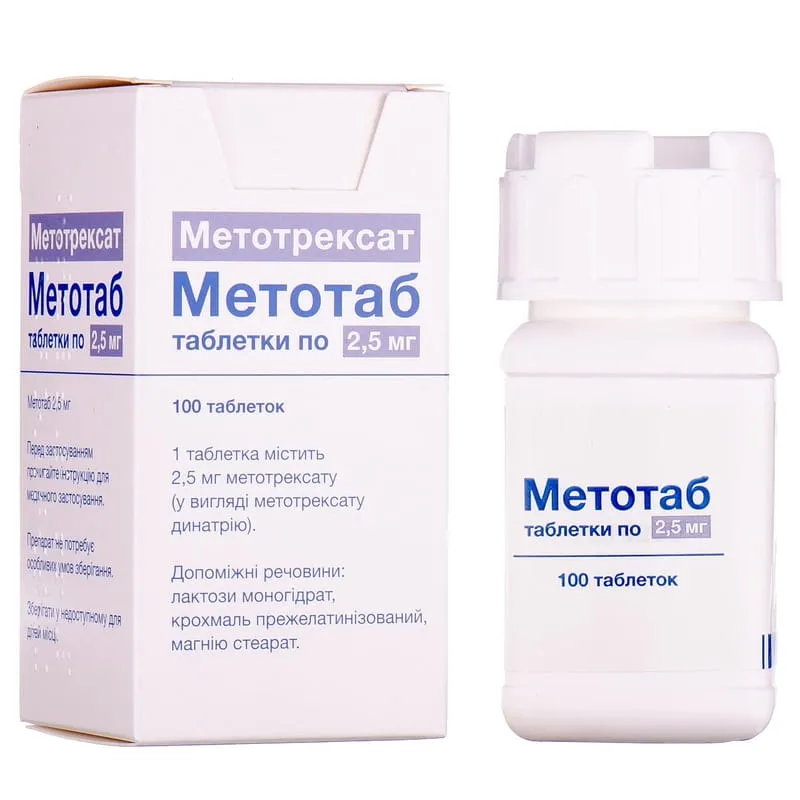
Table of Contents
INSTRUCTIONS FOR MEDICAL USE OF THE MEDICINAL PRODUCT METOTAB (METOTAB)
Composition:
Active substance: methotrexate;
1 tablet contains 2.5 mg, 7.5 mg or 10 mg of methotrexate (as methotrexate disodium);
Excipients: lactose monohydrate, pregelatinized starch, magnesium stearate.
Pharmaceutical form. Tablets.
Main physicochemical properties:
Metotab 2.5 mg: yellow, round, biconvex tablets; speckles are permissible.
Imprint: 2.5.
Metotab 7.5 mg: yellow, round, biconvex tablets; speckles are permissible.
Imprint: 7.5.
Metotab 10 mg: yellow, round, biconvex tablets with a score line; speckles are permissible.
Imprint: 10.
Pharmacotherapeutic group.
Antineoplastic agents. Antimetabolites. Structural analogues of folic acid.
ATC code: L01BA01.
Antineoplastic agents. Immunosuppressants, other immunosuppressants. ATC code: L04AX03.
Pharmacological properties.
Pharmacodynamics.
Methotrexate is a folic acid derivative and belongs to the class of cytotoxic antimetabolites. It acts during the S-phase of the cell cycle and competitively inhibits the enzyme dihydrofolate reductase, thereby preventing the reduction of dihydrofolate to tetrahydrofolate, which is essential for DNA synthesis and cell replication. Rapidly proliferating tissues, such as malignant tumors, bone marrow, fetal cells, oral and intestinal mucosa, and bladder cells, are generally more sensitive to methotrexate. Since malignant tissue proliferation is faster than normal, methotrexate can disrupt its development without causing irreversible damage to healthy tissues.
The mechanism of action of methotrexate in rheumatoid arthritis is not fully understood; it may affect immune functions. Further investigation of the effects of methotrexate on the immune system is needed in relation to the immunopathogenesis of rheumatoid arthritis.
In psoriasis, the rate of epidermal cell replication in the skin is significantly higher than normal. This difference in proliferation rate provides the rationale for using methotrexate to control the psoriatic process.
Pharmacokinetics.
After oral administration, Metotab is rapidly absorbed with high bioavailability (80–100%). Following a dose of 2 × 2.5 mg, the maximum plasma concentration of methotrexate (Cmax) is reached within 0.83 hours and averages 170 ng/mL.
Approximately 50% of methotrexate is bound to plasma proteins. After distribution, methotrexate accumulates predominantly in the liver, kidneys, and spleen in the form of polyglutamates, which can be retained for weeks to months. When administered in low doses, only minimal amounts of methotrexate penetrate into the cerebrospinal fluid. The terminal half-life of methotrexate ranges from 3 to 17 hours, averaging 6–7 hours. In patients with a third space distribution (pleural effusion, ascites), the elimination half-life of methotrexate may be up to four times longer. Approximately 10% of the administered dose is metabolized in the liver. The main metabolite of methotrexate is 7-hydroxymethotrexate. Methotrexate is excreted primarily unchanged by the kidneys (via glomerular filtration and active secretion in the proximal tubules). Approximately 5–20% of methotrexate and 1–5% of 7-hydroxymethotrexate are excreted in bile. There is significant enterohepatic recirculation of methotrexate.
In patients with impaired renal function, elimination of methotrexate is considerably slower. It is not known whether hepatic impairment affects methotrexate elimination.
There is considerable inter- and intra-individual variability, particularly with repeated dosing.
Clinical characteristics.
Indications.
Active rheumatoid arthritis in adult patients for whom treatment with disease-modifying antirheumatic drugs (DMARDs) is indicated.
Severe and extensive forms of vulgar psoriasis, particularly plaque-type, in adult patients when conventional therapy (e.g., phototherapy, PUVA therapy, or retinoids) has been ineffective.
Maintenance therapy for acute lymphoblastic leukemia.
Contraindications.
- Hypersensitivity to methotrexate or to any of the excipients.
- Liver disease associated with chronic alcohol abuse and significant impairment of liver function (bilirubin level > 85.5 µmol/L).
- Alcohol abuse.
- Hepatic insufficiency.
- Renal dysfunction (creatinine clearance < 50 mL/min).
- Pre-existing hematological disorders (e.g., bone marrow hypoplasia, leukopenia, thrombocytopenia, or severe anemia).
- History of blood disorders.
- Severe, acute, or chronic infections (e.g., tuberculosis or HIV), immunodeficiency states.
- Stomatitis, oral or gastrointestinal ulcers.
- Pregnancy or breastfeeding.
- Vaccination with live vaccines during methotrexate treatment.
Interaction with other medicinal products and other forms of interaction.
Anesthetic agents based on nitrous oxide may enhance the effect of methotrexate on folate metabolism, potentially leading to unpredictable, severe bone marrow suppression and stomatitis. To reduce the intensity of such effects, administration of calcium folinate is required.
Alcohol, hepatotoxic, and hematotoxic agents
The risk of hepatotoxic effects of methotrexate increases with regular alcohol consumption or concomitant use of other hepatotoxic agents. Particular caution is required when administering methotrexate to patients who are simultaneously taking other hepatotoxic and hematotoxic agents (e.g., leflunomide, metamizole). Combined therapy with methotrexate and retinoids (e.g., acitretin or etretinate) increases the risk of hepatotoxicity. The frequency of pancytopenia and hepatotoxic effects increases during combination therapy with methotrexate and leflunomide.
Oral antibiotics
Oral antibiotics (particularly tetracyclines, chloramphenicol, and non-absorbable broad-spectrum antibiotics) may affect enterohepatic circulation by inhibiting intestinal flora or suppressing bacterial metabolism.
Antibiotics
Certain antibiotics such as penicillins, glycopeptides, sulfonamides, ciprofloxacin, and cephalothin may, in isolated cases, reduce renal clearance of methotrexate, leading to increased serum concentrations and enhanced toxicity to the hematopoietic system and gastrointestinal tract.
Meds with high plasma protein binding
Methotrexate binds to plasma proteins and may be displaced by other highly protein-bound drugs such as salicylates, hypoglycemic agents, diuretics, sulfonamides, phenytoin, tetracyclines, anticonvulsants, chloramphenicol, para-aminobenzoic acid, and acidic anti-inflammatory agents. Concomitant use may lead to increased toxicity.
Probenecid, weak organic acids, pyrazoles, and nonsteroidal anti-inflammatory drugs (NSAIDs)
Probenecid, weak organic acids (e.g., loop diuretics), and pyrazoles (phenylbutazone) may delay methotrexate excretion, increasing its serum concentration and enhancing hematological toxicity. The risk of toxic effects also increases with combined use of low-dose methotrexate and NSAIDs or salicylates. NSAIDs and methotrexate should be used cautiously within 24 hours after methotrexate administration, when methotrexate plasma levels may rise and increase drug toxicity. Animal studies have shown that NSAIDs, including salicylic acid, reduce tubular secretion of methotrexate and thereby enhance its toxic effects. However, in clinical trials where NSAIDs and salicylic acid were used as concomitant therapy in patients with rheumatoid arthritis, no increase in adverse reactions was observed. These agents may be continued or initiated as part of combination therapy for rheumatoid arthritis alongside methotrexate, but only under close medical supervision.
Caution is required when using NSAIDs and methotrexate concomitantly, as serious adverse reactions such as sudden severe bone marrow suppression, aplastic anemia, gastrointestinal toxicity, and even isolated fatal cases have been reported.
Agents adversely affecting bone marrow
When used concomitantly with agents that may cause bone marrow toxicity (e.g., sulfonamides, trimethoprim/sulfamethoxazole, chloramphenicol, pyrimethamine), the possibility of more pronounced hematological disturbances should be considered. Pyrimethamine or co-trimoxazole, when used in combination with methotrexate, may cause pancytopenia, likely due to additional inhibition of dihydrofolate reductase by these agents and methotrexate.
Agents causing folate deficiency
Concomitant use of agents that induce folate deficiency (e.g., sulfonamides, trimethoprim/sulfamethoxazole) may enhance methotrexate toxicity. Particular caution is also required in patients with pre-existing folate deficiency.
Products containing folic acid or folinic acid
Vitamin supplements or other products containing folic acid, folinic acid, or their derivatives may reduce the efficacy of methotrexate.
Other antirheumatic agents
When used in combination with other antirheumatic agents (e.g., gold salts, penicillamine, hydroxychloroquine, sulfasalazine, azathioprine, cyclosporine), methotrexate toxicity is generally not increased.
Sulfasalazine
Although sulfasalazine may potentiate the effect of methotrexate by inhibiting folate synthesis (potentially increasing the frequency of adverse effects), such effects were observed only in isolated cases during several clinical trials.
Mercaptopurine
Methotrexate increases mercaptopurine plasma levels, likely by slowing its metabolism. Concomitant use of methotrexate and mercaptopurine may require dose adjustment.
Proton pump inhibitors
Concomitant use of methotrexate and proton pump inhibitors (e.g., omeprazole or pantoprazole) may result in interaction. Omeprazole may reduce renal clearance of methotrexate, while pantoprazole may inhibit renal elimination of the 7-hydroxymethotrexate metabolite, which in one case was associated with myalgia and tremor. Pharmacokinetic interactions between methotrexate and flucloxacillin (reduced area under the concentration-time curve [AUC] for methotrexate), anticonvulsants (reduced methotrexate blood concentration), should be considered. In isolated cases, significant increases in serum methotrexate concentration were observed after co-administration with oxacillin and omeprazole. Interactions between leflunomide and methotrexate have been reported (leading to liver cirrhosis, musculoskeletal infections, and thrombocytopenia).
Methotrexate should be used cautiously in combination with immunomodulators during orthopedic surgery, when susceptibility to infection is increased.
Salicylates, phenylbutazone, phenytoin, barbiturates, tranquilizers, oral contraceptives, tetracyclines, amopyrine derivatives, sulfonamides, and para-aminobenzoic acid displace methotrexate from serum albumin binding, thereby increasing its bioavailability (indirect dose increase).
Cholestyramine may enhance extra-renal elimination of methotrexate by interfering with enterohepatic circulation. Radiation therapy during methotrexate treatment may increase the risk of soft tissue and bone necrosis.
When used concomitantly with other cytostatic agents, methotrexate clearance may be reduced.
Vitamin complexes and oral iron preparations containing folic acid may alter the body's response to methotrexate therapy.
Cytostatic agents
Clearance of methotrexate may be reduced when used in combination with other cytostatic agents. Methotrexate may increase the half-life of 5-fluorouracil.
Theophylline
Methotrexate may reduce the clearance of theophylline; therefore, theophylline levels should be monitored when used concomitantly with methotrexate.
Beverages containing caffeine and theophylline
Excessive consumption of beverages containing caffeine or theophylline (coffee, cold caffeinated drinks, black tea) should be avoided during methotrexate therapy, as this may reduce methotrexate efficacy due to interaction between methotrexate and adenosine receptors via metixanthine.
Cytarabine
Severe neurotoxic reactions ranging from headache to paralysis, coma, and stroke-like episodes have been observed primarily in children and adolescents receiving methotrexate in combination with cytarabine.
L-asparaginase blocks the action of methotrexate when used concomitantly.
In isolated cases, corticosteroids have led to generalized herpes zoster in patients with herpes zoster or postherpetic neuralgia receiving concomitant methotrexate.
Amiodarone has caused skin ulceration in patients receiving methotrexate for psoriasis treatment. Skin cancer has been reported in some psoriasis patients treated with methotrexate in combination with PUVA therapy. Caution is advised when using packed red blood cells concomitantly with methotrexate due to increased toxicity resulting from prolonged high serum methotrexate concentrations. Concomitant administration of levetiracetam and methotrexate has been shown to reduce methotrexate clearance, leading to increased or prolonged blood concentrations to potentially toxic levels. Methotrexate and levetiracetam levels should be closely monitored in patients receiving concomitant therapy with these two agents. Bone marrow suppression and reduced folate levels have been documented with concomitant use of triamterene and methotrexate.
Special precautions for use.
Treatment with methotrexate should be carried out under the supervision of qualified oncologists, dermatologists, or rheumatologists experienced in the use of chemotherapeutic agents and familiar with the potential risks associated with methotrexate. The patient must be clearly informed that the drug should be taken once a week. The physician should specify on the prescription the day of the week when the drug should be taken. The patient must be warned about the importance of adhering to the once-weekly dosing schedule and that incorrect (daily) administration may lead to severe toxic reactions.
Toxicity
Close monitoring by qualified physicians experienced in antimetabolite therapy is required during methotrexate treatment to detect early signs of possible toxic effects and adverse reactions. Due to the risk of severe or even fatal toxic reactions, patients should be thoroughly informed about possible complications and recommended precautionary measures. However, doses exceeding 20 mg/week may be associated with significantly increased toxicity, particularly bone marrow suppression. Discontinuation of methotrexate does not always result in complete regression of adverse reactions. A mandatory condition for methotrexate treatment is the determination of methotrexate levels in blood serum. In patients with pathological fluid accumulation in body cavities ("third space"), such as ascites or pleural effusion, the plasma half-life of methotrexate is prolonged, which may lead to unexpected toxicity. If possible, fluid accumulation should be removed by puncture prior to starting methotrexate therapy.
Blood and lymphatic system
Methotrexate may suppress hematopoiesis, leading to anemia, aplastic anemia, pancytopenia, leukopenia, neutropenia, and/or thrombocytopenia.
The first signs of these life-threatening complications may include: fever, sore throat, oral mucosal ulceration, flu-like symptoms, significant fatigue, epistaxis, and skin hemorrhages. Methotrexate therapy for neoplastic diseases should be continued only if the potential benefit outweighs the risk of severe myelosuppression. In particular, megaloblastic anemia has been reported with prolonged use in elderly patients. Methotrexate should not be used in the presence of gastrointestinal ulcers or ulcerative colitis (see section "Contraindications").
After treatment with drugs that enhance myelotoxic effects, as well as after radiation therapy, including to the bone marrow, the bone marrow reserve is reduced. This may lead to increased bone marrow sensitivity and suppression of its hematopoietic function during methotrexate therapy. Bone marrow biopsy is necessary during long-term methotrexate therapy. When used concomitantly with radiation therapy, methotrexate may increase the risk of soft tissue necrosis.
Musculoskeletal and connective tissue disorders
During radiation therapy, patients receiving methotrexate may have an increased risk of soft tissue and bone necrosis. Transient acute neurological syndrome has been observed during high-dose methotrexate therapy, which may manifest, in particular, as behavioral abnormalities, focal sensorimotor symptoms (including temporary blindness), and abnormal reflexes. The exact cause is not established. Serious adverse neurological reactions, ranging from headache to paralysis, coma, and stroke episodes, have been observed primarily in children and adolescents receiving methotrexate in combination with cytarabine. Particular caution is required when nonsteroidal anti-inflammatory drugs (NSAIDs) are used concomitantly with methotrexate. Serious adverse reactions, including fatal cases such as severe and unpredictable bone marrow suppression, aplastic anemia, and gastrointestinal toxicity, have been reported, especially after high-dose methotrexate administration.
Liver function
Since methotrexate exerts hepatotoxic effects, other hepatotoxic drugs should not be prescribed during treatment unless clearly necessary. Alcohol consumption should also be avoided or significantly limited. Liver enzyme levels should be monitored particularly carefully in patients receiving concomitant therapy with other hepatotoxic and hematotoxic agents (e.g., leflunomide). Methotrexate may cause acute hepatitis and chronic liver toxicity (fibrosis, cirrhosis) with potentially fatal outcomes, although usually only after prolonged use. Persistent elevation of liver enzymes has frequently been observed. This is usually temporary and asymptomatic and does not necessarily precede further liver disease. Chronic toxicity usually occurs after prolonged administration (typically after two years or more) and cumulative doses of at least 1.5 g. Studies in patients with psoriasis indicate a correlation between hepatotoxicity and total cumulative dose, with toxicity increasing due to alcohol abuse, obesity, diabetes, and advanced age. Liver biopsy after prolonged methotrexate treatment often reveals histological changes. Cases of fibrosis and cirrhosis have also been reported. Methotrexate use may lead to reactivation of hepatitis B or exacerbation of hepatitis C, which in some cases have been fatal. Cases of hepatitis B reactivation have been reported even after discontinuation of methotrexate therapy. Therefore, patients with a history of hepatitis B or C should undergo clinical and laboratory evaluations to determine the appropriateness of methotrexate therapy. Particular caution is required when treating patients with inactive chronic infections (e.g., herpes zoster, tuberculosis) due to their potential reactivation. Particular care should be taken when treating patients with insulin-dependent diabetes mellitus, as cirrhosis of the liver without a preceding increase in transaminase levels may develop during methotrexate therapy in individual cases.
Kidney function
Due to delayed methotrexate excretion, treatment of patients with impaired kidney function should be conducted with increased caution and at lower doses (see section "Dosage and administration"). During methotrexate therapy, kidney function may deteriorate with an increase in certain laboratory parameters (serum creatinine, urea, and uric acid levels), potentially leading to acute renal failure with oliguria/anuria. This is likely due to precipitation of methotrexate and its metabolites in renal tubules. Conditions leading to dehydration, such as vomiting, diarrhea, and stomatitis, may increase toxicity due to elevated levels of the active substance. In such cases, supportive therapy should be initiated, and methotrexate treatment should be suspended until symptoms resolve.
Gastrointestinal disorders
If ulcerative stomatitis, diarrhea, hematemesis, black stools, or blood in the stool occur, therapy should be discontinued, as hemorrhagic enteritis may develop, leading to fatal outcomes due to intestinal perforation.
Nervous system
Chronic leukoencephalopathy has also been observed in patients receiving repeated high-dose methotrexate therapy with calcium folinate without prior cranial radiation therapy. Cases of leukoencephalopathy have also been reported in patients taking methotrexate orally.
Lung function
Particular caution is required when treating patients with impaired lung function. Pulmonary complications, pleural effusion, alveolitis, or pneumonitis with symptoms such as dry non-productive cough, fever, malaise, cough, chest pain, dyspnea, hypoxemia, and radiologically detected infiltrates or nonspecific pneumonia occurring during methotrexate therapy may indicate potentially dangerous and possibly fatal lung damage. Lung biopsy has shown various results (e.g., interstitial edema, mononuclear infiltrates, or necrotizing granuloma). In case of suspected complications, methotrexate therapy should be immediately discontinued, and a thorough examination should be performed to rule out infections and tumors. Methotrexate-induced lung diseases may occur acutely at any time during therapy; they are not always fully reversible and have been observed with doses of 7.5 mg/week. Acute or chronic interstitial pneumonitis, often associated with blood eosinophilia, may develop; fatal outcomes have also been reported. Symptoms usually include dyspnea, cough (especially dry non-productive cough), chest pain, and fever; these should be monitored in patients at each subsequent visit. Patients should be informed about the risk of developing pneumonitis and advised to seek immediate medical attention if persistent cough or dyspnea occurs. Additionally, pulmonary alveolar hemorrhage has been reported during methotrexate use for rheumatological and related indications. This phenomenon may also be associated with vasculitis and other comorbid conditions. Rapid diagnostic tests should be considered in case of suspected pulmonary alveolar hemorrhage to confirm the diagnosis. Opportunistic infections, including Pneumocystis jirovecii pneumonia, may occur during methotrexate use and may be fatal. If a patient presents with pulmonary symptoms, Pneumocystis jirovecii pneumonia should be considered.
Skin and subcutaneous tissue disorders
Severe, sometimes fatal, skin reactions, such as Stevens-Johnson syndrome and toxic epidermal necrolysis (Lyell's syndrome), have been reported after single or prolonged use of methotrexate.
Immune system
Cytostatics may increase the risk of infection following live vaccine administration. Cytostatics can reduce antibody production after influenza vaccination. Since methotrexate affects the immune system, it may alter the response to vaccination and affect the results of immunological tests. Vaccinations administered during methotrexate therapy may be ineffective. Live vaccines should not be administered during methotrexate treatment. Particular caution is required when treating patients with progressive infections. Methotrexate is contraindicated in patients with immunodeficiency syndromes, whether apparent or confirmed by laboratory tests. Additionally, methotrexate should be used with caution in patients with infections such as varicella or herpes zoster.
Neoplasms
In patients with rapidly growing tumors, methotrexate, like other cytostatic drugs, may cause tumor lysis syndrome. Appropriate supportive medication therapy may prevent or reduce the manifestations of these complications. In patients receiving low-dose methotrexate, malignant lymphoma may develop; in such cases, methotrexate therapy should be discontinued. If spontaneous regression of lymphoma does not occur, cytotoxic drug therapy should be initiated.
Folic acid supplements
Folic acid deficiency may increase methotrexate toxicity.
Folic acid or folinic acid supplementation may reduce methotrexate toxicity (gastrointestinal symptoms, stomatitis, alopecia, and elevated liver enzyme activity). Before taking folic acid-containing medications, vitamin B12 levels should be checked, as folate use may mask vitamin B12 deficiency, especially in individuals aged 50 years and older. Methotrexate should be prescribed with great caution (if absolutely necessary) to patients with significant liver function impairment (current or in history, particularly due to alcohol abuse).
Fertility and reproductive function
Fertility
It has been reported that methotrexate may negatively affect reproductive function, causing oligospermia, menstrual cycle disturbances, and amenorrhea during therapy and for a short period after its discontinuation. Additionally, methotrexate causes embryotoxicity, miscarriages, and congenital abnormalities. Therefore, physicians should inform patients of reproductive age about all possible risks associated with the drug.
Teratogenicity – risk of reproductive toxicity
Methotrexate causes embryotoxicity, miscarriages, and congenital abnormalities in humans. Therefore, physicians should inform women of reproductive age about the potential effects on reproductive function, miscarriages, and congenital malformations. Pregnancy must be excluded before starting methotrexate therapy. Women of reproductive age should use effective contraception during therapy and for 6 months after discontinuation of methotrexate. It is recommended to use reliable contraception during treatment of male patients and for at least 6 months after discontinuation of methotrexate. Since methotrexate may lead to serious and potentially irreversible impairment of spermatogenesis, men should consider sperm cryopreservation before starting therapy.
Recommended investigations and precautionary measures
Before starting methotrexate therapy or continuing therapy after a break: Blood analysis with determination of leukocyte formula and platelet count, liver enzyme levels (ALT, AST, ALP), bilirubin, serum albumin, and kidney function parameters, as well as chest X-ray examination, should be performed. If clinically indicated, tests to rule out tuberculosis and hepatitis (A, B, C) should be conducted. Depending on the dosage or treatment protocol used, serum methotrexate levels should be monitored regularly, particularly during and after high-dose methotrexate therapy. Dose adjustment of methotrexate and protective therapy can significantly reduce toxicity and potential mortality associated with methotrexate use. Patients with pleural effusion, ascites, gastrointestinal obstruction, previous cisplatin therapy, dehydration, low urine pH, or impaired kidney function are at increased risk of elevated or only slowly decreasing methotrexate levels. The condition of such patients should be closely monitored.
In some patients, delayed methotrexate excretion may occur without the above-mentioned causes. It is important to monitor methotrexate concentration within 48 hours after administration, as its possible increase may lead to irreversible toxicity.
During treatment (monthly for the first 6 months and at least every 3 months thereafter): The frequency of examinations should be increased when doses are escalated.
Oral and throat examination to detect mucosal changes.
Blood analysis with determination of leukocyte formula and platelet count (daily or weekly). Even at usual therapeutic doses, methotrexate may suddenly cause bone marrow suppression. If significant leukopenia or thrombocytopenia occurs, methotrexate therapy should be immediately discontinued, and symptomatic supportive therapy initiated. Patients should be instructed to promptly report any signs and symptoms indicating infection development. When concomitantly using hematotoxic drugs (e.g., leflunomide), leukocyte and platelet counts in blood should be closely monitored.
Liver function tests. Therapy should not be initiated or should be discontinued if there are persistent or significant deviations in liver function tests, other non-invasive fibrosis tests, or liver biopsy.
Transient elevation of transaminases two to three times above the upper limit of normal has been reported in 13–20% of patients. Persistent elevation of liver enzymes and/or decreased serum albumin levels may indicate severe hepatotoxicity. In case of persistent elevation of liver enzymes, dose reduction or therapy discontinuation should be considered.
Histological changes, fibrosis, and rarely cirrhosis of the liver may occur without preceding abnormal liver function tests. Cases of cirrhosis have been reported with normal transaminase levels. Therefore, non-invasive diagnostic methods should be considered for liver monitoring, in addition to liver function tests. Liver biopsy should be considered on an individual basis, taking into account the patient's comorbidities, medical history, and biopsy-related risks. Risk factors for hepatotoxicity include past alcohol abuse, persistent elevation of liver enzymes, history of liver disease, family history of hereditary liver diseases, diabetes, obesity, and previous exposure to hepatotoxic drugs or chemicals, as well as prolonged methotrexate therapy.
During methotrexate therapy, additional hepatotoxic drugs should not be prescribed unless clearly necessary. Alcohol consumption should be avoided. In patients concomitantly taking other hepatotoxic drugs, liver enzymes should be closely monitored.
Particular caution is required when prescribing to patients with insulin-dependent diabetes mellitus, as liver cirrhosis without elevated transaminase levels may develop during methotrexate therapy in individual cases.
Patients without risk factors. According to current medical knowledge, liver biopsy is not necessary until cumulative dose reaches 1.0–1.5 g.
Patients with risk factors. Risk factors primarily include history of alcohol abuse; persistent elevation of liver enzymes; past hepatopathy, including chronic hepatitis B or C; hereditary hepatopathy in family history, as well as (with possible lower significance) diabetes; obesity; treatment with hepatotoxic drugs or chemotherapeutic agents. Since a small percentage of patients discontinue treatment for various reasons within 2–4 months, the first biopsy may be performed after the initial phase. Biopsy should be performed if long-term therapy is anticipated. Repeat liver biopsy is recommended after reaching a cumulative dose of 1.0–1.5 g. Liver biopsy is not necessary for the following patients: elderly patients; patients with acute illnesses; patients for whom liver biopsy is contraindicated (cardiac disorders, coagulation parameter changes); patients with short life expectancy. If liver biopsy results indicate only minor changes (I, II, IIIa on the Roenigk scale), methotrexate therapy may be continued with careful patient monitoring. Methotrexate should be discontinued in patients with elevated liver test results who decline liver biopsy or in patients whose liver biopsy confirms moderate or severe changes (IIIb or IV on the Roenigk scale). Methotrexate intake should be discontinued in cases of moderate fibrosis or cirrhosis; repeat biopsy is recommended 6 months after mild fibrosis. Less severe findings before therapy initiation, such as fatty acid content changes or mild portal inflammation, are relatively common. Although these minor changes are usually not a contraindication for starting or discontinuing methotrexate therapy, the drug should be used with caution.
Since methotrexate exerts hepatotoxic effects, other hepatotoxic drugs should not be prescribed during treatment unless clearly necessary. Alcohol consumption should also be avoided or significantly limited. Liver enzyme levels should be monitored particularly carefully in patients receiving concomitant therapy with other hepatotoxic and hematotoxic agents (e.g., leflunomide).
Kidney function tests and urine analysis. Since methotrexate is primarily excreted in urine, increased methotrexate concentration in blood may occur in patients with impaired kidney function, potentially leading to severe adverse reactions. The condition of patients with possible kidney function impairment (e.g., elderly patients) should be closely monitored. Monitoring of creatinine, urea, and electrolyte levels on days 2 and 3 is recommended to detect any possible impairment in methotrexate excretion at an early stage. This is particularly important when concomitantly using drugs that reduce methotrexate excretion, have adverse effects on kidneys (e.g., NSAIDs), or affect the hematopoietic system. Dehydration may also potentiate methotrexate toxicity. Procedures to alkalinize urine and increase diuresis are recommended. If signs of impaired kidney function are present (e.g., severe adverse reactions from previous methotrexate therapy or urinary tract obstruction), creatinine clearance should be determined. If creatinine levels increase, the dose should be reduced. Methotrexate therapy should not be administered if serum creatinine exceeds 2 mg/dL. Concomitant use of NSAIDs is not recommended in the presence of risk factors such as impaired kidney function, including mild kidney impairment.
It is important to monitor potential elevated levels of the active substance within 48 hours after drug administration, otherwise irreversible methotrexate toxicity may occur.
Respiratory system examination. Symptoms indicating possible development of acute or chronic interstitial pneumonitis, often accompanied by blood eosinophilia, should be closely monitored; fatal cases have also been reported. Typical symptoms to check at each follow-up visit include dyspnea, cough (especially dry, non-productive cough), and elevated body temperature. Patients should be informed about the risk of developing pneumonitis and warned to seek immediate medical attention if persistent cough or dyspnea occurs. Lung diseases require rapid diagnosis and methotrexate discontinuation. The appearance of corresponding symptoms during methotrexate therapy (especially dry, non-productive cough) or development of nonspecific pneumonitis may indicate potential lung damage. In such cases, methotrexate should be discontinued and the patient thoroughly examined (including fluoroscopic examination) to rule out infection. Although the clinical picture may vary, a typical patient with methotrexate-induced lung disease presents with elevated body temperature, cough with dyspnea, hypoxemia, and pulmonary infiltrates on X-rays. Infectious diseases must be excluded in differential diagnosis. Pneumonitis may occur during drug use at any dose.
Acute or chronic interstitial pneumonitis, often accompanied by eosinophilia and pleural effusion, may occur at any stage of therapy, including with low drug doses. This condition is not always fully reversible. Fatal cases have also been reported. Patients should be informed about the risk of developing pneumonia and the need to seek immediate medical attention in case of persistent cough or breathing difficulty.
Additionally, pulmonary alveolar hemorrhage has been documented during methotrexate use for rheumatological and related indications. This hemorrhage may also be associated with vasculitis and other comorbid conditions. Rapid examination is necessary in case of suspected pulmonary alveolar hemorrhage to confirm the diagnosis.
Potentially fatal opportunistic infections, including Pneumocystis jirovecii pneumonia, may occur during methotrexate use. If a patient presents with symptoms of impaired lung function, Pneumocystis jirovecii pneumonia should be considered.
Since methotrexate affects the immune system, it may alter the response to vaccination and affect the results of immunological tests. Particular caution is required when treating patients with inactive chronic infections (herpes zoster, tuberculosis, hepatitis B or C) due to their potential reactivation. Live vaccines should not be administered during methotrexate use.
In patients receiving low-dose methotrexate, malignant lymphoma may develop; in such cases, methotrexate therapy should be discontinued. If spontaneous regression of lymphoma does not occur, cytotoxic drug therapy should be initiated. Several reports have documented that concomitant administration of folate antagonists, such as trimethoprim-sulfamethoxazole, may cause acute megaloblastic pancytopenia. Pleural effusion or ascites should be drained before starting methotrexate therapy. If this is not possible, methotrexate therapy should not be prescribed. Radiation-induced dermatitis and sunburn may recur during methotrexate therapy (anamnestic reaction). Psoriasis symptoms may worsen during UV irradiation with concomitant methotrexate administration. Pleural effusion and ascites should be eliminated before starting methotrexate therapy. Diarrhea and ulcerative stomatitis may be signs of toxic effects requiring treatment discontinuation to prevent hemorrhagic enteritis, which may lead to fatal outcomes due to intestinal perforation.
Vitamin preparations or other products containing folic acid, folinic acid, or their derivatives may reduce methotrexate efficacy. Methotrexate use in psoriasis treatment should be limited to severe psoriasis cases when other treatment forms are ineffective, but only when the diagnosis is confirmed by biopsy and/or after dermatologist consultation. Encephalopathy/leukoencephalopathy has been documented in oncology patients receiving methotrexate therapy and cannot be excluded for methotrexate therapy in non-oncological indications.
Progressive multifocal leukoencephalopathy
Cases of progressive multifocal leukoencephalopathy (PML) have been reported in patients using methotrexate, primarily in combination with other immunosuppressive drugs. PML may have fatal outcomes. This should be considered in differential diagnosis in immunocompromised patients with worsening or new neurological symptoms.
Evidence indicates that combined use of cranial radiation therapy and intrathecal methotrexate administration increases the frequency of leukoencephalopathy cases. After intrathecal methotrexate administration, symptoms of neurotoxicity (meningeal irritation, temporary or permanent paresis, encephalopathy) should be monitored.
The use of Metotab in children under 3 years of age is not recommended due to insufficient data on efficacy and safety in this patient group. In acute lymphoblastic leukemia, methotrexate may cause left epigastric pain (inflammation of the spleen capsule due to leukemic cell breakdown).
Metotab contains lactose monohydrate. Patients with rare hereditary galactose intolerance, Lapp lactase deficiency, or glucose-galactose malabsorption should not use this medicinal product. Methotrexate should be used with great caution in patients with myelosuppression, impaired kidney function, peptic ulcer, ulcerative colitis, ulcerative stomatitis, diarrhea, poor general condition, as well as in small children and elderly patients. If this is not possible, methotrexate therapy should not be prescribed. Conditions leading to dehydration, such as vomiting, diarrhea, stomatitis, may increase methotrexate toxicity due to elevated drug levels in the body. In such cases, methotrexate use should be discontinued until symptoms resolve. Methotrexate should be taken with particular caution in insulin-dependent diabetes mellitus and impaired lung function. Isolated cases of liver cirrhosis development during methotrexate therapy without preceding transaminase elevation have been reported. Severe, sometimes fatal, skin reactions, such as Stevens-Johnson syndrome and toxic epidermal necrolysis (Lyell's syndrome), have been observed in individual cases even after single or prolonged methotrexate use. Protective therapy with calcium folinate (rescue therapy) should be administered after methotrexate therapy, starting with a dose of 100 mg/m² body surface area. Depending on the methotrexate dose and infusion duration, different calcium folinate doses are required to protect normal cells from methotrexate toxicity. Appropriate rescue therapy with calcium folinate should be initiated within 42–48 hours after methotrexate administration. Therefore, methotrexate concentration should be monitored at 24, 48, and 72 hours and continued monitoring if necessary to determine the duration of calcium folinate rescue therapy. For psoriasis and psoriatic arthritis treatment, methotrexate concentration monitoring should be performed weekly during the first two weeks, every two weeks during the following month, and then depending on leukocyte count and patient condition stability, at least once a month.
Use in elderly patients
Particular caution is required when treating elderly patients. They should be regularly monitored for early signs of toxicity. The clinical pharmacology of methotrexate in elderly patients is not fully studied. Methotrexate dose should be adjusted based on kidney and liver function status. The dose should be reduced considering advanced age. Partially modified protocols have been developed for elderly patients (aged 55 years and older), for example, for acute lymphoblastic leukemia treatment.
Use during pregnancy or breastfeeding.
Women of reproductive age/contraception in women
Women should not become pregnant during methotrexate therapy; effective contraception should be used during treatment and for at least 6 months after therapy completion. Before starting treatment, women of reproductive age should be informed about the risk of malformations associated with methotrexate use, and pregnancy should be excluded by appropriate methods, such as a pregnancy test. During treatment, pregnancy tests should be performed if clinically necessary (e.g., after any contraception interruption). Women of reproductive age should receive counseling on pregnancy prevention and planning.
Contraception in men
There are no data on methotrexate content in semen. Genotoxicity of methotrexate has been demonstrated in animal studies; therefore, the risk of genotoxic effects on spermatozoa cannot be completely excluded. Limited clinical data do not indicate an increased risk of developmental abnormalities or miscarriage after exposure to low methotrexate doses (less than 30 mg/week) in the father. Data are insufficient to assess the risk of developmental abnormalities or miscarriage after exposure to higher doses in the father. As a precautionary measure, sexually active male patients or their partners are recommended to use reliable contraception during male patient treatment and for at least 3 months after methotrexate therapy completion. Men should not be sperm donors during treatment or within 3 months after methotrexate discontinuation.
Pregnancy
Metotab is contraindicated during pregnancy for non-oncological indications (see section "Contraindications"). If pregnancy occurs during methotrexate therapy or within 6 months after therapy completion, medical advice should be provided regarding the risk of harmful effects on the child associated with treatment, and ultrasound examinations should be performed to confirm normal fetal development. Animal studies have demonstrated reproductive toxicity of methotrexate, particularly in the first trimester. Teratogenic effects of methotrexate have been documented, with reports of fetal death, miscarriages, and/or congenital abnormalities (e.g., craniofacial, cardiovascular, central nervous system, and limb malformations). Limited exposure data from 42 pregnant women revealed an increased malformation rate (1:14) (cranial, cardiovascular, and distal). Methotrexate is a potent human teratogen. Exposure during pregnancy increases the risk of spontaneous abortions, intrauterine growth retardation, and congenital malformations.
- Spontaneous abortions were recorded in 42.5% of pregnant women using low-dose methotrexate (less than 30 mg/week) compared to 22.5% in patients using other drugs.
- Significant congenital defects occurred in 6.6% of live-born children whose mothers used low-dose methotrexate (less than 30 mg/week) during pregnancy, compared to approximately 4% of live-born children whose mothers used other drugs.
Insufficient data are available on methotrexate use during pregnancy at doses exceeding 30 mg/week, but a higher rate of spontaneous abortions and congenital malformations is expected, particularly at doses typically used for oncological indications. Methotrexate treatment has been reported to lead to abortion. No cases of pregnancy complications have been recorded after methotrexate discontinuation before conception.
Period of breastfeeding
Since methotrexate is excreted in breast milk and may cause serious adverse reactions in infants, it is contraindicated during breastfeeding. If methotrexate use is necessary, breastfeeding should be discontinued before starting therapy.
Reproductive function
Since methotrexate is a genotoxic substance, all women planning pregnancy are recommended to consult genetic counseling centers, preferably before starting therapy. Men should consider sperm cryopreservation before starting therapy.
Methotrexate negatively affects spermatogenesis and oogenesis and may lead to fertility impairment. Metotab has been reported to induce oogenic and spermatogenic abnormalities, oligospermia, infertility, menstrual cycle disturbances, and amenorrhea during and for some time after treatment. In most cases, these symptoms were reversible after therapy discontinuation.
Ability to affect reaction speed when driving vehicles or operating machinery.
Metotab has a weak or moderate adverse effect on the ability to drive vehicles or operate machinery. During methotrexate treatment, adverse reactions from the central nervous system such as fatigue and confusion, drowsiness, may occur, and in individual cases, the ability to drive vehicles and operate machinery may be impaired. These disturbances are more pronounced when combined with alcohol.
Method of administration and dosage.
| Important warnings regarding the dosing of the medicinal product Metotab (methotrexate): Methotrexate for the treatment of rheumatoid arthritis and psoriasis should be administered once a week. Incorrect dosing of methotrexate may lead to serious adverse reactions, including fatal outcomes. Please read this section carefully before using this medicinal product. |
The physician may indicate the day of taking the medication on the prescription. The total duration of treatment is determined by the physician. The use of the medicinal product Metotab must be carried out under the supervision of an oncologist, dermatologist, rheumatologist, or general internist.
The tablets should be swallowed whole, without chewing, and taken with sufficient liquid (water, not dairy products), 1 hour before or 1.5–2 hours after a meal.
Dosage in rheumatoid arthritis and psoriasis
Psoriasis. The recommended initial dose is 7.5 mg once weekly, or, if the patient experiences nausea, in divided doses (2.5 mg three times weekly with 12-hour intervals).
The dose may be gradually increased until optimal response is achieved, but it should not exceed 20 mg of methotrexate per week.
Therapeutic effect is usually expected within approximately 2–6 weeks. Once the desired clinical response is achieved, the dose should be gradually reduced to the lowest possible effective maintenance dose.
Rheumatoid arthritis. The recommended initial dose is 7.5 mg once weekly, or, if the patient experiences nausea, in divided doses (2.5 mg three times weekly with 12-hour intervals). Depending on individual disease activity and patient tolerance, the initial dose may be increased in 2.5 mg weekly increments. The weekly dose should not exceed 20 mg of methotrexate. Response to treatment is usually expected within approximately 4–8 weeks. Once the desired clinical effect is achieved, the dose should be gradually reduced to the lowest possible effective maintenance dose. If no therapeutic effect is observed after 8 weeks of treatment at the maximum dose, methotrexate should be discontinued. The optimal duration of methotrexate treatment has not yet been established; however, available data suggest that the initial effect may be maintained for at least 2 years with maintenance dosing. After discontinuation of the medicinal product, disease symptoms may recur within 3–6 weeks.
Dosage in malignant neoplastic diseases
Methotrexate may be administered orally in doses up to 30 mg/m² of body surface area. Higher doses must be administered parenterally. For maintenance therapy in acute lymphoblastic leukemia, methotrexate is administered orally to children in doses up to 20 mg/m² of body surface area per week, in combination with intravenous and intrathecal administration for prophylaxis of central nervous system involvement.
Patients with impaired renal function
Metotab must be prescribed with caution in patients with impaired renal function.
The dose should be adjusted as follows:
| Creatinine clearance (ml/min) |
% of dose to be administered |
| > 80 |
100 % of dose |
| 80 |
75 % |
| 60 |
63 % |
| 50 |
56 % |
| < 50 |
contraindicated (see section “Contraindications”) |
Patients with impaired liver function
Methotrexate should be administered with great caution (if necessary) to patients with significant liver dysfunction (current or in history, particularly due to alcohol abuse). Methotrexate must not be used if bilirubin levels exceed 85.5 µmol/L.
Elderly patients
Since liver and kidney function deteriorate with age and folate reserves decrease, dose reduction may be advisable for elderly patients.
Patients with third space fluid accumulation (pleural effusion, ascites)
Since in patients with third space fluid accumulation the elimination half-life of methotrexate may be prolonged up to four times compared to normal duration, dose reduction may be required; in some cases, methotrexate administration should be discontinued.
Children
The drug may be used in children with acute lymphoblastic leukemia (as maintenance therapy). It is not recommended for children under 3 years of age, as there is insufficient information regarding efficacy and safety in this patient group.
Overdose
Cases of overdose (sometimes fatal) have occurred when patients mistakenly took the weekly dose of methotrexate daily. Symptoms in these cases include hematological and gastrointestinal reactions. Post-marketing experience with methotrexate indicates that cases of overdose have been observed following both oral and intravenous or intramuscular administration. Overdoses have been reported due to accidental daily administration of the weekly dose of methotrexate, sometimes resulting in death. The most common symptoms are related to bone marrow suppression: leukopenia, thrombocytopenia, anemia, pancytopenia, neutropenia, bone marrow suppression, mucositis, stomatitis, oral ulceration, nausea, vomiting, gastrointestinal ulceration and bleeding. In some patients, symptoms of overdose were absent.
Fatal cases have been reported due to sepsis, septic shock, renal failure, and aplastic anemia. Cases of overdose, sometimes fatal, have also been reported following accidental daily oral intake of methotrexate instead of once weekly. Symptoms observed in such cases were predominantly hematological or gastrointestinal reactions.
Symptoms of overdose. Symptoms are mainly related to bone marrow suppression.
Treatment in case of overdose. The specific antidote for methotrexate is calcium folinate. It neutralizes the adverse toxic effects of methotrexate. In case of accidental overdose, calcium folinate should be administered intravenously or intramuscularly at a dose equal to or exceeding the methotrexate dose, no later than one hour after methotrexate administration. Subsequently, several additional doses of calcium folinate should be administered until the serum methotrexate concentration falls below 10^-7 mol/L. In cases of leukocyte count reduction following low-dose methotrexate (e.g., 6–12 mg), intravenous or intramuscular calcium folinate therapy should be initiated as soon as possible, followed by multiple administrations (minimum 4 times) at the same doses with intervals of 3–6 hours. In cases of significant overdose, hydration and urinary alkalization may be required to prevent precipitation of methotrexate and/or its metabolites in the renal tubules. Standard hemodialysis and peritoneal dialysis do not enhance methotrexate elimination. Effective clearance of methotrexate can be achieved with intensive intermittent hemodialysis using high-flux dialyzers.
In patients with rheumatoid arthritis, polyarticular forms of juvenile idiopathic arthritis, psoriatic arthritis, or psoriasis, administration of folic acid or folinic acid may reduce methotrexate toxicity (gastrointestinal symptoms, oral mucositis, hair loss, and elevated liver enzymes). Monitoring of vitamin B12 levels is recommended prior to using folic acid products, as folic acid may mask vitamin B12 deficiency, particularly in adults aged 50 years and older.
Adverse Reactions
The most serious adverse reactions associated with methotrexate therapy are hematopoietic system suppression and gastrointestinal tract toxicity. The most commonly observed adverse reactions include thrombocytopenia, leukopenia, headache, dizziness, cough, anorexia, diarrhea, abdominal pain, nausea, vomiting, inflammation, and ulceration of the mucous membranes of the oral cavity and pharynx (particularly within the first 24–48 hours after methotrexate administration), elevated liver enzymes and bilirubin levels, decreased creatinine clearance, fatigue, and malaise. Oral mucosal ulcers are usually the first clinical signs of toxicity.
Adverse reactions are categorized by frequency as follows: very common (≥1/10), common (≥1/100, <1/10), uncommon (≥1/1,000, <1/100), rare (≥1/10,000, <1/1,000), very rare (<1/10,000), and frequency not known (cannot be estimated from available data).
Infections and infestations
Uncommon: opportunistic infections (in some cases may be fatal).
Rare: pharyngitis, infection (including reactivation of inactive chronic infections), sepsis (including fatal outcomes).
Very rare: hepatitis due to herpes simplex virus, cryptococcal mycosis, histoplasmosis, cytomegalovirus infections (including pneumonia), disseminated herpes simplex virus infection, nocardiosis, pneumonia due to Pneumocystis jirovecii *.
Frequency not known: pneumonia, reactivation of hepatitis B, exacerbation of hepatitis C.
Gastrointestinal disorders
Very common: stomatitis, dyspepsia, nausea, loss of appetite, abdominal pain, diarrhea (particularly within the first 24–48 hours after methotrexate administration), abdominal pain, nausea, vomiting, inflammation, and ulceration of the mucous membranes of the oral cavity and pharynx (particularly within the first 24–48 hours after methotrexate administration).
Common: oral ulcers.
Uncommon: gastrointestinal ulceration and hemorrhage, pancreatitis.
Rare: enteritis, malabsorption, gingivitis, melena.
Very rare: hematemesis, hemorrhage.
Frequency not known: non-infectious peritonitis, toxic megacolon, colonic perforation, glossitis.
Skin and subcutaneous tissue disorders
Very common: alopecia.
Common: herpes zoster, exanthema, erythema, pruritus, photosensitivity, skin ulcers.
Uncommon: increase in rheumatoid nodules, vasculitis, herpes-like skin eruptions, severe toxic skin reactions: herpes-like skin eruptions, Stevens-Johnson syndrome*, toxic epidermal necrolysis (Lyell's syndrome)*, urticaria, increased skin pigmentation, nodulosis, painful psoriatic erosions, impaired wound healing.
Rare: petechiae, acne, ecchymoses, allergic vasculitis, erythema multiforme, erythematous skin eruptions, increased nail pigmentation, onycholysis.
Very rare: furunculosis, telangiectasia, acute paronychia.
Frequency not known: skin hemorrhages, rash, skin desquamation/exfoliative dermatitis, skin necrosis, skin reactions associated with eosinophilia and systemic symptoms (DRESS), dermatitis, hidradenitis.
Psoriatic lesions may worsen during ultraviolet irradiation while on methotrexate therapy. Skin ulceration has been reported in psoriatic patients. Increased nail pigmentation, acute paronychia, furunculosis, and telangiectasia may also occur.
General disorders and administration site conditions
Very common: exhaustion, malaise.
Uncommon: fever, impaired wound healing.
Very rare: chills.
Frequency not known: influenza-like symptoms, asthenia, sudden death, edema.
Metabolism and nutrition disorders
Uncommon: development of diabetes mellitus.
Psychiatric disorders
Uncommon: depression, confusion.
Rare: mood changes, sometimes insomnia, transient perception disturbances.
Nervous system disorders
Very common: headache, dizziness.
Common: somnolence, fatigue, paresthesia.
Uncommon: cognitive dysfunction, hemiparesis.
Rare: paralysis, speech disorders including dysarthria and aphasia, leukoencephalopathy.
Very rare: muscle fatigue and limb pain, myasthenia or paresthesia in limbs, taste disturbances (metallic taste in mouth), seizures, meningism, acute aseptic meningitis (paralysis, vomiting), cranial nerve syndrome.
Frequency not known: encephalopathy, neurotoxicity, arachnoiditis, paraplegia, stupor, ataxia, dementia, increased cerebrospinal fluid pressure.
Eye disorders
Common: conjunctivitis.
Rare: visual disturbances (partially severe), severe retinal vein thrombosis, blurred vision.
Very rare: visual disturbances, retinopathy, periorbital edema, blepharitis, lacrimation, photophobia, transient blindness, vision loss.
Hepatobiliary disorders
Very common: abnormal liver function tests (elevated bilirubin, AST, ALT, alkaline phosphatase).
Uncommon: hepatotoxicity, liver atrophy, chronic fibrosis and cirrhosis, liver fibrosis, fatty liver degeneration, decreased serum albumin levels.
Rare: acute hepatitis.
Very rare: acute liver necrosis, acute liver disease, liver failure (also see information on liver biopsy in the "Special precautions" section).
Frequency not known: liver injury, reactivation of chronic hepatitis.
Cardiac disorders
Rare: pericarditis, exudative pericarditis, pericardial effusion, pericardial tamponade.
Vascular disorders
Uncommon: vasculitis, allergic vasculitis.
Rare: arterial hypotension, thromboembolism (including arterial thrombosis, cerebral thrombosis, deep vein thrombosis, retinal vein thrombosis, thrombophlebitis, and pulmonary embolism).
Respiratory, thoracic and mediastinal disorders
Very common: cough.
Common: pneumonia, interstitial pneumonitis/alveolitis, often associated with eosinophilia, pulmonary complications due to interstitial alveolitis/pneumonitis, which may be fatal (regardless of dose or duration of methotrexate therapy), symptoms indicating potentially serious lung injury in interstitial pneumonitis: dry non-productive cough, dyspnea, fever).
Uncommon: pulmonary fibrosis, Pneumocystis jirovecii-induced pneumonia, dyspnea, bronchial asthma, pleural effusion.
Rare: respiratory arrest.
Very rare: chronic obstructive lung disease, asthma-like reactions with cough, dyspnea, and abnormal pulmonary function test results.
Frequency not known: chest pain, hypoxia, epistaxis, pulmonary alveolar hemorrhage, respiratory failure, pleuritis, acute pulmonary edema.
Blood and lymphatic system disorders
Very common: thrombocytopenia, leukopenia.
Common: bone marrow suppression, agranulocytosis, anemia, or their combinations, pancytopenia.
Rare: megaloblastic anemia.
Very rare: severe progressive bone marrow suppression, aplastic anemia, eosinophilia, neutropenia, lymphadenopathy (partially reversible), and lymphoproliferative disorders (partially reversible).
Immune system disorders
Uncommon: allergic reactions up to anaphylactic shock, immunosuppression.
Very rare: hypogammaglobulinemia.
Renal and urinary system disorders
Very common: decreased creatinine clearance.
Uncommon: nephropathy, renal failure, ulcerative cystitis (with hematuria), bladder inflammation and ulceration, impaired kidney function, urinary dysfunction, dysuria, oliguria, anuria.
Rare: electrolyte imbalance, hyperuricemia, increased serum urea and creatinine concentration, azotemia.
Very rare: hematuria, proteinuria.
Pregnancy, puerperium and perinatal conditions
Uncommon: congenital malformations.
Rare: abortion.
Very rare: intrauterine fetal death.
Reproductive system and breast disorders
Uncommon: vaginal ulcers and inflammation.
Rare: transient oligospermia.
Very rare: loss of libido, impotence, gynecomastia, oligospermia, ovogenesis and spermatogenesis disorders, infertility, menstrual cycle disorders, vaginal discharge, impotence, gynecomastia.
Frequency not known: amenorrhea, erectile dysfunction.
The frequency and severity of adverse reactions depend on the dose and frequency of methotrexate administration. However, serious adverse reactions may occur even with low-dose therapy; therefore, it is essential to monitor patients regularly at short intervals.
Musculoskeletal and connective tissue disorders
Uncommon: arthralgia, myalgia, osteoporosis.
Rare: stress fractures.
Frequency not known: osteonecrosis, jaw osteonecrosis (secondary to lymphoproliferative disorders).
Benign, malignant and unspecified neoplasms (including cysts and polyps)
Uncommon: cases of lymphoma development have been reported, which in some cases regressed after discontinuation of methotrexate.
Description of selected adverse reactions
The frequency and severity of adverse reactions depend on the dose and frequency of methotrexate administration. However, serious adverse reactions may occur even with low-dose therapy; therefore, it is essential to monitor patients regularly at short intervals. If adverse reactions occur, the dose should be reduced, or therapy discontinued as necessary depending on severity and intensity, and appropriate measures taken (see "Overdose" section). If methotrexate treatment is resumed, it should be continued cautiously, with careful assessment of the necessity of therapy and increased vigilance for possible recurrence of toxic effects. Myelosuppression and mucosal inflammation are usually dose-limiting toxic effects. Their severity depends on the dose, route, and duration of methotrexate administration. Mucosal inflammation typically occurs approximately 3–7 days after methotrexate administration, while leukopenia and thrombocytopenia occur 5–13 days after administration. Myelosuppression and mucosal inflammation usually resolve within 14 days in patients with intact elimination mechanisms.
Lymphoma or lymphoproliferative disorders: isolated cases of lymphoma and other lymphoproliferative disorders have been reported, which in several cases resolved after discontinuation of methotrexate therapy. In isolated cases, severe progressive bone marrow suppression, agranulocytosis, and aplastic anemia have been reported. Lymphadenopathy, lymphoproliferative disorders (partially reversible), eosinophilia, and neutropenia have also been observed. Initial signs of life-threatening complications may include fever, sore throat, oral mucosal ulcers, influenza-like symptoms, severe fatigue, epistaxis, and skin hemorrhages. Methotrexate administration should be discontinued immediately in case of significant reduction in erythrocyte count.
Other adverse reactions: vertigo, seizures, leukopathy, pathological changes in pulmonary function tests, pulmonary complications due to interstitial alveolitis and pneumonitis, and fatal cases (symptoms may include: malaise, breathing difficulties progressing to dyspnea at rest, chest pain), chronic obstructive lung diseases, hematemesis, elevated bilirubin, AST, ALT, alkaline phosphatase, hematuria, severe skin toxic reactions, impaired wound healing.
*For information on severe adverse reactions, see the "Special precautions" section.
Reporting suspected adverse reactions
Reporting suspected adverse reactions after drug registration is important. It allows continuous monitoring of the benefit-risk balance of the medicinal product. Medical and pharmaceutical professionals, as well as patients or their legal representatives, should report all suspected adverse reactions and lack of efficacy through the Automated Pharmacovigilance Information System at: https://aisf.dec.gov.ua.
Shelf life. 3 years.
Storage conditions. Store at temperatures not exceeding 25 °C. Keep in original packaging to protect from light. Keep out of reach of children.
Packaging.
10 tablets per blister made of aluminum foil and PVC/PVDC film, with the instruction for medical use in a carton.
10 tablets per 3 blisters made of aluminum foil and PVC/PVDC film, with the instruction for medical use in a carton.
10 tablets per 10 blisters made of aluminum foil and PVC/PVDC film, with the instruction for medical use in a carton.
Prescription status. Prescription only.
Manufacturer.
Medac Gesellschaft für klinische Spezialpräparate m.b.H.
Manufacturer's address and place of business.
Theaterstrasse, 6, 22880 Wedel, Germany.