Xeomin
Ukraine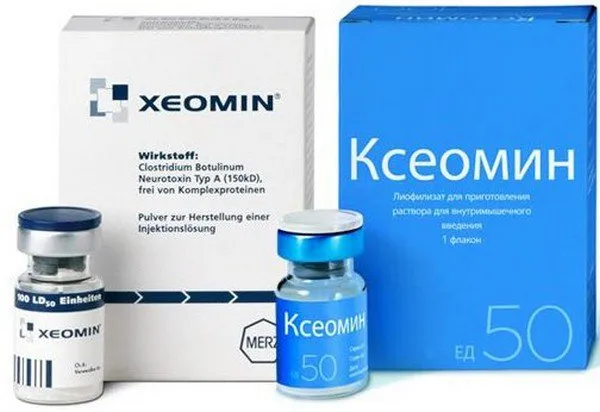
Table of Contents
INSTRUCTIONS FOR MEDICAL USE OF THE MEDICINAL PRODUCT KSEOMIN (XEOMIN®)
Composition:
Active substance: Clostridium Botulinum neurotoxin type A;
one vial contains 50 LD50 units or 100 LD50 units of botulinum neurotoxin Clostridium Botulinum type A (150 kDa), free from complexing proteins [botulinum neurotoxin type A, purified from cultures of Clostridium Botulinum (Hall strain)];
Excipients: sucrose, human serum albumin.
Pharmaceutical form. Powder for solution for injection.
Main physicochemical properties: white to almost white solid substance.
Pharmacotherapeutic group. Other peripherally-acting muscle relaxants. Botulinum toxin. ATC code M03AX01.
Pharmacological properties.
Pharmacodynamics.
Botulinum neurotoxin type A blocks cholinergic transmission at neuromuscular synapses by inhibiting the release of acetylcholine, thereby preventing nerve endings at neuromuscular junctions from responding to nerve impulses. As a result, neurotransmitter secretion at the motor nerve terminal plate is interrupted (chemical denervation). Restoration of impulse transmission occurs through the formation of new nerve endings and new connections with motor nerve terminal plates.
Mechanism of action
The mechanism by which botulinum neurotoxin type A exerts its effect on cholinergic nerve endings involves a four-step sequential process:
- Binding: the heavy chain of botulinum neurotoxin type A binds with exceptionally high selectivity and affinity to receptors located exclusively on cholinergic nerve terminals;
- Internalization: invagination of the nerve terminal membrane and uptake of the toxin into the nerve terminal (endocytosis);
- Translocation: the amino-terminal segment of the neurotoxin’s heavy chain forms a pore in the vesicular membrane, the disulfide bond is cleaved, and the light chain of the neurotoxin passes through this pore into the cytosol;
- Effect: after release into the cytosol, the light chain selectively cleaves the target protein (SNAP-25), which is essential for acetylcholine release.
Complete recovery of terminal plate function/impulse transmission following intramuscular injection typically occurs within 3–4 months, during which time nerve endings regenerate and re-establish connections with the motor nerve plate.
Clinical trial results
The objective of two comparative phase III single-dose clinical trials was to demonstrate non-inferior efficacy of Xeomin compared to another product containing the traditional botulinum toxin type A complex – onabotulinumtoxinA (900 kDa): one study in patients with blepharospasm (study MRZ 60201-0003, n = 300), and another in patients with cervical dystonia (study MRZ 60201-0013, n = 463). Results demonstrated that Xeomin and the comparator product have equivalent efficacy and safety profiles in patients with blepharospasm and those with spasmodic torticollis when administered at a 1:1 dose conversion ratio (see section "Dosage and administration").
Blepharospasm
Xeomin was evaluated in a randomized, double-blind, placebo-controlled, multicenter phase 3 study involving 109 patients with blepharospasm. All patients had a clinical diagnosis of benign essential blepharospasm, a baseline score of ≥ 2 on the Jankovic Rating Scale (JRS) severity subscale, and a stable therapeutic response to prior onabotulinumtoxinA (Botox) treatment.
Patients were randomized (2:1) to receive a single dose of Xeomin (n = 75) or placebo (n = 34), with doses similar (+/− 10%) to those used during the two most recent onabotulinumtoxinA treatments prior to study initiation. The maximum allowed dose in the study was 50 units per eye; the mean Xeomin dose was 32 units per eye.
The primary efficacy endpoint was change from baseline in JRS severity subscale score up to week 6 post-injection in the intent-to-treat (ITT) population, with missing values replaced by the last observed value for that patient (last observation carried forward). The difference between the Xeomin and placebo groups in change from baseline in JRS severity subscale score up to week 6 in the ITT population was −1.0 (95% CI: −1.4; −0.5) points and was statistically significant (p < 0.001).
Patients requiring additional injections could participate in an extension of this study. Patients received up to five Xeomin injections with a minimum interval of at least 6 weeks between injections (total study duration: 48–69 weeks, maximum dose: 50 units per eye). Throughout the study, the median interval between injections in patients receiving NT 201 ranged from 10.14 (1st interval) to 12.00 weeks (2nd and 5th intervals).
Spasmodic torticollis
Xeomin was evaluated in a randomized, double-blind, placebo-controlled, multicenter phase III study involving 233 patients with cervical dystonia. All patients had a clinical diagnosis of predominantly rotational cervical dystonia and a baseline total score of ≥ 20 on the Toronto Western Spasmodic Torticollis Rating Scale (TWSTRS). Patients were randomized (1:1:1) to receive a single injection of Xeomin at 240 units (n = 81), Xeomin at 120 units (n = 78), or placebo (n = 74). The number and sites of injections were determined by the investigator.
The primary efficacy variable was the change from baseline in the mean square score on the TWSTRS at week 4 post-injection in the ITT population, with missing values replaced by the patient’s baseline value (full analysis model). Changes from baseline in TWSTRS scores at week 4 post-injection were significantly greater in the NT 201 groups compared to placebo (p < 0.001 for all statistical models). These differences were also clinically meaningful: e.g., −9.0 points for the 240-unit group vs. placebo and −7.5 points for the 120-unit group vs. placebo in the full analysis model.
Patients requiring additional injections could participate in an extension of this study. Patients received up to five Xeomin injections at doses of 120 or 240 units, with a minimum interval of at least 6 weeks between injections (total study duration: 48–69 weeks). Throughout the study, the median interval between injections in patients receiving NT 201 ranged from 10.00 weeks (1st interval) to 13.14 weeks (3rd and 6th intervals).
Upper limb spasticity (in adults)
In a core (double-blind, placebo-controlled, multicenter) study involving patients with upper limb spasticity after stroke, 148 participants were randomized to receive Xeomin (n = 73) or placebo (n = 75) according to dosing recommendations for initial treatment as described in the section "Dosage and administration". The cumulative dose after up to 6 repeated treatment cycles in the clinical trial averaged 1333 units (maximum 2395 units) over a period of up to 89 weeks.
According to the predefined primary efficacy endpoint (response rate in wrist flexor muscles on the Ashworth scale at week 4, defined as improvement of at least 1 point on the 5-point Ashworth scale), patients receiving Xeomin (response rate: 68.5%) had 3.97 times higher probability of therapeutic response compared to those receiving placebo (response rate: 37.3%; 95% CI: 1.90–8.30; p < 0.001, ITT population).
Although fixed doses in this study were not designed to determine differences in treatment effects between women and men, a retrospective analysis showed a higher response rate in women (89.3%) than in men (55.6%), with statistical significance reached only in women. However, in male patients receiving Xeomin, the Ashworth scale response rate at week 4 was consistently higher across all treated muscle groups compared to the placebo group.
In the open-label extension phase of this core study (during which flexible dosing was allowed) involving 145 patients who received up to 5 injections, the positive treatment response rate was similar in men and women. This conclusion was also supported by a masked investigator data analysis study (EudraCT number 2006-003036-30), which evaluated the efficacy and safety of Xeomin in two dilutions in 192 patients with upper limb spasticity of various etiologies.
In another double-blind, placebo-controlled phase III clinical trial, 317 patients with upper limb spasticity after stroke (occurring at least 3 months prior) who had not previously received treatment were enrolled. During the main study phase, patients received a fixed total dose of Xeomin (400 units) intramuscularly into predefined primary sites—flexed elbow, flexed wrist, or clenched fist—and other affected muscle groups (n = 210). Confirmatory analysis of primary and co-primary efficacy variables at week 4 post-injection demonstrated statistically significant improvements in responder rates on the Ashworth scale and in changes from baseline on the Ashworth scale and the investigator’s Global Impression of Change scale.
A total of 296 patients completed treatment during the main phase and participated in the first cycle of the open-label clinical trial. Continuing the study, patients received up to three injections. Each open-label trial cycle consisted of one treatment session (administration of Xeomin at a total dose of 400 units, evenly distributed among all affected muscles), followed by a 12-week observation period. The total study duration was 48 weeks.
Treatment of shoulder muscles was investigated during an open-label phase III clinical trial involving 155 patients with clinical need for treatment of combined upper and lower limb spasticity. The study protocol allowed doses of up to 600 units of Xeomin into the upper limb.
This study demonstrated a positive relationship between increasing Xeomin doses and improved patient outcomes on the Ashworth scale and other efficacy variables, without compromising patient safety or Xeomin tolerability.
Glabellar lines (moderate to severe frown lines at maximum frown)
In efficacy studies evaluating Xeomin for glabellar lines, a total of 994 patients with moderate to severe glabellar lines at maximum frown were enrolled. Of these, 169 patients (≥18 years) received Xeomin during the core phase of a double-blind, placebo-controlled phase III study, and 236 patients were treated during the open-label extension phase. Treatment efficacy for facial dynamic lines was defined as "none" or "mild" on a 4-point scale, assessed by the investigator at week 4 at maximum frown. The study demonstrated statistically and clinically significant efficacy of 20 units of Xeomin compared to placebo. The overall response rate was 51.5% in the Xeomin group versus 0% in the placebo group. No worsening was observed in any patient receiving Xeomin during the core study. This was confirmed by a higher number of responders at day 30 based on assessment of facial dynamic lines at maximum frown. Significantly more patients showed a positive treatment response in the group receiving 20 units of Xeomin compared to placebo, as assessed by both investigators and patients.
Subgroup analyses showed lower efficacy in patients aged 50 years and older compared to younger patients. Among participants, 113 were under 50 years and 56 were over 50 years. Efficacy was lower in men than in women: 33 male and 136 female patients.
Therapeutic equivalence of Xeomin was demonstrated in a comparative study with comparator products Vistabel/Botox, which contain the botulinum toxin type A complex (onabotulinumtoxinA, 900 kDa), in two prospective, multicenter, randomized, double-blind comparative studies (n = 631) using single doses (20 and 24 units, respectively). Results showed that Xeomin and the comparator products have equivalent efficacy and safety profiles in patients with moderate to severe glabellar lines when administered at a 1:1 dose conversion ratio (see section "Dosage and administration").
The safety of long-term repeated use (20 units) for the treatment of glabellar lines was demonstrated in a phase III study over a treatment period of up to two years with up to 8 consecutive injection cycles (MRZ 60201-0609, n = 796).
Lateral periorbital lines (moderate to severe "crow’s feet" at maximum smile)
In a phase III study, 111 patients with moderate to severe lateral periorbital lines ("crow’s feet") at maximum smile were treated over one cycle with 12 units of Xeomin or placebo, administered unilaterally (right/left eye), comparing 3-point and 4-point injection patterns. Treatment success was defined as improvement of at least 1 point on a 4-point scale, assessed by an independent expert at week 4 using standardized digital photographs of both eyes taken at maximum smile, compared to baseline. Both 3-point and 4-point injection patterns showed superiority over placebo. With the 3-point pattern, the success rate was 69.9% in the Xeomin group versus 21.4% in the placebo group; with the 4-point pattern, it was 69.7% versus 14.3%, respectively. No worsening was observed in any patient treated with Xeomin. This was confirmed by a higher number of responders at day 30 based on assessment on a 4-point scale at maximum smile. Significantly more patients showed a positive treatment response in the group receiving 12 units of Xeomin in one eye area compared to placebo, as assessed by both investigators and patients.
Upper facial dynamic lines
The efficacy and safety of Xeomin at doses of 54–64 units in the combined treatment of upper facial dynamic lines (glabellar lines, lateral periorbital lines, and horizontal forehead lines) were evaluated in a placebo-controlled phase III study involving 156 patients. Treatment efficacy for wrinkles was assessed as "none" or "mild" at maximum frontalis muscle contraction, evaluated by the investigator using the 5-point Merz Aesthetic Scale. Analysis demonstrated statistically significant treatment differences and a high response rate to Xeomin for glabellar lines, lateral periorbital lines, and horizontal forehead lines individually, as well as for combined treatment of all areas.
Overall, 82.9% of patients receiving Xeomin showed a positive response for glabellar lines, whereas no patient responded to placebo. A treatment response for lateral periorbital lines was observed in 63.8% of patients receiving Xeomin versus 2.0% in the placebo group. Overall, 71.4% of patients receiving Xeomin showed a positive response for horizontal forehead lines, whereas only one patient (2.0%) responded to placebo. When treating all three areas simultaneously, a positive response was observed in the majority of patients in the Xeomin group (54.3%), while no response was observed in the placebo group (0.0%).
The long-term safety and tolerability of 54–64 units of Xeomin were demonstrated in a prospective open-label phase III study with repeated dosing over a treatment period exceeding one year, involving 4 consecutive injection cycles, in 125 patients with moderate or severe upper facial dynamic lines.
Children
The European Medicines Agency has waived the obligation to submit results of Xeomin studies in all pediatric subpopulations for the treatment of muscle-related wrinkles, dystonia, and in children aged 0 to 24 months for the treatment of muscle spasticity (see section "Dosage and administration" for use in children).
Pharmacokinetics.
General characteristics of the active substance
Classical pharmacokinetic and distribution studies of botulinum neurotoxin type A have not been conducted because the active substance is administered in very small quantities (picograms per injection) and rapidly and irreversibly binds to cholinergic nerve terminals.
The native botulinum toxin is a high-molecular-weight complex that, in addition to the neurotoxin (150 kDa), contains other non-toxic proteins such as hemagglutinin and non-hemagglutinins. In contrast to traditional products containing the botulinum toxin type A complex, Xeomin contains pure (150 kDa) neurotoxin, free from complexing proteins, and thus has a low content of foreign protein. The amount of foreign protein administered is considered one of the factors contributing to secondary treatment failure.
Like many other proteins, botulinum neurotoxin type A has been shown to undergo retrograde axonal transport following intramuscular injection. However, retrograde transsynaptic migration of active botulinum neurotoxin type A into the central nervous system is not observed when clinically appropriate doses are used.
Botulinum neurotoxin type A bound to receptors undergoes endocytosis into nerve terminals to reach its target (SNAP-25), followed by intracellular degradation. Free circulating molecules of botulinum neurotoxin type A that do not bind to presynaptic receptors of cholinergic nerve terminals are subject to phagocytosis and pinocytosis and degrade like any other free circulating proteins.
Distribution of the active substance in patients
Pharmacokinetic studies of Xeomin in humans have not been conducted for the reasons stated above.
Preclinical safety data
Preclinical data revealed no particular hazard for humans based on standard safety pharmacology studies for the cardiovascular and gastrointestinal systems.
Toxicity findings from repeated-dose studies assessing systemic toxicity of Xeomin in animals were primarily related to its pharmacodynamic effects, i.e., atony, paresis, and atrophy of the muscles into which injections were administered.
Signs of local intolerance were not observed. Studies on the toxic effect of Xeomin on reproductive function showed no adverse effects on fertility in male and female rabbits or direct effects on embryo/fetus or pre- and postnatal development in rats and/or rabbits. However, daily, weekly, or biweekly administration of Xeomin in embryo-fetal toxicity studies at doses causing reduced body weight in females increased the number of abortions in rabbits and slightly reduced fetal body weight in rats. Continuous systemic administration to female rabbits during (unknown) sensitive phases of organogenesis, as a prerequisite for teratogenic effects, was not required in these studies.
Accordingly, safety margins relative to clinical therapy were generally low due to the high clinical doses used.
Genotoxicity and carcinogenicity studies with Xeomin have not been conducted.
Clinical Characteristics.
Indications.
Xeomin is indicated for the temporary reduction of moderate to severe glabellar lines (vertical frown lines between the eyebrows) visible at maximum frowning, lateral periorbital lines visible at maximum smile (crow’s feet), and/or horizontal forehead lines visible at maximum frontalis muscle contraction, in adult patients under 65 years of age when the marked appearance of these lines has a significant psychological impact on the patient. It is also indicated for symptomatic treatment in adults of blepharospasm, cervical dystonia predominantly of the rotational type (spasmodic torticollis), and upper limb muscle spasticity.
Contraindications.
Hypersensitivity to the active substance or to any of the excipients of the medicinal product, generalized disorders of muscular activity (e.g., myasthenia gravis, Lambert–Eaton syndrome), infection or inflammation at the proposed injection site.
Interaction with other medicinal products and other forms of interaction.
Interaction studies have not been conducted.
The effect of botulinum neurotoxin may theoretically be potentiated by aminoglycoside antibiotics or other medicinal products that interfere with neuromuscular transmission, such as neuromuscular blocking agents of the tubocurarine type.
Therefore, concomitant use of Xeomin with aminoglycosides or spectinomycin requires special caution. Muscle relaxants with a peripheral mechanism of action should be used carefully; if necessary, the initial dose of the muscle relaxant should be reduced or intermediate-acting agents such as vecuronium or atracurium should be used instead of long-acting substances.
4-Aminoquinolines may reduce the effectiveness of Xeomin.
Special precautions for use
General information
Prior to administration of Xeomin, the physician should be familiar with the patient's anatomy and any anatomical changes due to previous surgical procedures.
Care should be taken to avoid injecting Xeomin into a blood vessel.
It should be noted that horizontal forehead wrinkles are not only caused by active facial expressions but may also result from loss of skin elasticity (e.g., due to aging or photodamage). In such cases, patients may not respond to botulinum toxin products.
Xeomin should be used with caution in the following cases:
- presence of any coagulation disorders;
- patient use of anticoagulants or other substances that may have anticoagulant effects.
The clinical effects of botulinum neurotoxin type A may increase or decrease after repeated injections. Possible reasons for changes in clinical effects include different reconstitution methods, intervals between injections, injected muscles, and inherent variability in toxin potency due to biological assays or secondary non-response.
Local and distant spread of toxin effect
Adverse effects may occur due to injections of botulinum neurotoxin type A into incorrectly selected sites, which may temporarily paralyze adjacent muscle groups. When used for neurological indications, higher doses may cause paralysis in muscles distant from the injection site.
There have been reports of adverse effects potentially related to the spread of botulinum toxin to areas distant from the injection site (see section "Adverse reactions"). Some of these effects may be life-threatening. Fatal cases have been reported, sometimes associated with dysphagia, pneumonia, and/or severe exhaustion.
Excessive muscle weakness may occur in patients receiving therapeutic doses.
Patients or caregivers should be informed of the need to seek immediate medical attention if symptoms of swallowing, speech, or breathing difficulties occur.
Dysphagia has also been reported after injections into areas unrelated to neck musculature.
Existing neuromuscular disorders
There is a risk of developing excessive muscle weakness in patients with neuromuscular disorders. Botulinum toxin products should be used in such patients only under specialist supervision and only if the therapeutic benefit outweighs the risk. Treatment of patients with a history of dysphagia and aspiration should be performed with particular caution.
Xeomin is not recommended for aesthetic indications in patients with a history of dysphagia and aspiration.
Xeomin should be used with caution in:
- patients with amyotrophic lateral sclerosis;
- patients with other diseases causing peripheral neuromuscular dysfunction;
- patients with marked weakness or atrophy in the target muscles.
Hypersensitivity reactions
Hypersensitivity reactions have been reported with the use of botulinum neurotoxin products. In the event of serious (e.g., anaphylactic) and/or immediate hypersensitivity reactions, appropriate treatment should be initiated.
Antibody formation
Frequent use of the product increases the risk of antibody formation, which may lead to treatment failure (see section "Dosage and administration").
The risk of antibody formation may be minimized by using the lowest effective dose and the longest clinically appropriate intervals between injections.
Indications
Benign essential blepharospasm
Injections should avoid the area near the muscle that elevates the upper eyelid to reduce the risk of ptosis. Diplopia may occur due to diffusion of botulinum neurotoxin type A into the inferior oblique muscle. The frequency of this adverse reaction may be reduced by avoiding medial injections into the lower eyelid.
Due to the anticholinergic effects of botulinum neurotoxin type A, Xeomin should be used with caution in patients at risk of developing angle-closure glaucoma.
To prevent ectropion, injections into the lower eyelid should be avoided, and any epithelial defect should be treated intensively. This may require protective eye drops, ointments, therapeutic soft contact lenses, or eye patching or other protective measures.
Reduced blinking after injection of Xeomin into the orbicularis oculi muscle may lead to corneal exposure, persistent epithelial defects, and corneal ulceration, particularly in patients with cranial nerve disorders (e.g., facial nerve palsy). Patients with a history of eye surgery should undergo careful evaluation of corneal sensitivity.
Bruising easily occurs in the soft tissues of the eyelid. Applying gentle pressure to the injection site immediately after injection may reduce this risk.
Cervical dystonia
Xeomin should be administered cautiously near sensitive structures such as the carotid artery, lung apices, or esophagus.
Patients with akinesia or those leading a sedentary lifestyle should be informed about the importance of gradual restoration of mobility after Xeomin injection.
Patients should be informed that Xeomin injections for the treatment of cervical dystonia may lead to dysphagia of mild to severe degree, with risk of aspiration and respiratory distress. Medical intervention (e.g., nasogastric feeding) may be required in such cases (see also section "Adverse reactions"). Limiting the dose injected into the sternocleidomastoid muscle to 100 units reduces the likelihood of dysphagia. Patients with reduced neck muscle mass or those requiring bilateral injections into the sternocleidomastoid muscle are at higher risk. Dysphagia is explained by the spread of the pharmacological effect of Xeomin due to diffusion of the neurotoxin into esophageal muscles.
Upper limb spasticity
Xeomin should be administered cautiously near sensitive structures such as the carotid artery, lung apices, or esophagus.
Patients with akinesia or those leading a sedentary lifestyle should be informed about the importance of gradual restoration of mobility after Xeomin injection.
Xeomin for the treatment of focal spasticity has been studied in combination with standard medical care and is not intended as a replacement for these therapies. Xeomin is unlikely to be effective in improving range of motion in a joint affected by fixed contracture.
There have been reports of new or recurrent seizures, typically in patients predisposed to such events. A definitive causal relationship between these events and botulinum toxin injection has not been established.
Use during pregnancy or breastfeeding
Pregnancy
Adequate data on the use of botulinum neurotoxin type A in pregnant women are lacking. Animal studies have shown toxic effects on reproductive function (see also section "Preclinical safety data"). The potential risk to humans is unknown. Therefore, Xeomin should not be used during pregnancy except in cases of clear necessity and when the potential benefit justifies the risk.
Lactation
It is unknown whether botulinum neurotoxin type A is excreted in human breast milk. Therefore, Xeomin should not be used during breastfeeding.
Fertility
There are no clinical data on the effect of botulinum neurotoxin type A on fertility. In rabbits, no adverse effects on fertility in males or females were observed (see also section "Preclinical safety data").
Ability to affect reaction speed when driving or operating machinery
Xeomin has negligible or moderate influence on the ability to drive vehicles or operate machinery. Patients should be advised that if they experience asthenia, muscle weakness, dizziness, visual disturbances, or eyelid ptosis, they should avoid driving or engaging in other potentially hazardous activities.
Method of Administration and Dosage
Due to differences in units used to define biological activity, the unit dose of Xeomin is not interchangeable with units of other botulinum toxin products.
For detailed information on clinical studies comparing Xeomin with traditional botulinum toxin type A complexes (900 kDa), see section "Pharmacodynamics".
Xeomin should only be administered by physicians who have specialized training and experience in handling botulinum toxin type A.
The optimal dosage, frequency, and number of injection sites into muscles must be determined individually by the physician for each patient. Dose titration is required.
The recommended single doses of Xeomin should not be exceeded.
The reconstituted Xeomin solution is administered via intramuscular injection.
After reconstitution, Xeomin should be used immediately and may only be used during a single procedure and for one patient only.
Glare lines (glabellar lines), visible at maximum frown
Dosage
After reconstitution of Xeomin (50 units/1.25 mL), the recommended injection volume is 0.1 mL (4 units) administered into each of 5 injection sites: two injections into each corrugator supercilii muscle and one injection into the procerus muscle, corresponding to a standard dose of 20 units. The dose may be increased by the physician up to 30 units if necessary to meet individual patient needs, with treatment intervals of at least 3 months between sessions.

Reduction in the severity of vertical glabellar lines generally occurs within 2–3 days, with maximum effect observed by day 30. The effect lasts up to 4 months after injection.
Method of Administration
The reconstituted Xeomin solution should be administered using a fine sterile needle (e.g., 30–33G / diameter 0.20–0.30 mm / length 13 mm).
Before and during injection, the index or middle finger should be firmly pressed below the orbital rim to prevent diffusion of the solution into this area. The needle should be directed upward and medially. To reduce the risk of blepharoptosis, injections should avoid the levator palpebrae superioris muscle and the cranial portion of the orbicularis oculi muscle. Injections into the corrugator supercilii muscle should be administered at the central portion of the muscle and at least 1 cm above the supraorbital ridges.
Lateral periorbital lines, visible at maximum smile ("crow's feet")
Dosage
After reconstitution of Xeomin (50 units/1.25 mL), the recommended injection volume is 0.1 mL (4 units) administered bilaterally into each of 3 injection sites. One 0.1 mL injection is administered approximately 1 cm lateral to the orbital bony rim. The other two injections (0.1 mL each) should be administered approximately 1 cm above and below the first injection site.
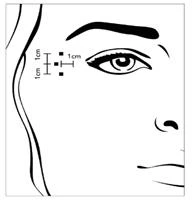
The total recommended standard dose per treatment session is 12 units per side (total cumulative dose – 24 units).
Reduction of lateral periorbital lines ("crow's feet"), visible at maximum smile, typically occurs within the first 6 days, with maximum effect observed by day 30. The effect lasts up to 4 months after injection.
There are currently no data on the efficacy and safety of more than two injections administered at 4-month intervals for lateral periorbital lines visible at maximum smile.
Method of Administration
The reconstituted Xeomin solution is administered using a fine sterile needle (e.g., 30–33G / diameter 0.20–0.30 mm / length 13 mm). The injection should be given intramuscularly into the orbicularis oculi muscle just beneath the dermis to prevent spread of Xeomin. Injections should avoid areas very close to the zygomaticus major muscle to prevent lip ptosis.
For treatment of glabellar lines and "crow's feet", treatment intervals should be at least 3 months. If treatment is ineffective or the response to repeated injections diminishes, alternative treatment methods should be considered.
Horizontal forehead lines, visible at maximum frontalis muscle contraction
Dosage
Depending on individual patient needs, the recommended total dosage range is 10 to 20 units, with treatment intervals of at least 3 months between sessions. After reconstitution, the total dose of Xeomin (10 to 20 units) is administered into the frontalis muscle at 5 horizontally aligned injection sites, at least 2 cm above the orbital bony rim. Each injection site receives 2, 3, or 4 units of the drug, respectively.
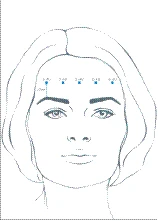
Reduction in forehead lines at maximum frontalis muscle contraction is usually observed within 7 days, with maximum effect by day 30. The effect lasts up to 4 months after injection.
Method of Administration
The reconstituted Xeomin solution is administered using a fine sterile needle (e.g., 30–33G / diameter 0.20–0.30 mm / length 13 mm). To prevent brow ptosis, injections of Xeomin should avoid the orbital rim, as this may cause paralysis of the lower muscle fibers.
Treatment intervals should be at least 3 months. If treatment is ineffective or the response to repeated injections diminishes, alternative treatment methods should be considered.
Blepharospasm
Dosage
The recommended initial dose is 1.25–2.5 units per injection site. The initial dose should not exceed 25 units per eye. The total dose should not exceed 100 units per eye per treatment session. Repeat treatment can generally be performed no more frequently than every 12 weeks. Treatment intervals should be determined based on the individual clinical needs of the patient.
The effect of the drug begins on average within 4 days after injection. The therapeutic effect of Xeomin typically lasts 3–4 months, although it may last significantly longer or shorter. Treatment may be repeated as needed.
If the initial dose produces an insufficient effect, the dose may be doubled during subsequent procedures. However, it has been demonstrated that no additional benefit is achieved by injecting more than 5.0 units at a single site.
Method of Administration
After reconstitution, Xeomin should be administered with an appropriate sterile needle (e.g., 27–30G / diameter 0.30–0.40 mm / length 12.5 mm). Electromyographic guidance is not required during the procedure. The recommended volume per injection is approximately 0.05–0.1 mL.
Xeomin is injected into the medial and lateral portions of the orbicularis oculi muscle of the upper eyelid and into the lateral portion of the orbicularis oculi muscle of the lower eyelid. If vision is impaired due to spasms, additional injections may be administered in the forehead area, lateral portions of the orbicularis oculi muscle, and upper facial region.
Cervical dystonia
Dosage
For the treatment of cervical dystonia, the dosage of Xeomin should be individually tailored for each patient depending on head and neck posture, pain location, muscle hypertrophy, patient body mass, and response to injections.
The recommended dose per injection site is up to 50 units, and the maximum dose for the first treatment session is 200 units. The physician may administer doses up to 300 units during subsequent sessions, based on the individual patient's response.
The effect of the drug usually begins within 7 days after injection. The effect of each Xeomin treatment session lasts approximately 3–4 months, although it may last significantly longer or shorter. The recommended interval between procedures is at least 10 weeks. Treatment intervals should be determined based on the individual clinical needs of the patient.
Method of Administration
For injections into superficial muscles, appropriate sterile needles should be used (e.g., 25–30G / diameter 0.30–0.50 mm / length 37 mm), and for deep muscles – needles such as 22G / diameter 0.70 mm / length 75 mm. The recommended volume per injection site is approximately 0.1–0.5 mL.
Treatment of cervical dystonia includes injections of Xeomin into the sternocleidomastoid muscle, the levator scapulae muscle, the splenius muscles, the scalene muscles, and/or the trapezius muscles. This list is not exhaustive, as any muscle involved in controlling head position may be affected by the pathological process and require treatment. If difficulty arises in identifying specific involved muscles, electromyography or ultrasound imaging may be required. Muscle mass and degree of hypertrophy or atrophy are factors that must be considered when selecting the appropriate dose.
Multiple injection sites allow Xeomin to evenly distribute across innervated muscle areas prone to dystonia (especially when injecting into large muscles). The optimal number of injection sites depends on the size of the muscle to be chemically denervated.
Bilateral injections into the sternocleidomastoid muscle should be avoided, as there is an increased risk of adverse events (particularly dysphagia) if bilateral injections or doses administered into this muscle exceed 100 units.
Upper limb spasticity
Dosage
The precise dosage and number of injection sites should be individually determined for each patient, depending on the size, number, and location of affected muscles, severity of spasticity, and presence of localized muscle weakness.
Recommended therapeutic doses by muscle type:
| Clinical structure |
Units (range) |
Number of injection sites in one muscle |
|
| Wrist flexion |
|||
| Ulnar wrist flexor (Flexor carpi ulnaris) |
20−100 |
1−2 |
|
| Fist clenching |
|||
| Superficial finger flexor (Flexor digitorum superficialis) |
25−100 |
2 |
|
| Deep finger flexor (Flexor digitorum profundus) |
25−100 |
2 |
|
| Elbow flexion |
|||
| Brachioradialis |
25−100 |
1−3 |
|
| Biceps brachii |
50−200 |
1−4 |
|
| Brachialis |
25−100 |
1−2 |
|
| Pronated forearm |
|||
| Quadratus pronator (Pronator quadratus) |
10−50 |
1 |
|
| Round pronator (Pronator teres) |
25−75 |
1−2 |
|
| Thumb pressed to palm |
|||
| Long thumb flexor (Flexor pollicis longus) |
10−50 |
1 |
|
| Thumb adductor muscle (Adductor pollicis) |
5−30 |
1 |
|
| Short thumb flexor (Flexor pollicis brevis/ Opponens pollicis) |
5−30 |
1 |
|
| Internal shoulder rotation/adducted shoulder/abducted shoulder |
|||
| Deltoid muscle, clavicular part (Deltoideus, pars clavicularis) |
20−150 |
1−3 |
|
| Latissimus dorsi muscle (Latissimus dorsi) |
25−150 |
1−4 |
|
| Pectoralis major muscle (Pectoralis major) |
20−200 |
1−6 |
|
| Subscapularis muscle (Subscapularis) |
15−100 |
1−4 |
|
| Teres major muscle (Teres major) |
20−100 |
1−2 |
|
The maximum total dose for the treatment of upper limb spasticity should not exceed 500 units per treatment session, and the dose for shoulder muscles should not exceed 250 units.
The effect of the drug begins, according to patient reports, 4 days after injection. The maximum effect, considered as improvement in muscle tone, is felt within 4 weeks. Overall, the treatment effect lasts 12 weeks, although it may last significantly longer or shorter. Repeated treatment can generally be administered no more frequently than every 12 weeks. The intervals between treatment sessions should be determined based on the actual clinical needs of the individual patient.
Administration method
The reconstituted Xeomin solution is administered by injection using an appropriate sterile needle (e.g., a 26G/0.45 mm diameter/37 mm length needle for superficial muscles and a longer needle, e.g., 22G/0.7 mm diameter/75 mm length, for deep muscles).
If difficulties arise in identifying individual affected muscles, injections should be performed under electromyographic or ultrasound guidance. Injecting at multiple sites allows the Xeomin preparation to evenly cover the muscle innervation areas, which is particularly important when injecting into large muscles.
Special patient groups
Clinical data from Phase III studies on the use of Xeomin in patients aged 65 years and older are limited. Until further studies are conducted in this age group, Xeomin is not recommended for use in patients over 65 years of age.
All indications
Treatment of glabellar lines, "crow's feet," and horizontal forehead lines
If no treatment effect is observed within one month after the first injection, the following steps should be taken:
- analyze the reasons for lack of response to treatment, e.g., very low dose, poor injection technique, possible development of neutralizing neurotoxin antibodies;
- adjust the dose based on analysis of the last unsuccessful treatment attempt;
- reconsider the appropriateness of treatment with botulinum neurotoxin type A;
- if no adverse events were observed during the first treatment cycle, an additional treatment course may be prescribed, provided the minimum interval of 3 months between the initial and repeat treatment courses is observed.
Treatment of blepharospasm, spasmodic torticollis, and upper limb spasticity
If no treatment effect is observed within one month after the first injection, the following steps should be taken:
- reassess clinical confirmation of the neurotoxin effect on the muscle into which the drug was injected, e.g., by performing electromyography at a specialized facility;
- analyze the reasons for lack of response to treatment, e.g., poor isolation of muscles intended for injection, very low dose, poor injection technique, fixed contracture, very weak antagonist, possible antibody development;
- reconsider the appropriateness of treatment with botulinum neurotoxin type A;
- if no adverse events were observed during the first treatment cycle, an additional treatment course may be prescribed under the following conditions: 1) dose adjustment based on analysis of the last unsuccessful treatment attempt; 2) localization of affected muscles using electromyography; 3) adherence to the recommended minimum interval between the initial and repeat treatment cycles.
Reconstitution and disposal of unused medication
Prior to administration, Xeomin is reconstituted with 9 mg/mL (0.9%) sodium chloride injection solution. Reconstitution and dilution must be performed in accordance with good clinical practice guidelines, particularly with regard to aseptic technique.
Reconstitution of the vial contents and syringe preparation should be performed over paper towels with a plastic backing to prevent splashing. The appropriate volume of diluent is drawn into the syringe (see below). After inserting the needle vertically through the rubber stopper, the diluent is gently injected into the vial to avoid foaming. A short conical needle of 20–27G size is recommended for reconstitution. Discard the vial if the vacuum prevents the diluent from entering. Remove the syringe from the vial and mix Xeomin with the diluent by gently rotating and inverting or simply inverting the vial (do not shake vigorously). If necessary, the needle used for reconstitution may remain in the vial, but the required amount of solution should be drawn using a new sterile injection syringe.
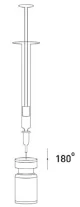
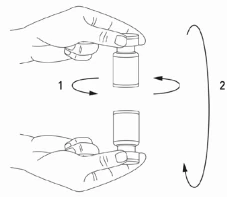
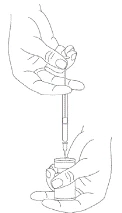
The reconstituted Xeomin preparation is a clear, colorless solution free of solid particles.
Xeomin should not be used if, after reconstitution, the resulting solution is cloudy or contains visible flakes or particles.
The correct volume of diluent for the selected number of units of Xeomin must be carefully determined to prevent accidental overdose. If during a single injection procedure vials of Xeomin of different volumes are used, the correct amount of diluent must be carefully determined during reconstitution to achieve the required number of units per 0.1 mL. The amount of diluent varies depending on the selected dose of Xeomin, ranging from 50 to 100 units. Each syringe must be properly labeled.
Treatment of glabellar lines, "crow's feet," and horizontal forehead lines
Possible Xeomin solutions with strengths of 50 and 100 units
| Administered dose (units per 0.1 ml) |
Volume of diluent (9 mg/ml (0.9%) sodium chloride for injection) |
|
| Vial contains 50 units |
Vial contains 100 units |
|
| 5 units |
1 ml |
2 ml |
| 4 units |
1.25 ml |
2.5 ml |
For the treatment of blepharospasm, cervical dystonia, and upper limb spasticity
Available strengths of Xeomin 50 and 100 units
| Administered dose (units per 0.1 ml) |
Volume of diluent (9 mg/ml (0.9%) sodium chloride for injection) |
|
| Vial contains 50 units |
Vial contains 100 units |
|
| 20 units |
0.25 ml |
0.5 ml |
| 10 units |
0.5 ml |
1 ml |
| 8 units |
0.625 ml |
1.25 ml |
| 5 units |
1 ml |
2 ml |
| 4 units |
1.25 ml |
2.5 ml |
| 2.5 units |
2 ml |
4 ml |
| 2 units |
2.5 ml |
5 ml |
| 1.25 units |
4 ml |
Not applicable |
From a microbiological standpoint, the medicinal product should be used immediately. If it is not used immediately, the duration and conditions of storage of the opened container are the responsibility of the user. Storage should generally not exceed 24 hours at a temperature of 2 °C to 8 °C, unless reconstitution was carried out under controlled and validated aseptic conditions.
Injectable solution stored for longer than 24 hours, as well as any unused injectable solution, must be discarded.
Procedure for safe disposal of vials, syringes, and used materials
Unused vials, residual reconstituted solution in vials, and/or syringes should be autoclaved. Alternatively, residual prepared Xeomin product can be inactivated by adding one of the following solutions: 70% ethanol, 50% isopropyl alcohol, 0.1% sodium dodecyl sulfate (SDS) (an anionic detergent), diluted sodium hydroxide solution (0.1 N NaOH), or diluted sodium hypochlorite solution (at least 0.1% NaOCl).
After inactivation, used vials, syringes, and materials should not be emptied; they must be placed in appropriate containers and disposed of according to local requirements.
Recommendations in case of any incident during handling of botulinum toxin type A
- Spilled or scattered product must be wiped up immediately: using an absorbent material soaked with one of the solutions listed above, in the case of powder, or dry absorbent material, in the case of reconstituted solution;
- Contaminated surfaces must be cleaned with an absorbent material soaked with one of the solutions described above, then dried;
- If a vial is broken, proceed as described above, carefully collect all broken glass fragments, and wipe up the spilled or scattered product, avoiding skin cuts;
- In case of contact with the skin, wash the affected area thoroughly with large amounts of water;
- In case of contact with the eyes, rinse them thoroughly with large amounts of water or eye irrigation solution;
- In case of contact with wounds, cuts, or damaged skin areas, wash thoroughly with large amounts of water and take appropriate medical measures according to the administered dose.
Strict adherence to the instructions for handling and disposal of the medicinal product is essential.
Children.
The safety and efficacy of Xeomin in children and adolescents under 17 years of age have not yet been established. Therefore, Xeomin should not be used in this patient group until further data are available.
Overdose.
Symptoms of overdose
High doses of botulinum neurotoxin type A may cause pronounced muscle paralysis with various symptoms occurring at sites distant from the injection site. Such symptoms include, in particular, generalized weakness, ptosis, diplopia, difficulty breathing, difficulty speaking, as well as paralysis of respiratory muscles, difficulty swallowing, which may lead to the development of aspiration pneumonia.
Measures to be taken in case of overdose
In case of overdose, the patient should be under medical supervision to monitor for possible development of symptoms of excessive muscle weakness or muscle paralysis. The patient may require symptomatic treatment. In case of paralysis of respiratory muscles, respiratory support is necessary.
Adverse Reactions
Unwanted effects usually occur during the first week after treatment and are transient in nature. Adverse effects may be related to the active substance, to the injection procedure, or to both factors.
Adverse reactions unrelated to indication
Adverse reactions associated with administration of the medicinal product
Localized pain, inflammation, paraesthesia, hypoesthesia, tenderness, swelling, oedema, erythema, pruritus, localized infection, haematoma, haemorrhage and/or bruising may be related to the injection procedure.
Pain associated with needle insertion and/or anxiety may lead to parasympathetic vascular reactions, such as transient symptomatic hypotension, nausea, tinnitus and syncope.
Adverse effects of the class of botulinum toxin type A substances
Localized muscle weakness is one of the expected pharmacological effects of botulinum toxin.
Toxin spread
When treating with botulinum toxins for other indications, very rare cases of adverse effects related to the spread of toxin to sites distant from the injection site have been reported, resulting in symptoms consistent with the effects of botulinum toxin type A (increased muscle weakness, dysphagia and aspiration pneumonia, with fatal outcome in some cases) (see section "Special warnings and precautions for use").
The adverse effects listed above cannot be completely excluded when using Xeomin.
Hypersensitivity reactions
Rare cases of serious and/or immediate hypersensitivity reactions, including anaphylaxis, serum sickness, urticaria, soft tissue swelling and dyspnoea, have been reported. Some of these reactions occurred after administration of the traditional botulinum toxin type A complex – alone or in combination with other substances known to cause such reactions.
Adverse reactions observed in clinical practice
The information below refers to the frequency of adverse reactions observed in clinical practice for specific indications. Frequency is defined as follows: very common (≥ 1/10); common (≥ 1/100 to < 1/10); uncommon (≥ 1/1,000 to < 1/100); rare (≥ 1/10,000 to < 1/1,000); very rare (< 1/10,000); not known (cannot be estimated from available data).
Glабellar lines (vertical frown lines between the eyebrows)
Infections and infestations
Uncommon: bronchitis, nasopharyngitis, influenza-like illness.
Psychiatric disorders
Uncommon: depression, insomnia.
Nervous system disorders
Common: headache.
Uncommon: facial paresis (brow ptosis).
Eye disorders
Uncommon: eyelid oedema, eyelid ptosis, blurred vision.
Skin and subcutaneous tissue disorders
Uncommon: pruritus, skin nodules, brow ptosis.
Musculoskeletal and connective tissue disorders
Common: "Mephisto brows" (lateral elevation of the eyebrows).
Uncommon: muscle twitching, muscle spasms, facial asymmetry (brow asymmetry), sensation of heaviness.
General disorders and administration site conditions
Uncommon: injection site haematoma, injection site pain, local tenderness, weakness, fatigue, discomfort (feeling of heaviness in eyelids/eyebrows).
Vascular disorders
Uncommon: haematoma.
Lateral periorbital lines, noticeable at maximum smile ("crow's feet")
Eye disorders
Common: eyelid oedema, dry eyes.
General disorders and administration site conditions
Common: injection site haematoma.
Upper facial lines
Nervous system disorders
Very common: headache.
Common: hypoesthesia.
General disorders and administration site conditions
Common: injection site haematoma, injection site pain, injection site erythema, discomfort (feeling of heaviness in forehead area).
Eye disorders
Common: eyelid ptosis, dry eyes.
Skin and subcutaneous tissue disorders
Common: brow ptosis.
Musculoskeletal and connective tissue disorders
Common: facial asymmetry, "Mephisto brows" (lateral elevation of the eyebrows).
Gastrointestinal disorders
Common: nausea.
Blepharospasm
Nervous system disorders
Common: headache, facial paresis.
Eye disorders
Very common: eyelid ptosis, dry eyes.
Common: blurred vision, visual disturbance, diplopia, increased lacrimation.
Gastrointestinal disorders
Common: dry mouth, dysphagia.
Skin and subcutaneous tissue disorders
Common: rash.
General disorders and administration site conditions
Common: injection site pain, fatigue.
Musculoskeletal and connective tissue disorders
Common: muscle weakness.
Spasmodic torticollis
Nervous system disorders
Common: headache, pre-syncope, dizziness.
Uncommon: speech disorders.
Respiratory, thoracic and mediastinal disorders
Uncommon: dysphonia, dyspnoea.
Gastrointestinal disorders
Very common: dysphagia.
Common: dry mouth, nausea.
Skin and subcutaneous tissue disorders
Common: hyperhidrosis.
Uncommon: rash.
Musculoskeletal and connective tissue disorders
Common: neck pain, muscle weakness, muscle pain, muscle spasms, musculoskeletal stiffness.
General disorders and administration site conditions
Common: injection site pain, asthenia.
Infections and infestations
Common: upper respiratory tract infections.
Treatment of spasmodic torticollis may lead to dysphagia of varying severity, with risk of aspiration, which may sometimes require medical intervention. Dysphagia may persist for 2–3 weeks after injection, although one case of dysphagia lasting five months has been reported.
Upper limb spasticity
Nervous system disorders
Uncommon: headache, hypoesthesia.
Gastrointestinal disorders
Common: dry mouth.
Uncommon: dysphagia, nausea.
Musculoskeletal and connective tissue disorders
Uncommon: muscle weakness, limb pain, muscle pain.
General disorders and administration site conditions
Uncommon: asthenia.
Common: injection site pain, sensation of warmth.
Not known: injection site pain.
Post-marketing experience
Cases of influenza-like symptoms and hypersensitivity reactions such as swelling, oedema (also remote from injection site), erythema, pruritus, rash (local and generalized), and dyspnoea have been reported. Additionally, with a frequency of "not known", a musculoskeletal adverse reaction independent of indication – muscle atrophy – has been reported.
Reporting of suspected adverse reactions
It is important to report suspected adverse reactions after authorization of the medicinal product. This allows continued monitoring of the benefit-risk balance of the medicinal product. Healthcare professionals are encouraged to report any suspected adverse reactions via the national reporting system.
Shelf life
3 years.
Reconstituted solution can be stored at 2 °C to 8 °C for up to 24 hours.
Storage conditions
Store at temperatures not exceeding 25 °C. Keep out of reach and sight of children.
Incompatibilities
This medicinal product must not be mixed with other medicinal products except those mentioned in the section "Method of administration and dosage".
Packaging
Powder for solution for injection, 50 LD50 units or 100 LD50 units per vial. One vial per carton.
Prescription category
Prescription only.
Manufacturer
Merz Pharma GmbH & Co. KGaA.
Manufacturer's address and place of business
Ludwigstrasse 22, 64354 Reinheim, Germany.