Kagrol
UkraineTable of Contents
INSTRUCTIONS FOR MEDICAL USE OF THE MEDICINAL PRODUCT KAGROL (KAGROL)
Composition:
Active substance: ticagrelor;
1 film-coated tablet contains 60 mg or 90 mg of ticagrelor;
Excipients: mannite (E 421), calcium hydrogen phosphate dihydrate, maize starch, pregelatinized starch (maize), talc (E553b), sodium stearyl fumarate;
film coating for 60 mg tablets: polyvinyl alcohol (E 1203), talc (E553b), titanium dioxide (E171), glycerol monocaprylocaprate, sodium lauryl sulfate, iron oxide red (E 172), iron oxide black (E 172);
film coating for 90 mg tablets: polyvinyl alcohol (E 1203), talc (E553b), titanium dioxide (E171), glycerol monocaprylocaprate, sodium lauryl sulfate, iron oxide yellow (E 172).
Pharmaceutical form. Film-coated tablets.
Main physicochemical properties:
60 mg tablets: round, biconvex, pink tablets with marking "60" on one side and no markings on the other side;
90 mg tablets: round, biconvex, yellow tablets with marking "90" on one side and no markings on the other side.
Pharmacotherapeutic group. Antithrombotic agent. Platelet aggregation inhibitors, excluding heparin. ATC code B01A C24.
Pharmacological Properties
Pharmacodynamics
Mechanism of action
The active substance of the medicinal product Kagrol ticagrelor belongs to the chemical class of cyclopentyltriazolopyrimidines (CPTP). It is an oral, direct-acting, selective P2Y12 receptor antagonist that reversibly binds to prevent adenosine diphosphate (ADP)-mediated platelet activation and aggregation. Ticagrelor does not prevent ADP binding, but by binding to the P2Y12 receptor, it interferes with ADP-induced signal transduction. Since platelets are involved in the initiation and/or progression of atherosclerotic thrombotic events, inhibition of platelet function has been shown to reduce the risk of cardiovascular (CV) events, including myocardial infarction (MI), stroke, or death.
Ticagrelor also increases local levels of endogenous adenosine by inhibiting equilibrative nucleoside transporter subtype 1 (ENT-1).
Ticagrelor enhances adenosine-induced effects in healthy subjects and in patients with acute coronary syndrome (ACS), including vasodilation (as evidenced by increased coronary blood flow in healthy volunteers and ACS patients), headache, inhibition of platelet function (in whole human blood in vitro), and dyspnea. However, the relationship between the observed increase in adenosine levels and clinical outcomes (e.g., morbidity, mortality) has not been clearly established.
Pharmacodynamic effects
Onset of action. In patients with stable ischemic heart disease (IHD) receiving acetylsalicylic acid (ASA), the pharmacological effect of ticagrelor was rapid, with a mean platelet aggregation inhibition (PAI) of approximately 41% observed 0.5 hours after administration of an 180 mg loading dose. Maximum PAI of 89% was achieved within 2–4 hours after dosing and was maintained for 2–8 hours. In 90% of patients, the final PAI value 2 hours after dosing was >70%.
Offset of action. If a coronary artery bypass graft (CABG) procedure is planned, the risk of bleeding in patients taking ticagrelor is increased compared to those receiving clopidogrel if therapy is discontinued less than 96 hours prior to the procedure.
Switching between medicinal products. Switching from clopidogrel 75 mg to ticagrelor 90 mg twice daily results in an absolute increase in PAI of 26.4%, while switching from ticagrelor to clopidogrel results in an absolute decrease in PAI of 24.5%. Patients may be switched from clopidogrel to ticagrelor without interruption of the antiplatelet effect (see section "Dosage and administration").
Clinical efficacy and safety
Clinical evidence of the efficacy and safety of ticagrelor was obtained from two Phase III studies:
the PLATO [PLATelet Inhibition and Patient Outcomes] study, which compared ticagrelor with clopidogrel when both were used in combination with ASA and other standard therapies;
the PEGASUS TIMI-54 [PrEvention with TicaGrelor of SecondAry Thrombotic Events in High-RiSk AcUte Coronary Syndrome Patients] study, which compared ticagrelor in combination with ASA versus ASA alone.
PLATO study (acute coronary syndrome)
The PLATO study included 18,624 patients with symptoms of unstable angina (UA), myocardial infarction without ST-segment elevation (NSTEMI), or myocardial infarction with ST-segment elevation (STEMI) within the previous 24 hours, who were treated medically or with percutaneous coronary intervention (PCI) or CABG.
Clinical efficacy. With background daily ASA use, ticagrelor 90 mg twice daily was more effective than clopidogrel 75 mg once daily in preventing the primary composite endpoint (PCE), which included cardiovascular (CV) death, myocardial infarction (MI), or stroke, with a difference in rates of CV death and MI. Patients received a loading dose of 300 mg clopidogrel (600 mg possible in case of PCI) or 180 mg ticagrelor.
The effect was rapid, with an absolute risk reduction (ARR) of 0.6% and a relative risk reduction (RRR) of 12% at 30 days, and was maintained throughout the 12-month treatment period, with an ARR of 1.9% per year and an RRR of 16%. This supports the benefit of ticagrelor treatment at a dose of 90 mg twice daily for 12 months (see section "Dosage and administration"). Treating 54 ACS patients with ticagrelor instead of clopidogrel prevented one atherothrombotic event; treating 91 patients with ticagrelor prevented one CV death (see Figure 1 and Table 1).
The superior efficacy of ticagrelor compared to clopidogrel was independent of body weight, sex, presence of diabetes, history of transient ischemic attack (TIA) or non-hemorrhagic stroke, revascularization, or concomitant medication use, including heparins, GpIIb/IIIa inhibitors, and proton pump inhibitors (see section "Interaction with other medicinal products and other forms of interaction"). Efficacy did not depend on the treatment strategy chosen at randomization (invasive or medical) in both UA/NSTEMI and STEMI patient populations.
The risk ratio (RR) for achieving the PCE favored ticagrelor in various countries worldwide, except in North America, whose participants represented approximately 10% of the total study population (p-value = 0.045). A post hoc analysis suggests a possible interaction with ASA dose, as higher ASA doses were associated with reduced efficacy of ticagrelor. Daily maintenance doses of ASA used concomitantly with ticagrelor should be 75–150 mg (see sections "Dosage and administration" and "Special precautions").
Figure 1 shows the estimated risk of first occurrence of any event in the composite efficacy endpoint.
Fig. 1. Analysis of the primary clinical composite endpoint of CV death, MI, and stroke (PLATO study)
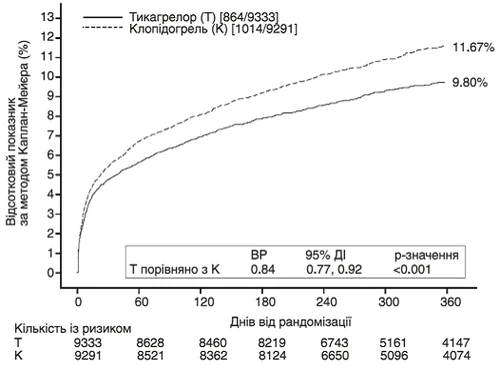
Ticagrelor reduced the frequency of events in the primary composite endpoint compared to clopidogrel in both the UA/NSTEMI population and the STEMI population (Table 1). Thus, ticagrelor 90 mg twice daily in combination with low-dose ASA can be used in patients with ACS (unstable angina, NSTEMI, or STEMI), including those receiving standard medical therapy and those undergoing percutaneous coronary intervention (PCI) or coronary artery bypass grafting (CABG).
Table 1. Analysis of primary and secondary efficacy endpoints (PLATO study)
| Ticagrelor, 90 mg twice daily (% of patients with event) N = 9,333 |
Clopidogrel, 75 mg once daily (% of patients with event) N = 9,291 |
ARRa (%/year) |
RRRa (%) |
p-value |
|
| CV death, MI (excluding silent MI), or stroke |
9.3 |
10.9 |
1.9 |
16 (8; 23) |
0.0003 |
| Invasive strategy |
8.5 |
10.0 |
1.7 |
16 (6; 25) |
0.0025 |
| Medication strategy |
11.3 |
13.2 |
2.3 |
15 (0.3; 27) |
0.0444g |
| CV death |
3.8 |
4.8 |
1.1 |
21 (9; 31) |
0.0013 |
| MI (excluding silent MI)b |
5.4 |
6.4 |
1.1 |
16 (5; 25) |
0.0045 |
| Stroke |
1.3 |
1.1 |
|
|
0.2249 |
| Death from any cause, MI (excluding silent MI), or stroke |
9.7 |
11.5 |
2.1 |
16 (8; 23) |
0.0001 |
| CV death, total MI, TIA, stroke, or other ATEc |
13.8 |
15.7 |
2.1 |
12 (5; 19) |
0.0006 |
| Death from any cause |
4.3 |
5.4 |
1.4 |
22 (11; 31) |
0.0003g |
| Definite stent thrombosis |
1.2 |
1.7 |
0.6 |
32 (8; 49) |
0.0123g |
aARR — absolute risk reduction;
RRI — relative risk reduction. RRI = (1 – risk ratio) × 100%. A negative RRI value indicates an increase in relative risk.
b Except for silent myocardial infarction.
c SRI — serious recurrent ischemia;
RI — recurrent ischemia;
TIA — transient ischemic attack;
ATE — arterial thrombotic event.
Total number of MI cases includes cases of silent MI; case reporting date was defined as the date of the event.
d Nominal level of significance; all others formally statistically significant according to pre-specified hierarchical testing.
PLATO genetic substudy. Genotyping of 10,285 patients for CYP2C19 and ABCB1 in the PLATO study established associations between genotype groups and outcomes in the PLATO study. The advantages of ticagrelor over clopidogrel in reducing the frequency of major cardiovascular events were not substantially dependent on the CYP2C19 or ABCB1 genotype of patients. The overall frequency of major bleeding in the PLATO study did not differ between ticagrelor and clopidogrel groups, regardless of CYP2C19 or ABCB1 genotype. The rate of non-CABG-related major bleeding as defined in the PLATO study was increased with ticagrelor compared to clopidogrel in patients lacking one or more functional CYP2C19 alleles, but similar to that observed with clopidogrel in patients without loss of functional alleles.
Composite measure of efficacy and safety (CV death, MI, stroke, or total number of major bleeds as defined in the PLATO study) indicates that the efficacy benefits of ticagrelor compared to clopidogrel are not offset by major bleeding events (ARR — 1.4%, RRI — 8%, HR 0.92; p = 0.0257) during 12 months after ACS.
Clinical safety. Holter substudy. To investigate the occurrence of ventricular asystole and other arrhythmia episodes within the PLATO study, investigators performed Holter monitoring in a subgroup of nearly 3,000 patients, approximately 2,000 of whom had recordings both in the acute phase of ACS and at one month. The primary variable assessed was the occurrence of ventricular asystole ≥ 3 seconds. According to Holter monitoring data, the proportion of patients with episodes of ventricular asystole ≥ 3 seconds in the acute phase of ACS was higher in the ticagrelor group than in the clopidogrel group: 6.0% vs. 3.5%, and 2.2% vs. 1.6% respectively at one month (see section "Particulars of use"); such episodes were more frequently observed in the ticagrelor group among patients with chronic heart failure (CHF) (9.2% vs. 5.4% in patients without prior CHF; in the clopidogrel group — 4.0% vs. 3.6%, respectively), although no statistically significant difference between ticagrelor and clopidogrel groups was observed at one month (2.0% vs. 2.1% among ticagrelor-treated patients with and without CHF, respectively, and 3.8% vs. 1.4% in the clopidogrel group). No adverse clinical consequences (including syncope or need for pacemaker implantation) related to this discrepancy were observed in this patient population.
PEGASUS study (prior myocardial infarction)
The PEGASUS TIMI-54 study was a randomized, double-blind, placebo-controlled, parallel-group, international, multicenter case-control study involving 21,162 patients, conducted to evaluate the prevention of atherothrombotic events with ticagrelor administered at two doses (90 mg twice daily or 60 mg twice daily) in combination with low-dose ASA (75–150 mg), compared to ASA alone in patients with prior MI and additional risk factors for atherothrombosis. Inclusion criteria: age ≥50 years, prior MI (1–3 years before randomization), and at least one of the following risk factors for atherothrombosis: age ≥65 years, diabetes mellitus requiring medication, prior second MI, evidence of CAD with multivessel disease, or non-end-stage chronic kidney disease (CKD).
Exclusion criteria included planned use of a P2Y12 receptor antagonist, dipyridamole, cilostazol, or anticoagulant therapy during the study period; coagulation disorders, history of ischemic stroke or intracranial hemorrhage (ICH), central nervous system tumor, or intracranial vascular anomaly; gastrointestinal bleeding within the previous 6 months or major surgery within the previous 30 days.
Clinical efficacy
Fig. 2. Analysis of the primary composite clinical endpoint of CV death, MI, and stroke (PEGASUS study)
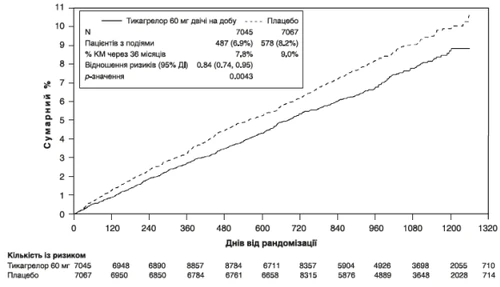
Table 2. Analysis of primary and secondary efficacy endpoints (PEGASUS study)
| Characteristic |
Ticagrelor 60 mg twice daily + ASA N = 7,045 |
ASA alone N = 7,067 |
p-value |
|||
| Patients with events |
% KM |
HR (95 % CI) |
Patients with events |
% KM |
||
| Primary endpoint |
||||||
| Composite endpoint of CV death/MI/stroke |
487 (6.9 %) |
7.8 % |
0.84 |
578 (8.2 %) |
9.0 % |
0.0043 (c) |
| CV death |
174 (2.5 %) |
2.9 % |
0.83 |
210 (3.0 %) |
3.4 % |
0.0676 |
| MI |
285 (4.0 %) |
4.5 % |
0.84 |
338 (4.8 %) |
5.2 % |
0.0314 |
| Stroke |
91 (1.3 %) |
1.5 % |
0.75 |
122 (1.7 %) |
1.9 % |
0.0337 |
| Secondary endpoint |
||||||
| CV death |
174 (2.5 %) |
2.9 % |
0.83 |
210 (3.0 %) |
3.4 % |
- |
| Death from any cause |
289 (4.1 %) |
4.7 % |
0.89 |
326 (4.6 %) |
5.2 % |
- |
The risk ratios and p-values were calculated separately for ticagrelor and aspirin-only therapy using a Cox proportional hazards model with treatment group as the sole explanatory variable.
The Kaplan-Meier percentage was calculated at 36 months.
Note: The number of first events for the components of cardiovascular death, myocardial infarction (MI), and stroke represents the actual number of first events for each component and does not sum to the number of events in the combined endpoint.
(c) Indicates statistical significance.
CI — confidence interval;
CV — cardiovascular;
HR — hazard ratio;
KM — Kaplan-Meier;
MI — myocardial infarction;
N — number of patients.
Treatment with ticagrelor 60 mg twice daily and 90 mg twice daily in combination with aspirin was more effective in preventing atherothrombotic events compared to aspirin alone (composite endpoint: CV death, MI, and stroke), with a consistent treatment effect throughout the study period: a relative risk reduction (RRR) of 16% and an absolute risk reduction (ARR) of 1.27% with ticagrelor 60 mg, and 15% and 1.19%, respectively, with ticagrelor 90 mg.
Given the similar efficacy profiles of the 90 mg and 60 mg doses, the lower dose demonstrated a better safety profile regarding the risk of bleeding and dyspnea. Therefore, only the medicinal product Kargrel 60 mg twice daily in combination with aspirin is recommended for the prevention of atherothrombotic events (CV death, MI, and stroke) in patients with a history of MI and a high risk of atherothrombotic events.
Compared to aspirin monotherapy, ticagrelor 60 mg twice daily significantly reduced the rate of attainment of the primary composite clinical endpoint (CV death, MI, and stroke). The reduction in the rate of attainment of the primary composite endpoint was driven by a reduction in the incidence of each component (17% RRR in CV death, 16% RRR in MI, and 25% RRR in stroke).
The relative risk reduction (RRR) in attainment of the composite endpoint from day 1 to day 360 (RRR 17%) and from day 361 onward (RRR 16%) was nearly identical. Data on the efficacy and safety of ticagrelor use beyond 3 years of continued treatment are limited.
There was no evidence of benefit with ticagrelor 60 mg twice daily in clinically stable patients more than 2 years after prior MI or more than 1 year after discontinuation of prior P2Y12 inhibitor therapy (no reduction in attainment of the primary composite endpoint [CV death, MI, and stroke] and an increased incidence of major bleeding) (see also section "Dosage and administration").
Clinical safety. The frequency of premature discontinuation of ticagrelor 60 mg due to bleeding and dyspnea was higher in patients aged >75 years (42%) compared to younger patients (range: 23–31%), with a difference compared to placebo exceeding 10% (42% vs. 29%) in patients aged >75 years.
Paediatric population
In a randomized, double-blind, parallel-group Phase III study (HESTIA 3), 193 paediatric patients (aged 2 to 18 years) with sickle cell disease were randomized to receive placebo or ticagrelor at doses ranging from 15 mg to 45 mg twice daily depending on body weight. In the ticagrelor group, median platelet inhibition was 35% prior to dosing and 56% two hours after dosing at steady state.
Compared to placebo, no benefit of ticagrelor on the frequency of vaso-occlusive crises was demonstrated.
The European Medicines Agency has waived the obligation to submit results of studies with a reference medicinal product containing ticagrelor in all subgroups of the paediatric population with acute coronary syndrome (ACS) and history of myocardial infarction (MI) (for use in children, see section "Dosage and administration").
Pharmacokinetics
Ticagrelor pharmacokinetics are linear, and exposure to ticagrelor and its active metabolite (AR-C124910XX) is approximately dose-proportional up to 1260 mg.
Absorption
Ticagrelor is rapidly absorbed, with a median tmax of approximately 1.5 hours. Formation of the main circulating metabolite of ticagrelor, AR-C124910XX (also active), occurs rapidly, with a median tmax of approximately 2.5 hours. After a single 90 mg oral dose of ticagrelor administered fasting to healthy volunteers, Cmax was 529 ng/mL and AUC was 3,451 ng⁎h/mL. The metabolite-to-parent compound Cmax ratio was 0.28 and AUC ratio was 0.42. The pharmacokinetics of ticagrelor and AR-C124910XX in patients with prior MI were generally similar to those observed in the ACS patient population. According to population pharmacokinetic analysis of the PEGASUS study, median Cmax of ticagrelor was 391 ng/mL and AUC was 3,801 ng⁎h/mL at steady state with a 60 mg dose. With a 90 mg dose, Cmax was 627 ng/mL and AUC was 6,255 ng⁎h/mL at steady state.
Mean absolute bioavailability of ticagrelor is estimated to be 36%. Consumption of a high-fat meal increased ticagrelor AUC by 21% and decreased Cmax of the active metabolite by 22%, but did not affect ticagrelor Cmax or AUC of the active metabolite. These changes are considered to have minimal clinical significance; therefore, ticagrelor can be administered regardless of food intake. Ticagrelor and its active metabolite are substrates of P-gp.
Crushed tablets of ticagrelor mixed with water, when administered orally or via a nasogastric tube into the stomach, have bioavailability comparable to that of intact tablets, based on AUC and Cmax values of ticagrelor and its active metabolite. Initial exposure (at 0.5 and 1 hour post-dose) after administration of crushed and water-mixed tablets was higher than after intact tablets, but thereafter (from 2 to 48 hours) the concentration profiles were generally similar.
Distribution
The steady-state volume of distribution of ticagrelor is 87.5 L. Ticagrelor and its active metabolite are highly bound to human plasma proteins (>99.0%).
Biotransformation
CYP3A4 is the primary enzyme responsible for the metabolism of ticagrelor and the formation of the active metabolite, and interactions with other CYP3A substrates range from induction to inhibition.
The main metabolite of ticagrelor is AR-C124910XX, which is also active, as evidenced by in vitro binding to platelet P2Y12 ADP receptors. Systemic exposure to the active metabolite is approximately 30–40% of systemic exposure to ticagrelor.
Elimination
The primary route of elimination of ticagrelor is hepatic metabolism. After administration of radiolabeled ticagrelor, the mean recovery of radioactivity was approximately 84% (57.8% in feces and 26.5% in urine). Less than 1% of the dose was excreted in urine as ticagrelor or active metabolite. The primary route of elimination of the active metabolite is most likely biliary secretion. The mean t1/2 of ticagrelor is approximately 7 hours and of the active metabolite approximately 8.5 hours.
Special patient populations
Elderly patients. Population pharmacokinetic analysis data show that in elderly patients (≥75 years) with ACS, exposure to ticagrelor (approximately 25% higher for both Cmax and AUC) and to the active metabolite was higher than in younger patients. These differences are not considered clinically significant (see section "Dosage and administration").
Paediatric population. Data on the use of ticagrelor in children with sickle cell disease are limited (see sections "Dosage and administration" and "Pharmacodynamics").
In the HESTIA 3 study, patients aged 2 to 18 years with body weight ≥12 to ≤24 kg, >24 to ≤48 kg, and >48 kg received ticagrelor in the form of 15 mg chewable paediatric tablets at doses of 15 mg, 30 mg, and 45 mg twice daily, respectively. Pharmacokinetic analysis showed that in this population, mean AUC of ticagrelor ranged from 1095 ng⁎h/mL to 1458 ng⁎h/mL and mean Cmax ranged from 143 ng/mL to 206 ng/mL at steady state.
Gender. Women had higher exposures to ticagrelor and the active metabolite than men. These differences are not considered clinically significant.
Renal impairment. Exposure to ticagrelor was approximately 20% lower and exposure to the active metabolite approximately 17% higher in patients with severe renal impairment (creatinine clearance <30 mL/min) compared to patients with normal renal function.
In patients with end-stage renal disease undergoing hemodialysis, AUC and Cmax values of 90 mg ticagrelor, when administered on a non-dialysis day, were 38% and 51% higher, respectively, compared to those in patients with normal renal function. A similar increase in exposure was observed when ticagrelor was administered immediately before dialysis (49% and 61%, respectively), indicating that ticagrelor is not removed by dialysis. Exposure to the active metabolite increased to a lesser extent (AUC 13–14%, Cmax 17–36%). Platelet aggregation inhibition (PAI) by ticagrelor was independent of dialysis in patients with end-stage renal disease and was similar to that in patients with normal renal function (see section "Dosage and administration").
Hepatic impairment. Cmax and AUC of ticagrelor were 12% and 23% higher, respectively, in patients with mild hepatic impairment compared to healthy volunteers, but the pharmacodynamic effect of ticagrelor was similar in both groups. Dose adjustment is not required for patients with mild hepatic impairment. The use of ticagrelor in patients with severe hepatic impairment has not been studied; pharmacokinetic data in patients with moderate hepatic impairment are lacking. In patients with moderate or marked elevation of one or more baseline liver function laboratory parameters, plasma concentrations of ticagrelor were on average similar or slightly higher compared to patients without baseline abnormalities. Dose adjustment is not required for patients with moderate hepatic impairment (see sections "Dosage and administration" and "Special warnings and precautions for use").
Ethnicity. In patients of Asian origin, mean bioavailability is 39% higher than in Caucasian patients. In patients of Black/African origin, bioavailability of ticagrelor is 18% lower than in Caucasian patients. In a clinical pharmacology study, exposure (Cmax and AUC) to ticagrelor in Japanese subjects was approximately 40% higher (20% after body weight adjustment) than in Caucasian subjects. Drug exposure in patients of Hispanic or Latino origin was similar to that in Caucasian patients.
Clinical characteristics
Indications. The use of the medicinal product Kagrol in combination with acetylsalicylic acid (ASA) is indicated for the prevention of atherothrombotic events in adult patients with:
- acute coronary syndrome (ACS), or
- history of myocardial infarction (MI) and high risk of atherothrombotic events (see sections "Dosage and administration" and "Pharmacodynamics").
Contraindications
Hypersensitivity to the active substance or to any of the excipients (see section "Adverse reactions").
Active pathological bleeding.
History of intracranial hemorrhage (see section "Adverse reactions").
Severe hepatic impairment (see sections "Dosage and administration", "Special warnings and precautions for use", and "Pharmacokinetics").
Concomitant use of ticagrelor with strong CYP3A4 inhibitors (e.g., ketoconazole, clarithromycin, nefazodone, ritonavir, and atazanavir) is contraindicated, as this may lead to a significant increase in ticagrelor exposure (see section "Interaction with other medicinal products and other forms of interaction").
Interaction with other medicinal products and other forms of interaction
Ticagrelor is an inhibitor of breast cancer resistance protein (BCRP). Ticagrelor is primarily a substrate of CYP3A4 and a moderate inhibitor of CYP3A4. Ticagrelor is also a substrate of P-glycoprotein (P-gp) and a weak inhibitor of P-gp, and may increase exposure to P-gp substrates.
Effect of medicinal products and other agents on ticagrelor
Inhibitors of CYP3A4
- Strong CYP3A4 inhibitors: concomitant administration of ketoconazole and ticagrelor resulted in a 2.4-fold and 7.3-fold increase in Cmax and AUC of ticagrelor, respectively. Cmax and AUC of the active metabolite decreased by 89% and 56%, respectively. Other strong CYP3A4 inhibitors (clarithromycin, nefazodone, ritonavir, and atazanavir) are expected to have a similar effect; therefore, concomitant use of strong CYP3A4 inhibitors with ticagrelor is contraindicated (see section "Contraindications").
- Moderate CYP3A4 inhibitors: concomitant administration of diltiazem with ticagrelor resulted in a 69% increase in Cmax and a 2.7-fold increase in AUC of ticagrelor, as well as a 38% decrease in Cmax of the active metabolite, while its AUC remained unchanged. No effect of ticagrelor on plasma levels of diltiazem was observed. Other moderate CYP3A4 inhibitors (e.g., amprenavir, aprepitant, erythromycin, and fluconazole) are expected to have a similar effect; therefore, they may be used concomitantly with ticagrelor.
- Daily consumption of large quantities of grapefruit juice (3×200 mL) resulted in a doubling of ticagrelor exposure. Such an increase in exposure is not expected to be clinically significant for most patients.
Inducers of CYP3A4
Concomitant administration of rifampicin with ticagrelor resulted in a 73% and 86% decrease in Cmax and AUC of ticagrelor, respectively. Cmax of the active metabolite remained unchanged, while AUC decreased by 46%. Other CYP3A inducers (e.g., phenytoin, carbamazepine, and phenobarbital) are also expected to reduce ticagrelor exposure. Concomitant use of ticagrelor with strong CYP3A inducers may lead to reduced exposure and efficacy of ticagrelor; therefore, such concomitant use is not recommended.
Cyclosporine (inhibitor of P-gp and CYP3A4)
Concomitant administration of cyclosporine (600 mg) and ticagrelor resulted in a 2.3-fold and 2.8-fold increase in Cmax and AUC of ticagrelor, respectively. In the presence of cyclosporine, AUC of the active metabolite increased by 32%, while Cmax decreased by 15%.
There are no data on concomitant use of ticagrelor with other active substances that are also strong P-gp inhibitors and moderate CYP3A4 inhibitors (e.g., verapamil, quinidine), which may lead to increased ticagrelor exposure. If such combination cannot be avoided, concomitant use of these medicinal products should be performed with caution.
Others
Clinical pharmacology interaction studies showed that concomitant administration of ticagrelor with heparin, enoxaparin, ASA, or desmopressin did not affect the pharmacokinetics of ticagrelor or its active metabolite, or ADP-induced platelet aggregation compared to ticagrelor alone. When clinically indicated, medicinal products affecting hemostasis should be used with caution in combination with ticagrelor.
In patients with ACS who received morphine, delayed and reduced exposure to oral P2Y12 inhibitors, including ticagrelor and its active metabolites (reduction in ticagrelor effect by 35%), was observed. This interaction may be related to reduced gastrointestinal (GI) motility and may also apply to other opioid agents. The clinical significance of this interaction is unknown, but data suggest a possible reduction in ticagrelor efficacy in patients receiving ticagrelor and morphine concomitantly. For patients with ACS in whom morphine administration cannot be delayed and rapid P2Y12 inhibition is considered life-saving, the use of a parenteral P2Y12 inhibitor may be considered.
Effect of ticagrelor on other medicinal products
Medicinal products metabolized by CYP3A4
- Simvastatin: concomitant administration of ticagrelor with simvastatin increased Cmax of simvastatin by 81% and AUC by 56%, and increased Cmax of simvastatin acid by 64% and AUC by 52% (in individual cases, increases of 2–3 times were observed). Concomitant use of ticagrelor with simvastatin at doses exceeding 40 mg/day may cause simvastatin-related adverse effects, which should be weighed against the expected benefit. No effect of simvastatin on plasma levels of ticagrelor was observed. Ticagrelor may have a similar effect on lovastatin. Concomitant use of ticagrelor with simvastatin or lovastatin at doses exceeding 40 mg is not recommended.
- Atorvastatin: concomitant administration of atorvastatin and ticagrelor increased Cmax of atorvastatin acid by 23% and AUC by 36%. A similar increase in AUC and Cmax was observed for all metabolites of atorvastatin acid. This increase is not considered clinically significant.
- A similar effect on other statins metabolized by CYP3A4 cannot be excluded. Participants in the PLATO study who received ticagrelor were taking various statins, and no safety issues with statin use occurred in 93% of these patients.
Ticagrelor is a weak inhibitor of CYP3A4. Concomitant use of ticagrelor with substrates of CYP3A4 with a narrow therapeutic index (e.g., cisapride or ergot alkaloids) is not recommended, as ticagrelor may increase exposure to these medicinal products.
P-gp substrates (including digoxin and cyclosporine)
Concomitant administration of ticagrelor increased Cmax of digoxin by 75% and AUC by 28%. Mean trough levels of digoxin increased by approximately 30% with concomitant use of ticagrelor, and in some cases, maximum increases of up to 2-fold were observed. In the presence of digoxin, Cmax and AUC of ticagrelor and its active metabolite remained unchanged. Therefore, when P-gp-dependent medicinal products with a narrow therapeutic index, such as digoxin, are used concomitantly with ticagrelor, appropriate clinical and/or laboratory monitoring is recommended.
No effect of ticagrelor on blood concentrations of cyclosporine was observed. The effect of ticagrelor on other P-gp substrates has not been studied.
Medicinal products metabolized by CYP2C9
Concomitant administration of ticagrelor with tolbutamide did not alter plasma levels of either medicinal product, indicating that ticagrelor is not an inhibitor of CYP2C9, and therefore it is unlikely that the medicinal product will affect CYP2C9-mediated metabolism of medicinal products such as warfarin and tolbutamide.
Rosuvastatin (BCRP substrate)
It has been demonstrated that ticagrelor increases rosuvastatin concentrations, which in turn may lead to an increased risk of myopathy, including rhabdomyolysis. When using rosuvastatin, the benefit of preventing serious cardiovascular events should be weighed against the risks associated with increased plasma concentrations of rosuvastatin.
Oral contraceptives
Concomitant administration of ticagrelor with levonorgestrel and ethinylestradiol increased ethinylestradiol exposure by approximately 20%, but did not alter the pharmacokinetics of levonorgestrel. Clinically significant impact on the efficacy of oral contraceptives is not expected when levonorgestrel and ethinylestradiol are used concomitantly with ticagrelor.
Medicinal products capable of causing bradycardia
Since cases of predominantly asymptomatic ventricular asystole and bradycardia have been observed, ticagrelor should be used with caution concomitantly with medicinal products capable of causing bradycardia (see section "Special warnings and precautions for use"). However, in the PLATO study, no clinically significant adverse reactions (ARs) were observed after concomitant use of one or more medicinal products capable of causing bradycardia (e.g., 96% of patients received beta-blockers, 33% received calcium channel blockers diltiazem and verapamil, 4% received digoxin).
Other concomitant therapy
In clinical studies, ticagrelor was frequently used concomitantly with ASA, proton pump inhibitors (PPIs), statins, beta-blockers, angiotensin-converting enzyme inhibitors (ACEIs), and angiotensin receptor blockers (ARBs) for prolonged periods as required by patients' comorbidities, as well as with heparin, low molecular weight heparin, and intravenous administration of GpIIb/IIIa inhibitors for short periods (see section "Pharmacodynamics"). No signs of clinically significant adverse interactions with these medicinal products were observed.
Concomitant administration of ticagrelor with heparin, enoxaparin, or desmopressin did not affect activated partial thromboplastin time (aPTT), activated clotting time (ACT), or quantitative factor Xa assay results. However, due to possible pharmacodynamic interactions, ticagrelor should be used with caution concomitantly with medicinal products capable of affecting hemostasis.
Due to reports of pathological skin bleeding associated with the use of selective serotonin reuptake inhibitors (SSRIs) (e.g., paroxetine, sertraline, and citalopram), SSRIs should be used with caution concomitantly with ticagrelor, as this may increase the risk of bleeding.
Special precautions for use
Bleeding risk
Ticagrelor should be used with caution in patients with known increased risk of bleeding, taking into account the benefit of the drug in preventing atherothrombotic events (see sections "Adverse reactions" and "Pharmacodynamics"). Ticagrelor should be used cautiously in the following patient groups when clinically indicated:
- patients with a tendency to bleeding (e.g., due to recent trauma or surgical procedures, coagulation disorders, active or recent gastrointestinal bleeding) or with an increased risk of trauma. The use of ticagrelor is contraindicated in patients with active pathological bleeding, history of intracranial hemorrhage (ICH), and patients with severe hepatic impairment (see section "Contraindications");
- patients who are concurrently (within 24 hours after ticagrelor administration) using medicinal products that may increase the risk of bleeding (e.g., nonsteroidal anti-inflammatory drugs, oral anticoagulants and/or fibrinolytic agents).
In two randomized controlled trials, TICO and TWILIGHT, involving patients with ACS who underwent percutaneous coronary intervention (PCI) with placement of a drug-eluting stent, discontinuation of aspirin after 3 months and continuation of therapy with ticagrelor alone for 9 or 12 months, respectively, reduced the risk of bleeding. There was no increase in the risk of serious cardiovascular events compared to continuation of dual antiplatelet therapy (ticagrelor + aspirin). The decision to discontinue aspirin after 3 months and continue antiplatelet therapy with ticagrelor alone for 9 months in patients at increased risk of bleeding should be based on clinical assessment, weighing the risk of bleeding against the risk of thrombotic events (see section "Dosage and administration").
Platelet transfusion did not reverse the antiplatelet effect of ticagrelor in healthy volunteers and is unlikely to be effective in treating patients with bleeding. Since concomitant administration of ticagrelor with desmopressin did not reduce bleeding time measured by the template method, it is unlikely that desmopressin will be effective in treating clinical bleeding (see section "Interaction with other medicinal products and other forms of interaction").
The use of antifibrinolytic agents (aminocaproic acid or tranexamic acid) and/or recombinant factor VIIa may enhance hemostasis. Ticagrelor administration may be resumed once the cause of bleeding has been identified and controlled.
Surgical procedures
Patients should be advised to inform physicians and dentists that they are taking ticagrelor prior to planning any surgical procedure and before starting any new medication.
In the PLATO study, in patients undergoing CABG, the incidence of bleeding was higher in the ticagrelor group than in the clopidogrel group when therapy was discontinued 1 day before surgery, but major bleeding occurred with similar frequency in both groups when therapy was discontinued at least 2 days before surgery (see section "Adverse reactions"). If a patient requires elective surgery and an antiplatelet effect is undesirable, ticagrelor should be discontinued 5 days before surgery (see section "Pharmacodynamics").
Patients with prior ischemic stroke
Patients with ACS who have had an ischemic stroke may be treated with ticagrelor for up to 12 months (PLATO study).
Patients with a history of myocardial infarction (MI) who have had an ischemic stroke were not included in the PEGASUS study. Therefore, due to lack of data, treatment beyond one year is not recommended for such patients.
Hepatic impairment
The use of ticagrelor is contraindicated in patients with severe hepatic impairment (see sections "Dosage and administration" and "Contraindications"). Experience with ticagrelor in patients with moderate hepatic impairment is limited; therefore, the drug should be used with caution in such patients (see sections "Dosage and administration" and "Pharmacokinetics").
Patients at risk of bradycardia
Holter ECG monitoring revealed an increased frequency of predominantly asymptomatic ventricular pauses during ticagrelor treatment compared to clopidogrel. Patients at high risk of bradycardia (e.g., patients without a pacemaker who have sick sinus syndrome, second- or third-degree atrioventricular block, or syncope due to bradycardia) were not included in the main studies evaluating the safety and efficacy of ticagrelor. Therefore, due to limited clinical experience, ticagrelor should be used with caution in such patients (see section "Pharmacodynamics").
Concomitant use of ticagrelor with medicinal products that may cause bradycardia requires caution. However, in the PLATO study, no signs of clinically significant adverse reactions (ARs) were observed after concomitant use of one or more drugs capable of causing bradycardia (e.g., 96% of patients received beta-blockers, 33% received calcium channel blockers diltiazem and verapamil, and 4% received digoxin) (see section "Interaction with other medicinal products and other forms of interaction").
During additional Holter monitoring in the PLATO study, episodes of ventricular asystole lasting ≥ 3 seconds during the acute phase of ACS were more frequently observed with ticagrelor than with clopidogrel. The increased frequency of Holter-detected ventricular asystole episodes with ticagrelor was more pronounced in patients with heart failure (HF) than in the overall study population during the acute phase of ACS, but this difference was no longer observed after one month of treatment with ticagrelor or compared to clopidogrel. No adverse clinical consequences related to this difference (including syncope or need for pacemaker implantation) were observed in this patient population (see section "Pharmacodynamics").
During the post-marketing period, cases of bradyarrhythmia and atrioventricular block have been reported in patients receiving ticagrelor, predominantly in patients with ACS, where myocardial ischemia and concomitant use of medications that reduce heart rate or affect cardiac conduction were potential contributing factors. Before adjusting treatment, the patient's clinical status and concomitant medications should be evaluated as potential causes.
Dyspnea
Dyspnea has been observed in patients receiving ticagrelor. Dyspnea was usually mild or moderate in severity and often resolved without the need to discontinue treatment. In patients with asthma (BA) / chronic obstructive pulmonary disease (COPD), the absolute risk of developing dyspnea with ticagrelor may be increased. Ticagrelor should be used with caution in patients with a history of BA and/or COPD. The mechanism of this phenomenon is not fully understood. If a patient reports the onset, prolonged duration, or worsening of dyspnea, a full evaluation should be performed, and if intolerance to the drug is suspected, treatment with ticagrelor should be discontinued. See detailed information in section "Adverse reactions".
Central sleep apnea
Cases of central sleep apnea, including Cheyne-Stokes respiration, have been reported during the post-marketing period in patients taking ticagrelor. If central sleep apnea is suspected, further clinical evaluation should be considered.
Increase in creatinine levels
Creatinine levels may increase during treatment with ticagrelor. The mechanism of this phenomenon is not fully understood. Renal function should be monitored according to standard medical practice. In patients with ACS, renal function should also be checked one month after initiation of ticagrelor therapy, with particular attention to patients aged ≥ 75 years, patients with moderate to severe renal impairment, and those concurrently using ARBs.
Increase in uric acid levels
Hyperuricemia may occur during treatment with ticagrelor (see section "Adverse reactions"). Caution should be exercised when treating patients with a history of hyperuricemia or gouty arthritis. The use of ticagrelor in patients with uric acid nephropathy is not recommended.
Thrombotic thrombocytopenic purpura
Very rare cases of thrombotic thrombocytopenic purpura (TTP), characterized by thrombocytopenia and microangiopathic hemolytic anemia, neurological symptoms, renal dysfunction, or fever, have been reported during ticagrelor use. TTP is a potentially life-threatening condition requiring immediate treatment with plasma exchange.
Effect on platelet function test results for diagnosis of heparin-induced thrombocytopenia
In the heparin-induced platelet activation (HIPA) test used to diagnose heparin-induced thrombocytopenia (HIT), antibodies to the platelet factor 4/heparin complex in the patient's serum activate platelets from healthy donors in the presence of heparin.
False-negative results in platelet function tests (including the HIPA test) for the diagnosis of HIT have been observed in patients receiving ticagrelor. This is due to the inhibition by ticagrelor of P2Y12 receptors on platelets from healthy donors in the patient's serum/plasma test. Information on concomitant ticagrelor therapy is required for the interpretation of platelet function test results for the diagnosis of HIT.
In patients who develop HIT, the benefit-risk ratio of continuing ticagrelor therapy should be assessed, considering both the prothrombotic state of HIT and the increased risk of bleeding with concomitant anticoagulant and ticagrelor therapy.
Other
Due to the observed dependence between the maintenance dose of aspirin and the relative efficacy of ticagrelor compared to clopidogrel in the PLATO study, concomitant use of ticagrelor and high maintenance doses of aspirin (> 300 mg) is not recommended (see section "Pharmacodynamics").
Premature discontinuation of treatment
Premature discontinuation of any antiplatelet agent, including the medicinal product Kagrel, increases the risk of cardiovascular death, myocardial infarction, or stroke due to the patient's underlying condition. Therefore, premature discontinuation of treatment should be avoided.
Sodium content
The medicinal product Kagrel contains less than 1 mmol (23 mg)/dose of sodium, i.e., it is practically sodium-free.
Use during pregnancy or breastfeeding
Women of reproductive potential
Women of reproductive potential should use appropriate contraceptive methods to avoid pregnancy during treatment with ticagrelor.
Pregnancy
Data on the use of ticagrelor in pregnant women are lacking or limited. Reproductive toxicity was observed in animal studies. Ticagrelor is not recommended for use during pregnancy.
Breastfeeding
Pharmacodynamic/toxicological animal studies indicate that ticagrelor and its active metabolite are excreted in breast milk. Risk to the newborn/infant cannot be excluded. The decision to discontinue breastfeeding or to discontinue/forego ticagrelor therapy should be made, taking into account the benefit of breastfeeding for the child and the benefit of therapy for the woman.
Reproductive function
Ticagrelor had no effect on fertility in male and female animals.
Ability to affect reaction speed when driving or operating machinery
Ticagrelor has no effect or a negligible effect on the ability to drive vehicles or operate machinery. Cases of dizziness and confusion have been reported during treatment with ticagrelor. Therefore, patients experiencing these symptoms should exercise caution when driving vehicles or operating machinery.
Dosage and Administration
Dosage
Patients taking the medicinal product Kagról should also take acetylsalicylic acid (ASA) daily at a maintenance dose of 75–150 mg, unless there are specific contraindications.
Acute Coronary Syndrome
Initiate treatment with the medicinal product Kagról with a single loading dose of 180 mg (two 90 mg tablets), followed by 90 mg twice daily. The recommended duration of treatment with Kagról 90 mg in patients with ACS is 12 months, unless there are clinical reasons for earlier discontinuation (see section "Pharmacodynamics").
Discontinuation of ASA may be considered after 3 months in ACS patients who have undergone percutaneous coronary intervention (PCI) and have an increased bleeding risk. In such cases, ticagrelor as sole antiplatelet therapy should be continued for 9 months (see section "Special Warnings and Precautions for Use").
History of Myocardial Infarction
The recommended dose of Kagról for patients with a history of myocardial infarction (MI) occurring at least one year prior and at high risk of atherothrombotic events requiring long-term treatment is 60 mg twice daily (see section "Pharmacodynamics"). For patients with ACS at high risk of atherothrombotic events, treatment may be initiated without interruption as a continuation of therapy following initial treatment with Kagról 90 mg or another adenosine diphosphate (ADP) receptor inhibitor for one year. Treatment may also be initiated within 2 years following the MI or within one year after completion of prior ADP receptor inhibitor therapy. Data on the efficacy and safety of ticagrelor for treatment duration beyond 3 years are limited.
If switching from another medicinal product to Kagról, the first dose of Kagról should be taken 24 hours after the last dose of the other antiplatelet medicinal product.
Missed Dose
Avoid missing doses of the medicinal product. If a patient misses a dose of Kagról, they should take only one tablet (the next scheduled dose) at the usual time.
Special Patient Populations
Elderly Patients
Dose adjustment in elderly patients is not required (see section "Pharmacodynamics").
Renal Impairment
Dose adjustment in patients with renal impairment is not required (see section "Pharmacodynamics").
Hepatic Impairment
The use of ticagrelor in patients with severe hepatic impairment has not been studied; therefore, the use of the medicinal product in such patients is contraindicated (see section "Contraindications"). Information on the use of the medicinal product in patients with moderate hepatic impairment is limited. Dose adjustment is not recommended, but ticagrelor should be used with caution (see sections "Special Warnings and Precautions for Use" and "Pharmacokinetics"). Dose adjustment is not required in patients with mild hepatic impairment (see section "Pharmacokinetics").
Administration
Kagról should be administered orally. It can be taken with or without food.
For patients unable to swallow the tablet whole, it may be crushed into a powder, mixed with half a glass of water, and taken immediately. The glass should then be rinsed with another half glass of water, and the rinse solution should be consumed.
The mixture can also be administered via a nasogastric tube (size 8 French or larger). It is important to flush the nasogastric tube with water after administration.
Children
The safety and efficacy of ticagrelor in children (under 18 years of age) have not been established.
There are no relevant data on the use of ticagrelor in children with sickle cell anemia (see section "Pharmacological Properties").
Overdose
Ticagrelor is well tolerated at single doses up to 900 mg. Gastrointestinal toxicity was dose-limiting in a study with escalating single doses. Other clinically significant adverse reactions (ARs) that may occur in overdose include dyspnea and episodes of ventricular asystole (see section "Adverse Reactions").
In case of overdose, the above-mentioned potential adverse reactions may occur; therefore, ECG monitoring should be considered.
An antidote for ticagrelor is currently unknown; ticagrelor is not dialyzable (see section "Pharmacokinetics"). Management of overdose should follow current medical practice standards. Prolonged bleeding risk due to platelet inhibition is the expected consequence of ticagrelor overdose. Platelet transfusion is unlikely to be an effective treatment method in patients with bleeding (see section "Special Warnings and Precautions for Use"). Appropriate supportive measures should be taken in case of bleeding.
Adverse Reactions
The safety profile of ticagrelor was evaluated in two large-scale phase III clinical trials (the PLATO and PEGASUS studies), involving over 39,000 patients (see section "Pharmacodynamics").
In the PLATO study, the rate of premature discontinuation of treatment due to adverse reactions (ARs) was higher among patients receiving ticagrelor compared to those receiving clopidogrel (7.4% vs. 5.4%). In the PEGASUS study, the rate of premature discontinuation due to ARs was higher in patients receiving ticagrelor compared to those receiving aspirin alone (16.1% with ticagrelor 60 mg plus aspirin vs. 8.5% with aspirin alone). The most common ARs in patients treated with ticagrelor were bleeding and dyspnea (see section "Special Warnings").
The adverse reactions listed below were identified during clinical trials or reported during post-marketing use of ticagrelor (Table 3).
Adverse reactions are listed by system organ classes according to MedDRA (Medical Dictionary for Regulatory Activities). Within each system organ class, ARs are listed by frequency. The frequency categories are defined as follows: very common (≥ 1/10); common (≥ 1/100 to < 1/10); uncommon (≥ 1/1,000 to < 1/100); rare (≥ 1/10,000 to < 1/1,000); very rare (< 1/10,000); frequency not known (cannot be estimated from the available data).
Table 3. Adverse reactions by frequency and system organ classes
| System Organ Classes |
Very common |
Common |
Uncommon |
Frequency not known |
| Benign, malignant and unspecified neoplasms (including cysts and polyps) |
Bleeding from tumoura |
|||
| Blood and lymphatic system disorders |
Bleeding due to coagulation disorderб |
Thrombotic thrombocytopenic purpuraв |
||
| Immune system disorders |
Hypersensitivity, including angioneurotic edemaв |
|||
| Metabolism and nutrition disorders |
Hyperuricemiaг |
Gout / gouty arthritis |
||
| Psychiatric disorders |
Confusion |
|||
| Nervous system disorders |
Dizziness, syncope, headache |
Intracranial haemorrhageї |
||
| Eye disorders |
Eye haemorrhageґ |
|||
| Ear and labyrinth disorders |
Vertigo |
Ear haemorrhage |
||
| Cardiac disorders |
Bradycardia, atrioventricular blockв |
|||
| Vascular disorders |
Arterial hypotension |
|||
| Respiratory, thoracic and mediastinal disorders |
Dyspnoea |
Bleeding from respiratory organsд |
||
| Gastrointestinal disorders |
Gastrointestinal haemorrhageе, diarrhoea, nausea, dyspepsia, constipation |
Retroperitoneal haemorrhage |
||
| Skin and subcutaneous tissue disorders |
Haemorrhage into subcutaneous tissue or skinє, rash, pruritus |
|||
| Musculoskeletal and connective tissue disorders |
Muscle haemorrhageж |
|||
| Renal and urinary disorders |
Bleeding from urinary tractз |
|||
| Reproductive system and breast disorders |
Bleeding from genital organsи |
|||
| Investigations |
Increased blood creatinineг |
|||
| Injury, poisoning and procedural complications |
Bleeding following procedure, traumatic haemorrhageі |
a For example, bleeding from a malignant tumor of the urinary bladder, stomach, or colon.
b For example, increased tendency to bruising, spontaneous hematoma, hemorrhagic diathesis.
c Identified during the post-marketing period.
d Frequency established based on laboratory data (increase in uric acid levels above the upper limit of normal from baseline, which was below or within the normal range; increase in creatinine levels by > 50% from baseline). This does not reflect the reporting frequency of the adverse event.
e For example, conjunctival hemorrhage, retinal hemorrhage, intraocular hemorrhage.
f For example, epistaxis, hemoptysis.
g For example, gingival bleeding, rectal bleeding, bleeding from gastric ulcer.
h For example, ecchymosis, skin hemorrhage, petechiae.
i For example, hemarthrosis, muscle hemorrhage.
j For example, hematuria, hemorrhagic cystitis.
k For example, vaginal bleeding, hematospermia, postmenopausal bleeding.
l For example, contusion, traumatic hematoma, traumatic bleeding.
m That is, spontaneous, procedure-related, or traumatic intracranial hemorrhages.
Description of selected adverse reactions
Bleeding
Incidence of bleeding in the PLATO study
The overall results regarding the frequency of bleeding events in the PLATO study are presented in Table 4.
Table 4. Analysis of total number of bleeding events — Kaplan-Meier estimate over 12 months (PLATO)
| Bleeding events |
Ticagrelor, 90 mg, N = 9,235 |
Clopidogrel N = 9,186 |
p-value* |
| Major bleeds according to PLATO criteria |
11.6 |
11.2 |
0.4336 |
| Major fatal / life-threatening bleeds according to PLATO criteria |
5.8 |
5.8 |
0.6988 |
| Non-CABG-related major bleeds according to PLATO criteria |
4.5 |
3.8 |
0.0264 |
| Non-procedure-related major bleeds according to PLATO criteria |
3.1 |
2.3 |
0.0058 |
| Major + minor bleeds according to PLATO criteria |
16.1 |
14.6 |
0.0084 |
| Non-procedure-related major + minor bleeds according to PLATO criteria |
5.9 |
4.3 |
<0.0001 |
| Major bleeds according to TIMI criteria [eng. Thrombolysis In Myocardial Infarction — thrombolysis in myocardial infarction] |
7.9 |
7.7 |
0.5669 |
| Major + minor bleeds according to TIMI criteria |
11.4 |
10.9 |
0.3272 |
Definition of bleeding types:
Major life-threatening/fatal bleeding: clinically evident bleeding with a hemoglobin level decrease >50 g/L or transfusion of ≥4 units of packed red blood cells, or fatal bleeding, or intracranial hemorrhage, or intracardiac bleeding with cardiac tamponade, or hypovolemic shock or severe arterial hypotension requiring use of vasopressor drugs or surgical intervention.
Other major bleeding: clinically evident bleeding with a hemoglobin level decrease of 30–50 g/L or transfusion of 2–3 units of packed red blood cells, or bleeding leading to permanent loss of functional capacity.
Minor bleeding: requires medical intervention to stop or manage the bleeding.
Major bleeding according to TIMI criteria: clinically evident bleeding with a hemoglobin level decrease >50 g/L or intracranial hemorrhage (ICH).
Minor bleeding according to TIMI criteria: clinically evident bleeding with a hemoglobin level decrease of 30–50 g/L.
*p-value calculated using the Cox proportional hazards model, with treatment group as the sole covariate.
Ticagrelor and clopidogrel did not differ in the rate of major life-threatening/fatal bleeding according to PLATO criteria, total number of major bleedings according to PLATO criteria, or the rate of major or minor bleedings according to TIMI criteria. However, the rate of combined major and minor bleedings according to PLATO criteria was higher in the ticagrelor group compared to the clopidogrel group. A small number of patients in the PLATO study experienced fatal bleeding: 20 (0.2%) in the ticagrelor group and 23 (0.3%) in the clopidogrel group (see section "Special precautions").
Patient age, sex, body weight, race, geographic region of residence, concomitant conditions, concomitant therapy, and medical history, including prior stroke or transient ischemic attack (TIA), were not predictive factors for overall bleeding rate or major bleeding rate unrelated to procedures in the PLATO study. Therefore, no subgroup was identified as being at increased risk of bleeding of any type.
Bleeding related to CABG: in the PLATO study, 42% of the 1,584 patients (12% of the cohort) who underwent coronary artery bypass grafting (CABG) experienced major life-threatening/fatal bleeding according to PLATO study criteria, with no statistically significant difference between treatment groups. Fatal bleeding related to CABG occurred in 6 patients in each treatment group (see section "Special precautions").
Bleeding unrelated to CABG and bleeding unrelated to procedures: ticagrelor and clopidogrel did not differ in the rate of CABG-unrelated life-threatening/fatal major bleeding according to PLATO criteria; however, the overall rate of major bleeding according to PLATO criteria, the rate of major bleeding according to TIMI criteria, and the total rate of major and minor bleeding according to TIMI criteria were higher in the ticagrelor treatment group. Similarly, when all procedure-related bleeding events were excluded, the bleeding rate was higher in the ticagrelor group compared to the clopidogrel group (Table 5). Discontinuation of treatment due to bleeding unrelated to procedures occurred more frequently in the ticagrelor group (2.9%) than in the clopidogrel group (1.2%; p < 0.001).
Intracranial hemorrhage (ICH): more non-procedure-related ICH events occurred with ticagrelor (n = 27 bleeding events in 26 patients, 0.3%) than with clopidogrel (n = 14 bleeding events, 0.2%), of which 11 bleeding events in the ticagrelor group and 1 in the clopidogrel group were fatal. There was no difference in the overall rate of fatal bleeding.
Bleeding events in the PEGASUS study
General results on bleeding rates in the PEGASUS study are presented in Table 5.
Table 5. Analysis of total number of bleeding events — Kaplan-Meier estimate over 36 months (PEGASUS)
| Ticagrelor 60 mg, twice |
ASA alone |
|||
| % KM |
Relative (95 % CI) |
% KM |
p-value |
|
| Types of bleeding according to TIMI criteria |
||||
| Major bleeds according to TIMI criteria |
2.3 |
2.32 (1.68; 3.21) |
1.1 |
< 0.0001 |
| Fatal bleeds |
0.3 |
1.00 (0.44; 2.27) |
0.3 |
1.0000 |
| CABG |
0.6 |
1.33 (0.77; 2.31) |
0.5 |
0.3130 |
| Other major bleeds according to TIMI criteria |
1.6 |
3.61 (2.31; 5.65) |
0.5 |
< 0.0001 |
| Major + minor bleeds according to TIMI criteria |
3.4 |
2.54 (1.93; 3.35) |
1.4 |
< 0.0001 |
| Major or minor bleeds according to TIMI criteria or those requiring medical intervention |
16.6 |
2.64 (2.35; 2.97) |
7.0 |
< 0.0001 |
| Types of bleeding according to PLATO criteria |
||||
| Major bleeds |
3.5 |
2.57 (1.95; 3.37) |
1.4 |
<0.0001 |
| Fatal / life-threatening bleeds |
2.4 |
2.38 (1.73; 3.26) |
1.1 |
< 0.0001 |
| Other major bleeds |
1.1 |
3.37 (1.95; 5.83) |
0.3 |
<0.0001 |
| Major + minor bleeds |
15.2 |
2.71 (2.40; 3.08) |
6.2 |
<0.0001 |
Definition of bleeding types:
Major bleeds according to TIMI criteria: fatal bleeds or any type of ICH, or hemorrhages associated with clinical manifestations related to a drop in hemoglobin (Hb) level ≥ 50 g/L; or, if Hb levels are unavailable, with a 15% reduction in hematocrit (Hct).
Fatal bleeds: cases of bleeding directly leading to death within 7 days.
ICH: intracranial hemorrhage.
Other major bleeds according to TIMI criteria: non-ICH non-fatal major bleeds according to TIMI criteria.
Minor bleeds according to TIMI criteria: clinically evident with a decrease in Hb level of 30–50 g/L.
Those requiring medical intervention according to TIMI criteria: requiring intervention, leading to hospitalization, or requiring investigation.
Major fatal/life-threatening bleeds according to PLATO criteria: fatal bleeds or any type of ICH, or intracardiac bleeds with cardiac tamponade or with hypovolemic shock or acute arterial hypotension requiring vasopressor/inotropic drugs or surgical intervention, or clinically evident with a decrease in Hb level of 50 g/L or transfusion of ≥ 4 units of packed red blood cells.
Other major bleeds according to PLATO criteria: leading to persistent loss of function, or clinically evident, with a decrease in Hb level of 30–50 g/L or transfusion of 2–3 units of packed red blood cells.
Minor bleeds according to PLATO criteria: requiring medical intervention to stop or manage bleeding.
In the PEGASUS study, major bleeds (TIMI) occurred more frequently in the ticagrelor 60 mg twice daily treatment group than in the aspirin-only treatment group. No increase in risk of fatal bleeds was observed; in addition, only a slight increase in the frequency of ICH was observed compared to aspirin-only treatment. There were several cases of fatal bleeds in the study: 11 (0.3%) with ticagrelor 60 mg and 12 (0.3%) with aspirin-only treatment. The observed increase in risk of major bleeds (TIMI) with ticagrelor 60 mg was primarily due to a higher frequency of other major bleeds (TIMI), among which gastrointestinal disorders predominated.
A similar trend toward increased bleeding frequency, as seen for major bleeds according to TIMI criteria, was also observed for major or minor bleeds according to TIMI criteria and major bleeds according to PLATO criteria, as well as for major or minor bleeds according to PLATO criteria (see Table 5). Premature discontinuation of treatment due to bleeding occurred more frequently with ticagrelor 60 mg than with aspirin-only treatment (6.2% vs. 1.5%, respectively). Most of these bleeds were less serious (classified according to TIMI as requiring medical intervention), for example: epistaxis, bruising, and hematomas.
The bleeding profile with ticagrelor 60 mg was similar across all pre-specified subgroups (e.g., age, sex, body weight, patient's race, geographic region of residence, concomitant conditions, concomitant medications, and medical history) regarding major bleeds according to TIMI criteria, major or minor bleeds according to TIMI criteria, and major bleeds according to PLATO criteria.
Intracranial hemorrhage: spontaneous ICH occurred at a similar frequency with ticagrelor 60 mg and with aspirin-only treatment (n = 13, 0.2% in both treatment groups). Traumatic and procedure-related ICH occurred slightly more frequently with ticagrelor 60 mg (n = 15, 0.2%) than with aspirin-only treatment (n = 10, 0.1%). There were 6 fatal ICH cases with ticagrelor 60 mg and 5 fatal ICH cases with aspirin-only treatment. The frequency of ICH was low in both treatment groups, considering the significant comorbidities and cardiovascular risk factors in the study population.
Dyspnea
Patients treated with ticagrelor reported dyspnea and shortness of breath. In the PLATO study, this AE, including dyspnea, dyspnea at rest, exertional dyspnea, paroxysmal nocturnal dyspnea, and nocturnal dyspnea, was generally observed in 13.8% of patients treated with ticagrelor and in 7.8% of patients treated with clopidogrel. In the PLATO study, dyspnea was considered by investigators to be treatment-related in 2.2% of patients receiving ticagrelor and in 0.6% of patients receiving clopidogrel, with some of these cases being serious (0.14% in the ticagrelor group; 0.02% in the clopidogrel group) (see section "Special instructions"). Symptoms of dyspnea were mostly mild or moderate; in most cases, a single episode was reported shortly after initiation of treatment.
Compared to patients receiving clopidogrel, patients with asthma/COPD receiving ticagrelor have an increased risk of non-serious dyspnea episodes (3.29% with ticagrelor vs. 0.53% with clopidogrel) and serious dyspnea episodes (0.38% with ticagrelor vs. 0.00% with clopidogrel). In absolute terms, this risk was higher than in the general population of the PLATO study. Ticagrelor should be used with caution in patients with a history of asthma and/or COPD (see section "Special instructions").
Approximately 30% of dyspnea episodes resolved within 7 days. The PLATO study included patients with baseline conditions such as congestive heart failure, COPD, or bronchial asthma; these patients, as well as elderly patients, were more prone to developing dyspnea. 0.9% of patients receiving ticagrelor discontinued the investigational drug prematurely due to dyspnea, compared to 0.1% of patients receiving clopidogrel. The higher frequency of dyspnea with ticagrelor is not associated with the development of new or worsening pre-existing heart or lung disease (see section "Special instructions"). Ticagrelor does not affect pulmonary function test results.
In the PEGASUS study, dyspnea was observed in 14.2% of patients receiving ticagrelor 60 mg twice daily and in 5.5% of patients receiving aspirin-only treatment. As in the PLATO study, dyspnea was mostly mild or moderate (see section "Special instructions"). Patients who experienced dyspnea were predominantly elderly and had baseline dyspnea, COPD, or bronchial asthma.
Laboratory findings
Increased uric acid levels: in the PLATO study, uric acid concentration increased above the upper limit of normal in 22% of patients receiving ticagrelor versus 13% of patients receiving clopidogrel. Corresponding figures in the PEGASUS study were 9.1%, 8.8%, and 5.5% with ticagrelor 90 mg, 60 mg, and placebo, respectively. Mean serum uric acid levels increased by approximately 15% with ticagrelor compared to approximately 7.5% with clopidogrel, and after discontinuation of treatment, decreased by approximately 7% with ticagrelor but did not decrease with clopidogrel. In the PEGASUS study, reversible increases in mean serum uric acid levels of 6.3% and 5.6% were observed with ticagrelor 90 mg and 60 mg, respectively, compared to a 1.5% decrease in the placebo group. In the PLATO study, the frequency of gouty arthritis was 0.2% with ticagrelor and 0.1% with clopidogrel. Corresponding figures for gout/gouty arthritis in the PEGASUS study were 1.6%, 1.5%, and 1.1% in the ticagrelor 90 mg, 60 mg, and placebo groups, respectively.
Reporting of adverse reactions
Reporting of adverse reactions after drug registration is of great importance. It allows monitoring of the benefit-risk balance of this medicinal product. Healthcare professionals, pharmacists, patients, or their legal representatives should report all suspected adverse reactions and lack of efficacy through the Automated Pharmacovigilance Information System at the following link: https://aisf.dec.gov.ua.
Shelf life. 3 years.
Storage conditions
No special storage conditions required. Keep out of reach of children.
Packaging
60 mg: 10, 14, or 56 film-coated tablets in a blister; 3 blisters of 56 tablets or 4 blisters of 14 tablets, or 6 blisters of 10 tablets in a cardboard box;
90 mg: 10, 14, or 56 film-coated tablets in a blister; 3 blisters of 56 tablets or 4 blisters of 14 tablets, or 6 blisters of 10 tablets, or 12 blisters of 14 tablets in a cardboard box.
Prescription status. Prescription only.
Manufacturer
Lek Pharmaceuticals d.d.
or
Pharos MT Limited
Manufacturer's location and address of business operations
Verovskova 57, Ljubljana 1526, Slovenia
HF62x, Hal Far Industrial Estate, Hal Far, Birzebbugia, BBG 3000, Malta