Egolanza
Ukraine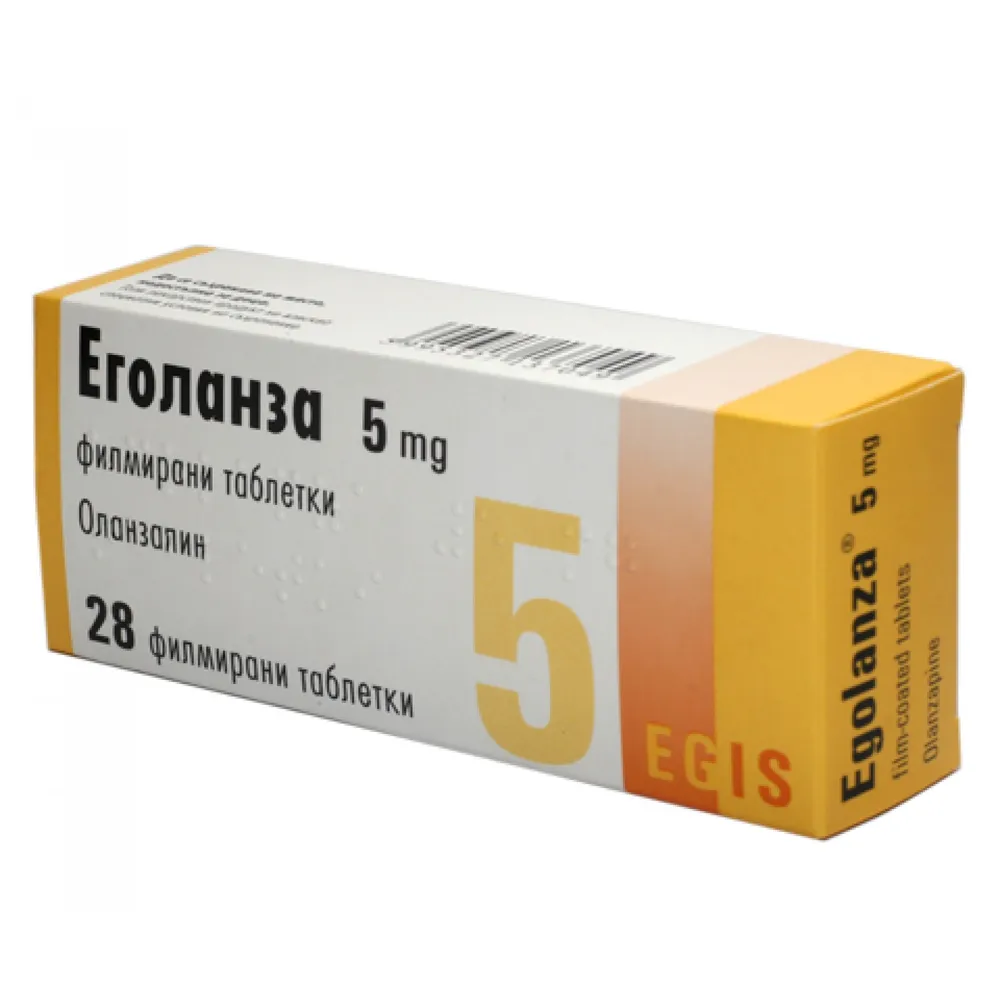
Table of Contents
INSTRUCTIONS FOR MEDICAL USE OF THE MEDICINAL PRODUCT EGOLANZA® (EGOLANZA)
Composition:
Active substance: One film-coated tablet contains 5 mg, 10 mg, 15 mg, or 20 mg of olanzapine (equivalent to 7.03 mg, 14.06 mg, 21.09 mg, or 28.12 mg of olanzapine dihydrochloride trihydrate, respectively);
Excipients: microcrystalline cellulose, lactose monohydrate, hypromellose (hydroxypropylcellulose), crospovidone, magnesium stearate;
Coating composition: Opadry Y-1-7000 White (hypromellose, titanium dioxide (E 171), polyethylene glycol 400), hypromellose, quinoline yellow (E 104).
Pharmaceutical form. Film-coated tablets.
Main physicochemical properties:
5 mg: yellow, elongated, biconvex film-coated tablets, odorless or nearly odorless, with a score on one side and engraved with a stylized letter "E" and the number "402" on the other side;
10 mg: yellow, round, biconvex film-coated tablets, odorless or nearly odorless, engraved with a stylized letter "E" and the number "404" on one side;
15 mg: yellow, round, biconvex film-coated tablets, odorless or nearly odorless, engraved with a stylized letter "E" and the number "405" on one side;
20 mg: yellow, round, biconvex film-coated tablets, odorless or nearly odorless, engraved with a stylized letter "E" and the number "406" on one side.
Pharmacotherapeutic group. Antipsychotic agents. ATC code: N05A H03.
Pharmacological Properties
Pharmacodynamics
Olanzapine is an antipsychotic and antimanic agent with mood-stabilizing properties and a broad spectrum of pharmacological activity due to its effects on various receptors.
Preclinical studies have demonstrated olanzapine's affinity for certain receptors (Ki; <100 nM): serotonin 5-HT2A/2C, 5-HT3, 5-HT6; dopamine D1, D2, D3, D4, D5; muscarinic cholinergic receptors M1–M5; adrenergic α1 receptor; and histamine H1 receptor.
In animal behavioral studies, olanzapine demonstrated antagonism at both serotonin 5-HT and dopamine as well as cholinergic receptors. Olanzapine exhibits higher binding affinity for serotonin 5-HT2 receptors than for dopamine D2 receptors in both in vitro and in vivo models. Electrophysiological studies have shown that olanzapine selectively reduces the excitability of mesolimbic (A10) dopaminergic neurons, while exerting minimal effects on striatal (A9) pathways associated with motor function. Olanzapine suppresses conditioned avoidance response, indicating antipsychotic activity at doses lower than those causing catalepsy—a sign of motor side effects. Unlike some other antipsychotics, olanzapine enhances responses to stimuli in anxiety tests.
Following a single 10 mg oral dose of olanzapine, positron emission tomography (PET) studies in healthy volunteers showed greater binding to 5-HT2A receptors than to dopamine D2 receptors. Furthermore, analysis of images obtained via single-photon emission computed tomography (SPECT) in patients with schizophrenia revealed that olanzapine-responsive patients had lower striatal D2 receptor binding compared to other antipsychotic- and risperidone-responsive patients, but similar to clozapine-responsive patients.
Clinical Efficacy
In two out of two placebo-controlled and two out of three comparative studies involving over 2900 patients with schizophrenia and both positive and negative symptoms, olanzapine demonstrated statistically significant improvement in both negative and positive symptoms.
In international, double-blind, comparative trials involving 1481 patients with schizophrenia, schizoaffective disorder, and associated disorders with varying degrees of depressive symptoms (16.6 points on the Montgomery-Åsberg Depression Rating Scale), a prospective secondary analysis from baseline to endpoint showed statistically significant improvement (p = 0.001) with olanzapine treatment (-6.0) compared to haloperidol (-3.1).
In patients with manic or mixed episodes of bipolar disorder, olanzapine demonstrated high efficacy in reducing manic symptoms within 3 weeks compared to placebo and sodium valproate (divalproex). Olanzapine also showed comparable efficacy to haloperidol in terms of the proportion of patients achieving symptomatic remission from mania and depression at 6 and 12 weeks of treatment. In a study combining lithium or valproate with olanzapine (10 mg) for 2 weeks, significant reduction in manic symptoms was observed compared to monotherapy with lithium or valproate alone after 6 weeks of treatment.
In a 12-month relapse prevention study in patients who achieved remission with olanzapine and were subsequently randomized to continue olanzapine or switch to placebo, olanzapine demonstrated statistically significant superiority over placebo in the primary endpoint of bipolar disorder relapse. Olanzapine also showed statistically significant advantages over placebo in preventing recurrence of mania or depression.
In a subsequent 12-month relapse prevention study in patients who achieved remission with combined olanzapine and lithium treatment and were then randomized to continue either olanzapine or lithium alone, olanzapine did not demonstrate statistically significant superiority over lithium in the primary endpoint of bipolar disorder relapse (olanzapine 30%, lithium 38.3%, p = 0.055).
In an 18-month study of combined treatment for manic or mixed episodes, patients were stabilized with olanzapine and then maintained on lithium or valproate as mood stabilizers. Long-term combination therapy with olanzapine plus lithium or valproate did not demonstrate statistically significant superiority over monotherapy with lithium or valproate in delaying relapses of bipolar disorder, as defined by syndromal (diagnostic) criteria.
Children
Experience with adolescents (aged 13 to 17 years) is limited, based on data from short-term treatment studies of schizophrenia (6 weeks) and bipolar mania (3 weeks) involving fewer than 200 adolescents. The initial dose of olanzapine was 2.5 mg, titrated up to 20 mg/day. During olanzapine treatment, adolescents showed significantly greater weight gain compared to adults. Increased levels of total cholesterol, low-density lipoprotein cholesterol, triglycerides, and prolactin were observed in adolescents compared to adults (see sections "Special Warnings and Precautions for Use" and "Adverse Reactions"). Data on maintenance of therapeutic effect and long-term outcomes are limited and derived from open-label, uncontrolled clinical trials (see sections "Special Warnings and Precautions for Use" and "Adverse Reactions").
Pharmacokinetics
Absorption
Olanzapine is well absorbed after oral administration, with peak plasma concentrations reached within 5–8 hours. Food intake does not affect olanzapine absorption. Absolute bioavailability of the oral formulation compared to intravenous administration has not been established.
Distribution
Olanzapine is approximately 93% bound to plasma proteins over a concentration range of 7 to 1000 ng/mL. It binds primarily to albumin and α1-acid glycoprotein.
Biotransformation
Olanzapine is metabolized in the liver via conjugation and oxidation. The primary circulating metabolite is 10-N-glucuronide, which does not cross the blood-brain barrier. Cytochrome P450 enzymes CYP1A2 and CYP2D6 are involved in the formation of N-desmethyl and 2-hydroxymethyl metabolites, which exhibit significantly lower pharmacological activity in vivo than olanzapine in animal studies. The predominant pharmacological activity is attributed to the parent compound, olanzapine.
Elimination
After oral administration, the mean elimination half-life in healthy volunteers varied depending on age and gender.
In elderly volunteers (aged ≥65 years), the mean elimination half-life was longer (51.8 vs. 33.8 hours) and drug clearance was reduced (17.5 vs. 18.2 L/hour) compared to younger volunteers. However, pharmacokinetic variations observed in elderly patients remained within the range defined for younger individuals. In 44 patients aged ≥65 years with schizophrenia receiving doses of 5–20 mg/day, the adverse reaction profile was not affected.
In women compared to men, the mean elimination half-life was longer (36.7 vs. 32.3 hours), and plasma clearance was reduced (18.9 vs. 27.3 L/hour). Nevertheless, olanzapine (5–20 mg) demonstrated a similar safety profile in women (n = 467) and men (n = 869).
Patients with Renal Impairment
In patients with impaired renal function (creatinine clearance <10 mL/min), there was no significant difference in mean elimination half-life (37.7 vs. 32.4 hours) or drug clearance (21.2 vs. 25.0 L/hour) compared to healthy volunteers. Mass balance analysis showed that approximately 57% of radiolabeled olanzapine was excreted in urine, primarily as metabolites.
Patients with Hepatic Impairment
In a study assessing the effect of hepatic impairment involving 6 patients with clinically significant cirrhosis (Child-Pugh class A (n = 5) and B (n = 1)), there was minimal impact on the pharmacokinetics of orally administered olanzapine (single dose of 2.5–7.5 mg). Patients with mild to moderate hepatic impairment had slightly increased systemic clearance and faster elimination compared to those without hepatic impairment (n = 3). Among patients with cirrhosis, there were more smokers (4/6; 67%) than in the non-hepatic impairment group (0/3; 0%).
Smoking Patients
In non-smokers compared to smokers (both men and women), the mean elimination half-life was prolonged (38.6 vs. 30.4 hours), and plasma clearance was reduced (18.6 vs. 27.7 L/hour).
Plasma clearance of olanzapine is lower in elderly individuals compared to younger ones, in women compared to men, and in non-smokers compared to smokers. However, the extent of the influence of age, gender, or smoking on olanzapine plasma clearance and elimination half-life is minor compared to overall inter-individual variability.
No differences in olanzapine pharmacokinetics were observed in clinical studies involving European, Japanese, and Chinese patients.
Children
Olanzapine pharmacokinetics in adolescents and adults are similar. In clinical trials, mean olanzapine exposure was approximately 27% higher in adolescents. Demographic differences between adolescents and adults include lower average body weight and fewer smokers among adolescent patients. These factors likely contribute to the higher mean exposure to olanzapine observed in adolescents.
Clinical characteristics.
Indications.
Olanzapine is indicated for the treatment of schizophrenia.
Olanzapine is effective in maintaining the clinical response during long-term therapy in patients who have shown a response to initial treatment.
Olanzapine is indicated for the treatment of moderate to severe manic episodes.
Olanzapine is indicated for the prevention of recurrent episodes in patients with bipolar disorder who have responded to olanzapine treatment of mania.
Contraindications.
Hypersensitivity to the active substance or to any of the excipients of the medicinal product; known risk of angle-closure glaucoma.
Interaction with other medicinal products and other forms of interaction.
Studies on interactions with other medicinal products have been conducted only in adults.
Interactions potentially affecting olanzapine
Since olanzapine is metabolized by the CYP1A2 isoenzyme, substances that specifically inhibit or induce this isoenzyme may affect the pharmacokinetics of olanzapine.
CYP1A2 inducers
The metabolism of olanzapine may be induced by smoking and by the use of carbamazepine, leading to reduced olanzapine concentrations. A weak or moderate increase in olanzapine clearance has been observed. Clinical conclusions are limited, but clinical monitoring is recommended and, if necessary, an increase in the olanzapine dose (see section "Dosage and administration").
CYP1A2 inhibitors
Fluvoxamine, a specific CYP1A2 inhibitor, significantly reduces the metabolism of olanzapine. This results in an average increase in maximum concentration (Cmax) of 54% in non-smoking women and 77% in smoking men after fluvoxamine administration. The average increase in the area under the concentration-time curve (AUC) of olanzapine is 52% and 108%, respectively. For patients receiving fluvoxamine or any other CYP1A2 inhibitors, such as ciprofloxacin, reduced doses of olanzapine should be prescribed. Dose reduction of olanzapine should be considered when initiating treatment with a CYP1A2 inhibitor.
Reduction of bioavailability
The use of activated charcoal reduces the oral bioavailability of olanzapine by 50–60% and should be administered at least 2 hours before or 2 hours after olanzapine administration.
Fluoxetine (a CYP2D6 inhibitor), a single dose of antacids containing aluminum and magnesium, or cimetidine do not significantly affect the pharmacokinetics of olanzapine.
Potential of olanzapine to interact with other medicinal products
Olanzapine may antagonize the effects of direct and indirect dopamine agonists.
Olanzapine did not inhibit major CYP450 isoenzymes (e.g., 1A2, 2D6, 2C9, 2C19, 3A4) in vitro. Therefore, no specific interactions are expected, as confirmed by in vivo studies, where no inhibition of olanzapine metabolism was observed when co-administered with the following active substances: tricyclic antidepressants (predominantly metabolized via CYP2D6), warfarin (CYP2C9), theophylline (CYP1A2), or diazepam (CYP3A4, 2C19).
No interactions with olanzapine were observed when administered concomitantly with lithium or biperiden.
Therapeutic monitoring of plasma valproate levels did not reveal the need for dose adjustment of valproate when co-administered with olanzapine.
General central nervous system (CNS) activity
Olanzapine should be used with caution in patients taking ethanol or medicinal products that may cause CNS depression.
Concomitant use of olanzapine with antiparkinsonian agents in patients with Parkinson's disease and dementia is not recommended (see section "Special precautions").
QTc interval
Olanzapine should be administered with caution together with other medicinal products known to have a risk of increasing the QTc interval (see section "Special precautions").
Special precautions for use.
Improvement in a patient's condition during treatment with antipsychotic agents may take from several days to several weeks. Careful monitoring of patients is required throughout this period.
Psychosis associated with dementia and/or behavioural disorders. Olanzapine is not indicated for the treatment of psychosis associated with dementia and/or behavioural disorders and is not recommended for use in these patients due to increased mortality and risk of cerebrovascular events. In placebo-controlled clinical trials (6–12 weeks duration) involving elderly patients (mean age 78 years) with psychosis associated with dementia and/or behavioural disorders, the incidence of death was twice as high in patients receiving olanzapine compared to placebo (3.5% vs. 1.5%, respectively). Increased mortality was not related to the dose of olanzapine administered (mean daily dose 4.4 mg) or duration of treatment. Risk factors potentially contributing to increased mortality include age ≥65 years, dysphagia, sedation, poor nutrition, dehydration, pulmonary diseases (pneumonia with or without aspiration), and concomitant use of benzodiazepines. However, mortality rates were higher with olanzapine therapy than with placebo regardless of risk factors.
Cerebrovascular adverse reactions (e.g., stroke, transient ischemic attack), including fatal cases, were observed during clinical trials. The incidence of cerebrovascular adverse reactions was three times higher in patients receiving olanzapine compared to those receiving placebo (1.3% vs. 0.4%, respectively). All patients who experienced cerebrovascular adverse reactions while receiving olanzapine or placebo had risk factors. Age ≥75 years and vascular/mixed type dementia were identified as risk factors for cerebrovascular adverse reactions during olanzapine therapy. The efficacy of olanzapine was not established in these studies.
Parkinson’s disease. Olanzapine is not recommended for the treatment of psychosis associated with dopamine agonists in patients with Parkinson’s disease. In clinical trials, worsening of Parkinsonian symptoms and hallucinations occurred very frequently, more so than with placebo (see section "Adverse reactions"); olanzapine therapy was not more effective than placebo in treating psychotic symptoms. In these studies, patients were required to maintain a stable dose of the lowest effective dose of anti-Parkinson medications (dopamine agonists), and the same anti-Parkinson drugs and doses were used throughout the study. Olanzapine therapy was initiated at a dose of 2.5 mg per day, titrated up to a maximum dose of 15 mg per day.
Neuroleptic Malignant Syndrome (NMS). NMS is a potentially fatal syndrome described in association with antipsychotic drugs. Rare cases of NMS associated with olanzapine have been reported. Clinical manifestations of NMS include hyperpyrexia, muscle rigidity, altered mental status, and signs of autonomic instability (irregular pulse or blood pressure, tachycardia, diaphoresis, and cardiac arrhythmia). Additional features may include elevated creatine phosphokinase levels, myoglobinuria (rhabdomyolysis), and acute renal failure. The clinical presentation of NMS or the presence of hyperthermia without full NMS presentation requires immediate discontinuation of all antipsychotic agents, including olanzapine.
Hyperglycaemia and diabetes mellitus. Hyperglycaemia and/or onset or worsening of pre-existing diabetes mellitus, sometimes associated with ketoacidosis or diabetic coma, have been reported infrequently, including fatal cases (see section "Adverse reactions"). In some cases, prior weight gain was reported, which may have been a contributing risk factor.
Appropriate clinical monitoring of patients with diabetes mellitus and patients with risk factors for developing diabetes mellitus is recommended, including measurement of blood glucose levels at the beginning of treatment, at 12 weeks, and annually thereafter. Patients receiving antipsychotic agents, including olanzapine, should be monitored for symptoms of hyperglycaemia (such as polydipsia, polyuria, polyphagia, and weakness). Patients with diabetes mellitus and those with risk factors for developing diabetes should be regularly monitored for worsening glycaemic control. Body weight should be monitored regularly, e.g., at the beginning of treatment, at 4 weeks, 8 weeks, and 12 weeks, and then quarterly thereafter.
Lipid alterations. Unfavourable changes in lipid levels were observed in patients receiving olanzapine in placebo-controlled clinical trials (see section "Adverse reactions"). Lipid level changes should be appropriately managed in patients with dyslipidaemia and in patients with risk factors for lipid metabolism disorders. Patients receiving antipsychotic agents, including olanzapine, should have regular monitoring of blood lipid levels, e.g., at the beginning of treatment, at 12 weeks, and every 5 years thereafter.
Anticholinergic activity. Despite in vitro evidence of anticholinergic activity of olanzapine, clinical trials have demonstrated a low incidence of associated anticholinergic effects. However, due to limited clinical experience with olanzapine in patients with comorbid conditions, caution should be exercised when prescribing the drug to patients with prostatic hypertrophy, paralytic ileus, or similar conditions.
Liver function tests. Transient, asymptomatic elevations in liver transaminases (ALT and AST) are frequently observed with olanzapine, particularly at the beginning of treatment. Olanzapine should be administered with caution to patients with elevated ALT and/or AST, signs and symptoms of hepatic dysfunction, pre-existing conditions associated with hepatic insufficiency, and patients receiving potentially hepatotoxic drugs. Olanzapine should be discontinued if hepatitis (including hepatocellular, cholestatic, or mixed liver injury) is detected.
Neutropenia. Olanzapine should be used with caution in patients with low leukocyte and/or neutrophil counts for any reason, patients receiving medications that may cause neutropenia, patients with a history of drug-induced bone marrow suppression/toxicity, patients with bone marrow suppression due to concomitant diseases, radiation, or chemotherapy, and patients with hypereosinophilia or myeloproliferative disorders. Neutropenia is a common adverse effect when olanzapine is used concomitantly with valproate (see section "Adverse reactions").
Discontinuation of therapy. Acute symptoms, including excessive sweating, insomnia, tremor, agitation, nausea, or vomiting, have been reported very rarely (≥0.01% and <0.1%) upon abrupt discontinuation of therapy.
QT interval.
In clinical trials, clinically significant prolongation of the QTc interval (QTc corrected by Fridericia [QTcF] ≥500 milliseconds [msec] at any time after initiation of treatment in patients with baseline QTcF <500 msec) was observed infrequently (0.1% to 1%) in patients treated with olanzapine. No significant difference in frequency of cardiac-related adverse reactions was observed compared to placebo. However, olanzapine should be used with caution when co-administered with drugs that may prolong the QTc interval, especially in elderly patients, patients with congenital long QT syndrome, congestive heart failure, cardiac hypertrophy, hypokalaemia, or hypomagnesaemia.
Thromboembolism. A temporal association between olanzapine treatment and venous thromboembolism has been reported infrequently (≥0.1% to <1%). A causal relationship between olanzapine treatment and venous thromboembolism has not been established. However, considering that patients with schizophrenia are often predisposed to thromboembolism, all possible risk factors, such as patient immobilization, should be taken into account, and appropriate preventive measures should be implemented.
General CNS effects. Due to the predominant central nervous system (CNS) effects of olanzapine, additional precautions are necessary when olanzapine is taken concomitantly with other centrally acting agents, including alcohol consumption. In vitro studies with dopamine antagonists have shown that olanzapine may antagonize the effects of direct and indirect dopamine agonists.
Seizures. Olanzapine should be used with caution in patients with a history of seizures or in patients with factors that lower the seizure threshold. Seizures have been reported infrequently during olanzapine treatment. In most of these cases, patients had a history of seizures or an increased risk of seizure occurrence.
Tardive dyskinesia. In comparative clinical trials of one year or less duration, a statistically significant lower incidence of treatment-emergent dyskinesia was observed with olanzapine. Because of the increasing risk of developing tardive dyskinesia with long-term use of antipsychotic drugs, the dose should be gradually reduced or the drug discontinued if signs or symptoms of tardive dyskinesia appear. These symptoms may worsen over time or even emerge after discontinuation of treatment.
Orthostatic hypotension. Cases of orthostatic hypotension were reported infrequently in elderly patients during clinical trials. Periodic blood pressure monitoring is recommended for patients aged 65 years and older during olanzapine use.
Sudden cardiac death. Post-marketing reports have described cases of sudden cardiac death in patients taking olanzapine. According to a retrospective observational cohort study, the risk of sudden cardiac death in patients using olanzapine was nearly doubled compared to patients not using antipsychotics. The risk associated with olanzapine use corresponds to that of other atypical antipsychotics included in a combined analysis.
Children and adolescents
Olanzapine is not recommended for use in children and adolescents. In studies involving patients aged 13–17 years, various adverse reactions were observed, including weight gain, changes in metabolic parameters, and increased prolactin levels (see sections "Pharmacological properties" and "Adverse reactions").
Lactose. The drug contains lactose monohydrate and therefore should not be used in patients with hereditary lactose intolerance, lactase deficiency, or glucose-galactose malabsorption syndrome.
Use during pregnancy or breastfeeding.
Pregnancy
Adequate and well-controlled studies of olanzapine in pregnant women are lacking. Patients should inform their physician if they become pregnant or intend to become pregnant during olanzapine treatment. Because clinical experience with olanzapine use during pregnancy is limited, olanzapine should be used during pregnancy only if the potential benefits justify the potential risks to the fetus.
Newborns whose mothers have taken antipsychotic drugs (including olanzapine) during the third trimester of pregnancy are at risk of developing adverse reactions, including extrapyramidal symptoms and/or withdrawal syndrome, the symptoms of which may vary in intensity and duration after birth. Reported symptoms include agitation, arterial hypertension, arterial hypotension, tremor, somnolence, respiratory distress syndrome, or feeding disorders. Therefore, newborns should be closely monitored.
Breastfeeding period
Olanzapine has been detected in human breast milk in studies of healthy breastfeeding women. The average infant dose (mg/kg) without risk was estimated at 1.8% of the maternal dose (mg/kg). Breastfeeding is not recommended for patients taking olanzapine.
Fertility
The effect on fertility is unknown.
Ability to affect reaction speed when driving or operating machinery.
Studies on the effect of olanzapine on reaction speed during driving or operating machinery have not been conducted. Since olanzapine may cause somnolence and dizziness, patients should be warned about the risks associated with operating machinery, including motor vehicles.
Dosage and Administration
Adults
Schizophrenia. The recommended initial dose of olanzapine is 10 mg once daily.
Manic episodes. The recommended initial dose of olanzapine as monotherapy is 15 mg once daily or 10 mg once daily when used in combination therapy (see section "Pharmacodynamics").
Prevention of recurrent episodes in patients with bipolar disorder. The recommended initial dose is 10 mg once daily. Patients with bipolar disorder who have been treated with olanzapine for manic episodes should continue receiving olanzapine at the same dose for prevention of recurrent episodes. In the event of a new manic, depressive, or mixed episode, treatment should be continued (with dose optimization if necessary) together with supportive therapy to manage mood disorder symptoms, as clinically indicated.
Treatment of schizophrenia, manic episodes, and prevention of bipolar disorder relapse. The daily dose should be individualized based on clinical status within the range of 5 to 20 mg once daily. Any increase from the recommended initial dose should be made at intervals of no less than 24 hours, only after clinical evaluation. Olanzapine can be administered regardless of food intake, as food does not affect its absorption. When discontinuing the drug, therapy should be tapered gradually.
Elderly patients. A lower initial dose (5 mg once daily) is generally not required. However, a lower initial dose should be considered for patients aged 65 years and older if clinically indicated (see section "Special Warnings and Precautions for Use").
Patients with renal and/or hepatic impairment. A lower initial dose (5 mg once daily) may be considered for these patients. In patients with moderate hepatic impairment (cirrhosis, Child-Pugh classes A or B), the initial dose should be 5 mg, and dose increases should be made cautiously.
Smoking patients. Dose adjustment based on smoking status is not required.
Smoking may increase the metabolism of olanzapine. Clinical monitoring is recommended, and dose increase should be considered if necessary (see section "Interaction with Other Medicinal Products and Other Forms of Interaction").
A lower initial dose may be considered for patients with a combination of factors (female gender, elderly age, non-smoking status) that may reduce olanzapine metabolism. Dose increases, if indicated, should be performed conservatively in such patients (see sections "Interaction with Other Medicinal Products and Other Forms of Interaction" and "Pharmacokinetics").
Children.
Olanzapine is not recommended for use in children under 18 years of age due to insufficient data on safety and efficacy. In short-term studies in adolescent patients, increased body weight, changes in prolactin levels, and lipid alterations were observed compared to adults (see sections "Special Warnings and Precautions for Use", "Adverse Reactions", and "Pharmacological Properties").
Overdose.
Symptoms. Very common (>10% of cases): tachycardia, agitation/aggression, dysarthria, various extrapyramidal symptoms, and decreased level of consciousness ranging from sedation to coma.
Other significant complications of overdose include delirium, seizures, coma, risk of neuroleptic malignant syndrome (NMS), respiratory depression, aspiration, arterial hypertension or hypotension, cardiac arrhythmia (<2% of overdose cases), and cardiopulmonary shock. Fatal outcomes have been reported with acute overdoses of 450 mg, although survival has been documented after acute ingestion of up to 2 g of olanzapine orally.
Treatment. There is no specific antidote for olanzapine. Induction of emesis is not recommended. Standard overdose management procedures are recommended (e.g., gastric lavage, activated charcoal). Concomitant administration of activated charcoal has been shown to reduce the bioavailability of orally administered olanzapine by 50–60%.
Symptomatic treatment and monitoring of vital functions should be implemented according to clinical manifestations, including management of arterial hypotension and circulatory failure, as well as respiratory support. Epinephrine, dopamine, and other sympathomimetics with beta-agonist activity should not be used, as beta-stimulation may exacerbate arterial hypotension. Cardiovascular monitoring is required to detect possible arrhythmias. Close medical supervision and monitoring should continue until full recovery of the patient.
Adverse reactions.
Short description of safety profile
Adults
The most commonly observed adverse reactions (reported in ≥1% of patients) associated with olanzapine use in clinical trials: somnolence, weight gain, eosinophilia, increased prolactin levels, increased blood levels of cholesterol, glucose, and triglycerides (see section "Special precautions"), glucosuria, increased appetite, dizziness, akathisia, parkinsonism, leukopenia, neutropenia (see section "Special precautions"), dyskinesia, orthostatic hypotension, anticholinergic effects, transient asymptomatic elevations of liver transaminases (see section "Special precautions"), rash, asthenia, fatigue, hyperthermia, arthralgia, increased levels of alkaline phosphatase, gamma-glutamyl transferase, uric acid, creatine phosphokinase, and edema.
Tabulated list of adverse reactions
The table below summarizes the main adverse reactions and laboratory test abnormalities identified during clinical trials and from post-marketing experience.
Within each frequency group, adverse reactions are listed in order of decreasing severity.
The frequency of adverse reactions is classified as follows: very common (≥1/10), common (≥1/100 to <1/10), uncommon (≥1/1000 to <1/100), rare (≥1/10000 to <1/1000), very rare (<1/10000), frequency not known (frequency cannot be estimated from the available data).
| Very common |
Common |
Uncommon |
Rare |
Frequency unknown |
||
| Blood and lymphatic system disorders |
||||||
| Eosinophilia, leukopenia10, neutropenia10 |
Thrombocytopenia11 |
|||||
| Immune system disorders |
||||||
| Hypersensitivity11 |
||||||
| Metabolism and nutrition disorders |
||||||
| Weight gain1 |
Increased cholesterol2,3, increased glucose4, increased triglycerides2,5, glucosuria, increased appetite |
Development or exacerbation of diabetes, rarely associated with ketoacidosis or coma, including some fatal cases11 |
Hypothermia12 |
|||
| Nervous system disorders |
||||||
| Somnolence |
Dizziness, akathisia6, parkinsonism6, dyskinesia6 |
Epileptic seizures, with history or existing risk factors11, dystonia (including ocular symptoms)11, tardive dyskinesia11, amnesia9, dysarthria, stuttering11, restless legs syndrome11 |
Neuroleptic malignant syndrome12, withdrawal syndrome7,12 |
|||
| Cardiac disorders |
||||||
| Bradycardia, QTc interval prolongation |
Ventricular tachycardia/fibrillation, sudden death11 |
|||||
| Vascular disorders |
||||||
| Orthostatic hypotension10 |
Thromboembolism (including pulmonary embolism and deep vein thrombosis) |
|||||
| Respiratory, thoracic and mediastinal disorders |
||||||
| Nosebleed9 |
||||||
| Gastrointestinal disorders |
||||||
| Mild, transient anticholinergic effects, including constipation and dry mouth |
Abdominal distension9, hypersalivation11 |
Pancreatitis11 |
||||
| Hepatobiliary disorders |
||||||
| Transient, asymptomatic elevation of liver transaminases (ALT and AST), especially at the beginning of treatment |
Hepatitis (including hepatocellular, cholestatic or mixed liver injury)11 |
|||||
| Skin and subcutaneous tissue disorders |
||||||
| Rash |
Photosensitivity reactions, alopecia |
Drug reaction with eosinophilia and systemic symptoms (DRESS) |
||||
| Musculoskeletal and connective tissue disorders |
||||||
| Arthralgia9 |
Rhabdomyolysis11 |
|||||
| Renal and urinary disorders |
||||||
| Incontinence, urinary retention, difficulty in urination11 |
||||||
| Pregnancy, postpartum and perinatal period |
||||||
| Withdrawal syndrome in newborns |
||||||
| Reproductive system and breast disorders |
||||||
| Erectile dysfunction in men; decreased libido in women and men |
Amenorrhea, breast enlargement, galactorrhea in women, gynecomastia/breast enlargement in men |
Priapism12 |
||||
| General disorders and administration site conditions |
||||||
| Asthenia, fatigue, edema, pyrexia10 |
||||||
| Investigations |
||||||
| Increased plasma prolactin levels8 |
Elevated alkaline phosphatase10, elevated creatine phosphokinase11, elevated gamma-glutamyl transferase10, elevated uric acid10 |
Elevated total bilirubin |
||||
1 Clinically significant weight gain was observed in all BMI (body mass index) categories of patients. During short-term treatment (mean duration was 47 days), weight gain of ≥ 7% was observed very commonly (22.2% of cases), weight gain of ≥ 15% was observed commonly (4.2% of cases), and weight gain of ≥ 25% was observed uncommonly (0.8% of cases). In patients receiving long-term therapy (at least 48 weeks), weight gain of ≥ 7%, ≥ 15%, and ≥ 25% was observed very commonly (64.4%, 31.7%, and 12.3% of cases, respectively).
2 Mean increases in fasting lipid levels (total cholesterol, low-density lipoproteins (LDL), and triglycerides) were more pronounced in patients who initially had no lipid metabolism disorders.
3 Observed in patients with normal baseline fasting levels (< 5.17 mmol/L), which increased to high levels (≥ 6.2 mmol/L). Very commonly reported was a rapid increase in fasting total cholesterol from an initial level (≥ 5.17 to < 6.2 mmol/L) to a high level (≥ 6.2 mmol/L).
4 Observed in patients with normal baseline fasting levels (< 5.56 mmol/L), which increased to high levels (≥ 7 mmol/L). Very commonly reported was a rapid increase in fasting glucose from an initial level (≥ 5.56 to < 7 mmol/L) to a high level (≥ 7 mmol/L).
5 Observed in patients with normal baseline fasting levels (< 1.69 mmol/L), which increased to high levels (≥ 2.26 mmol/L). Very commonly reported was a rapid increase in fasting triglyceride levels from an initial level (≥ 1.69 to < 2.26 mmol/L) to a high level (≥ 2.26 mmol/L).
6 During clinical trials, the incidence of parkinsonism and dystonia in patients treated with olanzapine was higher than in placebo-controlled trials, but clinically insignificant. The incidence of parkinsonism, akathisia, and dystonia in patients treated with olanzapine was lower than with titrated doses of haloperidol. Due to lack of information on the history of acute or late extrapyramidal movement disorders, it cannot be established that olanzapine causes less tardive dyskinesia and/or other late extrapyramidal syndromes.
7 Upon abrupt discontinuation of olanzapine therapy, acute symptoms were reported, including excessive sweating, insomnia, tremor, feelings of fear, nausea, and vomiting.
8 During clinical trials (up to 12 weeks), it was determined that plasma prolactin concentration exceeded the upper limit of normal in 30% of patients treated with olanzapine who had normal baseline prolactin levels. In most patients, this increase was moderate and remained within values less than twice the upper normal limit.
9 Adverse reactions were identified from clinical trials in the integrated olanzapine database.
10 Assessment of measured values was determined from clinical trials in the integrated olanzapine database.
11 Adverse reactions were identified from spontaneous post-marketing reports, with frequency established based on the integrated olanzapine database.
12 Adverse reactions were identified from spontaneous post-marketing reports, with frequency assessed using the upper limit of the 95% confidence interval based on the integrated olanzapine database.
Effects with long-term use (at least 48 weeks). The percentage of patients experiencing adverse reactions such as clinically significant increases in body weight, glucose levels, total cholesterol/LDL/HDL or triglycerides continuously increased. In adult patients who completed 9–12 months of therapy, the rate of increase in fasting blood glucose slowed approximately after 6 months of treatment.
Adverse effects in specific patient groups. In clinical trials in elderly patients with dementia, olanzapine therapy was associated with increased mortality and cerebrovascular adverse reactions compared to placebo (see section "Special precautions"). Very common adverse effects associated with olanzapine use in this patient group were gait disturbance and falls. Pneumonia, increased body temperature, lethargy, erythema, visual hallucinations, and urinary incontinence were commonly observed.
In clinical trials among patients with medication-induced (dopamine agonist) psychosis associated with Parkinson’s disease, worsening of parkinsonian symptoms and hallucinations occurred very commonly and more frequently than in the placebo group.
In one clinical trial in patients with bipolar mania, neutropenia occurred in 4.1% of patients receiving olanzapine in combination with valproate; a possible cause may be elevated plasma valproate levels.
Treatment with olanzapine combined with lithium or valproate was associated with tremor, dry mouth, weight gain, and increased appetite (≥10%). Speech disorders were also reported. During olanzapine therapy combined with lithium or divalproex, body weight increase of ≥7% from BMI was observed in 17.4% of patients during intensive treatment (up to 6 weeks). Long-term olanzapine treatment (up to 12 weeks) for prevention of relapse in patients with bipolar disorders was associated with body weight increase of ≥7% from BMI in 39.9% of patients.
Children
Olanzapine is not indicated for treatment of children and adolescents under 18 years of age. Clinical trials comparing olanzapine use in adolescents and adults have not been conducted. However, data from adolescent trials were compared with results from adult trials.
Below are adverse reactions occurring more frequently in adolescents (aged 13–17 years) than in adults, or adverse reactions identified only during short-term clinical trials in adolescents. Clinically significant weight gain (≥ 7%) occurred more frequently in adolescents than in adults. With long-term treatment (at least 24 weeks), clinically significant weight gain was higher than with short-term treatment.
Within each frequency group, adverse reactions are listed in order of decreasing severity. The frequency of adverse reactions listed below is defined as follows: very common (≥ 1/10), common (≥ 1/100 to < 1/10).
Metabolism and nutrition disorders
Very common: weight gain13, increased triglyceride levels14, increased appetite.
Common: increased cholesterol levels15.
Nervous system disorders
Very common: sedation (including hypersomnia, lethargy, somnolence).
Gastrointestinal disorders
Common: dry mouth.
Hepatobiliary disorders
Very common: increased liver transaminase levels (ALT and AST; see section "Special precautions").
Investigations
Very common: decreased total bilirubin levels, increased gamma-glutamyltransferase levels, increased plasma prolactin levels16.
13 During short-term treatment (mean duration 22 days), weight gain of ≥ 7% was observed very commonly (40.6% of cases), weight gain of ≥ 15% was observed commonly (7.1% of cases), and weight gain of ≥ 25% occurred in 2.5% of cases. During long-term treatment (at least 24 weeks), weight gain of ≥ 7% was observed in 89.4% of patients, ≥ 15% in 55.3%, and ≥ 25% in 29.1%.
14 Observed in patients with normal baseline fasting levels (< 1.016 mmol/L), which increased to high levels (≥ 1.467 mmol/L), and rapid increase in fasting triglyceride levels from initial levels (≥ 1.016 to < 1.467 mmol/L) to high levels (≥ 1.467 mmol/L).
15 Commonly observed were changes in fasting total cholesterol levels from normal baseline levels (< 4.39 mmol/L) to high levels (≥ 5.17 mmol/L). Very commonly reported was rapid increase in fasting total cholesterol from initial levels (≥ 4.39 to < 5.17 mmol/L) to high levels (≥ 5.17 mmol/L).
16 Increased plasma prolactin levels were observed in 47.4% of adolescents.
Reporting suspected adverse reactions after drug authorization is of great importance. It allows continuous monitoring of the benefit-risk balance of the medicinal product. Healthcare professionals and patients, or their legal representatives, should report all suspected adverse reactions and lack of efficacy via the Automated Pharmacovigilance Information System at: https://aisf.dec.gov.ua.
Shelf life. 5 years.
Storage conditions.
Store at temperatures not exceeding 30 °C in the original packaging, in a place inaccessible to children.
Packaging.
7 film-coated tablets in a blister; 4 or 8 blisters in a cardboard box.
Prescription status. Prescription only.
Manufacturer.
Egis Pharmaceuticals Ltd.
Manufacturer's address and location of operations.
1165 Budapest, Bekenyföldi Street 118-120, Hungary.