Alventa
Ukraine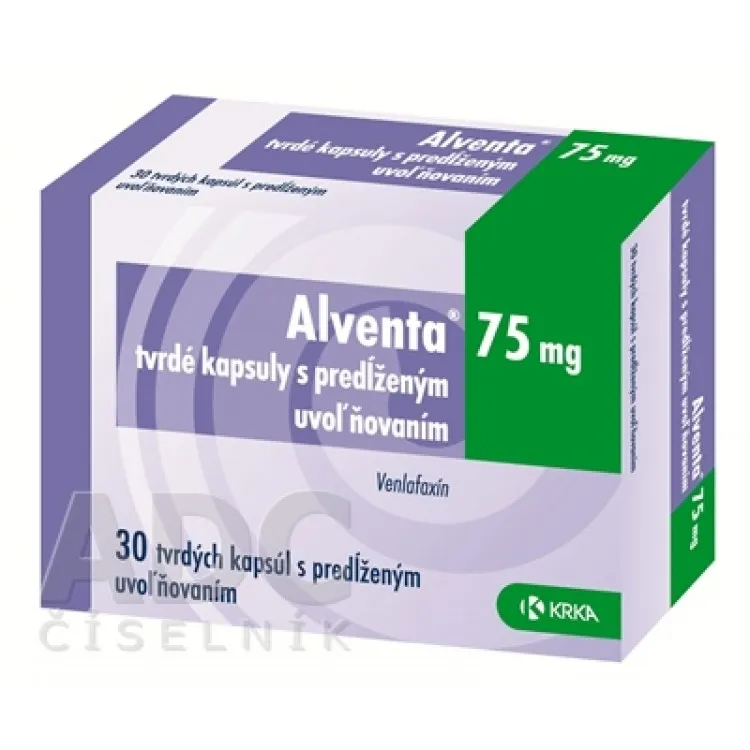
Table of Contents
INSTRUCTIONS FOR MEDICAL USE OF THE MEDICINAL PRODUCT Alventa® (Alventa®)
Composition:
Active substance: venlafaxine;
1 capsule contains 37.5 mg or 75 mg or 150 mg of venlafaxine as venlafaxine hydrochloride;
Excipients: sucrose, corn starch, hydroxypropylcellulose, povidone, ethylcellulose, dibutyl sebacate, talc;
Gelatin capsule:
37.5 mg capsules: gelatin, iron oxide red (E 172), titanium dioxide (E 171);
75 mg and 150 mg capsules: gelatin, iron oxide red (E 172), iron oxide yellow (E 172), titanium dioxide (E 171).
Pharmaceutical form. Prolonged-release capsules.
Main physicochemical properties:
37.5 mg prolonged-release capsules: capsules filled with white or almost white granules; capsule body white in color, capsule cap brownish-pink;
75 mg prolonged-release capsules: capsules filled with white or almost white granules; capsule body and cap light pink in color;
150 mg prolonged-release capsules: capsules filled with white or almost white granules; capsule body and cap orange-brown in color.
Pharmacotherapeutic group. Antidepressants. ATC code: N06AX16.
Pharmacological properties.
Pharmacodynamics.
Mechanism of action
The antidepressant mechanism of action of venlafaxine in humans is believed to be related to the potentiation of neurotransmitter activity in the central nervous system (CNS). Preclinical studies have shown that venlafaxine and its major metabolite, O-desmethylvenlafaxine (ODV), are serotonin-norepinephrine reuptake inhibitors (SNRIs). Venlafaxine also weakly inhibits dopamine reuptake. Venlafaxine and its active metabolite reduce β-adrenergic responses after both acute (single-dose) and chronic administration. Venlafaxine and ODV are very similar in terms of their overall effects on neurotransmitter reuptake and receptor binding.
Venlafaxine has almost no affinity for muscarinic, cholinergic, H1-histaminergic, or α1-adrenergic receptors in rat brain in vitro. Pharmacological activity at these receptors may be associated with various adverse reactions, such as anticholinergic, sedative, and cardiovascular effects, which are observed with other antidepressant drugs.
Venlafaxine did not show activity as an inhibitor of monoamine oxidase (MAO).
In vitro studies revealed that venlafaxine has no significant affinity for opioid or benzodiazepine receptors.
Clinical efficacy and safety
Major depressive episodes
The efficacy of immediate-release venlafaxine in the treatment of major depressive episodes was demonstrated in five randomized, double-blind, placebo-controlled short-term studies lasting 4 to 6 weeks, with doses up to 375 mg per day. The efficacy of extended-release venlafaxine in the treatment of major depressive episodes was established in two placebo-controlled short-term studies lasting 8 and 12 weeks, which included a dose range of 75 to 225 mg per day.
A long-term study was reported in adult outpatients who received extended-release venlafaxine for 8 weeks (75 mg, 150 mg, or 225 mg) and then continued on the same extended-release dose of venlafaxine or placebo during a 26-week relapse-prevention observation period.
A longer-term study reported efficacy of venlafaxine in the prevention of depressive episode relapses over 12 months in a placebo-controlled, double-blind clinical trial in adult outpatients with recurrent major depressive episodes who had responded to venlafaxine therapy (100 to 200 mg per day, divided into two doses per day) during their most recent depressive episode.
Generalized anxiety disorder
The efficacy of venlafaxine extended-release capsules in the treatment of generalized anxiety disorder (GAD) was established in two 8-week placebo-controlled fixed-dose studies (75–225 mg per day), a 6-month placebo-controlled fixed-dose study (75–225 mg per day), and a 6-month placebo-controlled study (37.5 mg, 75 mg, and 150 mg per day) in adult outpatients.
Although evidence of superiority of the 37.5 mg per day dose over placebo was observed, this dose was not as effective as higher doses.
Social anxiety disorder
The efficacy of venlafaxine extended-release capsules in the treatment of social anxiety disorder was established in four double-blind, parallel-group, 12-week, multicenter, placebo-controlled flexible-dose studies and one double-blind, parallel-group, 6-month, placebo-controlled fixed/flexible-dose study in adult outpatients. Patients received doses ranging from 75 to 225 mg per day. In the 6-month study, no evidence of greater efficacy was observed for the 150–225 mg per day group compared to the 75 mg per day group.
Panic disorder
The efficacy of venlafaxine extended-release capsules in the treatment of panic disorder was established in two double-blind, 12-week, multicenter, placebo-controlled studies in adult outpatients with panic disorder, with or without agoraphobia. The initial dose was 37.5 mg per day for 7 days. Patients then received fixed doses of either 75 mg or 150 mg per day in one study, and 75 mg or 225 mg per day in the other study.
Efficacy was also demonstrated in one long-term, double-blind, placebo-controlled, parallel-group study assessing long-term safety, efficacy, and relapse prevention in adult outpatients. Patients continued on the same dose of extended-release venlafaxine they received at the end of the open-label phase (75, 150, or 225 mg).
Cardioelectrophysiology
In a dedicated QT study in healthy volunteers, venlafaxine did not prolong the QT interval to any clinically significant extent at a supratherapeutic dose of 450 mg per day (225 mg twice daily).
However, post-marketing cases of QT interval prolongation/TdP and ventricular arrhythmia have been reported, particularly in cases of overdose or in patients with other risk factors for QT interval prolongation/TdP (see sections "Special precautions for use", "Overdose", "Adverse reactions").
Pharmacokinetics.
Venlafaxine is extensively metabolized, primarily to the active metabolite ODV. The mean ± SD plasma elimination half-life of venlafaxine and ODV is 5±2 hours and 11±2 hours, respectively. Steady-state concentrations of venlafaxine and ODV are achieved within 3 days of multiple oral dosing. Venlafaxine and ODV exhibit linear kinetics over the dose range of 75 to 450 mg per day.
Absorption
At least 92% of venlafaxine is absorbed after single oral doses of immediate-release venlafaxine. Absolute bioavailability is 40–45% due to presystemic metabolism. After administration of immediate-release venlafaxine, peak plasma concentrations of venlafaxine and ODV occur at 2 hours and 3 hours, respectively. After administration of extended-release venlafaxine capsules, peak plasma concentrations of venlafaxine and ODV are reached at 5.5 hours and 9 hours, respectively. Extended-release venlafaxine capsules provide a slower rate of absorption but the same bioavailability compared to immediate-release venlafaxine tablets. Food does not affect the bioavailability of venlafaxine or ODV.
Distribution
The extent of plasma protein binding of venlafaxine and ODV in humans is minimal at therapeutic concentrations (27% and 30%, respectively). The steady-state volume of distribution of venlafaxine is 4.4 ± 1.6 L/kg after intravenous administration.
Biotransformation
Venlafaxine undergoes extensive first-pass metabolism in the liver. In vitro and in vivo studies indicate that venlafaxine is biotransformed into its major active metabolite, ODV, by CYP2D6. In vitro and in vivo studies indicate that venlafaxine is metabolized to a minor, less active metabolite, N-desmethylvenlafaxine, by CYP3A4. In vitro and in vivo studies show that venlafaxine is a weak inhibitor of CYP2D6. Venlafaxine does not inhibit CYP1A2, CYP2C9, or CYP3A4.
Elimination
Venlafaxine and its metabolites are primarily excreted by the kidneys. Approximately 87% of a venlafaxine dose is excreted in urine within 48 hours after a single dose, as unchanged venlafaxine (5%), unconjugated ODV (29%), conjugated ODV (26%), and other inactive metabolites (27%).
The mean ± SD plasma clearance at steady state of venlafaxine and ODV is 1.3 ± 0.6 L/h/kg and 0.4 ± 0.2 L/h/kg, respectively.
Special patient populations
Age and gender
Age and gender do not influence the pharmacokinetics of venlafaxine and ODV.
CYP2D6 rapid/slow metabolizers
Plasma concentrations of venlafaxine are higher in CYP2D6 poor metabolizers than in extensive metabolizers. However, since total exposure (AUC) of venlafaxine and ODV is similar between poor and extensive metabolizers, no dosage adjustment is required for these groups.
Patients with hepatic impairment
The elimination half-lives of venlafaxine and ODV are prolonged in patients with mild (Child-Pugh class A) and moderate (Child-Pugh class B) hepatic impairment compared to patients with normal hepatic function. Oral clearance of both venlafaxine and ODV is reduced. A high degree of inter-subject variability has been observed. Data in patients with severe hepatic impairment are limited (see section "Dosage and administration").
Patients with renal impairment
In patients requiring dialysis, elimination half-life increased by up to 180% and clearance decreased by up to 57% for venlafaxine, while half-life of ODV increased by up to 142% and clearance decreased by up to 56%, compared to healthy volunteers. Dose adjustment is required for patients with severe renal impairment and those requiring hemodialysis (see section "Dosage and administration").
Clinical characteristics.
Indications.
- Treatment of major depressive episodes.
- Prevention of major depressive episodes.
- Treatment of generalized anxiety disorders (GAD).
- Treatment of social anxiety disorder (social phobia).
- Treatment of panic attacks, with or without agoraphobia.
Contraindications.
- Hypersensitivity to venlafaxine or to any of the other components of the medicinal product.
- Concomitant use of any monoamine oxidase inhibitor (MAOI), due to the risk of developing serotonin syndrome with symptoms such as agitation, tremor, and hyperthermia. Treatment with venlafaxine must not be initiated within at least 14 days after discontinuation of MAOI therapy.
- Venlafaxine treatment must be discontinued at least 7 days prior to starting any MAOI (see sections "Interaction with other medicinal products and other forms of interaction" and "Special warnings and precautions for use").
Interaction with other medicinal products and other forms of interaction.
MAO inhibitors
Irreversible non-selective MAO inhibitors
Concomitant administration of venlafaxine and MAO inhibitors is contraindicated. Venlafaxine should not be initiated within at least 14 days after discontinuation of irreversible non-selective MAO inhibitors. Venlafaxine must be discontinued at least 7 days prior to starting treatment with irreversible non-selective MAO inhibitors (see sections "Contraindications" and "Special warnings and precautions for use").
Reversible selective MAO inhibitor (moclobemide)
Due to the risk of serotonin syndrome, concomitant use of venlafaxine with a reversible selective MAO inhibitor such as moclobemide is not recommended. The recommended interval between discontinuation of reversible MAO inhibitors, administration of moclobemide, and initiation of venlafaxine may be less than 14 days. It is recommended to discontinue venlafaxine for at least 7 days before starting treatment with a reversible MAO inhibitor (see section "Special warnings and precautions for use").
Reversible non-selective MAO inhibitor (linezolid)
The antibiotic linezolid is a weak reversible non-selective MAO inhibitor and should not be prescribed to patients taking venlafaxine (see section "Special warnings and precautions for use").
Severe adverse reactions have been reported in patients who recently discontinued MAO inhibitor therapy and started treatment with venlafaxine, or who recently discontinued venlafaxine prior to initiating MAO inhibitor therapy. These reactions included tremor, myoclonus, excessive sweating, nausea, vomiting, flushing, dizziness, hyperthermia with features resembling neuroleptic malignant syndrome (NMS), seizures, and fatal outcomes.
Serotonin syndrome
Treatment with venlafaxine, as with other serotonergic agents, may result in serotonin syndrome—a potentially life-threatening condition—especially when used concomitantly with drugs that may affect the serotonergic neurotransmitter system (including triptans, selective serotonin reuptake inhibitors (SSRIs), serotonin-norepinephrine reuptake inhibitors (SNRIs), tricyclic antidepressants, amphetamines, lithium, sibutramine, St. John’s wort (Hypericum perforatum), opioids [e.g., buprenorphine, fentanyl and its analogs, tramadol, dextromethorphan, tapentadol, meperidine, methadone, and pentazocine]), with medicinal products that impair serotonin metabolism (such as MAO inhibitors, e.g., methylene blue), with serotonin precursors (e.g., tryptophan), or with antipsychotics or other dopamine antagonists (see sections "Special warnings and precautions for use" and "Contraindications").
If concomitant treatment with venlafaxine and SSRIs, SNRIs, or a serotonin receptor agonist (triptan) is clinically warranted, patients should be closely monitored, particularly at the beginning of therapy and during dose escalation.
Concomitant use of venlafaxine with serotonin precursors (such as tryptophan supplements) is not recommended (see section "Special warnings and precautions for use").
Medicinal products affecting the CNS
The risk of concomitant use of venlafaxine with other CNS-active agents has not been systematically evaluated. Therefore, caution should be exercised when using venlafaxine in combination with other substances that affect the CNS.
Alcohol
Patients should abstain from alcohol consumption due to its effects on the CNS and potential for clinical worsening of psychiatric disorders, as well as the potential for adverse interaction with venlafaxine, including CNS depressant effects.
Medicinal products that prolong the QT interval
The risk of QTc prolongation and/or ventricular arrhythmias (e.g., torsades de pointes) increases with concomitant use of medicinal products that prolong the QT interval. Concomitant use of such agents should be avoided (see section "Special warnings and precautions for use").
Relevant drug classes include:
- Class Ia and III antiarrhythmics (e.g., quinidine, amiodarone, sotalol, dofetilide);
- Some antipsychotics (e.g., thioridazine);
- Some macrolides (e.g., erythromycin);
- Some antihistamines;
- Some quinolone antibiotics (e.g., moxifloxacin).
This list is not exhaustive; therefore, avoid using medicinal products that significantly prolong the QT interval.
Effect of other medicinal products on venlafaxine
Ketoconazole (CYP3A4 inhibitor)
A pharmacokinetic study with ketoconazole in both CYP2D6 poor metabolizers (PMs) and extensive metabolizers (EMs) demonstrated an increase in venlafaxine AUC (70% and 21% in PMs and EMs, respectively) and O-desmethylvenlafaxine (ODV) (33% and 23% in PMs and EMs, respectively) following ketoconazole administration. Concomitant use of CYP3A4 inhibitors (e.g., atazanavir, clarithromycin, indinavir, itraconazole, voriconazole, posaconazole, ketoconazole, nelfinavir, ritonavir, saquinavir, telithromycin) with venlafaxine may increase venlafaxine and ODV levels. Therefore, caution is advised when co-administering CYP3A4 inhibitors with venlafaxine.
Effect of venlafaxine on other medicinal products
Lithium
Serotonin syndrome may occur when venlafaxine is used concomitantly with lithium (see "Serotonin syndrome").
Diazepam
Venlafaxine does not affect the pharmacokinetics or pharmacodynamics of diazepam or its active metabolite desmethyldiazepam. Diazepam does not affect the pharmacokinetics of venlafaxine or ODV. It is unknown whether there is a pharmacokinetic and/or pharmacodynamic interaction with other benzodiazepines.
Imipramine
Venlafaxine does not affect the pharmacokinetics of imipramine or 2-OH-imipramine. A dose-dependent increase in AUC of 2-OH-desipramine by 2.5 to 4.5 times was observed when venlafaxine was administered at doses of 75–150 mg/day. Imipramine does not affect the pharmacokinetics of venlafaxine or ODV. The clinical significance of this interaction is unknown. Caution is advised when co-administering venlafaxine and imipramine.
Haloperidol
In a pharmacokinetic study of haloperidol, a 42% decrease in renal clearance, a 70% increase in AUC, and an 88% increase in maximum plasma concentration (Cmax) were observed, although the elimination half-life of haloperidol remained unchanged. This should be considered in patients receiving haloperidol and venlafaxine concomitantly. The clinical significance of this interaction has not been established.
Risperidone
Venlafaxine increases the AUC of risperidone by 50%, but does not significantly alter the pharmacokinetics of the active components (risperidone and 9-hydroxyrisperidone). The clinical significance of this interaction is unknown.
Metoprolol
Concomitant administration of venlafaxine and metoprolol in healthy volunteers in a pharmacokinetic study resulted in an approximately 30–40% increase in plasma concentration of metoprolol, without affecting plasma levels of its active metabolite α-hydroxymetoprolol. The clinical significance of this effect in patients with hypertension is unknown. Metoprolol does not alter the pharmacokinetics of venlafaxine or its active metabolite ODV. Caution is advised when co-administering venlafaxine and metoprolol.
Indinavir
A pharmacokinetic study with indinavir showed a 28% decrease in AUC and a 36% decrease in Cmax. Indinavir did not affect the pharmacokinetics of venlafaxine or ODV. The clinical significance of this interaction has not been established.
Medicinal products metabolized by cytochrome P450 isoenzymes
In vivo studies have shown that venlafaxine is a relatively weak inhibitor of CYP2D6. Venlafaxine does not inhibit CYP3A4 (alprazolam and carbamazepine), CYP1A2 (caffeine), CYP2C9 (tolbutamide), or CYP2C19 (diazepam) in vivo.
Oral contraceptives
There have been reports of unexpected pregnancies in patients taking oral contraceptives during venlafaxine treatment. However, there is no clear evidence that such pregnancies were due to an interaction between the drug and venlafaxine. Studies on interaction with hormonal contraceptives have not been conducted.
Special precautions for use.
Overdose
Patients should refrain from consuming alcohol due to its effects on the central nervous system (CNS) and potential clinical worsening of psychiatric disorders, as well as its possible adverse interaction with venlafaxine, including CNS depressant effects (see section "Interaction with other medicinal products and other forms of interaction"). Overdose with venlafaxine has been reported, primarily in combination with alcohol and/or other medicinal products, including cases with fatal outcomes (see section "Overdose").
Prescriptions for venlafaxine should be issued for the smallest necessary quantity consistent with proper patient management to reduce the risk of overdose (see section "Overdose").
Suicide / suicidal thoughts or clinical worsening
Depression is associated with an increased risk of suicidal thoughts, self-harm, and suicide (suicidal behavior and manifestations). This risk persists until significant remission occurs. Since improvement may not occur during the first few weeks of treatment, patients should be closely monitored until their condition improves. General clinical experience indicates that the risk of suicide may increase during the early stages of improvement.
Other psychiatric disorders for which venlafaxine is used may also be associated with an increased risk of suicidal behavior. Additionally, these disorders may be accompanied by major depressive episodes. When treating patients with major depressive episodes, the same safety precautions should be followed as for patients with other psychiatric disorders.
Patients with a history of suicidal behavior or with significant suicidal ideation prior to treatment initiation are at higher risk for suicidal thoughts or suicide attempts and should be under close supervision during treatment. In placebo-controlled clinical trials, meta-analysis of antidepressants in adult patients with psychiatric disorders showed an increased risk of suicidal behavior with antidepressants compared to placebo in patients under the age of 25.
Close monitoring of patients, particularly those at high risk for suicidal ideation, should accompany pharmacological therapy, especially at the beginning of treatment and after dosage adjustments. Patients and caregivers should be alerted to the need for monitoring for any clinical worsening, suicidal behavior or thoughts, and unusual changes in behavior, and to seek immediate medical attention if these symptoms occur.
Children
Venlafaxine should not be used in the treatment of children and adolescents under 18 years of age. In clinical trials, suicidal behavior (suicide attempts and suicidal thoughts) and hostility (predominantly aggression, oppositional behavior, and anger) were observed more frequently in children and adolescents receiving antidepressant therapy compared to those receiving placebo. If therapy is prescribed based on clinical need, patients should be closely monitored for the emergence of suicidal symptoms. Additionally, there is insufficient long-term data on growth, maturation, and cognitive and behavioral development in children and adolescents.
Serotonin syndrome
There is a risk of serotonin syndrome, a potentially life-threatening condition, during treatment with venlafaxine, particularly when used concomitantly with other agents affecting the serotonergic neurotransmitter system (including triptans, SSRIs, SNRIs, tricyclic antidepressants, amphetamines, lithium, sibutramine, St. John’s wort (Hypericum perforatum), opioids [e.g., buprenorphine, fentanyl and its analogs, tramadol, dextromethorphan, tapentadol, pethidine, methadone, and pentazocine]), with medicinal products that impair serotonin metabolism (such as monoamine oxidase inhibitors, e.g., methylene blue), with serotonin precursors (e.g., tryptophan supplements), or with antipsychotics or other dopamine antagonists (see sections "Interaction with other medicinal products and other forms of interaction" and "Contraindications").
Symptoms of serotonin syndrome may include mental status changes (e.g., agitation, hallucinations, coma), autonomic instability (e.g., tachycardia, labile blood pressure, hyperthermia), neuromuscular abnormalities (e.g., hyperreflexia, incoordination), and/or gastrointestinal symptoms (e.g., nausea, vomiting, diarrhea). In its most severe form, serotonin syndrome may resemble neuroleptic malignant syndrome (NMS), including hyperthermia, muscle rigidity, autonomic instability with possible rapid fluctuations in vital signs, and mental status changes.
If concomitant treatment with venlafaxine and other agents that may affect serotonergic and/or dopaminergic neurotransmitter systems is clinically justified, patients should be closely monitored, particularly at the beginning of treatment and when dosage is increased.
Concomitant use of venlafaxine with serotonin precursors (such as tryptophan supplements) is not recommended.
Narrow-angle glaucoma
Venlafaxine may cause mydriasis. Therefore, careful monitoring is recommended for patients with elevated intraocular pressure or those at risk of acute narrow-angle glaucoma (closed-angle glaucoma).
Blood pressure
Elevated blood pressure has been observed in some patients with increasing doses of venlafaxine. In some cases during post-marketing use, severe increases in blood pressure have occurred, requiring emergency treatment. Blood pressure should be checked before initiating venlafaxine therapy, and existing hypertension should be carefully controlled. Blood pressure should be monitored periodically after starting treatment and with dose increases. Venlafaxine should be prescribed with caution in patients whose underlying medical conditions may worsen due to increased blood pressure, such as patients with cardiac dysfunction.
Heart rate
Cases of increased heart rate have been reported, particularly with high-dose venlafaxine. Caution should be exercised when prescribing venlafaxine to patients whose underlying medical conditions may worsen due to increased heart rate.
Cardiac disorders and risk of arrhythmia
Studies on the effects of venlafaxine in patients who have recently experienced myocardial infarction or have unstable cardiovascular disorders have not been conducted. Therefore, venlafaxine should be prescribed with caution in such patients.
During post-marketing use, reports of QT interval prolongation, torsades de pointes, ventricular tachycardia, and fatal arrhythmias have been received, particularly in cases of overdose or in patients with other risk factors for QT prolongation/torsades de pointes. At the initiation of venlafaxine therapy, the benefit-risk ratio should be considered in patients with a high risk of serious cardiac arrhythmias or QT interval prolongation (see section "Pharmacodynamics").
Seizures
Venlafaxine treatment may provoke seizures; therefore, it should be prescribed with caution in patients with a history of seizures, and their condition should be closely monitored. Treatment should be discontinued if seizures occur.
Hyponatremia
Cases of hyponatremia and/or syndrome of inappropriate antidiuretic hormone secretion (SIADH) have been observed during venlafaxine treatment, usually in patients with reduced circulating blood volume or in dehydrated patients. Elderly patients, patients taking diuretics, and patients with reduced blood volume for other reasons are at higher risk of developing this complication.
Abnormal bleeding
Medicinal products that reduce serotonin reuptake may lead to impaired platelet function. Bleeding events associated with SSRIs and SNRIs range from ecchymoses, hematomas, epistaxis, and petechiae to gastrointestinal and life-threatening hemorrhages. The risk of bleeding may be increased in patients taking venlafaxine. As with other SSRIs, venlafaxine should be used cautiously in patients predisposed to bleeding, including those taking anticoagulants and platelet inhibitors.
SSRIs/SNRIs increase the risk of postpartum hemorrhage (see sections "Use in pregnancy or lactation" and "Adverse reactions").
Serum cholesterol levels
Clinically significant increases in serum cholesterol levels were observed in 5.3% of patients taking venlafaxine and in 0.0% of patients taking placebo during 3 months in placebo-controlled clinical trials. Serum cholesterol levels should be monitored during long-term treatment.
Concomitant use with weight-loss agents
The efficacy and safety of using venlafaxine in combination with weight-loss agents, including phentermine, have not been established. Any concomitant use of venlafaxine with weight-loss agents is not recommended. Monotherapy with venlafaxine or its combination with other weight-loss agents is not indicated.
Mania/hypomania
Mania/hypomania may occur in a small proportion of patients with mood disorders receiving antidepressants, including venlafaxine. As with other antidepressants, venlafaxine should be used cautiously in patients with a personal or family history of bipolar disorder.
Aggression
Aggression may occur in a small number of patients receiving antidepressants, including venlafaxine, particularly at the beginning of treatment, after dose changes, or upon discontinuation of treatment.
As with other antidepressants, venlafaxine should be used cautiously in patients with a history of aggressive behavior.
Discontinuation of treatment
Discontinuation symptoms are known to occur after stopping antidepressants and may sometimes be prolonged and severe. Suicide/suicidal thoughts and aggression have been reported in patients during changes in venlafaxine dosing, including during discontinuation of treatment. Therefore, patients should be closely monitored during dose reduction or discontinuation of treatment (see above subsection "Suicide / suicidal thoughts or clinical worsening"). Discontinuation symptoms after stopping the drug occur frequently, especially with abrupt discontinuation (see section "Adverse reactions"). In clinical trials, adverse reactions after discontinuation (during and after gradual dose reduction) occurred in approximately 31% of patients receiving venlafaxine and in 17% of patients receiving placebo.
The risk of discontinuation syndrome depends on several factors, including duration and dosage of treatment, as well as the rate of dose reduction. Dizziness, sensory disturbances (including paresthesia), sleep disturbances (including insomnia and vivid dreams), agitation or anxiety, nausea and/or vomiting, tremor, headache, visual disturbances, and hypertension are the most common reactions. These symptoms are usually mild to moderate, but may be severe in some patients.
These symptoms typically occur within the first few days after discontinuation of treatment, although very rarely patients who unintentionally missed a dose have reported such symptoms. These symptoms are self-limiting and usually resolve within 2 weeks, although in some individuals they may persist for longer (2–3 months or more). Therefore, when discontinuing treatment, the dose of venlafaxine should be gradually reduced over several weeks or months, according to individual patient needs (see section "Dosage and administration"). In some patients, discontinuation may take months or longer.
Akathisia / psychomotor agitation
Venlafaxine use has been associated with akathisia, characterized by a subjectively unpleasant or anxious restlessness and a compelling need to move, often accompanied by an inability to sit or stand still. This most commonly occurs during the first few weeks of treatment. Increasing the dose in patients experiencing these symptoms may be harmful.
Erectile dysfunction
Serotonin-norepinephrine reuptake inhibitors (SNRIs) may cause symptoms of erectile dysfunction (see section "Adverse reactions"). Cases of persistent erectile dysfunction have been reported, where symptoms continued despite discontinuation of SNRIs.
Dry mouth
Dry mouth has been reported in 10% of patients taking venlafaxine, increasing the risk of dental caries; therefore, patients should pay extra attention to dental hygiene.
Diabetes
In patients with diabetes receiving SSRIs or venlafaxine, glycemic control may worsen, requiring insulin dose adjustment and/or use of oral antidiabetic agents.
Laboratory parameters
False-positive urine immunoassay results for phencyclidine (PCP) and amphetamines have been reported in patients taking venlafaxine. This is due to the insufficient specificity of screening tests. False-positive results may persist for several days after discontinuation of venlafaxine. Confirmatory testing, such as gas chromatography/mass spectrometry, can differentiate venlafaxine from phencyclidine and amphetamines.
Excipients
The medicinal product contains sucrose and therefore should not be used in patients with hereditary fructose intolerance, glucose-galactose malabsorption syndrome, or sucrase-isomaltase deficiency.
Use during pregnancy or lactation.
Pregnancy
There are no clinical data on the use of venlafaxine in pregnant women.
Animal studies have shown reproductive toxicity. The potential risk in humans is unknown. Venlafaxine may be used during pregnancy if the expected benefit outweighs any possible risks.
Observational data indicate an increased risk (approximately twice) of postpartum hemorrhage following SSRI/SNRI use within one month before delivery (see sections "Special precautions for use" and "Adverse reactions").
When venlafaxine, as with other SSRIs/SNRIs, is used up to (shortly before) delivery, discontinuation symptoms may occur in newborns. Some newborns exposed to venlafaxine late in the third trimester have experienced complications requiring tube feeding, respiratory support, or prolonged hospitalization. Such complications may occur immediately after delivery.
Epidemiological data suggest that the use of SSRIs during pregnancy, particularly in the third trimester, may increase the risk of persistent pulmonary hypertension of the newborn (PPHN). Although there are no studies on PPHN with SNRI therapy, this potential risk cannot be excluded with venlafaxine use, given its similar mechanism of action (inhibition of serotonin reuptake).
If the mother has used SSRIs/SNRIs in late pregnancy, newborns may exhibit symptoms such as irritability, tremor, hypotonia, persistent crying, and difficulties with sucking or sleeping. These symptoms may be due to serotonergic effects or discontinuation symptoms. In most cases, these complications occur immediately or within 24 hours after delivery.
Lactation period
Venlafaxine and its active metabolite, O-desmethylvenlafaxine (ODV), are excreted into breast milk. During post-marketing use of venlafaxine in the lactation period, cases of infant crying, irritability, and poor sleep have been reported. Symptoms occurring upon discontinuation of venlafaxine may also occur after cessation of breastfeeding. This risk to the infant cannot be excluded. The decision to continue or discontinue breastfeeding and/or venlafaxine therapy should be made considering the benefits of breastfeeding for the child and the benefits of venlafaxine therapy for the mother.
Fertility
Animal studies in which both female and male rats were administered ODV showed reduced fertility. The frequency of such events in humans is unknown.
Ability to influence reaction rate when driving vehicles or operating machinery.
Any psychotropic medicinal product may impair judgment, thinking, and motor skills. Therefore, patients taking venlafaxine should be warned about this effect when driving vehicles or operating other potentially hazardous machinery.
Dosage and Administration
Treatment of Major Depressive Episodes
The recommended initial dose of prolonged-release venlafaxine is 75 mg once daily. For patients who require higher doses than the initial dose (75 mg daily) to achieve clinical improvement, the dose may be increased up to a maximum of 375 mg daily. Dose increases should be made at intervals of 2 weeks or more. If clinically justified by symptom severity, dose increases may be made more frequently, but not more often than every 4 days.
Due to the risk of dose-dependent adverse effects, the dose should be increased only after clinical evaluation (see section "Special Precautions"). The lowest effective dose should be maintained.
Patients should be treated for a sufficient duration, usually for several months or longer. Therapy should be regularly reviewed based on individual patient response. Longer-term treatment may also be appropriate to prevent recurrence of major depressive episodes (MDE). In most cases, the recommended dose for prevention of MDE recurrence is the same as that used during the current episode.
Antidepressant medications should be administered for at least 6 months after remission.
Generalized Anxiety Disorder
The recommended initial dose of prolonged-release venlafaxine is 75 mg once daily. For patients who require higher doses than the initial dose (75 mg daily) to achieve clinical improvement, the dose may be increased up to a maximum of 225 mg daily. Dose increases should be made at intervals of 2 weeks or more.
Due to the risk of dose-dependent adverse effects, the dose should be increased only after clinical evaluation (see section "Special Precautions"). The lowest effective dose should be maintained.
Patients should be treated for a sufficient duration, usually for several months or longer. Therapy should be regularly reviewed based on individual patient sensitivity.
Social Anxiety Disorder
The recommended initial dose of prolonged-release venlafaxine is 75 mg once daily. There is no evidence that higher doses are more effective.
However, for individual patients who do not respond to the initial dose (75 mg daily), the dose may be increased up to a maximum of 225 mg daily. Dose increases should be made at intervals of 2 weeks or more.
Due to the risk of dose-dependent adverse effects, the dose should be increased only after clinical evaluation (see section "Special Precautions"). The lowest effective dose should be maintained.
Patients should be treated for a sufficient duration, usually for several months or longer. Therapy should be regularly reviewed based on individual patient sensitivity.
Panic Attack
The recommended initial dose of prolonged-release venlafaxine is 37.5 mg once daily for 7 days. The dose should then be increased to 75 mg once daily. For patients who require higher doses than the initial dose (75 mg daily) to achieve clinical improvement, the dose may be increased up to a maximum of 225 mg daily. Dose increases should be made at intervals of 2 weeks or more.
Due to the risk of dose-dependent adverse effects, the dose should be increased only after clinical evaluation (see section "Special Precautions"). The lowest effective dose should be maintained.
Patients should be treated for a sufficient duration, usually for several months or longer. Therapy should be regularly reviewed based on individual patient sensitivity.
Elderly Patients
Dose reduction in elderly patients should not be based solely on age.
However, treatment of elderly patients should be conducted with caution (e.g., due to possible impairment of renal function, possible age-related changes in neurotransmitter sensitivity and affinity). The lowest effective dose should always be used, and if dose escalation is necessary, patients should be carefully monitored.
Hepatic Impairment
In patients with mild to moderate hepatic impairment, a 50% dose reduction should be considered. However, due to individual variability in clearance, the required dose should be determined individually.
Data in patients with severe hepatic impairment are limited. Caution is recommended, and a dose reduction of more than 50% should be considered.
When treating patients with severe hepatic impairment, the potential benefit should be weighed against the risk.
Renal Impairment
Although dosage adjustment is not required for patients with a glomerular filtration rate (GFR) of 30 to 70 mL/min, caution is advised. For patients requiring hemodialysis and for those with severe renal impairment (GFR <30 mL/min), the dose should be reduced by 50%. Due to individual variability in clearance, the required dose should be determined individually for these patients.
Withdrawal Symptoms Observed upon Discontinuation of Venlafaxine
Abrupt discontinuation of treatment should be avoided. When stopping venlafaxine therapy, the dose should be gradually reduced over at least 1 to 2 weeks to minimize the risk of discontinuation reactions (see sections "Special Precautions" and "Adverse Reactions"). The time required for tapering and the degree of dose reduction depend on the dose, duration of treatment, and individual patient characteristics. In some patients, discontinuation may need to be very gradual over several months or longer. If intolerable symptoms occur after dose reduction or upon discontinuation, consideration should be given to reinstating the previously prescribed dose. The physician may then continue tapering the dose, but more gradually.
Administration
The capsule should be taken with food, swallowed whole and with water. The capsule should not be opened, crushed, chewed, or placed in water. It should be taken once daily at approximately the same time, either in the morning or evening.
Patients taking immediate-release venlafaxine tablets may switch to venlafaxine prolonged-release capsules using the closest equivalent daily dose. For example, venlafaxine immediate-release tablets 37.5 mg twice daily may be replaced by venlafaxine prolonged-release capsules 75 mg once daily. Individual dosing adjustments may be necessary.
Venlafaxine prolonged-release capsules contain spheroids that slowly release the active substance into the gastrointestinal tract. The insoluble portion of these spheroids is excreted and may be observed in the feces.
Children
Venlafaxine is not recommended for children and adolescents under 18 years of age.
Controlled clinical trials in children and adolescents with major depressive disorder have not demonstrated efficacy and do not support the use of venlafaxine in these patients (see sections "Special Precautions" and "Adverse Reactions").
Overdose
Symptoms
Post-marketing experience includes cases of venlafaxine overdose, mostly in combination with alcohol and/or other drugs, including fatal outcomes. The most commonly reported symptoms in overdose include tachycardia, changes in level of consciousness (ranging from somnolence to coma), mydriasis, seizures, and vomiting. Other reported effects include ECG changes (QT interval prolongation, bundle branch block, QRS complex widening) (see section "Pharmacodynamics"), ventricular tachycardia, bradycardia, hypotension, hypoglycemia, dizziness, and fatal outcomes. Severe poisoning symptoms may occur in adults after ingestion of approximately 3 grams of venlafaxine.
Published retrospective studies suggest that venlafaxine overdose may be associated with an increased risk of fatal outcomes compared to SSRIs, but lower than that observed with tricyclic antidepressants. Epidemiological studies have shown that patients treated with venlafaxine more frequently have risk factors for suicide compared to those treated with SSRIs. The increased risk of fatal outcomes may be related to the toxicity of venlafaxine in overdose, rather than to certain characteristics of venlafaxine-treated patients, but the extent of this contribution is not fully understood.
Venlafaxine should be prescribed in the smallest effective dose with appropriate monitoring of the patient to minimize the risk of overdose.
Treatment
Severe poisoning may require intensive supportive and symptomatic treatment. Therefore, in case of suspected venlafaxine overdose, immediate consultation with a toxicologist is recommended.
Recommended general supportive and symptomatic measures include close monitoring and control of cardiac rhythm and other vital functions. Induction of emesis is not recommended if there is a risk of aspiration. Gastric lavage may be indicated if performed soon after ingestion or in the presence of appropriate symptoms. Administration of activated charcoal may also limit absorption of the active substance. The effectiveness of forced diuresis, dialysis, hemoperfusion, and exchange transfusion is unlikely. There are no known specific antidotes for venlafaxine.
Adverse reactions.
Summary of safety profile
Adverse reactions reported in clinical trials as very common (> 1/10): nausea, dry mouth, headache, and increased sweating (including night sweats).
Adverse reactions are listed by system organ class, frequency, and decreasing order of severity within each frequency category.
Frequencies are defined as: very common (≥ 1/10); common (≥ 1/100, < 1/10); uncommon (≥ 1/1000, < 1/100); rare (≥ 1/10000, < 1/1000); very rare (< 1/10000); unknown (cannot be estimated from available data).
| System Organ Class |
Very common |
Common |
Uncommon |
Rare |
Very rare |
Not known |
| Blood and lymphatic system disorders |
Agranulocytosis*, aplastic anaemia*, pancytopenia*, neutropenia* |
Thrombocytopenia* |
||||
| Immune system disorders |
Anaphylactic reaction* |
|||||
| Endocrine disorders |
Inappropriate antidiuretic hormone secretion* |
Increased blood prolactin* |
||||
| Metabolism and nutrition disorders |
Decreased appetite |
Hyponatraemia* |
||||
| Psychiatric disorders |
Insomnia |
Confusional state*, depersonalisation*, abnormal dreams, nervousness, decreased libido, agitation*, anorgasmia |
Mania, hypomania, hallucinations, derealisation, abnormal orgasm, bruxism*, apathy |
Delirium* |
Suicidal thoughts and suicidal behaviour1, aggression2 |
|
| Nervous system disorders |
Headache*,3, dizziness, somnolence |
Akathisia*, tremor, paraesthesia, dysgeusia |
Syncope, myoclonus, disturbance in balance*, coordination disorder*, dyskinesia* |
CNS*, serotonin syndrome*, seizures, dystonia* |
Tardive dyskinesia* |
|
| Eye disorders |
Visual disturbance, accommodation disorder, including blurred vision, mydriasis |
Angle-closure glaucoma* |
||||
| Ear and labyrinth disorders |
Tinnitus* |
Vertigo |
||||
| Cardiac disorders |
Tachycardia, palpitations* |
Torsades de pointes ventricular tachycardia*, ventricular tachycardia*, ventricular fibrillation, QT interval prolongation on electrocardiogram* |
Stress cardiomyopathy (Takotsubo cardiomyopathy)* |
|||
| Vascular disorders |
Arterial hypertension, flushing |
Orthostatic hypotension, hypotension* |
||||
| Respiratory, thoracic and mediastinal disorders |
Dyspnoea*, yawning |
Interstitial lung disease*, pulmonary eosinophilia* |
||||
| Gastrointestinal disorders |
Nausea, dry mouth, constipation |
Diarrhoea*, vomiting |
Gastrointestinal haemorrhage* |
Pancreatitis* |
||
| Hepatobiliary disorders |
Abnormal liver function tests* |
Hepatitis* |
||||
| Skin and subcutaneous tissue disorders |
Hyperhidrosis* (including night sweats)* |
Rash, pruritus* |
Urticaria*, alopecia*, ecchymosis, angioneurotic oedema*, photosensitivity reaction |
Stevens-Johnson syndrome*, toxic epidermal necrolysis*, erythema multiforme* |
||
| Musculoskeletal and connective tissue disorders |
Increased muscle tone |
Rhabdomyolysis* |
||||
| Renal and urinary disorders |
Urinary incontinence, urinary retention, pollakiuria* |
Urinary incontinence |
||||
| Reproductive system and breast disorders |
Menorrhagia*, metrorrhagia*, erectile dysfunction, ejaculation disorder |
Postpartum haemorrhage4 |
||||
| General disorders and administration site conditions |
Fatigue, asthenia, chills* |
Mucosal haemorrhage* |
||||
| Investigations |
Increased body weight, decreased body weight, increased blood cholesterol |
Prolonged bleeding time* |
*Post-marketing experience.
- Cases of suicidal thoughts and suicidal behavior have been reported during treatment with venlafaxine or immediately after discontinuation of therapy (see section "Special precautions").
- See section "Special precautions".
- In pooled clinical trials, the incidence of headache was 30.3% with venlafaxine compared to 31% in the placebo group.
- Reports have been received for the therapeutic class of SSRIs/SNRIs (see sections "Special precautions" and "Use during pregnancy or breastfeeding").
Discontinuation of treatment
Discontinuation of venlafaxine (especially abrupt discontinuation) frequently leads to withdrawal symptoms.
Dizziness, sensory disturbances (including paresthesia), sleep disturbances (including insomnia and vivid dreams), agitation or anxiety, nausea and/or vomiting, tremor, dizziness, headache, and flu-like symptoms are the most commonly reported reactions. These symptoms are usually mild and resolve without treatment; however, in some patients they may be severe and/or prolonged. Therefore, when treatment with venlafaxine is no longer required, it is recommended that the drug be discontinued by gradual dose reduction (see sections "Special precautions" and "Dosage and administration").
Children
Overall, the adverse reaction profile of venlafaxine (in placebo-controlled clinical trials) in children and adolescents (aged 6 to 17 years) was similar to that observed in adults. As in adults, decreased appetite, weight loss, increased blood pressure, and increased serum cholesterol levels were observed (see section "Special precautions").
In clinical trials in children, suicidal ideation was observed. Hostility and, particularly in major depressive disorder, self-harm were reported.
Specific adverse reactions observed in this patient group included abdominal pain, agitation, dyspepsia, ecchymosis, epistaxis, and myalgia.
Reporting suspected adverse reactions
Reporting of suspected adverse reactions after drug registration is important. It allows continued monitoring of the benefit-risk balance of the medicinal product. Healthcare and pharmaceutical professionals, as well as patients or their legal representatives, should report all suspected adverse reactions and lack of efficacy through the Automated Information System for Pharmacovigilance at the following link: https://aisf.dec.gov.ua.
Shelf life. 5 years.
Storage conditions. Store at temperatures not exceeding 30°C. Keep out of reach of children.
Packaging. 14 capsules in a blister; 1, 2, or 4 blisters per cardboard box.
Prescription status. Prescription only.
Manufacturer. KRKA, d.d., Novo mesto, Slovenia / KRKA, d.d., Novo mesto, Slovenia.
Address of manufacturer and location of its business operations.
Šmarješka cesta 6, 8501 Novo mesto, Slovenia / Smarjeska cesta 6, 8501 Novo mesto, Slovenia.