Abizol ezytab
Ukraine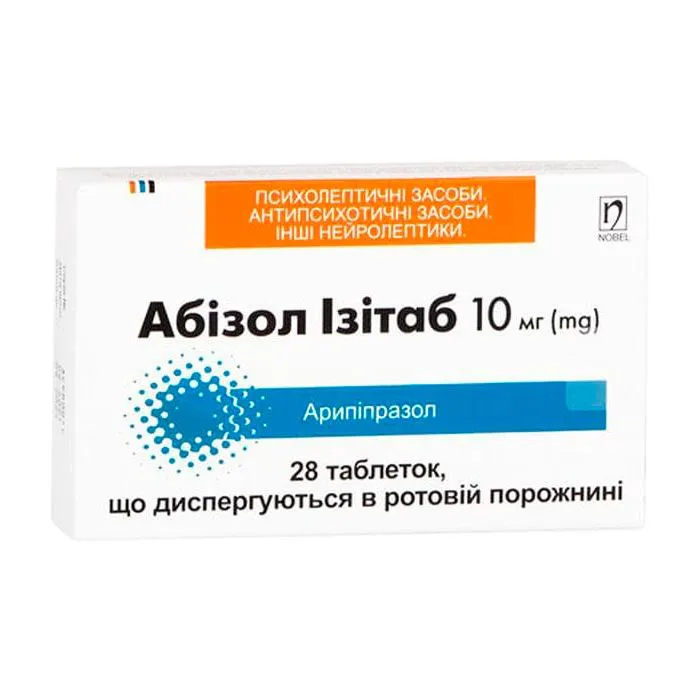
Table of Contents
INSTRUCTIONS FOR MEDICAL USE OF THE MEDICINAL PRODUCT ABIZOL EASYTAB (ABIZOL EASYTAB)
Composition:
Active substance: aripiprazole;
1 tablet contains 10 mg or 15 mg of aripiprazole;
Excipients: calcium silicate, mannitol (E 421), mannitol DC (E 421), crospovidone XL-10, crospovidone CL, colloidal anhydrous silicon dioxide, aspartame (E 951), potassium acesulfame, tartaric acid, yellow iron oxide (E 172) (for the 15 mg dose), red iron oxide (E 172) (for the 10 mg dose), magnesium stearate, cherry flavoring, microcrystalline cellulose.
Pharmaceutical form. Orodispersible tablets.
Main physicochemical properties:
10 mg tablets: round, pink-colored tablets, embossed with "10" on one side;
15 mg tablets: round, yellow-colored tablets, embossed with "15" on one side.
Pharmacotherapeutic group.
Psycholeptics. Antipsychotics. Other neuroleptics.
ATC code N05AX12.
Pharmacological Properties.
Pharmacodynamics.
Mechanism of Action.
The therapeutic effect of aripiprazole in the treatment of schizophrenia and bipolar I disorder is attributable to a combination of partial agonism at dopamine D2 and serotonin 5-HT1a receptors, as well as antagonism at serotonin 5-HT2a receptors. Aripiprazole has been shown to exhibit antagonistic properties in animal models of dopaminergic hyperactivity and agonistic properties in animal models of dopaminergic hypoactivity. Aripiprazole has high in vitro binding affinity for dopamine D2 and D3 receptors, serotonin 5-HT1a and 5-HT2a receptors, and moderate affinity for dopamine D4 receptors, serotonin 5-HT2c and 5-HT7 receptors, α1-adrenergic receptors, and histamine H1 receptors. Aripiprazole also has moderate affinity for serotonin receptors and lacks significant affinity for muscarinic receptors. Interactions with receptors other than dopamine and serotonin subtypes may explain some of the other clinical effects of aripiprazole.
Aripiprazole, administered once daily at doses ranging from 0.5 to 30 mg for 2 weeks in healthy subjects, dose-dependently reduced the binding of 11C-raclopride, a D2/D3 receptor ligand, in the caudate nucleus and putamen as measured by positron emission tomography.
Clinical Efficacy and Safety
Schizophrenia
Aripiprazole is effective in maintaining clinical improvement during continuation of therapy in adult patients who have shown an initial response to treatment.
Weight Gain
It has been established that aripiprazole does not cause clinically significant weight gain.
Lipid Parameters
Aripiprazole does not cause clinically significant changes in total cholesterol, triglycerides, high-density lipoprotein (HDL) cholesterol, or low-density lipoprotein (LDL) cholesterol levels.
Prolactin
Prolactin levels were assessed in all clinical trials across all doses of aripiprazole (n = 28,242). The incidence of hyperprolactinemia or elevated serum prolactin levels in patients receiving aripiprazole (0.3%) was similar to that in the placebo group (0.2%). In patients receiving aripiprazole, the median time to onset was 42 days, and the median duration was 34 days.
The incidence of hypoprolactinemia or decreased serum prolactin levels in patients receiving aripiprazole was 0.4%, compared to 0.02% in patients receiving placebo. In patients receiving aripiprazole, the median time to onset was 30 days, and the median duration was 194 days.
Manic Episodes in Bipolar I Disorder
Aripiprazole demonstrated superior efficacy compared to placebo in reducing manic symptoms over a period of more than 3 weeks.
Pediatric Patients
Schizophrenia in Adolescents
In adolescents aged 13–17 years with schizophrenia and positive or negative symptoms, treatment with aripiprazole was associated with statistically significant greater improvement in psychotic symptoms compared to placebo.
Manic Episodes in Bipolar Disorder in Children and Adolescents
The most commonly observed adverse reactions during treatment in patients receiving 30 mg tablets were: extrapyramidal disorder (28.3%), somnolence (27.3%), headache (23.2%), and nausea (14.1%). The mean weight gain over 30 weeks of treatment was 2.9 kg compared to 0.98 kg in patients receiving placebo.
Irritability Associated with Autistic Disorder in Pediatric Patients (see section "Dosage and Administration")
Clinical studies have demonstrated that aripiprazole is statistically significantly more effective than placebo.
Tics Associated with Tourette’s Disorder in Pediatric Patients (see section "Dosage and Administration")
The clinical significance of efficacy results with aripiprazole treatment in children with Tourette’s disorder has not been established, due to the magnitude of the treatment effect relative to a substantial placebo effect and unclear effects on psychosocial functioning. There are no long-term data on the efficacy and safety of aripiprazole in this fluctuating disorder.
Pharmacokinetics.
Absorption. Aripiprazole is well absorbed, with peak plasma concentration (Cmax) reached within 3–5 hours after administration. Aripiprazole undergoes minimal presystemic metabolism. The absolute oral bioavailability of the drug is 87%. Administration with a high-fat meal does not affect the pharmacokinetics of aripiprazole.
Distribution. Aripiprazole is widely distributed in body tissues. The volume of distribution is 4.9 L/kg, indicating extensive extravascular distribution. At therapeutic doses, aripiprazole and dehydro-aripiprazole are more than 99% bound to serum proteins, primarily albumin.
Biological Transformation. Aripiprazole is extensively metabolized in the liver, primarily via dehydrogenation, hydroxylation, and N-dealkylation. According to in vitro data, the enzymes CYP3A4 and CYP2D6 are responsible for the dehydrogenation and hydroxylation of aripiprazole, while N-dealkylation is catalyzed by CYP3A4. Aripiprazole is the primary active moiety present in systemic circulation. At steady state, dehydro-aripiprazole—the active metabolite—accounts for approximately 40% of the AUC of aripiprazole in plasma.
Elimination. The mean elimination half-life of aripiprazole is approximately 75 hours in CYP2D6 extensive metabolizers and approximately 146 hours in CYP2D6 poor metabolizers.
The total clearance of aripiprazole is 0.7 mL/min/kg, primarily due to hepatic clearance. After a single oral dose of 14C-labeled aripiprazole, approximately 27% was excreted in urine and approximately 60% in feces. Less than 1% of unchanged aripiprazole was excreted in urine, and approximately 18% of unchanged aripiprazole was excreted in feces.
Children
The pharmacokinetic properties of aripiprazole and dehydro-aripiprazole in patients aged 10 to 17 years were similar to those in adults when body weight was taken into account.
Pharmacokinetics in Special Patient Populations.
Elderly Patients. No differences in the pharmacokinetic properties of aripiprazole have been observed between healthy elderly and younger subjects, and there is no notable effect of age on pharmacokinetics in patients with schizophrenia.
Gender. No differences in the pharmacokinetic properties of aripiprazole have been observed between healthy male and female subjects, and there is no notable effect of gender on pharmacokinetics in patients with schizophrenia.
Smoking. Evaluation of patient groups revealed no evidence of clinically significant effects of smoking on the pharmacokinetic properties of aripiprazole.
Race. Evaluation of patient groups revealed no evidence of clinically significant effects of race on the pharmacokinetic properties of aripiprazole.
Renal Impairment. The pharmacokinetic characteristics of aripiprazole and dehydro-aripiprazole were found to be similar in patients with acute renal disease compared to young healthy individuals.
Hepatic Impairment. A clinical study in patients with various degrees of liver cirrhosis (Child-Pugh classes A, B, and C) did not reveal a significant effect of hepatic insufficiency on the pharmacokinetics of aripiprazole and dehydro-aripiprazole; however, the study included only 3 patients with Child-Pugh class C cirrhosis, which is insufficient to draw definitive conclusions.
Clinical characteristics.
Indications.
The medicinal product is indicated for the treatment of schizophrenia in adults and adolescents aged 15 years and older.
The medicinal product is indicated for the treatment of moderate to severe manic episodes in bipolar I disorder, as well as for the prevention of new manic episodes in adults who previously experienced manic episodes and responded to aripiprazole treatment.
The medicinal product may be used in children aged 13 years and older for the treatment of moderate to severe manic episodes of bipolar I disorder, with a treatment duration of up to 12 weeks.
Contraindications.
Hypersensitivity to aripiprazole or to any other component of the medicinal product.
Interaction with other medicinal products and other forms of interaction.
Due to α1-adrenergic receptor antagonism, aripiprazole may enhance the effect of certain antihypertensive agents.
Given the primary effect of aripiprazole on the central nervous system (CNS), caution should be exercised when using aripiprazole concomitantly with alcohol or other medicinal products affecting the CNS, due to possible additive adverse effects such as sedation (see section "Adverse reactions").
Aripiprazole should be used with caution in combination with other medicinal products that prolong the QT interval or disrupt electrolyte balance.
Potential effect of other medicinal products on aripiprazole activity.
The H2-histamine receptor antagonist famotidine, an inhibitor of gastric acid secretion, reduces the rate of aripiprazole absorption; however, this effect is not considered clinically significant. Aripiprazole is metabolized via multiple pathways involving CYP2D6 and CYP3A4 enzymes, but not CYP1A enzymes. Therefore, dose adjustment is not required in smokers.
Quinidine and other CYP2D6 inhibitors.
In clinical studies, it was reported that in healthy volunteers, the potent CYP2D6 inhibitor quinidine increased aripiprazole AUC by 107%, while Cmax remained unchanged. AUC and Cmax of dehydroaripiprazole, the active metabolite, decreased by 32% and 47%, respectively.
The dose of aripiprazole should be reduced by approximately half when administered concomitantly with quinidine. Other potent CYP2D6 inhibitors, such as fluoxetine and paroxetine, are likely to have a similar effect; therefore, dose reduction should be comparable when these agents are used.
Ketoconazole and other CYP3A4 inhibitors.
Studies have shown that potent CYP3A4 inhibitors (e.g., ketoconazole) increased aripiprazole AUC and Cmax by 63% and 37%, respectively. AUC and Cmax of dehydroaripiprazole increased by 77% and 43%, respectively. Concomitant use of potent CYP3A4 inhibitors may lead to increased plasma concentrations of aripiprazole. When using ketoconazole or other potent CYP3A4 inhibitors, the potential benefits and possible risks for the patient should be carefully weighed. When ketoconazole is coadministered, the recommended dose of aripiprazole should be reduced by approximately half. Similar effects are expected with other potent CYP3A4 inhibitors such as itraconazole or HIV protease inhibitors; therefore, dose reduction is also required (see section "Dosage and administration"). After discontinuation of CYP2D6 or CYP3A4 inhibitors, the aripiprazole dose should be increased to the original level. Moderate increases in aripiprazole concentration may be expected when coadministered with weak CYP3A4 inhibitors (e.g., diltiazem) or weak CYP2D6 inhibitors (e.g., escitalopram).
Carbamazepine and other CYP3A4 inducers.
Following concomitant administration with carbamazepine, a potent CYP3A4 inducer, Cmax and AUC of aripiprazole were 68% and 73% lower, respectively, compared to monotherapy with aripiprazole (30 mg). Similarly, Cmax and AUC of dehydroaripiprazole when coadministered with carbamazepine were 69% and 71% lower than with aripiprazole monotherapy.
The dose of aripiprazole should be doubled when administered concomitantly with carbamazepine. Other potent CYP3A4 inducers (such as rifampicin, rifabutin, phenytoin, phenobarbital, primidone, efavirenz, nevirapine, and St John’s wort) are theoretically expected to have a similar effect; therefore, appropriate dose increase is required. After discontinuation of potent CYP3A4 inducers, the aripiprazole dose should be reduced to the recommended level.
Valproate and lithium.
No clinically significant changes in aripiprazole concentration were observed when valproate or lithium was administered concomitantly with aripiprazole; therefore, dose adjustment is not required.
Potential effect of aripiprazole on the activity of other medicinal products.
In clinical studies, aripiprazole at doses of 10–30 mg/day did not cause clinically relevant drug interactions mediated by CYP2D6 (dextromethorphan/3-methoxymorphinan ratio), CYP2C9 (warfarin), CYP2C19 (omeprazole), or CYP3A4 (dextromethorphan). Furthermore, aripiprazole and dehydroaripiprazole have not been shown to affect CYP1A2-mediated metabolism in vitro. Thus, it is unlikely that aripiprazole exerts a clinically significant effect on substances metabolized by this enzyme.
No clinically significant changes in concentrations of valproate, lithium, or lamotrigine were observed when aripiprazole was administered concomitantly with these agents.
Serotonin syndrome.
Cases of serotonin syndrome have been reported in patients receiving aripiprazole, particularly when used concomitantly with other serotonergic agents such as SSRIs (selective serotonin reuptake inhibitors) or SNRIs (selective serotonin/norepinephrine reuptake inhibitors), or with medicinal products that increase aripiprazole concentrations (see section "Adverse reactions").
Special precautions for use.
Improvement in the patient's clinical condition during antipsychotic treatment may take from several days to several weeks. During this period, careful monitoring of patients is required.
Suicidal tendencies. Suicidal behaviour is characteristic of patients with psychotic and mood disorders and has been observed shortly after initiation of antipsychotic medicinal products, including aripiprazole (see section "Adverse reactions"). Antipsychotic therapy should be accompanied by careful monitoring of patients belonging to high-risk groups.
Cardiovascular disorders. Aripiprazole should be used with caution in patients with cardiovascular diseases (history of myocardial infarction or ischemic heart disease, heart failure, or conduction disorders), cerebrovascular diseases, and conditions leading to arterial hypotension (dehydration, hypovolemia, and use of antihypertensive agents) or hypertension, including exacerbation or malignant hypertension. Venous thromboembolism has been reported during treatment with antipsychotics. Before and during treatment with antipsychotics, possible risk factors for venous thromboembolism should be identified and appropriate preventive measures taken.
QT interval prolongation. In clinical trials of aripiprazole, QT interval prolongation has been observed compared to placebo. Aripiprazole, like other antipsychotics, should be used with caution in patients with a history of QT interval prolongation (see section "Adverse reactions").
Tardive dyskinesia. In clinical trials of aripiprazole lasting up to one year, tardive dyskinesia symptoms were infrequently reported. If symptoms of tardive dyskinesia occur during treatment with the medicinal product, the dose should be reduced or the drug discontinued (see section "Adverse reactions"). After discontinuation of therapy, these symptoms may transiently worsen or even emerge following cessation of treatment.
Other extrapyramidal symptoms. In clinical trials of aripiprazole in children, akathisia and parkinsonism were observed. If manifestations or symptoms of other extrapyramidal disorders occur in patients taking aripiprazole, the dose should be reduced and the patient's clinical condition carefully monitored.
Malignant neuroleptic syndrome (MNS). MNS is a potentially life-threatening syndrome associated with antipsychotic medicinal products. Clinical manifestations of MNS include hyperpyrexia (very high body temperature), muscle rigidity, altered mental status, and signs of autonomic instability (irregular pulse or blood pressure, tachycardia, diaphoresis, and cardiac arrhythmia). Additional signs may include elevated creatine kinase levels, myoglobinuria (rhabdomyolysis), and acute renal failure. However, isolated cases of elevated creatine kinase levels and rhabdomyolysis not necessarily associated with MNS have also been observed. If a patient develops symptoms of MNS or unexplained very high body temperature without additional clinical signs of MNS, all antipsychotic medicinal products, including aripiprazole, should be discontinued immediately.
Seizures. Seizures were infrequently reported in clinical trials of aripiprazole. Therefore, aripiprazole should be used with caution in patients with a history of seizures or conditions associated with seizure occurrence (see section "Adverse reactions").
Elderly patients with psychosis associated with dementia.
Increased mortality. In clinical trials of aripiprazole in elderly patients with Alzheimer's disease (mean age − 82 years), an increased risk of death was observed compared to placebo. The mortality rate was 3.5% with aripiprazole versus 1.7% with placebo, with various causes of death: cardiovascular diseases (e.g., heart failure, sudden death), infections (e.g., pneumonia) (see section "Adverse reactions").
Cerebrovascular adverse reactions. In some clinical trials, cardiovascular adverse reactions (e.g., stroke, transient ischemic attacks), including fatal cases (mean age − 84 years, range 78 to 88 years), were reported. Overall, cerebrovascular adverse reactions were reported in 1.3% of patients receiving aripiprazole versus 0.6% of patients receiving placebo. This difference is not statistically significant. Furthermore, in one of these fixed-dose studies, a relationship between aripiprazole use and occurrence of cerebrovascular adverse reactions was observed (see section "Adverse reactions").
Aripiprazole is not indicated for the treatment of psychosis associated with dementia.
Hyperglycemia and diabetes mellitus. Hyperglycemia, in some cases extremely severe and associated with ketoacidosis or hyperosmolar coma, including fatal outcomes, has been reported in patients taking atypical antipsychotics, including aripiprazole. Risk factors for severe complications include obesity and family history of diabetes. In clinical trials, aripiprazole did not show significant differences in frequency of hyperglycemia-related disorders (including diabetes) or pathological laboratory glucose parameters compared to placebo. There is no precise comparative assessment of risks of adverse reactions related to hyperglycemia in patients taking aripiprazole versus other atypical antipsychotics. Careful monitoring of patients taking any antipsychotics, including aripiprazole, is required, with attention to symptoms of hyperglycemia (such as polydipsia, polyuria, polyphagia, and weakness). Patients with diabetes or risk factors for diabetes development should be regularly monitored for increased glucose levels (see section "Adverse reactions").
Hypersensitivity. As with other medicinal products, hypersensitivity reactions, manifesting as allergic symptoms, may occur during aripiprazole use (see section "Adverse reactions").
Weight gain. Weight gain is frequently observed in patients with schizophrenia or bipolar disorder manic episodes due to comorbid conditions, use of other weight-gain-inducing antipsychotics, lifestyle, and may lead to serious complications. In the post-marketing period, weight gain has been observed in patients taking aripiprazole. These patients have significant risk factors, such as history of diabetes, thyroid disorders, or pituitary adenoma. In clinical trials of aripiprazole in adults, clinically significant weight gain was not observed (see section "Pharmacological properties"). In clinical trials of aripiprazole in adolescents with bipolar disorder manic episodes, weight gain associated with aripiprazole use was observed after 4 weeks of treatment. Body weight should be monitored in adolescents with bipolar disorder manic episodes. If significant weight gain occurs, consideration should be given to possible dose reduction (see section "Adverse reactions").
Dysphagia. Antipsychotics, including aripiprazole, may cause esophageal motility disorders and aspiration; therefore, aripiprazole should be used with caution in patients at increased risk of aspiration pneumonia.
Pathological gambling and other impulse control disorders.
Patients may experience increased episodes of pathological gambling and inability to control these impulses during aripiprazole treatment. Hypersexuality, compulsive shopping, binge eating or uncontrolled food intake, and other impulsive and compulsive behaviours have also been reported. It is important that physicians inform patients about the development of new or aforementioned disorders during aripiprazole treatment. It should be noted that impulse control symptoms may be related to the underlying disorder; however, cessation of impulses has sometimes been reported upon dose reduction or discontinuation of treatment. Impulse control disorders may harm the patient and others if not recognized. If such tendencies develop during aripiprazole treatment, consideration should be given to dose reduction or discontinuation of treatment (see section "Adverse reactions").
Patients with comorbid ADHD (attention deficit hyperactivity disorder). Despite the high prevalence of comorbid conditions such as bipolar I disorder and ADHD, data on the safety of concomitant use of aripiprazole and stimulants are very limited; therefore, extreme caution is required when prescribing these agents together.
Falls. Aripiprazole may cause somnolence, orthostatic hypotension, and motor or sensory instability, which may lead to falls. Caution should be exercised when treating patients at increased risk, and treatment should be initiated with lower starting doses (e.g., in elderly or debilitated patients; see section "Dosage and administration").
Use during pregnancy or breastfeeding.
Pregnancy.
Adequate controlled studies of aripiprazole in pregnant women have not been conducted. Congenital anomalies have been reported; however, a causal relationship with aripiprazole use has not been established. Available animal data do not allow exclusion of embryofetotoxicity. Patients should inform their physician if pregnancy occurs or is planned during aripiprazole treatment. Due to insufficient information on the safety of aripiprazole use during pregnancy, it should be prescribed only when the expected benefit to the pregnant woman outweighs the potential risk to the fetus.
Newborns whose mothers have taken antipsychotics (including aripiprazole) during the third trimester of pregnancy may experience adverse reactions, including extrapyramidal symptoms and/or withdrawal syndrome, which may vary in severity and duration. Cases of agitation, increased or decreased muscle tone, tremor, somnolence, respiratory disorders, or feeding problems have been reported. Therefore, newborns should be carefully monitored.
Lactation period.
Aripiprazole is excreted in breast milk. A decision should be made whether to discontinue breastfeeding or to discontinue/abstain from aripiprazole therapy, taking into account the benefit of breastfeeding for the child and the benefit of therapy for the woman.
Fertility.
According to reproductive toxicity studies, aripiprazole does not affect fertility.
Ability to influence reaction speed when driving vehicles or operating machinery.
Aripiprazole has a negligible or moderate influence on the ability to drive vehicles or operate machinery due to its potential effects on the nervous system and visual organs and the occurrence of adverse reactions such as sedation, somnolence, syncope, blurred vision, and diplopia (see section "Adverse reactions").
Dosage and Administration
Adults
Schizophrenia. The recommended initial dose is 10 or 15 mg/day, with a maintenance dose of 15 mg/day. This dose should be taken once daily, regardless of food intake. The drug is effective within a dosage range of 10 to 30 mg/day. Increased efficacy with doses exceeding 15 mg/day has not been demonstrated, although some patients may benefit from higher doses. The maximum daily dose should not exceed 30 mg.
Manic episodes in bipolar I disorder. The recommended initial dose is 15 mg once daily, regardless of food intake. The drug may be administered as monotherapy or as part of combination therapy (see section "Pharmacological Properties"). Dose increases may be effective for some patients. The maximum daily dose should not exceed 30 mg.
Prevention of new manic episodes in bipolar I disorder. To prevent recurrence of manic episodes in patients previously treated with aripiprazole as monotherapy or in combination therapy, continue treatment at the same dose. Dose adjustments, including dose reduction, may be considered based on the patient's clinical condition.
Children.
Schizophrenia in adolescents aged 15 years and older. The recommended initial dose is 10 mg/day, taken once daily regardless of food intake. Treatment should be initiated at 2 mg (using Abizol oral solution 1 mg/mL) for 2 days, then titrated to 5 mg over the next 2 days, to reach the recommended daily dose of 10 mg. Subsequent dose increases, if necessary, should be in 5 mg increments, not exceeding the maximum daily dose of 30 mg (see section "Pharmacological Properties"). Abizol is effective in the dose range of 10 mg/day to 30 mg/day. Increased efficacy with doses exceeding 10 mg/day has not been demonstrated, although some patients may benefit from higher doses.
Abizol is not recommended for patients under 15 years of age with schizophrenia due to insufficient data on safety and efficacy (see sections "Adverse Reactions" and "Pharmacological Properties").
Manic episodes in bipolar I disorder in adolescents aged 13 years and older. The recommended dose is 10 mg once daily, regardless of food intake. Treatment should be initiated at 2 mg (using Abizol oral solution 1 mg/mL) for 2 days, then titrated to 5 mg over the next 2 days, to reach the recommended daily dose of 10 mg. The duration of treatment should be the minimum necessary to control symptoms and should not exceed 12 weeks. Increased efficacy with doses exceeding 10 mg/day has not been demonstrated, and a daily dose of 30 mg is associated with a significantly higher incidence of serious adverse reactions, including extrapyramidal symptoms, somnolence, fatigue, and weight gain (see section "Adverse Reactions"). Therefore, doses exceeding 10 mg/day should be used only in exceptional cases and under close clinical monitoring (see sections "Special Warnings and Precautions for Use", "Adverse Reactions", and "Pharmacological Properties"). Younger patients have an increased risk of adverse reactions associated with aripiprazole. Therefore, Abizol is not recommended for patients under 13 years of age (see sections "Adverse Reactions" and "Pharmacological Properties").
Agitation associated with autism. The safety and efficacy of aripiprazole in children and adolescents under 18 years of age have not been established. Available data are insufficient to provide dosage recommendations (see section "Pharmacological Properties").
Tic disorders associated with Tourette's syndrome. The safety and efficacy of aripiprazole in children and adolescents aged 6 to 18 years have not yet been established. Available data are insufficient to provide dosage recommendations (see section "Pharmacological Properties").
Special Patient Populations
Patients with hepatic impairment. Dose adjustment is not required in patients with mild to moderate hepatic impairment. Insufficient data are available to provide recommendations for patients with severe hepatic impairment. Dose selection should be cautious in these patients. The maximum daily dose of 30 mg should be used with caution in patients with severe hepatic impairment (see section "Pharmacological Properties").
Patients with renal impairment. Dose adjustment is not required in patients with renal impairment.
Elderly patients. The efficacy of the drug in the treatment of schizophrenia and bipolar I disorder in patients aged 65 years and older has not been established. Due to the potentially higher sensitivity of this patient population, consideration should be given to initiating treatment with lower doses, if permitted by other clinical factors (see section "Special Warnings and Precautions for Use").
Gender. Dose adjustment based on patient gender is not required (see section "Pharmacological Properties").
Smoking. Due to the metabolic pathway of aripiprazole, dose adjustment is not required for smokers (see section "Interaction with Other Medicinal Products and Other Forms of Interaction").
Dose adjustment due to drug interactions. When administered concomitantly with strong inhibitors of CYP3A4 or CYP2D6, the dose of aripiprazole should be reduced. If a CYP3A4 or CYP2D6 inhibitor is discontinued from combination therapy, the dose of aripiprazole should be increased (see section "Interaction with Other Medicinal Products and Other Forms of Interaction").
When administered concomitantly with strong inducers of CYP3A4, the dose of aripiprazole should be increased. If a CYP3A4 inducer is discontinued from combination therapy, the dose of aripiprazole should be reduced to the recommended dose (see section "Interaction with Other Medicinal Products and Other Forms of Interaction").
Administration
The drug is intended for oral administration.
Place the tablet on the tongue, where it rapidly disperses in saliva. The tablet may be taken with or without liquid. It is difficult to remove the tablet from the oral cavity intact. Since the tablet is fragile, it should be taken immediately after opening the blister. Alternatively, the tablet may be dispersed in water and the resulting suspension swallowed.
Orodispersible tablets may be used as an alternative to other dosage forms for patients who have difficulty swallowing (see section "Pharmacological Properties").
Children.
The drug is indicated for the treatment of schizophrenia in adolescents aged 15 years and older, and for the treatment of moderate to severe manic episodes in bipolar I disorder in adolescents aged 13 years and older for up to 12 weeks (see section "Dosage and Administration"). Treatment should be initiated at a dose of 2 mg using Abizol oral solution 1 mg/mL.
Overdose.
Signs and Symptoms
Cases of intentional or accidental acute overdose of aripiprazole in adults with doses up to 1260 mg have been reported without fatal outcome. Potentially clinically significant observed symptoms included lethargy, increased blood pressure, somnolence, tachycardia, nausea, vomiting, and diarrhea. Additionally, data on accidental overdose with aripiprazole alone (up to 195 mg) in children have been reported without fatal outcome. Potentially clinically significant observed symptoms included somnolence, transient loss of consciousness, and extrapyramidal symptoms.
Treatment
Management of overdose should include supportive care, ensuring airway patency, oxygenation, mechanical ventilation, and symptom monitoring. Multiple drug overdose should be considered; therefore, immediate cardiovascular monitoring is required, including continuous ECG monitoring to detect possible arrhythmias. After confirmed or suspected aripiprazole overdose, careful medical supervision and monitoring are necessary until the patient recovers.
Activated charcoal (50 g), administered one hour after aripiprazole intake, reduced the Cmax of aripiprazole by approximately 41% and the AUC by approximately 51%, indicating potential efficacy of activated charcoal in overdose management.
Hemodialysis
Although information on the effect of hemodialysis in aripiprazole overdose is lacking, hemodialysis is unlikely to be beneficial in treating overdose, as aripiprazole is highly protein-bound in plasma.
Adverse Reactions
Summary of safety profile.
The most commonly observed adverse reactions were akathisia and nausea. Each of these symptoms occurred in more than 3% of patients treated with oral aripiprazole.
List of adverse reactions
The table below lists adverse events observed during clinical trials and post-marketing use of aripiprazole.
All adverse reactions are classified by system organ class and frequency as follows: very common (≥1/10), common (≥1/100 to <1/10), uncommon (≥1/1,000 to <1/100), rare (≥1/10,000 to <1/1,000), very rare (<1/10,000), and frequency not known (cannot be estimated from the available data). Within each frequency grouping, adverse reactions are listed in order of decreasing seriousness.
The frequency of adverse reactions reported during the post-marketing period cannot be precisely estimated because they are derived from spontaneous reports; therefore, the frequency of these adverse reactions is classified as not known.
| Common |
Uncommon |
Frequency not known |
|
| Blood and lymphatic system disorders |
leucopenia, neutropenia, thrombocytopenia |
||
| Immune system disorders |
allergic reactions (e.g. anaphylactic reactions, angioedema, including tongue swelling, tongue swelling, facial swelling, itching or urticaria) |
||
| Endocrine disorders |
hyperprolactinaemia, decreased prolactin blood levels |
diabetic hyperosmolar coma, diabetic ketoacidosis |
|
| Metabolism and nutrition disorders |
diabetes mellitus |
hyperglycaemia |
hyponatraemia, anorexia, |
| Psychiatric disorders |
insomnia, agitation, restlessness |
depression, hypersexuality |
suicide attempt, suicidal ideation and suicide (see section "Special precautions"), pathological gambling, impulse control disorders, compulsive overeating, irresistible urge to shop, kleptomania, aggression, agitation, nervousness |
| Nervous system disorders |
akathisia, extrapyramidal disorders, tremor, headache, sedative effect, somnolence, dizziness |
late dyskinesia, dystonia, restless legs syndrome |
neuroleptic malignant syndrome (NMS), grand mal seizure, serotonin syndrome, speech disorder |
| Eye disorders |
blurred vision |
diplopia, photophobia |
glaucoma crisis |
| Cardiac disorders |
tachycardia |
sudden death, torsades de pointes ventricular tachycardia, ventricular arrhythmia, cardiac arrest, bradycardia |
|
| Vascular disorders |
orthostatic hypotension |
venous thromboembolism (including pulmonary embolism and deep vein thrombosis), hypertension, syncope |
|
| Respiratory, thoracic and mediastinal disorders |
hiccups |
aspiration pneumonia, laryngospasm, oropharyngeal spasm |
|
| Gastrointestinal disorders |
constipation, dyspepsia, nausea, vomiting, hypersalivation |
pancreatitis, dysphagia, diarrhoea, abdominal discomfort, stomach discomfort |
|
| Hepatobiliary disorders |
hepatic failure, hepatitis, jaundice |
||
| Skin and subcutaneous tissue disorders |
rash, photosensitivity reactions, alopecia, increased sweating, drug reaction with eosinophilia and systemic symptoms (DRESS) |
||
| Musculoskeletal and connective tissue disorders |
rhabdomyolysis, myalgia, muscle rigidity |
||
| Renal and urinary disorders |
urinary incontinence, urinary retention |
||
| Pregnancy, postpartum and perinatal conditions |
drug withdrawal syndrome in newborns (see section "Use in pregnancy and breastfeeding") |
||
| Reproductive system and breast disorders |
priapism |
||
| General disorders and administration site conditions |
fatigue |
temperature regulation disorders (e.g. hypothermia, hyperthermia), chest pain, peripheral oedema |
|
| Investigations |
weight gain, weight loss, increased alanine aminotransferase (ALT) levels, increased aspartate aminotransferase (AST) levels, increased gamma-glutamyltransferase (GGT) levels, increased alkaline phosphatase levels, QT interval prolongation, increased blood glucose levels, increased glycated haemoglobin levels, blood glucose fluctuations, increased creatine phosphokinase levels |
Description of individual adverse reactions
Extrapyramidal symptoms (EPS)
Schizophrenia. In a 52-week controlled study in patients receiving aripiprazole, the incidence of EPS, including parkinsonism, akathisia, dystonia, and dyskinesia, was lower (25.8%) compared to patients receiving haloperidol (57.3%). In a long-term 26-week placebo-controlled study, the incidence of EPS was 19% in patients treated with aripiprazole and 13.1% in patients receiving placebo. In another 26-week controlled study, the incidence of EPS was 14.8% in patients receiving aripiprazole and 15.1% in patients receiving olanzapine.
Manic episodes in bipolar I disorder. In a 12-week controlled study, the incidence of EPS was 23.5% in patients treated with aripiprazole and 53.3% in patients receiving haloperidol. In another 12-week study, the incidence of EPS was 26.6% in patients receiving aripiprazole and 17.6% in patients receiving lithium. In the long-term 26-week placebo-controlled extension phase of the study, the incidence of EPS was 18.2% in patients receiving aripiprazole and 15.7% in patients receiving placebo.
Akathisia
In placebo-controlled studies, the incidence of akathisia in patients with bipolar disorder was 12.1% with aripiprazole treatment and 3.2% in the placebo group. In patients with schizophrenia, the incidence of akathisia was 6.2% with aripiprazole and 3.0% in the placebo group.
Dystonia
Class effect of medicinal products: in susceptible patients, symptoms of dystonia, characterized by prolonged muscle contractions, may occur during the first few days of treatment. Symptoms of dystonia include neck muscle spasms, sometimes progressing to throat tightness, difficulty swallowing, breathing difficulties, and/or protrusion of the tongue. Although these symptoms may occur at low doses, they are more frequent and severe at higher doses of first-generation antipsychotics. The risk of acute dystonia is higher in males and younger patients.
Prolactin
In clinical trials conducted for approved indications and during the post-marketing period, both increases and decreases in serum prolactin levels were observed compared to baseline levels (see section "Pharmacological properties").
Laboratory parameters
Comparison of laboratory parameters (including lipid profile) in patients receiving aripiprazole and placebo did not reveal potentially clinically significant differences. Increased creatine phosphokinase (CPK) levels, mostly transient and asymptomatic, were observed in 3.5% of patients taking aripiprazole, compared to 2.0% in the placebo group.
Paediatric patients
Schizophrenia in adolescents aged 15 years and older
In a short-term placebo-controlled clinical study involving 302 adolescents (aged 13 to 17 years) with schizophrenia, the frequency and type of adverse reactions were similar to those in adults, except for the following reactions observed more frequently in adolescents than in adults receiving aripiprazole (more frequently than with placebo): somnolence/sedation and extrapyramidal disorders (very common), as well as dry mouth, increased appetite, and orthostatic hypotension (common).
The safety profile identified in a 26-week open-label study was similar to that observed in the short-term placebo-controlled study.
The safety profile identified in a long-term double-blind placebo-controlled clinical study was also similar, except for the following adverse reactions which occurred commonly and more frequently in children and adolescents compared to the placebo group: weight decrease, increased blood insulin levels, arrhythmia, and leucopenia.
In the pooled group of adolescents with schizophrenia aged 13–17 years exposed to the drug for up to 2 years, the frequency of decreased prolactin levels in girls (< 3 ng/mL) and boys (< 2 ng/mL) was 29.5% and 48.3%, respectively.
In adolescents with schizophrenia aged 13–17 years receiving 5 to 30 mg of aripiprazole for up to 72 months, the frequency of decreased prolactine levels in girls (< 3 ng/mL) and boys (< 2 ng/mL) was 25.6% and 45.0%, respectively.
In two clinical studies involving adolescents (aged 13–17 years) with schizophrenia and bipolar disorder receiving aripiprazole, the frequency of decreased prolactin levels in girls (< 3 ng/mL) and boys (< 2 ng/mL) was 37.0% and 59.4%, respectively.
Manic episodes in bipolar I disorder in adolescents aged 13 years and older
The frequency and type of adverse reactions in adolescents with bipolar I disorder were similar to those in adults, except for the following adverse reactions: very common (≥ 1/10) – somnolence (23.0%), extrapyramidal disorders (18.4%), akathisia (16.0%), and fatigue (11.8%); common (≥ 1/100, <1/10) – upper abdominal pain, palpitations, weight gain, increased appetite, muscle twitching, and dyskinesia.
Adverse reactions possibly dose-dependent: extrapyramidal disorders (incidence with aripiprazole 10 mg – 9.1%, 30 mg – 28.8%, placebo – 1.7%); akathisia (incidence with aripiprazole 10 mg – 12.1%, 30 mg – 20.3%, placebo – 1.7%).
The mean change in body weight in adolescents with bipolar I disorder at week 12 and week 30 of aripiprazole treatment was 2.4 kg and 5.8 kg, respectively, compared to 0.2 kg and 2.3 kg in the placebo group.
Somnolence and fatigue were observed more frequently in paediatric patients with bipolar disorder compared to those with schizophrenia.
In paediatric patients aged 10–17 years exposed to the drug for up to 30 weeks, the frequency of decreased prolactin levels in girls (< 3 ng/mL) and boys (< 2 ng/mL) was 28.0% and 53.3%, respectively.
Pathological gambling and other impulse control disorders
Patients taking aripiprazole may experience pathological gambling, increased libido (hypersexuality), compulsive shopping, and compulsive overeating (see section "Special warnings and precautions for use").
Shelf life.
3 years.
Storage conditions.
Store at a temperature not exceeding 25 °C in the original packaging.
Keep out of the reach of children.
Packaging.
7 tablets in a blister, 4 blisters in a cardboard box.
Prescription category. Prescription only.
Manufacturer.
Nobel Ilac Sanai ve Ticaret A.S.
Manufacturer's address and location of operations.
Sankaklar Quarter, Eskisehir Yolu Akcakoca Highway No: 299, 81100 Duzce, Turkey.