Setaloft 50 mg
Poland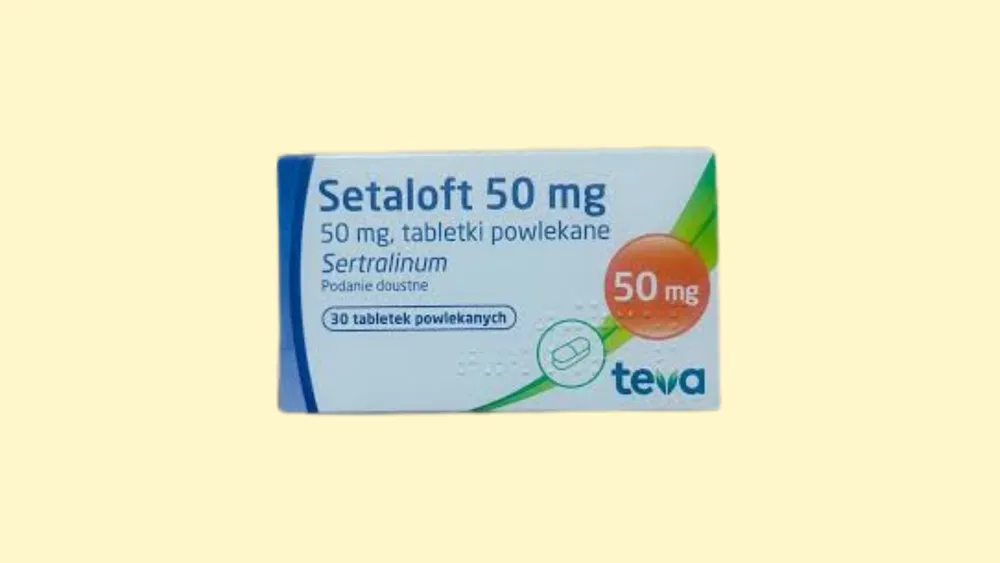
Table of Contents
Package leaflet: Information for the patient
Setaloft 50 mg, 50 mg, film-coated tablets
Setaloft 100 mg, 100 mg, film-coated tablets
Sertralinum
Please read this leaflet carefully before taking this medicine, as it contains
important information for you.
- Keep this leaflet as you may need to read it again.
- If you have any further questions, please ask your doctor or pharmacist.
- This medicine has been prescribed for a specific individual. Do not pass it on to others. It may harm other people, even if their symptoms are the same.
- If you experience any adverse reactions, including any not listed in this leaflet, tell your doctor or pharmacist. See section 4.
Contents of the leaflet
- What Setaloft is and what it is used for
- Important information before taking Setaloft
- How to take Setaloft
- Possible side effects
- How to store Setaloft
- Contents of the pack and other information
1. What Setaloft is and what it is used for
Setaloft contains the active substance sertraline. Sertraline belongs to a group of medicines known as selective serotonin reuptake inhibitors (SSRIs); these medicines are used in the treatment of depressive disorders and (or) anxiety disorders.
Setaloft may be used in the treatment of:
- depression and prevention of recurrence of depression (in adults)
- social anxiety disorder (in adults)
- post-traumatic stress disorder (PTSD) (in adults)
- panic disorder (in adults)
- obsessive-compulsive disorder (OCD) (in adults and children and adolescents aged 6–17 years).
Depression is an illness in which the patient feels sadness, has difficulty sleeping, or is unable to experience joy in life.
Obsessive-compulsive disorder (OCD) and panic disorder are anxiety-related conditions, characterized by persistent feelings of anxiety due to intrusive thoughts (obsessions), leading to repetitive rituals (compulsions).
Post-traumatic stress disorder (PTSD) is a condition that may occur following a severe emotional shock or traumatic experience, and is characterized by symptoms similar to those of depression and anxiety.
Social anxiety disorder (social phobia) is characterized by intense fear or stress in social situations (such as talking to strangers, speaking in front of a group, eating or drinking in the presence of others, or worrying about potentially embarrassing behavior).
Your doctor has decided that this medicine is suitable for treating your condition.
You should consult your doctor if you are unsure why you are taking Setaloft.
2. Important information before using Setaloft
When not to use Setaloft:
- If the patient is allergic to sertraline or any of the other ingredients of this medicine (listed in section 6).
- If the patient is currently taking or has recently taken monoamine oxidase inhibitors (MAO inhibitors, e.g. selegiline, moclobemide) or medicines similar to MAO inhibitors (e.g. linezolid). At least one week must pass after stopping sertraline before starting treatment with an MAO inhibitor. At least two weeks must pass after stopping treatment with an MAO inhibitor before starting sertraline.
- If the patient is taking pimozide (a medicine used to treat psychiatric disorders such as psychosis).
Warnings and precautions
Before starting Setaloft, discuss this with your doctor or pharmacist.
Medicines are not suitable for everyone. You should tell your doctor before taking Setaloft if the patient has or has previously had any of the following conditions:
-
Epilepsy or a history of seizures. If a seizure occurs, contact your doctor immediately.
-
A history of bipolar disorder (manic depression) or schizophrenia. If a manic episode occurs, contact your doctor immediately.
-
Current or past thoughts of self-harm or suicide (see below: “Suicidal thoughts and worsening of depression or anxiety disorders”).
-
Serotonin syndrome or neuroleptic malignant syndrome. These syndromes may rarely occur in patients taking other medicines at the same time as sertraline (symptoms, see section 4. “Possible side effects”). Your doctor should ask whether you have experienced such a condition in the past.
-
Low sodium levels in the blood, which may occur during treatment with Setaloft. You should also inform your doctor if you are taking medicines used to treat high blood pressure, as these may also affect blood sodium levels.
-
If the patient is elderly, as they may be more susceptible to reduced blood sodium levels (see above).
-
Liver disease; your doctor may decide to reduce the dose of Setaloft.
-
Diabetes; Setaloft may affect blood glucose levels, so dosage adjustments of antidiabetic medicines may be necessary.
-
A history of bleeding disorders (tendency to bruise easily) or if the patient is pregnant (see “Pregnancy, breastfeeding and fertility”), and/or previous use of blood-thinning medicines (such as acetylsalicylic acid or warfarin) or medicines that may increase the risk of bleeding.
-
Children or adolescents under 18 years of age. Setaloft may be used in children aged 6 to 17 years only for the treatment of obsessive-compulsive disorder. Patients being treated for this condition should be closely monitored by a doctor (see below: “Use in children and adolescents”).
-
Electroconvulsive therapy (ECT).
-
Eye problems, such as certain types of glaucoma (increased pressure in the eye).
-
Sertraline may cause false positive results in urine screening tests for benzodiazepines. This effect may persist for several days after discontinuation of sertraline.
-
If the patient has been diagnosed with heart rhythm problems on ECG (electrocardiogram), known as prolonged QT interval.
-
If the patient has heart disease, low potassium or magnesium levels, a family history of prolonged QT interval, bradycardia, and is concurrently taking medicines that prolong the QT interval.
Psychomotor agitation/Akathisia
Sertraline has been associated with the development of psychomotor agitation and an urge to move, often with an inability to sit still or remain motionless (akathisia). This condition usually occurs within the first few weeks of treatment. Contact your doctor if symptoms worsen when increasing the dose, as this may be harmful in patients experiencing such symptoms.
Withdrawal symptoms
Adverse effects (withdrawal symptoms) often occur after stopping treatment, especially if treatment is stopped abruptly (see section 3. “Stopping Setaloft” and section 4. “Possible side effects”). The risk of withdrawal symptoms depends on the duration of treatment, dose, and speed of dose reduction. These symptoms are usually mild or moderate in intensity. However, in some patients, they may be severe. They typically occur within the first few weeks after stopping treatment and usually resolve spontaneously within 2 weeks. However, in some patients, they may persist longer (for 2–3 months or more).
If treatment with sertraline is to be discontinued, it is recommended to gradually reduce the dose over several weeks or months, and to consult your doctor about the best way to stop treatment.
Suicidal thoughts, worsening of depression or anxiety disorders
Patients with depression and/or anxiety disorders may sometimes have thoughts of self-harm or suicide. These symptoms or behaviours may worsen at the beginning of treatment with antidepressants, as these medicines usually take 2 weeks or longer to start working.
This may be more likely in:
- Patients who have previously had thoughts of self-harm or suicide.
- Young adult patients. Clinical trial data show an increased risk of suicidal behaviour in individuals under 25 years of age with psychiatric disorders treated with antidepressants. If the patient experiences thoughts of self-harm or suicide, contact a doctor immediately or go to hospital. It may be helpful to inform family members or friends about the depression or anxiety disorder and ask them to read this leaflet. The patient may ask them to inform him or her if they notice worsening depression or anxiety or concerning changes in behaviour.
Sexual dysfunction
Medicines such as Setaloft (so-called SSRIs) may cause symptoms of sexual dysfunction (see section 4). In some cases, these symptoms may persist after stopping treatment.
Children and adolescents
Setaloft should not be used in children and adolescents under 18 years of age, except for patients with obsessive-compulsive disorder. It should also be emphasized that patients under 18 years of age taking medicines of this class are at increased risk of side effects such as suicide attempts, thoughts of self-harm or suicide (suicidal thoughts), and hostility (particularly aggression, defiant behaviour, and expressions of anger). Nevertheless, a doctor may prescribe Setaloft to patients under 18 years of age if they consider it to be in their best interest. If your doctor has prescribed Setaloft to a patient under 18 years of age and you have any doubts, please consult the prescribing doctor. Furthermore, if any of the symptoms listed above appear or worsen during treatment with Setaloft, inform your doctor.
In a long-term observational study lasting 3 years involving over 900 children aged 6 to 16 years, the long-term safety of sertraline was evaluated with regard to its effects on growth, maturation, learning (cognitive functions), and behaviour. Overall, study results showed that children treated with sertraline developed normally, except for a small increase in body weight in children treated with higher doses.
Setaloft with other medicines
Tell your doctor or pharmacist about all medicines the patient is currently taking or has recently taken, as well as any medicines they plan to take.
Some medicines may affect how Setaloft works, or Setaloft may reduce the effectiveness of other medicines taken at the same time.
Taking Setaloft together with the following medicines may cause serious side effects
- Medicines that are monoamine oxidase inhibitors (MAOIs), e.g. moclobemide (used to treat depression), selegiline (used to treat Parkinson’s disease), the antibiotic linezolid, and methylene blue (used to treat high levels of methemoglobin in the blood). Do not take Setaloft together with these medicines.
- Medicines used to treat psychiatric disorders (pimozide). Do not take Setaloft together with pimozide.
The patient should inform the doctor if they are taking the following medicines
- Medicines containing amphetamines (used to treat symptoms of attention deficit hyperactivity disorder (ADHD), narcolepsy, and obesity).
- Herbal medicines containing St. John’s wort (Hypericum perforatum). The effect of St. John’s wort may last for 1–2 weeks.
- Products containing the amino acid tryptophan.
- Medicines used to treat severe or chronic pain (opioids, such as tramadol, fentanyl).
- Medicines used in anaesthesia (such as: fentanyl, mivacurium, and suxamethonium).
- Medicines used to treat migraines (such as: sumatriptan).
- Medicines that prevent blood clotting (warfarin).
- Medicines used to treat joint pain/inflammation (such as metamizole, non-steroidal anti-inflammatory drugs (NSAIDs), e.g. ibuprofen, acetylsalicylic acid).
- Sedatives (diazepam).
- Diuretics (so-called water tablets).
- Medicines used to treat epilepsy (phenytoin, phenobarbital, carbamazepine).
- Medicines used to treat diabetes (tolbutamide).
- Medicines used to treat excessive stomach acid, peptic ulcer disease, and heartburn (cimetidine, omeprazole, lansoprazole, pantoprazole, rabeprazole).
- Medicines used to treat mania and depression (lithium).
- Other medicines used to treat depression (e.g. amitriptyline, nortriptyline, nefazodone, fluoxetine, fluvoxamine).
- Medicines used to treat schizophrenia and other psychiatric disorders (such as perphenazine, levomepromazine, and olanzapine).
- Medicines used to treat high blood pressure, chest pain, or to regulate heart rate and rhythm (such as: verapamil, diltiazem, flecainide, propafenone).
- Medicines used to treat bacterial infections (such as: rifampicin, clarithromycin, telithromycin, erythromycin).
- Medicines used to treat fungal infections (such as: ketoconazole, itraconazole, posaconazole, voriconazole, fluconazole).
- Medicines used to treat HIV/AIDS and hepatitis C infection (protease inhibitors, such as ritonavir, telaprevir).
- Medicines used to prevent nausea and vomiting after surgery or chemotherapy (aprepitant).
- Antiplatelet medicines (ticlopidine).
- Medicines that increase the risk of changes in the heart’s electrical activity (such as: antipsychotics and antibiotics).
Setaloft with food, drink and alcohol
Tablets can be taken with or without food.
Do not drink alcohol while taking Setaloft.
Do not take Setaloft with grapefruit juice, as this may increase the concentration of sertraline in the body.
Pregnancy, breastfeeding and fertility
If the patient is pregnant or breastfeeding, suspects she may be pregnant, or is planning to have a child, she should consult her doctor or pharmacist before using this medicine.
The safety of sertraline use in pregnant women has not been fully established. The medicine may be used in pregnant women only if, in the doctor’s opinion, the benefits to the mother outweigh the potential risks to the developing child.
Taking Setaloft late in pregnancy may increase the risk of serious vaginal bleeding shortly after delivery, especially if the patient has a history of bleeding disorders. If the patient is taking Setaloft, she should inform her doctor or midwife so they can provide appropriate advice. Medicines such as Setaloft (selective serotonin reuptake inhibitors - SSRIs), when taken by women during pregnancy, particularly in the third trimester, may increase the risk of a serious condition in the newborn called persistent pulmonary hypertension of the newborn (PPHN), which causes rapid breathing and skin blueness in the baby. These symptoms usually occur within the first day of the baby’s life. If this happens, contact the midwife and/or doctor immediately.
The newborn of a patient taking Setaloft may also have other problems, which usually begin within 24 hours of birth. Symptoms include:
- Breathing difficulties
- Bluish skin or skin that is too hot or too cold
- Bluish lips
- Vomiting or feeding problems
- Extreme tiredness, sleeping problems, constant crying
- Muscle stiffness or floppiness
- Tremors, shivers, or seizures
- Increased reflexes
- Irritability
- Low blood sugar levels. If any symptoms occur in the patient’s newborn immediately after birth or if the patient is concerned about the baby’s health, she should contact a doctor or midwife for advice.
There is evidence that sertraline is excreted into human milk. The medicine may be used in women during breastfeeding if, in the doctor’s opinion, the benefits to the mother outweigh the potential risks to the child.
Animal studies have shown that some medicines, such as sertraline, may reduce sperm quality. This effect has not been observed in humans so far, although it is theoretically possible.
Driving and operating machinery
Psychotropic medicines such as sertraline may affect the ability to drive or operate machinery. Do not drive or operate machinery until you know how the medicine affects the patient’s ability to perform these activities.
Setaloft contains lactose and sodium
If the patient has been diagnosed with an intolerance to certain sugars, consult a doctor before taking this medicine.
This medicine contains less than 1 mmol (23 mg) of sodium per tablet, meaning the medicine is considered “sodium-free”.
3. How to use Setaloft
This medicine should always be used exactly as directed by a doctor or pharmacist. If in doubt,
consult a doctor or pharmacist.
Recommended dose of Setaloft
Adults
Depression and obsessive-compulsive disorder
The usual effective dose in the treatment of depression and OCD is 50 mg once daily. The daily dose
may be increased gradually by 50 mg at intervals of at least one week, over several weeks. The maximum
recommended dose is 200 mg per day.
Panic disorder, social anxiety disorder, and post-traumatic stress disorder
Treatment of panic disorder, social anxiety disorder, and post-traumatic stress disorder should be
initiated at a dose of 25 mg once daily. After one week, the dose should be increased to 50 mg once daily.
The daily dose may then be increased gradually by 50 mg at a time, over several weeks. The maximum
recommended dose is 200 mg per day.
Use in children and adolescents
Setaloft may be used in children and adolescents aged 6 to 17 years only for the treatment of
obsessive-compulsive disorder.
Obsessive-compulsive disorder
Children aged 6 to 12 years: The recommended starting dose is 25 mg once daily.
After one week, the doctor may increase the dose to 50 mg once daily. The maximum dose is
200 mg per day.
Adolescents aged 13 to 17 years: The recommended starting dose is 50 mg once daily.
The maximum dose is 200 mg per day.
Patients with impaired liver or kidney function should inform their doctor and follow the doctor's
instructions.
Method of administration
Tablets may be taken with or without food.
The medicine should be taken once daily, in the morning or evening.
The doctor will inform the patient how long the treatment should continue. The duration of treatment
depends on the type of illness and the patient's response to therapy. Symptoms may not begin to improve
until several weeks after starting treatment. Treatment of depression should usually continue for
6 months after symptoms have improved.
Taking more Setaloft than recommended
If a patient accidentally takes too much Setaloft, a doctor should be contacted immediately or
the patient should go to the nearest hospital emergency department. The medicine packaging,
including the label, should always be brought along, regardless of whether any medicine remains.
Symptoms of overdose may include: drowsiness, nausea and vomiting, increased heart rate,
muscle tremors, agitation, dizziness, and, in rare cases, loss of consciousness.
Missing a dose of Setaloft
Do not take a double dose to make up for a missed dose.
If a patient forgets to take a tablet, the missed tablet should not be taken. The patient should simply
take the next tablet at the usual time.
Stopping Setaloft treatment
The patient should not stop taking Setaloft unless instructed to do so by a doctor.
The doctor should gradually reduce the dose of Setaloft over several weeks until the patient
finally stops taking it. If treatment is stopped suddenly, adverse effects may occur, such as:
dizziness, numbness or tingling, sleep disturbances, agitation or anxiety, headache, nausea,
vomiting, and muscle tremors. If any of these or other adverse effects occur after stopping Setaloft,
the patient should consult a doctor.
If in doubt about the use of this medicine, consult a doctor or pharmacist.
4. Possible adverse reactions
Like all medicines, this medicine can cause adverse reactions, although not everyone will experience them.
The most common adverse reaction is nausea. Adverse reactions are dose-dependent and often diminish or weaken with continued treatment.
You should immediately tell your doctor
if any of the following symptoms occur in the patient after taking this medicine (because they may be serious):
- Severe skin rash causing blistering (erythema multiforme) (blisters may appear in the mouth and on the tongue). These may be symptoms of a condition called Stevens-Johnson syndrome or toxic epidermal necrolysis (TEN). In such cases, the doctor will discontinue treatment in the patient.
- Allergic reaction or allergy, which may include symptoms such as: itchy skin rash, breathing difficulties, wheezing, eyelid, facial or lip swelling.
- Agitation, confusion, diarrhoea, high temperature and blood pressure, excessive sweating and rapid heartbeat. These are symptoms of serotonin syndrome or neuroleptic malignant syndrome. In rare cases, these syndromes may occur when the patient is taking other medicines at the same time as sertraline. The doctor may then discontinue the patient's treatment.
- Yellowing of the skin and eyes, which may indicate liver damage.
- Symptoms of depression with thoughts of self-harm or suicide (suicidal thoughts).
- Motor restlessness, preventing the patient from sitting still or staying in one place after taking Setaloft medicine. If the patient begins to experience motor restlessness, they should inform their doctor.
- Seizure (fits).
- Manic episode (see section 2 "Warnings and precautions").
The following adverse reactions have been observed in clinical trials and after marketing in adult patients.
Very common (may affect more than 1 in 10 people)
Insomnia, dizziness, drowsiness, headache, diarrhoea, nausea, dry mouth, ejaculation disorders, fatigue.
Common (may affect up to 1 in 10 people)
- Cold symptoms, sore throat, runny nose,
- Decreased appetite, increased appetite,
- Anxiety, depression, agitation, reduced interest in sex, nervousness, "strange" feelings, nightmares, teeth grinding,
- Tremor, movement disorders of muscles (such as: increased muscle activity, increased muscle tension, walking difficulties and stiffness, muscle twitching and involuntary muscle movements)*, numbness and tingling, muscle tension, lack of attention, taste disturbances,
- Visual disturbances,
- Tinnitus,
- Palpitations,
- Hot flushes,
- Yawning,
- Gastrointestinal disturbances, constipation, abdominal pain, vomiting, flatulence,
- Increased sweating, rash,
- Back pain, joint pain, muscle pain,
- Irregular menstruation, erectile dysfunction,
- Malaise, chest pain, weakness, fever,
- Weight gain,
- Injuries.
Uncommon (may affect up to 1 in 100 people)
- Gastritis and enteritis, otitis,
- Tumours,
- Hypersensitivity, seasonal allergy,
- Hypothyroidism,
- Suicidal thoughts, suicidal behaviour*, psychotic disorders, abnormal thinking, apathy, hallucination, aggression, euphoric mood, paranoia,
- Memory loss, reduced sensation, involuntary muscle contractions, fainting, increased mobility, migraine, seizures, dizziness upon standing, coordination disturbances, speech disorders,
- Pupil dilation,
- Ear pain,
- Rapid heartbeat, heart disorders,
- Abnormal bleeding (such as: gastrointestinal bleeding)*, high blood pressure, hot flushes, blood in urine,
- Shortness of breath, nosebleed, breathing difficulties, possibly with wheezing,
- Tarry stools, dental disorders, oesophagitis, glossitis, haemorrhoids, increased salivation, swallowing difficulties, belching, tongue disorders,
- Eye swelling, urticaria, hair loss, itching, purpuric skin spots, skin disorders with blister formation, dry skin, facial swelling, cold sweats,
- Osteoarthritis, muscle twitching, muscle cramps*, muscle weakness,
- Increased frequency of urination, difficulty urinating, inability to urinate, urinary incontinence, excessive urine excretion, nocturia,
- Sexual disorders, excessive vaginal bleeding, vaginal haemorrhage, sexual disorders in women,
- Swelling of legs, chills, gait disturbances, thirst,
- Increased liver enzyme levels, weight loss,
- Cases of suicidal thoughts and behaviours have been reported during treatment with sertraline or shortly after its discontinuation (see section 2).
Rare (may affect up to 1 in 1000 people)
- Diverticulitis, lymph node enlargement, reduced blood clotting*, decreased white blood cell count*,
- Severe allergic reactions,
- Endocrine disorders*,
- High cholesterol levels, problems controlling blood sugar levels (diabetes), low blood sugar, increased blood sugar*, low blood sodium levels*,
- Physical symptoms related to stress and emotions, nightmares*, drug dependence, sleepwalking, premature ejaculation,
- Coma, motor agitation, movement difficulties, increased sensory sensitivity, sudden severe headache (which may be a symptom of a serious condition called reversible cerebral vasoconstriction syndrome (RCVS))*, sensory disturbances,
- Visual scotoma, glaucoma, double vision, photophobia, blood in the eye, unequal pupils*, visual disturbances*, lacrimation,
- Myocardial infarction, feeling of emptiness in the head, fainting or discomfort in the chest, which may be symptoms of changes in the heart's electrical activity (visible on electrocardiogram) or abnormal heart rhythm*, slowed heart rate,
- Poor circulation in the limbs (peripheral ischaemia),
- Rapid breathing, progressive lung tissue scarring (interstitial lung disease)*, laryngospasm, voice problems, slowed breathing, hiccups,
- A form of lung disease in which eosinophils (a type of white blood cell) appear in increased numbers in the lungs (eosinophilic pneumonia),
- Oral ulceration, pancreatitis*, blood in stool, tongue ulceration, oral cavity pain,
- Liver function disorders, severe liver function disorders*, yellowing of the skin and whites of the eyes (jaundice)*,
- Skin reactions to sunlight*, skin swelling*, abnormal hair structure, unpleasant skin odour, rash of hairy skin,
- Muscle tissue breakdown*, bone disorders,
- Urinary system function disorders, reduced urine output,
- Breast discharge, vaginal dryness, genital discharge, red, painful penis and foreskin, breast enlargement*, prolonged erection,
- Hernia, decreased drug tolerance,
- Increased blood cholesterol levels, abnormal laboratory test results*, abnormal ejaculation, coagulation problems*,
- Angioplasty procedure.
Frequency not known (frequency cannot be estimated from available data)
- Bruxism*,
- Nocturnal enuresis*,
- Partial loss of vision,
- Colitis (causing diarrhoea)*,
- Severe postpartum vaginal bleeding occurring shortly after childbirth (postpartum haemorrhage), see additional information in subsection "Pregnancy, breastfeeding and effects on fertility" in section 2*,
- Muscle weakness and severe muscle pain, possibly indicating a disorder resembling glutaric aciduria type II*.
* Adverse reactions reported after marketing of the medicine.
Adverse reactions in children and adolescents
In clinical trials involving children and adolescents, adverse reactions were generally similar to those occurring in adults (see above). The most commonly occurring adverse reactions in children and adolescents were: headache, insomnia, diarrhoea and nausea.
Symptoms which may occur after stopping treatment
If the patient suddenly stops taking this medicine, they may experience adverse reactions such as: dizziness, numbness, sleep disturbances, agitation or anxiety, headache, nausea, vomiting and tremor (see section 3 "Stopping treatment with Setaloft").
An increased risk of bone fracture has been observed in patients taking medicines of this type.
Reporting of adverse reactions
If any adverse symptoms occur, including any adverse symptoms not listed in this leaflet, you should inform your doctor or pharmacist. Adverse reactions can be reported directly to the Department of Monitoring Adverse Drug Reactions of the Office for Registration of Medicinal Products, Medical Devices and Biocidal Products, Al. Jerozolimskie 181C, 02-222 Warsaw, tel.: +48 22 49 21 301, fax: +48 22 49 21 309, Website: https://smz.ezdrowie.gov.pl
Adverse reactions can also be reported to the responsible entity. Reporting adverse reactions helps to collect more information about the safety of using the medicine.
5. How to store Setaloft 50 mg
Keep this medicine out of the sight and reach of children.
Do not use this medicine after the expiry date stated on the carton after EXP. The expiry date refers to the last day of the stated month.
Do not store above 25 °C.
Medicines should not be disposed of via wastewater or household waste. Ask your pharmacist how to dispose of medicines no longer required. These measures will help protect the environment.
6. Contents of the package and other information
What Setaloft contains
- The active substance is sertraline in the form of sertraline hydrochloride. Each coated tablet contains sertraline hydrochloride equivalent to 50 mg of sertraline. Each coated tablet contains sertraline hydrochloride equivalent to 100 mg of sertraline.
- Other ingredients: Core: colloidal anhydrous silica, microcrystalline cellulose, sodium croscarmellose, copovidone, lactose monohydrate, magnesium stearate. Coating: hypromellose 3cP, hydroxypropylcellulose, polyethylene glycol 400, titanium dioxide (E171), hypromellose 50cP.
What Setaloft looks like and contents of the pack
50 mg
White to almost white, capsule-shaped coated tablets, with a score line on one side and the imprint “50” on the other side. Size: 4.6 x 10.7 mm. The tablet may be divided into equal doses.
100 mg
White to almost white, capsule-shaped coated tablets, with a score line on one side and the imprint “100” on the other side. Size: 5.6 x 13.2 mm. The tablet may be divided into equal doses.
This medicine is available in blister packs (PVC/Aluminium): 14, 20, 30, 100 coated tablets in a cardboard box.
Not all pack sizes may be marketed.
Marketing Authorisation Holder
Actavis Group PTC ehf.
Dalshraun 1
220 Hafnarfjörður
Iceland
Manufacturer
Teva Pharma S.L.U.
Poligono Industrial Malpica c/C No 4, 50016 Zaragoza
Spain
This medicine is authorised for marketing in the European Economic Area under the following names:
Sweden: Sertralet
Slovakia: Sertralin Actavis
Czech Republic: Sertralin Actavis
Poland: Setaloft
For further information about this medicine and its names in the Member States of the European Economic Area, please contact the representative of the Marketing Authorisation Holder:
Teva Pharmaceuticals Polska Sp. z o.o., ul. Emilii Plater 53, 00-113 Warsaw, Poland, tel. (22) 345 93 00.