Risperidone teva
PolandTable of Contents
Package leaflet: Information for the user
Risperidone Teva, 25 mg, powder and solvent for suspension for prolonged-release injection
Risperidone Teva, 37.5 mg, powder and solvent for suspension for prolonged-release injection
Risperidone Teva, 50 mg, powder and solvent for suspension for prolonged-release injection
Risperidone
Read the entire leaflet carefully before use, as it contains important information for the patient.
- Keep this leaflet for future reference.
- If you have any questions, consult your doctor or pharmacist.
- If you experience any side effects, including any not listed in this leaflet, inform your doctor or pharmacist. See section 4.
Leaflet contents
- What Risperidone Teva is and what it is used for
- Important information before using Risperidone Teva
- How to use Risperidone Teva
- Possible side effects
- How to store Risperidone Teva
- Contents of the pack and other information
1. What Risperidone Teva is and what it is used for
Risperidone Teva belongs to a group of medicines called antipsychotics.
Risperidone Teva is used for the maintenance treatment of schizophrenia, a condition in which the patient sees, hears, or feels things that do not exist, believes things that are not true, or experiences unusual suspiciousness or confusion.
Risperidone Teva is intended for patients currently being treated with oral antipsychotic medicines (e.g. tablets, capsules).
Risperidone Teva may help to relieve symptoms of the illness and prevent their recurrence.
2. Important information before using Risperidone Teva
When not to use Risperidone Teva
- if the patient is allergic to risperidone or any of the other ingredients of this medicine (listed in section 6).
Warnings and precautions
- if the patient has never previously taken risperidone in any form, oral risperidone should be used first before starting treatment with Risperidone Teva.
Before starting treatment with Risperidone Teva, discuss the following with your doctor or pharmacist:
- if the patient has heart problems, such as irregular heartbeat, or if the patient is prone to low blood pressure, or is taking medicines to control blood pressure. Risperidone Teva may cause a drop in blood pressure. A dose adjustment of the medicine may be necessary
- if the patient is aware of any risk factors for stroke, such as high blood pressure, cardiovascular disorders, or cerebrovascular disorders
- if the patient has ever experienced involuntary movements of the tongue, mouth, or face
- if the patient has ever had a condition characterized by fever, severe muscle stiffness, sweating, or decreased level of consciousness (also known as neuroleptic malignant syndrome)
- if the patient has Parkinson's disease or dementia
- if the patient has previously had low white blood cell count (which may or may not have been caused by other medicines)
- if the patient has diabetes
- if the patient has epilepsy
- if the patient is a man who has experienced prolonged or painful erection
- if the patient has problems regulating body temperature or is overheating
- if the patient has kidney problems
- if the patient has liver problems
- if the patient has abnormally high levels of the hormone prolactin in the blood or suspicion of a prolactin-dependent tumour
- if the patient or a family member has previously had blood clots, as treatment with medicines such as Risperidone Teva may increase the risk of blood clots.
If the patient is unsure whether any of the symptoms described above apply, they should consult a doctor or pharmacist before using Risperidone Teva.
The treating doctor may order a white blood cell count test, as very rarely, a dangerously low number of a certain type of white blood cells, essential for fighting infections, has been observed in patients taking Risperidone Teva.
Even if the patient previously tolerated oral risperidone well, allergic reactions may rarely occur after injections of Risperidone Teva. Seek immediate medical help if the patient develops: rash, throat swelling, itching, or breathing difficulties, as these may be symptoms of a severe allergic reaction.
Risperidone Teva may cause weight gain. Significant weight gain may negatively affect health. The treating doctor will regularly monitor the patient's body weight.
The doctor should check whether the patient has symptoms of high blood glucose levels, as diabetes has been observed in patients taking risperidone, and existing diabetes may worsen. In patients with pre-existing diabetes, blood glucose levels should be monitored regularly.
Risperidone Teva often increases levels of a hormone called prolactin. This may cause undesirable effects such as menstrual disorders, fertility problems in women, or breast enlargement in men (see section "Possible side effects"). If such side effects occur, measuring prolactin levels in the blood is recommended.
During cataract surgery, the pupil (the black circle in the center of the eye) may not dilate sufficiently. Also, the iris (the coloured part of the eye) may be flaccid during the procedure, which could lead to eye damage. If the patient is scheduled for eye surgery, inform the ophthalmologist about using this medicine.
Elderly patients with dementia
Risperidone Teva must not be given to elderly patients with dementia.
Seek immediate medical help if the patient or caregiver notices sudden changes in mental status, sudden weakness or numbness of facial muscles, arms or legs—especially on one side—or speech disturbances, even if they are brief. These symptoms may indicate a stroke.
Patients with kidney or liver problems
Studies have been conducted on oral risperidone in patients with kidney or liver impairment, but no studies have been conducted on Risperidone Teva. In this group of patients, Risperidone Teva should be used with caution.
Risperidone Teva and other medicines
Tell your doctor or pharmacist about all medicines the patient is currently taking or has recently taken, as well as any medicines the patient plans to take.
Patients should especially inform their doctor or pharmacist if they are taking any of the following medicines:
- sedative medicines acting on the brain (benzodiazepines) or certain painkillers (opioids), antiallergic medicines (certain antihistamines), as risperidone may enhance their sedative effect
- medicines that may cause changes in the heart's electrical activity, such as antimalarial drugs, antiarrhythmics, antiallergic medicines (antihistamines), certain antidepressants, or other medicines used to treat other psychiatric disorders
- medicines that slow the heart rate
- medicines that reduce potassium levels in the blood (e.g. certain diuretics)
- medicines used to treat Parkinson's disease (e.g. levodopa)
- medicines that increase central nervous system activity (psychostimulants, such as methylphenidate)
- medicines used for high blood pressure. Risperidone Teva may lower blood pressure
- diuretics used in patients with heart disease or to reduce swelling due to fluid accumulation (e.g. furosemide or chlorothiazide). Risperidone Teva, alone or in combination with furosemide, may increase the risk of stroke or death in elderly patients with dementia.
The following medicines may reduce the effect of risperidone:
- rifampicin (a medicine used to treat certain infections)
- carbamazepine, phenytoin (medicines for epilepsy)
- phenobarbital. When starting or stopping treatment with these medicines, a dose adjustment of risperidone may be necessary.
The following medicines may increase the effect of risperidone:
- quinidine (used in certain heart conditions)
- antidepressants such as paroxetine, fluoxetine, tricyclic antidepressants
- beta-blockers (used to treat high blood pressure)
- phenothiazines (e.g. used to treat psychosis or for sedation)
- cimetidine, ranitidine (reducing stomach acid)
- itraconazole and ketoconazole (used in fungal infections)
- certain medicines used to treat HIV/AIDS, such as ritonavir
- verapamil, used to treat high blood pressure and (or) heart rhythm disorders
- sertraline and fluvoxamine, used to treat depression and other psychiatric disorders. When starting or stopping treatment with these medicines, a dose adjustment of risperidone may be necessary.
If the patient is unsure whether they have taken or are taking any of the medicines listed above, they should consult a doctor or pharmacist before using Risperidone Teva.
Risperidone Teva, food, drink, and alcohol
Do not drink alcohol while taking Risperidone Teva.
Pregnancy, breastfeeding, and effects on fertility
- if the patient is pregnant or breastfeeding, suspects she may be pregnant, or is planning to have a child, she should consult a doctor or pharmacist before using this medicine. The doctor will decide whether the patient may use Risperidone Teva.
- newborns whose mothers have used Risperidone Teva during the third trimester (last 3 months of pregnancy) may experience the following symptoms: tremors, muscle stiffness and (or) weakness, drowsiness, agitation, breathing difficulties, and feeding problems. If such symptoms are observed in the child, contact a doctor.
- Risperidone Teva may increase prolactin levels in the blood—a hormone that may affect fertility (see section "Possible side effects").
Driving and operating machinery
Dizziness, tiredness, and vision disturbances may occur while taking Risperidone Teva. Therefore, without consulting a doctor, do not drive, use tools, or operate any machinery.
Risperidone Teva contains sodium
This medicine contains less than 1 mmol sodium (23 mg), meaning it is considered "sodium-free".
3. How to use Risperidone Teva
This medicine should always be used exactly as your doctor has told you. If in doubt, consult your doctor or pharmacist.
Risperidone Teva is administered as an intramuscular injection into the arm or buttock every 2 weeks by a doctor or nurse. Injections should be alternated, one on the right side and one on the left. Do not administer intravenously.
Recommended dose:
Adults
Initial dose
If the oral daily dose of risperidone taken during the last 2 weeks (e.g. in tablet form) was 4 mg or less, the initial dose of Risperidone Teva should be 25 mg.
If the oral daily dose of risperidone taken during the last 2 weeks (e.g. in tablet form) was greater than 4 mg, the initial dose of Risperidone Teva may be 37.5 mg.
If the patient is currently being treated with an oral antipsychotic other than risperidone, the initial dose of Risperidone Teva will depend on the ongoing therapy. The doctor will decide and prescribe Risperidone Teva at a dose of 25 mg or 37.5 mg.
The doctor will adjust the dose of Risperidone Teva according to the patient's individual needs.
Maintenance dose:
- The usual dose is 25 mg administered as an injection every two weeks.
- If necessary, a higher dose of 37.5 mg or 50 mg may be given. The doctor will adjust the dose of Risperidone Teva according to the patient's individual needs.
- The doctor may also recommend taking oral risperidone for three weeks following the first injection.
Use of a higher than recommended dose of Risperidone Teva
- In patients who have received a higher than recommended dose of Risperidone Teva, the following symptoms have been observed: drowsiness, feeling of fatigue, abnormal body movements, difficulty maintaining balance and walking, dizziness due to low blood pressure, and irregular heartbeat. Cases of abnormal electrical conduction in the heart and seizures have also been reported.
- Medical advice should be sought immediately.
Stopping treatment with Risperidone Teva
The effect of the medicine will cease if the patient stops using it. Therefore, do not discontinue treatment without explicit instruction from the doctor, as this may lead to relapse of the illness. You should always attend follow-up appointments every two weeks to receive the next dose of the medicine. If the patient is unable to attend an appointment, they should inform the doctor immediately to arrange another date.
If you have any further questions about the use of this medicine, consult your doctor or pharmacist.
Use in children and adolescents
Risperidone Teva is not intended for use in individuals under 18 years of age.
4. Possible adverse effects
Like all medicines, this medicine can cause adverse effects, although not everyone will experience them.
Immediately inform the doctor if the patient experiences any of the following
uncommon adverse effects (may occur in less than 1 in 100 people):
- In a patient with dementia, sudden change in mental state or sudden weakness or numbness of the face, arms or legs, especially on one side, or speech disturbances, even if brief. These symptoms may indicate a stroke.
- Late dyskinesia (twitching or jerking involuntary movements of the face, tongue or other parts of the body). Promptly inform the doctor if rhythmic involuntary movements of the tongue, lips or face occur. It may be necessary to discontinue Risperidone Teva.
Immediately inform the doctor if the patient experiences any of the following
rare adverse effects (may occur in less than 1 in 1,000 people):
- Blood clots in the veins, especially in the legs (symptoms include pain and redness in the leg); these clots may travel through blood vessels to the lungs, causing chest pain and breathing difficulties. If such symptoms occur, seek immediate medical help.
- Fever, muscle stiffness, sweating, or reduced level of consciousness (a condition called neuroleptic malignant syndrome). Immediate treatment may be required.
- In men, prolonged or painful erection. This condition is known as priapism. Immediate treatment may be required.
- Severe allergic reaction characterized by fever, swelling of the lips, face, tongue or throat, breathing difficulties, skin itching, rash, or drop in blood pressure. Even if the patient previously tolerated oral risperidone, rare allergic reactions may occur after injections of Risperidone Teva.
Other adverse effects may also occur:
Very common adverse effects (may occur in more than 1 in 10 people):
- Cold-like symptoms
- Difficulty falling asleep or waking up
- Depression, anxiety
- Parkinsonism: this condition may include slow or abnormal movements, feeling of stiffness or tension in muscles (causing uneven movements), and sometimes even a sensation of "freezing" of movements followed by sudden release. Other symptoms of parkinsonism include: slow shuffling gait, resting tremor, increased salivation and/or drooling, and expressionless face.
- Headache.
Common adverse effects (may occur in less than 1 in 10 people):
- Pneumonia, respiratory tract infection (bronchitis), sinus infection
- Urinary tract infection, flu-like symptoms, anaemia
- Increased blood levels of the hormone prolactin (with or without symptoms). Symptoms of increased prolactin levels are uncommon and may include in men: breast swelling, difficulty achieving or maintaining erection, decreased libido, or other sexual disturbances. In women, these may include breast discomfort, milk discharge from the breasts, absence of menstrual bleeding, other menstrual cycle disturbances, or fertility problems.
- High blood sugar levels, weight gain, increased appetite, weight loss, decreased appetite
- Sleep disturbances, irritability, decreased sexual drive, restlessness, feeling drowsy or lethargic
- Dystonia: in this condition, slow or sustained involuntary muscle contractions occur. These may affect any part of the body (possibly leading to abnormal posture), but dystonia most commonly affects facial muscles, including abnormal eye, mouth, tongue or jaw movements
- Dizziness
- Dyskinesia: in this condition, involuntary muscle movements occur, including repetitive, spasmodic or twisting movements or jerks
- Tremor
- Blurred vision
- Rapid heartbeat
- Low blood pressure, chest pain, high blood pressure
- Shortness of breath, sore throat, cough, nasal congestion
- Abdominal pain, discomfort in the abdominal cavity, vomiting, nausea, stomach or intestinal infection, constipation, diarrhoea, indigestion, dry mouth, toothache
- Rash
- Muscle spasms, bone or muscle pain, back pain, joint pain
- Urinary incontinence
- Erectile dysfunction
- Absence of menstruation
- Milk discharge from the breasts
- Swelling of the body, arms or legs, fever, weakness, fatigue (tiredness)
- Pain
- Injection site reaction, including itching, pain or swelling
- Increased blood levels of aminotransferases, increased blood levels of the enzyme GGT (liver enzyme - gamma-glutamyl transferase)
- Falls.
Uncommon adverse effects (may occur in less than 1 in 100 people):
- Respiratory tract infection, urinary bladder infection, ear infection, eye infection, tonsillitis, fungal nail infection, skin infection, localized skin infection, viral infection, skin inflammation caused by mites, subcutaneous abscess
- Decreased number of white blood cells, decreased number of platelets (blood cells that help stop bleeding), decreased number of red blood cells
- Allergic reaction
- Presence of sugar in urine, onset of diabetes or worsening of existing diabetes
- Loss of appetite leading to malnutrition and low body weight
- Increased blood triglyceride (fat) levels, increased blood cholesterol levels
- Irritable mood (mania), confusion, inability to achieve orgasm, nervousness, nightmares
- Loss of consciousness, seizures, fainting
- Irresistible urge to move body parts, balance disturbances, incoordination, dizziness upon standing, concentration difficulties, speech difficulties, loss or altered sense of taste, reduced sensitivity to pain and touch on the skin, sensation of tingling, pricking or numbness of the skin
- Eye infection or conjunctivitis, dry eyes, excessive tearing, redness of the eyes
- Sensation of dizziness, ringing in the ears, ear pain
- Atrial fibrillation (irregular heartbeat), conduction block between upper and lower parts of the heart, abnormal electrical conduction in the heart, QT interval prolongation in the heart, slow heart rate, abnormal electrocardiogram (ECG), sensation of fluttering or pounding in the chest (palpitations)
- Low blood pressure upon standing (as a result, some patients taking Risperidone Teva may faint, feel dizzy or lose consciousness when standing up or sitting up suddenly)
- Fast, shallow breathing, congestion of the airways, crackles, nosebleeds
- Faecal incontinence, difficulty swallowing, excessive flatulence
- Itching, hair loss, rash, dry skin, redness of the skin, skin discolouration, acne, scaly and itchy skin of the scalp or other parts of the body
- Increased blood levels of creatine kinase, an enzyme sometimes released from damaged muscles
- Joint stiffness, joint swelling, muscle weakness, neck pain
- Frequent urination, inability to urinate, painful urination
- Ejaculation disorders, delayed menstruation, absence of menstruation and other menstrual cycle disturbances (in women), breast enlargement in men, sexual disturbances, breast pain, breast discomfort, vaginal discharge
- Swelling of the face, lips, eyes or mouth
- Chills, increased body temperature
- Change in walking pattern
- Thirst, malaise, chest discomfort, feeling unwell
- Skin hardening
- Increased activity of liver enzymes in the blood
- Pain associated with medical procedures.
Rare adverse effects (may occur in less than 1 in 1,000 people):
- Decreased number of a certain type of white blood cells responsible for fighting infections
- Abnormal secretion of the hormone regulating urine production
- Low blood sugar levels
- Excessive water drinking
- Sleepwalking (somnambulism)
- Eating disorders related to sleep
- Lack of movement or response while awake (catatonia)
- Lack of emotion
- Low level of consciousness
- Trembling or nodding head movements
- Eye movement disorders, rotary eye movements, light sensitivity
- Eye complications during cataract surgery. During this procedure, Intraoperative Floppy Iris Syndrome (IFIS) may occur if the patient is currently or previously treated with Risperidone Teva. If the patient is scheduled for cataract surgery, it is essential to inform the ophthalmologist about current or past use of this medicine.
- Irregular heartbeat
- Dangerously low number of certain white blood cells responsible for fighting infections, increased number of eosinophils (a type of white blood cell) in the blood
- Breathing disturbances during sleep (sleep apnoea)
- Aspiration pneumonia (caused by food entering the airways), blood congestion in the lungs, crackling sounds from the lungs, voice disturbances, respiratory tract disorders
- Pancreatitis, intestinal obstruction
- Very hard stools
- Drug rash
- Urticaria, skin thickening, dandruff, skin disorders, skin damage
- Muscle fibre breakdown and muscle pain (rhabdomyolysis)
- Abnormal posture
- Breast enlargement, milk discharge
- Low body temperature, discomfort
- Yellowing of the skin and eyes (jaundice)
- Dangerously excessive water drinking
- Increased blood insulin levels (hormone regulating blood sugar)
- Cerebrovascular disorders
- Lack of response to stimuli
- Coma due to uncontrolled diabetes
- Sudden loss of vision or blindness
- Glaucoma (increased pressure in the eyeball), ulceration of the eyelid margins (with crust formation)
- Flushing attacks, tongue swelling
- Dry lips
- Enlargement of mammary glands
- Low body temperature, cold hands and feet
- Withdrawal symptoms.
Very rare (may occur in less than 1 in 10,000 people):
- Life-threatening complications related to uncontrolled diabetes
- Severe allergic reaction with swelling, which may involve the throat and lead to breathing difficulties
- Loss of intestinal function, leading to obstruction.
Frequency not known: (cannot be estimated from available data)
- Severe or life-threatening rash with blisters and skin peeling, which may start around the mouth, nose, eyes and genital organs and spread to other areas of the body (Stevens-Johnson syndrome or toxic epidermal necrolysis).
An adverse effect observed during treatment with another medicine – paliperidone, very similar to risperidone – which may also occur during treatment with Risperidone Teva:
rapid heartbeat upon standing up.
Reporting of adverse effects
If any adverse effects occur, including any not listed in this leaflet, inform your doctor or pharmacist. Adverse effects can be reported directly to the Department of Monitoring Adverse Drug Reactions of the Office for Registration of Medicinal Products, Medical Devices and Biocidal Products:
Al. Jerozolimskie 181C
02-222 Warsaw
Tel.: +48 22 49 21 301
Fax: +48 22 49 21 309
Website: https://smz.ezdrowie.gov.pl
Adverse effects can also be reported to the marketing authorisation holder.
Reporting adverse effects helps provide more information on the safety of the medicine.
5. How to store Risperidone Teva
Keep this medicine out of the sight and reach of children.
Do not use this medicine after the expiry date stated on the packaging. The expiry date refers to the last day of the stated month.
Store the entire package in a refrigerator (2ºC - 8ºC). Risperidone Teva may be stored outside the refrigerator at a temperature below 25°C for up to 7 days prior to administration.
Keep in the original packaging to protect from light.
After reconstitution:
Chemical and physical in-use stability has been demonstrated for 24 hours at 25°C.
From a microbiological standpoint, the medicine should be used immediately after preparation.
If not used immediately, the responsibility for storage conditions and duration lies with the user.
The prepared suspension may be stored for no longer than 6 hours at 25ºC, unless the suspension was prepared under controlled and validated aseptic conditions.
Medicines must not be disposed of via the sewage system or household waste. Ask your pharmacist how to dispose of medicines no longer required. Such measures will help protect the environment.
6. Contents of the pack and other information
What Risperidone Teva contains
The active substance is risperidone.
Each vial of the powder for the preparation of a prolonged-release injectable suspension of
Risperidone Teva contains 25 mg, 37.5 mg or 50 mg of risperidone.
The other ingredients are:
Powder composition:
Poly-(d,l-lactide-co-glycolide)
Solvent composition:
Polysorbate 20
Sodium carboxymethylcellulose
Disodium phosphate dihydrate
Citric acid
Sodium chloride
Sodium hydroxide
Water for injections
What Risperidone Teva looks like and contents of the pack
Risperidone Teva, 25 mg
Each single-dose pack (set) contains the following components placed together on a plastic tray:
- One small vial with a grey stopper, sealed with a pink flip-off aluminium cap, containing powder (this powder contains the active substance risperidone).
- One pre-filled syringe containing a clear, colourless liquid (2 ml) to be added to the powder for the preparation of a prolonged-release injectable suspension;
- One vial adapter to facilitate the preparation of the suspension;
- Two Terumo SurGuard®3 needles for intramuscular injection: one 21G UTW 1-inch (0.8 mm x 25 mm) safety needle for injection into the deltoid muscle; one 20G TW 2-inch (0.9 mm x 51 mm) safety needle for injection into the gluteal muscle.
Risperidone Teva, 37.5 mg
Each single-dose pack (set) contains the following components placed together on a plastic tray:
- One small vial with a grey stopper, sealed with a green flip-off aluminium cap, containing powder (this powder contains the active substance risperidone).
- One pre-filled syringe containing a clear, colourless liquid (2 ml) to be added to the powder for the preparation of a prolonged-release injectable suspension;
- One vial adapter to facilitate the preparation of the suspension;
- Two Terumo SurGuard®3 needles for intramuscular injection: one 21G UTW 1-inch (0.8 mm x 25 mm) safety needle for injection into the deltoid muscle; one 20G TW 2-inch (0.9 mm x 51 mm) safety needle for injection into the gluteal muscle.
Risperidone Teva, 50 mg
Each single-dose pack (set) contains the following components placed together on a plastic tray:
- One small vial with a grey stopper, sealed with a blue flip-off aluminium cap, containing powder (this powder contains the active substance risperidone).
- One pre-filled syringe containing a clear, colourless liquid (2 ml) to be added to the powder for the preparation of a prolonged-release injectable suspension;
- One vial adapter to facilitate the preparation of the suspension;
- Two Terumo SurGuard®3 needles for intramuscular injection: one 21G UTW 1-inch (0.8 mm x 25 mm) safety needle for injection into the deltoid muscle; one 20G TW 2-inch (0.9 mm x 51 mm) safety needle for injection into the gluteal muscle.
Risperidone Teva is available in packs containing 1, 2 or 5 sets.
Marketing Authorisation Holder:
Teva B.V.
Swensweg 5
2031GA Haarlem
The Netherlands
Manufacturer:
PLIVA Hrvatska d.o.o. (PLIVA Croatia Ltd.)
Prilaz baruna Filipovića 25
10000 Zagreb
Croatia
Pharmathen International S.A
Industrial Park Sapes,
Rodopi Prefecture, Block No 5,
Rodopi 69300,
Greece
Pharmathen S.A
Dervenakion 6,
Pallini Attiki,
15351, Greece
For further information about this medicine, please contact the local representative of the Marketing Authorisation Holder.
Teva Pharmaceuticals Polska Sp. z o.o., ul. Emilii Plater 53, 00-113 Warsaw, tel. +48 22 345 93 00
This medicinal product is authorised in the Member States of the European Economic Area under the following names:
Member country Name of medicinal product
Austria Risperidon ratiopharm 25 mg Pulver und Lösungsmittel zur
Herstellung einer Depot-Injektionssuspension
Risperidon ratiopharm 37.5 mg Pulver und Lösungsmittel zur
Herstellung einer Depot-Injektionssuspension
Risperidon ratiopharm 50 mg Pulver und Lösungsmittel zur
Herstellung einer Depot-Injektionssuspension
Belgium Risperidone Teva 25 mg, 37.5 mg & 50 mg Poeder en oplosmiddel
voor suspensie voor injectie met verlengde afgifte / Poudre et solvant
pour suspension injectable à libération prolongée / Pulver und
Lösungsmittel zur Herstellung einer Depot-Injektionssuspension
Bulgaria Сперидан 37.5 mg прах и разтворител за инжекционна
суспензия с удължено освобождаване
Сперидан 50 mg прах и разтворител за инжекционна суспензия
с удължено освобождаване
Germany Risperidon-ratiopharm 25 mg Pulver und Lösungsmittel zur
Herstellung einer Depot-Injektionssuspension
Risperidon-ratiopharm 37.5 mg Pulver und Lösungsmittel zur
Herstellung einer Depot-Injektionssuspension
Risperidon-ratiopharm 50 mg Pulver und Lösungsmittel zur
Herstellung einer Depot-Injektionssuspension
Denmark Risperidone Teva GmbH
Estonia RISPERIDONA TEVA 25 MG POLVO Y DISOLVENTE PARA
SUSPENSION INYECTABLE DE LIBERACION PROLONGADA
EFG
RISPERIDONA TEVA 37.5 MG POLVO Y DISOLVENTE PARA
SUSPENSION INYECTABLE DE LIBERACION PROLONGADA
EFG
RISPERIDONA TEVA 50 MG POLVO Y DISOLVENTE PARA
SUSPENSION INYECTABLE DE LIBERACION PROLONGADA
EFG
Finland Risperidon ratiopharm 25 mg injektiokuiva-aine ja liuotin,
depotsuspensiota varten
Risperidon ratiopharm 37.5 mg injektiokuiva-aine ja liuotin,
depotsuspensiota varten
Risperidon ratiopharm 50 mg injektiokuiva-aine ja liuotin,
depotsuspensiota varten
France RISPERIDONE Teva L.P. 25 mg/2ml, poudre et solvant pour
suspension injectable à libération prolongée en seringue préremplie
RISPERIDONE Teva L.P. 37.5 mg/2 ml, poudre et solvant pour
suspension injectable à libération prolongée en seringue préremplie
RISPERIDONE Teva L.P. 50 mg/2 ml, poudre et solvant pour
suspension injectable à libération prolongée en seringue préremplie
Croatia Risset 25 mg prašak i otapalo za suspenziju za injekciju s
produljenim oslobađanjem
Risset 37.5 mg prašak i otapalo za suspenziju za injekciju s
produljenim oslobađanjem
Risset 50 mg prašak i otapalo za suspenziju za injekciju s produljenim
oslobađanjem
Hungary Risperidone Teva 25 mg por és oldószer retard szuszpenziós
injekcióhoz
Risperidone Teva 37.5 mg por és oldószer retard szuszpenziós
injekcióhoz
Risperidone Teva 50 mg por és oldószer retard szuszpenziós
injekcióhoz
Iceland Risperidone Teva GmbH
Italy Risperidone Teva Group 25 mg polvere e solvente per sospensione
iniettabile a rilascio prolungato
Risperidone Teva Group 37.5 mg polvere e solvente per
sospensione iniettabile a rilascio prolungato
Risperidone Teva Group 50 mg polvere e solvente per sospensione
iniettabile a rilascio prolungato
Lithuania Risperidone Teva 25 mg milteliai ir tirpiklis pailginto atpalaidavimo
injekcinei suspensijai
Risperidone Teva 37.5 mg milteliai ir tirpiklis pailginto
atpalaidavimo injekcinei suspensijai
Risperidone Teva 50 mg milteliai ir tirpiklis pailginto atpalaidavimo
injekcinei suspensijai
Luxembourg Risperidon-ratiopharm 25 mg Pulver und Lösungsmittel zur
Herstellung einer Depot-Injektionssuspension
Risperidon-ratiopharm 37.5 mg Pulver und Lösungsmittel zur
Herstellung einer Depot-Injektionssuspension
Risperidon-ratiopharm 50 mg Pulver und Lösungsmittel zur
Herstellung einer Depot-Injektionssuspension
Netherlands Risperidon Teva 25 mg, poeder en oplosmiddel voor suspensie voor
injectie met verlengde afgifte
Risperidon Teva 37.5 mg, poeder en oplosmiddel voor suspensie voor
injectie met verlengde afgifte
Risperidon Teva 50 mg, poeder en oplosmiddel voor suspensie voor
injectie met verlengde afgifte
Norway Risperidone Teva GmbH
Poland Risperidone Teva
Portugal Risperidona ratiopharm
Romania Risperidona Teva 25 mg pulbere și solvent pentru suspensie injectabilă
cu eliberare prelungită
Risperidona Teva 37.5 mg pulbere și solvent pentru suspensie
injectabilă cu eliberare prelungită
Risperidona Teva 50 mg pulbere și solvent pentru suspensie injectabilă
cu eliberare prelungită
Sweden Risperidone Teva GmbH
Slovenia Risset 25 mg prašek in vehikel za suspenzijo za injiciranje s
podaljšanim sproščanjem
Risset 37.5 mg prašek in vehikel za suspenzijo za injiciranje s
podaljšanim sproščanjem
Risset 50 mg prašek in vehikel za suspenzijo za injiciranje s
podaljšanim sproščanjem
Slovakia Risperidon Teva 25 mg prášok a vehikulum na injekčnú suspenziu s
predĺženým uvoľňovaním
Risperidon Teva 37.5 mg prášok a vehikulum na injekčnú suspenziu s
predĺženým uvoľňovaním
Risperidon Teva 50 mg prášok a vehikulum na injekčnú suspenziu s
predĺženým uvoľňovaním
The following information is intended exclusively for healthcare professionals
Important information
To ensure successful administration of the medicinal product Risperidone Teva, carefully read the “Instructions for Use” (step by step).
Use only components of the set
The components of this set are specifically intended for use with the medicinal product Risperidone Teva. Only the solvent provided in the pack must be used to prepare the suspension of Risperidone Teva.
Do not replace ANY of the components included in the pack.
Do not store the suspension after preparation
The suspension should be administered as soon as possible after preparation to avoid sedimentation.
Proper administration
The entire contents of the vial must be administered to ensure the patient receives the correct dose of the medicinal product Risperidone Teva.

Do not reuse
Medical devices require specific material properties to function as intended. These properties have been verified only for single use. Any attempt to reuse the device may lead to device damage or impaired performance.
Pack contents (set)
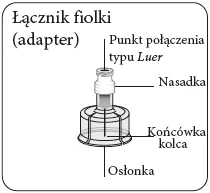
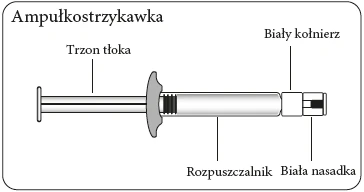
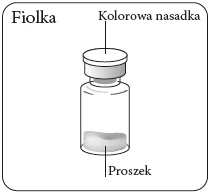
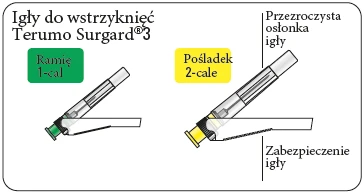
Step 1 Assembling the set
Remove Connect vial to connector (adapter)
packaging
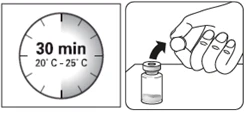
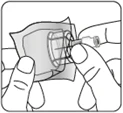
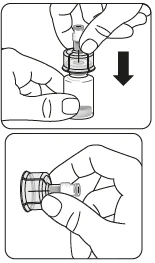
Wait Remove cap from Prepare connector Attach adapter to vial
30 minutes vial (adapter) for vial
Place the vial on a hard
Before preparing surface and hold at
the suspension, remove the packaging base. Position the adapter centrally over the grey
from the refrigerator rubber stopper. Press the adapter straight down until it clicks firmly
and leave at room temperature into place on the top of the vial.
for at least 30 minutes.
Do not heat.
Remove the flip-off cap.
Wipe the grey rubber stopper with an alcohol-impregnated swab.
Let it dry.
Never touch the tip of the spike or the luer connection point.
Do not replace the grey rubber stopper.
Do not attach the adapter at an angle, as this may cause leakage of the solvent when introducing it into the vial.
Combination of syringe-vial with adapter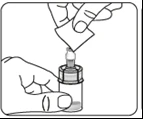 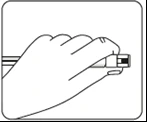 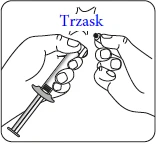 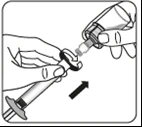 | |||
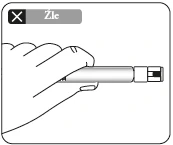 | |||
| Wipe the connection point Hold the vial upright to prevent leakage. Hold the vial by its base and wipe the connection point of the adapter (blue circle) with an alcohol-impregnated swab, then allow it to dry before connecting the syringe. Do not shake. Do not touch the exposed luer connection point in the adapter, as this will contaminate it. | Properly hold the syringe-vial Hold by the white flange at the end of the syringe-vial. Do not hold the glass cylinder during connection. | Remove the cap Holding the white flange, snap off the white cap. Do not unscrew or cut off the white cap. Do not touch the tip of the syringe-vial, as this will contaminate it. The removed cap can be discarded. 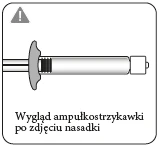 | Connect the syringe-vial to the adapter Stably hold the adapter by its protective cover. Holding the syringe-vial by the white flange, insert and press its tip into the blue circle of the vial connector, then turn clockwise to secure the connection between the syringe and vial connector (avoid over-tightening). Do not hold the glass cylinder of the syringe-vial, as this may loosen or detach the white flange. |
Step 2 Preparing the suspension
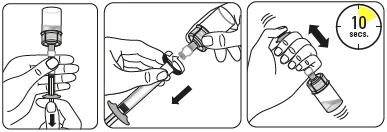
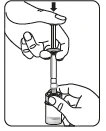
Inject Disperse the powder Transfer the suspension Remove the adapter
solvent into the solvent into the prefilled from the
syringe
Inject the entire contents of the solvent Hold the plunger Press the white collar of the Transfer the suspension
contained in the prefilled syringe into the vial. vigorously shake for at least 10 seconds, prefilled syringe and unscrew the prefilled
As shown. turning the vial upside down. syringe from the adapter.
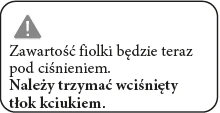
Examine the suspension. Slowly pull the plunger to withdraw the entire volume of the suspension from the vial into the prefilled syringe. The suspension will be properly mixed, homogeneous, thick and milky in appearance. The powder will be visible in the liquid. Proceed immediately to the next step to prevent sedimentation.
Step 3 Attaching the needle
Select the appropriate needle Attach the needle Mix the suspension again
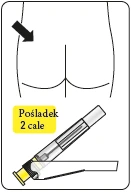
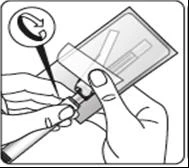
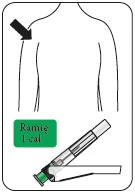
Select the needle according to the injection site (gluteal or deltoid muscle). Tear the blister partially and grasp the base of the needle, as shown. Remove the blister completely.
Holding the prefilled syringe by the white collar, connect it to the luer port of the needle by screwing it clockwise until firmly attached. Do not touch the luer port of the needle, as this may contaminate it.
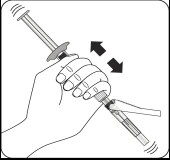
Immediately before injection, shake the prefilled syringe again, as sedimentation may have occurred.
Step 4 Administering the dose
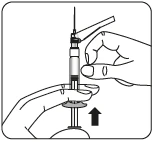
Remove the Remove Inject Dispose of Remove and
transparent air bubbles the needle properly
needle cover from the
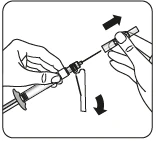
Remove the transparent needle cover from the prefilled syringe, as shown. Hold the prefilled syringe with the needle pointing upwards. Gently tap the syringe to move air bubbles to the tip. Remove air by slowly pressing the plunger until the suspension appears at the needle tip.
Do not twist the transparent needle cover, as this may loosen the luer-type connection.
Do not administer intravenously.
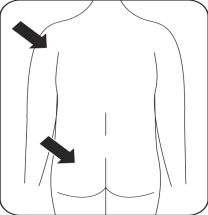
Hold the prefilled syringe by the white collar. Insert the needle into the selected muscle (gluteal or deltoid) at a 45-degree angle (intramuscularly – im.). For injection into the gluteal muscle, target the upper outer quadrant.
Avoid pricking yourself with the needle:
Do not use two hands.
Do not intentionally disengage the needle safety device or handle it improperly.
Do not attempt to straighten the needle or re-sheath it if the needle is bent or damaged.
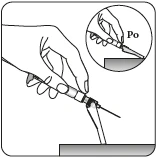
Immediately inject the entire contents of the prefilled syringe. While holding the prefilled syringe in one hand, press the needle safety device firmly against a hard, flat surface to ensure the needle is fully enclosed in the protective cover.
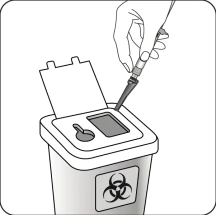
Dispose of used medical materials in a special container for medical waste. Also dispose of the unused second needle provided in the packaging.