Polpril
Poland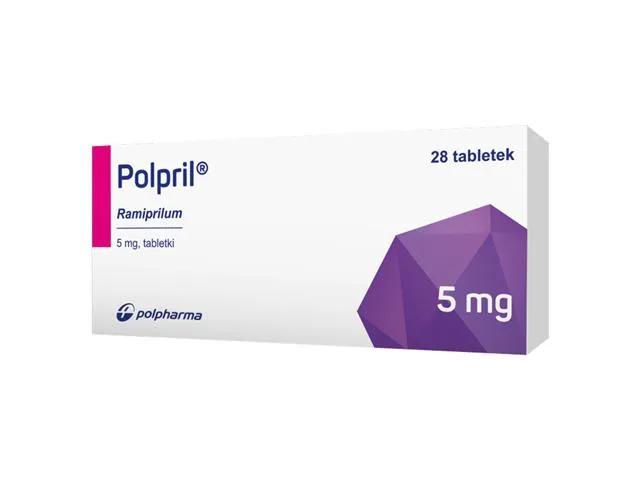
Table of Contents
Package leaflet: Information for the patient
Polpril, 2.5 mg, tablets
Polpril, 5 mg, tablets
Polpril, 10 mg, tablets
Ramiprilum
Please read carefully the entire leaflet before taking this medicine, as it contains important information for you.
- Keep this leaflet, as you may need to read it again.
- If you have any questions, please consult your doctor or pharmacist.
- This medicine has been prescribed for a specific individual. Do not pass it on to others. This medicine may harm others, even if their symptoms are the same.
- If you experience any adverse reactions, including any not listed in this leaflet, inform your doctor or pharmacist. See section 4.
Table of contents of the leaflet
- What Polpril is and what it is used for
- Important information before taking Polpril
- How to take Polpril
- Possible side effects
- How to store Polpril
- Contents of the pack and other information
1. What Polpril is and what it is used for
Polpril contains ramipril. It belongs to a group of medicines called ACE inhibitors (angiotensin-converting enzyme inhibitors).
Polpril works by:
- reducing the body's production of substances that may increase blood pressure,
- reducing tension and widening blood vessels,
- helping the heart pump blood throughout the body.
Polpril may be used:
- in the treatment of high blood pressure (hypertension),
- to reduce the risk of heart attack or stroke,
- to reduce or delay the risk of worsening kidney function (in both diabetic and non-diabetic patients),
- in the treatment of heart disease in which the heart is unable to pump sufficient blood to meet the body's needs (heart failure),
- after a heart attack complicated by heart failure.
2. Important information before using Polpril
When not to use Polpril:
- if the patient is allergic to ramipril, to any other medicine in the class of ACE inhibitors, or to any of the other ingredients of this medicine (listed in section 6) – symptoms of an allergic reaction may include: rash, difficulty swallowing or breathing, swelling of the lips, face, throat or tongue;
- if the patient has ever experienced a severe allergic reaction called angioedema – symptoms include: itching, hives, red patches on the hands, feet and throat, swelling of the throat and tongue, swelling around the eyes and lips, difficulty breathing and swallowing;
- if the patient is undergoing dialysis or other types of blood filtration – depending on the type of equipment used, Polpril may not be suitable for the patient;
- if the patient has kidney disease with reduced blood flow to the kidneys (renal artery stenosis);
- if the patient is more than three months pregnant (it is also advisable to avoid using Polpril in early pregnancy – see section "Pregnancy and breastfeeding");
- if the patient has very low or unstable blood pressure – the doctor will recommend appropriate tests;
- if the patient has diabetes or kidney problems and is being treated with a blood pressure-lowering medicine containing aliskiren;
- if the patient has taken or is currently taking sacubitril with valsartan, a medicine used to treat certain types of chronic (long-term) heart failure in adults, because the risk of angioedema (rapid swelling of tissues under the skin, such as in the throat) increases.
If any of the above situations apply, Polpril must not be used. If in doubt, contact a doctor before starting Polpril.
Warnings and precautions
Before starting Polpril, discuss with your doctor or pharmacist if:
- the patient has heart, liver or kidney disease;
- the patient has lost a significant amount of salt or fluids (due to vomiting, diarrhoea, excessive sweating, a low-salt diet, long-term use of diuretics, or dialysis);
- treatment to reduce sensitivity to bee or wasp venom (desensitisation therapy) is planned;
- anaesthetics are to be administered during surgical or dental procedures – it may be necessary to stop taking Polpril one day before the procedure; if in doubt, contact your doctor;
- blood tests have shown high potassium levels or low sodium levels;
- the patient has a collagen vascular disease such as scleroderma or systemic lupus erythematosus;
- the patient is pregnant, planning or suspects pregnancy – Polpril is not recommended in early pregnancy and must not be used after the third month of pregnancy, as its use during this period may seriously harm the unborn child (see section "Pregnancy and breastfeeding");
- the patient is taking any of the following medicines for high blood pressure:
- an angiotensin II receptor antagonist (AIIRA), also known as a sartan – for example, valsartan, telmisartan, irbesartan, especially if the patient has kidney problems related to diabetes;
- aliskiren;
- the patient is taking any of the following medicines, as the risk of angioedema may increase:
- racecadotril, a medicine used to treat diarrhoea;
- medicines used to prevent rejection of transplanted organs and in cancer treatment (e.g. temsirolimus, sirolimus, everolimus);
- vildagliptin, a medicine used to treat diabetes.
The doctor may recommend regular monitoring of kidney function, blood pressure, and blood levels of electrolytes (e.g. potassium or sodium).
See also the section "When not to use Polpril".
Children and adolescents
Polpril is not recommended for use in children and adolescents under 18 years of age, as the safety and efficacy of ramipril in children have not yet been established.
If any of the above situations apply to the patient (or if there is any uncertainty), contact a doctor before starting Polpril.
Polpril and other medicines
Tell your doctor or pharmacist about all medicines the patient is currently taking or has recently taken, as well as any medicines planned for future use (including herbal medicines). Polpril may affect the action of other medicines, and other medicines may affect the action of Polpril.
Inform your doctor if the patient is taking any of the following medicines. These may reduce the effectiveness of Polpril:
- painkillers and anti-inflammatory medicines (e.g. non-steroidal anti-inflammatory drugs – NSAIDs, such as ibuprofen, indomethacin or acetylsalicylic acid);
- medicines used to treat low blood pressure, shock, heart failure, asthma or allergies, such as ephedrine, noradrenaline or adrenaline – the doctor may recommend monitoring of blood pressure.
Inform your doctor if the patient is taking any of the following medicines. These may increase the risk of side effects when taken together with Polpril:
- painkillers and anti-inflammatory medicines (e.g. non-steroidal anti-inflammatory drugs – NSAIDs, such as ibuprofen, indomethacin or acetylsalicylic acid);
- medicines used in the treatment of cancer (chemotherapy), such as temsirolimus;
- diuretics, such as furosemide;
- potassium supplements (including salt substitutes), potassium-sparing diuretics (such as spironolactone, triamterene, amiloride) and other medicines that increase blood potassium levels (e.g. trimethoprim and co-trimoxazole, used for bacterial infections; cyclosporine, an immunosuppressive medicine used to prevent rejection of transplanted organs; and heparin, a medicine used to thin the blood to prevent clots);
- corticosteroid anti-inflammatory medicines, such as prednisolone;
- allopurinol (used to reduce blood uric acid levels);
- procainamide (used for heart rhythm disorders);
- medicines most commonly used to prevent rejection of transplanted organs (sirolimus, everolimus and other mTOR inhibitors). See section "Warnings and precautions".
Inform your doctor if the patient is taking any of the following medicines. Their effect may change during treatment with Polpril:
- antidiabetic medicines, such as oral glucose-lowering medicines and insulin – Polpril may reduce blood glucose levels, so blood glucose levels should be monitored regularly during treatment;
- lithium (used to treat psychiatric disorders) – Polpril may increase blood lithium levels, so the doctor may recommend regular monitoring of blood lithium levels.
If any of the above situations apply (or if there is any uncertainty), contact a doctor before starting Polpril.
The doctor may recommend a dose adjustment and/or additional precautions:
- if the patient is taking an angiotensin II receptor antagonist (AIIRA) or aliskiren (see also sections "When not to use Polpril" and "Warnings and precautions").
Polpril with food and alcohol
- Drinking alcohol while taking Polpril may cause dizziness and drowsiness. If in doubt about how much alcohol is safe during treatment with Polpril, consult a doctor, as the effects of alcohol and blood pressure-lowering medicines may be additive.
- Polpril may be taken with or without food.
Pregnancy and breastfeeding
If the patient is pregnant or breastfeeding, suspects she may be pregnant, or plans to become pregnant, she should consult a doctor or pharmacist before using this medicine.
Pregnancy
Inform your doctor if you are pregnant, suspect you may be pregnant, or are planning pregnancy. The doctor will usually recommend stopping Polpril before becoming pregnant or immediately after pregnancy is confirmed, and will prescribe an alternative medicine. Polpril is not recommended during the first trimester of pregnancy and must not be used after the third month of pregnancy, as its use during this period may seriously harm the unborn child.
Breastfeeding
Inform your doctor if you are breastfeeding or plan to breastfeed. Polpril is not recommended during breastfeeding. The doctor may recommend an alternative medicine if you wish to breastfeed, especially if the baby is a newborn or premature.
Driving and using machines
Dizziness may occur while taking Polpril. The risk of dizziness is higher at the beginning of treatment with Polpril and after increasing the dose. If dizziness occurs, do not drive, use tools, or operate machinery.
Important information about some ingredients of Polpril
This medicine contains lactose. If the patient has been previously diagnosed with an intolerance to certain sugars, they should consult a doctor before taking this medicine.
This medicine contains less than 1 mmol (23 mg) of sodium per tablet, meaning the medicine is considered "sodium-free".
3. How to use Polpril
This medicine should always be taken exactly as prescribed by your doctor. In case of doubt, consult
your doctor or pharmacist.
Method of administration
- Take this medicine orally, at the same time each day.
- Swallow the tablets with a drink.
- Do not chew or crush the tablets.
Dosage
Treatment of high blood pressure
- The usual starting dose is 1.25 mg or 2.5 mg once daily.
- Your doctor will adjust the dose until blood pressure is controlled.
- The maximum dose is 10 mg once daily.
- If you are taking diuretics, your doctor may advise stopping or reducing them before starting Polpril.
Treatment to reduce the risk of heart attack or stroke
- The usual starting dose is 2.5 mg once daily.
- Your doctor may then recommend increasing the dose.
- The usual maintenance dose is 10 mg once daily.
Treatment aimed at reducing or delaying worsening of kidney function
- The usual starting dose is 1.25 mg or 2.5 mg once daily.
- Your doctor may adjust the dosage.
- The usual maintenance dose is 5 mg or 10 mg once daily.
Treatment of heart failure
- The usual starting dose is 1.25 mg once daily.
- Your doctor may adjust the dosage.
- The maximum dose is 10 mg per day. It is recommended to take the medicine in two divided doses.
Treatment after a heart attack
- The usual starting dose is 1.25 mg once daily, increasing to 2.5 mg twice daily.
- Your doctor may adjust the dosage.
- The usual maintenance dose is 10 mg per day. It is recommended to take the medicine in two divided doses.
Elderly patients
Your doctor will use a lower starting dose and adjust it more slowly.
Taking more Polpril than prescribed
Seek immediate medical help or go to the nearest hospital emergency department.
Do not drive—ask someone to take you to the hospital or call an ambulance.
Bring the medicine packaging with you so the doctor knows which medicine has been taken.
If you miss a dose of Polpril
- If you miss a dose, take the next dose at your usual time.
- Do not take a double dose to make up for a missed dose.
If you have any further questions about the use of this medicine, consult your doctor or pharmacist.
4. Possible adverse reactions
Like all medicines, this medicine can cause adverse reactions, although not everyone will experience them.
If any of the following severe adverse reactions occur, stop treatment with Polpril and contact a doctor immediately – urgent medical assistance may be required:
- Swelling of the face, lips or throat causing difficulty in swallowing or breathing, together with itching and rash. These may be symptoms of a severe allergic reaction to Polpril.
- Severe skin changes, including rash, oral mucosal ulceration, worsening of pre-existing skin disorders, redness, blistering or peeling of the skin (Stevens-Johnson syndrome, toxic epidermal necrolysis or erythema multiforme).
Contact a doctor immediately if the patient experiences:
- Rapid heartbeat, irregular or forceful heartbeats (palpitations), chest pain, chest tightness or serious conditions such as heart attack or stroke;
- Shortness of breath or cough, which may be symptoms of lung disorders;
- Easy bruising, prolonged bleeding time, any signs of bleeding (e.g. bleeding gums), purplish spots on the skin, or increased frequency of infections, sore throat and fever, fatigue, dizziness or pale skin, which may indicate blood or bone marrow disorders;
- Severe abdominal pain radiating to the back, which may be a symptom of pancreatitis;
- Fever, chills, fatigue, loss of appetite, stomach pain, nausea, yellowing of the skin or eyes (jaundice), which may be symptoms of liver disorders such as hepatitis or liver damage.
Other adverse reactions
Inform the doctor if any of the following symptoms worsen or persist for more than a few days.
Common (occur in less than 1 in 10 patients)
- Headache or feeling tired;
- Dizziness (risk is higher at the beginning of Polpril treatment and after dose increase);
- Fainting, hypotension (abnormally low blood pressure), especially when standing up or sitting down quickly;
- Dry, persistent cough, sinusitis or bronchitis, shortness of breath;
- Stomach or abdominal pain, diarrhoea, indigestion, nausea or vomiting;
- Skin rash with or without raised lesions;
- Chest pain;
- Muscle cramps or pain;
- Increased potassium levels in the blood, detected in blood tests.
Uncommon (occur in less than 1 in 100 patients)
- Balance disorders (vertigo);
- Itching and unusual skin sensations such as numbness, tingling, pricking, burning or stinging of the skin (paresthesia);
- Loss or disturbance of taste;
- Sleep disturbances;
- Depression, anxiety, nervousness or restlessness;
- Nasal congestion, difficulty breathing or worsening of asthma;
- Intestinal swelling known as intestinal angioedema, with symptoms such as abdominal pain, vomiting and diarrhoea;
- Heartburn, constipation or dryness of the oral mucosa;
- Increased urine output during the day;
- Excessive sweating;
- Loss of appetite or reduced appetite (anorexia);
- Rapid or irregular heartbeat;
- Swelling of hands and feet (may indicate fluid retention);
- Sudden flushing, especially of the face;
- Blurred vision;
- Joint pain;
- Fever;
- Impotence, decreased libido in men and women;
- Increased number of a certain type of white blood cells (eosinophilia), detected in blood tests;
- Impaired liver, pancreas or kidney function, detected in blood tests.
Rare (occur in less than 1 in 1,000 patients)
- Feeling of uncertainty or disorientation;
- Redness and swelling of the tongue;
- Severe skin peeling, itchy nodular rash;
- Nail disorders (e.g. loosening or separation of the nail from the nail bed);
- Skin rash or bruising;
- Skin spots and cold extremities;
- Redness, itching, swelling or watering of the eyes;
- Hearing disturbances and tinnitus;
- Weakness;
- Decreased number of red blood cells, white blood cells or platelets, or decreased haemoglobin levels, detected in blood tests.
Very rare (occur in less than 1 in 10,000 patients)
- Photosensitivity (increased sensitivity to sunlight).
Other reported adverse reactions:
Inform the doctor if any of the following symptoms worsen or persist for more than a few days:
- Difficulty concentrating;
- Swelling of the oral mucosa;
- Decreased blood cell count, detected in blood tests;
- Concentrated urine (dark in colour), nausea or vomiting, muscle cramps, confusion and seizures, which may result from inappropriate antidiuretic hormone (ADH, vasopressin) secretion – if such symptoms occur, seek medical advice immediately;
- Decreased sodium levels in the blood;
- Colour change of fingers and toes in response to cold, with tingling or pain upon warming (Raynaud's phenomenon);
- Breast enlargement in men;
- Slowed or impaired reactions;
- Burning sensation;
- Smell disturbances;
- Hair loss.
Reporting of adverse reactions
If any adverse symptoms occur, including any not listed in this leaflet, inform a doctor or pharmacist. Adverse reactions can be reported directly to the Department of Monitoring Adverse Drug Reactions of the Office for Registration of Medicinal Products, Medical Devices and Biocidal Products
Al. Jerozolimskie 181C
02-222 Warsaw
Tel.: +48 22 49 21 301
Fax: +48 22 49 21 309
Website: https://smz.ezdrowie.gov.pl
Adverse reactions can also be reported to the marketing authorisation holder.
Reporting adverse reactions helps provide more information on the safety of the medicine.
5. How to store Polpril
Keep this medicine out of sight and reach of children.
Store below 25°C.
Do not use this medicine after the expiry date stated on the packaging. The expiry date refers to the last day of the stated month.
The marking on the packaging following the abbreviation EXP indicates the expiry date, and following the abbreviation Lot/LOT indicates the batch number.
Medicines must not be disposed of via wastewater or household waste. Ask your pharmacist how to dispose of medicines no longer in use. This will help protect the environment.
6. Contents of the pack and other information
What Polpril contains
- The active substance is ramipril. Each tablet contains 2.5 mg, 5 mg or 10 mg of ramipril.
- The other ingredients are: sodium hydrogen carbonate, monohydrate lactose, sodium croscarmellose, pregelatinized corn starch, sodium stearyl fumarate, iron oxide yellow (E172) (only in 2.5 mg and 5 mg tablets), iron oxide red (E172) (only in 5 mg tablets).
What Polpril looks like and contents of the pack
Polpril 2.5 mg: Yellow, uncoated, flat, capsule-shaped tablets, 10.0 x 5.0 mm in size, with a division line on one side and bevelled edges, marked R2. Tablets can be divided into halves.
Polpril 5 mg: Pink, uncoated, flat, capsule-shaped tablets, 8.8 x 4.4 mm in size, with a division line on one side and bevelled edges, marked R3. Tablets can be divided into halves.
Polpril 10 mg: White or almost white, uncoated, flat, capsule-shaped tablets, 11.0 x 5.5 mm in size, with a division line on one side and bevelled edges, marked R4. Tablets can be divided into halves.
Polpril is packed in blisters or containers containing 10, 14, 20, 28, 30, 42, 50, 84, 98 and 100 tablets.
Not all pack sizes may be marketed.
Marketing Authorisation Holder and Manufacturer
Marketing Authorisation Holder
Zakłady Farmaceutyczne POLPHARMA S.A.
ul. Pelplińska 19, 83-200 Starogard Gdański, Poland
tel. + 48 22 364 61 01
Manufacturer
Actavis Ltd.
BLB016, Bulebel Industrial Estate Zejtun ZTN 3000, Malta
Zakłady Farmaceutyczne POLPHARMA S.A.
ul. Pelplińska 19, 83-200 Starogard Gdański, Poland
Balkanpharma Dupnitsa AD
3 Samokovsko Shosse Str.
Dupnitsa 2600
Bulgaria