Methylprednisolone sopharma
Poland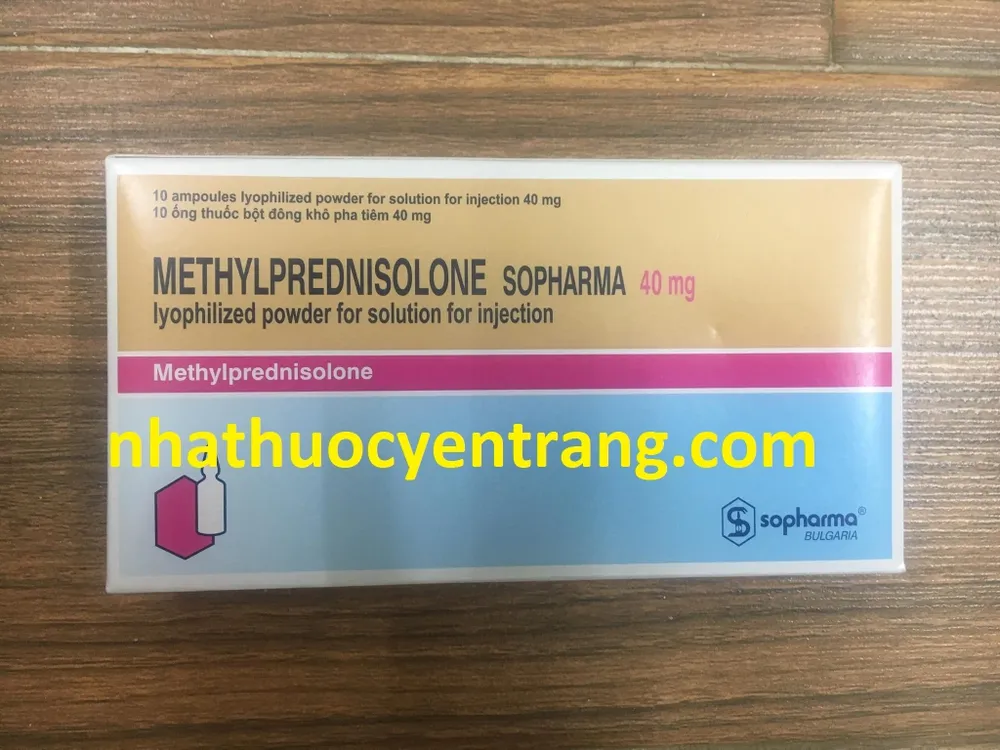
Table of Contents
- Package leaflet: Information for the user
- 1. What Methylprednisolone Sopharma is and what it is used for
- 2. Important information before using Methylprednisolone Sopharma
- 3. How to use Methylprednisolone Sopharma
- 4. Possible adverse reactions
- 5. How to store Methylprednisolone Sopharma
- 6. Contents of the package and other information
- Information intended exclusively for healthcare professionals
Package leaflet: Information for the user
Methylprednisolone Sopharma, 40 mg, powder and solvent for solution for injection
Methylprednisolone Sopharma, 250 mg, powder and solvent for solution for injection
Methylprednisolonum
Please read all of this leaflet carefully before you start using this medicine because it contains important information for you.
- Keep this leaflet. You may need to read it again.
- If you have any further questions, ask your doctor or pharmacist.
- This medicine has been prescribed for you specifically. Do not pass it on to other people.
- It may harm them, even if their symptoms are the same as yours.
- If you experience any side effects, including any not listed in this leaflet, tell your doctor or pharmacist. See section 4.
Contents of the leaflet
- What Methylprednisolone Sopharma is and what it is used for
- Important information before using Methylprednisolone Sopharma
- How to use Methylprednisolone Sopharma
- Possible side effects
- How to store Methylprednisolone Sopharma
- Contents of the pack and other information
1. What Methylprednisolone Sopharma is and what it is used for
The active substance in Methylprednisolone Sopharma, methylprednisolone, belongs to a group of medicines called glucocorticoids. Glucocorticoids pass through cell membranes and bind to specific receptors located in the cytoplasm. These complexes then enter the cell nucleus, stimulating the synthesis of various enzymes which are likely responsible for the numerous effects of glucocorticoids observed after systemic administration. In addition to their significant influence on inflammatory and immunological processes, glucocorticoids also affect carbohydrate, protein and fat metabolism. They also act on the cardiovascular system, skeletal muscles, and the central nervous system.
Methylprednisolone Sopharma is used as symptomatic treatment, except in endocrine disorders, where it is used as replacement therapy, in the following conditions:
Endocrine disorders
- Primary or secondary adrenocortical insufficiency (in certain circumstances in combination with mineralocorticoids)
- Acute adrenocortical insufficiency (mineralocorticoid co-administration may be required)
- Treatment of shock induced by adrenal insufficiency, or shock unresponsive to conventional therapy, when adrenal insufficiency is confirmed or suspected (in cases where mineralocorticoid administration is not indicated)
- Before surgical procedures and in cases of severe illness or trauma, in patients diagnosed with adrenal insufficiency or reduced adrenal hormone levels
- Congenital adrenal hyperplasia
- Nonthyroidal illness syndrome (non-inflammatory thyroiditis)
- Hypercalcaemia associated with malignancy
Rheumatic diseases
Supportive treatment for short-term use during episodes of exacerbation or worsening of:
- Traumatic osteoarthritis
- Synovitis associated with osteoarthritis
- Rheumatoid arthritis, including juvenile rheumatoid arthritis
- Acute and subacute bursitis
- Epicondylitis
- Acute nonspecific tenosynovitis
- Acute gouty arthritis
- Psoriatic arthritis
- Ankylosing spondylitis
Systemic connective tissue diseases
During exacerbations or as maintenance therapy in:
- Systemic lupus erythematosus (and lupus nephritis)
- Acute rheumatic carditis
- Polyarteritis nodosa and dermatomyositis
- Churg-Strauss syndrome
- Goodpasture's syndrome
Dermatological diseases
- Pemphigus
- Severe forms of erythema multiforme (Stevens-Johnson syndrome)
- Exfoliative dermatitis
- Severe psoriasis
- Bullous pemphigoid
- Severe seborrhoeic dermatitis
- Fungal granuloma
Allergic diseases
Treatment of severe allergic conditions when other treatment methods are ineffective:
- Bronchial asthma
- Contact dermatitis (allergic contact dermatitis)
- Atopic dermatitis
- Serum sickness
- Seasonal or perennial allergic rhinitis
- Drug hypersensitivity reactions
- Urticarial reactions following transfusion
- Acute non-inflammatory laryngeal oedema (epinephrine is the first-line treatment)
Eye diseases
Severe acute and chronic allergic and inflammatory conditions affecting the eye and its adnexa, such as:
- Ophthalmic zoster
- Iritis, iridocyclitis
- Choroiditis and retinitis
- Diffuse posterior uveitis and choroiditis
- Optic neuritis
- Sympathetic ophthalmia
- Anterior segment inflammation
- Allergic conjunctivitis
- Allergic marginal corneal ulceration
- Keratitis
Gastrointestinal diseases
As systemic treatment during exacerbations of:
- Ulcerative colitis
- Crohn's disease
Respiratory diseases
- Symptomatic sarcoidosis
- Berylliosis
- Fulminating or disseminated pulmonary tuberculosis, concomitantly with appropriate antituberculous chemotherapy
- Loeffler's syndrome unresponsive to other treatments
- Aspiration pneumonia
- Moderate or severe Pneumocystis carinii pneumonia in AIDS patients (as adjunctive treatment when administered within the first 72 hours of initial anti-Pneumocystis therapy)
Haematological diseases
- Acquired (autoimmune) haemolytic anaemia
- Idiopathic thrombocytopenic purpura in adults (intravenous administration only; intramuscular administration is contraindicated)
- Secondary thrombocytopenia in adults
- Erythroblastopenia
- Congenital hypoplastic anaemia
Oncological diseases
Palliative treatment:
- Leukaemia and lymphomas in adults
- Acute leukaemia in children
- Improvement of quality of life in patients with advanced-stage cancer
Oedema
To induce diuresis or remission of proteinuria in nephrotic syndrome without uraemia
Nervous system
- Cerebral oedema associated with primary or metastatic tumours and (or) related to surgical or radiotherapeutic treatment
- Exacerbations of multiple sclerosis
- Acute spinal cord injury. Treatment should be initiated within eight hours of injury.
Other indications
- Tuberculous meningitis with subarachnoid block or risk of subarachnoid block, in conjunction with appropriate antituberculous therapy
- Trichinosis with nervous system or cardiac muscle involvement
- Organ transplantation
- Prevention of nausea and vomiting associated with cancer chemotherapy
2. Important information before using Methylprednisolone Sopharma
When not to use Methylprednisolone Sopharma
- if the patient is allergic to methylprednisolone or any of the other ingredients of this medicine (listed in section 6)
- if the patient has systemic fungal infections
- for intrathecal administration
- for epidural administration
- in premature infants and newborns.
Administration of live or live attenuated vaccines is contraindicated during treatment with Methylprednisolone Sopharma at doses causing immunosuppressive effects.
Warnings and precautions
Patients with the following conditions require special medical supervision during treatment with Methylprednisolone Sopharma, and treatment should be as short as possible.
Before starting and during treatment with Methylprednisolone Sopharma, the patient should inform the doctor if any of the following conditions are present:
Infectious diseases, such as tuberculosis and certain viral infections (e.g. herpes simplex and herpes zoster with ocular manifestations).
The use of Methylprednisolone Sopharma in active tuberculosis should be limited to fulminant or disseminated pulmonary tuberculosis, in which Methylprednisolone Sopharma is used as part of the treatment regimen in combination with antituberculosis therapy. During long-term treatment with Methylprednisolone Sopharma in patients with latent tuberculosis or a positive tuberculin test, careful monitoring is essential, as the disease may reactivate.
In patients with ocular infection caused by Herpes simplex virus receiving Methylprednisolone Sopharma, there is a risk of corneal perforation.
Diabetes mellitus
Treatment with Methylprednisolone Sopharma may unmask latent diabetes mellitus, or increase insulin requirements or the need for oral glucose-lowering agents.
Hypertension
Treatment with Methylprednisolone Sopharma may exacerbate hypertension.
Psychiatric disorders, either current or past
Methylprednisolone Sopharma may worsen existing emotional instability or psychotic tendencies. Psychiatric disturbances may occur during treatment, ranging from euphoria, insomnia, mood swings, personality changes and severe depression to severe psychotic disorders.
Severe stress
In patients exposed to severe stress, it may be necessary to increase the dose of rapidly acting glucocorticoids before, during, and after the stressful event.
Allergy to any medicines
If an allergic reaction occurred after taking any medication, the patient should inform the doctor before starting treatment with Methylprednisolone Sopharma.
Hypothyroidism
The effect of Methylprednisolone Sopharma is enhanced in patients with hypothyroidism.
Liver cirrhosis
The effect of Methylprednisolone Sopharma is enhanced in patients with liver cirrhosis.
Head injury
Ulcerative colitis, when there is a risk of perforation, abscess or other pyogenic infection
Diverticulitis
Recent intestinal anastomosis
Active or latent peptic ulcer
Renal insufficiency
Osteoporosis
Myasthenia gravis (an acquired, chronic disease characterized by rapid fatigue and weakness of skeletal muscles)
Immunosuppressive effect, increased susceptibility to infections
Methylprednisolone Sopharma may increase susceptibility to infections and may mask some signs of infection. New infections may develop during treatment. While taking Methylprednisolone Sopharma, there may be reduced immunity and inability to contain infection progression. The risk of infections caused by pathogens such as viruses, bacteria, fungi, protozoa, or parasites increases with higher doses.
Patients receiving Methylprednisolone Sopharma are more susceptible to infections than healthy individuals. For example, in children with immunodeficiency or in adults receiving Methylprednisolone Sopharma, varicella (chickenpox) and measles may have a more severe course and may even be fatal.
During treatment with Methylprednisolone Sopharma at doses causing immunosuppressive effects, administration of certain vaccines is contraindicated. Inactivated vaccines may be administered, but the immune response may be limited or the vaccines may be ineffective. Patients receiving Methylprednisolone Sopharma at doses without immunosuppressive effects may receive all required vaccinations.
Kaposi's sarcoma has been observed in patients treated with Methylprednisolone Sopharma. Discontinuation of therapy may lead to remission of the disease.
Effects on the immune system
Allergic reactions may occur in patients. Skin reactions and anaphylactic/pseudoanaphylactic reactions have been reported rarely in patients receiving Methylprednisolone Sopharma.
Endocrine disorders
During long-term treatment with Methylprednisolone Sopharma, adrenal insufficiency may occur, which may persist for several months after discontinuation of treatment. The doctor may decide to gradually reduce the dose of Methylprednisolone Sopharma. The patient should inform the doctor about any stressful situations occurring during this period. The doctor may consider initiating hormone replacement therapy and/or increasing dietary salt intake and/or mineralocorticoids.
Sudden discontinuation of Methylprednisolone Sopharma may cause acute adrenal insufficiency leading to death.
After abrupt withdrawal of Methylprednisolone Sopharma, a "steroid withdrawal syndrome" may also occur. This syndrome includes the following symptoms: anorexia, nausea, vomiting, lethargy, headache, fever, joint pain, desquamation, muscle pain, weight loss, and/or hypotension.
Methylprednisolone Sopharma may cause or exacerbate Cushing's syndrome; therefore, patients with Cushing's disease should not use this medicine.
Enhanced drug effects are observed in patients with hypothyroidism.
Psychiatric disorders
Psychiatric disorders may occur during and after treatment with Methylprednisolone Sopharma. These usually appear within a few days or weeks after starting treatment. Most of them resolve after dose reduction or discontinuation of Methylprednisolone Sopharma. Patients and caregivers should consult a doctor if psychological symptoms develop, especially if depressive mood or suicidal thoughts are suspected. Patients and caregivers should pay particular attention to psychiatric disorders that may occur during treatment, immediately after dose reduction, or after discontinuation of Methylprednisolone Sopharma.
Effects on the nervous system
Methylprednisolone Sopharma should be used with caution in patients with seizure disorders.
In patients receiving Methylprednisolone Sopharma, usually after long-term use of high doses, cases of epidural lipomatosis have been reported.
Effects on the eye
Long-term use of Methylprednisolone Sopharma may lead to development of posterior subcapsular cataract and nuclear cataract (especially in children), exophthalmos, or increased intraocular pressure, which may lead to glaucoma with potential damage to the optic nerves. Secondary fungal and viral infections of the eyeball may also occur more frequently in patients receiving Methylprednisolone Sopharma.
Use of Methylprednisolone Sopharma has been associated with central serous retinopathy, which may lead to retinal detachment.
Effects on the heart
When high doses and long-term treatment with Methylprednisolone Sopharma are used in patients with cardiovascular risk factors, the medicine should be administered with caution and additional monitoring of the cardiovascular system should be performed if necessary. The frequency of complications associated with taking Methylprednisolone Sopharma can be reduced by using low doses and administering the drug every other day.
After rapid intravenous administration of high doses of Methylprednisolone Sopharma, cardiac arrhythmias and/or circulatory collapse and/or cardiac arrest may occur.
In patients with congestive heart failure, Methylprednisolone Sopharma should be administered with caution and only if necessary.
Effects on the stomach and intestines
Treatment with Methylprednisolone Sopharma may mask symptoms of peptic ulcers, so perforation or hemorrhage may occur without significant preceding pain. The risk of developing gastric and intestinal ulcer disease increases when used concomitantly with nonsteroidal anti-inflammatory drugs (NSAIDs).
Effects on the liver and biliary tract
After administration of high doses of Methylprednisolone Sopharma, acute pancreatitis may occur.
Effects on the musculoskeletal system
During use of high doses of Methylprednisolone Sopharma, acute myopathy may occur, especially in patients with neuromuscular transmission disorders (e.g. in myasthenia gravis) or in patients receiving concomitant anticholinergic drugs, including neuromuscular blockers (e.g. pancuronium). Myopathy may affect eye and respiratory muscles and may lead to quadriparesis. Increased creatine kinase activity may occur. Clinical improvement or complete recovery after discontinuation of Methylprednisolone Sopharma may take several weeks or even years.
Diagnostic tests
In patients, medium and high doses of Methylprednisolone Sopharma may increase blood pressure, sodium and water retention, and potassium excretion. Therefore, dietary salt restriction and potassium supplementation may be necessary. All glucocorticoids, including Methylprednisolone Sopharma, increase calcium excretion.
Methylprednisolone Sopharma should not be used routinely in the treatment of brain injury.
Other
Complications of glucocorticoid therapy depend on dose and duration of treatment. The doctor will decide on dosage and duration of treatment individually for each patient.
Patients should exercise caution when using acetylsalicylic acid and nonsteroidal anti-inflammatory drugs concomitantly with Methylprednisolone Sopharma.
After administration of Methylprednisolone Sopharma, pheochromocytoma crisis has been reported, sometimes fatal. In patients suspected or confirmed to have pheochromocytoma, the doctor will decide on using Methylprednisolone Sopharma only after appropriate benefit-risk assessment.
Use in children
In children receiving long-term treatment with Methylprednisolone Sopharma in divided daily doses, growth suppression may occur. This treatment regimen should be limited to the most severe indications, and treatment with Methylprednisolone Sopharma should be as short as possible. Patients should remain under close medical supervision.
Infants and children receiving long-term Methylprednisolone Sopharma are particularly susceptible to increased intracranial pressure.
After administration of high doses of Methylprednisolone Sopharma in children, pancreatitis may develop.
Other warnings
Corticosteroid therapy affects the results of many tests and biological parameters (e.g. skin tests, thyroid hormone levels).
Methylprednisolone Sopharma should not be administered by intramuscular injection into the deltoid muscle due to frequent occurrence of subcutaneous atrophy.
Use of Methylprednisolone Sopharma in patients with liver function disorders
The effect of Methylprednisolone Sopharma is particularly enhanced in patients with liver cirrhosis.
Caution should be exercised when using Methylprednisolone Sopharma in patients with liver function disorders.
Use of Methylprednisolone Sopharma in patients with hypothyroidism
The effect of Methylprednisolone Sopharma is particularly enhanced in patients with hypothyroidism.
Methylprednisolone Sopharma and other medicines
Tell your doctor about all medicines you are currently taking or have recently taken, including those available without a prescription.
Dosage adjustment of Methylprednisolone Sopharma may be necessary when used concomitantly with the following medicines:
Antibacterial agents: isoniazid
Antituberculosis antibiotic: rifampicin
-
Anticoagulants (oral). Concomitant use with Methylprednisolone Sopharma may decrease or increase the effect of anticoagulants. Coagulation parameters should be monitored to ensure adequate anticoagulant effect.
Anticonvulsants: carbamazepine, phenobarbital, phenytoin
Anticholinergic agents: neuromuscular blocking agents. Acute myopathy has been reported during concomitant use of high doses of Methylprednisolone Sopharma and anticholinergic drugs, e.g. neuromuscular blocking agents.
Muscle relaxants, e.g. pancuronium, vecuronium: Methylprednisolone Sopharma may partially inhibit neuromuscular blockade induced by muscle relaxants.
Anticholinesterases: Methylprednisolone Sopharma may reduce the effect of anticholinesterases in patients with myasthenia gravis.
Antidiabetic agents: in diabetic patients, dosage adjustment of antidiabetic agents may be necessary, as Methylprednisolone Sopharma may increase blood glucose levels.
Antiemetics: aprepitant, fosaprepitant
Antifungal agents: itraconazole, ketoconazole
Antiviral drugs – HIV protease inhibitors: indinavir and ritonavir
Aromatase inhibitor: aminoglutethimide
Calcium channel blocker: diltiazem
Oral contraceptives: ethinylestradiol/norethisterone
Grapefruit juice
Immunosuppressive agents: cyclosporine. When cyclosporine and Methylprednisolone Sopharma are used concomitantly, mutual inhibition of metabolism occurs, which may increase plasma concentrations of one or both drugs. Therefore, there is a possibility that concomitant administration may increase the risk of adverse effects associated with either drug. Seizures have been reported during concomitant use.
Immunosuppressive agents: cyclophosphamide, tacrolimus
Macrolide antibacterial agents: clarithromycin, erythromycin, troleandomycin -
Nonsteroidal anti-inflammatory drugs (NSAIDs): high-dose aspirin (acetylsalicylic acid). Concomitant use of anti-inflammatory drugs with Methylprednisolone Sopharma may increase the frequency of gastrointestinal bleeding and ulceration. Caution should be exercised when using aspirin in combination with Methylprednisolone Sopharma.
-
Drugs that decrease potassium levels. When Methylprednisolone Sopharma is used concomitantly with potassium-depleting drugs (e.g. diuretics), patients should be monitored for the development of hypokalemia (a condition in which serum potassium ion concentration is below laboratory reference values). The risk of hypokalemia increases when Methylprednisolone Sopharma is used concomitantly with amphotericin B, xanthines, or beta2 agonists.
-
Some drugs may enhance the effect of Methylprednisolone Sopharma, and the doctor may wish to closely monitor patients receiving such drugs (including certain HIV medications: ritonavir, cobicistat).
Pregnancy, breastfeeding, and effects on fertility
Pregnancy
If the patient is pregnant or breastfeeding, suspects she may be pregnant, or is planning to have a child, she should consult a doctor or pharmacist before using this medicine. Methylprednisolone Sopharma should be used in pregnant women only when absolutely necessary.
Methylprednisolone Sopharma crosses the placenta. Although neonatal adrenal insufficiency occurs rarely in infants exposed to Methylprednisolone Sopharma in utero, infants born to mothers who received high doses of Methylprednisolone Sopharma during pregnancy must be carefully observed and evaluated for adrenal insufficiency.
Cataracts have been observed in infants born to mothers who were treated with Methylprednisolone Sopharma for a prolonged period during pregnancy.
The effect of Methylprednisolone Sopharma on labor is unknown.
Breastfeeding
Before using the medicine, consult a doctor. Methylprednisolone Sopharma passes into human milk.
In breastfed infants, Methylprednisolone Sopharma that has passed into breast milk may suppress growth and affect endogenous glucocorticoid production. Adequate studies on the effect of Methylprednisolone Sopharma on human fertility have not been conducted. This medicine should be given to nursing mothers only when the benefits of treatment are considered to outweigh the potential risk to the infant.
Fertility
Animal studies have shown that methylprednisolone has adverse effects on fertility.
Driving and operating machinery
The effect of Methylprednisolone Sopharma on the ability to drive and operate machinery has not been studied.
Patients who experience dizziness, visual disturbances, or fatigue while taking Methylprednisolone Sopharma should not drive or operate machinery.
Methylprednisolone Sopharma contains less than 1 mmol (23 mg) of sodium per dose, i.e. the medicine is considered "sodium-free".
3. How to use Methylprednisolone Sopharma
This medicine should be used according to the doctor's instructions, who will individually adjust the dose for the patient. If in doubt, consult your doctor.
During treatment with Methylprednisolone Sopharma, as well as when discontinuing long-term treatment, the patient should remain under strict medical supervision.
Methylprednisolone Sopharma may be administered as an intravenous or intramuscular injection, or as an intravenous infusion. The recommended dosing is shown in the table below. The dose may be reduced in infants and children, but should be based on the patient's condition and response to treatment, rather than age or body weight (it should not be less than 0.5 mg/kg b.w./24 h).
| Indication | Dosage |
| As supportive treatment in life-threatening conditions | The recommended dose is 30 mg/kg body weight, administered intravenously over at least 30 minutes. This dose may be repeated in hospital settings every 4 to 6 hours for 48 hours, depending on clinical need (see section 2). |
| "Pulse therapy" in cases of very severe exacerbations of rheumatic diseases and/or lack of response to standard therapy such as non-steroidal anti-inflammatory drugs, gold salts, and penicillamine | Suggested regimens:
|
| Systemic lupus erythematosus when unresponsive to standard treatment (or during flare-ups) | 1 g daily administered by intravenous bolus injection over at least 30 minutes for 3 consecutive days. If no improvement occurs within one week after treatment, or if clinically indicated, repeat the treatment. |
| Multiple sclerosis when unresponsive to standard treatment (or during flare-ups) | 1 g daily for 3 or 5 days administered by intravenous bolus injection over at least 30 minutes. If no improvement occurs within one week after treatment, or if clinically indicated, repeat the treatment. |
| Diseases associated with edema, such as glomerulonephritis or lupus nephritis, when unresponsive to standard treatment (or during flare-ups) | Either regimen administered by intravenous bolus injection over at least 30 minutes. If no improvement occurs within one week after treatment, or if clinically indicated, repeat the treatment: 30 mg/kg body weight every other day for 4 days, or 1 g daily for 3, 5, or 7 days. |
| Terminal-stage malignancies (to improve quality of life) | 125 mg intravenously daily for up to 8 weeks. |
| Prevention of nausea and vomiting associated with cancer chemotherapy | Suggested regimens:
|
| butyrophenone one hour before chemotherapy, followed by Methylprednisolone Sopharma 250 mg intravenously at the start of therapy and after completion of chemotherapy. | |
| Acute spinal cord injury | Treatment should begin within 8 hours of injury with a 30 mg methylprednisolone/kg body weight intravenous bolus injection over 15 minutes under continuous medical supervision. Intravenous bolus administration of the drug is permitted only with simultaneous ECG monitoring and availability of a defibrillator. Rapid intravenous bolus administration of high-dose methylprednisolone (doses exceeding 500 mg in less than 10 minutes) may cause arrhythmias, cardiovascular collapse, or cardiac arrest. Following the intravenous bolus, a 45-minute interval should be observed, then continuous infusion at a rate of 5.4 mg/kg body weight per hour for 23 hours. A separate venous access site should be used for connecting the infusion pump compared to the bolus injection site. |
| Pneumocystis carinii pneumonia in patients with AIDS | Treatment should be initiated within 72 hours of initial anti-Pneumocystis therapy. One possible regimen is intravenous administration of 40 mg over 6 to 12 hours, with gradual dose reduction over a maximum of 21 days or until completion of anti-Pneumocystis therapy. Due to the increased risk of tuberculosis reactivation in AIDS patients, consider initiating anti-tuberculosis treatment when corticosteroids are used in high-risk groups. Patients should also be monitored for reactivation of other latent infections. |
| In case of other indications | The initial dose ranges from 10 to 500 mg, depending on clinical condition. Higher doses may be required for short-term treatment of severe, acute conditions such as bronchial asthma, serum sickness, transfusion-related anaphylactoid reactions, and acute exacerbations of multiple sclerosis. Initial doses up to and including 250 mg should be administered intravenously over at least 5 minutes, while doses exceeding 250 mg should be administered over at least 30 minutes. Subsequent doses may be given intravenously or intramuscularly, depending on patient response and clinical status. Steroid therapy is adjunctive and not a substitute for conventional therapy. |
During prolonged therapy, routine laboratory tests should be carried out regularly, such as urine analysis, postprandial glucose concentration, blood pressure and body weight measurements, and a chest X-ray. Radiographic imaging of the upper gastrointestinal tract is required in patients with a history of peptic ulcers or significant dyspepsia.
If you feel that the effect of Methylprednisolone Sopharma is too strong or too weak, consult your doctor.
Use of a higher than recommended dose of Methylprednisolone Sopharma
If an excessive amount of Methylprednisolone Sopharma has been taken, seek immediate medical advice from a doctor or pharmacist. There are no clinical symptoms of acute overdose of Methylprednisolone Sopharma. Chronic overdose causes typical symptoms of Cushing's syndrome. Dialysis is an effective method for removing Methylprednisolone Sopharma from the body.
Missed dose of Methylprednisolone Sopharma
Do not take a double dose to make up for a missed dose.
Discontinuation of Methylprednisolone Sopharma
If you have any further questions regarding the use of this medicine, consult your doctor or pharmacist.
4. Possible adverse reactions
Like all medicines, this medicine can cause adverse reactions, although not everybody will experience them.
The following adverse reactions have been reported with the following routes of administration:
epidural/intrathecal: meningitis, gastrointestinal or bladder dysfunction, headache, meningoencephalitis, transverse myelopathy/paraplegia, convulsions, sensory disturbances. The frequency of these events is unknown.
The following adverse reactions have also been reported:
Frequency unknown (cannot be estimated from the available data)
-
opportunistic infections, infections
-
leukocytosis (increased white blood cells)
-
hypersensitivity reactions (including anaphylactic or anaphylactoid reactions)
-
Cushing's syndrome, hypopituitarism, steroid withdrawal syndrome
-
redistribution and accumulation of body fat, sodium retention, fluid retention, hypokalemic alkalosis, dyslipidemia, impaired glucose tolerance, increased insulin requirement (or oral antidiabetic drugs in diabetic patients), negative nitrogen balance (due to protein catabolism), increased blood urea concentration, increased appetite (which may lead to weight gain)
-
affective disorders (including depressive mood, euphoric mood, emotional lability, drug dependence, suicidal thoughts), psychotic disorders (including manic state, delusions, hallucinations and schizophrenia), mental disturbances, personality changes, confusion, anxiety, mood changes, behavioural abnormalities, insomnia, irritability
-
increased intracranial pressure (with papilledema [benign intracranial hypertension]), convulsions, memory impairment, cognitive dysfunction, dizziness, headache
-
retinal and choroidal disorders, cataract, glaucoma, exophthalmos
-
congestive heart failure (in patients at increased risk), arrhythmia
-
hypotension, hypertension
-
hiccups
-
gastrointestinal ulcers (with possible subsequent perforation and bleeding), intestinal perforation, gastrointestinal bleeding, pancreatitis, peritonitis, erosive esophagitis, esophagitis, abdominal distension, abdominal pain, diarrhea, dyspepsia, nausea
-
angioedema, peripheral edema, hirsutism, petechiae, subcutaneous or tissue hemorrhages, skin atrophy, flushing, hyperhidrosis, striae, rash, pruritus, urticaria, acne, skin discoloration
-
muscle weakness, myalgia, myopathy, muscle atrophy, osteoporosis, avascular necrosis, pathological fractures, neuropathic arthropathy, arthralgia, growth suppression
-
irregular menstruation
-
impaired wound healing, fatigue, malaise, injection site reactions
-
increased urinary calcium, decreased blood potassium, decreased carbohydrate tolerance, increased intraocular pressure, increased alanine aminotransferase activity, increased aspartate aminotransferase activity, increased alkaline phosphatase activity in blood, suppression of response to skin tests
-
vertebral compression fractures, tendon rupture
-
methylprednisolone may cause liver injury. Cases of hepatitis and increased liver enzyme activity have been reported
-
increased number of white blood cells in blood
-
increased blood coagulability
Reporting of adverse reactions
If any adverse reactions occur, including any adverse reactions not listed in this leaflet, inform your doctor. Adverse reactions can be reported directly to the Department of Monitoring Adverse Drug Reactions of the Office for Registration of Medicinal Products, Medical Devices and Biocidal Products, Al. Jerozolimskie 181C, 02-222 Warsaw, tel.: +48 22 49 21 301, fax: +48 22 49 21 309, e-mail: [email protected]. Adverse reactions can also be reported to the marketing authorization holder.
Reporting adverse reactions helps to provide more information on the safety of the medicine.
5. How to store Methylprednisolone Sopharma
Vials containing powder for solution for injection:
Store below 25°C. Keep vials in the outer packaging to protect from light.
Vials containing solvent:
Store below 25°C. Keep vials in the outer packaging.
Do not freeze.
Keep out of the sight and reach of children.
Do not use this medicinal product after the expiry date stated on the carton after: (EXP). The expiry date refers to the last day of the stated month.
Medicines should not be disposed of via the sewage system or in household waste. Ask your pharmacist how to dispose of medicines no longer required. Doing so will help protect the environment.
6. Contents of the package and other information
What Methylprednisolone Sopharma contains
- The active substance is methylprednisolone sodium succinate, equivalent to 40 mg or 250 mg of methylprednisolone.
- Other components of the medicine are: disodium phosphate dihydrate, monosodium dihydrogen phosphate monohydrate.
- Each ampoule of solvent contains 1 ml or 5 ml of water for injections.
What Methylprednisolone Sopharma looks like and contents of the pack
White or almost white lyophilized powder.
Each pack contains a colourless glass vial with powder for solution for injection, marked with a coloured dot indicating the opening point, and a colourless glass ampoule (marked with a coloured dot indicating the opening point) containing the solvent, and a patient information leaflet, all in a cardboard box.
Methylprednisolone Sopharma, 40 mg – 10 vials of powder for solution for injection and 10 ampoules containing 1 ml of water for injections, in PVC blisters;
Methylprednisolone Sopharma, 250 mg – 5 vials of powder for solution for injection and 5 ampoules containing 5 ml of water for injections, in PVC blisters.
Marketing Authorisation Holder and Manufacturer
Marketing Authorisation Holder
Sopharma Warszawa Sp. z o.o.
Al. Jerozolimskie 136, 02-305 Warsaw, Poland
Manufacturer
Sopharma AD
16 Iliensko Shosse str., 1220 Sofia, Bulgaria
Information intended exclusively for healthcare professionals
Full information about the medicinal product is provided in the Product Characteristics
Route of administration: intravenous, intravenous infusion, and intramuscular. The preferred method
for initial administration in emergency situations is intravenous injection.
Reconstitution of the solution
Add the solvent contained in the second vial included in the pack to the vial containing the powder for injection solution. If the medicinal product is to be administered by infusion, add the prepared solution to the desired volume of infusion solution—5% glucose solution, 0.9% sodium chloride solution, or 5% glucose in 0.9% sodium chloride solution.
The prepared solution should be used immediately. If the solution is not used immediately after preparation, the user is responsible for ensuring appropriate storage duration and conditions, i.e., no longer than 24 hours at 2–8°C, unless the solution was prepared or reconstituted under controlled and validated aseptic conditions.
Do not mix with other medicinal products in the same syringe!
Before use, check the color and clarity of the parenteral solution!