Holoxan
Poland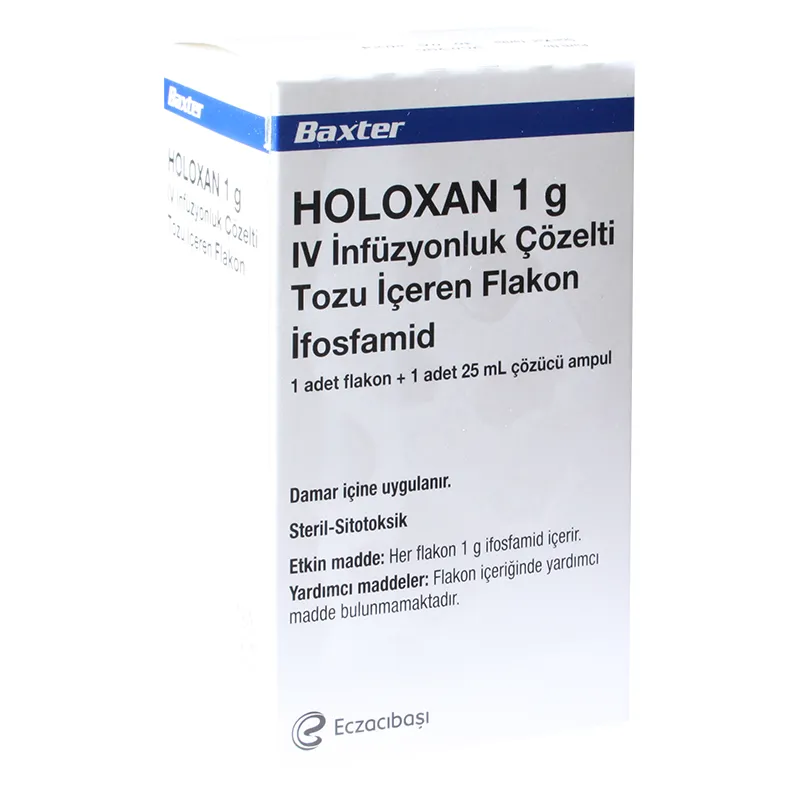
Table of Contents
- Package leaflet: Information for the patient
- 1. What HOLOXAN is and what it is used for
- 2. Important information before using HOLOXAN
- 3. How to use HOLOXAN
- 4. Possible adverse reactions
- 5. How to store the medicine HOLOXAN
- 6. Contents of the package and other information
- Information intended exclusively for healthcare professionals
Package leaflet: Information for the patient
HOLOXAN, 1 g, powder for solution for injection
HOLOXAN, 2 g, powder for solution for injection
Ifosfamide
Please read all of this leaflet carefully before using this medicine, as it contains
important information for you.
- Keep this leaflet, as you may need to read it again.
- If you have any further questions, please ask your doctor or pharmacist.
- This medicine has been prescribed for a specific individual. Do not pass it on to others. It may harm someone else, even if their symptoms are the same.
- If you experience any side effects, including any not listed in this leaflet, tell your doctor or pharmacist. See section 4.
Important information about HOLOXAN
HOLOXAN is prescribed for patients for the treatment of cancer.
HOLOXAN destroys cancer cells, but it also affects normal cells in the body. Therefore, HOLOXAN may cause many side effects. Your doctor will decide to prescribe this medicine when the cancer poses a greater risk to you than the possible side effects of the medicine. Your doctor will perform regular check-ups and, whenever possible, treat the effects of any side effects.
HOLOXAN:
- reduces the number of blood cells, which may cause fatigue and increase susceptibility to infections.
- may affect kidney and bladder function. You may be given another medicine, UROMITEXAN (containing mesna), to prevent damage. If blood in the urine is noticed, inform your doctor immediately.
- may cause mental disturbances such as confusion, excessive drowsiness, and more serious effects: seizures and loss of consciousness. If such symptoms occur, inform your doctor immediately.
- like most anticancer medicines, may cause hair loss (from thinning hair to complete baldness), but hair should regrow after treatment ends. The medicine may also cause nausea or vomiting. Your doctor will give you advice or prescribe appropriate medicines to relieve these symptoms.
- both men and women should not attempt to have children during treatment and for at least 6–12 months after treatment with ifosfamide has ended. Therefore, patients should use effective contraception during this time. Please read the rest of the leaflet. It contains other important information about using HOLOXAN, which may be particularly relevant to you.
Contents of the leaflet:
- What HOLOXAN is and what it is used for
- What you need to know before using HOLOXAN
- How to use HOLOXAN
- Possible side effects
- How to store HOLOXAN
- Contents of the pack and other information
1. What HOLOXAN is and what it is used for
HOLOXAN is a cytotoxic or anticancer medicine. It works by destroying cancer cells, a process sometimes referred to as "chemotherapy".
HOLOXAN is used in the treatment of many different cancers. It is often used together with other anticancer medicines or radiotherapy.
2. Important information before using HOLOXAN
When not to use HOLOXAN
- if the patient has ever had an allergic reaction to ifosfamide. An allergic reaction may include: shortness of breath, wheezing, rash, itching, or swelling of the face and lips;
- if the patient has bone marrow dysfunction (especially in patients previously treated with chemotherapy or radiotherapy). The doctor will order blood tests to assess bone marrow function;
- if the patient has difficulty urinating or a urinary tract infection, which may present as pain during urination (cystitis);
- if the patient has impaired liver or kidney function. Blood tests will be performed for this purpose;
- if the patient has an infection;
- if the patient has ever had kidney or bladder dysfunction due to prior chemotherapy or radiotherapy;
- if the patient has a condition that reduces the ability to pass urine (urinary obstruction).
Warnings and precautions
Before starting treatment with HOLOXAN, discuss with the doctor if:
- the patient is currently or has recently undergone chemotherapy or radiotherapy;
- the patient has diabetes;
- the patient has liver or kidney disease. The doctor will check liver and kidney function by performing blood tests;
- the patient has heart disease or has received radiotherapy to the heart area;
- the patient's general health condition is poor or the patient is weakened;
- the patient is elderly;
- the patient is or has been treated with cisplatin before or during ifosfamide therapy; additional blood or urine tests may be required and treatment may need to be adjusted.
When to exercise special caution when using HOLOXAN
-
Ifosfamide may affect blood and the immune system.
-
Blood cells are produced in the bone marrow. Three different types of blood cells are produced:
- red blood cells, which carry oxygen throughout the body,
- white blood cells, which fight infections, and
- platelets, which help blood clotting.
-
After administration of ifosfamide, the number of these three types of blood cells decreases. This is an unavoidable effect of ifosfamide. The lowest blood cell count typically occurs around 5–10 days after starting ifosfamide and persists for several days after the end of the treatment cycle. In most patients, blood cell counts return to normal within 21 to 28 days. If the patient has previously undergone multiple chemotherapy treatments, this period may be prolonged.
-
The patient may be more susceptible to infections when blood cell counts are low. Avoid close contact with people who are coughing, have colds, or other infections.
-
Before and during ifosfamide treatment, the doctor will check whether the levels of red blood cells, white blood cells, and platelets are sufficiently high.
-
Ifosfamide may impair wound healing. All cuts and wounds should be kept clean, dry, and monitored for proper healing.
-
It is important to maintain good oral hygiene, as mouth ulcers and infections may occur. Consult the doctor if in doubt.
-
Ifosfamide may damage the bladder mucosa, causing bleeding into the urine. The doctor is aware that this may occur and may administer mesna, which protects the urinary bladder.
-
The medicine UROMITEXAN (mesna) may be given either as a short injection, added to the ifosfamide infusion, or administered as tablets.
-
More information about UROMITEXAN (mesna) can be found in the patient leaflet included with UROMITEXAN (mesna) injection solution.
-
Most patients receiving ifosfamide together with UROMITEXAN (mesna) do not experience bladder problems; however, the doctor may wish to test the urine for blood using a dipstick test or microscope.
-
If blood in the urine is noticed, inform the doctor immediately.
-
Ifosfamide may cause kidney damage and impaired kidney function.
-
This is more likely if the patient has only one kidney or if the kidneys are already damaged.
-
This condition is usually temporary and resolves after completion of ifosfamide therapy. However, sometimes the damage may be permanent and severe.
-
The doctor will monitor test results for signs of kidney damage.
-
Ifosfamide may have toxic effects on the brain and spinal cord and may cause encephalopathy (a non-inflammatory brain disease). Inform the doctor immediately if any of the following symptoms occur, as they may indicate toxic effects on the brain and spinal cord: disorientation, drowsiness, loss of consciousness/coma, hallucinations, blurred vision, perceptual disturbances, extrapyramidal symptoms (such as muscle stiffness, muscle spasms, motor restlessness, slowed movements, uncoordinated movements), uncontrolled urination, or seizures (convulsions). The doctor or nurse may monitor patients for symptoms and signs of neurotoxicity.
-
Anticancer drugs and radiotherapy may increase the risk of developing other cancers, which may occur several years after treatment ends.
-
Ifosfamide may cause heart damage or affect heart rhythm. This risk increases with high doses of ifosfamide, in patients receiving radiotherapy or other chemotherapy drugs, or in elderly patients. The doctor will closely monitor heart function during treatment.
-
Ifosfamide may cause lung inflammation or scarring (pulmonary fibrosis). This may occur more than 6 months after treatment ends. If breathing difficulties occur, inform the doctor as soon as possible.
-
Ifosfamide may have a life-threatening effect on the liver. If the patient notices sudden weight gain, liver pain, or jaundice, inform the doctor immediately.
-
Hair thinning or hair loss may occur. Hair should regrow, but its texture and color may be different.
-
Ifosfamide may cause nausea or vomiting. This may last for about 24 hours after receiving ifosfamide. The patient may require anti-nausea medication. Ask the doctor for advice.
HOLOXAN and other medicines
Tell your doctor or nurse about all medicines currently taken or recently used, including those available without a prescription.
In particular, inform the doctor or nurse if you are taking any of the following medicines or have undergone treatments that may interact with HOLOXAN:
The following medicines may increase the toxicity of HOLOXAN:
Medicines that may enhance toxic effects on blood cells and the immune system:
- angiotensin-converting enzyme (ACE) inhibitors (used to treat high blood pressure)
- carboplatin (used to treat cancer)
- cisplatin (used to treat cancer)
- natalizumab (used to treat multiple sclerosis)
Medicines that may enhance toxic effects on the heart:
- anthracycline antibiotics such as bleomycin, doxorubicin, epirubicin, mitomycin (used to treat cancer)
- radiotherapy to the chest area near the heart
Medicines that may enhance toxic effects on the lungs:
- amiodarone (used to treat heart rhythm disorders)
- G-CSF, GM-CSF hormones (used to increase white blood cell counts after chemotherapy)
Medicines that may enhance toxic effects on the kidneys:
- acyclovir (used for antiviral treatment)
- aminoglycosides (used to treat bacterial infections)
- amphotericin B (used to treat fungal infections)
- carboplatin (used to treat cancer)
- cisplatin (used to treat cancer)
Medicines that may enhance toxic effects on the urinary bladder:
- busulfan (used to treat cancer)
- bladder irradiation
Medicines acting on the brain, such as medicines used to treat nausea and vomiting, sleeping pills, certain painkillers (opioid analgesics), or antiallergic medicines.
The following medicines may increase the toxicity of HOLOXAN:
- carbamazepine, phenytoin, phenobarbital (used to treat epilepsy)
- corticosteroids (used to treat inflammatory conditions)
- rifampicin (used to treat bacterial infections)
- St. John’s wort (a herbal medicine used to treat mild depression)
The following medicines may reduce the effectiveness of HOLOXAN:
- ketoconazole, fluconazole, itraconazole (used to treat fungal or parasitic infections)
- sorafenib (used to treat cancer)
Other medicines that may interact with HOLOXAN or that HOLOXAN may affect:
- docetaxel (used to treat cancer)
- coumarins such as warfarin (used to thin the blood)
- vaccines
- tamoxifen (used to treat breast cancer)
- cisplatin (used to treat cancer)
- irinotecan (used to treat cancer)
HOLOXAN with food and drink
Alcohol consumption may worsen nausea and vomiting caused by HOLOXAN.
Contraception, pregnancy, breastfeeding, and effects on fertility
Do not become pregnant during treatment with HOLOXAN, as it may cause miscarriage or fetal harm. If the patient is pregnant, suspects pregnancy, or plans to become pregnant, she should inform the doctor.
- Both men and women should avoid trying to conceive during treatment with HOLOXAN and for at least 6–12 months after treatment ends. Effective contraception methods should be used. Consult the doctor for advice.
- HOLOXAN may affect future fertility. Discuss with the doctor the possibility of sperm or egg freezing before starting treatment.
Do not breastfeed during treatment with HOLOXAN. Consult the doctor for advice.
Driving and operating machinery
Some adverse effects associated with HOLOXAN treatment may affect the ability to drive safely or operate machinery. The doctor will decide whether the patient can safely perform these activities.
Informing other healthcare providers
If visiting another doctor or hospital during treatment, regardless of the reason, inform the medical staff about all medications being taken. Do not take any other medicines without informing the doctor about the use of HOLOXAN.
3. How to use HOLOXAN
HOLOXAN is administered to the patient by a doctor or nurse.
- HOLOXAN is usually given from a large bag of fluid, via a slow intravenous infusion (drip), directly into the patient's vein. The vein used for infusion may be in the arm, hand, or a large vein beneath the collarbone. Depending on the dose used, administration of the medicine may last several hours, but it may also be given over several days.
- HOLOXAN is usually administered simultaneously with other anticancer medicines or with radiotherapy.
Typical doses
- The doctor will decide how much medicine to give and when it should be administered.
- The dose of HOLOXAN to be given to the patient depends on:
- the type of illness the patient has,
- height and body weight,
- the patient's general health,
- the use of other anticancer medicines or radiotherapy. HOLOXAN is usually given in several treatment cycles.
Administration of a higher than recommended dose of HOLOXAN
It is unlikely that the patient will receive a higher dose of HOLOXAN than recommended, as the medicine is administered by trained and qualified medical personnel. Administration of the medicine will be stopped immediately if too much has been given.
4. Possible adverse reactions
Like any medicine, the HOLOXAN medicine can cause adverse reactions, although they do not
occur in everyone. The following adverse reactions may occur during treatment.
Immediately inform your doctor if you experience any of the serious adverse reactions
listed below:
- appearance of bruises without injury, slowed blood clotting, or bleeding from the nose or gums. This may be a sign that the number of platelets in the blood is decreasing.
- decreasing number of white blood cells, which your doctor will monitor during treatment. There may be no symptoms, but the patient will be more susceptible to infections. If the patient suspects an infection (fever, chills and shivering, or feeling hot and sweating, or any sign of infection such as cough or burning sensation during urination), antibiotics may be necessary to treat the infection.
- paleness, lethargy, and fatigue. This may be a sign of low red blood cell count (anemia). Your doctor will decide on appropriate management.
- blood in the urine, pain or difficulty urinating.
- mental disturbances. In some patients, ifosfamide may affect brain function. Sometimes patients taking ifosfamide may not be aware of this, but friends and family may notice changes. If any of the following adverse reactions occur, the doctor will decide to discontinue ifosfamide treatment:
- confusion
- drowsiness
- loss of consciousness/coma
- disorientation
- restlessness
- depression
- hallucinations
- delusions (false beliefs)
- blurred vision
- perceptual disturbances
- extrapyramidal symptoms (such as muscle stiffness, muscle spasms, motor restlessness, slowed movement, uncoordinated movements)
- rapid speech
- word repetition
- compulsive behavior
- aggression
- uncontrolled urination
- seizures
The above adverse reactions may be accompanied by fever and rapid heartbeat.
Other possible adverse reactions:
Immune system and infections
- allergic reactions, with symptoms such as shortness of breath, wheezing, rash, itching, or swelling of the face and lips (hypersensitivity). Severe allergic reactions may cause breathing difficulties or shock, which may lead to death (anaphylactic shock, anaphylactic/anaphylactoid reactions);
- reduced effectiveness of the immune system (immunosuppression);
- increased risk and severity of bacterial, fungal, viral, protozoal, and parasitic infections due to ifosfamide's effect on the immune system;
- reactivation of previous infections (latent infections);
- severe bloodstream infections, which may lead to a significant drop in blood pressure and potentially death (sepsis, shock).
Tumours
- secondary tumours in various parts of the body, often in the urinary bladder;
- bone marrow tumour (myelodysplastic syndrome);
- blood cancer (leukaemia);
- lymphatic system tumour (non-Hodgkin's lymphoma).
Blood and lymphatic system
- decreased bone marrow activity (myelosuppression). This may lead to a reduced number of blood cells:
- white blood cells, which fight infections (leukopenia, agranulocytosis, granulocytopenia, lymphopenia, neutropenia). This may lead to fever (febrile neutropenia);
- platelets, which help blood clotting (thrombocytopenia);
- red blood cells, which carry oxygen (anaemia). This may lead to reduced oxygen-carrying capacity (decreased haemoglobin concentration);
- red blood cells, white blood cells, and platelets simultaneously (pancytopenia);
- formation of small blood clots in blood vessels disrupting normal blood flow (disseminated intravascular coagulation);
- haemolytic-uraemic syndrome – a condition causing abnormal breakdown of red blood cells, reduced platelet count, and kidney failure.
Endocrine system
- brain swelling due to excess water in the blood (water intoxication). Symptoms may include headache, personality or behavioural changes, confusion, drowsiness;
- increased secretion of antidiuretic hormone by the pituitary gland. This may affect the kidneys, causing low sodium levels in the blood (hyponatremia) and water retention in the body.
Metabolism and nutrition
- decreased or loss of appetite (anorexia);
- metabolic changes due to breakdown of tumour cells (tumour lysis syndrome);
- increased acidity of body fluids (metabolic acidosis);
- low potassium levels in the blood, which may cause heart rhythm disturbances, constipation, fatigue, muscle weakness or cramps, depression, psychosis, delirium, confusion, or hallucinations (hypokalaemia);
- low calcium levels in the blood, which may cause muscle cramps and twitching, irregular heartbeat, increased reflexes, burning or tingling in hands and feet (hypocalcaemia);
- low phosphate levels in the blood, which may cause bone pain, confusion, and muscle weakness (hypophosphataemia);
- high blood sugar levels, which may cause thirst, fatigue, and irritability (hyperglycaemia);
- excessive thirst, accompanied by excessive fluid intake (polydipsia).
Gastrointestinal system
- nausea and vomiting;
- diarrhoea;
- inflammation of the mucous membrane of the mouth, including mouth ulcers (mucositis);
- intestinal inflammation, which may cause bleeding (enteritis, typhlitis, haemorrhagic colitis);
- inflammatory condition causing abdominal pain or diarrhoea (colitis);
- bleeding from the stomach or intestines (gastrointestinal bleeding);
- severe abdominal and back pain (pancreatitis);
- constipation.
Nervous system
- nervous system disorders, which may cause weakness, tingling, or numbness (peripheral neuropathy). This condition may affect more than one nerve bundle (polyneuropathy);
- difficulty controlling or coordinating muscles used in speech or muscle weakness (dysarthria);
- seizures;
- status epilepticus (with convulsive or non-convulsive seizures) defined as one continuous, uninterrupted seizure lasting longer than 5 minutes or recurrent seizures without regaining consciousness between seizures for over 5 minutes;
- reversible posterior leukoencephalopathy, which may cause brain swelling, headache, confusion, seizures, and vision loss;
- effect on the brain (encephalopathy), with symptoms such as: problems with thinking or concentration, reduced alertness, personality changes, fatigue, seizures, muscle spasms, and tremors;
- dizziness;
- movement disorders and gait disturbances;
- effect on the spinal cord (myelopathy), which may cause numbness, weakness, and tingling in the hands, loss of motor function;
- nerve pain, which may also be felt as burning or shooting pain (neuralgia);
- tingling or numbness, often in the hands or feet (paraesthesia);
- changes in touch sensation (sensory disturbances) or loss of sensation (anaesthesia);
- changes in taste perception (taste disturbances) or loss of taste;
- inability to control bowel movements (faecal incontinence).
Eyes and ears
- vision disturbances, worsening or loss of vision;
- eye inflammation (conjunctivitis);
- deafness or hearing disturbances;
- ringing in the ears (tinnitus).
Heart and circulation
- changes in heart rhythm (arrhythmia), which may be noticeable (palpitations):
- irregular heartbeat (fibrillation);
- rapid heartbeat (tachycardia), which may be life-threatening (ventricular tachycardia);
- slower heartbeat (bradycardia);
- heart attack (myocardial infarction);
- reduced ability of the heart to pump sufficient blood throughout the body, which may be life-threatening (cardiogenic shock, heart failure, cardiac arrest);
- heart muscle disease (cardiomyopathy);
- inflammatory condition of tissues surrounding the heart (myocarditis, pericarditis);
- fluid accumulation in the pericardial sac (pericardial effusion). Increased pressure from this fluid may prevent the heart from filling properly (cardiac tamponade);
- abnormal ECG findings (prolonged QT interval on electrocardiogram);
- blood clot in the lungs causing chest pain and shortness of breath (pulmonary embolism);
- blood clot, usually in the leg, causing pain, swelling, or redness (venous thrombosis);
- inflammation of blood vessels;
- low or high blood pressure (hypotension, hypertension);
- skin redness (facial flushing).
Lungs
- life-threatening reduction in the lungs' ability to transfer oxygen into the blood (respiratory failure);
- conditions causing lung inflammation, which may lead to shortness of breath, cough, and fever or lung scarring (pneumonia, acute respiratory distress syndrome, allergic alveolitis);
- lung scarring causing breathing difficulties (pulmonary fibrosis);
- fluid in the lungs or around the lungs (pulmonary oedema, pleural effusion);
- increased blood pressure in the lungs, which may cause shortness of breath, fatigue, cough, angina, fainting, peripheral oedema (pulmonary hypertension);
- breathing difficulties or wheezing (bronchospasm);
- shortness of breath (dyspnoea);
- reduced oxygen levels in the body (hypoxia);
- cough.
Liver
- accumulation of toxins in the body due to liver failure (hepatotoxicity);
- liver failure;
- blockage of small liver veins (veno-occlusive liver disease), which may cause weight gain, enlarged liver, pain, and jaundice;
- reduced blood flow or blockage of the portal vein in the liver (portal vein thrombosis);
- conditions causing liver inflammation, which may lead to jaundice, weight loss, and malaise (hepatitis);
- impaired bile production by the liver, which may cause itching, jaundice, pale stools, dark urine (cholestasis);
- increased levels of certain liver-produced proteins, i.e. enzymes. Your doctor will order blood tests to monitor them.
Skin and subcutaneous tissue
- hair loss (alopecia);
- skin rashes or development of small, round, raised nodules with well-defined borders (papular rash);
- inflammatory skin condition, which may cause rash, blisters, itching, ulcers, oozing, and scarring (dermatitis);
- life-threatening conditions, which may cause rash, ulcers, sore throat, fever, conjunctivitis, and skin layer separation (toxic epidermal necrolysis, Stevens-Johnson syndrome);
- swelling, numbness, red nodules, and peeling of the skin on the palms and soles (hand-foot syndrome);
- redness and blisters on the skin appearing several months or years after treatment ends (radiation dermatitis);
- skin rashes with flat lesions less than 1 cm in diameter (macular rash);
- itching (pruritus);
- itchy red rash, which may develop into ulcers (erythema);
- changes in nail and skin colour;
- nail bed separation, which may lead to nail loss;
- facial swelling;
- excessive sweating.
Musculoskeletal and connective tissue system
- abnormal muscle breakdown, which may lead to kidney problems (rhabdomyolysis);
- softening of bones, which may cause severe bone pain, pain from minor bone cracks, back pain, partial or complete bone fractures, muscle weakness (osteomalacia, rickets);
- growth delay;
- muscle pain (myalgia) or joint pain (arthralgia);
- discomfort in the upper or lower limbs (limb pain);
- muscle cramps.
Kidneys and urinary system
- inflammation of the mucous membrane of the urinary bladder, causing pain, bleeding, presence of blood in urine, reduced urine flow (haemorrhagic cystitis);
- blood in the urine (haematuria);
- life-threatening reduction in the kidney's ability to properly remove toxins and metabolic waste from the blood (renal failure);
- changes in kidney structure preventing normal function (structural kidney damage);
- abnormal kidney function leading to excessive urine production and excessive thirst, resulting in deficiency of water, calcium, potassium, magnesium, and other substances in the body (Fanconi syndrome);
- glucose in the urine (glucosuria);
- abnormal kidney function causing cloudy urine (phosphaturia);
- abnormal kidney function causing increased total amino acid concentration in urine (aminoaciduria). Your doctor will recommend urine testing for this.
- condition usually defined as excessive or abnormally high urine production or excretion (polyuria);
- repeated inability to control urination (incontinence);
- sensation of urine retention;
- kidney failure.
Pregnancy and fertility
- infertility. Sperm production in men and egg cells in women may be reduced or stopped. In some cases, this may be irreversible;
- loss of ovarian function before age 40 (ovarian failure, premature menopause);
- absence of menstruation or ovulation (ovulation disorders);
- absence of measurable sperm levels in male semen (azoospermia) or reduced sperm count in ejaculate (oligospermia);
- decreased oestrogen levels in the blood;
- increased gonadotropin hormone levels in the blood;
- use in young patients may result in fertility disorders in the future.
Congenital, familial, and genetic disorders
- growth retardation, malformations, or foetal death in utero.
General disorders and administration site reactions
- vein inflammation, usually in the legs;
- fever, usually in combination with signs of infection (febrile neutropenia);
- fatigue;
- general discomfort or uneasiness (malaise);
- life-threatening multi-organ damage;
- general deterioration in physical condition;
- skin changes and irritation at the injection or infusion site;
- chest pain;
- swelling;
- inflammation of mucous membranes of body cavities (mucositis);
- flu-like symptoms such as headache, fever, chills, joint and muscle pain, weakness, fatigue.
Reporting of adverse reactions
If any adverse reactions occur, including any not listed in this leaflet, inform your doctor or nurse. Adverse reactions can be reported directly to the Department of Monitoring Adverse Drug Reactions of the Office for Registration of Medicinal Products, Medical Devices and Biocidal Products
Al. Jerozolimskie 181C
02-222 Warsaw
tel.: +48 22 49 21 301
Website: https://smz.ezdrowie.gov.pl
Adverse reactions can also be reported to the marketing authorisation holder.
Reporting adverse reactions helps to provide more information on the safety of the medicine.
5. How to store the medicine HOLOXAN
Since HOLOXAN is usually administered in a hospital, it will be safely and properly stored by medical staff. If necessary, storage conditions are given below.
- Keep the medicine out of the sight and reach of children.
- Do not use this medicine after the expiry date stated on the packaging. The expiry date refers to the last day of the specified month.
Store below 25°C.
Keep in the original packaging.
6. Contents of the package and other information
What Holoxan contains
The active substance is ifosfamide. Each vial contains 1 g or 2 g of ifosfamide.
The medicine does not contain any other ingredients.
What Holoxan looks like and contents of the pack
Holoxan is a white, lyophilized powder supplied in vials made of clear glass. The pack contains 1 vial or 10 vials.
The contents of each vial must be reconstituted with water for injections before use.
Marketing Authorisation Holder and Manufacturer
Marketing Authorisation Holder
Baxter Polska Sp. z o.o.
ul. Kruczkowskiego 8
00-380 Warsaw, Poland
Manufacturer
Baxter Oncology GmbH
Kantstrasse 2
D-33790 Halle, Germany
Baxter, Holoxan and Uromitexan are trademarks of Baxter International Inc.
Information intended exclusively for healthcare professionals
Preparation of infusion solution:
When handling the medicinal product HOLOXAN, general safety guidelines for cytotoxic agents should be followed.
Any unused medicinal product or waste material must be disposed of in accordance with local regulations.
For administration as an infusion, the prepared HOLOXAN solution should be diluted with 5% glucose solution, 0.9% sodium chloride solution, or Ringer's solution. The following guidelines may be used: For short intravenous infusions (approximately 30–60 minutes), HOLOXAN should be diluted to a final volume of 250 ml; for longer infusions (1 to 2 hours), to 500 ml. For preparing continuous 24-hour infusions of high doses of HOLOXAN, e.g., 5 g/m², the prepared solution should be further diluted to 3 liters with 5% glucose solution and/or physiological saline solution.
It has been demonstrated that the solution obtained after dissolving the powder, as well as after subsequent dilution, remains chemically and physically stable for 48 hours at 25°C.
From a microbiological standpoint, it is recommended that diluted solutions be used immediately after preparation. Otherwise, the person administering the drug is responsible for the shelf life and storage conditions; however, the solution should not be stored for longer than 24 hours at a temperature of 2°C to 8°C.
Dosage and administration
The medicinal product HOLOXAN should be administered only by physicians experienced in its use.
Dosage must be individually determined for each patient. Doses, duration of treatment, and (or) treatment breaks depend on the therapeutic indication, combination therapy regimen, the patient's general health and organ function, as well as laboratory test results.
The concentration of ifosfamide in the ready-to-use solution must not exceed 4%.
Fractionated administration:
1.2–2.4 g/m² body surface area (30 to 60 mg/kg body weight) per day for 5 consecutive days.
Total dose administered over the entire cycle is 6–12 g/m² body surface area (150 to 300 mg/kg body weight). Administered as a short intravenous infusion lasting approximately 30 to 120 minutes, depending on the infusion volume.
Continuous infusion administration:
5 g/m² body surface area (125 mg/kg body weight), administered as a continuous 24-hour infusion.
The maximum dose in a single treatment cycle must not exceed 8 g/m² body surface area (200 mg/kg body weight). Compared to fractionated dosing, a single high dose may result in more pronounced symptoms of hematotoxicity, urotoxicity, nephrotoxicity, and central neurotoxicity.
Dose reduction guidelines in case of bone marrow suppression
| Leukocyte count/μl | Platelet count/μl | Dosing |
| > 4,000 | > 100,000 | 100% of calculated dose |
| 4,000–2,500 | 100,000–50,000 | 50% of calculated dose |
| < 2,500 | < 50,000 | Postponement of treatment until normalization or individual decision |
Warning:
The above dosage recommendations refer to monotherapy with ifosfamide. In the case of combination therapy with other cytostatic agents, the appropriate treatment regimen should be followed.