Ceftriaxon-mip i.v./i.m. 1 g
Poland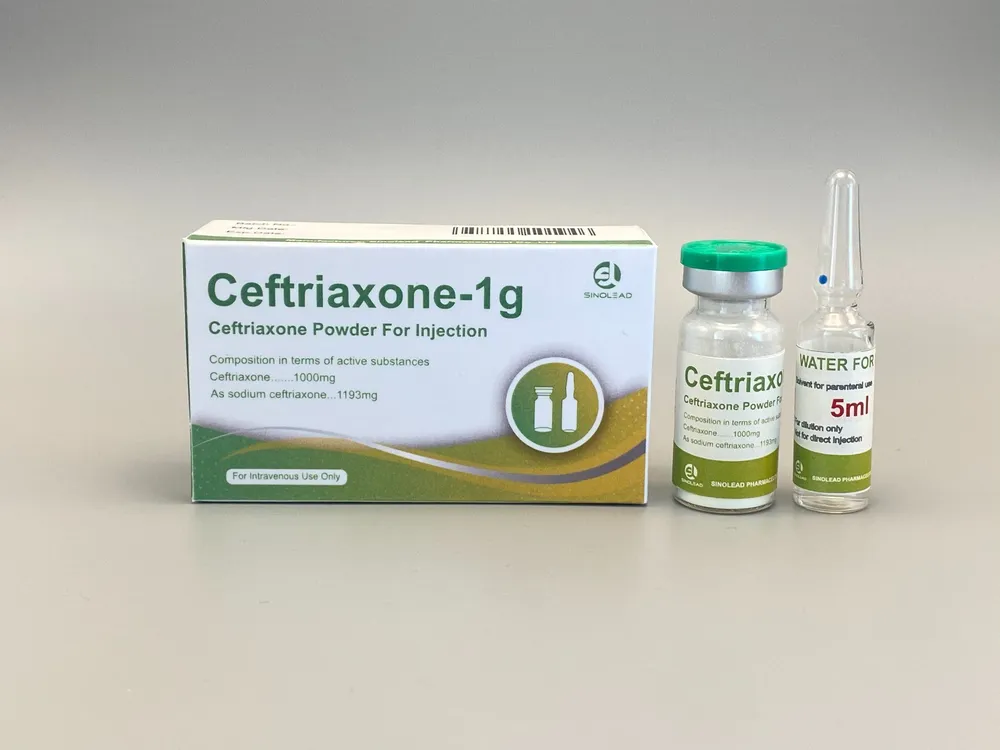
Table of Contents
Package leaflet: Information for the patient
Ceftriaxon-MIP i.v./i.m. 1 g, powder for solution for injection / infusion
Ceftriaxon-MIP i.v. 2 g, powder for solution for infusion
Ceftriaxonum
Please read carefully all the information in this leaflet before using this medicine, as it contains
important information for the patient.
- Keep this leaflet, as you may need to read it again.
- If you have any questions, please consult your doctor, pharmacist, or nurse.
- This medicine has been prescribed for a specific individual. Do not pass it on to others. This medicine may harm other people, even if their symptoms are the same.
- If the patient experiences any adverse effects, including any not listed in this leaflet, they should inform their doctor, pharmacist, or nurse. See section 4.
Table of contents of the leaflet
- What Ceftriaxon-MIP is and what it is used for
- Important information before using Ceftriaxon-MIP
- How to use Ceftriaxon-MIP
- Possible side effects
- How to store Ceftriaxon-MIP
- Contents of the pack and other information
1. What Ceftriaxon-MIP is and what it is used for
Ceftriaxon-MIP is an antibiotic used in adults and children (including newborns). It works by killing bacteria causing infections. It belongs to a group of medicines called cephalosporins.
Ceftriaxon-MIP is used to treat infections of:
- the brain (meningitis),
- the lungs,
- the middle ear,
- the abdomen and peritoneal cavity (peritonitis),
- the urinary tract and kidneys,
- bones and joints,
- skin and soft tissues,
- the blood,
- the heart.
This medicine may also be used:
- to treat certain sexually transmitted infections (gonorrhoea and syphilis),
- to treat patients with low white blood cell counts (neutropenia) who have fever due to bacterial infection,
- to treat chest infections in adults with chronic bronchitis,
- to treat Lyme disease (a tick-borne illness) in adults and children, including newborns from day 15 of life,
- to prevent infections during surgery.
2. Important information before using Ceftriaxon-MIP
When not to use Ceftriaxon-MIP:
- if the patient is allergic to ceftriaxone or to any of the other ingredients of this medicine (listed in section 6),
- if the patient has had a sudden or severe allergic reaction to penicillin or similar antibiotics (such as cephalosporins, carbapenems, monobactams); symptoms of such a reaction include sudden swelling of the throat or face, which may make breathing or swallowing difficult, sudden swelling of hands, feet, and ankles (ankle joints), chest pain, and rapidly developing severe rash,
- if the patient is allergic to lidocaine and is to receive Ceftriaxon-MIP by intramuscular injection.
Ceftriaxon-MIP must not be used in young children if:
- the child is a premature infant,
- the child is a newborn (up to 28 days of age) and has certain blood disorders or jaundice [yellowing of the skin and/or whites of the eyes], or if the child is to receive intravenous calcium-containing products.
Warnings and precautions
Before starting treatment with Ceftriaxon-MIP, discuss with your doctor, pharmacist, or nurse if:
- the patient currently has or has previously had any of the following symptoms: rash, redness of the skin, blisters around the lips, eyes or mouth, peeling of the skin, high fever, flu-like symptoms, increased liver enzyme activity observed in blood test results, increased number of a certain type of white blood cells (eosinophilia), and enlarged lymph nodes (symptoms of severe skin reactions, see also section 4 "Possible side effects"),
- the patient has recently received or is about to receive calcium-containing products,
- the patient has recently had diarrhoea after antibiotic treatment,
- the patient has ever had intestinal problems, especially colitis (inflammation of the large intestine),
- the patient has liver or kidney problems (see section 4),
- the patient has gallstones or kidney stones,
- the patient has other diseases such as haemolytic anaemia (reduced number of red blood cells causing paleness, weakness, or shortness of breath),
- the patient is on a low-sodium diet.
Regarding blood or urine tests
If the patient is receiving Ceftriaxon-MIP for a prolonged period, regular blood tests may be necessary. Ceftriaxon-MIP may affect the results of urine glucose tests and a blood test known as the Coombs test. If the patient is undergoing tests:
- the person collecting the sample should be informed that the patient is receiving Ceftriaxon-MIP.
Children
Before giving Ceftriaxon-MIP to a child, discuss with the doctor, pharmacist, or nurse if:
- the child has recently received or is about to receive intravenous calcium-containing products.
Ceftriaxon-MIP and other medicines
Tell your doctor or pharmacist about all medicines the patient is currently taking or has recently taken, as well as any medicines the patient plans to take.
In particular, inform your doctor or pharmacist if the patient is taking any of the following medicines:
- an antibiotic belonging to the aminoglycoside group,
- an antibiotic called chloramphenicol, used to treat infections, particularly eye infections.
Pregnancy, breastfeeding, and fertility
If the patient is pregnant or breastfeeding, suspects she may be pregnant, or is planning to become pregnant, she should consult her doctor before using this medicine.
The doctor will assess the benefits of treatment with Ceftriaxon-MIP for the mother and the potential risks for the child.
Driving and operating machinery
Ceftriaxon-MIP may cause dizziness. If the patient experiences dizziness, they should not drive or operate tools or machinery. Inform the doctor if such symptoms occur.
Ceftriaxon-MIP contains sodium
Ceftriaxon-MIP i.v./i.m. 1 g:
This medicine contains 83 mg (3.6 mmol) of sodium (the main component of table salt) in each 1 g. This corresponds to 4.15% of the maximum recommended daily sodium intake in the adult diet.
Ceftriaxon-MIP i.v. 2 g:
This medicine contains 166 mg (7.2 mmol) of sodium (the main component of table salt) in each 2 g. This corresponds to 8.3% of the maximum recommended daily sodium intake in the adult diet.
This should be taken into account in patients with impaired kidney function and in patients monitoring sodium intake in their diet.
Preparation of the medicine for administration – see section: "Information intended exclusively for healthcare professionals" at the end of this leaflet. When calculating the total sodium content in the prepared diluted solution, the sodium from the diluent must also be considered. For accurate information on the sodium content in the solution used to dilute the medicine, refer to the patient leaflet of the diluent used.
3. How to use Ceftriaxon-MIP
Ceftriaxon-MIP is usually administered by a doctor or nurse. It may be given as an intravenous infusion (drip) or by direct injection into a vein or muscle. Ceftriaxon-MIP is prepared by a doctor, pharmacist, or nurse and must not be mixed or administered simultaneously with calcium-containing solutions.
Typically used dose
Your doctor will decide the appropriate dose of Ceftriaxon-MIP for you. The dose depends on the severity and type of infection; whether you are taking other antibiotics; your age and body weight; and your liver and kidney function. The number of days or weeks you will receive Ceftriaxon-MIP depends on the type of infection.
Adults, elderly patients, and children aged 12 years and older with body weight of at least 50 kilograms (kg)
- 1 to 2 g once daily, depending on the severity and type of infection. In case of severe infection, your doctor may use a higher dose (up to 4 g once daily). If the daily dose exceeds 2 g, the medicine may be given as a single dose or in two separate doses.
Newborns, infants, and children aged from day 15 to 12 years with body weight below 50 kg
-
50 to 80 mg of Ceftriaxon-MIP per kg of the child's body weight once daily, depending on the severity and type of infection. In case of severe infection, your doctor may use a higher dose, up to 100 mg per kg of body weight, with a maximum of 4 g once daily. If the daily dose exceeds 2 g, the medicine may be given as a single daily dose or in two separate doses.
-
Children with body weight of 50 kg or more should receive the usual adult dose.
Newborns aged 0–14 days
-
20 to 50 mg of Ceftriaxon-MIP per kg of the child's body weight once daily, depending on the severity and type of infection.
-
The maximum daily dose must not exceed 50 mg per kg of the child's body weight.
Patients with impaired liver or kidney function
You may receive a dose different from the usual recommended dose. Your doctor will determine the appropriate dose of Ceftriaxon-MIP for you and will closely monitor your condition depending on the severity of liver or kidney impairment.
Accidental overdose of Ceftriaxon-MIP
If you accidentally receive more medicine than prescribed, contact your doctor or nearest hospital immediately.
Missed dose of Ceftriaxon-MIP
If you miss an injection, it should be given as soon as possible. However, if it is almost time for the next dose, do not administer the missed dose. Do not use a double dose (two injections at the same time) to make up for a missed dose.
Stopping treatment with Ceftriaxon-MIP
Do not stop using Ceftriaxon-MIP unless instructed by your doctor. If you have any further questions about the use of this medicine, consult your doctor or nurse.
4. Possible side effects
Like all medicines, this medicine can cause side effects, although not everybody will experience them.
The following side effects may occur during treatment with this medicine.
Severe allergic reactions (frequency unknown – cannot be estimated from the available data)
If a severe allergic reaction occurs, inform your doctor immediately.
Symptoms may include:
- sudden swelling of the face, throat, lips or mouth. This may make breathing or swallowing difficult;
- sudden swelling of the hands, feet and ankles (ankle joints);
- chest pain associated with an allergic reaction, which may be a sign of an allergy-induced heart attack (Kounis syndrome).
Severe skin reactions (frequency unknown – frequency cannot be estimated from the available data)
If a severe skin reaction occurs, inform your doctor immediately.
Symptoms of such a reaction may include:
- rapidly developing severe rash, with blisters or skin peeling and possible blisters in the mouth (Stevens-Johnson syndrome and toxic epidermal necrolysis [Lyell's syndrome], also known as SJS and TEN);
- any of the following symptoms: spreading rash, high body temperature, increased liver enzyme activity, abnormal blood test results (eosinophilia), swollen lymph nodes and involvement of other organs (drug reaction with eosinophilia and systemic symptoms, also known as DRESS syndrome or drug hypersensitivity syndrome);
- Jarisch-Herxheimer reaction causing fever, chills, headache, muscle pain and skin rash, usually self-limiting; this reaction occurs shortly after starting treatment with Ceftriaxon-MIP for infections caused by spirochetes, for example Lyme disease.
Other possible side effects
Common (may occur in up to 1 in 10 patients)
- blood abnormalities affecting white blood cells (such as decreased white blood cell count and increased eosinophils) and platelets (decreased platelet count),
- loose stools or diarrhoea,
- changes in blood test results assessing liver function,
- rash.
Uncommon (may occur in up to 1 in 100 patients)
- fungal infections (e.g. candidiasis),
- decreased white blood cell count (granulocytopenia),
- decreased red blood cell count (anaemia),
- problems with blood clotting; symptoms may include easy bruising, and joint pain and swelling,
- headache,
- dizziness,
- nausea and/or vomiting,
- itching (pruritus),
- pain or burning along the vein into which Ceftriaxon-MIP was administered; pain at the injection site,
- high body temperature (fever),
- abnormal kidney function test result (increased blood creatinine concentration).
Rare (may occur in up to 1 in 1000 patients)
- inflammation of the large intestine (colitis); symptoms include diarrhoea, usually with blood and mucus, abdominal pain and fever,
- treatment with ceftriaxone – especially in elderly patients with severe kidney or nervous system disorders – may rarely cause decreased level of consciousness, abnormal movements, agitation and seizures,
- breathing difficulties (bronchospasm),
- raised skin rash (urticaria), which may affect large areas of the body, itching and swelling,
- blood or sugar in the urine,
- oedema (fluid retention in the body),
- chills.
Frequency unknown (frequency cannot be estimated from the available data)
- secondary infection resistant to previously prescribed antibiotics,
- a certain type of anaemia involving destruction of red blood cells (haemolytic anaemia),
- marked decrease in white blood cell count (agranulocytosis),
- seizures,
- severe dizziness (sensation of spinning),
- pancreatitis; symptoms include severe abdominal pain radiating to the back,
- inflammation of the mucous membrane lining the mouth,
- inflammation of the tongue; symptoms include swelling, redness and pain of the tongue,
- disorders related to the gallbladder and/or liver, which may cause pain, nausea, vomiting, yellowing of the skin, itching, very dark urine and clay-coloured stools,
- a neurological condition that may occur in newborns with severe jaundice (basal ganglia kernicterus),
- kidney problems caused by deposition of calcium-ceftriaxone salts; symptoms may include pain when passing urine or production of small amounts of urine,
- false positive Coombs test result (a test detecting certain blood disorders),
- false positive galactosemia test result (abnormal accumulation in the body of a sugar called galactose),
- Ceftriaxon-MIP may affect the results of certain blood glucose tests – this should be discussed with your treating physician.
Reporting of side effects
If any side effects occur, including any not listed in this leaflet, inform your doctor, pharmacist or nurse. Side effects can be reported directly to the Department for Monitoring Adverse Drug Reactions of the Office for Registration of Medicinal Products, Medical Devices and Biocidal Products:
Al. Jerozolimskie 181C, 02-222 Warsaw,
Tel.: +48 22 49 21 301
Fax: +48 22 49 21 309
Website: https://smz.ezdrowie.gov.pl .
Side effects can also be reported to the marketing authorisation holder.
Reporting side effects helps provide more information on the safety of this medicine.
5. How to store Ceftriaxon-MIP
Keep this medicine out of the sight and reach of children.
Do not use this medicine after the expiry date stated on the packaging. The expiry date refers to the last day of the stated month.
Store below 30°C.
The prepared solution can be stored for 24 hours in a refrigerator (2°C–8°C).
Medicines must not be disposed of via wastewater or household waste. Ask your pharmacist how to dispose of medicines no longer required. Such measures will help protect the environment.
6. Contents of the pack and other information
What Ceftriaxon-MIP contains
- The active substance is ceftriaxone. Ceftriaxon-MIP i.v./i.m. 1 g: 1 vial contains 1 g of ceftriaxone in the form of ceftriaxone sodium (1.193 g). Ceftriaxon-MIP i.v. 2 g: 1 vial contains 2 g of ceftriaxone in the form of ceftriaxone sodium (2.386 g).
- The medicine does not contain any other ingredients.
What Ceftriaxon-MIP looks like and contents of the pack
Vials contain a powder which is white to yellowish in colour.
Vials made of glass with a bromobutyl rubber stopper and aluminium flip-off cap, packed in a cardboard box.
1 vial
5 vials
10 vials
25 vials
Not all pack sizes may be marketed.
Marketing Authorisation Holder and Manufacturer
Marketing Authorisation Holder
MIP Pharma Polska Sp. z o.o.
ul. Orzechowa 5
80-175 Gdańsk
Tel.: 58 303 93 62
Fax: 58 322 16 13
E-mail: [email protected]
Manufacturer
Chephasaar, Chemisch-pharmazeutische Fabrik GmbH
Mühlstrasse 50
D-66386 St. Ingbert
Germany
02.04.2024
Information intended exclusively for healthcare professionals:
Ceftriaxon-MIP may be administered by intravenous infusion lasting at least 30 minutes (recommended route of administration), by slow intravenous injection over 5 minutes, or by deep intramuscular injection. Intermittent intravenous injection lasting longer than 5 minutes should preferably be performed into large veins. Intravenous doses of 50 mg/kg body weight or higher in infants and children under 12 years of age should be given by infusion. In neonates, intravenous doses should be administered over a period longer than 60 minutes to reduce the risk of bilirubin encephalopathy. Intramuscular injections should be administered at an appropriate depth into a relatively large muscle; no more than 1 g should be injected at a single site. Intramuscular administration should be considered only when intravenous administration is not feasible or less appropriate for the individual patient. Doses exceeding 2 g should be administered intravenously.
Never administer solutions in which lidocaine has been used as a solvent intravenously. Consider the information provided in the Summary of Product Characteristics for lidocaine.
Ceftriaxone is contraindicated in neonates (≤28 days of age) who require (or are expected to require) intravenous calcium-containing solutions, including continuous infusions containing calcium such as parenteral nutrition solutions, due to the risk of precipitation of ceftriaxone-calcium salt.
Due to the risk of precipitate formation, diluents containing calcium (e.g., Ringer's solution or Hartmann's solution) must not be used to reconstitute ceftriaxone in vials or for further dilution of the prepared solution for intravenous administration. Ceftriaxone-calcium salt may also precipitate if ceftriaxone is mixed with a calcium-containing solution in the same intravenous administration set. Therefore, ceftriaxone must not be mixed or co-administered with calcium-containing solutions.
For preoperative prophylaxis of surgical site infections, ceftriaxone should be administered 30–90 minutes before the surgical procedure.
Preparation of solution for intravenous infusion
Ceftriaxon-MIP i.v./i.m. 1 g or Ceftriaxon-MIP i.v. 2 g may be administered by intravenous infusion lasting at least 30 minutes. The contents of one vial of Ceftriaxon-MIP i.v./i.m. 1 g or Ceftriaxon-MIP i.v. 2 g should be dissolved in 40 mL of one of the following calcium-free infusion fluids:
- Water for injections
- 0.9% sodium chloride solution
- 0.45% sodium chloride solution + 2.5% glucose solution
- 5% glucose solution
- 10% glucose solution
- 6% dextran in 5% glucose solution
- infusion fluids containing hydroxyethyl starch (6–10%)
Preparation of solution for intravenous injection
The contents of one vial of Ceftriaxon-MIP i.v./i.m. 1 g should be dissolved in 10 mL of water for injections and administered by direct intravenous injection.
Preparation of solution for intramuscular injection
One gram of the dry substance should be dissolved in 3.5 mL of 1% lidocaine hydrochloride injection solution. The resulting solution should be administered by deep intramuscular injection. Doses exceeding 1 g should be divided and administered at more than one injection site.
The solutions are yellowish in color. This characteristic of the active substance does not affect the efficacy or tolerability of the medicinal product.
The reconstituted solution in the vial is intended for single use. Immediate use of the prepared solution is recommended.