NovoSeven 2 mg (100 KUI) powder and solvent for solution for injection
Spain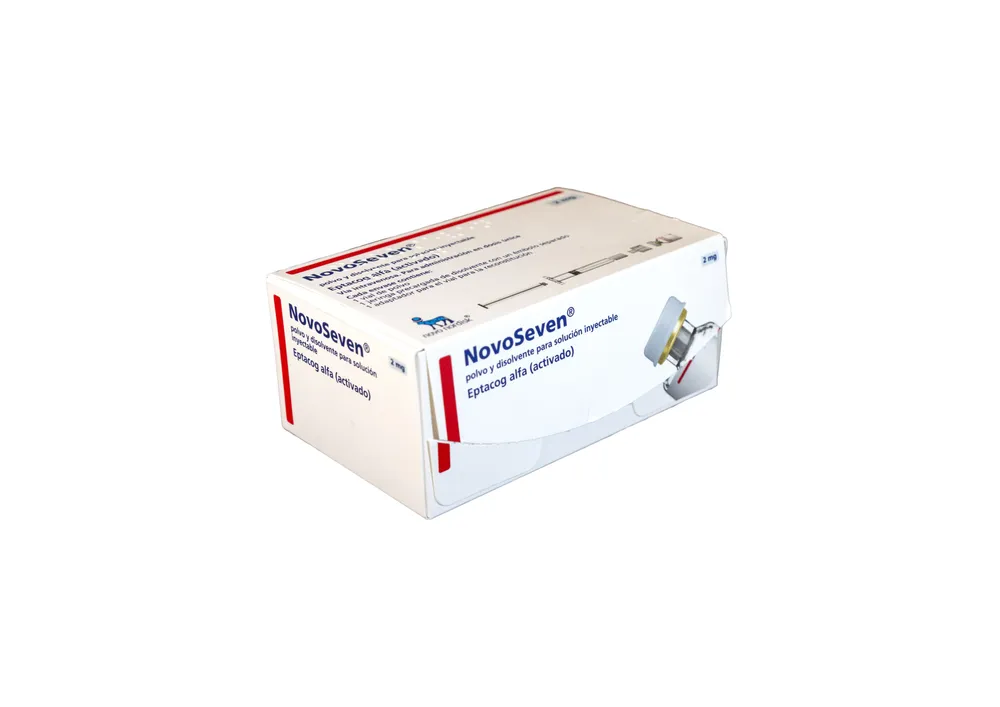
Table of Contents
Package leaflet: Information for the user
Introduction
Package leaflet: information for the user
NovoSeven 1mg (50KUI) powder and solvent for solution for injection
NovoSeven 2mg (100KUI) powder and solvent for solution for injection
NovoSeven 5mg (250KUI) powder and solvent for solution for injection
NovoSeven 8mg (400KUI) powder and solvent for solution for injection
eptacog alfa (activated)
Read the entire leaflet carefully before you start using this medicine, because it contains important information for you.
- Keep this leaflet, as you may need to read it again.
- If you have any questions, ask your doctor.
- This medicine has been prescribed for you only, and you should not give it to others, even if they have the same symptoms as you, because it could harm them.
- If you experience any adverse effects, consult your doctor, even if they are adverse effects not listed in this leaflet. See section 4.
Leaflet contents
- What NovoSeven is and what it is used for
- What you need to know before using NovoSeven
- How to use NovoSeven
- Possible side effects
- How to store NovoSeven
- Contents of the pack and other information
On the reverse: Instructions for use of NovoSeven
1. What NovoSeven is and what it is used for
NovoSeven is a blood coagulation factor. It works by activating the blood coagulation system at the site of bleeding when the patient's own coagulation factors are not functioning properly.
NovoSeven is used to treat bleeding episodes and to prevent excessive bleeding following surgical procedures or other major interventions. Early treatment with NovoSeven reduces both the amount and duration of bleeding. It is effective in all types of bleeding, including joint bleeding. This reduces the need for hospitalization and the number of days missed from work or school.
It is used in certain patient groups:
- If you have congenital haemophilia and do not respond normally to treatment with factor VIII or IX
- If you have acquired haemophilia
- If you have Factor VII deficiency
- If you have Glanzmann's thrombasthenia (a bleeding disorder) and your condition cannot be effectively treated with platelet transfusions, or if platelets are not readily available
NovoSeven may also be administered by a physician to treat severe bleeding after childbirth, even if you do not have an underlying bleeding disorder.
2. What you need to know before using NovoSeven
Do not use NovoSeven
- If you are allergic to eptacog alfa (the active substance in NovoSeven) or to any of the other ingredients of this medicine (listed in section 6).
- If you are allergic to mouse, hamster, or bovine proteins (such as cow's milk).
? If any of these apply to you, do not use NovoSeven. Consult your doctor.
Warnings and precautions
Before starting treatment with NovoSeven, make sure your doctor knows:
- If you have recently undergone surgery
- If you have recently suffered crush trauma
- If your arteries are narrowed due to disease (atherosclerosis)
- If you have an increased risk of blood clot formation (thrombosis)
- If you have severe liver disease
- If you have severe sepsis
- If you are prone to disseminated intravascular coagulation (DIC, a condition in which blood clots form throughout the bloodstream), you must be carefully monitored.
? If any of these apply to you, tell your doctor before using this product.
Other medicines and NovoSeven
Inform your doctor or pharmacist if you are taking, have recently taken, or might need to take any other medicines.
Do not use NovoSeven at the same time as prothrombin complex concentrates or rFXIII. You should consult your doctor before using NovoSeven if you are also receiving factor VIII or IX.
There is limited experience with the use of NovoSeven together with other medicines called antifibrinolytics (such as aminocaproic acid or tranexamic acid), which are also used to control bleeding. You should consult your doctor before using NovoSeven with these medicines.
Pregnancy, breastfeeding, and fertility
If you are pregnant or breastfeeding, think you may be pregnant, or are planning to become pregnant, consult your doctor before using NovoSeven.
Driving and using machines
There are no studies on the effects of NovoSeven on the ability to drive or operate machinery. However, there is no medical reason to expect that it might affect your ability.
NovoSeven contains sodium
This medicine contains less than 1 mmol of sodium (23 mg) per injection, i.e., essentially "sodium-free".
3. How to use NovoSeven
NovoSeven powder must be reconstituted with the solvent and injected intravenously. See detailed instructions on the reverse.
When to treat
Begin treatment for bleeding as soon as possible, ideally within the first 2 hours.
- In case of mild or moderate bleeding, treat yourself as soon as possible, preferably at home.
- In case of severe bleeding, contact your doctor. Severe bleeding is usually treated in hospital, and you may administer the first dose of NovoSeven on the way there.
Do not treat yourself for longer than 24 hours without consulting your doctor.
- Each time you use NovoSeven, inform your doctor or hospital as soon as possible.
- If bleeding is not controlled within the first 24 hours, contact your doctor immediately. You will usually require hospital care.
Dosage
The first dose should be administered as soon as possible after the onset of bleeding. Consult your doctor about when injections should be given and how long treatment should continue.
Your doctor will determine your dose based on your body weight, condition, and type of bleeding.
To achieve the best outcome, follow the prescribed dose carefully. Your doctor may adjust the dose.
If you have haemophilia:
The usual dose is 90 micrograms per kilogram of body weight; you may repeat the injection every 2–3 hours until bleeding is controlled.
Your doctor may recommend a single dose of 270 micrograms per kilogram of body weight. There is no clinical experience with this single dose in people over 65 years of age.
If you have Factor VII deficiency:
The usual dose range is 15–30 micrograms per kilogram of body weight per injection.
If you have Glanzmann's thrombasthenia:
The usual dose is 90 micrograms (range 80 to 120 micrograms) per kilogram of body weight per injection.
If you inject more NovoSeven than you should
If you inject too much NovoSeven, consult your doctor immediately.
If you forget to inject a dose of NovoSeven
If you forget to inject a dose of NovoSeven or wish to stop treatment, consult your doctor immediately.
4. Possible adverse effects
Like all medicines, this medicine can cause adverse effects, although not everyone experiences them.
Serious adverse effects
Rare (may affect up to 1 in 1,000 treatment episodes)
- Allergy, hypersensitivity, or anaphylactic reactions. Symptoms may include skin rash, itching, redness, and hives; chest tightness or difficulty breathing; feeling dizzy or lightheaded; and severe swelling of the lips or throat, or at the injection site.
- Blood clots in the arteries of the heart (which could lead to heart attack or angina), in the brain (which could lead to stroke), or in the intestines and kidneys. Symptoms may include severe chest pain, difficulty breathing, confusion, difficulty speaking or movement (paralysis), or abdominal pain.
Uncommon (may affect up to 1 in 100 treatment episodes)
- Blood clots in the veins of the lungs, legs, liver, kidneys, or at the injection site. Symptoms may include difficulty breathing, painful red swelling in the leg, and abdominal pain.
- Lack of effectiveness or reduced response to treatment.
? If you experience any of these serious adverse effects, seek medical help immediately. Inform the healthcare provider that you have been using NovoSeven.
Remind your doctor if you have a history of allergic reactions, as you may require closer monitoring. In the vast majority of reported thrombosis cases, patients had a predisposition to thrombotic disorders.
Other rare adverse effects
(may affect up to 1 in 1,000 treatment episodes)
- Nausea (feeling sick)
- Headache
- Changes in certain blood and liver test results.
Other uncommon adverse effects
(may affect up to 1 in 100 treatment episodes)
- Skin rashes, including rash, itching, and hives
- Fever.
Reporting of adverse effects
If you experience any adverse effects, talk to your doctor, even if they are possible adverse effects not listed in this leaflet. You can also report them directly via the Spanish Pharmacovigilance System for Human Medicines: www.notificaRAM.es. By reporting adverse effects, you can help provide more information on the safety of this medicine.
5. Storage of NovoSeven
- Keep this medicine out of the sight and reach of children.
- Do not use this medicine after the expiry date stated on the container after EXP. The expiry date refers to the last day of the month indicated.
- Store the powder and solvent below 25°C.
- Store the powder and solvent protected from light.
- Do not freeze.
- Use NovoSeven immediately after mixing the powder with the solvent to avoid infection. If immediate use is not possible, after reconstitution it must be stored in the vial with the vial adapter and with the syringe still attached, refrigerated between 2°C and 8°C, for a maximum of 24 hours. Do not freeze the reconstituted NovoSeven solution, and protect it from light. Do not store the solution without consulting your doctor or nurse.
- Medicines must not be disposed of via wastewater or household waste. Ask your pharmacist how to dispose of medicines and containers you no longer need. This helps protect the environment.
6. Contents of the pack and other information
Composition of NovoSeven
- The active substance is recombinant coagulation factor VIIa (eptacog alfa [activated]).
- The other components in the powder are sodium chloride, calcium chloride dihydrate, glycylglycine, polysorbate 80, mannitol, sucrose, methionine, hydrochloric acid, and sodium hydroxide. The components of the solvent are histidine, hydrochloric acid, sodium hydroxide, and water for injections.
The powder for solution for injection contains: 1 mg/vial (corresponding to 50 KIU/vial), 2 mg/vial (corresponding to 100 KIU/vial), 5 mg/vial (corresponding to 250 KIU/vial), or 8 mg/vial (corresponding to 400 KIU/vial).
After reconstitution, 1 ml of solution contains 1 mg of eptacog alfa (activated).
1 KIU equals 1,000 IU (International Units).
Appearance of NovoSeven and contents of the pack
The vial of powder contains a white powder and the pre-filled syringe contains a clear, colourless solution. The reconstituted solution is colourless. Do not use the reconstituted solution if particles are present or if it is discoloured.
Each pack of NovoSeven contains:
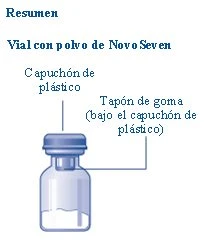
- 1 vial with white powder for solution for injection
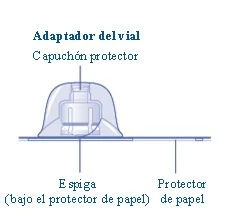
- 1 vial adapter
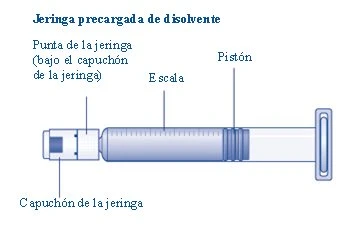
- 1 pre-filled syringe with solvent for reconstitution
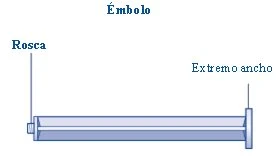
- 1 plunger
Pack sizes: 1 mg (50 KIU), 2 mg (100 KIU), 5 mg (250 KIU), and 8 mg (400 KIU).
The current pack size is indicated on the outer packaging.
Marketing Authorisation Holder and Manufacturer
Novo Nordisk A/S
Novo Allé
DK‑2880 Bagsværd, Denmark
Date of the most recent review of this leaflet:
Other sources of information
Detailed information on this medicine is available on the European Medicines Agency website: http://www.ema.europa.eu.
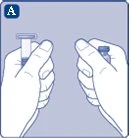
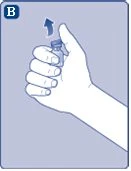
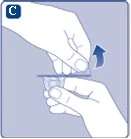
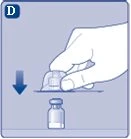
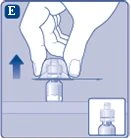
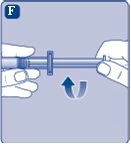
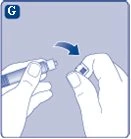
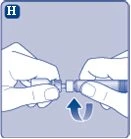
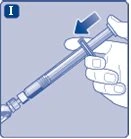
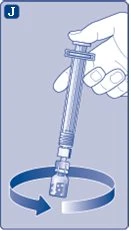
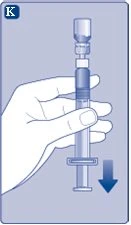
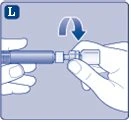
Instructions for the Use of NovoSeven READ THESE INSTRUCTIONS CAREFULLY BEFORE USING NOVOSEVEN NovoSeven is supplied as a powder. Before injection (administration), it must be reconstituted with the solvent provided in the syringe. The solvent is a histidine solution. The reconstituted NovoSeven should be administered intravenously (by intravenous injection). The components in this package are designed to reconstitute and inject NovoSeven. You will also need administration equipment (catheter and butterfly needle, sterile alcohol wipes, gauze dressings, and adhesive bandages). These materials are not included in the NovoSeven package. Do not use the kit without proper training from your doctor or nurse. Always wash your hands and ensure the surrounding area is clean. When preparing and injecting a medication directly into a vein, it is important to use a clean, germ-free (aseptic) technique. Inappropriate technique may introduce germs capable of causing blood infection. Do not open the kit until you are ready to use it. Do not use the kit if it has been dropped or damaged. In this case, use a new kit. Do not use the kit if it has expired. In this case, use a new kit. The expiration date is printed after "EXP" on the carton box, vial, vial adapter, and pre-filled syringe. Do not use the kit if you suspect contamination. In this case, use a new kit. Do not discard any materials until the reconstituted solution has been injected. The kit is for single use only. | |
Contents The package contains:
| |
| |
|
|
If the plastic cap is loose or missing, do not use the vial.
|
|
If the paper seal is not fully sealed or is broken, do not use the vial adapter. Do not remove the vial adapter from its protective cap with your fingers. Touching the spike of the vial adapter may transfer germs from your fingers. |
|
Once attached, do not remove the vial adapter from the vial. |
|
Remove the protective cap from the vial adapter. Do not remove the vial adapter from the vial when removing the protective cap. |
|
Connect the plunger to the syringe immediately by screwing it clockwise into the piston of the pre-filled syringe until resistance is felt. |
|
Do not touch the tip of the syringe under the syringe cap. Touching the tip may transfer germs from your fingers. If the syringe cap is loose or missing, do not use the pre-filled syringe. |
|
|
|
|
|
Do not shake the vial, as this may cause foaming. •Inspect the reconstituted solution. It should be colorless. If you see particles or discoloration, do not use it. In this case, use a new kit. |
|
Use the reconstituted NovoSeven immediately to avoid infections. If immediate use is not possible,see section 5 Storage of NovoSeven on the reverse side of this leaflet. Do not store the reconstituted solution without consulting your doctor or nurse. (I) If your dose requires more than one vial, repeat steps A through J with additional vials, vial adapters, and pre-filled syringes until the required dose is achieved. | |
|
|
•Do not touch the tip of the syringe. Touching the tip may transfer germs from your fingers. |
|
Injection of NovoSeven using the pre-filled syringe through needle-free connectors for intravenous (IV) catheters Caution: The pre-filled syringe is made of glass and is designed to be compatible with standard luer-lock connections. Some needle-free connectors with internal spikes are incompatible with the pre-filled syringe. This incompatibility may prevent drug administration and/or damage the needle-free connector. Follow the instructions for use of the needle-free connector. Administration via a needle-free connector may require transferring the reconstituted solution into a sterile standard 10 ml luer-lock plastic syringe. This should be done immediately after step J. | |
NovoSeven is now ready for intravenous injection.
Injection through a central venous access device (CVAD), such as a central venous catheter or subcutaneous port:
| |
Disposal
|
|
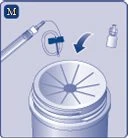
Do not disassemble the equipment before disposal. Do not reuse the equipment. |