Lyrica 50 mg hard capsules
Spain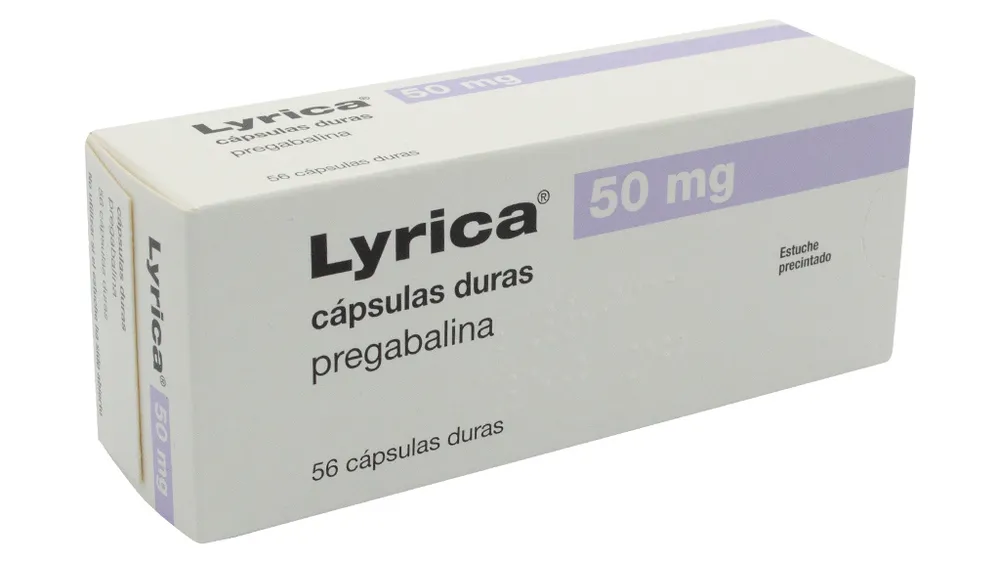
Table of Contents
Package leaflet: Information for the user
Introduction
Package leaflet: information for the user
Lyrica 25 mg hard capsules,
Lyrica 50 mg hard capsules,
Lyrica 75 mg hard capsules,
Lyrica 100 mg hard capsules,
Lyrica 150 mg hard capsules,
Lyrica 200 mg hard capsules,
Lyrica 225 mg hard capsules,
Lyrica 300 mg hard capsules
pregabalin
Read the entire leaflet carefully before you start taking this medicine, because it contains important information for you.
- Keep this leaflet, as you may need to read it again.
- If you have any questions, ask your doctor or pharmacist.
- This medicine has been prescribed for you only and must not be given to other people, even if they have the same symptoms as you, because it could harm them.
- If you experience any side effects, talk to your doctor or pharmacist, even if it is a side effect not listed in this leaflet. See section 4.
Contents of the leaflet
- What Lyrica is and what it is used for
- What you need to know before taking Lyrica
- How to take Lyrica
- Possible side effects
- How to store Lyrica
- Contents of the pack and other information
1. What Lyrica is and what it is used for
Lyrica belongs to a group of medicines used to treat epilepsy, neuropathic pain, and generalized anxiety disorder (GAD) in adults.
Peripheral and central neuropathic pain: Lyrica is used to treat chronic pain caused by nerve damage. Various diseases can cause peripheral neuropathic pain, such as diabetes or herpes. The pain sensation may be described as warmth, burning, throbbing, shooting, stabbing, sharp pain, cramps, continuous pain, tingling, numbness, or prickling sensations. Peripheral and central neuropathic pain may also be associated with mood changes, sleep disturbances, fatigue (tiredness), and may affect physical and social activities and overall quality of life.
Epilepsy: Lyrica is used in the treatment of certain types of epilepsy (partial seizures with or without secondary generalization) in adults. Your doctor will prescribe Lyrica to treat your epilepsy when your current treatment does not adequately control the condition. You should take Lyrica in addition to your current treatment. Lyrica must not be used as monotherapy, but should always be used in combination with other antiepileptic treatments.
Generalized anxiety disorder: Lyrica is used to treat generalized anxiety disorder (GAD). Symptoms of GAD include excessive and persistent anxiety and worry that are difficult to control. GAD may also cause restlessness or a feeling of being keyed up or on edge, easy fatigue, difficulty concentrating or mind going blank, irritability, muscle tension, or sleep disturbance. This is different from the everyday stress and strains of life.
2. What you need to know before taking Lyrica
Do not take Lyrica
If you are allergic to pregabalin or to any of the other ingredients of this medicine (listed in section 6).
Warnings and precautions
Talk to your doctor or pharmacist before taking Lyrica.
-
Some patients treated with Lyrica have reported symptoms indicating an allergic reaction. These symptoms include swelling of the face, lips, tongue, and throat, as well as development of widespread skin rash. If you experience any of these symptoms, you must seek immediate medical attention.
-
Serious skin rashes, such as Stevens-Johnson syndrome and toxic epidermal necrolysis, have been reported in association with pregabalin treatment. Stop taking pregabalin and seek immediate medical help if you notice any symptoms related to these serious skin reactions described in section 4.
-
Lyrica has been associated with dizziness and somnolence, which could increase the risk of accidental injuries (falls) in elderly patients. Therefore, you should exercise caution until you become familiar with the effects this medicine may have on you.
-
Lyrica may cause blurred vision, vision loss, or other changes in eyesight, many of which are transient. If you experience any visual disturbances, you must inform your doctor immediately.
-
Diabetic patients who gain weight while taking pregabalin may require adjustments in their diabetes medications.
-
Certain adverse effects, such as somnolence, may be more frequent because patients with spinal cord injury may be taking other medications for conditions such as pain or spasticity (tight or rigid muscles), which have adverse effects similar to those of pregabalin, so that the intensity of these effects may increase when taken together.
-
Cases of heart failure have been reported in some patients treated with Lyrica. Most of these patients were elderly with cardiovascular disease. Before using this medicine, you must inform your doctor if you have a history of heart disease.
-
Cases of renal failure have been reported in some patients treated with Lyrica. If during treatment with Lyrica you notice a decrease in your ability to urinate, inform your doctor, as discontinuation of treatment may improve this condition.
-
Some patients treated with antiepileptic medicines such as Lyrica have had thoughts of harming themselves or of suicide, or have exhibited suicidal behavior. If at any time you experience such thoughts or have shown such behavior, contact your doctor as soon as possible.
-
When Lyrica is taken together with other medicines that may cause constipation (such as certain types of pain medications), gastrointestinal problems (e.g., constipation and intestinal blockage or paralysis) may occur. Inform your doctor if you suffer from constipation, especially if you are prone to this problem.
-
Before taking this medicine, inform your doctor if you have ever abused or been dependent on alcohol, prescription medicines, or illegal drugs; this may mean you have a higher risk of becoming dependent on Lyrica.
-
Cases of seizures during treatment with Lyrica or shortly after discontinuation of Lyrica have been reported. If you experience seizures, contact your doctor immediately.
-
Cases of reduced brain function (encephalopathy) have been reported in some patients taking Lyrica who also had other medical conditions. Inform your doctor if you have a history of serious illness, including liver or kidney disease.
-
Cases of difficulty breathing have been reported. If you have disorders of the nervous system, respiratory disorders, renal failure, or are over 65 years of age, your doctor may prescribe a different dose. Contact your doctor if you experience breathing difficulties or shallow breathing.
Dependence
Some people may become dependent on Lyrica (a need to keep taking the medicine). They may experience withdrawal symptoms when they stop using Lyrica (see section 3, “How to take Lyrica” and “If you stop taking Lyrica”). If you are concerned about becoming dependent on Lyrica, it is important to consult your doctor.
If you notice any of the following signs while taking Lyrica, it could be a sign that you have become dependent:
- You need to take the medicine for longer than recommended by your doctor.
- You feel you need to take more than the recommended dose.
- You are using the medicine for reasons other than those prescribed.
- You have made repeated, unsuccessful attempts to stop or control your use of the medicine.
- When you stop taking the medicine, you feel unwell and feel better once you take it again.
If you notice any of these signs, talk to your doctor to discuss the best management plan for you, including when it is appropriate to stop treatment and how to do so safely.
Children and adolescents
The safety and efficacy of Lyrica have not been established in children and adolescents (under 18 years of age), so pregabalin should not be used in this age group.
Taking Lyrica with other medicines
Tell your doctor or pharmacist if you are taking, have recently taken, or might need to take any other medicines.
Lyrica and certain medicines can interact with each other. When Lyrica is used together with certain medicines that have a sedative effect (including opioids), these effects may be enhanced, potentially leading to respiratory failure, coma, and death. The degree of dizziness, drowsiness, and reduced concentration may increase if Lyrica is taken together with other medicines containing:
Oxycodone – (used as an analgesic)
Lorazepam – (used to treat anxiety)
Alcohol
Lyrica can be taken with oral contraceptives.
Taking Lyrica with food, drink, and alcohol
Lyrica capsules can be taken with or without food.
It is advised not to drink alcohol during treatment with Lyrica.
Pregnancy and breastfeeding
You must not take Lyrica during pregnancy or breastfeeding unless your doctor has instructed you to do so. The use of pregabalin during the first 3 months of pregnancy may cause congenital malformations in the fetus that require medical treatment. In a study reviewing data from women in Nordic countries who took pregabalin during the first 3 months of pregnancy, 6 out of every 100 babies had such congenital malformations. This compares with 4 out of every 100 babies born to women not treated with pregabalin in the study. Malformations reported include those of the face (cleft lip/palate), eyes, nervous system (including the brain), kidneys, and genitals.
An effective method of contraception must be used in women of childbearing potential. If you are pregnant or breastfeeding, think you may be pregnant, or plan to become pregnant, consult your doctor or pharmacist before using this medicine.
Driving and using machines
Lyrica may cause dizziness, drowsiness, and reduced concentration. You must not drive, operate heavy machinery, or engage in other potentially hazardous activities until you know whether this medicine affects your ability to perform these tasks.
Lyrica contains lactose monohydrate
If your doctor has informed you that you have an intolerance to certain sugars, consult with him before taking this medicine.
Lyrica contains sodium
This medicine contains less than 1 mmol of sodium (23 mg) per hard capsule; hence, it is essentially “sodium-free”.
3. How to take Lyrica
Follow exactly the instructions for using this medicine as given by your doctor. If in doubt, consult your doctor or pharmacist again. Do not take more medicine than prescribed.
Your doctor will determine the appropriate dose for you.
Lyrica is for oral use only.
Peripheral and central neuropathic pain, epilepsy, or generalized anxiety disorder:
- Take the number of capsules your doctor has instructed.
- The dose, which has been adjusted for your condition, is generally between 150 mg and 600 mg daily.
- Your doctor will instruct you to take Lyrica two or three times a day. If twice daily, take Lyrica once in the morning and once at night, approximately at the same time each day. If three times daily, take Lyrica in the morning, at midday, and at night, approximately at the same time every day.
If you feel that the effect of Lyrica is too strong or too weak, inform your doctor or pharmacist.
If you are an elderly patient (over 65 years of age), you should take Lyrica as usual, unless you have kidney problems.
Your doctor may prescribe a different dosing regimen or different doses if you have kidney problems.
Swallow the capsule whole with water.
Continue taking Lyrica until your doctor tells you to stop.
If you take more Lyrica than you should
Call your doctor or go to the nearest emergency department immediately. Take the Lyrica pack or bottle with you. Taking more Lyrica than you should may cause drowsiness, confusion, agitation, or restlessness. Seizures and loss of consciousness (coma) have also been reported.
If you forget to take Lyrica
It is important to take Lyrica capsules regularly at the same time each day. If you forget to take a dose, take it as soon as you remember, unless it is almost time for your next dose. In that case, skip the missed dose and take the next dose at the usual time. Do not take a double dose to make up for a missed dose.
If you stop taking Lyrica
Do not stop taking Lyrica suddenly. If you wish to stop taking Lyrica, speak to your doctor first. He or she will tell you how to do so. If you discontinue treatment, it should be done gradually over a minimum of one week.
After stopping short- or long-term treatment with Lyrica, you should be aware that you may experience certain adverse effects, known as withdrawal effects. These effects include sleep problems, headache, nausea, feeling anxious, diarrhea, flu-like symptoms, seizures, restlessness, depression, thoughts of harming yourself or of suicide, pain, sweating, and dizziness.
These effects may occur more frequently or severely if you have been taking Lyrica for a longer period of time. If you experience withdrawal effects, you should contact your doctor.
If you have any further questions about the use of this medicine, ask your doctor or pharmacist.
4. Possible adverse effects
Like all medicines, this medicine can cause adverse effects, although not everyone will experience them.
Very common: may affect more than 1 in 10 people
- Dizziness, somnolence, headache.
Common: may affect up to 1 in 10 people
- Increased appetite.
- Feeling of euphoria, confusion, disorientation, decreased sexual appetite, irritability.
- Attention disturbance, clumsiness of movement, memory impairment, memory loss, tremors, difficulty speaking, tingling sensation, numbness, sedation, lethargy, insomnia, fatigue, abnormal sensation.
- Blurred vision, double vision.
- Dizziness, balance problems, falls.
- Dry mouth, constipation, vomiting, flatulence, diarrhea, nausea, bloated abdomen.
- Difficulty in erection.
- Swelling of the body including extremities.
- Feeling of drunkenness, disturbances in gait.
- Weight gain.
- Muscle cramp, joint pain, back pain, limb pain.
- Sore throat.
Uncommon: may affect up to 1 in 100 people
- Loss of appetite, weight loss, low blood sugar levels, high blood sugar levels.
- Altered self-perception, restlessness, depression, agitation, mood changes, difficulty finding words, hallucinations, strange dreams, panic attacks, apathy, aggressiveness, elevated mood, mental deterioration, difficulty thinking, increased sexual appetite, sexual relationship problems including inability to reach climax, delayed ejaculation.
- Changes in vision, unusual eye movements, visual disturbances including tunnel vision, flashes of light, spasmodic movements, diminished reflexes, hyperactivity, dizziness upon standing, sensitive skin, loss of taste, burning sensation, tremor during movement, decreased consciousness, loss of consciousness, fainting, increased sensitivity to noise, general malaise.
- Dry eyes, eye swelling, eye pain, tired eyes, watery eyes, eye irritation.
- Changes in heart rhythm, increased heart rate, low blood pressure, high blood pressure, changes in heart rhythm, heart failure.
- Flushing, hot flushes.
- Difficulty breathing, dry nose, nasal congestion.
- Increased saliva production, burning sensation, numbness around the mouth.
- Sweating, rash, chills, fever.
- Muscle spasms, joint swelling, muscle stiffness, pain including muscle pain, neck pain.
- Breast pain.
- Difficulty or pain when urinating, inability to control urine.
- Weakness, thirst, chest tightness.
- Changes in blood and liver test results (elevated blood creatine phosphokinase, elevated alanine aminotransferase, elevated aspartate aminotransferase, decreased platelet count, neutropenia, increased blood creatinine, decreased blood potassium).
- Hypersensitivity, facial swelling, itching, urticaria, runny nose, nosebleeds, cough, snoring.
- Painful menstrual periods.
- Cold sensation in hands and feet.
Rare: may affect up to 1 in 1,000 people
- Altered sense of smell, flickering vision, altered depth perception, visual glare, vision loss.
- Dilated pupils, strabismus.
- Cold sweat, throat tightness, tongue swelling.
- Pancreatitis.
- Difficulty swallowing.
- Slow or reduced body movement.
- Difficulty writing properly.
- Increased fluid in the abdominal area.
- Fluid in the lungs.
- Seizures.
- Changes in the electrocardiogram (ECG) corresponding to disturbances in heart rhythm.
- Muscle damage.
- Milk secretion, abnormal breast growth, breast enlargement in men.
- Interruption of menstrual periods.
- Renal failure, reduced urine output, urine retention.
- Decreased white blood cell count.
- Inappropriate behavior, suicidal behavior, suicidal thoughts.
- Allergic reactions which may include difficulty breathing, eye inflammation (keratitis), and a severe skin reaction characterized by flat, non-elevated red patches, or circular or coin-shaped patches on the chest, often with central blisters, skin peeling, and ulcers in the mouth, throat, nose, genitals, and eyes. These serious skin rashes may be preceded by fever and flu-like symptoms (Stevens-Johnson syndrome, toxic epidermal necrolysis).
- Jaundice (yellowing of the skin and eyes).
- Parkinsonism, Parkinson's disease-like symptoms such as tremor, bradykinesia (reduced ability to move), and muscle rigidity.
Very rare: may affect up to 1 in 10,000 people
- Liver failure.
- Hepatitis (inflammation of the liver).
Frequency not known: cannot be estimated from available data
- Becoming dependent on Lyrica (“drug dependence”).
After stopping short-term or long-term treatment with Lyrica, you should be aware that you may experience certain adverse effects, known as withdrawal effects (see “If you stop taking Lyrica”).
If you experience swelling of the face or tongue, or if your skin becomes red and develops blisters or peeling, seek immediate medical attention.
Certain adverse effects, such as somnolence, may be more frequent because patients with spinal cord injury may be taking other medications to treat, for example, pain or spasticity (tight or rigid muscles), which have adverse effects similar to those of Pregabalin, so the intensity of these effects may increase when taken together.
The following adverse reaction has been reported in post-marketing experience: difficulty breathing, shallow breathing.
Reporting of adverse effects
If you experience any adverse effect, consult your doctor or pharmacist, even if it is a possible adverse effect not listed in this leaflet. You can also report them directly via the Spanish Pharmacovigilance System for Human Medicines: www.notificaRAM.es. By reporting adverse effects, you can help provide more information on the safety of this medicine.
5. Storage of Lyrica
Keep this medicine out of the sight and reach of children.
Do not use this medicine after the expiry date stated on the packaging or on the bottle.
The expiry date refers to the last day of the month indicated.
This medicine does not require any special storage conditions.
Medicines must not be disposed of via wastewater drains or household waste. Ask your pharmacist how to dispose of medicines and packaging that you no longer need. This will help protect the environment.
6. Contents of the pack and other information
Composition of Lyrica
The active substance is pregabalin. Each hard capsule contains 25 mg, 50 mg, 75 mg, 100 mg, 150 mg, 200 mg, 225 mg or 300 mg of pregabalin.
The other components are: lactose monohydrate, corn starch, talc, gelatin, titanium dioxide (E171), sodium lauryl sulfate, anhydrous colloidal silica, black printing ink (containing shellac glaze, black iron oxide (E172), propylene glycol, potassium hydroxide) and water.
The 75 mg, 100 mg, 200 mg, 225 mg and 300 mg capsules also contain red iron oxide (E172).
Appearance of Lyrica and contents of the pack | |
25 mg capsules | White, hard capsules marked with “VTRS” on the cap and “PGN 25” on the body. |
50 mg capsules | White, hard capsules marked with “VTRS” on the cap and “PGN 50” on the body. The capsule body has a black band. |
75 mg capsules | White and orange, hard capsules marked with “VTRS” on the cap and “PGN 75” on the body. |
100 mg capsules | Orange, hard capsules marked with “VTRS” on the cap and “PGN 100” on the body. |
150 mg capsules | White, hard capsules marked with “VTRS” on the cap and “PGN 150” on the body. |
200 mg capsules | Light orange, hard capsules marked with “VTRS” on the cap and “PGN 200” on the body. |
225 mg capsules | White and light orange, hard capsules marked with “VTRS” on the cap and “PGN 225” on the body. |
300 mg capsules | White and orange, hard capsules marked with “VTRS” on the cap and “PGN 300” on the body. |
Lyrica is available in eight pack sizes consisting of PVC with an aluminum foil backing: a pack of 14 capsules containing one blister strip, a pack of 21 capsules containing one blister strip, a pack of 56 capsules containing 4 blister strips, a pack of 70 capsules containing 5 blister strips, a pack of 84 capsules containing 4 blister strips, a pack of 100 capsules containing 10 blister strips, a pack of 112 capsules containing 8 blister strips, and a pack of 100 x 1 capsule with the blister pre-cut into unit doses.
In addition, Lyrica is available in high-density polyethylene bottles containing 200 capsules for the strengths of 25 mg, 75 mg, 150 mg, and 300 mg.
Only certain pack sizes may be marketed.
Marketing Authorization Holder and Manufacturer Responsible
Marketing Authorization Holder:
Upjohn EESV, Rivium Westlaan 142, 2909 LD Capelle aan den IJssel, The Netherlands.
Manufacturer Responsible:
Pfizer Manufacturing Deutschland GmbH, Betriebsstätte Freiburg, Mooswaldallee 1, 79090 Freiburg, Germany.
or
Mylan Hungary Kft., Mylan utca 1, Komárom 2900, Hungary.
or
MEDIS INTERNATIONAL a.s., výrobní závod Bolatice, Prumyslová 961/16, 747 23 Bolatice, Czech Republic.
Further information on this medicinal product can be requested from the local representative of the Marketing Authorization Holder:
Spain Viatris Pharmaceuticals, S.L. Tel: +34 900 102 712 | |
Date of the most recent review of this leaflet: 04/2024
Detailed information on this medicine is available on the website of the European Medicines Agency: http://www.ema.europa.eu.