Topiramate
Ukraine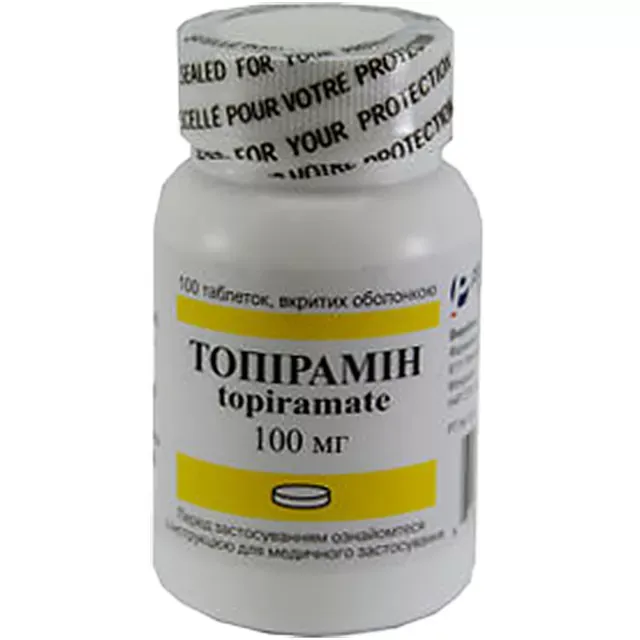
Table of Contents
INSTRUCTION for medical use of the medicinal product TOPIRAMATE (TOPIRAMATE)
Composition:
Active substance: topiramate;
1 tablet contains topiramate 25 mg or 100 mg or 200 mg;
Excipients: copovidone, lactose monohydrate, sodium starch glycolate (type A), magnesium stearate, colloidal silicon dioxide;
Coating composition Opadry II white (for 25 mg dosage): hydroxypropylmethylcellulose, titanium dioxide (E 171), polydextrose, triethyl citrate, polyethylene glycol;
Coating composition Opadry II yellow (for 100 mg dosage): polyvinyl alcohol, titanium dioxide (E 171), macrogol, talc, yellow iron oxide (E 172);
Coating composition Opadry II pink (for 200 mg dosage): polyvinyl alcohol, titanium dioxide (E 171), macrogol, talc, red iron oxide (E 172).
Pharmaceutical form. Film-coated tablets.
Main physico-chemical properties:
25 mg tablets: white, round, film-coated, with imprint «T» on one side and imprint «25» on the other;
100 mg tablets: yellow, round, film-coated, with imprint «T» on one side and imprint «100» on the other;
200 mg tablets: dark pink, round, film-coated, with imprint «T» on one side and imprint «200» on the other.
Pharmacotherapeutic group. Antiepileptic drugs. Other antiepileptic drugs. Topiramate. ATC code N03AX11.
Pharmacological Properties
Pharmacodynamics
Topiramate belongs to the class of sulfamate-substituted monosaccharides. The precise mechanism by which topiramate exerts its anticonvulsant and migraine prophylactic effects is unknown. Electrophysiological and biochemical studies in neuronal cultures have identified three properties that may contribute to the antiepileptic efficacy of topiramate.
Topiramate blocks voltage-gated sodium channels and inhibits the generation of repetitive action potentials during sustained neuronal membrane depolarization. Topiramate enhances the frequency of γ-aminobutyric acid (GABA)-mediated activation of GABAA receptors and increases the ability of GABA to induce chloride ion influx into neurons, indicating that topiramate potentiates the activity of this inhibitory neurotransmitter. This effect is not blocked by flumazenil, a benzodiazepine antagonist. In addition, topiramate does not prolong the duration of ion channel opening, distinguishing it from barbiturates, which modulate GABAA receptors. Topiramate may modulate a benzodiazepine-insensitive subtype of GABAA receptors, as suggested by the distinct antiepileptic profile of topiramate compared to benzodiazepines. Topiramate antagonizes the ability of kainate to activate the kainate/AMPA (α-amino-3-hydroxy-5-methyl-4-isoxazolepropionic acid) subtype of glutamate receptors, but has no significant effect on N-methyl-D-aspartate (NMDA) activity within the NMDA receptor subtype. These effects of topiramate are concentration-dependent within the plasma concentration range of 1 to 200 μmol, with minimal activity observed between 1 and 10 μmol.
Additionally, topiramate inhibits the activity of certain carbonic anhydrase isoenzymes. However, this pharmacological effect is considerably weaker than that of acetazolamide, a well-known carbonic anhydrase inhibitor, and therefore is not considered a primary component of topiramate’s antiepileptic activity.
Pharmacokinetics
The pharmacokinetic profile of topiramate, compared to other antiepileptic drugs, is characterized by a long plasma half-life, linear kinetics, predominantly renal clearance, low plasma protein binding, and absence of clinically significant active metabolites.
Topiramate is not a potent inducer of drug-metabolizing enzymes, can be administered independently of food intake, and routine monitoring of plasma topiramate concentrations is not required. Clinical studies have not demonstrated a significant correlation between plasma concentrations and either efficacy or adverse reactions.
Absorption. Topiramate is rapidly and effectively absorbed. Following oral administration of 100 mg topiramate to healthy volunteers, the mean peak plasma concentration (Cmax) of 1.5 μg/mL was reached within 2–3 hours (Tmax). After oral administration of radiolabeled topiramate and measurement of radioactivity in urine, the mean extent of absorption of a 100 mg oral dose of 14C-topiramate was found to be at least 81%. Food has no clinically significant effect on the bioavailability of topiramate.
Distribution. Approximately 13–17% of topiramate is bound to plasma proteins. A site with low binding capacity for topiramate on erythrocytes reaches saturation at plasma concentrations above 4 μg/mL. The volume of distribution is inversely proportional to dose. After single oral doses ranging from 100 to 1200 mg, the mean apparent volume of distribution ranges from 0.80 to 0.55 L/kg. The volume of distribution is influenced by gender: it is approximately 50% lower in women than in men, likely due to higher body fat content in women; however, this difference is not considered clinically significant.
Metabolism. In healthy volunteers, topiramate undergoes minimal metabolism (~20%). However, in patients receiving concomitant antiepileptic therapy with known enzyme-inducing properties, metabolism of topiramate increases up to 50%. Six metabolites have been isolated and identified in human plasma, urine, and feces, formed via hydroxylation, hydrolysis, and glucuronidation. Each of these metabolites accounts for less than 3% of total radioactivity in urine following administration of 14C-topiramate. Studies of two metabolites retaining most of the topiramate structure indicate they possess little or no anticonvulsant activity.
Excretion. The primary route of elimination of unchanged topiramate (at least 81% of the dose) and its metabolites in humans is renal. Approximately 66% of the dose of 14C-topiramate is excreted unchanged in urine within 4 days. After administration of 50 mg and 100 mg topiramate twice daily, the mean renal clearance is approximately 18 mL/min and 17 mL/min, respectively, indicating tubular reabsorption of topiramate in the kidneys. These findings are consistent with animal studies in rats, where co-administration of probenecid resulted in a significant increase in renal clearance of topiramate. Following oral administration, the plasma clearance of topiramate is 20–30 mL/min.
Linearity. Topiramate exhibits low inter-subject variability in plasma concentrations, making its pharmacokinetic profile predictable. The pharmacokinetics of topiramate are linear, plasma clearance remains constant, and the area under the concentration-time curve increases dose-proportionally after administration of doses ranging from 100 mg to 400 mg in healthy volunteers. In patients with normal renal function, steady-state concentrations are achieved within 4–8 days. The Cmax after repeated oral administration of 100 mg topiramate twice daily in healthy volunteers is 6.76 μg/mL. After repeated administration of 50 mg and 100 mg twice daily, the mean plasma half-life of topiramate is approximately 21 hours.
Concomitant use with other antiepileptic drugs. Repeated administration of topiramate at doses of 100–400 mg twice daily concomitantly with phenytoin or carbamazepine results in dose-proportional increases in plasma topiramate concentrations.
Renal impairment. In patients with moderate and severe renal impairment, plasma and renal clearance of topiramate are reduced (CCr ≤ 70 mL/min). Consequently, for a given dose, higher steady-state plasma concentrations of topiramate are expected in patients with renal impairment compared to those with normal renal function. Patients with renal impairment may require a longer time to reach steady-state concentrations after each dose. In patients with moderate to severe renal impairment, half of the usual initial and maintenance dose is recommended.
Topiramate is effectively removed from plasma by hemodialysis. Prolonged hemodialysis may reduce topiramate concentrations below the level required to maintain anticonvulsant efficacy. To prevent rapid decreases in plasma topiramate concentrations during hemodialysis, supplemental dosing may be necessary. Dose adjustments should consider: 1) duration of the dialysis session; 2) dialysis system clearance rate; and 3) the patient’s renal clearance of topiramate during dialysis.
Hepatic impairment. In patients with moderate to severe hepatic impairment, topiramate clearance is reduced by approximately 26%. Therefore, topiramate should be used with caution in patients with hepatic impairment.
Elderly patients. In elderly patients without renal disease, plasma clearance of topiramate is not altered.
Children (under 12 years of age).
The pharmacokinetics of topiramate in children, as in adults receiving Topiramat as adjunctive therapy, are linear, with dose-independent clearance and steady-state plasma concentrations increasing proportionally with dose. However, children have higher clearance and a shorter elimination half-life. Therefore, plasma concentrations of topiramate following the same dose per kilogram of body weight may be lower in children than in adults. As in adults, concomitant use of enzyme-inducing antiepileptic drugs reduces steady-state plasma concentrations of topiramate.
Clinical characteristics.
Indications.
As monotherapy for the treatment of adults and children aged 6 years and older with partial seizures with or without secondary generalized seizures and primary generalized tonic-clonic seizures.
As adjunctive therapy for the treatment of adults and children aged 2 years and older with partial seizures with or without secondary generalized seizures and primary generalized tonic-clonic seizures, and for the treatment of seizures associated with Lennox-Gastaut syndrome.
For the prevention of migraine attacks in adults after careful assessment of alternative treatment options. Topiramate is not recommended for the treatment of acute conditions.
Contraindications.
Hypersensitivity to any component of the medicinal product.
Migraine prevention:
- during pregnancy (see sections "Special precautions", "Use in pregnancy or breast-feeding");
- in women of childbearing potential who are not using highly effective methods of contraception (see sections "Special precautions", "Interaction with other medicinal products and other forms of interaction", and "Use in pregnancy or breast-feeding").
Epilepsy:
- during pregnancy, except in situations where no appropriate alternative treatment is available (see sections "Special precautions" and "Use in pregnancy or breast-feeding");
- in women of childbearing potential who are not using highly effective methods of contraception. The only exception is a woman for whom no appropriate alternative is available, but who is planning pregnancy and is fully informed about the risks of taking topiramate during pregnancy (see sections "Special precautions", "Interaction with other medicinal products and other forms of interaction", and "Use in pregnancy or breast-feeding").
Interaction with other medicinal products and other forms of interaction.
Effect of topiramate on other antiepileptic drugs.
Combining topiramate with treatment using other antiepileptic drugs (phenytoin, carbamazepine, valproic acid, phenobarbital, primidone) does not affect their steady-state plasma concentrations, except in individual patients where concomitant use of topiramate and phenytoin may cause an increase in phenytoin plasma concentration. This may be related to inhibition of a specific polymorphic isoenzyme (CYP2C19). Therefore, in each patient receiving phenytoin and showing clinical signs or symptoms of intoxication, plasma phenytoin levels should be monitored.
Pharmacokinetic interaction studies in patients with epilepsy have shown that concomitant administration of topiramate at doses of 100 to 400 mg per day with lamotrigine does not affect steady-state plasma concentrations of lamotrigine. Furthermore, no changes in steady-state plasma concentrations of topiramate were observed during or after discontinuation of lamotrigine treatment (mean dose – 327 mg per day).
Topiramate inhibits the CYP2C19 enzyme and may interact with other substances metabolized by this enzyme (e.g., diazepam, imipramine, moclobemide, proguanil, omeprazole).
Effect of other antiepileptic drugs on topiramate.
Phenytoin and carbamazepine reduce topiramate plasma concentrations. Adding or discontinuing phenytoin or carbamazepine during topiramate treatment may require adjustment of the latter's dose. The dose should be titrated to achieve the desired therapeutic effect.
Adding or discontinuing valproic acid does not cause clinically significant changes in topiramate plasma concentration and therefore does not require dose adjustment.
The effect of phenobarbital and primidone on topiramate concentration has not been studied.
Results of the mentioned interactions are presented in Table 1.
Table 1
| Concomitant AED |
Concentration of concomitant AED |
Topiramate concentration |
| Phenytoin |
↔** |
↓ |
| Carbamazepine |
↔ |
↓ |
| Valproic acid |
↔ |
↔ |
| Lamotrigine |
↔ |
↔ |
| Phenobarbital |
↔ |
ND |
| Primidone |
↔ |
ND |
↔ = no effect (change ≤15%);
** = increased concentration in individual patients;
↓ = decreased plasma concentration;
ND = not studied;
AED = antiepileptic drug.
Interactions with other medicinal products.
Digoxin. In studies using single doses, the area under the plasma concentration–time curve (AUC) of digoxin decreased by 12% when topiramate was administered concomitantly. The clinical significance of this observation is unknown. When initiating or discontinuing Topamax in patients taking digoxin, careful monitoring of serum digoxin concentrations is recommended.
Central nervous system (CNS) depressants. The concomitant use of topiramate with alcohol or other substances that depress CNS function has not been studied in clinical trials. It is not recommended to take Topamax together with alcohol or other CNS depressants.
St. John’s wort (Hypericum perforatum). Concomitant use of topiramate and St. John’s wort may reduce plasma concentrations of topiramate and decrease its efficacy. Clinical studies evaluating this interaction have not been conducted.
Systemic hormonal contraceptives. In pharmacokinetic drug interaction studies in healthy volunteers, administration of topiramate as monotherapy at doses of 50–200 mg/day concomitantly with a combined oral contraceptive (norethindrone 1 mg + ethinylestradiol 35 µg) was not associated with statistically significant changes in mean concentrations (AUC) of either component of the oral contraceptive. In another study, administration of topiramate at doses of 200, 400, or 800 mg/day as adjunctive therapy to valproic acid treatment in patients with epilepsy resulted in a significant dose-dependent reduction in ethinylestradiol efficacy (18%, 21%, and 30%, respectively). In both studies, topiramate (administered at 50–200 mg/day to healthy volunteers and 200–800 mg/day to patients with epilepsy) had no significant effect on norethindrone concentrations. Although dose-dependent reductions in ethinylestradiol concentrations were observed in patients with epilepsy receiving 200–800 mg/day, no significant dose-dependent changes in ethinylestradiol concentrations were observed in healthy volunteers receiving 50–200 mg/day. The clinical significance of these findings is unknown. The risk of reduced contraceptive efficacy and increased breakthrough bleeding should be considered in women taking combined oral contraceptives concomitantly with Topamax. Patients should be advised to report any changes in the duration or pattern of bleeding. Contraceptive efficacy may be reduced even in the absence of breakthrough bleeding.
The clinical significance of observed changes is unknown. A possible reduction in contraceptive efficacy and increased breakthrough bleeding should be considered in women taking systemic hormonal contraceptives with Topamax. Patients should be instructed to report any changes in bleeding patterns. Contraceptive effectiveness may be reduced even in the absence of breakthrough bleeding. Women using systemic hormonal contraceptives should be advised to use an additional barrier method of contraception.
Lithium. In healthy volunteers, a reduction (up to 18%) in lithium AUC was observed with concomitant administration of topiramate at a dose of 200 mg/day. In patients with bipolar disorder, lithium pharmacokinetics remained unchanged with concomitant treatment with topiramate at doses of 200 mg/day, whereas administration of topiramate at 600 mg/day resulted in an increase in lithium AUC of up to 26%. Monitoring of lithium plasma concentrations is recommended when used concomitantly with topiramate.
Risperidone. Interaction studies using single doses in healthy volunteers and multiple doses in patients with bipolar disorder showed similar results. Concomitant administration of risperidone at doses of 1–6 mg/day with topiramate at doses of 100, 250, and 400 mg/day resulted in reductions in risperidone concentrations of 16% and 33% in AUC at 250 and 400 mg/day, respectively. However, differences in AUC of the active moiety when risperidone was administered as monotherapy versus in combination with topiramate were not statistically significant.
Minimal changes were observed in the pharmacokinetics of the active moiety and active metabolites (risperidone and 9-hydroxyrisperidone), and no changes were observed in the pharmacokinetics of 9-hydroxyrisperidone. No clinically significant changes in systemic exposure of active metabolites of either risperidone or topiramate were observed. After adding topiramate at doses of 250–400 mg/day to risperidone treatment at doses of 1–6 mg/day, an increased frequency of adverse reactions was observed (90% and 54%, respectively). The most common adverse reactions after adding topiramate to risperidone therapy were somnolence (27% and 12%), paresthesia (22% and 0%), and nausea (18% and 9%, respectively).
Hydrochlorothiazide. In a drug interaction study in healthy volunteers, the pharmacokinetics of steady-state concentrations of hydrochlorothiazide (25 mg every 24 hours) and topiramate (96 mg every 12 hours) were evaluated during monotherapy and concomitant administration. Results showed that concomitant administration of topiramate and hydrochlorothiazide increased Cmax and AUC of topiramate by 27% and 29%, respectively. The clinical significance of these changes is unknown. Prescribing hydrochlorothiazide to patients taking topiramate may require dose adjustment of topiramate. Pharmacokinetic parameters of hydrochlorothiazide were not significantly altered during concomitant therapy with topiramate. Clinical laboratory tests showed decreased serum potassium levels with administration of either topiramate or hydrochlorothiazide, with a more pronounced effect when both were used in combination.
When prescribing topiramate concomitantly with drugs such as metformin or pioglitazone, careful monitoring of the patient's diabetic status is required.
Metformin. In a drug interaction study in healthy volunteers, the pharmacokinetics of steady-state concentrations of metformin and topiramate in plasma were evaluated during metformin monotherapy and concomitant administration of metformin and topiramate. Results showed that mean Cmax and AUC0–12h of metformin increased by 18% and 25%, respectively, while mean CL/F decreased by 20% when metformin was administered concomitantly with topiramate. Topiramate did not affect tmax of metformin. The clinical significance of the effect of topiramate on metformin pharmacokinetics is unknown. Oral clearance of topiramate from plasma is reduced when administered concomitantly with metformin. The extent of clearance change is unknown. The clinical significance of the effect of metformin on topiramate pharmacokinetics is unknown.
When initiating or discontinuing topiramate in patients treated with metformin, their diabetic status should be monitored regularly.
Pioglitazone. In a drug interaction study in healthy volunteers, the pharmacokinetics of steady-state concentrations of topiramate and pioglitazone in plasma were evaluated during pioglitazone monotherapy and concomitant administration of pioglitazone and topiramate. A 15% reduction in AUCτ,ss of pioglitazone was observed without changes in Cmax,ss. This result was not statistically significant. Additionally, reductions in Cmax,ss and AUCτ,ss of the active hydroxymetabolite by 13% and 16%, respectively, and reductions in Cmax,ss and AUCτ,ss of the active ketometabolite by 60% were observed. The clinical significance of these results has not been established. When prescribing topiramate and pioglitazone concomitantly, regular monitoring of the patient's diabetic status is necessary.
Gliburide. In a drug interaction study in patients with type 2 diabetes, the pharmacokinetics of steady-state concentrations of gliburide at 5 mg/day were evaluated during monotherapy and concomitant administration with topiramate at 150 mg/day. A 25% reduction in AUC24 of gliburide was observed with concomitant administration of topiramate. Systemic exposure to active metabolites 4-trans-hydroxygliburide (M1) and 3-cis-hydroxygliburide (M2) decreased by 13% and 15%, respectively. Concomitant treatment with gliburide did not affect steady-state concentrations of topiramate.
When prescribing topiramate and gliburide concomitantly, the patient's diabetic status should be monitored regularly.
Other interactions.
Medicinal products promoting nephrolithiasis. Concomitant use of topiramate with other drugs that promote nephrolithiasis increases the risk of kidney stone formation. During treatment with topiramate, the use of such drugs should be avoided, as they may cause physiological changes leading to nephrolithiasis.
Valproic acid. Concomitant use of topiramate with valproic acid has been associated with hyperammonemia, with or without encephalopathy, in patients who tolerated monotherapy with these drugs well. In most cases, symptoms and signs resolved after discontinuation of one of the drugs. This adverse reaction is not related to pharmacokinetic interaction. The association between hyperammonemia and monotherapy with topiramate or concomitant use of other antiepileptic drugs has not been established.
Cases of hypothermia (body temperature reduction to <35°C) have been reported with concomitant use of valproic acid and topiramate, both with and without hyperammonemia. This adverse reaction in patients receiving both topiramate and valproic acid may occur either at the beginning of topiramate treatment or after an increase in the daily dose.
Warfarin. Decreases in prothrombin time/international normalized ratio (PT/INR) have been reported in patients receiving topiramate in combination with warfarin. Therefore, INR should be closely monitored in patients receiving both topiramate and warfarin.
Additional studies on pharmacokinetic drug interactions.
Additional clinical studies have been conducted to evaluate potential pharmacokinetic interactions of topiramate with other medicinal products. Changes in Cmax and AUC resulting from interactions are presented in Table 2. The first column lists the medicinal product used as concomitant therapy. The second column describes changes in the concentration of the concomitantly administered medicinal product when topiramate is added. The third column (topiramate concentration) indicates the effect of concomitant administration of the medicinal product on topiramate concentration.
Table 2
Results of additional clinical studies on pharmacokinetic drug interactions
| Concomitant drug |
Concentration of concomitant druga |
Topiramate concentrationa |
| Amtriptyline |
↔ 20 % increase in Cmax and AUC of nortriptyline metabolite |
ND |
| Dihydroergotamine (oral and subcutaneous) |
↔ |
ND |
| Haloperidol |
↔ 31 % increase in AUC of metabolite |
ND |
| Propranolol |
↔ 17 % increase in Cmax of 4-OH propranolol (topiramate 50 mg every 12 hours) |
9 % and 16 % increase in Cmax and 9 % and 17 % increase in AUC (propranolol 40 mg and 80 mg every 12 hours, respectively) |
| Sumatriptan (oral and subcutaneous) |
↔ |
ND |
| Pizotifen |
↔ |
↔ |
| Diltiazem |
25 % decrease in AUC for diltiazem and 18 % decrease in DEA*, and ↔ for DEM* |
20 % increase in AUC |
| Venlafaxine |
↔ |
↔ |
| Flunarizine |
16 % increase in AUC (topiramate 50 mg every 12 hours)b |
a Expressed as a percentage change in Cmax or AUC in plasma compared to monotherapy.
↔ = no effect on Cmax and AUC (less than 15% change from baseline).
ND = not studied.
*DEA = deacetyldiltiazem, DEM = N-dimethyldiltiazem.
b AUC of flunarizine increased by 14% in patients receiving flunarizine alone. The increase in effect may be related to its accumulation during attainment of steady-state concentrations.
Special precautions for use.
If rapid discontinuation of topiramate is required, clinical monitoring of the patient is recommended (see section "Dosage and administration").
As with other antiepileptic drugs, some patients may experience an increase in seizure frequency or the emergence of new types of seizures during treatment with topiramate. These phenomena may result from overdose, decreased plasma concentrations of concomitantly administered antiepileptic drugs, disease progression, or paradoxical effects.
Adequate hydration is very important during topiramate therapy to reduce the risk of nephrolithiasis. Adequate fluid intake before and during physical exertion or exposure to high temperatures reduces the risk of temperature-dependent adverse reactions (see section "Adverse reactions").
Women of childbearing potential.
Before initiating topiramate therapy, women of reproductive age should undergo a pregnancy test.
Patients should be fully informed and understand the risks associated with using topiramate during pregnancy (see sections "Contraindications" and "Use in pregnancy or lactation"). This includes the need to consult a physician if pregnancy is planned, to discuss transitioning to alternative treatments before discontinuing contraception, and to seek immediate medical advice if pregnancy occurs or is suspected.
Female children.
Physicians should ensure that parents/guardians of female children taking topiramate understand the need to contact a physician as soon as menstruation begins. At that time, the patient and parents/guardians should be provided with comprehensive information about the risks associated with in utero exposure to topiramate and the necessity of using highly effective contraceptive methods when applicable. The need for continued topiramate therapy should be re-evaluated, and alternative treatment options should be considered.
Educational materials on these measures are available for healthcare professionals and patients (or parents/guardians). A patient guide should be provided to all women of reproductive age taking topiramate, as well as to parents/guardians of female children. The patient instruction leaflet is supplied with each package of Topiramin.
Pregnancy prevention program.
Topiramate may cause serious congenital malformations and fetal growth retardation when used during pregnancy.
Some data suggest an increased risk of neurodevelopmental disorders in children exposed to topiramate in utero, while other data do not indicate such an increased risk (see section "Use in pregnancy or lactation").
Oligohidrosis.
Cases of oligohidrosis (reduced sweating) and anhidrosis associated with topiramate use have been reported. Reduced sweating and hyperthermia (elevated body temperature) may occur primarily in young children exposed to high environmental temperatures.
Mood disorders / depression.
Increased incidence of mood disorders and depression has been reported during treatment with topiramate.
Suicidal behavior / suicidal thoughts.
Cases of suicidal thoughts and suicidal behavior have been reported in patients treated with antiepileptic drugs for various indications. A meta-analysis of placebo-controlled trials of antiepileptic drugs showed a small increased risk of suicidal thoughts and behavior. The mechanism of this phenomenon is unknown, and available data do not exclude an increased risk associated with topiramate use.
In double-blind, controlled trials, suicidal adverse reactions (suicidal thoughts, suicide attempts, and suicide cases) were observed in 0.5% of patients receiving topiramate (46 out of 8,652 patients), approximately three times higher than in patients receiving placebo (0.2%; 8 out of 4,045 patients).
Therefore, monitoring for signs of suicidal thoughts and behavior is recommended, and appropriate treatment should be initiated. Patients (and caregivers) should seek medical advice immediately if suicidal thoughts or behavior occur.
Nephrolithiasis.
During topiramate therapy, some patients, especially those predisposed to nephrolithiasis, have an increased risk of kidney stone formation and related symptoms such as renal colic, kidney pain, or flank pain. Risk factors for nephrolithiasis include prior history of kidney stones, family history of nephrolithiasis, and hypercalciuria. Additionally, the risk is further increased in patients taking concomitant medications that promote nephrolithiasis.
Renal function impairment.
Topiramate should be used with caution in patients with impaired renal function (CLCR ≤ 70 mL/min) due to reduced plasma and renal clearance of topiramate in these patients. Patients with impaired renal function may require a longer time to reach steady-state concentrations after each dose (see sections "Dosage and administration" and "Pharmacokinetics").
Hepatic function impairment.
Topiramate should be used with caution in patients with hepatic impairment due to the potential for reduced topiramate clearance.
Acute myopia and secondary angle-closure glaucoma.
Cases of acute myopia associated with secondary angle-closure glaucoma have been reported during topiramate therapy. Symptoms include sudden decrease in visual acuity and/or eye pain. Ophthalmologic examination may reveal myopia, shallowing of the anterior chamber, hyperemia (eye redness), and elevated intraocular pressure. Mydriasis may also occur. This syndrome may be related to suprachoroidal effusion, leading to anterior displacement of the lens and iris and resulting in secondary angle-closure glaucoma. Symptoms typically occur within the first month of treatment. Unlike primary open-angle glaucoma, which is rarely observed in patients under 40 years of age, secondary angle-closure glaucoma associated with topiramate has been reported in both children and adults. Treatment involves prompt discontinuation of topiramate and appropriate measures to reduce intraocular pressure.
Elevated intraocular pressure of any etiology, if untreated, may lead to serious complications, including permanent vision loss.
Consideration should be given to whether topiramate can be prescribed to patients with a history of visual disturbances.
Visual field defects.
Visual field defects not related to elevated intraocular pressure have been observed in patients receiving topiramate. In clinical trials, most such events were reversible and resolved after discontinuation of treatment. Visual disturbances at any time during therapy should prompt consideration of discontinuing the drug.
Metabolic acidosis.
Topiramate may cause hyperchloremic, non-anion gap metabolic acidosis (i.e., decreased plasma bicarbonate concentration below normal in the absence of respiratory alkalosis). Decreased serum bicarbonate levels result from topiramate-induced inhibition of carbonic anhydrase in the kidneys. Most often, bicarbonate reduction occurs early in treatment, although this effect may manifest at any time during therapy. The degree of reduction is usually mild or moderate (on average, 4 mmol/L in adults receiving 100 mg/day and approximately 6 mg/kg/day in children). In some cases, bicarbonate levels decreased below 10 mmol/L. Certain conditions or treatments that cause acidosis (e.g., kidney disease, severe respiratory disorders, status epilepticus, diarrhea, surgery, ketogenic diet, or certain medications) may act as additional factors enhancing the effect of topiramate on bicarbonate reduction.
Chronic metabolic acidosis increases the risk of kidney stone formation and may potentially lead to osteopenia.
In children, chronic metabolic acidosis may impair growth. The impact of topiramate on bone-related complications has not been systematically studied in either children or adults.
Depending on the underlying condition, appropriate monitoring, including measurement of serum bicarbonate levels, is recommended during topiramate therapy. Serum bicarbonate testing is advised if symptoms or signs suggestive of metabolic acidosis occur (e.g., Kussmaul breathing, dyspnea, anorexia, nausea, vomiting, increased fatigue, tachycardia, or arrhythmia). If metabolic acidosis develops or progresses, dose reduction or discontinuation of topiramate (by gradual tapering) is recommended.
Topiramate should be used with caution in patients with risk factors for metabolic acidosis.
Cognitive dysfunction.
Cognitive impairments in epilepsy are multifactorial and may be related to the underlying cause, epilepsy itself, or antiepileptic treatment. Cases of worsening cognitive function in adults receiving topiramate have been reported, requiring dose reduction or discontinuation. However, data on the effects of topiramate on cognitive function in children are insufficient—the relationship requires further study.
Hyperammonemia and encephalopathy.
Hyperammonemia with or without encephalopathy has been reported during topiramate therapy (see section "Adverse reactions"). The risk of hyperammonemia with topiramate is dose-dependent. Hyperammonemia occurs more frequently when topiramate is used concomitantly with valproic acid (see section "Interaction with other medicinal products and other forms of interaction").
If a patient develops unexplained lethargy or changes in mental status during monotherapy or adjunctive therapy with topiramate, hyperammonemic encephalopathy should be considered, and blood ammonia levels should be measured.
Dietary considerations.
Some patients may lose body weight during topiramate therapy; therefore, body weight monitoring is recommended. If weight loss occurs during treatment, supportive diet or increased caloric intake should be considered.
Lactose intolerance.
Film-coated tablets contain lactose. The medicinal product should not be administered to patients with hereditary galactose intolerance, lactase deficiency, or glucose-galactose malabsorption syndrome.
Use in pregnancy or lactation.
Risk associated with epilepsy and antiepileptic drugs (AEDs) in general.
Women of reproductive age, especially those planning pregnancy and pregnant women, should receive specialist counseling regarding the potential fetal risks associated with both seizures and antiepileptic drug therapy. The need for AED treatment should be re-evaluated if a woman plans to become pregnant. Women being treated for epilepsy should avoid abrupt discontinuation of AEDs, as this may lead to sudden seizures, which could have serious consequences for both the woman and the fetus. Monotherapy should be preferred when possible, as polytherapy with AEDs may be associated with a higher risk of congenital malformations than monotherapy, depending on the concomitant antiepileptic drugs used.
Risk associated with topiramate use.
Topiramate has demonstrated teratogenic effects in mice, rats, and rabbits. In rats, topiramate crosses the placental barrier.
In humans, topiramate crosses the placenta: similar concentrations are observed in umbilical cord and maternal blood.
Pregnancy registry data indicate that in newborns whose mothers used topiramate as monotherapy:
Serious congenital malformations and fetal growth retardation
- There is an increased risk of congenital malformations (craniofacial defects, including cleft lip/palate, hypospadias, and anomalies of various organ systems) due to topiramate use during the first trimester of pregnancy. Data from the North American Antiepileptic Drug Pregnancy Registry (NAAED) show nearly three times higher frequency of congenital malformations (4.3%) with topiramate monotherapy compared to the control group (1.4%) not taking antiepileptic drugs. Additionally, data from other studies indicate an increased risk of teratogenic effects with combination antiepileptic therapy compared to monotherapy. The risk is reported to be dose-dependent; effects were observed at all doses. Women who received topiramate and gave birth to a child with congenital malformations have an increased risk of malformations in subsequent pregnancies with topiramate exposure.
- Increased frequency of low birth weight (<2500 g) compared to the control group;
- Increased frequency of intrauterine growth restriction (SGA; defined as birth weight below the 10th percentile adjusted for gestational age and stratified by sex). Long-term outcomes of SGA infants are not established.
Neurodevelopmental disorders
- Data from two observational population-based monitoring studies conducted on nearly identical datasets in Scandinavian countries suggest that the prevalence of autism spectrum disorders, intellectual disability, or attention deficit hyperactivity disorder (ADHD) in nearly 300 children of mothers with epilepsy exposed to topiramate in utero may be 2 to 3 times higher than in children of mothers with epilepsy not exposed to AEDs. A third observational cohort study conducted in the United States did not find an increased cumulative frequency of these outcomes up to age 8 in approximately 1,000 children of mothers with epilepsy exposed to topiramate in utero compared to children of mothers with epilepsy not exposed to AEDs.
Use in epilepsy.
- Topiramate is contraindicated during pregnancy, except in situations where no suitable alternative treatment is available (see sections "Contraindications" and "Special precautions for use").
- The woman must be fully informed about and understand the risks of using topiramate during pregnancy. This includes discussing the risks of uncontrolled epilepsy during pregnancy.
- If a woman plans to become pregnant, efforts should be made to transition to an appropriate alternative treatment before discontinuing contraception.
- If a woman becomes pregnant while taking topiramate, she should be referred immediately to a physician for re-evaluation of topiramate therapy and consideration of alternative treatment options.
- If topiramate is used during pregnancy, the patient should be referred to a physician for examination and counseling regarding the pregnancy. Careful prenatal monitoring should be conducted.
Use for migraine prophylaxis.
Topiramate is contraindicated for migraine prophylaxis in pregnant women (see sections "Contraindications", "Special precautions for use").
Women of reproductive potential (all indications).
Topiramate is contraindicated in women of reproductive potential who are not using highly effective contraceptive methods. The only exception is women with epilepsy for whom no suitable alternative exists, but who are planning pregnancy and are fully informed about the risks associated with taking topiramate during pregnancy (see sections "Special precautions for use", "Interaction with other medicinal products and other forms of interaction", and "Use in pregnancy or lactation").
During treatment and for at least 4 weeks after discontinuation of Topiramin, at least one highly effective method of contraception or two additional forms of contraception, including a barrier method, should be used (see sections "Contraindications", "Special precautions for use", and "Interaction with other medicinal products and other forms of interaction").
Alternative therapeutic options should be considered in women with reproductive potential.
Before initiating topiramate therapy, women of reproductive age should undergo a pregnancy test.
The patient must be fully informed and understand the risks associated with using topiramate during pregnancy. This includes the need to consult a physician if pregnancy is planned and immediate medical consultation if pregnancy occurs or is suspected while taking topiramate.
For women with epilepsy, the risk of uncontrolled epilepsy during pregnancy should also be considered (see sections "Contraindications" and "Special precautions for use").
For treatment of female children – see section "Special precautions for use".
Lactation period
During animal studies, topiramate was excreted in milk. Excretion of topiramate into human breast milk has not been studied in controlled trials. According to some observations, topiramate passes into human breast milk in significant amounts. Effects observed in newborns/infants whose mothers were treated with topiramate during breastfeeding include diarrhea, somnolence, irritability, and inadequate weight gain.
Therefore, a decision should be made whether to discontinue breastfeeding or to discontinue/abstain from topiramate therapy, taking into account the benefits of breastfeeding for the child and the benefits of topiramate therapy for the mother (see section "Special precautions for use").
Fertility
Animal studies did not reveal any harmful effects of topiramate on fertility. The effect of topiramate on human fertility has not been established.
Ability to affect reaction speed when driving or operating machinery.
Topiramate has a minor or moderate influence on the ability to drive or operate machinery.
Topiramate acts on the central nervous system and may cause drowsiness, dizziness, and other symptoms. It may also cause visual disturbances and/or blurred vision. These adverse reactions may be potentially hazardous for patients driving vehicles or operating machinery, especially when the patient has not yet gained individual experience with the drug.
Dosage and Administration.
Treatment is recommended to start with a low dose, followed by gradual titration to an effective dose to avoid dose-dependent adverse effects. The dose should be increased based on clinical response. Tablets should not be broken. The drug can be taken independently of food intake, with sufficient amount of liquid.
Monitoring of topiramate plasma concentrations is not necessary for optimizing treatment with the drug. In rare cases, prescribing topiramate as adjunctive therapy with phenytoin may require dose adjustment of phenytoin to achieve optimal clinical effect. Adding or discontinuing phenytoin or carbamazepine as adjunctive therapy during treatment with topiramate may require dose adjustment of the drug.
Discontinuation of antiepileptic drugs, including topiramate, should be gradual to minimize the risk of seizure occurrence or increased seizure frequency, regardless of whether patients have a history of epileptic seizures. In clinical trials, daily doses were reduced by 50–100 mg at weekly intervals for adult patients with epilepsy, and by 25–50 mg for adults receiving topiramate at doses up to 100 mg per day for migraine prophylaxis. In pediatric clinical trials, topiramate discontinuation was performed gradually over 2–8 weeks.
Epilepsy monotherapy.
When discontinuing concomitant antiepileptic drugs to initiate topiramate monotherapy, potential effects of this step on seizure frequency should be considered. If safety does not require immediate discontinuation of the concomitant antiepileptic drug, it is recommended to gradually reduce its dose by ⅓ every 2 weeks. When discontinuing drugs that are hepatic enzyme inducers, topiramate blood concentrations will increase. In such situations, if clinically indicated, the dose of the drug may be reduced.
Adults.
The dose should be titrated based on clinical response. Treatment should begin with 25 mg at night for 1 week, followed by weekly or biweekly increments of 25 or 50 mg per day (daily dose administered in 2 divided doses). If a patient does not tolerate this titration regimen, the intervals between dose increases may be extended or the dose increment step reduced.
The recommended initial target dose range for topiramate monotherapy in adults is 100 to 200 mg per day, divided into 2 doses. The maximum recommended dose is 500 mg per day, divided into 2 doses. Some patients with refractory forms of epilepsy tolerate monotherapy with topiramate at a dose of 1000 mg per day. These dosage recommendations apply to all adult patients, including elderly individuals, provided they do not have renal disease.
Children (aged 6 years and older).
The dose for children should be titrated based on clinical response. Treatment in children aged 6 years and older should begin with 0.5–1 mg/kg at night for 1 week, followed by weekly or biweekly increments of 0.5–1 mg/kg per day (daily dose administered in 2 divided doses). If a child does not tolerate this titration regimen, the intervals between dose increases may be extended or the dose increment step reduced.
The recommended initial target dose of topiramate for monotherapy in children aged 6 years and older is 100 mg per day, depending on clinical response (approximately 2 mg/kg body weight per day for children aged 6 to 16 years).
Adjunctive therapy for epilepsy (partial seizures with or without secondary generalization, primary generalized tonic-clonic seizures, or seizures associated with Lennox-Gastaut syndrome).
Adults.
Treatment should begin with 25–50 mg at night for 1 week. Lower starting doses have been reported, but have not been systematically studied. Subsequently, the dose should be increased at weekly or biweekly intervals by 25–50 mg per day (daily dose administered in 2 divided doses). In some patients, efficacy may be achieved with once-daily administration.
In clinical trials of topiramate as adjunctive therapy, the minimal effective dose was 200 mg. The usual daily dose is 200–400 mg per day in 2 divided doses.
These dosage recommendations apply to all adult patients, including elderly individuals, provided they do not have renal disease (see section "Special Warnings and Precautions for Use").
Children (aged 2 years and older).
The recommended total daily dose of topiramate as adjunctive therapy is approximately 5–9 mg/kg body weight per day in 2 divided doses. Treatment should begin with 25 mg (or less, calculated as 1–3 mg/kg body weight per day) at night for 1 week, followed by weekly or biweekly increments of 1–3 mg/kg body weight per day (daily dose administered in 2 divided doses) until therapeutic effect is achieved. Doses up to 30 mg/kg body weight per day have been studied in clinical trials and were generally well tolerated.
Migraine.
Adults.
The recommended total daily dose of topiramate for migraine prophylaxis is 100 mg, divided into 2 doses. Treatment should begin with 25 mg in the evening for 1 week, followed by weekly increments of 25 mg per day after each dose increase. If a patient does not tolerate this titration regimen, the intervals between dose increases may be extended.
In some patients, clinical response is achieved with 50 mg of topiramate per day. In clinical trials, patients received up to 200 mg of topiramate per day. This dosage may be effective for some patients, but should be prescribed cautiously to avoid increased frequency of adverse reactions.
Special patient groups.
Renal impairment. Since plasma and renal clearance of topiramate are reduced in patients with impaired renal function (CLCR ≤70 mL/min), topiramate should be administered with caution in such patients. In cases of renal impairment, a longer time may be required to reach steady state after each dose. It is recommended to use half the usual initial and maintenance dose (see section "Pharmacological Properties").
Topiramate is removed from plasma during hemodialysis; therefore, patients with end-stage renal disease should receive a supplemental dose on hemodialysis days, approximately half of the usual daily dose. The supplemental dose should be divided into 2 doses and administered at the beginning and after completion of hemodialysis. The supplemental dose may vary depending on the characteristics of the dialysis system used (see section "Pharmacological Properties").
Hepatic impairment. Topiramate should be administered with caution in patients with moderate to severe hepatic impairment due to reduced clearance of topiramate.
Elderly patients. Dose adjustment is not required for elderly patients unless they have renal impairment.
Female children and women of reproductive potential. Treatment with topiramate should be initiated and monitored by a physician experienced in the treatment of epilepsy or migraine. Alternative treatment options should be considered for girls and women of reproductive potential. The need for topiramate treatment in these patient groups should be reviewed at least annually (see sections "Contraindications", "Special Warnings and Precautions for Use", and "Use in Pregnancy and Lactation").
Children.
Monotherapy for epilepsy.
For use in children aged 6 years and older.
Adjunctive therapy (partial seizures with or without secondary generalization, primary generalized tonic-clonic seizures, or seizures associated with Lennox-Gastaut syndrome). For use in children aged 2 years and older.
Overdose.
Symptoms.
Cases of topiramate overdose have been reported. Signs and symptoms of topiramate overdose include seizures, somnolence, speech disorder, blurred vision, diplopia, cognitive impairment, coordination disturbance, lethargy, stupor, hypotension, abdominal pain, agitation, dizziness, and depression. In most cases, there were no severe clinical consequences, but fatal cases have been reported following overdose involving a combination of multiple drugs, including topiramate.
Topiramate overdose may cause severe metabolic acidosis (see "Special Warnings and Precautions for Use").
Treatment.
In acute topiramate overdose, if ingestion occurred recently, gastric lavage or induction of emesis should be performed immediately. In vitro studies have shown that activated charcoal adsorbs topiramate. If symptomatic therapy is required, patients should be advised to drink plenty of fluids. Hemodialysis is an effective method for removing topiramate from the body.
Adverse reactions
The safety profile of topiramate was evaluated based on data from clinical studies of topiramate used as adjunctive therapy in the treatment of primary generalized tonic-clonic seizures, partial seizures, seizures associated with Lennox–Gastaut syndrome, and as monotherapy for the treatment of newly or recently diagnosed epilepsy or for migraine prophylaxis in 4111 patients (3182 receiving topiramate and 929 receiving placebo) who participated in 20 double-blind studies, and in 2847 patients who participated in 34 open-label studies. Most adverse reactions were of mild to moderate severity. The adverse reactions observed during clinical studies and in the post-marketing period are listed in Table 3 below. Adverse reactions are classified by frequency as follows: very common (≥ 1/10), common (≥ 1/100 to < 1/10), uncommon (≥ 1/1000 to < 1/100), rare (≥ 1/10000 to < 1/1000), and not known (frequency cannot be estimated from the available data).
The most commonly observed adverse reactions with an incidence > 5% and occurring at a higher frequency than in the placebo group during clinical trials with topiramate were: anorexia, decreased appetite, bradypsychria, depression, speech disorder, insomnia, coordination disorder, attention disturbance, dizziness, dysarthria, taste disturbance (dysgeusia), hypoesthesia, lethargy, memory impairment, nystagmus, paresthesia, somnolence, tremor, diplopia, blurred vision, diarrhea, nausea, fatigue, irritability, and weight decreased.
Table 3
| System organ/frequency |
Adverse reactions |
| Infections and infestations |
|
| Very common |
Nasopharyngitis* |
| Blood and lymphatic system disorders |
|
| Common |
Anemia |
| Uncommon |
Leukopenia, thrombocytopenia, lymphadenopathy, eosinophilia |
| Rare |
Neutropenia* |
| Immune system disorders |
|
| Common |
Hypersensitivity |
| Not known |
Allergic edema*, conjunctival edema* |
| Metabolism and nutrition disorders |
|
| Common |
Anorexia, decreased appetite |
| Uncommon |
Metabolic acidosis, hypokalemia, increased appetite, polydipsia |
| Rare |
Hyperchloremic acidosis, hyperammonemia*, hyperammonemic encephalopathy* |
| Psychiatric disorders |
|
| Very common |
Depression |
| Common |
Bradylalia, insomnia, expressive speech disorder, anxiety, confusion, disorientation, aggression, mood disturbance, restlessness, mood swings, depressive mood, irritability, unusual behavior |
| Uncommon |
Suicidal ideation, suicide attempt, hallucinations, psychotic disorders, auditory hallucinations, visual hallucinations, apathy, spontaneous speech disorder, sleep disorder, affective lability, decreased libido, restlessness, crying, dysphemia, euphoric mood, paranoia, perseveration, panic attack, tearfulness, reading disorder, primary insomnia, flattening of emotional affect, unusual thinking, loss of libido, indifference, intrasomnic disorder, distractibility, early awakening, panic reactions, elevated mood |
| Rare |
Mania, panic-type disorders, feelings of despair*, hypomania |
| Not known |
Anorgasmia, sexual arousal disorder, reduced orgasm sensation |
| Nervous system disorders |
|
| Very common |
Paresthesia, somnolence, dizziness |
| Common |
Attention disturbance, memory impairment, amnesia, cognitive disorder, mental function disorder, psychomotor function disorder, convulsions, coordination disorder, tremor, lethargy, hypoesthesia, nystagmus, dysgeusia, balance disorder, dysarthria, intention tremor, sedation |
| Uncommon |
Consciousness depression, grand mal seizure, visual field defect, complex partial seizures, speech disorder, psychomotor hyperactivity, syncope, sensory disturbances, hypersalivation, hypersomnia, aphasia, speech repetition, hypokinesia, dyskinesia, postural dizziness, poor sleep quality, burning sensation, sensitivity disorder, parosmia, cerebellar syndrome, dysesthesia, hypogeusia, stupor, clumsiness, aura, ageusia, dysgraphia, dysphasia, peripheral neuropathy, presyncope, dystonia, "pins and needles" sensation |
| Rare |
Apraxia, sleep-wake cycle disorder, hyperesthesia, hyposmia, anosmia, essential tremor, akinesia, lack of response to stimuli |
| Eye disorders |
|
| Common |
Blurred vision, diplopia, visual disturbances |
| Uncommon |
Reduced visual acuity, scotoma, acute myopia*, unusual eye sensations*, dry eyes, photophobia, blepharospasm, increased lacrimation, photopsia, mydriasis, presbyopia |
| Rare |
Unilateral blindness, transient blindness, glaucoma, accommodation disorder, altered depth perception, flickering scotoma, eyelid edema*, night blindness, amblyopia |
| Not known |
Angle-closure glaucoma*, maculopathy*, eye movement disorders*, uveitis |
| Ear and labyrinth disorders |
|
| Common |
Vertigo, tinnitus, ear pain |
| Uncommon |
Deafness, unilateral deafness, sensorineural deafness, ear discomfort, hearing impairment |
| Cardiac disorders |
|
| Uncommon |
Bradycardia, sinus bradycardia, palpitations |
| Vascular disorders |
|
| Uncommon |
Arterial hypotension, orthostatic hypotension, hyperemia, flushing |
| Rare |
Raynaud's phenomenon |
| Respiratory, thoracic and mediastinal disorders |
|
| Common |
Dyspnea, epistaxis, nasal congestion, rhinorrhea, cough* |
| Uncommon |
Dyspnea on exertion, paranasal sinus hypersecretion, dysphonia |
| Gastrointestinal disorders |
|
| Very common |
Nausea, diarrhea |
| Common |
Vomiting, constipation, upper abdominal pain, dyspepsia, abdominal pain, dry mouth, discomfort in stomach, paresthesia of oral mucosa, gastritis, abdominal discomfort |
| Uncommon |
Pancreatitis, flatulence, gastroesophageal reflux disease, lower abdominal pain, hypoesthesia of oral mucosa, gum bleeding, bloating, epigastric discomfort, abdominal tenderness, hypersalivation, oral cavity pain, bad breath, glossodynia |
| Hepatobiliary disorders |
|
| Rare |
Hepatitis, hepatic failure |
| Skin and subcutaneous tissue disorders |
|
| Common |
Alopecia, rash, pruritus |
| Uncommon |
Angioedema, facial hypoesthesia, urticaria, erythema, generalized pruritus, macular rash, skin discoloration, allergic dermatitis, facial swelling |
| Rare |
Stevens-Johnson syndrome*, erythema multiforme*, unusual skin odor, periorbital edema*, localized urticaria |
| Not known |
Toxic epidermal necrolysis* |
| Musculoskeletal and connective tissue disorders |
|
| Common |
Arthralgia, muscle spasms, myalgia, muscle twitching, muscle weakness, musculoskeletal chest pain |
| Uncommon |
Joint swelling*, musculoskeletal stiffness, flank pain, muscle fatigue |
| Rare |
Discomfort in extremities* |
| Renal and urinary disorders |
|
| Common |
Nephrolithiasis, polyuria, dysuria, nephrocalcinosis* |
| Uncommon |
Urinary stones, urinary incontinence, hematuria, incontinence, urinary urgency, renal colic, kidney pain |
| Rare |
Urinary tract stones, renal tubular acidosis* |
| Reproductive system and breast disorders |
|
| Uncommon |
Erectile dysfunction, sexual dysfunction |
| General disorders |
|
| Very common |
Increased fatigue |
| Common |
Pyrexia, asthenia, irritability, gait disturbance, unusual sensations, malaise |
| Uncommon |
Hyperthermia, thirst sensation, influenza-like illness*, lethargy, cold extremities, feeling of drunkenness, feeling of anxiety |
| Rare |
Facial swelling, calcinosis |
| Very rare |
Generalized edema* |
| Laboratory findings |
|
| Very common |
Decreased body weight |
| Common |
Increased body weight* |
| Uncommon |
Presence of crystals in urine, abnormal tandem gait test result, decreased leukocyte count, increased liver enzymes |
| Rare |
Decreased blood bicarbonate level |
| Social behavior |
|
| Rare |
Inability to learn |
*Adverse reactions reported in the post-marketing period (spontaneous reports). Their frequency was estimated based on data from clinical trials.
Specific safety profile in children.
Cases of congenital malformations and fetal growth restriction have been reported (see sections "Special precautions" and "Use in pregnancy or breastfeeding").
Adverse reactions observed in children ≥ 2 times more frequently than in adults during double-blind controlled studies: decreased appetite, increased appetite, hyperchloremic acidosis, hypokalemia, behavioral disorders, aggression, apathy, primary insomnia, suicidal ideation, attention disturbance, lethargy, sleep-wake cycle disturbance, poor sleep quality, increased lacrimation, sinus bradycardia, unusual sensations, gait disturbance.
Adverse reactions observed only in children during double-blind controlled studies: eosinophilia, psychomotor hyperactivity, vertigo, vomiting, hyperthermia, pyrexia, and learning disability.
Description of selected adverse reactions.
Increased risk of bleeding.
Topiramate treatment is associated with an increased risk of bleeding. Reports of bleeding events were more frequent in the topiramate group than in the placebo group. The incidence of serious bleeding events was 0.3% in the topiramate group versus 0.2% in the placebo group in adults, and 0.4% versus 0% in children.
Bleeding events in the topiramate group ranged from moderate reactions (epistaxis, ecchymoses, and increased menstrual bleeding) to life-threatening hemorrhages. Patients who developed severe bleeding often had concomitant conditions predisposing to bleeding or were taking medicinal products causing thrombocytopenia (other antiepileptic drugs) or affecting platelet function or coagulation (e.g., aspirin, nonsteroidal anti-inflammatory drugs, serotonin reuptake inhibitors, warfarin, other anticoagulants).
Shelf life.
5 years.
Storage conditions.
Store at a temperature not exceeding 25 °C in a place inaccessible to children.
Packaging.
25 mg tablets: 60 tablets in bottles.
100 mg and 200 mg tablets: 100 tablets in bottles.
Prescription status.
Prescription only.
Manufacturer. Pharmascience Inc.
Manufacturer's address.
6111 Royalmount Avenue, Suite 100, Montreal, Quebec H4P 2T4, Canada.