Tezpyr
UkraineTable of Contents
INSTRUCTIONS for medical use of the medicinal product TEZSPIRE® (TEZSPIRE®)
Composition:
Active substance: tezepelumab;
pre-filled syringe
1 pre-filled syringe contains 210 mg tezepelumab in 1.91 ml solution (110 mg/ml);
pre-filled pen
1 pre-filled pen contains 210 mg tezepelumab in 1.91 ml solution (110 mg/ml);
Excipients:
pre-filled syringe
L-proline, glacial acetic acid, polysorbate 80, sodium hydroxide, water for injections;
pre-filled pen
L-proline, glacial acetic acid, polysorbate 80, sodium hydroxide, water for injections.
Dosage form. Solution for injection.
Main physicochemical properties: solution from clear to opalescent, from colorless to pale yellow.
Pharmacotherapeutic group. Medicinal products for the treatment of obstructive respiratory diseases. Other medicinal products for systemic use in obstructive respiratory diseases. ATC code R03DX11.
Pharmacological Properties
Pharmacodynamics
Mechanism of action
Tezepelumab is a human monoclonal antibody of the IgG2λ isotype produced by recombinant DNA technology in Chinese hamster ovary (CHO) cells. Tezepelumab acts by targeting thymic stromal lymphopoietin (TSLP) to prevent its interaction with the heterodimeric TSLP receptor. In bronchial asthma, both allergic and non-allergic triggers induce the production of TSLP. Blocking TSLP with tezepelumab reduces a broad spectrum of biomarkers and cytokines associated with airway inflammation (e.g., blood eosinophils, airway submucosal eosinophils, IgE, FeNO, IL-5, and IL-13); however, the precise mechanism of action of tezepelumab in bronchial asthma has not been fully established.
Pharmacodynamic effects
Effects on blood eosinophils and on biomarkers and cytokines associated with inflammation
In clinical studies, administration of tezepelumab at a dose of 210 mg subcutaneously every 4 weeks reduced levels of blood eosinophils, FeNO, serum concentrations of IL-5, IL-13, and IgE compared to placebo. These markers approached maximal suppression within 2 weeks of treatment initiation, except for IgE, which decreased more gradually. These effects were maintained throughout the treatment period.
Effects on airway submucosal eosinophils
In a clinical trial, administration of tezepelumab at a dose of 210 mg subcutaneously every 4 weeks reduced the number of eosinophils in the submucosa by 89%, compared to a 25% reduction with placebo. This reduction was consistent regardless of baseline levels of inflammatory biomarkers.
Immunogenicity
In the NAVIGATOR study, anti-drug antibodies (ADAs) were detected at any time during the 52-week study period in 26 (4.9%) of 527 patients who received tezepelumab at the recommended dosing regimen. Of these 26 patients, treatment-emergent ADAs developed in 10 patients (1.9% of those receiving tezepelumab), and neutralizing antibodies developed in 1 patient (0.2% of those receiving tezepelumab). ADA titers were generally low and often transient. There was no evidence of impact of ADAs on pharmacokinetics, pharmacodynamics, efficacy, or safety profile.
Clinical efficacy
The efficacy of tezepelumab was evaluated in two randomized, double-blind, placebo-controlled, parallel-group clinical trials (PATHWAY and NAVIGATOR) of 52-week duration involving 1609 patients aged 12 years and older with severe bronchial asthma. In both studies, there were no requirements for minimum baseline levels of blood eosinophils or other inflammatory biomarkers (e.g., FeNO or IgE).
PATHWAY was a 52-week exacerbation study conducted in 550 patients (aged 18 years and older) with uncontrolled severe bronchial asthma who received tezepelumab 70 mg subcutaneously every 4 weeks, 210 mg subcutaneously every 4 weeks, 280 mg subcutaneously every 2 weeks, or placebo. Patients were required to have a history of 2 or more exacerbations of bronchial asthma requiring treatment with oral or systemic corticosteroids, or 1 exacerbation leading to hospitalization within the previous 12 months.
NAVIGATOR was a 52-week study conducted in 1061 patients (adults and children aged 12 years and older) with uncontrolled severe bronchial asthma who received tezepelumab 210 mg subcutaneously every 4 weeks or placebo. Patients were required to have a history of 2 or more exacerbations of bronchial asthma requiring treatment with oral or systemic corticosteroids or leading to hospitalization within the previous 12 months.
In both the PATHWAY and NAVIGATOR studies, patients had to have an Asthma Control Questionnaire-6 (ACQ-6) score of 1.5 or higher at screening and reduced lung function at baseline (pre-bronchodilator FEV1 less than 80% of predicted for adults and less than 90% of predicted for children). Patients were required to be on regular treatment with medium or high doses of inhaled corticosteroids (ICS) plus at least one additional asthma controller therapy, with or without oral corticosteroids (OCS). High-dose ICS was defined as >500 mcg fluticasone propionate or equivalent per day. Medium-dose ICS was defined as >250 to 500 mcg fluticasone propionate or equivalent per day in the PATHWAY study and as 500 mcg fluticasone propionate or equivalent per day in the NAVIGATOR study. Patients continued their background asthma therapy throughout the trial period.
Demographic and baseline characteristics of these two studies are presented in Table 1.
Table 1
Demographic and Baseline Characteristics of the Bronchial Asthma Studies
| PATHWAY |
NAVIGATOR |
|
| Mean age (years) (SD) |
52 (12) |
50 (16) |
| Female (%) |
66 |
64 |
| Caucasian (%) |
92 |
62 |
| Black or African American (%) |
3 |
6 |
| Asian (%) |
3 |
28 |
| Hispanic or Latino (%) |
1 |
15 |
| Mean duration of asthma (years) (SD) |
17 (12) |
22 (16) |
| Never smoked (%) |
81 |
80 |
| Use of high-dose ICS (%) |
49 |
75 |
| Use of OCS (%) |
9 |
9 |
| Mean number of exacerbations in the previous year (SD) |
2.4 (1.2) |
2.8 (1.4) |
| Mean baseline FEV1 as % of predicted (%) (SD) |
60 (13) |
63 (18) |
| Mean pre-bronchodilator FEV1 (liters) (SD) |
1.9 (0.6) |
1.8 (0.7) |
| Mean FEV1 reversibility after bronchodilator (%) (SD) |
23 (20) |
15 (15) |
| Mean baseline blood eosinophil count (cells/μL) (SD) |
371 (353) |
340 (403) |
| Blood eosinophils ≥ 150 cells/μL (%) |
76 |
74 |
| Positive allergy status (%)a |
46 |
64 |
| Mean FeNO (ppb) (SD) |
35 (39) |
44 (41) |
| FeNO ≥ 25 ppb (%) |
44 |
59 |
| Mean ACQ-6 score (SD) |
2.7 (0.8) |
2.8 (0.8) |
| Blood eosinophils ≥ 150 cells/μL and FeNO ≥ 25 ppb (%) |
38 |
47 |
and a positive allergic status defined by a positive serum IgE specific for any perennial aeroallergen in the ImmunoCAP panel.
ACQ-6 — Asthma Control Questionnaire-6; eos. — eosinophils; ImmunoCAP — fluorescent enzyme immunoassay; FeNO — fractional exhaled nitric oxide; FEV1 — forced expiratory volume in one second; ICS — inhaled corticosteroid; IgE — immunoglobulin E; OCS — oral corticosteroid; ppb — parts per billion; SD — standard deviation.
The results summarized below relate to the recommended regimen of tezepelumab 210 mg administered subcutaneously every 4 weeks.
Exacerbations
The primary endpoint in the PATHWAY and NAVIGATOR studies was the rate of severe asthma exacerbations over 52 weeks. A severe asthma exacerbation was defined as worsening asthma requiring treatment with either an increase in the dose of oral or systemic corticosteroids for at least 3 days or a single depot injection of corticosteroids, and/or a visit to the emergency department requiring treatment with oral or systemic corticosteroids, and/or hospitalization.
In both the PATHWAY and NAVIGATOR studies, patients receiving tezepelumab had a significantly reduced annual rate of severe asthma exacerbations compared to those receiving placebo (Table 2 and Table 3). Patients receiving tezepelumab also experienced fewer exacerbations requiring emergency department visits and/or hospitalizations compared to those receiving placebo. In the PATHWAY and NAVIGATOR studies, the rate of severe asthma exacerbations requiring emergency department visits and/or hospitalizations was reduced by 85% and 79%, respectively, with tezepelumab 210 mg administered subcutaneously every 4 weeks.
Table 2
Rate of severe exacerbations at Week 52 in the NAVIGATOR study
| Tezepelumab (N = 528) |
Placebo (N = 531) |
|
| Annual rate of severe asthma exacerbations |
||
| Rate |
0.93 |
2.10 |
| Rate ratio (95% CI) |
0.44 (0.37; 0.53) |
|
| p-value |
< 0.001 |
|
The risk period is defined as the total duration of time during which a new exacerbation may occur (i.e., total observation time minus the time during exacerbations and 7 days following).
CI — confidence interval.
Table 3
Rate of severe exacerbations at Week 52 in the PATHWAY studya
| Tezepelumab (N = 137) |
Placebo (N = 138) |
|
| Annual rate of severe asthma exacerbations |
||
| Rate |
0.20 |
0.72 |
| Rate ratio (95 % CI) |
0.29 (0.16; 0.51) |
|
| p-value |
< 0.001 |
|
The risk time is defined as the total observation time.
CI — confidence interval.
Subgroup analyses
In the NAVIGATOR study, tezepelumab demonstrated a reduction in the rate of exacerbations of severe bronchial asthma regardless of baseline blood eosinophil levels, FeNO, and atopic status (defined by levels of specific IgE to perennial aeroallergens). Similar results were observed in the PATHWAY study; see Figure 1.
In the NAVIGATOR study, the reduction in the rate of exacerbations of severe bronchial asthma increased with higher baseline blood eosinophil counts and FeNO values (rate ratio = 0.79 [95% CI: 0.48; 1.28] in patients with baseline blood eosinophil count < 150 cells/µL and baseline FeNO < 25 ppb; rate ratio = 0.30 [95% CI: 0.23; 0.40] in patients with baseline blood eosinophil count ≥ 150 cells/µL and baseline FeNO ≥ 25 ppb).
Figure 1
Rate ratio of annualized rate of severe exacerbations of bronchial asthma over 52 weeks by various baseline biomarkers for full analysis (pooled data from NAVIGATOR and PATHWAY studies)a
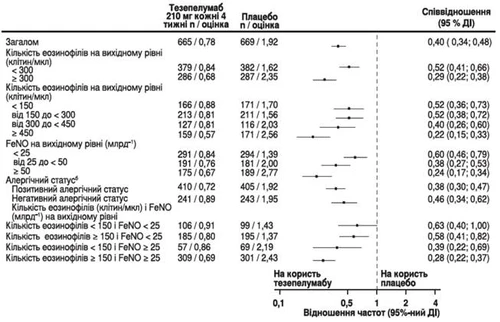
a Risk time is defined as the total duration of time during which a new exacerbation may occur (i.e., total observation time minus time during exacerbation and 7 days thereafter).
b Allergic status, defined by serum IgE level specific to any perennial aeroallergen in the FIFAX panel.
Lung function
In the NAVIGATOR study, change in FEV1 from baseline was assessed as a secondary endpoint. Compared with placebo, tezepelumab provided clinically meaningful improvements in the mean change in FEV1 from baseline (Table 4).
Patient-reported outcomes
In the NAVIGATOR study, changes from baseline in ACQ-6 scores, the Standardized Asthma Quality of Life Questionnaire for patients aged 12 years and older [AQLQ(S) 12+], and the weekly mean score from the Asthma Symptom Diary (ASD) were assessed as secondary endpoints. Severity of wheezing, shortness of breath, cough, and chest tightness were assessed twice daily (morning and evening). Nighttime awakening and activity were assessed daily. The overall ASD score was calculated as the mean across 10 items (Table 4).
Improvements in ACQ-6 and AQLQ(S) 12+ were observed as early as 2 and 4 weeks, respectively, after administration of tezepelumab and were maintained through week 52 in both studies.
Table 4
Results for key secondary endpoints at week 52 in the NAVIGATOR studya
| Tezepelumab |
Placebo |
|
| FEV1 prior to bronchodilator administration |
||
| N |
527 |
531 |
| Mean change from baseline, calculated by MMRM (L) |
0.23 |
0.10 |
| Mean difference vs placebo, calculated by MMRM (L) (95% CI) |
0.13 (0.08; 0.18) |
|
| p-value |
< 0.001 |
|
| AQLQ(S) 12+ total score |
||
| N |
525 |
526 |
| Mean change from baseline, calculated by MMRM |
1.48 |
1.14 |
| Difference vs placebo (95% CI) |
0.33 (0.20; 0.47) |
|
| p-value |
< 0.001 |
|
| ACQ-6 score |
||
| N |
527 |
531 |
| Mean change from baseline, calculated by MMRM |
-1.53 |
-1.20 |
| Difference vs placebo (95% CI) |
-0.33 (-0.46; -0.20) |
|
| p-value |
< 0.001 |
|
| ASD |
||
| N |
525 |
531 |
| Mean change from baseline, calculated by MMRM |
-0.70 |
-0.59 |
| Difference vs placebo (95% CI) |
-0.11 (-0.19; -0.04) |
|
| p-value |
0.004 |
|
a Estimates based on a Mixed Model for Repeated Measures (MMRM) using all available patient data with at least 1 change from baseline value, including data after treatment discontinuation.
ACQ-6 — Asthma Control Questionnaire 6; AQLQ(S) 12+ — Standardized Asthma Quality of Life Questionnaire for patients aged 12 years and older; ASD — Asthma Symptom Diary; CI — confidence interval; FEV1 — forced expiratory volume in 1 second; LSM — least squares mean; N — number of patients with data included in the analysis (FA), with at least 1 change from baseline value
Elderly patients (≥ 65 years of age)
Of the 665 patients with asthma who received tezepelumab 210 mg subcutaneously every 4 weeks in the PATHWAY and NAVIGATOR studies, a total of 119 patients were aged 65 years and older, of whom 32 were aged 75 years and older. The safety profile in these age groups was similar to that in the overall study population. Efficacy in these age groups was similar to that in the overall study population in the NAVIGATOR study. The PATHWAY study did not include a sufficient number of patients aged 65 years and older to determine efficacy in this age group.
Pediatric population
A total of 82 children aged 12 to 17 years with uncontrolled severe asthma were included in the NAVIGATOR study and received tezepelumab (n = 41) or placebo (n = 41). Of the 41 children in the tezepelumab group, 15 children were receiving high-dose ICS at baseline. The annualized asthma exacerbation rate observed in children receiving tezepelumab was 0.68 compared to 0.97 in those receiving placebo (rate ratio 0.70; 95% CI 0.34; 1.46). The LSM change from baseline in FEV1 observed in children receiving tezepelumab was 0.44 L compared to 0.27 L in those receiving placebo (LSM difference 0.17 L; 95% CI 0.01; 0.35). Pharmacodynamic responses in children were generally similar to those in the overall study population.
The European Medicines Agency has deferred the obligation to submit the results of studies with Tezspire in one or more subsets of the pediatric population with asthma (information on the use of the medicinal product in children is available in the section «Paediatric population»).
Pharmacokinetics
The pharmacokinetics of tezepelumab were dose-proportional after subcutaneous administration in the dose range of 2.1 mg to 420 mg.
Absorption
After a single subcutaneous administration, maximum serum concentration was reached approximately 3–10 days after dosing. Based on population pharmacokinetic analysis, the estimated absolute bioavailability was approximately 77%. There was no clinically significant difference in bioavailability when injections were administered at different sites (abdomen, thigh, or upper arm).
Distribution
Based on population pharmacokinetic analysis, the central and peripheral volumes of distribution of tezepelumab were 3.9 L and 2.2 L, respectively, for a 70 kg individual.
Metabolism
Tezepelumab is a human monoclonal antibody (IgG2λ) that is degraded by proteolytic enzymes widely distributed throughout the body and is not metabolized by liver enzymes.
Elimination
As a human monoclonal antibody, tezepelumab is eliminated from the body via intracellular catabolism, and there is no evidence of target-mediated clearance. Based on population pharmacokinetic analysis, the estimated clearance of tezepelumab was 0.17 L/day for a 70 kg individual. The elimination half-life was approximately 26 days.
Special patient populations
Age, gender, race
Based on population pharmacokinetic analysis, patient age, gender, and race had no clinically significant effect on the pharmacokinetics of tezepelumab.
Body weight
Based on population pharmacokinetic analysis, higher body weight was associated with lower drug exposure. However, the effect of body weight on exposure is not considered clinically significant for efficacy or safety and does not require dose adjustment.
Children
Based on population pharmacokinetic analysis, there was no clinically significant difference in the pharmacokinetics of tezepelumab between adults and children aged 12 to 17 years. The pharmacokinetics of tezepelumab have not been studied in children under 12 years of age (see section «Posology and method of administration»).
Elderly patients (≥ 65 years of age)
Based on population pharmacokinetic analysis, there was no clinically significant difference in the pharmacokinetics of tezepelumab between patients aged 65 years and older and younger patients.
Renal impairment
No formal clinical studies have been conducted to investigate the effect of tezepelumab in patients with renal impairment. Based on population pharmacokinetic analysis, the clearance of tezepelumab was similar in patients with mild renal impairment (creatinine clearance 60 to < 90 mL/min), moderate renal impairment (creatinine clearance 30 to < 60 mL/min), and those with normal renal function (creatinine clearance ≥ 90 mL/min). Tezepelumab has not been studied in patients with severe renal impairment (creatinine clearance < 30 mL/min); however, tezepelumab is not renally excreted.
Hepatic impairment
No formal clinical studies have been conducted to investigate the effect of tezepelumab in patients with hepatic impairment. Monoclonal IgG antibodies are primarily not eliminated via the liver; therefore, changes in liver function are not expected to affect the clearance of tezepelumab. Based on population pharmacokinetic analysis, baseline liver function biomarkers (ALT, AST, and bilirubin) did not influence the clearance of tezepelumab.
Clinical characteristics.
Indications.
Tezpire is indicated as an add-on maintenance therapy in adults and children aged 12 years and older with severe bronchial asthma that is not adequately controlled despite high-dose inhaled corticosteroids in combination with another maintenance asthma medication.
Contraindications.
Hypersensitivity to the active substances or to any of the excipients listed in the section "Composition".
Interaction with other medicinal products and other forms of interaction.
Clinical studies on interactions with other medicinal products have not been conducted.
Patients receiving tezepelumab should avoid the use of live attenuated vaccines.
In a randomized, double-blind, parallel-group study involving 70 patients aged 12 to 21 years with moderate to severe bronchial asthma, treatment with tezepelumab did not affect the formation of humoral antibodies induced by seasonal quadrivalent influenza vaccination.
A clinically significant effect of tezepelumab on the pharmacokinetics of concomitantly administered bronchial asthma medications is not expected. According to the results of a population pharmacokinetic analysis, bronchial asthma medications commonly used concomitantly (specifically leukotriene receptor antagonists, theophylline/aminophylline, and oral corticosteroids) did not influence the clearance of tezepelumab.
Special precautions for use.
Traceability
To facilitate the traceability of biological medicinal products, it is necessary to clearly record the name and batch number of the administered medicinal product in the patient's medical documentation.
Exacerbations of bronchial asthma
The medicinal product Tezspire should not be used for the treatment of acute exacerbations of bronchial asthma.
Symptoms related to bronchial asthma or exacerbations may occur during treatment. Patients should be instructed to seek medical help if bronchial asthma remains uncontrolled or worsens after initiation of treatment.
Corticosteroids
Abrupt discontinuation of corticosteroids after initiation of therapy is not recommended. Any reduction in corticosteroid dose, if appropriate, should be gradual and carried out under physician supervision.
Hypersensitivity reactions
Hypersensitivity reactions (including anaphylaxis, rash) may occur after administration of tezepelumab (see section "Adverse reactions"). These reactions may occur within hours after administration of the medicinal product, but in some cases may begin later (e.g., after several days).
A history of anaphylaxis unrelated to tezepelumab may be a risk factor for anaphylaxis after administration of Tezspire. According to clinical practice, patients should be monitored for an appropriate period after administration of Tezspire.
In the event of a serious hypersensitivity reaction (e.g., anaphylaxis), administration of tezepelumab should be immediately discontinued and treatment initiated according to the clinical situation.
Serious infections
Blocking thymic stromal lymphopoietin (TSLP) theoretically may increase the risk of serious infections. In placebo-controlled studies, no increase in serious infections was observed with tezepelumab treatment.
Patients with existing serious infections should be treated prior to initiation of tezepelumab therapy. If a serious infection develops in patients during treatment with tezepelumab, therapy should be discontinued until the serious infection has resolved.
Serious cardiac events
In a long-term clinical study, an imbalance in serious cardiac adverse events was observed in patients receiving tezepelumab compared to those receiving placebo. A causal relationship between tezepelumab and these events has not been established, nor has the population of patients at risk for such events been identified.
Patients should be informed about signs or symptoms indicating a cardiac event (e.g., chest pain, shortness of breath, malaise, dizziness or pre-syncope) and advised to seek immediate medical attention if such symptoms occur. If a serious cardiac event develops during treatment with tezepelumab, therapy should be discontinued until the acute situation stabilizes.
Currently, there are no data regarding re-treatment of patients who have experienced a serious cardiac event or serious infection.
Parasitic (helminth) infection
TSLP may be involved in the immune response to certain helminth infections. Patients with known helminth infections were excluded from clinical trials. It is unknown whether tezepelumab may affect the patient's response to treatment of helminth infections.
Patients with existing helminth infections should be treated prior to initiation of tezepelumab therapy. If patients become infected during treatment and do not respond to anti-helminthic therapy, tezepelumab therapy should be discontinued until the infection resolves.
Sodium content
This medicinal product contains less than 1 mmol sodium (23 mg) per 210 mg dose, i.e., essentially "sodium-free".
Use during pregnancy or breastfeeding.
Pregnancy
Data on the use of tezepelumab in pregnant women are lacking or limited (fewer than 300 pregnancy outcomes). Animal studies do not indicate direct or indirect harmful effects with regard to reproductive toxicity.
Human IgG antibodies, such as tezepelumab, cross the placental barrier; therefore, the medicinal product Tezspire may be transferred from the pregnant woman to the developing fetus.
As a precautionary measure, it is advisable to avoid use of Tezspire during pregnancy, except when the expected benefit to the pregnant woman outweighs any potential risk to the fetus.
Breastfeeding
It is unknown whether tezepelumab is excreted in human milk. It is known that human IgG is excreted in breast milk during the first few days after delivery, with concentrations rapidly decreasing to low levels thereafter. Therefore, during this short period, a risk to the breastfed infant cannot be excluded.
During this period, the decision to discontinue/abstain from tezepelumab therapy should be made taking into account the benefits of breastfeeding for the child and the benefits of therapy for the woman.
Tezepelumab may be used during breastfeeding thereafter if there is a clinical need.
Fertility
Data on the effect on human fertility are lacking. Animal studies did not demonstrate a negative effect of tezepelumab treatment on fertility.
Ability to influence the speed of reactions when driving or operating machinery.
The medicinal product Tezspire has no effect or has a negligible effect on the ability to drive or operate machinery.
Method of Administration and Dosage
Treatment should be initiated by physicians experienced in the diagnosis and management of severe bronchial asthma.
Dosage
Adults and children (aged 12 years and older)
The recommended dose is 210 mg of tezepelumab administered by subcutaneous injection every 4 weeks.
The medicinal product Tezspire is intended for long-term treatment. The decision on continuing therapy should be reviewed at least annually based on the patient's level of control of bronchial asthma.
Missed dose
If a dose is missed, it should be administered as soon as possible. After administration, the patient may resume dosing on the originally scheduled day. If it is already time for the next dose, administer the medicinal product as planned. A double dose must not be administered.
Special patient populations
Elderly patients (≥ 65 years of age)
Dose adjustment is not required in elderly patients (see section "Pharmacokinetics").
Renal or hepatic impairment
Dose adjustment is not required in patients with renal or hepatic impairment (see section "Pharmacokinetics").
Method of administration
The medicinal product Tezspire is administered by subcutaneous injection.
The patient may self-administer the injection or have it administered by a caregiver after proper training in subcutaneous injection technique. Patients and/or caregivers must receive appropriate training in the preparation and administration of Tezspire prior to use, according to the "Instructions for Use".
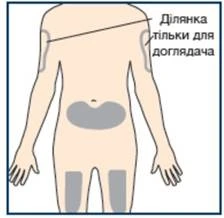
Tezspire should be injected into the thigh or abdomen, avoiding the area within 5 cm around the umbilicus. If the injection is administered by a healthcare professional or caregiver, the medicinal product may also be given in the upper arm. Patients must not self-administer injections into the arm. The medicinal product must not be administered into areas with bruising, tender, erythematous, or hardened skin. It is recommended to rotate injection sites with each administration.
Detailed instructions for administration using a prefilled syringe or prefilled pen are provided in the "Instructions for Use".
Instructions for Use (Prefilled Syringe)
This "Instructions for Use" contains information on how to administer the medicinal product Tezspire.
Before using Tezspire with a prefilled syringe, a healthcare professional must demonstrate to you or your caregiver the correct way to use it.
Before starting administration of Tezspire using a prefilled syringe, and each time before administering the next injection, read this "Instructions for Use". It may contain new information. This information does not replace consultation with a healthcare professional regarding your medical condition or treatment.
If you or your caregiver have any questions, consult your healthcare professional.
Important information to know before administering Tezspire.
Store Tezspire in the refrigerator at 2 to 8°C, inside the outer carton, until ready for use. Tezspire may be stored at room temperature between 20 and 25°C, inside the outer carton, for up to 30 days.
Once Tezspire reaches room temperature, do not return it to the refrigerator.
Dispose of (discard) Tezspire if it has been stored at room temperature for more than 30 days (see step 10).
| Do not use the medicinal product Tespiry with a prefilled syringe if: |
|
|
Do not shake the prefilled syringe. |
|
Do not give the prefilled syringe to anyone else for use. |
|
Do not use the prefilled syringe more than 1 time. |
|
Do not expose the medicinal product Tespiry in the prefilled syringe to heat. |
If any of the above situations occur, discard the syringe into a puncture-resistant sharps container and use a new pre-filled syringe with the medicine Tezspire.
Each pre-filled syringe with the medicine Tezspire contains 1 dose of Tezspire, which may be used only once.
Store the medicine Tezspire in the pre-filled syringe and keep all medicines out of the reach and sight of children.
The medicine Tezspire is administered only by injection under the skin (subcutaneously).
Pre-filled syringe with the medicine Tezspire
Do not remove the needle cap before Step 7 of this instruction, when you are ready to administer the medicine Tezspire.
Do not touch the safety mechanism activators. This will prevent premature activation of the safety device (needle safety mechanism).
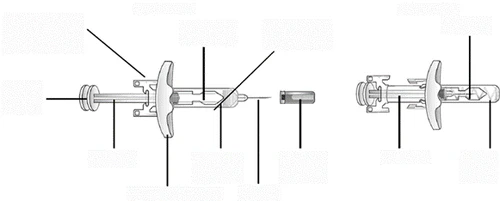
Preparing to administer the medicine Tezspire.
Step 1. Gather the necessary materials
- 1 pre-filled syringe with the medicine Tezspire, taken from the refrigerator;
- 1 alcohol wipe;
- 1 cotton swab or gauze;
- 1 adhesive bandage (optional);
- 1 puncture-resistant container for disposal of sharps. Instructions for safe disposal of the used pre-filled syringe with the medicine Tezspire can be found in Step 10.
|
|
|
|
|
|
| Pre-filled syringe |
Alcohol swab |
Cotton ball or gauze |
Adhesive bandage |
Sharps disposal |
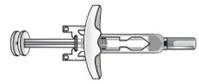


| Step 2. Preparation for using the pre-filled syringe with the medicine Tysabri Before injecting, allow the Tysabri medicine to warm up to room temperature between 20 and 25 °C for approximately 60 minutes or longer (no more than 30 days). Keep the pre-filled syringe in the outer cardboard packaging to protect it from light. Do not heat the pre-filled syringe in any other way. For example, do not warm it in a microwave oven or hot water, and do not place it near other heat sources. |
|
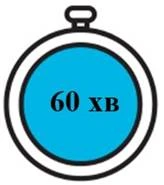
Do not put the prefilled syringe with the Tezspire medicinal product back into the refrigerator after it has reached room temperature. Discard (dispose of) the prefilled syringe containing Tezspire medicinal product if it has been stored at room temperature for more than 30 days.
Do not remove the needle cap before step 7.
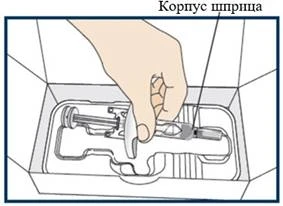
| Step 3. Removing the pre-filled syringe Hold the syringe barrel to remove it from the tray. Do not handle the pre-filled syringe by the plunger. |
|
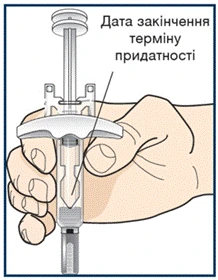
| Step 4. Check the prefilled syringe Inspect the prefilled syringe for any damage. Do not use the prefilled syringe if it is damaged. Check the expiry date on the prefilled syringe. Do not use the prefilled syringe if the expiry date has passed. Look at the liquid through the viewing window. The liquid should be clear and colourless or light yellow. Do not administer Tezspire if the liquid is cloudy, has changed colour, or contains large particles. You may see small air bubbles in the liquid. This is normal. You do not need to do anything about it. |
|
| Administration of the medicinal product Tezepelumab Step 5. Choosing the injection site If you are injecting yourself, the recommended injection sites are the front of the thigh or the lower abdomen. Do not inject into the arm. A caregiver may administer the injection into the shoulder, thigh or abdomen. For each injection, select a different site at least 3 cm away from the previous injection site. Do not administer the injection:
|
|
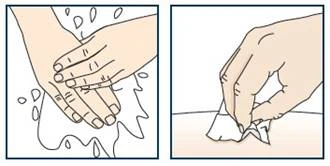
| Step 6. Washing hands and cleaning the injection site Wash your hands thoroughly with soap and water. Wipe the injection site with an alcohol swab using circular motions. Allow it to air dry. Do not touch the cleaned area before injection. Do not blow on or do not fan the cleaned area. |
|
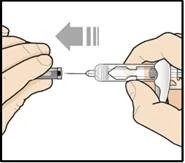
| Step 7. Removing the needle cap Do not remove the needle cap until you are ready to give the injection. Hold the syringe barrel with one hand and, with the other hand, carefully remove the needle cap with a firm motion. Do not touch the plunger or plunger head when removing the needle cap. Set the needle cap aside to discard it later. You may see a drop of liquid at the tip of the needle. This is normal. Do not touch the needle and do not allow the needle to come into contact with any surface. Do not put the needle cap back onto the syringe needle. |
|
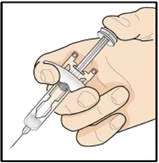
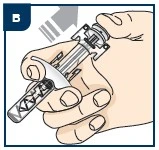
| Step 8. Administration of the medicinal product Tespiry Hold the prefilled syringe in one hand, as shown in the picture. With the other hand, gently pinch and hold the area of skin where you want to administer the injection. This will make the skin firmer. Do not press the plunger rod until the needle is inserted into the skin. Under no circumstances do not pull back the plunger rod. Administer the medicinal product Tespiry by following the steps shown in figures a, b, and c. |
|
|
|
|
|
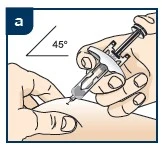
| Insert the needle fully into the pinched skin at a 45-degree angle. Do not attempt to reposition the pre-filled syringe after inserting its needle into the skin. |
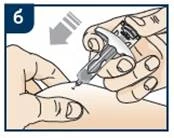
Press the thumb on the plunger head. Continue pressing until it reaches the stop to ensure complete delivery of the medication. |
While removing the needle from the skin, keep your thumb on the plunger head. Slowly release the plunger until the needle protection mechanism covers the needle. |
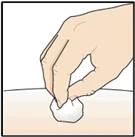
| Step 9. Check the injection site A small amount of blood or fluid may appear at the injection site. This is normal. Gently press a cotton ball or gauze pad against the skin until bleeding stops. Do not rub the injection site. If necessary, cover the injection site with a plaster. |
|
Disposal of the medicinal product Tespair
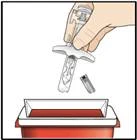
| Step 10. Safely dispose of the used prefilled syringe Each prefilled syringe contains one dose of the medicinal product Tysabri and must not be reused. Do not recap the needle of the prefilled syringe. Place the used syringe and needle cap into a sharps disposal container immediately after use. Dispose of other used materials in household waste. Do not throw the prefilled syringe into household waste. |
|
Disposal Instructions
Dispose of the full container according to the instructions of your healthcare provider or pharmacist.
Do not discard the used sharps container into household waste, unless permitted by community regulations.
Do not recycle the used sharps container.
Instructions for Use (Prefilled Pen)
These Instructions for Use provide information on how to administer the medicine Tepzarya.
Before using Tepzarya with the prefilled pen, a healthcare provider should demonstrate to you or your caregiver the proper way to use it.
Before you start using Tepzarya with the prefilled pen, and each time you give an injection, read these Instructions for Use. They may contain new information. This information does not replace discussions with your healthcare provider about your medical condition or treatment.
If you or your caregiver have any questions, contact your healthcare provider.
Important Information to Know Before Administering Tepzarya
Store Tepzarya in the refrigerator at 2 to 8 °C in the outer carton until ready to use. Tepzarya may be stored at room temperature between 20 to 25 °C in the outer carton for up to 30 days.
Once Tepzarya has reached room temperature, do not return it to the refrigerator.
Discard (dispose of) Tepzarya if it has been stored at room temperature for more than 30 days (see step 10).
| Do not use the medicinal product Tespyr with a pre-filled pen if: |
|
|
Do not shake the pre-filled pen. |
|
Do not give the pre-filled pen to anyone else for use. |
|
Do not use it more than 1 time. |
|
Do not expose the medicinal product Tespyr in the pre-filled pen to heat. |
If any of the above occurs, discard the prefilled pen into a puncture-resistant sharps container and use a new prefilled pen with the medicine Tezspire.
Each prefilled pen contains 1 dose of Tezspire, which can only be used once.
Store the medicine Tezspire in the prefilled pen and all medicines out of the reach and sight of children.
Tezspire is administered only by injection under the skin (subcutaneously).
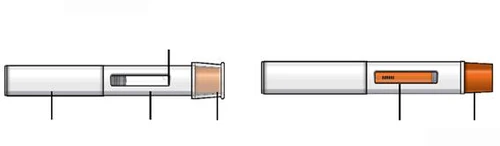
Prefilled pen with the medicine Tezspire
Do not remove the cap before Step 6 of these instructions, when you are ready to administer Tezspire.
Preparing to administer the medicine Tezspire
Step 1. Gather the necessary materials
- 1 prefilled pen with the medicine Tezspire, taken from the refrigerator;
- 1 alcohol wipe;
- 1 cotton ball or gauze;
- 1 adhesive bandage (optional);
- 1 puncture-resistant container for safe disposal of sharps. Instructions for the safe disposal of the used prefilled pen with Tezspire are provided in Step 10.
|
|
|
|
|
|
| Pre-filled pen injector |
Alcohol swab |
Cotton ball or gauze |
Adhesive bandage |
Sharps container |



Step 2. Preparation for use of the pre-filled pen with the medicinal product Tezspire
| Before injecting, allow the Tespiry medication to warm to room temperature in the range of 20 to 25 °C for approximately 60 minutes or longer (no longer than 30 days). Keep the pre-filled pen in the outer cardboard packaging to protect it from light. Do not heat the pre-filled pen by any other means. For example, do not warm it in a microwave oven or hot water, and do not place it near other sources of heat. |
|

Do not put the Tespiry medicine back into the refrigerator after it has reached room temperature. Dispose of (discard) the Tespiry medicine that has been stored at room temperature for more than 30 days.
Do not remove the cap before step 6.
| Step 3. Check the prefilled pen Hold the middle of the prefilled pen to remove it from the tray. Inspect the prefilled pen for damage. Do not use the prefilled pen if it is damaged. Check the expiration date on the prefilled pen. Do not use the prefilled pen if the expiration date has passed. Look at the liquid through the viewing window. The liquid should be clear and colorless or slightly yellow. Do not inject Tezspire if the liquid is cloudy, discolored, or contains large particles. You may see small air bubbles in the liquid. This is normal. You do not need to do anything about it. |
|
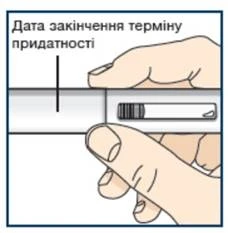
| Administration of the medicinal product Tespayr Step 4. Selecting the injection site If you are injecting yourself, the recommended injection sites are the front of the thigh or the lower part of the abdomen. Do not inject into the arm. A caregiver may administer the injection into the shoulder, thigh, or abdomen. For each injection, choose a different site at least 3 cm away from the previous injection site. Do not administer the injection:
|
|
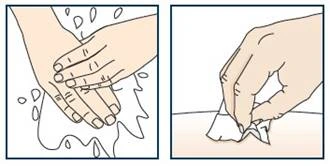
| Step 5. Washing hands and cleaning the injection site Wash your hands thoroughly with soap and water. Wipe the injection site with an alcohol swab using circular motions. Allow it to air dry. Do not touch the cleaned area before injection. Do not blow on or do not fan the cleaned area. |
|
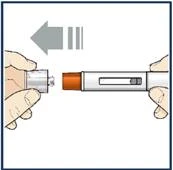
| Step 6. Removing the cap Do not remove the needle cap until you are ready to administer the injection. Hold the body of the pre-filled pen with one hand and, with the other hand, carefully remove the cap with a firm, single motion. Set the cap aside and dispose of it later. The orange needle safety guard is now exposed. The orange needle safety guard is designed to prevent contact with the needle. Do not touch the needle or press on the orange needle safety guard. Do not put the cap back onto the pre-filled pen. This may cause premature injection or damage the needle. |
|
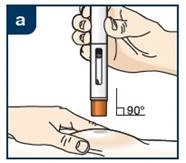
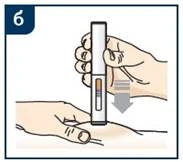
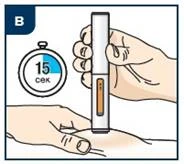
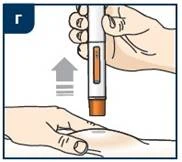
| Step 7. Administering the Tezspire medicinal product Follow your healthcare provider's instructions on how to give the injection. You may gently pinch the skin at the injection site or administer the injection without pinching the skin. Administer the Tezspire medicinal product by following the steps shown in figures a, b, c, and d. During the injection, you will hear the first click, indicating the start of the injection. Press and hold the prefilled pen for 15 seconds until you hear the second click. Do not change the position of the prefilled pen after the injection has started. |
|
| Position the prefilled pen.
Ensure the viewing window is in your line of sight. |
|
|
|
|
| Press firmly until you see the orange needle guard mechanism.
The orange plunger will move downward in the viewing window during the injection. |
Hold firmly for approximately 15 seconds.
The orange plunger will fill the viewing window. |
After the injection is complete, lift the pre-filled pen straight up in one smooth motion. The orange needle guard mechanism will slide down and lock over the needle. |
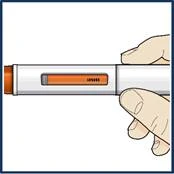
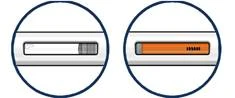
| Step 8. Check the viewing window Check the viewing window to make sure all the medicine has been injected. If the orange plunger does not fill the viewing window, you may not have received a complete dose. If this happens or if you have any other concerns, contact your healthcare provider. |
|
||
| Before injection |
|
After injection |
|
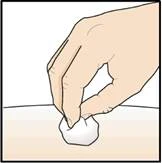
| Step 9. Check the injection site A small amount of blood or fluid may appear at the injection site. This is normal. Gently press a cotton ball or gauze pad against the skin until bleeding stops. Do not rub the injection site. If necessary, cover the injection site with a bandage. |
|
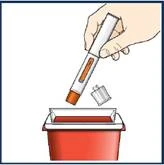
| Disposal of the Tespiry medication Step 10. Safely dispose of the used prefilled pen Each prefilled pen contains one dose of Tespiry medication and must not be reused. Do not replace the cap back onto the prefilled pen. Immediately after use, place the used prefilled pen and cap into a sharps disposal container. Dispose of other used materials in household waste. Do not throw the prefilled pen into household waste. |
|
Instructions for Disposal
Dispose of the full container according to the instructions of a healthcare professional or pharmacist.
Do not discard the used sharps container into household waste, except when permitted by community regulations.
Do not recycle the used sharps container.
Children. The safety and efficacy of Tezspire in children under 12 years of age have not been established. Data are lacking.
Overdose.
In clinical studies, patients with bronchial asthma received the drug subcutaneously at doses up to 280 mg every 2 weeks and intravenously at doses up to 700 mg every 4 weeks, with no evidence of dose-dependent toxicity observed.
There is no specific treatment for tezepelumab overdose. In case of overdose, supportive therapy with appropriate monitoring should be administered, as needed.
Adverse Reactions
▼ This medicinal product is subject to additional monitoring. This will allow for rapid identification of new safety information. Healthcare professionals are requested to report any suspected adverse reactions.
Summary of safety profile
The most commonly reported adverse reactions during treatment were arthralgia (3.8%) and pharyngitis (4.1%).
List of adverse reactions presented in tabular form
In clinical trials involving patients with severe bronchial asthma, a total of 665 patients received at least one dose of the medicinal product Tezspire in 52-week trials.
The frequency of adverse reactions is defined as follows: very common (≥ 1/10); common (≥ 1/100 to < 1/10); uncommon (≥ 1/1,000 to < 1/100); rare (≥ 1/10,000 to < 1/1,000); very rare (< 1/10,000); frequency not known (cannot be estimated from the available data). Within each frequency category, adverse reactions are listed in order of decreasing severity.
Table 5
List of adverse reactions
| System organ class |
Adverse reactions |
Frequency |
| Infections and infestations |
Pharyngitis |
Common |
| Immune system disorders |
Hypersensitivity (including anaphylactic reactions) |
Frequency unknown |
| Skin and subcutaneous tissue disorders |
Rash |
Common |
| Musculoskeletal and connective tissue disorders |
Arthralgia |
Common |
| General disorders and administration site conditions |
Injection site reactions |
Common |
a) Pharyngitis was defined by the following grouped preferred terms: pharyngitis, bacterial pharyngitis, streptococcal pharyngitis, and viral pharyngitis.
b) Rash was defined by the following grouped preferred terms: rash, rash with pruritus, erythematous rash, maculopapular rash, macular rash.
c) See section “Description of selected adverse reactions”.
Description of selected adverse reactions
Injection site reactions
Based on pooled safety data from the PATHWAY and NAVIGATOR trials, injection site reactions (e.g., injection site erythema, injection site swelling, injection site pain) were observed in 3.8% of patients receiving subcutaneous tezepelumab 210 mg every 4 weeks.
Children
A total of 82 adolescents aged 12 to 17 years with severe uncontrolled asthma were included in the 52-week Phase 3 NAVIGATOR trial (see section “Pharmacological properties”). The safety profile in adolescents was generally similar to that in the overall study population.
Reporting of adverse reactions
Reporting of adverse reactions after marketing authorization is of great importance. It allows continuous monitoring of the benefit-risk balance of the medicinal product. Healthcare and pharmaceutical professionals, as well as patients or their legal representatives, are encouraged to report all suspected adverse reactions and lack of efficacy through the Automated Information System for Pharmacovigilance at: https://aisf.dec.gov.ua.
Shelf life.
36 months.
The medicinal product Tezspire may be stored at room temperature up to 25 °C for a maximum of 30 days. After removal from the refrigerator, the medicinal product Tezspire must be used within 30 days or discarded.
Storage conditions.
Store at 2 to 8 ºC (recommended 5 ºC).
Store the pre-filled syringe or pre-filled pen in the cardboard carton to protect from light.
Do not freeze. Do not shake. Avoid exposure to heat.
Keep out of the reach and sight of children.
Packaging.
Pre-filled syringe
Solution for injection in a single-use pre-filled syringe with a fixed needle, protective cap, and plunger stop. One single-use pre-filled syringe in a thermoformed blister; one blister in a cardboard carton labelled in Ukrainian.
Pre-filled pen
Solution for injection in a single-use pre-filled pen for automatic administration with a fixed needle, protective cap, and plunger stop. One single-use pre-filled pen for automatic administration in a cardboard carton labelled in Ukrainian.
Prescription status.
Prescription only.
Manufacturer.
AstraZeneca AB / AstraZeneca AB.
Manufacturer's address and place of business.
Gartunavagen, Sodertalje, 152 57, Sweden / Gartunavagen, Sodertalje, 152 57, Sweden.