Tamipul®
Ukraine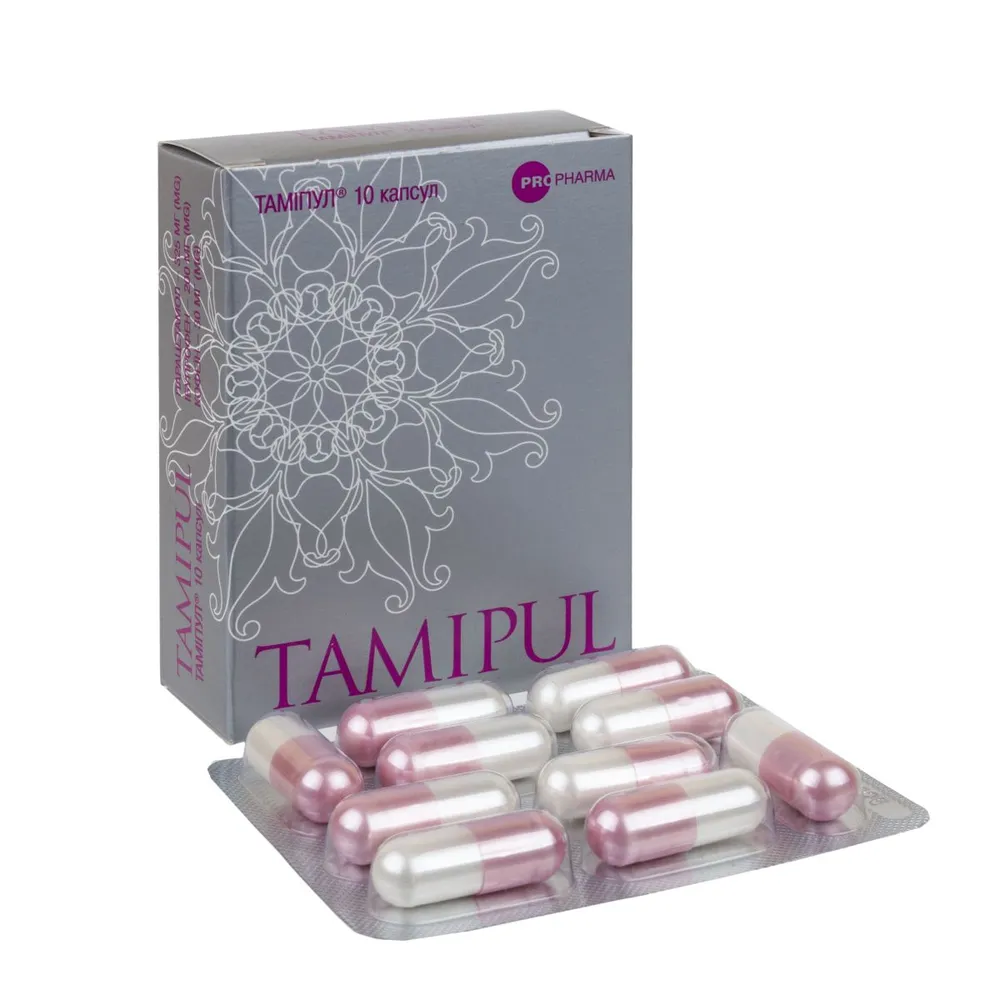
Table of Contents
- INSTRUCTIONS FOR MEDICAL USE OF THE MEDICINAL PRODUCT TAMIPULÒ (TAMIPUL)
- Composition:
- Pharmacological properties.
- Clinical characteristics.
- Special precautions for use.
- Dosage and Administration
- Adverse reactions.
- Composition:
- Pharmacological Properties
- Clinical characteristics.
- Special precautions for use.
- Dosage and Administration
- Adverse reactions
INSTRUCTIONS FOR MEDICAL USE OF THE MEDICINAL PRODUCT TAMIPULÒ (TAMIPUL)
Composition:
Active substances: paracetamol, ibuprofen, caffeine;
1 capsule contains 325 mg of paracetamol, 200 mg of ibuprofen, 30 mg of caffeine;
Excipients: talc, colloidal anhydrous silicon dioxide, sodium lauryl sulfate, gelatin, candurin (silver glitter), patent blue V (E 131), azorubine, carmoisine (E 122).
Pharmaceutical form. Capsules.
Main physicochemical properties: hard gelatin capsules. The body of the capsule is white, pearly; the cap is pink, pearly. The capsule contents are a white powder.
Pharmacotherapeutic group. Non-steroidal anti-inflammatory and antirheumatic agents. Paracetamol combinations without psychotropic agents. ATC code N02B E51.
Pharmacological properties.
Pharmacodynamics.
A combined medicinal product whose action is determined by the components contained in its composition. The drug exerts analgesic (pain-relieving), anti-inflammatory, and antipyretic effects. It inhibits the synthesis of prostaglandins. It reduces joint pain at rest and during movement, decreases morning stiffness and joint swelling, and promotes an increase in range of motion.
Caffeine enhances the analgesic effect of ibuprofen and paracetamol. Under the influence of caffeine, diuresis is slightly increased (mainly due to reduced electrolyte reabsorption in the renal tubules), resulting in a moderate anti-edema effect.
Pharmacokinetics.
Paracetamol.
Paracetamol is rapidly and almost completely absorbed in the gastrointestinal tract (GIT). Maximum plasma concentration is reached within 30–60 minutes after administration, and the plasma half-life is 1–4 hours after administration at therapeutic doses. In cases of severe hepatic insufficiency, the half-life increases to 5 hours. In renal insufficiency, the half-life does not increase; however, since renal excretion is limited, the dose of paracetamol should be reduced.
Paracetamol penetrates the blood-brain barrier and is also excreted into breast milk of lactating women.
Ibuprofen.
Ibuprofen is rapidly absorbed from the gastrointestinal tract after administration. Maximum plasma concentration is reached within 45 minutes after administration, and maximum concentration in synovial fluid is reached within 3 hours after administration. Ibuprofen is metabolized in the liver and excreted by the kidneys in unchanged form and as metabolites. The elimination half-life is approximately 2 hours.
Caffeine.
After oral administration, caffeine is rapidly absorbed. Maximum plasma concentration is reached approximately within 20–60 minutes, and the elimination half-life is approximately 4 hours.
Clinical characteristics.
Indications.
Pain of varying intensity:
- dysmenorrhea and menstrual pain;
- headache;
- neuralgia;
- myalgia;
- arthralgia;
- toothache.
Elevated body temperature (fever in influenza and colds).
As part of complex therapy for postoperative pain and for alleviating symptoms of rheumatoid arthritis and osteoarthritis.
Contraindications.
Hypersensitivity to paracetamol, ibuprofen, caffeine, or any other component of the drug; active peptic ulcer or history of peptic ulcer (two or more distinct episodes of peptic ulcer exacerbation or gastrointestinal bleeding); gastrointestinal bleeding or perforation in history associated with previous treatment with nonsteroidal anti-inflammatory drugs (NSAIDs); acute pancreatitis; severe impairment of liver and/or kidney function; congenital hyperbilirubinemia; glucose-6-phosphate dehydrogenase deficiency; alcoholism; blood disorders; severe anemia; leukopenia; thrombosis; thrombophlebitis; states of increased excitation; sleep disorders; severe arterial hypertension; organic cardiovascular diseases; closed-angle glaucoma; epilepsy; hyperthyroidism; decompensated heart failure; conduction disorders; severe atherosclerosis; tendency to vascular spasm; ischemic heart disease; prostate hypertrophy; severe forms of diabetes mellitus; allergic reactions (e.g., bronchial asthma, rhinitis, Quincke's edema) following administration of acetylsalicylic acid or other NSAIDs; concomitant use of the drug with NSAIDs; advanced age of the patient.
Do not use concomitantly with monoamine oxidase inhibitors (MAOIs), cyclooxygenase-2 inhibitors, or within 2 weeks after discontinuation of such agents. Contraindicated in patients receiving tricyclic antidepressants or beta-blockers. Gilbert's syndrome. Patient age under 12 years. Pregnancy or breastfeeding.
Interaction with other medicinal products and other forms of interaction.
Concomitant use of paracetamol with metoclopramide and domperidone may enhance the absorption of paracetamol, while cholestyramine may reduce its absorption.
Long-term continuous use of paracetamol may potentiate the anticoagulant effect of warfarin and other coumarins, increasing the risk of bleeding.
Nonsteroidal anti-inflammatory drugs may enhance the effect of anticoagulants such as warfarin and reduce the efficacy of antihypertensive drugs or diuretics.
Concomitant use of other nonsteroidal anti-inflammatory drugs may lead to an increased risk of adverse effects.
Corticosteroids may increase the risk of gastrointestinal adverse reactions.
Drug intake may lead to increased serum lithium concentration.
Concomitant use with methotrexate may result in poisoning.
Barbiturates reduce the antipyretic effect of paracetamol.
Anticonvulsants (including phenytoin, barbiturates, carbamazepine), which stimulate hepatic microsomal enzyme activity, may enhance the hepatotoxic effect of paracetamol due to increased conversion of the drug into hepatotoxic metabolites. Concomitant use of paracetamol with hepatotoxic agents increases the hepatotoxic effect of the drugs. Simultaneous use of high doses of paracetam0l with isoniazid increases the risk of hepatotoxic syndrome. Paracetamol reduces the effectiveness of diuretics. Do not use concomitantly with alcohol.
Caution is advised when using paracetamol concomitantly with flucloxacillin, as co-administration has been associated with metabolic acidosis with high anion gap, especially in patients with risk factors (see section "Special precautions").
Concomitant use of caffeine with MAO inhibitors may cause dangerous elevation of blood pressure. Caffeine enhances the effect (improves bioavailability) of analgesic-antipyretic drugs, potentiates the effects of xanthine derivatives, alpha- and beta-adrenergic agonists, and psychostimulants.
Cimetidine, hormonal contraceptives, and isoniazid enhance the effect of caffeine. Caffeine reduces the effect of opioid analgesics, anxiolytics, hypnotics, and sedatives; it acts as an antagonist of anesthetic agents and other drugs that depress the CNS, and as a competitive antagonist of adenosine and ATP preparations. Concomitant use of caffeine with ergotamine improves ergotamine absorption from the gastrointestinal tract; with thyrotropic agents, it enhances the thyroid effect. Caffeine reduces blood lithium concentration.
Should not be used in combination with:
acetylsalicylic acid, unless the dose of acetylsalicylic acid (not exceeding 75 mg per day) has been prescribed by a physician, as this may increase the risk of adverse effects;
other nonsteroidal anti-inflammatory drugs (NSAIDs). This may lead to an increased frequency of adverse effects.
Ibuprofen should be used with caution in combination with:
antihypertensive agents (ACE inhibitors and angiotensin II antagonists) and diuretics: NSAIDs may reduce the efficacy of diuretics and other antihypertensive drugs. In some patients with impaired renal function (e.g., dehydrated patients or elderly patients with reduced kidney function), concomitant use of ACE inhibitors or angiotensin II antagonists with cyclooxygenase-inhibiting drugs may lead to further deterioration of renal function, including potentially reversible acute renal failure. Therefore, such combinations should be prescribed with caution, especially in elderly patients. If long-term treatment is necessary, adequate hydration should be ensured and monitoring of renal function should be initiated at the beginning of combination therapy and periodically thereafter. Diuretics may increase the risk of nephrotoxic effects of NSAIDs.
Anticoagulants. Nonsteroidal anti-inflammatory drugs may enhance the therapeutic effect of anticoagulants such as warfarin.
Antiplatelet agents and selective serotonin reuptake inhibitors (SSRIs). The risk of gastrointestinal bleeding may increase.
Cardiac glycosides. Heart failure may worsen, glomerular filtration rate may decrease, and plasma levels of glycosides may increase.
Cyclosporines. There are some data suggesting a possible interaction that may lead to an increased risk of nephrotoxicity.
Mifepristone. NSAIDs should not be taken within 8–12 days after mifepristone administration, as this may reduce the efficacy of mifepristone.
Tacrolimus. Increased risk of nephrotoxicity.
Lithium and methotrexate. Evidence exists of potential elevation of plasma levels of lithium and methotrexate.
Zidovudine. Evidence exists of increased risk of hemarthrosis and hematoma in HIV-infected patients receiving concomitant treatment with zidovudine and ibuprofen.
Quinolone antibiotics. Concomitant use may increase the risk of seizures.
Sulfonylurea derivatives. Potentiation of effect is possible.
Special precautions for use.
In patients with impaired liver function, as well as in those taking paracetamol for a prolonged period, regular liver function tests are recommended. If a patient is taking warfarin or similar anticoagulant agents, medical advice must be sought before using Tamiplu®.
Patients who take analgesics daily for mild forms of arthritis should consult a physician before using the medication.
In patients with severe infections such as sepsis, which are associated with reduced glutathione levels, paracetamol use may increase the risk of metabolic acidosis. Symptoms of metabolic acidosis include deep, rapid, or labored breathing, nausea, vomiting, and loss of appetite. Immediate medical attention should be sought if these symptoms occur.
When oral anticoagulants are used concomitantly with high doses of paracetamol, prothrombin time should be monitored. Alcohol consumption should be avoided during treatment. Patients should be warned not to use other medications containing paracetamol simultaneously.
Paracetamol intake may affect laboratory test results for blood uric acid and glucose levels.
The drug should be used only under medical supervision in patients with impaired liver or kidney function.
Paracetamol is hepatotoxic at high doses (exceeding 6 g per day). However, liver toxicity may also occur at significantly lower doses when alcohol is consumed, or when hepatic enzyme inducers or other hepatotoxic substances are used.
Caution is advised when paracetamol is used concomitantly with flucloxacillin due to an increased risk of metabolic acidosis with high anion gap, particularly in patients with severe renal impairment, sepsis, malnutrition, and other sources of glutathione deficiency (e.g., chronic alcoholism), as well as in those taking maximum daily doses of paracetamol. Close monitoring, including measurement of urinary 5-oxoproline, is recommended.
The drug should be initiated with caution (after consultation with a physician) in patients who have experienced elevated blood pressure, fluid retention, or edema during treatment with nonsteroidal anti-inflammatory drugs (NSAIDs).
Adverse effects can be minimized by using the lowest effective dose for the shortest duration necessary to control symptoms.
Cardiovascular and cerebrovascular effects. Clinical trials and epidemiological data suggest that the use of ibuprofen, especially at high doses (2400 mg daily) and with long-term treatment, may lead to a slight increase in the risk of arterial thrombotic events (myocardial infarction or stroke). Overall, epidemiological data do not indicate that low-dose ibuprofen (less than 1200 mg daily) increases the risk of myocardial infarction. Long-term treatment in patients with uncontrolled hypertension, congestive heart failure, diagnosed ischemic heart disease, peripheral arterial disease, and/or cerebrovascular disease should be prescribed by a physician only after careful assessment. Long-term NSAID therapy should be prescribed to patients with significant cardiovascular risk factors (such as hypertension, hyperlipidemia, diabetes, smoking) only after thorough consideration.
Bronchospasm may occur in patients with bronchial asthma or allergic conditions currently or with a history of bronchospasm.
Systemic lupus erythematosus and systemic connective tissue diseases are associated with an increased risk of aseptic meningitis.
Chronic inflammatory bowel diseases (ulcerative colitis, Crohn’s disease) may flare up.
Symptoms of elevated blood pressure and/or heart failure may worsen and/or fluid retention may occur, particularly in connection with severe liver dysfunction.
Renal effects. Prolonged use of NSAIDs may lead to dose-dependent reduction in prostaglandin synthesis and may provoke renal failure. Patients at high risk include those with impaired kidney or liver function, cardiac disorders, those taking diuretics, and elderly patients. Renal function should be monitored in such patients.
Hepatic effects. Impaired liver function. Liver disease increases the risk of liver damage from paracetamol. The risk of overdose is higher in patients with non-cirrhotic alcoholic liver disease.
Effect on fertility in women. Limited data suggest that drugs that inhibit cyclooxygenase/prostaglandin synthesis may affect ovulation. However, this effect is reversible and ceases after discontinuation of treatment. Long-term use of ibuprofen (doses of 2400 mg daily and treatment duration exceeding 10 days) may impair female fertility and is not recommended for women trying to conceive. This medication should be discontinued in women who are unable to conceive or undergoing infertility evaluation.
Gastrointestinal effects. NSAIDs should be used with caution in patients with chronic inflammatory bowel diseases (ulcerative colitis, Crohn’s disease), as these conditions may worsen. Cases of gastrointestinal bleeding, perforation, and ulcers, which may be fatal, have been reported and can occur at any stage of NSAID treatment, regardless of prior warning symptoms or history of severe gastrointestinal disorders.
The risk of gastrointestinal bleeding, perforation, and ulcers increases with higher NSAID doses, particularly in patients with a history of peptic ulcer, especially if complicated by bleeding or perforation, and in elderly patients. These patients should start treatment with the lowest possible doses. Caution is advised when treating patients receiving concomitant medications that may increase the risk of gastrointestinal toxicity or bleeding, such as oral corticosteroids or anticoagulants (e.g., warfarin) or antiplatelet agents (e.g., aspirin). For patients undergoing long-term treatment, as well as those requiring concomitant use of low-dose acetylsalicylic acid (aspirin) or other drugs that may increase gastrointestinal risk, combined therapy with misoprostol or proton pump inhibitors should be considered.
Patients with a history of gastrointestinal disorders, especially elderly patients, should be informed to report any unusual gastrointestinal symptoms (particularly bleeding), especially gastrointestinal bleeding at the beginning of treatment. If gastrointestinal bleeding or ulceration occurs in patients taking ibuprofen, treatment should be discontinued immediately.
Skin and subcutaneous tissue. Very rarely, severe skin reactions may occur during NSAID use, including exfoliative dermatitis, Stevens-Johnson syndrome, and toxic epidermal necrolysis. The highest risk of such reactions occurs early in therapy, with most cases beginning within the first month of treatment.
Serious skin reactions have been reported in association with medications containing ibuprofen. Tamiplu® should be discontinued and immediate medical attention sought if skin rashes, mucosal lesions, blisters, or other signs of allergy appear, as these may be early signs of a very serious skin reaction (see section "Adverse reactions").
Masking symptoms of underlying infections. The drug may mask symptoms of infectious disease, potentially delaying appropriate treatment and thereby complicating the course of illness. This has been observed in community-acquired bacterial pneumonia and bacterial complications of varicella. When the drug is used for fever or to relieve pain associated with infection, monitoring of the infectious disease is recommended. In outpatient settings, patients should consult a physician if symptoms persist or worsen.
Prolonged use of analgesics in high doses may lead to headache that cannot be treated by increasing the dose of the medication. Long-term and uncontrolled use of analgesics may lead to chronic kidney damage with risk of renal failure (analgesic nephropathy).
One capsule of this medication contains approximately the same amount of caffeine as a cup of coffee. When using Tamiplu®, intake of medications, food, and beverages containing caffeine should be limited, as excessive caffeine may cause nervousness, irritability, insomnia, and sometimes tachycardia.
Consult a physician before using the medication.
If symptoms persist, consult a physician.
Do not take the medication simultaneously with other products containing paracetamol, ibuprofen, or caffeine.
The medicinal product contains E 122, which may cause allergic reactions.
Use during pregnancy or breastfeeding.
Do not use during pregnancy or breastfeeding.
From the 20th week of pregnancy, ibuprofen use may cause oligohydramnios due to fetal renal dysfunction. If ibuprofen is used for several days starting from the 20th week of pregnancy, prenatal monitoring for oligohydramnios should be considered.
Ability to affect reaction speed when driving or operating machinery.
If adverse reactions affecting the nervous system occur during treatment, patients should refrain from driving vehicles or operating machinery.
Dosage and Administration
For adults and adolescents aged 16 years and older: take 1–2 capsules every 4–6 hours, depending on the intensity of pain and physician's recommendation. The daily dose should not exceed 6 capsules. For children aged 12 to 16 years: 1 capsule 1–2 times daily. The capsule should be taken whole, without chewing, and swallowed with sufficient fluid (a glass of water). The usual duration of treatment is 3–7 days. If no improvement occurs during this period, the treatment regimen should be re-evaluated.
Maximum duration of use in children without medical consultation: 3 days.
The interval between doses should be at least 4 hours.
Do not exceed the recommended dose.
The lowest effective dose should be used for the shortest duration necessary to relieve symptoms (see section "Special precautions for use").
Children
The medication should not be administered to children under 12 years of age.
Overdose
Prolonged use of high doses may lead to aplastic anemia, thrombocytopenia, pancytopenia, agranulocytosis, neutropenia, and leukopenia. High doses may also cause central nervous system (CNS) disturbances (dizziness, psychomotor agitation, disorientation, inattention, insomnia, tremor, nervousness, restlessness), and urinary system disorders – nephrotoxicity (renal colic, interstitial nephritis, papillary necrosis).
In case of overdose, symptoms may include excessive sweating, psychomotor agitation or CNS depression, drowsiness, impaired consciousness, cardiac arrhythmias, tachycardia, extrasystoles, tremor, hyperreflexia, and seizures.
Paracetamol overdose symptoms. Liver damage may occur in adults who have ingested 10 g or more of paracetamol, and in children who have taken more than 150 mg/kg body weight. In patients with risk factors (long-term use of carbamazepine, phenobarbital, phenytoin, primidone, rifampicin, St. John’s wort, or other drugs inducing liver enzymes; alcohol abuse; glutathione system deficiency, e.g., gastrointestinal disorders, HIV infection, fasting, cystic fibrosis, cachexia), ingestion of 5 g or more of paracetamol may lead to liver damage.
Within the first 24 hours: pallor, nausea, vomiting, anorexia, and abdominal pain, hepatonecrosis, elevated liver transaminase activity, increased prothrombin index. Liver damage may become evident 12–48 hours after ingestion of excessive doses. Glucose metabolism disturbances and metabolic acidosis, as well as hemorrhages, may also occur. In severe poisoning, liver failure may progress to encephalopathy, coma, and may be fatal. Acute renal failure with acute tubular necrosis may develop even in the absence of severe kidney damage. Cardiac arrhythmias and pancreatitis have also been reported.
Treatment. In case of overdose, immediate medical assistance is required, even if symptoms are absent. Symptoms may be limited to nausea and vomiting or may not reflect the severity of overdose or risk of organ damage. Activated charcoal treatment should be considered if the excessive paracetamol dose was taken within the last hour. Plasma paracetamol concentration should be measured 4 hours or later after ingestion (earlier concentrations are unreliable).
Treatment with N-acetylcysteine may be administered within 24 hours after paracetamol ingestion, but the maximum protective effect is achieved when administered within 8 hours after ingestion. The efficacy of the antidote decreases sharply after this period. If necessary, intravenous N-acetylcysteine should be administered according to current guidelines. In the absence of vomiting, oral methionine may be used as an alternative in remote areas outside hospital settings.
Caffeine overdose symptoms. High doses of caffeine may cause rapid breathing, extrasystoles, dizziness, mood disturbances, epigastric pain, vomiting, diuresis, tachycardia or cardiac arrhythmia, and stimulation of the central nervous system (insomnia, restlessness, excitement, anxiety, increased neuromuscular excitability syndrome, headache, tremor, seizures, nervousness, and irritability). Clinically significant symptoms of caffeine overdose may also be associated with paracetamol-induced liver damage.
Treatment. There is no specific antidote. However, supportive measures such as administration of beta-adrenergic antagonists may help alleviate cardiotoxic effects.
Ibuprofen intoxication symptoms. In most patients participating in clinical trials, ingestion of large amounts of nonsteroidal anti-inflammatory drugs caused only nausea, vomiting, epigastric pain, or very rarely diarrhea. Tinnitus, headache, and gastrointestinal bleeding may also occur. In more severe intoxication, toxic effects on the central nervous system may manifest as drowsiness, occasionally nervous agitation, disorientation, or coma. Seizures may occasionally be observed. Severe intoxication may lead to metabolic acidosis; prothrombin index may be elevated, possibly due to effects on blood coagulation factors. Acute renal failure and liver damage may also occur. In patients with bronchial asthma, disease exacerbation is possible. Ingestion of more than 400 mg/kg in children may cause intoxication symptoms. In adults, the dose effect is less pronounced. The elimination half-life in overdose is 1.5–3 hours.
Treatment may be symptomatic and supportive, including airway management and monitoring of cardiac symptoms and vital signs until stabilization. Oral administration of activated charcoal is recommended within 1 hour after ingestion of a potentially toxic amount of the drug. In cases of frequent or prolonged seizures, intravenous diazepam or lorazepam should be administered. Bronchodilators should be used for the treatment of bronchial asthma.
Adverse reactions.
The adverse reactions listed below are categorized according to MedDRA terminology.
Immune system disorders: Hypersensitivity reactions such as urticaria and pruritus; severe hypersensitivity reactions including facial, tongue, and laryngeal edema, dyspnea, tachycardia, arrhythmia, hypotension or hypertension, anaphylaxis, angioedema (Quincke's edema), hepatorenal syndrome, exacerbation of bronchial asthma, and bronchospasm.
Nervous system disorders: Headache, dizziness, irritability, nervousness, depression, somnolence, insomnia, anxiety, psychomotor agitation, emotional lability, seizures, paresthesia, aseptic meningitis; individual symptoms of aseptic meningitis (nuchal rigidity, headache, nausea, vomiting, fever, or disorientation) may occur in patients with pre-existing autoimmune diseases such as systemic lupus erythematosus or mixed connective tissue disease.
Blood and lymphatic system disorders: Hematopoietic disorders, agranulocytosis, anemia (including hemolytic and aplastic), decreased hematocrit and hemoglobin levels, sulfhemoglobinemia and methemoglobinemia (cyanosis, dyspnea, chest pain), leukopenia, neutropenia, pancytopenia, thrombocytopenia. Initial signs include high fever, sore throat, oral ulcers, flu-like symptoms, severe fatigue, unexplained bleeding, and bruising.
Gastrointestinal disorders: Abdominal pain, heartburn, ulcerative stomatitis, dyspepsia, nausea, diarrhea, flatulence, constipation, vomiting, pancreatitis, duodenitis, esophagitis, gastritis, peptic ulcer, gastrointestinal perforation or hemorrhage, which in some cases may lead to fatal outcomes, especially in elderly patients; exacerbation of ulcerative colitis and Crohn’s disease.
Renal and urinary system disorders: Acute renal failure; renal colic; papillary necrosis, particularly with prolonged use, associated with elevated blood urea nitrogen and edema; cystitis; hematuria; interstitial nephritis; nephrotic syndrome; oliguria; polyuria; tubular necrosis; glomerulonephritis; aseptic pyuria.
Sensory organ disorders: Hearing disturbances, hearing loss, tinnitus, blurred vision, color vision changes, toxic amblyopia.
Respiratory system disorders: Bronchospasm in patients sensitive to aspirin and other nonsteroidal anti-inflammatory drugs (NSAIDs).
Cardiac disorders: Heart failure, edema.
Vascular disorders: Arterial thrombosis (myocardial infarction or stroke).
Endocrine disorders and metabolic changes: Hypoglycemia, up to hypoglycemic coma; decreased appetite; dryness of the mucous membranes of the eyes and mouth; rhinitis.
Hepatic disorders: Liver dysfunction, increased liver enzyme activity, hepatonecrosis (dose-dependent effect), hepatic failure; with prolonged treatment, hepatitis and jaundice may occur.
Skin and subcutaneous tissue disorders: Allergic skin reactions, rash, purpura, skin exfoliation, pruritus, alopecia, photosensitization; angioneurotic edema; severe skin reactions such as polymorphic erythema (including Stevens-Johnson syndrome), toxic epidermal necrolysis, and widespread, erythematous, scaly eruption with subepidermal papules and blisters, predominantly localized in skin folds, trunk, and upper extremities, accompanied by fever at the beginning of treatment (acute generalized exanthematous pustulosis). If these symptoms occur, discontinue use of TAMIPUL® immediately and seek medical attention without delay.
General disorders: Malaise and fatigue.
Laboratory investigations: Decreased hemoglobin levels.
Concomitant use of the drug at recommended doses with caffeine-containing products may potentiate caffeine-related adverse effects such as:
Psychiatric disorders: Headache, dizziness, increased excitability, anxiety, irritability, tachycardia, restlessness, insomnia due to central nervous system stimulation;
Gastrointestinal disorders: Nausea caused by gastrointestinal irritation.
Shelf life: 3 years.
Storage conditions: Store in the original packaging at a temperature not exceeding 25 °C, in a place inaccessible to children.
Packaging: 10 capsules in a blister; 1 blister per pack.
Prescription status: Over-the-counter (without prescription).
Manufacturer:
JSC "Grindex".
Manufacturer's address and place of business:
53 Krustpils Street, Riga, LV-1057, Latvia.
INSTRUCTIONS
for medical use of the medicinal product
TAMIPUL®
(TAMIPUL)
Composition:
Active ingredients: paracetamol, ibuprofen, caffeine;
1 capsule contains 325 mg of paracetamol, 200 mg of ibuprofen, and 30 mg of caffeine;
Inactive ingredients: talc, colloidal anhydrous silicon dioxide, sodium lauryl sulfate, gelatin, candurin (silver glitter), patent blue V (E 131), azorubine, carmoisine (E 122).
Pharmaceutical form. Capsules.
Main physicochemical properties: hard gelatin capsules. The body of the capsule is white, pearly; the cap is pink, pearly. The capsule contents are a white powder.
Pharmacotherapeutic group. Nonsteroidal anti-inflammatory and antirheumatic drugs. Paracetamol combinations without psycholeptics. ATC code N02B E51.
Pharmacological Properties
Pharmacodynamics
A combined medicinal product whose action is determined by the components contained in its composition. The drug exerts analgesic (pain-relieving), anti-inflammatory, and antipyretic effects. It inhibits the synthesis of prostaglandins. It reduces joint pain at rest and during movement, decreases morning stiffness and joint swelling, and promotes an increase in the range of motion.
Caffeine enhances the analgesic effect of ibuprofen and paracetamol. Under the influence of caffeine, diuresis is slightly increased (mainly due to reduced reabsorption of electrolytes in the renal tubules), resulting in a moderate anti-edematous effect.
Pharmacokinetics
Paracetamol
Paracetamol is rapidly and almost completely absorbed in the gastrointestinal tract (GI tract). Maximum plasma concentration is reached within 30–60 minutes after administration, and the plasma half-life is 1–4 hours following therapeutic doses. In cases of severe hepatic insufficiency, the half-life increases up to 5 hours. In renal insufficiency, the half-life does not increase; however, since renal excretion is limited, the dose of paracetamol should be reduced.
Paracetamol penetrates the blood-brain barrier and also passes into breast milk in lactating women.
Ibuprofen
Ibuprofen is rapidly absorbed from the gastrointestinal tract following administration. Maximum plasma concentration is reached within 45 minutes after intake, and maximum concentration in synovial fluid is achieved within 3 hours. Ibuprofen is metabolized in the liver and excreted by the kidneys in unchanged form and as metabolites. Elimination half-life is approximately 2 hours.
Caffeine
After oral administration, caffeine is rapidly absorbed. Maximum plasma concentration is reached approximately within 20–60 minutes, and the elimination half-life is approximately 4 hours.
Clinical characteristics.
Indications.
Pain of varying intensity:
- Dysmenorrhea and menstrual pain;
- Headache;
- Neuralgia;
- Myalgia;
- Arthralgia;
- Toothache.
Elevated body temperature (fever associated with influenza and colds).
As part of complex therapy for postoperative pain and for alleviating symptoms of rheumatoid arthritis and osteoarthritis.
Contraindications.
Hypersensitivity to paracetamol, ibuprofen, caffeine, or to any other component of the drug; active peptic ulcer disease or history thereof (two or more distinct episodes of peptic ulcer exacerbation or gastrointestinal bleeding); gastrointestinal bleeding or perforation in history associated with prior nonsteroidal anti-inflammatory drug (NSAID) therapy; acute pancreatitis; severe hepatic and/or renal dysfunction; congenital hyperbilirubinemia; glucose-6-phosphate dehydrogenase deficiency; alcoholism; blood disorders; severe anemia; leukopenia; thrombosis; thrombophlebitis; states of increased excitation; sleep disorders; severe arterial hypertension; organic cardiovascular diseases; closed-angle glaucoma; epilepsy; hyperthyroidism; decompensated heart failure; conduction disorders; severe atherosclerosis; tendency to vascular spasm; ischemic heart disease; prostatic hypertrophy; severe forms of diabetes mellitus; allergic reactions (e.g., bronchial asthma, rhinitis, Quincke's edema) following administration of acetylsalicylic acid or other NSAIDs; concomitant use of the drug with other NSAIDs; advanced age of the patient.
Do not use concurrently with monoamine oxidase inhibitors (MAOIs), cyclooxygenase-2 inhibitors, or within 2 weeks after discontinuation of such agents. Contraindicated in patients taking tricyclic antidepressants or beta-blockers. Gilbert's syndrome. Age under 12 years. Pregnancy or breastfeeding.
Interaction with other medicinal products and other forms of interaction.
Concomitant use of paracetamol with metoclopramide or domperidone may enhance paracetamol absorption, whereas cholestyramine may reduce its absorption.
Long-term continuous use of paracetamol may potentiate the anticoagulant effect of warfarin and other coumarins, increasing the risk of bleeding.
Nonsteroidal anti-inflammatory drugs may enhance the effect of anticoagulants such as warfarin and reduce the efficacy of antihypertensive agents or diuretics.
Concomitant use of other NSAIDs may increase the risk of adverse effects.
Corticosteroids may increase the risk of gastrointestinal adverse reactions.
Drug intake may lead to increased serum lithium concentration.
Concomitant use with methotrexate may result in toxicity.
Barbiturates reduce the antipyretic effect of paracetamol.
Anticonvulsants (including phenytoin, barbiturates, carbamazepine), which stimulate hepatic microsomal enzyme activity, may enhance the hepatotoxic effect of paracetamol due to increased formation of hepatotoxic metabolites. Concomitant use of paracetamol with hepatotoxic agents increases the risk of hepatotoxicity. Concurrent use of high-dose paracetamol with isoniazid increases the risk of hepatotoxic syndrome. Paracetamol reduces the efficacy of diuretics. Do not use concurrently with alcohol.
Caution is advised when using paracetamol concomitantly with flucloxacillin, as co-administration has been associated with metabolic acidosis with high anion gap, particularly in patients with risk factors (see section "Special precautions").
Concomitant use of caffeine with MAO inhibitors may cause dangerous elevation of blood pressure. Caffeine enhances the effect (improves bioavailability) of analgesic-antipyretic agents, potentiates the effects of xanthine derivatives, alpha- and beta-adrenergic agonists, and psychostimulants.
Cimetidine, hormonal contraceptives, and isoniazid enhance the effect of caffeine. Caffeine reduces the efficacy of opioid analgesics, anxiolytics, hypnotics, and sedatives; acts as an antagonist of anesthetic agents and other CNS depressants; is a competitive antagonist of adenosine and ATP. Concomitant use of caffeine with ergotamine improves ergotamine absorption from the gastrointestinal tract; with thyrotropic agents – increases thyroid effect. Caffeine reduces blood lithium concentration.
Do not use in combination with:
acetylsalicylic acid, unless the dose of acetylsalicylic acid (not exceeding 75 mg per day) has been specifically prescribed by a physician, as this may increase the risk of adverse effects;
other nonsteroidal anti-inflammatory drugs (NSAIDs). This may lead to increased frequency of adverse effects.
Use ibuprofen with caution in combination with:
antihypertensive agents (ACE inhibitors and angiotensin II antagonists) and diuretics: NSAIDs may reduce the efficacy of diuretics and other antihypertensive drugs. In some patients with impaired renal function (e.g., dehydrated patients or elderly patients with reduced renal function), concomitant use of ACE inhibitors or angiotensin II antagonists with cyclooxygenase-inhibiting agents may further deteriorate renal function, including potentially reversible acute renal failure. Therefore, such combinations should be used with caution, especially in elderly patients. If prolonged treatment is required, adequate hydration should be ensured and monitoring of renal function should be initiated at the beginning of combination therapy and continued periodically thereafter. Diuretics may increase the risk of nephrotoxic effects of NSAIDs.
Anticoagulants. Nonsteroidal anti-inflammatory drugs may enhance the therapeutic effect of anticoagulants such as warfarin.
Antiplatelet agents and selective serotonin reuptake inhibitors. May increase the risk of gastrointestinal bleeding.
Cardiac glycosides. May exacerbate heart failure, reduce glomerular filtration rate, and increase plasma glycoside levels.
Cyclosporines. Some data suggest a possible interaction that may increase the risk of nephrotoxicity.
Mifepristone. NSAIDs should not be taken within 8–12 days after mifepristone administration, as this may reduce the efficacy of mifepristone.
Tacrolimus. Increased risk of nephrotoxicity.
Lithium and methotrexate. Evidence suggests a potential increase in plasma levels of lithium and methotrexate.
Zidovudine. Evidence indicates increased risk of hemarthrosis and hematoma in HIV-infected patients receiving concomitant therapy with zidovudine and ibuprofen.
Quinolone antibiotics. Concomitant use may increase the risk of seizures.
Sulfonylurea derivatives. Potentiation of effect is possible.
Special precautions for use.
In patients with impaired liver function, as well as in those taking paracetamol for a prolonged period, regular liver function tests are recommended. If a patient is taking warfarin or similar anticoagulant agents, medical advice must be sought before using Tamipul®.
Patients who take analgesics daily for mild forms of arthritis should consult a physician before using the medication.
In patients with severe infections such as sepsis, which are associated with reduced glutathione levels, paracetamol use may increase the risk of metabolic acidosis. Symptoms of metabolic acidosis include deep, rapid, or labored breathing, nausea, vomiting, and loss of appetite. Immediate medical attention should be sought if these symptoms occur.
When oral anticoagulants are used concomitantly with high doses of paracetamol, prothrombin time should be monitored. Alcohol consumption should be avoided during treatment. Patients should be warned not to use other medications containing paracetamol simultaneously.
Paracetamol intake may affect laboratory test results for blood levels of uric acid and glucose.
The medication should be used only under medical supervision in patients with impaired liver or kidney function.
Paracetamol is hepatotoxic at high doses (exceeding 6 g per day). However, hepatotoxic effects may also occur at significantly lower doses in cases of alcohol consumption, use of hepatic enzyme inducers, or other substances with hepatotoxic effects.
Caution is advised when paracetamol is used concomitantly with flucloxacillin due to an increased risk of metabolic acidosis with a high anion gap, particularly in patients with severe renal impairment, sepsis, malnutrition, and other sources of glutathione deficiency (e.g., chronic alcoholism), as well as in those taking maximum daily doses of paracetamol. Close monitoring, including measurement of 5-oxoproline in urine, is recommended.
The initiation of treatment should be approached with caution (after consultation with a physician) in patients who have experienced elevated blood pressure, fluid retention, or edema during treatment with nonsteroidal anti-inflammatory drugs (NSAIDs).
Adverse effects can be minimized by using the lowest effective dose for the shortest duration necessary to treat symptoms.
Effects on the cardiovascular and cerebrovascular systems. Clinical trials and epidemiological data indicate that the use of ibuprofen, especially at high doses (2400 mg daily) and with long-term treatment, may lead to a slight increase in the risk of arterial thrombotic events (myocardial infarction or stroke). Overall, epidemiological data do not suggest that low-dose ibuprofen (below 1200 mg daily) increases the risk of myocardial infarction. Long-term treatment in patients with uncontrolled hypertension, congestive heart failure, diagnosed ischemic heart disease, peripheral arterial disease, and/or cerebrovascular disease should be prescribed by a physician only after careful consideration. Long-term NSAID treatment should be prescribed to patients with significant cardiovascular risk factors (such as hypertension, hyperlipidemia, diabetes, smoking) only after thorough evaluation.
Bronchospasm may occur in patients with bronchial asthma or current allergic conditions, or with a history of bronchospasm.
Systemic lupus erythematosus and connective tissue disorders are associated with an increased risk of aseptic meningitis.
Chronic inflammatory bowel diseases (ulcerative colitis, Crohn's disease) may worsen, as these conditions can be exacerbated.
Symptoms of elevated blood pressure and/or heart failure may worsen and/or fluid retention may occur, particularly in cases of severe liver dysfunction.
Effects on the kidneys. Long-term use of NSAIDs may lead to dose-dependent reduction in prostaglandin synthesis and may provoke kidney failure. Patients at high risk include those with impaired kidney or liver function, heart disorders, those taking diuretics, and elderly patients. Kidney function should be monitored in such patients.
Effects on the liver. Impaired liver function increases the risk of liver damage from paracetamol. The risk of overdose is higher in patients with non-cirrhotic alcoholic liver disease.
Effects on female fertility. Limited data suggest that drugs inhibiting cyclooxygenase/prostaglandin synthesis may affect ovulation. This effect is reversible and ceases after discontinuation of treatment. Long-term use (referring to a daily dose of 2400 mg and treatment duration exceeding 10 days) of ibuprofen may impair female fertility and is not recommended for women trying to conceive. This medication should be discontinued in women who are unable to conceive or undergoing infertility evaluation.
Effects on the gastrointestinal tract. NSAIDs should be used with caution in patients with chronic inflammatory bowel diseases (ulcerative colitis, Crohn's disease), as these conditions may worsen. Cases of gastrointestinal bleeding, perforation, and ulcers, which may be fatal, have been reported at any stage of NSAID treatment, regardless of prior warning symptoms or history of severe gastrointestinal disorders.
The risk of gastrointestinal bleeding, perforation, and ulcers increases with higher NSAID doses, particularly in patients with a history of peptic ulcer, especially if complicated by bleeding or perforation, and in elderly patients. These patients should start treatment with the lowest doses. Caution should be exercised when treating patients receiving concomitant medications that may increase the risk of gastropathy or bleeding, such as oral corticosteroids or anticoagulants (e.g., warfarin) or antiplatelet agents (e.g., aspirin). For long-term treatment, and in patients requiring concomitant use of low-dose acetylsalicylic acid (aspirin) or other drugs that may increase gastrointestinal risk, combined therapy with misoprostol or proton pump inhibitors should be considered.
Patients with a history of gastrointestinal disorders, particularly elderly patients, should be informed about any unusual gastrointestinal symptoms (especially bleeding), particularly gastrointestinal bleeding at the beginning of treatment. If gastrointestinal bleeding or ulcers occur in patients receiving ibuprofen, treatment should be discontinued immediately.
Skin and subcutaneous tissue. Very rarely, severe skin reactions, including exfoliative dermatitis, Stevens-Johnson syndrome, and toxic epidermal necrolysis, may occur during NSAID use. The highest risk of such reactions occurs early in therapy, with most cases beginning within the first month of treatment.
Serious skin reactions have been reported in association with medications containing ibuprofen. Tamipul® should be discontinued and immediate medical attention sought if skin rashes, mucosal lesions, blisters, or other signs of allergy appear, as these may be early signs of a very serious skin reaction (see section "Adverse reactions").
Masking symptoms of underlying infections. The medication may mask symptoms of infectious diseases, potentially delaying appropriate treatment and thereby complicating the disease course. This has been observed in community-acquired bacterial pneumonia and bacterial complications of varicella. When the medication is used for fever or pain relief during infection, monitoring of the infectious disease is recommended. In outpatient settings, patients should consult a physician if symptoms persist or worsen.
Prolonged use of analgesics in high doses may lead to headache that cannot be treated by increasing the dose of the medication. Long-term and uncontrolled use of analgesics may lead to chronic kidney damage with a risk of kidney failure (analgesic nephropathy).
One capsule of this medication contains approximately the same amount of caffeine as a cup of coffee. When using Tamipul®, intake of medications, food, and beverages containing caffeine should be limited, as excessive caffeine may cause nervousness, irritability, insomnia, and sometimes rapid heartbeat.
Consult a physician before using the medication.
If symptoms persist, consult a physician.
Do not take the medication simultaneously with other products containing paracetamol, ibuprofen, or caffeine.
The medicinal product contains E 122, which may cause allergic reactions.
Use during pregnancy or breastfeeding.
Do not use during pregnancy or breastfeeding.
From the 20th week of pregnancy, ibuprofen use may cause oligohydramnios due to fetal kidney dysfunction. If ibuprofen is used for several days starting from the 20th week of pregnancy, obstetric monitoring for oligohydramnios should be considered.
Ability to affect reaction speed when driving or operating machinery.
If adverse reactions affecting the nervous system occur during treatment, patients should refrain from driving or operating machinery.
Dosage and Administration
For adults and adolescents aged 16 years and older, take 1–2 capsules every 4–6 hours, depending on the severity of pain and physician's recommendations. The daily dose should not exceed 6 capsules. For children aged 12 to 16 years: 1 capsule 1–2 times daily. The capsule should be swallowed whole, without chewing, with sufficient fluid (a glass of water). The usual duration of treatment is 3–7 days. If no improvement occurs during this period, the treatment regimen should be reassessed.
The maximum duration of use in children without medical consultation is 3 days.
The interval between doses should be at least 4 hours.
Do not exceed the recommended dose.
The lowest effective dose should be used for the shortest duration necessary to relieve symptoms (see section "Special Instructions").
Children
The drug should not be administered to children under 12 years of age.
Overdose
Prolonged use of high doses may lead to aplastic anemia, thrombocytopenia, pancytopenia, agranulocytosis, neutropenia, and leukopenia. High doses may also cause central nervous system (CNS) disturbances (dizziness, psychomotor agitation, disorientation, attention deficits, insomnia, tremor, nervousness, restlessness) and urinary system disorders such as nephrotoxicity (renal colic, interstitial nephritis, papillary necrosis).
In case of overdose, symptoms may include increased sweating, psychomotor agitation or CNS depression, somnolence, impaired consciousness, cardiac arrhythmias, tachycardia, extrasystoles, tremor, hyperreflexia, and seizures.
Paracetamol overdose symptoms. Liver damage may occur in adults who have ingested 10 g or more of paracetamol, and in children who have received more than 150 mg/kg body weight. In patients with risk factors (long-term use of carbamazepine, phenobarbital, phenytoin, primidone, rifampicin, St. John's wort, or other drugs inducing liver enzymes; chronic alcohol abuse; glutathione system deficiency, e.g., gastrointestinal disorders, HIV infection, fasting, cystic fibrosis, cachexia), ingestion of 5 g or more of paracetamol may lead to liver damage.
Within the first 24 hours: pallor, nausea, vomiting, anorexia, abdominal pain, hepatonecrosis, elevated liver transaminase activity, and increased prothrombin index. Liver damage may become evident 12–48 hours after ingestion of excessive doses. Glucose metabolism disturbances and metabolic acidosis, as well as hemorrhages, may occur. In severe poisoning, liver failure may progress to encephalopathy and coma, potentially resulting in death. Acute renal failure with acute tubular necrosis may develop even in the absence of severe kidney damage. Cardiac arrhythmias and pancreatitis have also been reported.
Treatment. Prompt medical attention is required in case of overdose, even if symptoms are absent. Symptoms may be limited to nausea and vomiting or may not reflect the severity of overdose or risk of organ damage. Activated charcoal should be considered if the excessive paracetamol dose was ingested within the past hour. Plasma paracetamol concentration should be measured 4 hours or later after ingestion (earlier concentrations are unreliable).
Treatment with N-acetylcysteine may be administered within 24 hours after paracetamol ingestion, but maximum protective effect is achieved when administered within 8 hours. The efficacy of the antidote decreases significantly after this time. If necessary, intravenous N-acetylcysteine should be administered according to current guidelines. In the absence of vomiting, oral methionine may be used as an alternative, particularly in remote areas outside hospital settings.
Caffeine overdose symptoms. High doses of caffeine may cause rapid breathing, extrasystoles, dizziness, mood disturbances, epigastric pain, vomiting, diuresis, tachycardia or cardiac arrhythmia, and stimulation of the central nervous system (insomnia, restlessness, excitement, anxiety, increased neuromuscular excitability, headache, tremor, seizures, nervousness, and irritability). Clinically significant caffeine overdose symptoms may also be associated with paracetamol-induced liver damage.
Treatment. No specific antidote is available. However, supportive measures such as the use of beta-adrenergic antagonists may help alleviate cardiotoxic effects.
Ibuprofen intoxication symptoms. In most patients participating in clinical trials, ingestion of large amounts of nonsteroidal anti-inflammatory drugs caused only nausea, vomiting, epigastric pain, or very rarely diarrhea. Tinnitus, headache, and gastrointestinal bleeding may also occur. In more severe intoxication, toxic effects on the central nervous system may manifest as somnolence, occasionally nervous agitation, disorientation, or coma. Seizures may occasionally be observed. Metabolic acidosis may develop in severe cases; the prothrombin index may be elevated, possibly due to effects on blood coagulation factors. Acute renal failure and liver damage may also occur. In patients with bronchial asthma, disease exacerbation is possible. Ingestion of more than 400 mg/kg in children may cause intoxication symptoms. In adults, dose effects are less pronounced. The elimination half-life in overdose is 1.5–3 hours.
Treatment may be symptomatic and supportive, including airway management and monitoring of cardiac and vital signs until stabilization. Oral administration of activated charcoal is recommended within 1 hour after ingestion of a potentially toxic dose. In cases of frequent or prolonged seizures, intravenous diazepam or lorazepam should be administered. Bronchodilators should be used for bronchial asthma management.
Adverse reactions
The adverse reactions listed below are categorized according to MedDRA terminology.
Immune system disorders: hypersensitivity reactions such as urticaria and pruritus; severe hypersensitivity reactions including facial, tongue, and laryngeal edema, dyspnea, tachycardia, arrhythmia, hypotension or hypertension, anaphylaxis, angioedema (Quincke's edema), hepatorenal syndrome, exacerbation of bronchial asthma, and bronchospasm.
Nervous system disorders: headache, dizziness, irritability, nervousness, depression, somnolence, insomnia, anxiety, psychomotor agitation, emotional lability, convulsions, paresthesia, aseptic meningitis; individual symptoms of which (nuchal rigidity, headache, nausea, vomiting, fever, or disorientation) may occur in patients with pre-existing autoimmune diseases such as systemic lupus erythematosus or mixed connective tissue disease.
Blood and lymphatic system disorders: blood dyscrasias, agranulocytosis, anemia (including hemolytic and aplastic), decreased hematocrit and hemoglobin levels, sulfhemoglobinemia and methemoglobinemia (cyanosis, dyspnea, chest pain), leukopenia, neutropenia, pancytopenia, thrombocytopenia. Initial signs include high fever, sore throat, oral ulcers, flu-like symptoms, severe fatigue, unexplained bleeding, and bruising.
Gastrointestinal disorders: abdominal pain, heartburn, ulcerative stomatitis, dyspepsia and nausea, diarrhea, flatulence, constipation, and vomiting; pancreatitis, duodenitis, esophagitis, gastritis, peptic ulcer, gastrointestinal perforation or bleeding, which in some cases may lead to fatal outcomes, especially in elderly patients; exacerbation of ulcerative colitis and Crohn’s disease.
Renal and urinary disorders: acute renal failure; renal colic; papillary necrosis, particularly with prolonged use, associated with increased blood urea levels and edema; cystitis; hematuria; interstitial nephritis; nephrotic syndrome; oliguria; polyuria; tubular necrosis; glomerulonephritis; aseptic pyuria.
Sensory organ disorders: hearing disturbances, hearing loss, tinnitus, blurred vision, color vision disturbances, toxic amblyopia.
Respiratory system disorders: bronchospasm in patients sensitive to aspirin and other nonsteroidal anti-inflammatory drugs (NSAIDs).
Cardiac disorders: heart failure, edema.
Vascular disorders: arterial thrombosis (myocardial infarction or stroke).
Endocrine disorders and metabolic changes: hypoglycemia, up to hypoglycemic coma; decreased appetite; dryness of the mucous membranes of the eyes and mouth; rhinitis.
Hepatic disorders: liver dysfunction, elevated liver enzyme activity, hepatonecrosis (a dose-dependent effect), hepatic failure; with prolonged treatment, hepatitis and jaundice may occur.
Skin and subcutaneous tissue disorders: skin allergic reactions, rash, purpura, skin desquamation, pruritus, alopecia, photosensitization; angioedema; severe skin reactions such as erythema multiforme (including Stevens–Johnson syndrome), toxic epidermal necrolysis, and generalized pustular eruption characterized by red, scaly, widespread papules and blisters predominantly located in skin folds, trunk, and upper limbs, accompanied by fever at the beginning of treatment (acute generalized exanthematous pustulosis). If these symptoms occur, Tamipul® should be discontinued immediately and medical advice should be sought urgently.
General disorders: malaise and fatigue.
Investigations: decreased hemoglobin levels.
Concomitant use of the medicinal product at recommended doses with caffeine-containing products may enhance caffeine-related adverse effects such as:
Psychiatric disorders: headache, dizziness, increased excitability, anxiety, irritability, tachycardia, restlessness, insomnia due to central nervous system stimulation;
Gastrointestinal disorders: nausea caused by gastrointestinal irritation.
Shelf life. 3 years.
Storage conditions. Store in the original packaging at a temperature not exceeding 25 °C, in a place inaccessible to children.
Packaging. 10 capsules in a blister; 1 blister per pack.
Supply category. Over-the-counter.
Manufacturer.
Dragenopharm Apotheker Püschl GmbH.
Manufacturer's address and place of business.
Gelstrasse 1, Tittmoning, Bavaria, 84529, Germany.