Hippocastani oil
Ukraine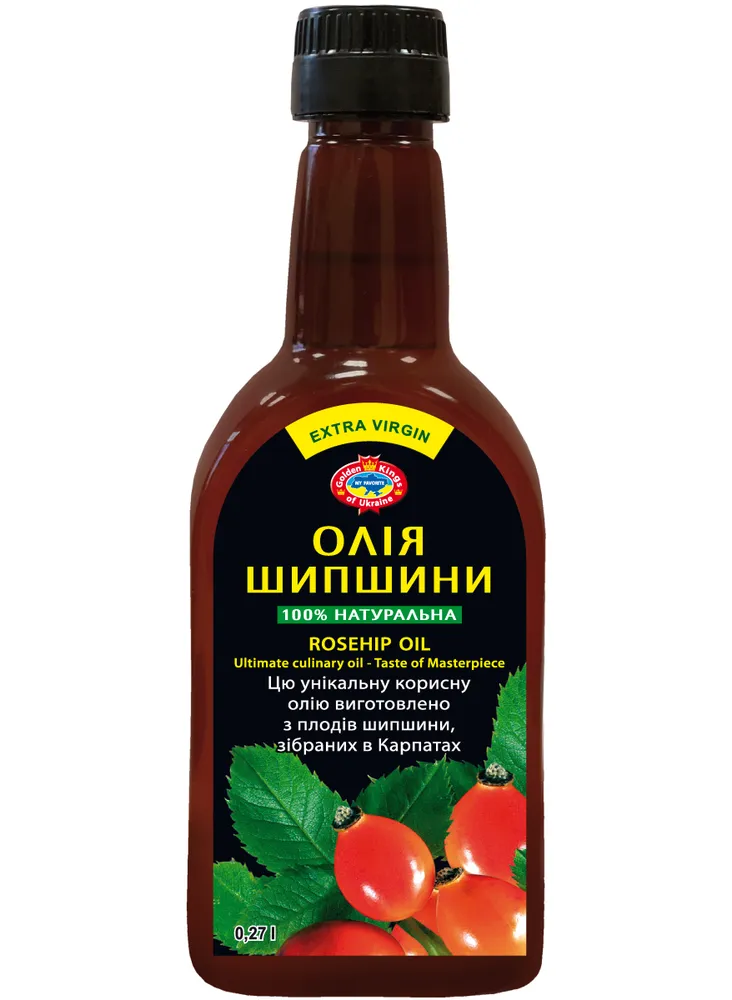
Table of Contents
INSTRUCTIONS FOR MEDICAL USE OF THE MEDICINAL PRODUCT ROSE HIPS OIL
Composition:
Active substance: rose hips oil (Rosae oleum).
Pharmaceutical form. Oil.
Main physicochemical properties: oily yellow-orange liquid with a characteristic odor. Formation of a sediment is permitted, which dissolves upon heating to a temperature of 40 °C.
Pharmacotherapeutic group. Agents for the treatment of skin wounds and ulcerative lesions. ATC code D03AX.
Pharmacological Properties
Pharmacodynamics
Rosehip oil contains unsaturated and saturated fatty acids, carotenoids, tocopherols, and other fat-soluble vitamins.
Pharmacokinetics
Rosehip oil exerts a general strengthening effect, stimulates non-specific resistance of the body, enhances tissue regeneration and hormone synthesis, reduces vascular permeability, promotes normalization of carbohydrate and mineral metabolism, and has anti-inflammatory and immunostimulatory effects.
Clinical characteristics.
Indications. Topically for fissures of nipples in lactating women, pressure sores, trophic ulcers, dermatoses, chronic atrophic foul-smelling rhinitis (ozena), non-specific ulcerative colitis.
Contraindications.
Hypersensitivity to rosehip, cholelithiasis – when used internally.
Interaction with other medicinal products and other forms of interaction.
No pathological effects on the human body due to interaction of rosehip oil with other medicinal products have been detected.
Special precautions for use.
The medication must be shaken before use.
Use during pregnancy and breastfeeding.
The medication should be used during pregnancy or breastfeeding only after consultation with a physician.
Ability to affect reaction rate while driving or operating machinery.
The medication does not affect reaction speed while driving or operating machinery.
Method of Administration and Dosage
Apply gauze pads soaked in rosehip oil externally to affected areas of the skin. For chronic atrophic foul-smelling rhinitis (ozena), moisten tampons with the oil and insert them into the nasal cavities twice daily. For treatment of nonspecific ulcerative colitis, administer rosehip oil as microenemas of 50 ml daily or every other day. A total of 15–20 enemas are given per treatment course. In dermatoses, combine external application with oral administration of 5 ml of oil twice daily; in children – from 30 to 50 drops twice daily depending on age (as prescribed by a physician). The duration of treatment depends on the nature of the disease and is determined individually by the physician.
Children. The medication should be used with caution in children (as prescribed by a physician).
Overdose.
Symptoms of individual hypersensitivity to the drug may occur. In such cases, discontinue use of the medication.
Side effects.
Allergic reactions are possible, including Quincke's edema.
Shelf life. 2 years.
Storage conditions.
Store in the original packaging at a temperature not exceeding 25 ˚C. Keep out of reach of children.
Packaging.
50 ml or 100 ml in bottles.
50 ml or 100 ml in a bottle; 1 bottle per carton.
Category of release. Over-the-counter.
Manufacturer.
Subsidiary enterprise "Agrofirm "Yan" of the private enterprise "Yan".
Manufacturer's location and address of business activity.
Nemyrintsi village, Dzerzhinskogo St., 58, Ruzhyn district, Zhytomyr region, Ukraine.
Date of last review.