Ontruzant
Ukraine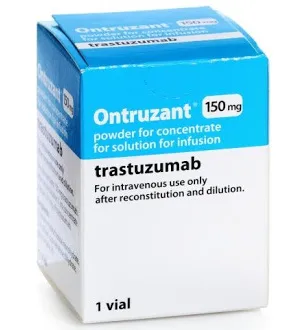
Table of Contents
INSTRUCTION FOR MEDICAL USE OF THE MEDICINAL PRODUCT ONTRUZANT (ONTRUZANT)
Composition:
Active substance: trastuzumab;
One vial contains trastuzumab 150 mg or 420 mg;
1 ml of prepared (reconstituted) solution contains trastuzumab 21 mg;
Excipients: L-histidine hydrochloride monohydrate, L-histidine, α,α-trehalose dihydrate, polysorbate 20.
Pharmaceutical form. Powder for concentrate for solution for infusion.
Main physicochemical properties: lyophilized powder from white to pale yellow in color.
Pharmacotherapeutic group. Antineoplastic agents. Monoclonal antibodies and antibody-drug conjugates. HER2 (human epidermal growth factor receptor 2) inhibitors.
ATC code L01F D01.
Pharmacological Properties
Pharmacodynamics
The medicinal product Ontruzant is a biosimilar.
Trastuzumab is a recombinant humanized monoclonal antibody of the IgG1 class directed against the human epidermal growth factor receptor 2 (HER2). HER2 overexpression occurs in 20–30% of primary breast cancer cases.
Studies assessing HER2-positive status in gastric cancer (GC) using immunohistochemistry (IHC) and fluorescence in situ hybridization (FISH) or chromogenic in situ hybridization (CISH) have demonstrated a wide variability in HER2-positive rates, ranging from 6.8% to 34.0% by IHC and from 7.1% to 42.6% by FISH.
Clinical studies in patients with breast cancer have shown that patients with tumors exhibiting HER2 overexpression have shorter disease-free survival compared to those without HER2 overexpression. The extracellular domain (ECD, p105) of the receptor can be shed into the bloodstream and detected in serum.
Mechanism of Action
Trastuzumab binds with high affinity and specificity to subdomain IV of the juxtamembrane region of the extracellular domain of HER2. Binding of trastuzumab to HER2 inhibits ligand-dependent HER2 signal transduction and prevents proteolytic cleavage of its extracellular domain and subsequent HER2 activation mechanisms. Studies in animals and in vitro experiments have demonstrated that trastuzumab inhibits the proliferation of human tumor cells overexpressing HER2. Trastuzumab is also a potent mediator of antibody-dependent cell-mediated cytotoxicity (ADCC). In vitro studies have shown that trastuzumab-mediated ADCC preferentially targets tumor cells overexpressing HER2 compared to tumor cells without HER2 overexpression.
Detection of HER2 Overexpression or HER2 Gene Amplification
Detection of HER2 Overexpression or HER2 Gene Amplification in Breast Cancer
Trastuzumab should be administered only to patients whose tumors exhibit HER2 overexpression or HER2 gene amplification, as determined exclusively by an accurate and validated method. HER2 overexpression should be detected using immunohistochemical (IHC) analysis of fixed tumor tissue sections (see section "Special Warnings and Precautions for Use"). HER2 gene amplification should be detected using fluorescence in situ hybridization (FISH) or chromogenic in situ hybridization (CISH) of fixed tumor tissue sections. Trastuzumab should be administered only to patients with strong HER2 overexpression (IHC staining scored as 3+) or positive FISH or CISH results.
To obtain accurate and reproducible results, testing should be performed in a specialized laboratory using validated methods.
The recommended scoring system for immunohistochemical staining in breast cancer is presented in Table 1.
Table 1
Recommended scoring system for IHC staining in breast cancer
| IHC Score | Interpretation | |-----------|----------------| | 0 | No staining observed or membrane staining in ≤10% of tumor cells | | 1+ | Faint incomplete membrane staining in >10% of tumor cells | | 2+ | Weak to moderate complete membrane staining in >10% of tumor cells | | 3+ | Strong complete membrane staining in >10% of tumor cells |
Note: Trastuzumab is indicated only for patients with IHC 3+ or FISH/CISH-positive results.
| Score |
Staining patterns |
HER2 overexpression assessment |
| 0 |
No staining or staining of the membrane in less than 10% of tumor cells |
Negative result |
| 1+ |
Faint/barely perceptible membrane staining in more than 10% of tumor cells. Cell membranes are only partially stained |
Negative result |
| 2+ |
Complete (weak or moderate) membrane staining in more than 10% of tumor cells |
Indeterminate result |
| 3+ |
Strong complete membrane staining in more than 10% of tumor cells |
Positive result |
Overall, FISH results are considered positive if the ratio of the number of HER2 gene copies per tumor cell to the number of chromosome 17 copies is greater than or equal to 2, or if more than 4 HER2 gene copies per tumor cell are observed when chromosome 17 is not used as a control.
Overall, CISH results are considered positive if more than 5 HER2 gene copies per nucleus are observed in more than 50% of tumor cells.
For detailed information on performing the analysis and interpreting results, refer to the instructions of validated FISH and CISH methods. Official recommendations for HER2 testing may also apply.
Regarding other methods that may be used to assess HER2 protein or gene expression, analyses should be performed only in laboratories with properly validated methods. Such methods must be sensitive and sufficiently precise to demonstrate HER2 overexpression and should clearly differentiate between moderate (2+) and high (3+) HER2 overexpression.
Detection of HER2 overexpression or HER2 gene amplification in gastric cancer
Only reliable and validated analytical methods should be used to detect HER2 overexpression or HER2 gene amplification. Immunohistochemical (IHC) analysis is the recommended first-line method. If determination of HER2 gene amplification status is also required, silver-enhanced in situ hybridization (SISH) or FISH may be used. However, SISH technology is recommended, as it allows simultaneous assessment of tumor histology and morphology. To obtain accurate and reproducible results, the analysis should be performed in specialized laboratories by trained personnel ensuring validation of analytical procedures. Detailed instructions for conducting the analysis and interpreting results are provided in the package inserts of the applied HER2 testing methods.
Patients enrolled in the ToGA trial (BO18255) had HER2-positive tumors, as determined by either an IHC result of 3+ or a positive FISH result. Clinical trial results showed a favorable effect only in patients with the highest level of HER2 protein overexpression, i.e., those with an IHC result of 3+ or 2+ combined with a positive FISH result.
In the method comparison study (study D008548), a high degree of concordance (>95%) between SISH and FISH methods in determining HER2 gene amplification in gastric cancer patients was observed.
HER2 overexpression should be detected by immunohistochemical (IHC) analysis of fixed tumor tissue sections; HER2 gene amplification is determined by in situ hybridization analysis of fixed tumor tissue sections, such as FISH or SISH.
The recommended IHC scoring system for gastric cancer is shown in Table 2.
Table 2
Recommended IHC scoring system for gastric cancer
| IHC Score | Result Interpretation | |----------|------------------------| | 0 | Negative | | 1+ | Negative | | 2+ | Equivocal | | 3+ | Positive |
| Score |
Surgical specimen staining patterns |
Biopsy specimen staining patterns |
HER2 overexpression assessment |
| 0 |
No reactivity or membrane reactivity in less than 10% of tumor cells |
Absence of reactivity or membrane reactivity in any tumor cells |
Negative result |
| 1+ |
Faint/barely perceptible membrane reactivity in ≥10% of tumor cells; cells are reactive only in part of their membrane |
Cluster of tumor cells with faint/barely perceptible membrane reactivity regardless of the percentage of stained tumor cells |
Negative result |
| 2+ |
Faint or moderate complete reactivity of basolateral or lateral membranes in ≥10% of tumor cells |
Cluster of tumor cells with faint or moderate complete reactivity of basolateral or lateral membranes regardless of the percentage of stained tumor cells |
Indeterminate result |
| 3+ |
Strong complete reactivity of basolateral or lateral membranes in ≥10% of tumor cells |
Cluster of tumor cells with strong complete reactivity of basolateral or lateral membranes regardless of the percentage of stained tumor cells |
Positive result |
The results of FISH or SISH analysis are generally considered positive if the ratio of the number of HER2 gene copies per tumor cell to the number of copies of chromosome 17 is greater than or equal to 2.
Pharmacokinetics.
The pharmacokinetics of trastuzumab were evaluated through a population pharmacokinetic analysis using combined data from 1,582 patients, including patients with HER2-positive early and metastatic breast cancer, metastatic gastric cancer, or other tumor types, as well as healthy volunteers who received trastuzumab intravenously (18 Phase I, II, and III studies). The concentration–time profile of trastuzumab was characterized by a two-compartment model with parallel linear and nonlinear elimination from the central compartment. Due to the nonlinear nature of elimination, total clearance increased as concentration decreased. Therefore, it is not possible to establish a constant value for the half-life of trastuzumab. T1/2 decreases with declining concentration within the dosing interval (see Table 5). Patients with early and metastatic breast cancer had similar pharmacokinetic parameters (e.g., clearance, central compartment volume (Vc), and population-predicted steady-state exposure (Cmax, Cmin, and AUC)). Linear clearance was 0.136 L/day in metastatic breast cancer, 0.112 L/day in early-stage breast cancer, and 0.176 L/day in metastatic gastric cancer. The maximum elimination rate (Vmax) in nonlinear elimination was 8.81 mg/day, and the Michaelis–Menten constant (Km) was 8.92 µg/L in patients with early and metastatic breast cancer and metastatic gastric cancer. The central compartment volume was 2.62 L for patients with early and metastatic breast cancer and 3.63 L for patients with metastatic gastric cancer. In the final population pharmacokinetic model, in addition to the type of primary tumor, body weight, serum levels of aspartate aminotransferase (AST), and serum albumin were identified as statistically significant covariates influencing trastuzumab exposure. However, the magnitude of the effect of these covariates on trastuzumab exposure suggests a low likelihood of clinically meaningful impact on trastuzumab concentrations.
Tables 3 (Cycle 1), 4 (steady state), and 5 (PK (pharmacokinetic) parameters) present population-predicted PK exposure values (with median and 5th to 95th percentiles) and PK parameter values at clinically relevant drug concentrations (Cmax and Cmin) for patients with early and metastatic breast cancer and metastatic gastric cancer receiving treatment according to approved regimens of once weekly and once every three weeks.
Table 3
Population-predicted pharmacokinetic exposure values in Cycle 1 (with median 5–95th percentiles) for trastuzumab treatment administered via intravenous infusion in patients with early and metastatic breast cancer and metastatic gastric cancer
| Dosing |
Type of primary tumor |
N |
Cmin (μg/mL) |
Cmax (μg/mL) |
AUC0-21 day (μg·day/mL) |
| 8 mg/kg + 6 mg/kg once every 3 weeks |
metastatic breast cancer |
805 |
28.7 (2.9–46.3) |
182 (134–280) |
1376 (728–1998) |
| early-stage breast cancer |
390 |
30.9 (18.7–45.5) |
176 (127–227) |
1390 (1039–1895) |
|
| metastatic gastric cancer |
274 |
23.1 |
132 |
1109 |
|
| 4 mg/kg + 2 mg/kg once weekly |
metastatic breast cancer |
805 |
37.4 |
76.5 |
1073 |
| early-stage breast cancer |
390 |
38.9 |
76.0 |
1074 |
Table 4
Predicted population pharmacokinetic exposure values at steady state (with median 5–95 percentiles) for trastuzumab treatment administered via intravenous infusion in patients with early and metastatic breast cancer and metastatic gastric cancer
| Doses |
Type of primary tumor |
N |
Cmin,ss* (μg/mL) |
Cmax,ss** (μg/mL) |
AUCss, 0-21 day (μg·day/mL) |
Time to reach steady state*** (weeks) |
| 8 mg/kg + 6 mg/kg every 3 weeks |
metastatic breast cancer |
805 |
44.2 (1.8–85.4) |
179 (123–266) |
1736 (618–2756) |
12 |
| early-stage breast cancer |
390 |
53.8 (28.7–85.8) |
184 (134–247) |
1927 (1332–2771) |
15 |
|
| metastatic gastric cancer |
274 |
32.9 |
131 |
1338 |
9 |
|
| 4 mg/kg + 2 mg/kg once weekly |
metastatic breast cancer |
805 |
63.1 |
107 |
1710 |
12 |
| early-stage breast cancer |
390 |
72.6 (46–109) |
115 |
1893 |
14 |
* Cmin,ss – Cmin at steady state.
** Cmax,ss – Cmax at steady state.
*** Time to reach 90% of steady state.
Table 5
Population-predicted pharmacokinetic parameter values at steady state for trastuzumab administered as intravenous infusions in patients with early and metastatic breast cancer and metastatic gastric cancer
| Doses |
Type of primary tumor |
N |
Range of total clearance from Cmax,ss to Cmin,ss (l/day) |
Range of t1/2 from Cmax,ss to Cmin,ss (days) |
| 8 mg/kg + 6 mg/kg every 3 weeks |
metastatic breast cancer |
805 |
0.183–0.302 |
15.1–23.3 |
| early-stage breast cancer |
390 |
0.158–0.253 |
17.5–26.6 |
|
| metastatic gastric cancer |
274 |
0.189–0.337 |
12.6–20.6 |
|
| 4 mg/kg + 2 mg/kg once weekly |
metastatic breast cancer |
805 |
0.213–0.259 |
17.2–20.4 |
| early-stage breast cancer |
390 |
0.184–0.221 |
19.7–23.2 |
Elimination of trastuzumab
The elimination of trastuzumab was evaluated after intravenous administration every 3 weeks and once weekly, using appropriate population PK models. Results from these studies demonstrate that in at least 95% of patients, trastuzumab concentrations were < 1 mcg/mL after 7 months (approximately 3% of the population-predicted Cmin,ss or about 97% elimination).
Circulating shed HER2 ECD
Exploratory covariate analyses based on data from only one patient subgroup suggest that patients with higher levels of shed HER2 ECD exhibit faster nonlinear clearance (lower Km value) (p < 0.001). A correlation was observed between shed antigen levels and AST; the effect of shed antigens on clearance may be partially explained by AST levels.
Baseline levels of shed HER2 ECD observed in patients with metastatic gastric cancer were comparable to those in patients with metastatic and early-stage breast cancer, and no evident effect on trastuzumab clearance was observed.
Clinical characteristics.
Indications.
Breast cancer
Metastatic breast cancer
Perjeta is indicated for the treatment of adult patients with HER2-positive metastatic breast cancer:
- as monotherapy for the treatment of patients who have received at least two chemotherapy regimens for metastatic disease. Prior chemotherapy should include an anthracycline and a taxane, unless these are considered inappropriate for these patients. In patients with hormone receptor-positive status, prior hormonal therapy should also have failed, unless such treatment is not appropriate for these patients;
- in combination with paclitaxel for the treatment of patients who have not received chemotherapy for metastatic disease or for whom anthracycline-based therapy is not appropriate;
- in combination with docetaxel for the treatment of patients who have not received chemotherapy for metastatic disease;
- in combination with an aromatase inhibitor in postmenopausal women with metastatic breast cancer and hormone receptor-positive status who have not previously received trastuzumab therapy.
Early breast cancer
Perjeta is indicated for the treatment of adult patients with HER2-positive early breast cancer:
- after surgical intervention; completion of chemotherapy (neoadjuvant or adjuvant) and, if applicable, radiotherapy;
- in combination with paclitaxel or docetaxel following adjuvant chemotherapy with doxorubicin and cyclophosphamide;
- in combination with adjuvant chemotherapy containing docetaxel and carboplatin;
- in combination with neoadjuvant chemotherapy followed by administration of Perjeta as adjuvant therapy for the treatment of locally advanced (including inflammatory) breast cancer or tumors with a diameter > 2 cm (see section "Special instructions").
Perjeta should be administered only to patients with metastatic or early breast cancer whose tumors show HER2 protein overexpression or HER2 gene amplification, as determined by an accurate and validated assay (see section "Special instructions").
Metastatic gastric cancer
Perjeta in combination with capecitabine or 5-fluorouracil and cisplatin is indicated for the treatment of patients with HER2-positive metastatic adenocarcinoma of the stomach or gastroesophageal junction who have not previously received chemotherapy for metastatic disease.
Perjeta should be administered only to patients with metastatic gastric cancer whose tumors show HER2 protein overexpression, i.e., HER2 expression level 2+ by immunohistochemical (IHC) analysis confirmed by FISH or silver in situ hybridization (SISH) analysis, or HER2 expression level 3+ by IHC analysis. Accurate and validated testing methods should be used (see sections "Pharmacodynamics" and "Special instructions").
Contraindications.
Hypersensitivity to trastuzumab, mouse proteins, or any excipient of the medicinal product.
Severe dyspnea at rest due to complications of widespread malignant disease, or requiring additional oxygen therapy.
Interaction with other medicinal products and other forms of interaction.
Specific interaction studies have not been conducted. Clinically significant interactions between trastuzumab and other medicinal products administered concomitantly in clinical trials have not been observed.
Effect of trastuzumab on the pharmacokinetics of other antineoplastic agents
Pharmacokinetic data from studies BO15935 and M77004 in women with HER2-positive metastatic breast cancer showed that exposure to paclitaxel and doxorubicin (and their main metabolites 6-α-hydroxypaclitaxel, POH, and doxorubicinol, DOL) was not altered in the presence of trastuzumab (administered intravenously by infusion at an initial loading dose of 8 mg/kg or 4 mg/kg followed by 6 mg/kg every 3 weeks or 2 mg/kg weekly, respectively).
However, trastuzumab may increase the overall exposure to one metabolite of doxorubicin (7-deoxy-13-dihydrodoxorubicin, D7D). The biological activity of D7D and the clinical significance of increased levels of this metabolite are not known.
Data from study JP16003, a non-comparative study of trastuzumab (loading dose 4 mg/kg intravenous infusion followed by 2 mg/kg weekly infusion) and docetaxel (60 mg/m² intravenous infusion) in Japanese women with HER2-positive metastatic breast cancer, showed that concomitant administration of trastuzumab did not affect the single-dose pharmacokinetics of docetaxel. Study JP19959 was a sub-study of BO18255 (ToGA), conducted in Japanese male and female patients with advanced gastric cancer, to evaluate the pharmacokinetics of capecitabine and cisplatin when administered with or without trastuzumab. Results of this sub-study showed that exposure to the bioactive metabolite (e.g., 5-fluorouracil) of capecitabine was not altered when cisplatin was administered alone or in combination with trastuzumab. However, higher concentrations and a longer elimination half-life of capecitabine itself were observed when combined with trastuzumab. Data also indicated that the pharmacokinetics of cisplatin were not altered when administered concomitantly with capecitabine or with capecitabine and trastuzumab.
Pharmacokinetic data from study H4613g/GO01305 in patients with metastatic or locally advanced inoperable HER2-positive cancer showed that trastuzumab does not affect the pharmacokinetics of carboplatin.
Effect of antineoplastic agents on the pharmacokinetics of trastuzumab
Comparison of modeled serum trastuzumab concentrations after trastuzumab monotherapy (4 mg/kg loading dose / 2 mg/kg weekly intravenous infusion) with concentrations measured in serum of Japanese women with HER2-positive metastatic breast cancer (study JP16003) showed no pharmacokinetic effect of docetaxel on trastuzumab when administered concomitantly.
Comparison of pharmacokinetic results from two phase II studies (BO15935 and M77004) and one phase III study (H0648g), in which patients received trastuzumab concomitantly with paclitaxel, and two phase II studies in which trastuzumab was administered as monotherapy (W016229 and MO16982), in women with HER2-positive metastatic breast cancer, showed that individual and mean trough serum concentrations of trastuzumab varied within and between studies, but no clear effect of paclitaxel on trastuzumab pharmacokinetics was demonstrated when administered concomitantly. No effect of doxorubicin and paclitaxel on trastuzumab pharmacokinetics was observed when comparing trastuzumab pharmacokinetic data from study M77004, in which women with HER2-positive metastatic breast cancer received trastuzumab, paclitaxel, and doxorubicin concomitantly, with similar data from studies in which trastuzumab was administered as monotherapy (H0649g) or in combination with an anthracycline and cyclophosphamide or paclitaxel (study H0648g).
Pharmacokinetic data from study H4613g/GO01305 showed that carboplatin did not affect the pharmacokinetics of trastuzumab.
No effect on the pharmacokinetics of trastuzumab was observed with concomitant administration of anastrozole.
Special precautions for use.
Traceability
To facilitate the traceability of biological medicinal products, the name and batch number of the administered product should be clearly documented in the patient's medical records.
Testing for HER2 status should be performed in a specialized laboratory capable of providing appropriate test validation (see section "Pharmacodynamics").
Clinical trial data on retreatment of patients previously treated with trastuzumab as adjuvant therapy are currently lacking.
Cardiac dysfunction
General warnings
Patients receiving trastuzumab therapy have an increased risk of developing New York Heart Association (NYHA) class II–IV congestive heart failure or asymptomatic cardiac dysfunction. These events have been observed during treatment with trastuzumab as monotherapy or in combination with paclitaxel or docetaxel, particularly following anthracycline chemotherapy (doxorubicin or epirubicin). Heart failure may be moderate or severe and can be fatal (see section "Adverse reactions"). Caution should be exercised when treating patients at increased risk of cardiovascular complications (e.g., patients with hypertension, documented ischemic heart disease, congestive heart failure, left ventricular ejection fraction (LVEF) < 55%, or elderly patients).
All patients for whom trastuzumab therapy is indicated, especially those previously treated with anthracyclines and cyclophosphamide, should undergo baseline cardiac assessment, including medical history, physical examination, electrocardiogram (ECG), echocardiography and/or radionuclide ventriculography (MUGA) or magnetic resonance imaging. Monitoring enables identification of patients with cardiac dysfunction. Cardiac assessments, as performed at baseline, should be repeated every 3 months during treatment and every 6 months after treatment cessation, up to 24 months after the last dose of trastuzumab. The risk/benefit ratio should be carefully evaluated before initiating trastuzumab therapy.
According to population pharmacokinetic analysis based on all available data, trastuzumab may persist in the circulation for up to 7 months after discontinuation of treatment (see section "Pharmacokinetics"). Patients receiving anthracyclines after stopping trastuzumab may be at increased risk of cardiac dysfunction. If possible, physicians should avoid prescribing anthracycline-based therapy within 7 months after stopping trastuzumab. If anthracyclines are used, cardiac function should be closely monitored.
Appropriate cardiological evaluation should be considered for patients with cardiovascular concerns identified during initial screening. Cardiac function should be monitored in all patients during treatment (e.g., every 12 weeks). Monitoring allows early detection of patients with cardiac dysfunction. More frequent monitoring (e.g., every 6–8 weeks) may be beneficial for patients with asymptomatic cardiac dysfunction. If patients have prolonged left ventricular function decline but remain asymptomatic, the physician should consider discontinuation of therapy if no clinical benefit from trastuzumab treatment is observed.
The safety of continuing or resuming trastuzumab in patients who develop cardiac dysfunction has not been prospectively studied. If LVEF decreases by ≥ 10 percentage points from baseline and falls below 50%, treatment should be withheld and LVEF reassessed approximately 3 weeks later. If LVEF does not improve or further declines, or if symptomatic congestive heart failure develops, discontinuation of trastuzumab should be strongly considered unless the benefit for the individual patient clearly outweighs the risks. All such patients should be referred for cardiological evaluation and followed up accordingly.
If symptomatic heart failure develops during trastuzumab therapy, it should be managed with standard medications used for congestive heart failure. In most patients who developed congestive heart failure or asymptomatic cardiac dysfunction during clinical trials, improvement occurred with standard treatment for congestive heart failure, including angiotensin-converting enzyme (ACE) inhibitors or angiotensin receptor blockers and beta-blockers. Most patients with cardiac symptoms who continued to derive clinical benefit from trastuzumab therapy were able to continue treatment without additional cardiac events.
Metastatic breast cancer
Concurrent use of trastuzumab and anthracyclines should not be administered in the treatment of metastatic breast cancer.
Patients with metastatic breast cancer who have previously received anthracyclines also have an increased risk of cardiac dysfunction during trastuzumab therapy, although this risk is lower than with concurrent administration of trastuzumab and anthracyclines.
Early breast cancer
For patients with early breast cancer, cardiac assessments, as performed at baseline, should be repeated every 3 months during treatment and every 6 months after treatment cessation, up to 24 months after the last dose of trastuzumab. Patients receiving anthracycline-containing chemotherapy should undergo continued monitoring annually for up to 5 years after the last trastuzumab dose, or longer if prolonged LVEF decline is observed.
Patients with a history of myocardial infarction, medically treated angina, current or prior congestive heart failure (NYHA class II–IV), LVEF < 55%, other cardiomyopathies, medically treated cardiac arrhythmias, clinically significant valvular heart disease, poorly controlled hypertension (only patients with hypertension controlled by standard medical therapy were allowed), or pericardial effusion causing hemodynamic compromise were excluded from the adjuvant and neoadjuvant clinical trials of trastuzumab in early breast cancer. Therefore, trastuzumab therapy is not recommended for such patients.
Adjuvant therapy
Concurrent administration of trastuzumab and anthracyclines in combination should not be used in adjuvant therapy.
An increased incidence of symptomatic and asymptomatic cardiac events has been observed in patients with early breast cancer treated with trastuzumab after anthracycline-containing chemotherapy compared to regimens without anthracyclines such as docetaxel and carboplatin; this was more pronounced when trastuzumab was administered concurrently with taxanes than when administered separately. Regardless of the regimen, most symptomatic cardiac events occurred within the first 18 months. In one of the three pivotal trials (BCIRG 006), with a median follow-up of 5.5 years, patients receiving trastuzumab concurrently with a taxane after anthracycline-based therapy had a continuously increasing cumulative incidence of symptomatic cardiac events or LVEF-related events reaching 2.37%, compared to approximately 1% in the two control groups (anthracycline and cyclophosphamide followed by taxane, and taxane, carboplatin, and trastuzumab).
Risk factors for cardiac events identified in four large adjuvant trials included older age (> 50 years), low baseline LVEF (< 55%), prior or subsequent treatment with paclitaxel, a decline in LVEF by 10–15 percentage points, and prior or concomitant use of antihypertensive medications. In patients receiving trastuzumab after completion of adjuvant chemotherapy, the risk of cardiac dysfunction was associated with higher cumulative anthracycline dose received before starting trastuzumab and body mass index (BMI) > 25 kg/m².
Neoadjuvant/adjuvant therapy
Patients with early breast cancer eligible for neoadjuvant/adjuvant therapy may receive trastuzumab concurrently with anthracyclines only if they have not previously received chemotherapy and only in a low-dose anthracycline regimen, i.e., with maximum cumulative doses of doxorubicin 180 mg/m² or epirubicin 360 mg/m².
If patients have received a full course of low-dose anthracyclines and trastuzumab in the neoadjuvant setting, additional cytotoxic chemotherapy should not be administered postoperatively. In other cases, the decision on whether additional cytotoxic chemotherapy is needed should be based on individual patient factors.
Experience with concurrent use of trastuzumab and low-dose anthracyclines is currently limited to the MO16432 study.
In the pivotal MO16432 trial, trastuzumab was administered concurrently with neoadjuvant chemotherapy consisting of three cycles of doxorubicin (cumulative dose 180 mg/m²).
The incidence of symptomatic cardiac dysfunction in the trastuzumab group was 1.7%.
Clinical experience with use in patients over 65 years of age is limited.
Infusion reactions (IR) and hypersensitivity
Serious infusion reactions associated with trastuzumab infusion have been reported, including dyspnea, hypotension, wheezing, hypertension, bronchospasm, supraventricular tachyarrhythmia, decreased oxygen saturation, anaphylaxis, respiratory distress, urticaria, and angioneurotic edema (see section "Adverse reactions"). Premedication may be used to reduce the risk of these events. Most of these reactions occur during or within 2.5 hours of the start of the first infusion. If an infusion reaction occurs, the infusion should be interrupted or slowed and the patient monitored until symptoms resolve (see section "Dosage and administration"). Analgesics/antipyretics such as meperidine or paracetamol, or antihistamines such as diphenhydramine, may be used to manage these symptoms. In most patients, symptoms resolve and subsequent trastuzumab infusions can be administered. Supportive therapy such as oxygen, beta-adrenergic agonists, and corticosteroids has been successfully used to manage serious reactions. In rare cases, these reactions have been associated with a clinical course resulting in death. Patients with dyspnea at rest due to complications of widespread malignancy and/or comorbid conditions may be at increased risk of fatal infusion reactions. Such patients should not be treated with trastuzumab (see section "Contraindications").
There have also been reports of initial improvement followed by clinical deterioration and delayed reactions with rapid clinical worsening. Fatal outcomes have occurred from several hours to one week after infusion. In very rare cases, patients have developed infusion reaction symptoms and pulmonary symptoms more than six hours after the start of trastuzumab infusion. Patients should be informed of the possibility of such delayed reactions and advised to seek immediate medical attention if these symptoms occur.
Lung reactions
Severe adverse pulmonary reactions have been reported during post-marketing use of trastuzumab (see section "Adverse reactions"). These events have sometimes been fatal. Cases of interstitial lung disease have also been reported, including pulmonary infiltrates, acute respiratory distress syndrome, pneumonia, pneumonitis, pleural effusion, respiratory distress, acute pulmonary edema, and respiratory failure.
Risk factors for interstitial lung disease include prior or concomitant use of other antineoplastic agents known to induce interstitial lung disease, such as taxanes, gemcitabine, vinorelbine, and radiation therapy. These events may occur as part of an infusion reaction and may have a delayed onset. Patients with dyspnea at rest due to extensive malignancy or comorbid conditions are at increased risk of pulmonary reactions. Such patients should not be treated with trastuzumab (see section "Contraindications"). Caution should be exercised regarding pneumonitis, particularly in patients receiving concomitant taxane therapy.
Use during pregnancy or breastfeeding.
Females of reproductive potential/contraception
Women of reproductive potential should be advised to use effective contraception during trastuzumab therapy and for 7 months after the last dose (see section "Pharmacokinetics").
Pregnancy
Reproductive toxicity studies were conducted in cynomolgus monkeys using doses up to 25 times higher than the weekly maintenance dose in humans (2 mg/kg intravenous trastuzumab). No adverse effects on fertility or fetal harm were observed. Trastuzumab was shown to cross the placenta during both early (20–50 days of gestation) and late (120–150 days of gestation) fetal development. It is unknown whether trastuzumab affects reproductive capacity. Since reproductive toxicity studies in animals do not always predict human response, trastuzumab should be avoided during pregnancy unless the potential benefit to the mother outweighs the potential risk to the fetus.
Post-marketing reports of trastuzumab use in pregnant women have described cases of impaired fetal kidney growth and/or impaired renal function associated with oligohydramnios, some of which were associated with fatal pulmonary hypoplasia. Pregnant women should be informed of the potential risk to the fetus. Careful multidisciplinary monitoring is recommended if trastuzumab is administered during pregnancy or if a patient becomes pregnant during or within 7 months after the last dose of trastuzumab.
Breastfeeding
In a study of intravenous trastuzumab in cynomolgus monkeys from day 120 to 150 of pregnancy using doses 25 times higher than the weekly maintenance dose in humans (2 mg/kg), trastuzumab was excreted into breast milk. In utero exposure and presence of trastuzumab in infant monkey serum were not associated with adverse effects on growth or development from birth to one month of age. It is unknown whether trastuzumab is excreted in human breast milk. Since human IgG1 is excreted in breast milk and the risk to the infant is unknown, women should not breastfeed during trastuzumab therapy and for 7 months after the last dose.
Fertility
Data on fertility are lacking.
Ability to drive and use machines.
Ontuzant has a minor influence on the ability to drive and use machines (see section "Adverse reactions"). Dizziness and somnolence may occur during treatment with Ontuzant (see section "Adverse reactions"). Patients experiencing infusion-related symptoms (see section "Special precautions for use") should be advised not to drive or operate machinery until these symptoms resolve.
Method of Administration and Dosage
Testing for HER2 tumor expression before starting treatment with Ontuzant is mandatory (see sections "Pharmacodynamics" and "Special Warnings and Precautions for Use"). Treatment with Ontuzant should be initiated under the supervision of a physician experienced in the use of cytotoxic chemotherapy (see section "Special Warnings and Precautions for Use"), and administration must be performed only by a healthcare professional.
The intravenous formulation of Ontuzant is not intended for subcutaneous administration and should be used only for intravenous infusion.
To avoid medication errors, it is essential to verify the labels on vials to ensure that Ontuzant (trastuzumab) is being prepared and administered, and not another trastuzumab-containing product (e.g., trastuzumab emtansine or trastuzumab deruxtecan).
Dosage
Metastatic Breast Cancer
Three-weekly regimen
The recommended initial loading dose is 8 mg/kg body weight. The recommended maintenance dose is 6 mg/kg body weight, administered every three weeks, starting 3 weeks after the loading dose.
Weekly regimen
The recommended initial loading dose of Ontuzant is 4 mg/kg body weight. The recommended weekly maintenance dose of Ontuzant is 2 mg/kg body weight, initiated one week after administration of the loading dose.
Combination therapy with paclitaxel or docetaxel
In pivotal studies (H0648g, M77001), paclitaxel or docetaxel were administered the day after the first trastuzumab infusion (for dosing information, refer to the paclitaxel or docetaxel product information), and immediately after subsequent trastuzumab infusions, provided the previous trastuzumab dose was well tolerated.
Use in combination with aromatase inhibitors
In the pivotal study (B016216), trastuzumab and anastrozole were administered on Day 1. There were no restrictions regarding the timing of administration of trastuzumab and anastrozole (for dosing information, refer to the anastrozole or other aromatase inhibitor product information).
Early Breast Cancer
Three-weekly and weekly regimens
In the three-weekly regimen, the recommended initial loading dose of trastuzumab is 8 mg/kg body weight. The recommended maintenance dose of Ontuzant is 6 mg/kg body weight, administered every three weeks, starting 3 weeks after the loading dose.
In the weekly regimen, the initial loading dose is 4 mg/kg, followed by weekly administration of 2 mg/kg concurrently with paclitaxel after chemotherapy with doxorubicin and cyclophosphamide.
Metastatic Gastric Cancer
Three-weekly regimen
The recommended initial loading dose is 8 mg/kg body weight. The recommended maintenance dose is 6 mg/kg body weight, administered every three weeks, starting 3 weeks after the loading dose.
Breast Cancer and Gastric Cancer
Duration of treatment
Patients with metastatic gastric cancer or metastatic breast cancer should continue treatment with Ontuzant until disease progression. For patients with early-stage breast cancer, treatment duration should be 1 year or until disease recurrence, whichever occurs first. Treatment of early-stage breast cancer should not exceed 1 year.
Dose reduction
Dose reductions of trastuzumab were not performed in clinical studies. Patients may continue treatment with Ontuzant during reversible myelosuppression caused by chemotherapy, provided complications arising from neutropenia are carefully monitored. Refer to the product information for paclitaxel, docetaxel, or aromatase inhibitor for information on dose reduction or delay.
If the left ventricular ejection fraction (LVEF) decreases by ≥ 10 percentage points from baseline and falls below 50%, treatment should be withheld and LVEF reassessed after approximately 3 weeks. If LVEF does not improve or further declines, or if symptomatic congestive heart failure (CHF) develops, discontinuation of Ontuzant should be strongly considered unless the benefit for the individual patient outweighs the risks. All such patients should be referred to a cardiologist and undergo further monitoring.
Missed doses
If a scheduled trastuzumab infusion is missed by one week or less, administer the drug as soon as possible at the usual maintenance dose (weekly regimen: 2 mg/kg body weight; three-weekly regimen: 6 mg/kg body weight). Do not wait for the next scheduled cycle. Subsequent maintenance doses should be administered 7 or 21 days later, according to the weekly or three-weekly regimen, respectively.
If the interruption in administration exceeds one week, the loading dose of trastuzumab should be re-administered as soon as possible via a 90-minute intravenous infusion (weekly regimen: 4 mg/kg body weight; three-weekly regimen: 8 mg/kg body weight). Subsequent maintenance doses of Ontuzant (weekly regimen: 2 mg/kg body weight; three-weekly regimen: 6 mg/kg body weight) should be administered 7 or 21 days later, according to the weekly or three-weekly regimen, respectively.
Special Patient Populations
Elderly patients
No specific pharmacokinetic studies have been conducted in elderly patients or in patients with renal or hepatic impairment. Population pharmacokinetic analysis did not identify any influence of age or renal function on the pharmacokinetics of trastuzumab.
Children
Ontuzant is not indicated for use in children.
Method of Administration
Ontuzant is intended for intravenous administration. The loading dose should be administered as a 90-minute intravenous infusion. The drug must not be administered by intravenous bolus or rapid push. The intravenous infusion of Ontuzant should be administered by a healthcare professional prepared to manage anaphylactic reactions, and emergency equipment must be available. Patients should be monitored for at least six hours after the start of the first infusion and at least two hours after the start of subsequent infusions for symptoms such as fever and chills, or other infusion-related reactions (see sections "Special Warnings and Precautions for Use" and "Adverse Reactions"). Interruption or slowing of the infusion rate may help manage such symptoms. The infusion may be resumed once symptoms subside.
If the initial loading dose is well tolerated, subsequent doses may be administered as a 30-minute infusion.
Ontuzant for intravenous use is supplied in sterile, preservative-free, pyrogen-free vials for single use.
Appropriate aseptic techniques should be used for reconstitution and dilution procedures. Sterility of prepared solutions must be ensured. Since this medicinal product contains no antimicrobial preservatives or bacteriostatic agents, aseptic techniques must be strictly followed.
Aseptic Preparation, Handling, and Storage
Preparation of the infusion must be performed under aseptic conditions. Preparation requires:
- performance by trained personnel under aseptic conditions in accordance with good practices, especially regarding aseptic preparation of parenteral products;
- use of a laminar airflow hood or biological safety cabinet, following standard safety precautions for handling intravenous medicinal products;
- appropriate subsequent storage of the prepared intravenous infusion solution to maintain aseptic conditions.
Care should be taken when handling Ontuzant during reconstitution. Excessive foaming during reconstitution or shaking of the reconstituted solution may cause difficulties in accurately withdrawing the intended amount of Ontuzant from the vial.
The reconstituted solution must not be frozen.
Ontuzant 150 mg, powder for concentrate for solution for infusion
Reconstitute 150 mg of Ontuzant with 7.2 mL of sterile water for injection (not supplied). Other solvents for reconstitution should not be used.
This yields 7.4 mL of solution for single use, containing approximately 21 mg/mL of trastuzumab at a pH of about 6.0. A 4% overfill ensures that the labeled dose of 150 mg can be withdrawn from each vial.
Ontuzant 420 mg, powder for concentrate for solution for infusion
Reconstitute 420 mg of Ontuzant with 20 mL of sterile water for injection (not supplied). Other solvents for reconstitution should not be used.
This yields 21 mL of solution for single use, containing approximately 21 mg/mL of trastuzumab at a pH of about 6.0. A 5% overfill ensures that the labeled dose of 420 mg can be withdrawn from each vial.
Table 6
Reconstitution of Ontuzant
| Ontrozant vial |
Volume of sterile water for injection |
Final concentration |
||
| 150 mg in vial |
+ |
7.2 ml |
= |
21 mg/ml |
| 420 mg in vial |
+ |
20 ml |
= |
21 mg/ml |
Instructions for aseptic reconstitution
-
Using a sterile syringe, slowly inject the required volume (as specified above) of sterile water for injection into the vial containing the lyophilized Ontruzant powder, directing the stream onto the lyophilized material.
-
Gently swirl the vial to aid reconstitution. DO NOT SHAKE!
Slight foaming immediately after reconstitution is normal. Allow the contents of the vial to stand for approximately 5 minutes. The reconstituted Ontruzant solution is a colorless or slightly yellow clear solution and should not contain visible particles.
Instructions for aseptic dilution of the reconstituted solution
Determine the required volume of solution:
- if the loading dose of trastuzumab is 4 mg/kg body weight and subsequent weekly dose of trastuzumab is 2 mg/kg body weight:
| Volume (ml) = |
Body weight (kg) × dose (4 mg/kg for loading or 2 mg/kg for maintenance) |
| 21 (mg/ml, concentration of reconstituted solution) |
- if the loading dose of trastuzumab is 8 mg/kg body weight and subsequent 3-weekly dose of trastuzumab is 6 mg/kg body weight:
| Volume (ml) = |
Body weight (kg) × dose (8 mg/kg for loading or 6 mg/kg for maintenance) |
| 21 (mg/ml, concentration of reconstituted solution) |
The appropriate amount of solution should be withdrawn from the vial using a sterile needle and syringe and added to an infusion bag containing 250 ml of 0.9% sodium chloride solution. Do not use with solutions containing glucose (see section "Incompatibilities"). The bag should be gently inverted to mix the solution, avoiding foaming.
Parenteral preparations should be inspected visually for particulate matter and discoloration prior to administration.
No incompatibility has been observed between the medicinal product Ontrozant and bags made of polyvinyl chloride, polyethylene, or polypropylene.
Any unused medicinal product or waste material must be disposed of in accordance with local requirements.
Aseptic reconstitution and dilution: After aseptic reconstitution with sterile water for injection, the chemical and physical stability of the reconstituted solution has been demonstrated for up to 7 days when stored at 2–8 °C.
After aseptic dilution into polyvinyl chloride, polyethylene, or polypropylene bags containing 9 mg/ml (0.9%) sodium chloride solution for injection, Ontrozant has been shown to be physically and chemically stable for up to 30 days when stored at 2–8 °C and for 24 hours at temperatures not exceeding 30 °C.
From a microbiological standpoint, the reconstituted solution and infusion solution of Ontrozant should be used immediately. If not used immediately, the user is responsible for the duration and conditions of storage. Generally, storage should not exceed 24 hours at 2–8 °C, except when reconstitution and dilution have been carried out under controlled and validated aseptic conditions.
Children.
Ontrozant is not administered to children.
Overdose.
Experience with overdose in human clinical trials is lacking. Single doses of trastuzumab higher than 10 mg/kg have not been administered in clinical trials; a maintenance dose of 10 mg/kg once every 3 weeks following a loading dose of 8 mg/kg was studied in a clinical trial involving patients with metastatic gastric cancer. Doses up to this level were well tolerated.
Adverse reactions.
Summary of safety profile
The most serious and/or common adverse reactions reported to date with the use of Ontruzant are, in particular, cardiac dysfunction, infusion reactions, hematotoxicity (e.g., neutropenia), infections, and pulmonary adverse reactions.
Tabulated list of adverse reactions
The following frequency categories have been used to classify adverse reactions: very common (≥ 1/10); common (≥ 1/100 to < 1/10); uncommon (≥ 1/1000 to < 1/100); rare (≥ 1/10,000 to < 1/1000); very rare (< 1/10,000); not known (frequency cannot be estimated from the available data). Within each frequency group, adverse reactions are presented in order of decreasing seriousness.
Table 7 lists adverse reactions observed in pivotal studies and during the post-marketing period associated with intravenous administration of trastuzumab alone or trastuzumab in combination with chemotherapy.
All included terms are based on the highest percentage of adverse reactions observed in pivotal clinical studies. Additionally, terms reported during the post-marketing period are included in Table 7.
Table 7
Adverse reactions observed with intravenous administration of trastuzumab as monotherapy or in combination with chemotherapy in pivotal clinical studies (n = 8386) and during the post-marketing period
| System organ class |
Adverse reaction |
Frequency |
| Infections and infestations |
Infection |
Very common |
| Nasopharyngitis |
Very common |
|
| Neutropenic sepsis |
Common |
|
| Cystitis |
Common |
|
| Influenza |
Common |
|
| Sinusitis |
Common |
|
| Skin infections |
Common |
|
| Rhinitis |
Common |
|
| Upper respiratory tract infection |
Common |
|
| Urinary tract infection |
Common |
|
| Pharyngitis |
Common |
|
| Benign, malignant and unspecified neoplasms (including cysts and polyps) |
Malignant neoplasm progression |
Unknown |
| Neoplasm progression |
Unknown |
|
| Blood and lymphatic system disorders |
Febrile neutropenia |
Very common |
| Anaemia |
Very common |
|
| Neutropenia |
Very common |
|
| Decreased white blood cell count/leukopenia |
Very common |
|
| Thrombocytopenia |
Very common |
|
| Hypoprothrombinemia |
Unknown |
|
| Immune thrombocytopenia |
Unknown |
|
| Immune system disorders |
Hypersensitivity |
Common |
| Anaphylactic reaction+ |
Uncommon |
|
| Anaphylactic shock+ |
Uncommon |
|
| Metabolism and nutrition disorders |
Weight decreased/weight loss |
Very common |
| Anorexia |
Very common |
|
| Tumour lysis syndrome |
Unknown |
|
| Hyperkalaemia |
Unknown |
|
| Psychiatric disorders |
Insomnia |
Very common |
| Anxiety |
Common |
|
| Depression |
Common |
|
| Nervous system disorders |
Tremor1 |
Very common |
| Dizziness |
Very common |
|
| Headache |
Very common |
|
| Paraesthesia |
Very common |
|
| Dysgeusia |
Very common |
|
| Peripheral neuropathy |
Common |
|
| Increased muscle tone |
Common |
|
| Somnolence |
Common |
|
| Eye disorders |
Conjunctivitis |
Very common |
| Lacrimation increased |
Very common |
|
| Eye dry |
Common |
|
| Optic disc oedema |
Unknown |
|
| Retinal haemorrhage |
Unknown |
|
| Ear and labyrinth disorders |
Deafness |
Uncommon |
| Cardiac disorders |
Blood pressure decreased1 |
Very common |
| Blood pressure increased1 |
Very common |
|
| Heart rate irregular1 |
Very common |
|
| Palpitations1 |
Very common |
|
| Ejection fraction decreased* |
Very common |
|
| Heart failure (congestive)+ |
Common |
|
| Supraventricular tachyarrhythmia+1 |
Common |
|
| Cardiomyopathy |
Common |
|
| Palpitations1 |
Common |
|
| Pericardial effusion |
Uncommon |
|
| Cardiogenic shock |
Unknown |
|
| Gallop rhythm present |
Unknown |
|
| Vascular disorders |
Hot flushes |
Very common |
| Arterial hypotension+1 |
Common |
|
| Vasodilatation |
Common |
|
| Respiratory, thoracic and mediastinal disorders |
Dyspnoea+ |
Very common |
| Cough |
Very common |
|
| Epistaxis |
Very common |
|
| Rhinorrhoea |
Very common |
|
| Pneumonia+ |
Common |
|
| Asthma |
Common |
|
| Lung disorder |
Common |
|
| Pleural effusion+ |
Common |
|
| Wheezing+1 |
Uncommon |
|
| Pneumonitis |
Uncommon |
|
| Lung fibrosis+ |
Unknown |
|
| Respiratory distress+ |
Unknown |
|
| Respiratory failure+ |
Unknown |
|
| Lung infiltration+ |
Unknown |
|
| Acute pulmonary oedema+ |
Unknown |
|
| Acute respiratory distress syndrome+ |
Unknown |
|
| Bronchospasm+ |
Unknown |
|
| Hypoxia+ |
Unknown |
|
| Oxygen saturation decreased+ |
Unknown |
|
| Laryngeal oedema |
Unknown |
|
| Orthopnoea |
Unknown |
|
| Lung oedema |
Unknown |
|
| Interstitial lung disease |
Unknown |
|
| Gastrointestinal disorders |
Diarrhoea |
Very common |
| Vomiting |
Very common |
|
| Nausea |
Very common |
|
| Lip swelling1 |
Very common |
|
| Abdominal pain |
Very common |
|
| Dyspepsia |
Very common |
|
| Constipation |
Very common |
|
| Stomatitis |
Very common |
|
| Haemorrhoids |
Common |
|
| Dry mouth |
Common |
|
| Hepatobiliary disorders |
Hepatocellular injury |
Common |
| Hepatitis |
Common |
|
| Hepatic pain |
Common |
|
| Jaundice |
Uncommon |
|
| Skin and subcutaneous tissue disorders |
Erythema |
Very common |
| Rash |
Very common |
|
| Facial swelling1 |
Very common |
|
| Alopecia |
Very common |
|
| Nail disorder |
Very common |
|
| Palmar-plantar erythrodysesthesia syndrome |
Very common |
|
| Acne |
Common |
|
| Skin dry |
Common |
|
| Ecchymosis |
Common |
|
| Hyperhidrosis |
Common |
|
| Maculopapular rash |
Common |
|
| Pruritus |
Common |
|
| Onychoclasis |
Common |
|
| Dermatitis |
Common |
|
| Urticaria |
Uncommon |
|
| Angioneurotic oedema |
Unknown |
|
| Musculoskeletal and connective tissue disorders |
Arthralgia |
Very common |
| Muscle tightness1 |
Very common |
|
| Myalgia |
Very common |
|
| Arthritis |
Common |
|
| Back pain |
Common |
|
| Bone pain |
Common |
|
| Muscle spasms |
Common |
|
| Neck pain |
Common |
|
| Limb pain |
Common |
|
| Renal and urinary disorders |
Renal disorder |
Common |
| Membranous glomerulonephritis |
Unknown |
|
| Glomerulonephropathy |
Unknown |
|
| Renal failure |
Unknown |
|
| Pregnancy, puerperium and perinatal conditions |
Oligohydramnios |
Unknown |
| Hypoplasia of kidney |
Unknown |
|
| Lung hypoplasia |
Unknown |
|
| Reproductive system and breast disorders |
Galactophoritis/mastitis |
Common |
| General disorders and administration site conditions |
Asthenia |
Very common |
| Chest pain |
Very common |
|
| Chills |
Very common |
|
| Fatigue |
Very common |
|
| Influenza-like illness |
Very common |
|
| Infusion-related reactions |
Very common |
|
| Pain |
Very common |
|
| Pyrexia |
Very common |
|
| Mucosal inflammation |
Very common |
|
| Peripheral oedema |
Very common |
|
| Malaise |
Common |
|
| Oedema |
Common |
|
| Injury, poisoning and procedural complications |
Contusion |
Common |
- Adverse reactions reported in association with fatal outcomes.
1 Adverse reactions mostly reported in connection with infusion reactions. Specific percentage values for these events are not available.
* Observed in combination therapy following anthracyclines and in combination with taxanes.
Description of selected adverse reactions
Cardiac dysfunction
Congestive heart failure (CHF) (NYHA class II–IV) is a common adverse reaction associated with trastuzumab use and has been linked to fatal outcomes (see section "Special precautions"). Signs and symptoms of cardiac dysfunction observed in patients receiving trastuzumab include dyspnea, orthopnea, increased cough, pulmonary edema, gallop rhythm (S3), or reduced left ventricular ejection fraction (LVEF) (see section "Special precautions").
In three pivotal adjuvant trastuzumab clinical trials combined with chemotherapy, the incidence of grade 3/4 cardiac dysfunction (including symptomatic CHF) was similar in patients receiving chemotherapy alone (i.e., not receiving trastuzumab) and in patients receiving trastuzumab sequentially after taxane (0.3–0.4%). The incidence was highest in the group receiving trastuzumab concurrently with taxane (2.0%). Experience with concurrent administration of trastuzumab and anthracycline in low-dose regimens during neoadjuvant therapy is limited (see section "Special precautions").
When trastuzumab was administered after completion of adjuvant chemotherapy, NYHA class III–IV heart failure occurred in 0.6% of patients in the one-year treatment group, with a median follow-up of 12 months. In study BO16348, after a median follow-up of 8 years, the incidence of severe CHF (NYHA class III and IV) in the one-year trastuzumab treatment group was 0.8%, while the incidence of mild symptomatic and asymptomatic left ventricular dysfunction was 4.6%.
Reversibility of severe CHF (defined as at least two consecutive LVEF measurements ≥ 50% after the event) was observed in 71.4% of patients treated with trastuzumab. Reversibility of mild symptomatic and asymptomatic left ventricular dysfunction was observed in 79.5% of patients. Approximately 17% of cardiac dysfunction events occurred after completion of trastuzumab treatment.
In pivotal intravenous trastuzumab trials for metastatic disease, the incidence of cardiac dysfunction ranged from 9% to 12% when combined with paclitaxel, compared to 1–4% with paclitaxel alone. With monotherapy, the rate was 6–9%. The highest incidence of cardiac dysfunction was observed in patients receiving trastuzumab concurrently with anthracycline/cyclophosphamide (27%), significantly higher than with anthracycline/cyclophosphamide alone (7–10%). In a subsequent prospective cardiac monitoring study, the incidence of symptomatic CHF was 2.2% in patients receiving trastuzumab and docetaxel, compared to 0% in those receiving docetaxel alone. In most patients (79%) who developed cardiac dysfunction during these studies, improvement was observed after standard CHF treatment.
Infusion reactions, allergy-like reactions, and hypersensitivity
Approximately 40% of patients receiving trastuzumab experience some form of infusion reaction. However, most infusion reactions are mild to moderate in severity (National Cancer Institute Common Toxicity Criteria, NCI-CTC) and typically occur early in treatment, i.e., during the first, second, or third infusion, with decreasing frequency in subsequent infusions. Reactions include chills, fever, dyspnea, hypotension, wheezing, bronchospasm, tachycardia, decreased oxygen saturation, respiratory distress, rash, nausea, vomiting, and headache (see section "Special precautions"). The incidence of infusion reactions of all grades varied across studies depending on indications, data collection methodology, and whether trastuzumab was administered concurrently with chemotherapy or as monotherapy.
Severe anaphylactic reactions requiring immediate intervention usually occur during the first or second trastuzumab infusion (see section "Special precautions") and have been associated with fatal outcomes.
Anaphylactoid reactions have been observed in isolated cases.
Hematotoxicity
Febrile neutropenia, leukopenia, anemia, thrombocytopenia, and neutropenia occurred very commonly. The frequency of hypoprothrombinemia is unknown. The risk of neutropenia may be slightly increased when trastuzumab is used with docetaxel following anthracycline therapy.
Pulmonary events
Severe pulmonary adverse reactions occur with trastuzumab use and are associated with fatal outcomes. These include, among others, lung infiltrates, acute respiratory distress syndrome, pneumonia, pneumonitis, pleural effusion, respiratory distress, acute pulmonary edema, and respiratory failure (see section "Special precautions").
Measures to minimize risks, as specified in the EU Risk Management Plan, are detailed in the section "Special precautions".
Immunogenicity
In a neoadjuvant/adjuvant early breast cancer trial (BO22227), with a median follow-up of over 70 months, anti-trastuzumab antibodies developed in 10.1% (30 out of 296) of patients receiving intravenous trastuzumab. Neutralizing anti-trastuzumab antibodies were detected in post-baseline blood samples from 2 out of 30 patients in the intravenous trastuzumab group.
The clinical significance of these antibodies is unknown. The presence of anti-trastuzumab antibodies did not affect pharmacokinetics, efficacy (as measured by pathological complete response [pCR] and event-free survival [EFS]), or safety, as defined by infusion-related reactions with intravenous trastuzumab.
Data on immunogenicity of trastuzumab in gastric cancer are not available.
Reporting suspected adverse reactions
Reporting of adverse reactions after marketing authorization is of significant importance. It allows continuous monitoring of the benefit-risk balance of the medicinal product. Healthcare professionals and pharmacists, as well as patients or their legal representatives, should report all suspected adverse reactions and lack of efficacy via the Automated Pharmacovigilance Information System at: https://aisf.dec.gov.ua.
Shelf life.
4 years.
Storage conditions.
Store at 2 to 8 °C. Do not freeze reconstituted solution. Keep out of reach of children.
Incompatibilities.
Ontruzant must not be mixed or diluted with other medicinal products except those specified in the section "Dosage and administration".
Ontruzant is incompatible with glucose solutions due to the potential for protein aggregation.
Packaging.
150 mg: powder for concentrate for solution for infusion in a 15 ml vial made of colorless glass (borosilicate glass, type I), stoppered with a butyl rubber double-sided closure and sealed with an aluminum and polypropylene flip-off cap. One vial per cardboard box.
420 mg: powder for concentrate for solution for infusion in a 40 ml vial made of colorless glass (borosilicate glass, type I), stoppered with a butyl rubber double-sided closure and sealed with an aluminum and polypropylene flip-off cap. One vial per cardboard box.
Prescription category.
Prescription-only.
Manufacturer.
Samsung Bioepis NL B.V.
Manufacturer's address and place of business.
Olof Palmestraat 10, Delft, 2616 LR, Netherlands.
Marketing Authorization Holder: Samsung Bioepis Co., Ltd.
Address of Marketing Authorization Holder:
76, Songdogiok-ro, Yeonsu-gu, Incheon, 21987, Republic of Korea.