Onglyza
Ukraine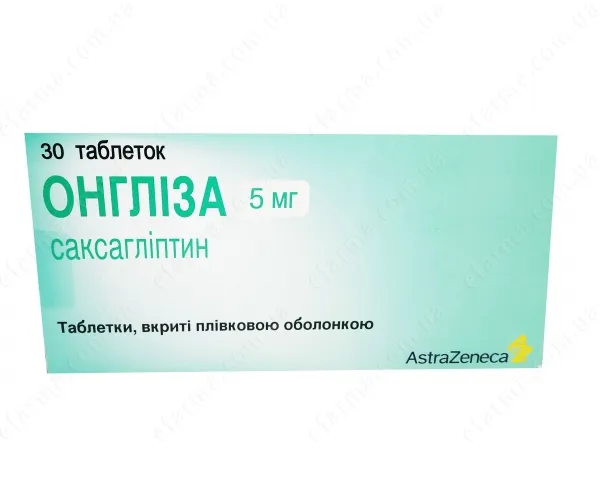
Table of Contents
INSTRUCTION for medical use of the medicinal product ONGLYZA™
Composition:
Active substance: saxagliptin;
One film-coated tablet contains saxagliptin hydrochloride equivalent to saxagliptin 2.5 mg or 5 mg;
Excipients: lactose monohydrate; microcrystalline cellulose, sodium croscarmellose, magnesium stearate, and colorants for 2.5 mg: Opadry II White, Opadry II Yellow, Opacode Blue; colorants for 5 mg: Opadry II White, Opadry II Pink, Opacode Blue.
Pharmaceutical form. Film-coated tablets.
Main physicochemical properties:
2.5 mg tablets: biconvex, round, film-coated tablets, pale yellow to light yellow in color, with "2.5" imprinted on one side and "4214" on the other side, printed in blue ink;
5 mg tablets: biconvex, round, film-coated tablets, pink in color, with "5" imprinted on one side and "4215" on the other side, printed in blue ink.
Pharmacotherapeutic group. Oral hypoglycemic agents. Dipeptidyl peptidase-4 inhibitor (DPP-4 inhibitor). Saxagliptin. ATC code A10BH03.
Pharmacological Properties.
Pharmacodynamics.
Mechanism of Action and Pharmacodynamic Effects.
Saxagliptin is a potent (Ki: 1.3 nM), selective, reversible competitive inhibitor of DPP-4. In patients with type 2 diabetes, administration of saxagliptin results in inhibition of DPP-4 enzymatic activity over a 24-hour period. Following an oral glucose load, this DPP-4 inhibition leads to a 2- to 3-fold increase in circulating levels of active incretin hormones, including glucagon-like peptide-1 (GLP-1) and glucose-dependent insulinotropic polypeptide (GIP), a reduction in glucagon concentrations, and enhanced glucose-dependent responsiveness of beta cells, resulting in increased insulin and C-peptide concentrations. Enhanced insulin release by pancreatic beta cells and reduced glucagon synthesis by alpha cells are associated with lower fasting glucose concentrations and reduced glucose fluctuations following oral glucose loading or food intake. Saxagliptin improves glycaemic control by reducing both fasting and postprandial glucose concentrations in patients with type 2 diabetes.
Clinical Efficacy and Safety.
In randomized, double-blind, placebo-controlled clinical trials (including development-phase and post-marketing experience), over 17,000 patients with type 2 diabetes have been treated with saxagliptin.
Glycaemic Control.
In six double-blind, placebo-controlled clinical trials assessing the effect of saxagliptin on glycaemic control, a total of 4,148 patients with type 2 diabetes were randomized, including 3,021 patients receiving saxagliptin treatment. Treatment with saxagliptin 5 mg once daily provided clinically and statistically significant improvements in haemoglobin A1c (HbA1c), fasting plasma glucose, and postprandial glucose compared to placebo as monotherapy, in combination with metformin (initial or add-on therapy), in combination with a sulfonylurea, and in combination with a thiazolidinedione (see Table 1). No significant changes in body weight associated with saxagliptin were observed. Reductions in HbA1c levels were observed across all subgroups, including subgroups defined by sex, age, race, and baseline body mass index (BMI); higher baseline HbA1c levels were associated with greater adjusted mean change from baseline with saxagliptin treatment.
Saxagliptin as Monotherapy.
Two 24-week, double-blind, placebo-controlled trials were conducted to evaluate the efficacy and safety of saxagliptin as monotherapy in patients with type 2 diabetes. In both studies, once-daily saxagliptin administration resulted in statistically significant improvements in HbA1c (see Table 1). These findings are supported by results from two subsequent 24-week regional (Asia) monotherapy trials in which saxagliptin 5 mg was compared with placebo.
Saxagliptin as Add-on Therapy to Metformin.
A 24-week, placebo-controlled trial evaluated the efficacy and safety of saxagliptin as add-on therapy to metformin in patients with inadequate glycaemic control (HbA1c 7–10%) on metformin monotherapy. Saxagliptin (n=186) provided statistically significant improvements in HbA1c, fasting glucose, and postprandial glucose compared to placebo (n=175). Improvements in HbA1c, postprandial glucose, and fasting glucose with saxagliptin 5 mg plus metformin were maintained over 102 weeks of the study. The change in HbA1c in patients receiving saxagliptin 5 mg in combination with metformin (n=31) compared to those receiving placebo plus metformin (n=15) was -0.8% at week 102.
Saxagliptin as Add-on to Metformin Compared with a Sulfonylurea as Add-on to Metformin.
A 52-week trial evaluated the efficacy and safety of saxagliptin 5 mg in combination with metformin (428 patients) versus a sulfonylurea (glipizide 5 mg, titrated up to 20 mg as needed; mean dose 15 mg) in combination with metformin (430 patients) in 858 patients with inadequate glycaemic control (HbA1c 6.5%–10%) on metformin monotherapy. The mean metformin dose in each treatment group was approximately 1900 mg. At 52 weeks, both the saxagliptin and glipizide groups showed similar reductions in HbA1c from baseline in the per-protocol analysis (-0.7% vs -0.8%, respectively; mean baseline HbA1c 7.5% in both groups). The intention-to-treat population analysis yielded similar results. Fasting plasma glucose (FPG) reduction was slightly smaller in the saxagliptin group, and more patients discontinued treatment due to lack of efficacy based on FPG criteria during the first 24 weeks (3.5% vs 1.2% in the glipizide group). Additionally, saxagliptin was associated with a statistically significantly lower incidence of hypoglycaemia: 3% (19 events in 13 patients) vs 36.3% (750 events in 156 patients) in the glipizide group.
Patients receiving saxagliptin showed a significant reduction in body weight from baseline compared to an increase in body weight in patients receiving glipizide (-1.1 kg vs +1.1 kg).
Saxagliptin as Add-on to Metformin Compared with Sitagliptin as Add-on to Metformin.
An 18-week trial evaluated the efficacy and safety of saxagliptin 5 mg in combination with metformin (403 patients) versus sitagliptin 100 mg in combination with metformin (398 patients) in 801 patients with inadequate glycaemic control on metformin monotherapy. After 18 weeks of treatment, saxagliptin was non-inferior to sitagliptin in terms of mean reduction in HbA1c from baseline, in both the per-protocol and full analysis sets. The reduction in HbA1c from baseline for saxagliptin and sitagliptin in the primary per-protocol analysis was -0.5% (mean and median) and -0.6% (mean and median), respectively. In the confirmatory full analysis set, mean reductions were -0.4% and -0.6% for saxagliptin and sitagliptin, respectively, with a median reduction of -0.5% in both groups.
Saxagliptin in Combination with Metformin as Initial Therapy.
A 24-week trial evaluated the efficacy and safety of saxagliptin 5 mg in combination with metformin as initial combination therapy in patients with inadequate glycaemic control (HbA1c 8–12%) who had not previously received any antihyperglycaemic treatment. Initial therapy with the combination of saxagliptin 5 mg and metformin (n=306) provided significantly greater improvements in HbA1c, fasting glucose, and postprandial glucose compared to saxagliptin (n=317) or metformin (n=313) monotherapy. Reductions in HbA1c from baseline to week 24 were observed across all evaluated subgroups defined by baseline HbA1c levels; greater reductions were observed in patients with baseline HbA1c ≥10% (see Table 1). Improvements in HbA1c, postprandial glucose, and fasting glucose with initial saxagliptin 5 mg and metformin therapy were maintained up to week 76. The change in HbA1c in patients receiving saxagliptin 5 mg in combination with metformin (n=177) compared to those receiving metformin and placebo (n=147) was -0.5% at week 76.
Saxagliptin as Add-on to Glimepiride Therapy.
A 24-week, placebo-controlled trial evaluated the efficacy and safety of saxagliptin in combination with glimepiride in patients with inadequate glycaemic control (HbA1c 7.5%–10%) on glimepiride monotherapy at submaximal doses. Saxagliptin in combination with a fixed intermediate dose of sulfonylurea (glimepiride 7.5 mg) was compared with dose titration of glimepiride to a higher dose (approximately 92% of patients in the placebo and glimepiride group were titrated to a final total daily dose of 15 mg). Saxagliptin (n=250) provided significant improvements in HbA1c, fasting glucose, and postprandial glucose compared to dose titration of glimepiride (n=264). Improvements in HbA1c and postprandial glucose with saxagliptin 5 mg were maintained up to week 76. The change in HbA1c in patients receiving saxagliptin 5 mg (n=56) compared to those receiving glimepiride dose titration and placebo (n=27) was -0.7% at week 76.
Saxagliptin as Add-on to Combined Insulin Therapy (with or without Metformin).
In a 24-week, randomized, double-blind, placebo-controlled trial evaluating the efficacy and safety of saxagliptin in combination with insulin at a stable dose (mean baseline dose: 54.2 units), 455 patients with type 2 diabetes and inadequate glycaemic control (HbA1c ≥7.5% and ≤11%) on insulin alone (n=141) or insulin in combination with stable-dose metformin (n=314) were enrolled. Saxagliptin 5 mg as add-on to insulin with or without metformin provided statistically significant improvements in HbA1c and postprandial glucose at 24 weeks compared to placebo add-on to insulin with or without metformin. Similar reductions in HbA1c compared to placebo were achieved in patients receiving saxagliptin 5 mg as add-on to insulin, regardless of metformin use (-0.4% in both subgroups). Improvement in HbA1c from baseline was maintained in the saxagliptin add-on group compared to the placebo add-on group up to week 52. The change in HbA1c for the saxagliptin group (n=244) compared to placebo (n=124) was -0.4% at week 52.
Saxagliptin as Add-on to Thiazolidinedione Therapy.
A 24-week, placebo-controlled trial evaluated the efficacy and safety of saxagliptin in combination with a thiazolidinedione (TZD) in patients with inadequate glycaemic control (HbA1c 7–10.5%) on TZD monotherapy. Saxagliptin (n=183) provided significant improvements in HbA1c, fasting glucose, and postprandial glucose compared to placebo (n=180). Improvements in HbA1c, fasting glucose, and postprandial glucose with saxagliptin 5 mg were maintained up to week 76. The change in HbA1c in patients receiving saxagliptin 5 mg (n=82) compared to those receiving TZD and placebo (n=53) was -0.9% at week 76.
Saxagliptin as Add-on to Combination Therapy with Metformin and a Sulfonylurea.
A total of 257 patients with type 2 diabetes participated in a 24-week, randomized, double-blind, placebo-controlled trial to evaluate the efficacy and safety of saxagliptin (5 mg once daily) in combination with metformin and a sulfonylurea (SU) in patients with inadequate glycaemic control (HbA1c ≥7% and ≤10%). Saxagliptin (n=127) provided significant improvements in HbA1c and postprandial glucose compared to placebo (n=128). The change in HbA1c for the saxagliptin group compared to placebo was -0.7% at week 24.
Saxagliptin as Add-on to Combination Therapy with Dapagliflozin and Metformin
In a 24-week, randomized, double-blind, placebo-controlled trial in patients with type 2 diabetes, saxagliptin 5 mg was compared with placebo as add-on therapy in individuals with HbA1c 7–10.5% receiving dapagliflozin (an SGLT2 inhibitor) and metformin. Patients who completed the initial 24-week period were eligible to enter a 28-week controlled extension trial (total 52 weeks).
Patients receiving saxagliptin as add-on to dapagliflozin and metformin (n = 153) achieved statistically significant (p < 0.0001) greater reductions in HbA1c compared to the placebo add-on group (n = 162) at week 24 (see Table 1). The effect on HbA1c observed at week 24 was maintained at week 52. The safety profile of saxagliptin as add-on to dapagliflozin and metformin during the long-term treatment period was consistent with the profile observed during the 24-week treatment period in this trial, as well as in a trial where saxagliptin and dapagliflozin were administered together as add-on therapy to patients receiving metformin (described below).
Proportion of Patients Achieving HbA1c < 7%
The proportion of patients achieving HbA1c < 7% at week 24 was higher in the saxagliptin 5 mg + dapagliflozin + metformin group – 35.3% (95% CI [28.2; 42.4]) – compared to the placebo + dapagliflozin + metformin group – 23.1% (95% CI [16.9; 29.3]). The HbA1c effect observed at week 24 was maintained at week 52.
Table 1. Key efficacy results of Onglyza 5 mg once daily in placebo-controlled monotherapy and add-on combination therapy trials
| Mean baseline value HbA1c (%) |
Mean change2 from baseline HbA1c (%) at Week 24 |
Mean change in HbA1c (%) adjusted for placebo at Week 24 (95% CI) |
|
| MONOTHERAPY STUDIES |
|||
| Study CV181011 (n=103) |
8.0 |
-0.5 |
-0.6 (-0.9, -0.4)3 |
| Study CV181038 (n=69) |
7.9 |
-0.7 (morning) |
-0.4 (-0.7, -0.1)4 |
| (n=70) |
7.9 |
-0.6 (evening) |
-0.4 (-0.6, -0.1)5 |
| STUDIES OF ADD-ON/COMBINATION THERAPY |
|||
| Study CV181014: add-on to metformin (n=186) |
8.1 |
-0.7 |
-0.8 (-1.0, -0.6)3 |
| Study CV181040: add-on to SU1 (n=250) |
8.5 |
-0.6 |
-0.7 (-0.9, -0.6)3 |
| Study D1680L00006: add-on to combination metformin + SU (n=257) |
8.4 |
-0.7 |
-0.7 (-0.9, -0.5)3 |
| Study CV181013: add-on to TZD (n=183) |
8.4 |
-0.9 |
-0.6 (-0.8, -0.4)3 |
| Study CV181039: initial combination with metformin6 Total population (n=306) Baseline HbA1c ≥10% (n=107) |
9.4 10.8 |
-2.5 -3.3 |
-0.5 (-0.7, -0.4)7 -0.6 (-0.9, -0.3)8 |
| Study CV181168: add-on to combination dapagliflozin + (n=315) |
7.9 |
-0.5 |
-0.4 (-0.5, -0.2)9 |
| Study CV181057: add-on to insulin (+/-metformin) Total population (n=300) |
8.7 |
-0.7 |
-0.4 (-0.6, -0.2)3 |
n – number of randomized patients (primary efficacy analysis in the population of all patients who received the investigational treatment) for whom data are available.
1In the placebo group, the total daily dose of glyburide was titrated from 7.5 mg to 15 mg.
2Mean change from baseline adjusted for baseline value (ANCOVA).
3p<0.0001 versus placebo.
4p=0.0059 versus placebo.
5p=0.0157 versus placebo.
6Titration of metformin from 500 to 2000 mg per day, according to tolerability.
7Mean change in HbA1c – difference between the combination group of saxagliptin + metformin and the metformin-only group (p<0.0001).
8Mean change in HbA1c – difference between the combination group of saxagliptin + metformin and the metformin-only group.
9Mean change in HbA1c – difference between the combination group of saxagliptin + dapagliflozin + metformin and the dapagliflozin + metformin group (p<0.0001).
Saxagliptin and dapagliflozin as add-on to metformin therapy
In a 24-week, randomized, double-blind, active-comparator controlled study, a total of 534 adult patients with type 2 diabetes mellitus and inadequate glycemic control on metformin monotherapy (HbA1c 8–12%) were enrolled to compare the combination of saxagliptin and dapagliflozin added simultaneously to metformin versus saxagliptin or dapagliflozin added to metformin. Patients were randomized to one of three double-blind treatment groups receiving either 5 mg saxagliptin and 10 mg dapagliflozin added to metformin, 5 mg saxagliptin and placebo added to metformin, or 10 mg dapagliflozin and placebo added to metformin.
The saxagliptin and dapagliflozin group achieved significantly greater reductions in HbA1c levels compared to the saxagliptin or dapagliflozin groups at 24 weeks (see Table 2).
Table 2. HbA1c values at Week 24 in the active-comparator controlled study: combination of saxagliptin and dapagliflozin added simultaneously to metformin versus saxagliptin or dapagliflozin added to metformin
| Measure of efficacy |
Saxagliptin 5 mg + dapagliflozin 10 mg + metformin n = 1792 |
Saxagliptin 5 mg + metformin n = 1762 |
Dapagliflozin 10 mg + metformin n = 1792 |
| HbA1c (%) at Week 241 |
|||
| Baseline (mean) |
8.93 |
9.03 |
8.87 |
| Change from baseline (adjusted mean3) (95% CI) |
(–1.62; –1.31) |
(–1.03; –0.72) |
(–1.35; –1.04) |
| Difference vs. saxagliptin + metformin (adjusted mean3) (95% CI) |
(–0.81; –0.37) |
- |
- |
| Difference vs. saxagliptin + metformin (adjusted mean3) (95% CI) |
(–0.48; –0.05) |
- |
- |
1LME – longitudinal repeated measurements (using values prior to rescue therapy).
2Randomized and treated patients with baseline value and at least 1 post-baseline efficacy measurement.
3Mean calculated using a two-stage method, adjusted for baseline value.
4p < 0.0001.
5p = 0.0166.
Proportion of patients achieving HbA1c < 7 %
Reduction in HbA1c to below 7 % was achieved in the saxagliptin and dapagliflozin combination group in 41.4 % (95 % CI [34.5; 48.2]) compared to 18.3 % (95 % CI [13.0; 23.5]) in the saxagliptin group and 22.2 % (95 % CI [16.1; 28.3]) in the dapagliflozin group.
Patients with impaired renal function.
In a 12-week, multicenter, randomized, double-blind, placebo-controlled study, the effect of treatment with saxagliptin 2.5 mg once daily compared to placebo was evaluated in 170 patients (85 patients in the saxagliptin treatment group and 85 patients in the placebo group) with type 2 diabetes (HbA1c 7.0–11.0 %) and impaired renal function (moderate [n=90], severe [n=41], or ESRD [end-stage renal disease] [n=39]). In this study, 98.2 % of patients received other antihyperglycemic therapy (75.3 % insulin and 31.2 % oral antihyperglycemic agents; some patients received both). Saxagliptin provided a significant reduction in HbA1c compared to placebo; the change in HbA1c for saxagliptin was -0.9 % at week 12 (change in HbA1c -0.4 % for placebo). The incidence of confirmed hypoglycemic events was slightly higher in the saxagliptin group (9.4 %) compared to the placebo group (4.7 %), although the number of patients with any hypoglycemic events did not differ between the two treatment groups. No adverse effect on renal function, as determined by estimated glomerular filtration rate or CrCL at week 12 and week 52, was observed.
Saxagliptin Assessment of Vascular Outcomes Recorded in Patients with Diabetes Mellitus — Thrombolysis in Myocardial Infarction (SAVOR)
The SAVOR trial evaluated cardiovascular (CV) outcomes in 16,492 patients with HbA1c ≥ 6.5 % and < 12 % (12,959 with established CV disease [CVD]; 3,533 with multiple CV risk factors only), who were randomized to saxagliptin (n = 8,280) or placebo (n = 8,212) in addition to regional standards of care for HbA1c and CV risk factors. The study populations included individuals aged ≥ 65 years (n = 8,561) and ≥ 75 years (n = 2,330) with normal or mild (n = 13,916), moderate (n = 2,240), or severe (n = 336) renal impairment.
The primary safety (non-inferiority) and efficacy (superiority) endpoint was a composite endpoint consisting of time to first occurrence of any of the following major adverse CV events (MACE): CV death, non-fatal myocardial infarction, or non-fatal ischemic stroke.
After a median follow-up period of 2 years, the trial achieved its primary safety endpoint. This indicates that saxagliptin does not increase cardiovascular risk in patients with type 2 diabetes compared to placebo when added to current standard therapy.
No benefit was observed for MACE or all-cause mortality. The primary composite MACE endpoint occurred at a rate of 7.4 % in the saxagliptin group and 7.4 % in the placebo group (HR = 1.00; 95 % CI [0.89; 1.12]). The secondary composite endpoint of MACE plus hospitalization for heart failure occurred at a rate of 12.8 % in the saxagliptin group and 12.6 % in the placebo group (HR = 1.02; 95 % CI [0.94; 1.11]).
One component of the secondary composite endpoint, hospitalization for heart failure, occurred more frequently with saxagliptin (3.5 %) compared to placebo (2.8 %), with nominal statistical significance favoring placebo (HR = 1.27; 95 % CI [1.07; 1.51]; p = 0.007). Clinically meaningful factors predicting increased relative risk with saxagliptin therapy could not be definitively identified. Subjects at increased risk of hospitalization for heart failure, regardless of treatment assignment, may be identified by known risk factors for heart failure, such as baseline history of heart failure or renal impairment. However, saxagliptin-treated subjects with baseline history of heart failure or renal impairment did not have an increased risk compared to placebo for the primary or secondary composite endpoints or all-cause mortality.
Another secondary endpoint, all-cause mortality, occurred at a rate of 5.1 % in the saxagliptin group and 4.6 % in the placebo group (HR = 1.11; 95 % CI [0.96; 1.27]). CV mortality was comparable between treatment groups. An imbalance in non-CV deaths was observed, with more events in the saxagliptin group (1.8 %) than in the placebo group (1.4 %) (HR = 1.27; 95 % CI [1.00; 1.62]; p = 0.051).
A1C was lower for saxagliptin compared to placebo in an exploratory analysis.
Pediatric population.
The European Medicines Agency has waived the obligation to submit the results of studies with the medicinal product Onglyza in one or more pediatric subgroups for the treatment of type 2 diabetes (see section "Special populations", which provides information on use in children).
Elderly population
In the SAVOR trial, efficacy and safety in patient groups aged 65 years and older and 75 years and older were consistent with the overall study population.
GENERATION – a 52-week glycemic control study in 720 elderly patients, with a mean age of 72.6 years: 433 subjects (60.1 %) were < 75 years old, and 287 subjects (39.9 %) were ≥ 75 years old. The primary endpoint was the proportion of patients achieving HbA1c < 7 % without confirmed or severe hypoglycemia. No difference in the proportion of patients responding to therapy was observed: 37.9 % (saxagliptin) and 38.2 % (glimepiride) achieved the primary endpoint. A smaller proportion of patients in the saxagliptin group (44.7 %) compared to the glimepiride group (54.7 %) achieved HbA1c < 7.0 %. A smaller proportion of patients in the saxagliptin group (1.1 %) compared to the glimepiride group (15.3 %) experienced a confirmed or severe hypoglycemic event.
Pharmacokinetics.
The pharmacokinetics of saxagliptin and its major metabolite were similar in healthy volunteers and in patients with type 2 diabetes.
Absorption.
Saxagliptin is rapidly absorbed after oral administration in the fasting state, with maximum plasma concentrations (Cmax) of saxagliptin and its major metabolite reached within 2 and 4 hours (Tmax), respectively. Cmax and AUC values of saxagliptin and its major metabolite increased proportionally with increasing saxagliptin dose; dose proportionality was observed in the range up to 400 mg. After a single oral dose of 5 mg saxagliptin in healthy volunteers, mean plasma AUC values for saxagliptin and its major metabolite were 78 ng·h/mL and 214 ng·h/mL, respectively. Corresponding plasma Cmax values were 24 ng/mL and 47 ng/mL, respectively. The coefficients of variation for Cmax and AUC of saxagliptin in individual patients were below 12 %.
Inhibition of plasma DPP-4 activity by saxagliptin for at least 24 hours after oral administration is explained by its high potency, high affinity, and active binding to the active sites.
Interaction with food.
Food has a relatively minor effect on the pharmacokinetics of saxagliptin in healthy volunteers. Administration with food (high-fat meal) did not alter Cmax and resulted in a 27 % increase in AUC compared to fasting. The time to reach Cmax (Tmax) was prolonged by approximately 0.5 hours after administration with food compared to fasting. These changes are considered clinically insignificant.
Distribution.
In vitro protein binding of saxagliptin and its major metabolite to human plasma proteins is minimal. Therefore, it is unlikely that changes in plasma protein levels due to various pathological conditions (e.g., hepatic or renal impairment) will affect the distribution of saxagliptin.
Biological transformation.
Biological transformation of saxagliptin occurs predominantly via cytochrome P450 3A4/5 (CYP3A4/5). The major metabolite of saxagliptin is also a selective, reversible, competitive inhibitor of DPP-4, with approximately half the potency of saxagliptin.
Elimination.
The mean elimination half-life (t1/2) in plasma of saxagliptin and its major metabolite is 2.5 hours and 3.1 hours, respectively, while the mean t1/2 for inhibition of plasma DPP-4 activity is 26.9 hours. Saxagliptin is eliminated via both renal and hepatic metabolic pathways. After a single oral dose of 50 mg 14C-saxagliptin, 24 %, 36 %, and 75 % of the dose was excreted in urine as saxagliptin, its major metabolite, and total radioactive material, respectively. The mean renal clearance of saxagliptin (~230 mL/min) was higher than the mean estimated glomerular filtration rate (~120 mL/min), suggesting active renal excretion. Renal clearance values for the major metabolite were comparable to the calculated glomerular filtration rate. A total of 22 % of the administered radioactive material was recovered in feces, corresponding to the fraction of saxagliptin dose excreted in bile and/or as unabsorbed drug from the gastrointestinal tract.
Linearity.
Cmax and AUC of saxagliptin and its major metabolite increased proportionally with saxagliptin dose. No significant accumulation of saxagliptin or its major metabolite was observed with repeated once-daily dosing at any dose level. Dose- and time-dependent changes in the clearance of saxagliptin and its major metabolite were not observed during 14 days of once-daily saxagliptin administration in the dose range of 2.5 mg to 400 mg.
Special patient populations.
Renal impairment.
An open-label, single-dose study was conducted to evaluate the pharmacokinetics of saxagliptin after a 10 mg oral dose in patients with varying degrees of chronic renal impairment compared to patients with normal renal function. Patients with renal impairment were classified according to creatinine clearance as mild (eGFR approximately ≥ 45 to < 90 mL/min), moderate (eGFR approximately ≥ 30 to < 45 mL/min), or severe (eGFR approximately < 30 mL/min), as well as patients with ESRD on hemodialysis.
The degree of renal impairment did not affect Cmax of saxagliptin and its major metabolite. In patients with mild renal impairment, mean AUC values of saxagliptin and its major metabolite were 1.2 and 1.7 times higher, respectively, than in patients with normal renal function. Since this increase is not clinically significant, dose adjustment is not recommended for patients with mild renal impairment. In patients with moderate or severe renal impairment or in patients with ESRD on hemodialysis, AUC values of saxagliptin and its major metabolite were 2.1 and 4.5 times higher, respectively, than in patients with normal renal function.
Hepatic impairment.
In patients with mild (Child-Pugh class A), moderate (Child-Pugh class B), or severe (Child-Pugh class C) hepatic impairment, exposure to saxagliptin was 1.1, 1.4, and 1.8 times higher, respectively, while exposure to BMS-510849 was 22 %, 7 %, and 33 % lower, respectively, compared to healthy volunteers.
Elderly patients (≥ 65 years).
In elderly patients (65–80 years), AUC of saxagliptin was approximately 60 % higher than in younger patients (18–40 years). This difference is considered clinically insignificant; therefore, dose adjustment of Onglyza based solely on patient age is not recommended.
Clinical characteristics.
Indications.
Ongliza is indicated in adult patients with type 2 diabetes mellitus as an adjunct to diet and exercise to improve glycemic control:
- as monotherapy when metformin is inappropriate due to contraindications or intolerance;
- in combination with other antidiabetic medicinal products, including insulin, when they do not provide adequate glycemic control (data on various combinations are provided in the sections "Special instructions", "Interaction with other medicinal products and other forms of interaction", and "Pharmacodynamics").
Contraindications.
Hypersensitivity to the active substance or to any of the excipients, or history of serious hypersensitivity reactions, including anaphylactic reaction, anaphylactic shock, and angioedema to any dipeptidyl peptidase-4 (DPP-4) inhibitor (see sections "Special instructions" and "Adverse reactions").
Interaction with other medicinal products and other forms of interaction.
The clinical data presented below indicate that the risk of clinically significant interactions with concomitantly administered medicinal products is low.
Saxagliptin is metabolized primarily via cytochrome P450 3A4/5 (CYP3A4/5).
In vitro studies showed that saxagliptin and its major metabolite did not cause inhibition of CYP1A2, 2A6, 2B6, 2C9, 2C19, 2D6, 2E1, or 3A4, nor induction of CYP1A2, 2B6, 2C9, or 3A4. In studies involving healthy volunteers, no clinically significant changes in the pharmacokinetics of saxagliptin and its major metabolite were observed when coadministered with metformin, glyburide, pioglitazone, digoxin, simvastatin, omeprazole, antacids, or famotidine. Furthermore, saxagliptin did not significantly affect the pharmacokinetics of metformin, glyburide, pioglitazone, digoxin, simvastatin, components of combined oral contraceptives (ethinylestradiol and norgestimine), diltiazem, or ketoconazole.
When saxagliptin was coadministered with the moderate CYP3A4/5 inhibitor diltiazem, Cmax and AUC of saxagliptin increased by 63% and 2.1-fold, respectively, while the corresponding values for the active metabolite decreased by 44% and 34%.
When saxagliptin was coadministered with the potent CYP3A4/5 inhibitor ketoconazole, Cmax and AUC of saxagliptin increased by 62% and 2.5-fold, respectively, while the corresponding values for the active metabolite decreased by 95% and 88%.
When saxagliptin was coadministered with the potent CYP3A4/5 inducer rifampicin, Cmax and AUC of saxagliptin decreased by 53% and 76%, respectively. Exposure to the active metabolite and inhibition of plasma DPP-4 activity over the dosing interval were not altered by rifampicin (see section "Special instructions").
Concomitant use of saxagliptin with CYP3A4/5 inducers other than rifampicin (such as carbamazepine, dexamethasone, phenobarbital, and phenytoin) has not been studied and may lead to reduced plasma concentrations of saxagliptin and increased concentrations of its major metabolite. Careful monitoring of glycemic control is required when saxagliptin is used concomitantly with potent CYP3A4 inducers.
The effects of smoking, diet, herbal products, and alcohol consumption on the pharmacokinetics of saxagliptin have not been specifically studied.
Special precautions.
General.
The drug Ongliza should not be used in patients with type 1 diabetes or for the treatment of diabetic ketoacidosis.
Ongliza does not replace insulin in patients who require insulin therapy.
The medicinal product contains less than 1 mmol (23 mg) of sodium per dose, i.e. it is practically sodium-free.
Acute pancreatitis.
The use of DPP-4 inhibitors is associated with a risk of developing acute pancreatitis.
During post-marketing surveillance of saxagliptin, spontaneous reports of adverse reactions involving acute pancreatitis have been reported. Patients should be informed about the characteristic symptom of acute pancreatitis: persistent, severe abdominal pain. If pancreatitis is suspected, Ongliza should be discontinued; if acute pancreatitis is confirmed, Ongliza should not be restarted. The drug should be used with caution in patients with a history of pancreatitis.
Renal function impairment.
For patients with eGFR < 45 mL/min, the recommended dose is 2.5 mg once daily. Saxagliptin is not recommended for use in patients with end-stage renal disease (ESRD) requiring hemodialysis. Renal function should be assessed before initiating treatment with Ongliza and periodically monitored thereafter according to standard treatment guidelines (see sections "Dosage and administration" and "Pharmacokinetics").
Hepatic function impairment.
Saxagliptin should be used with caution in patients with moderate hepatic impairment and is not recommended in patients with severe hepatic impairment (see section "Dos游戏副本 and administration").
Use with medicinal products known to cause hypoglycemia.
Sulfonylureas and insulin are known to cause hypoglycemia. Therefore, when used in combination with Ongliza, a reduction in the dose of sulfonylurea or insulin may be necessary to reduce the risk of hypoglycemia.
Hypersensitivity reactions.
Ongliza should not be used in patients with serious hypersensitivity reactions to dipeptidyl peptidase-4 (DPP-4) inhibitors (see section "Contraindications").
During post-marketing surveillance, including spontaneous reports and data from clinical trials, the following adverse reactions have been observed with saxagliptin: serious hypersensitivity reactions, including anaphylactic reaction, anaphylactic shock, and angioedema. If a serious hypersensitivity reaction to saxagliptin is suspected, Ongliza should be discontinued, other potential causes should be evaluated, and alternative treatment for diabetes should be initiated (see section "Adverse reactions").
Skin disorders.
In preclinical toxicological studies, ulcerative and necrotic skin lesions were observed on the extremities of monkeys. The incidence of skin disorders in clinical trials was not increased. Post-marketing reports of rash have been described with the use of DPP-4 inhibitors. Rash has also been reported as an adverse reaction (AR) during treatment with Ongliza (see section "Adverse reactions"). Therefore, during routine treatment of patients with diabetes, monitoring for skin lesions such as blisters, ulcers, or rash is recommended.
Bullous pemphigoid.
Cases of bullous pemphigoid requiring hospitalization have been reported during the post-marketing period with DPP-4 inhibitors, including saxagliptin. In the reported cases, patients generally responded to local or systemic immunosuppressive therapy and discontinuation of the DPP-4 inhibitor. If a patient develops blisters or erosions while taking saxagliptin and bullous pemphigoid is suspected, this medicinal product should be discontinued and the patient should be referred to a dermatologist for diagnosis and appropriate treatment (see section "Adverse reactions").
Patients with impaired immune system function.
Patients with impaired immune system function, such as organ transplant recipients or patients diagnosed with immunodeficiency syndrome, were not included in the clinical development program for Ongliza. Therefore, the efficacy and safety profile of saxagliptin in such patients has not been established.
Use with strong CYP3A4 inducers.
The use of strong CYP3A4 inducers such as carbamazepine, dexamethasone, phenobarbital, phenytoin, and rifampicin may reduce the glucose-lowering effect of Ongliza (see section "Interaction with other medicinal products and other forms of interaction").
Heart failure
Experience with the use of the drug in patients with NYHA class III–IV heart failure is still limited. In the SAVOR trial, a small increase in the rate of hospitalization for heart failure was observed in the group of patients receiving saxagliptin compared to the placebo group, although a causal relationship has not been established. Additional analysis results did not indicate differences in effect based on NYHA class. The drug should be used with caution in patients with known risk factors for hospitalization due to heart failure, such as a history of heart failure or moderate to severe renal impairment. Patients should be warned about the characteristic symptoms of heart failure and advised to report such symptoms immediately.
Arthralgia.
Post-marketing reports have described cases of joint pain, sometimes severe, during treatment with DPP-4 inhibitors (see section "Adverse reactions"). Symptoms improved after discontinuation of the drug. In some patients, symptoms recurred after resuming therapy with the same or another DPP-4 inhibitor. Symptoms may appear soon after starting therapy or after a longer period. In cases of severe joint pain, the continuation of therapy should be evaluated on an individual basis.
Lactose.
The tablets contain lactose monohydrate. This medicinal product should not be administered to patients with rare hereditary conditions such as galactose intolerance, total lactase deficiency, or glucose-galactose malabsorption syndrome.
Use during pregnancy or breastfeeding.
Pregnancy.
The use of saxagliptin in pregnant women has not been studied. Animal studies have shown reproductive toxicity when the drug was administered at high doses. The potential risk to humans is unknown. Ongliza should not be prescribed during pregnancy except in cases of clear necessity.
Breastfeeding.
It is unknown whether saxagliptin is excreted in human breast milk. Animal studies have shown that saxagliptin and/or its metabolite are excreted in milk. Risk to the breastfed infant cannot be excluded. The decision to discontinue breastfeeding or to discontinue therapy with the drug should be made taking into account the benefit of breastfeeding for the child and the benefit of therapy for the woman.
Fertility.
The effect of saxagliptin on human fertility has not been studied. Effects on fertility were observed in male and female rats receiving the drug at high doses associated with clear signs of toxicity.
Ability to affect reaction speed when driving or operating machinery.
Ongliza may have a minor influence on the ability to drive vehicles or operate machinery.
When driving vehicles or operating machinery, one should consider the possibility of dizziness, which has been reported in saxagliptin studies. In addition, patients should be aware of the risk of hypoglycemia, which may occur when Ongliza is used in combination with other antidiabetic medicinal products known to cause hypoglycemia (e.g., insulin, sulfonylureas).
Method of Administration and Dosage.
Dosing.
The recommended dose of Onglyza is 5 mg once daily. If Onglyza is used in combination with insulin or a sulfonylurea, a lower dose of insulin or sulfonylurea may be required to reduce the risk of hypoglycemia (see section "Special Warnings and Precautions for Use").
The safety and efficacy of saxagliptin as triple oral therapy in combination with metformin and a thiazolidinedione have not been established.
Special Patient Populations.
Elderly patients (≥ 65 years of age).
Dose adjustment based solely on age is not recommended (see also sections "Pharmacodynamics" and "Pharmacokinetics").
Renal impairment.
Dose adjustment is not recommended for patients with mild renal impairment or for patients with moderate renal impairment with an eGFR ≥ 45 mL/min.
For patients with moderate renal impairment with an eGFR < 45 mL/min and for patients with severe renal impairment, the dose of Onglyza should be reduced to 2.5 mg once daily.
Onglyza is not recommended for patients with end-stage renal disease (ESRD) requiring hemodialysis (see section "Special Warnings and Precautions for Use").
Since the dose of Onglyza should be adjusted to 2.5 mg based on renal function, assessment of renal function is recommended prior to initiating treatment with Onglyza, and kidney function should be periodically monitored thereafter in accordance with standard clinical practice (see sections "Special Warnings and Precautions for Use" and "Pharmacokinetics").
Hepatic impairment.
Dose adjustment is not required for patients with mild or moderate hepatic impairment (see section "Pharmacokinetics"). Saxagliptin should be used with caution in patients with moderate hepatic impairment and is not recommended for patients with severe hepatic impairment (see section "Special Warnings and Precautions for Use").
Method of administration.
Onglyza may be taken independently of food intake at any time of day. Tablets must not be divided or split. If a dose is missed, the patient should take the medication as soon as remembered. A double dose should not be taken on the same day.
Pediatric population.
The safety and efficacy in pediatric patients have not been established; therefore, Onglyza should not be used in children. Data are lacking.
Overdose.
Onglyza did not show clinically relevant effects on the QTc interval or heart rate when administered orally at doses up to 400 mg per day for 2 weeks (80 times the recommended dose). In case of overdose, appropriate supportive treatment should be initiated according to the patient's clinical condition. Saxagliptin and its major metabolite can be removed by hemodialysis (23% of the dose over 4 hours).
Adverse Reactions
Summary of Safety Profile
In placebo-controlled studies, the most commonly reported adverse reactions observed in ≥ 5% of patients treated with Onglyza 5 mg and at a higher frequency than in the placebo group were upper respiratory tract infections (7.7%), urinary tract infections (6.8%), and headache (6.5%).
A total of 4148 patients with type 2 diabetes, of whom 3021 received Onglyza, were randomized in six double-blind, controlled clinical trials assessing the safety and efficacy of saxagliptin for glycemic control. In randomized, controlled, double-blind clinical trials (including the development phase and post-marketing experience), more than 17,000 patients with type 2 diabetes have received treatment with Onglyza.
Based on a pooled analysis of data from 1681 patients with type 2 diabetes, of whom 882 received Onglyza 5 mg, randomized in five double-blind, placebo-controlled clinical trials assessing the safety and efficacy of saxagliptin for glycemic control, the overall incidence of adverse events with saxagliptin 5 mg was similar to that observed with placebo. However, discontinuation of treatment due to adverse events occurred more frequently with saxagliptin 5 mg than with placebo (3.3% vs. 1.8%, respectively).
Tabulated List of Adverse Reactions
Adverse reactions observed in ≥ 5% of patients receiving saxagliptin 5 mg and more frequently than in the placebo group, or those occurring in ≥ 2% of patients receiving saxagliptin 5 mg and at least 1% more frequently than in the placebo group, based on pooled data from five glycemic control trials and an additional active-controlled study of initial combination therapy with metformin, are listed in Table 4.
Adverse reactions are presented by system organ class and absolute frequency. Frequency categories are defined as follows: very common (≥ 1/10), common (≥ 1/100 to < 1/10), uncommon (≥ 1/1,000 to < 1/100), rare (≥ 1/10,000 to < 1/1,000), very rare (< 1/10,000), and not known (cannot be estimated from available data).
Table 4. Frequency of adverse reactions by system organ class based on clinical trial data and post-marketing experience
| System Organ Class Adverse Reactions |
Frequency of adverse reactions depending on treatment regimen |
||||
| Saxagliptin as monotherapy |
Saxagliptin and metformin1 |
Saxagliptin and sulfonylurea (glyburide) |
Saxagliptin and thiazolidinedione |
Saxagliptin as add-on to combination of metformin and sulfonylurea |
|
| Infections and infestations |
|||||
| Upper respiratory tract infections |
Common |
Common |
Common |
Common |
|
| Urinary tract infections |
Common |
Common |
Common |
Common |
|
| Gastroenteritis |
Common |
Common |
Common |
Common |
|
| Sinusitis |
Common |
Common |
Common |
Common |
|
| Nasopharyngitis |
Common2 |
||||
| Immune system disorders |
|||||
| Hypersensitivity reactions†‡ |
Uncommon |
Uncommon |
Uncommon |
Uncommon |
|
| Anaphylactic reactions, including anaphylactic shock†‡ |
Rare |
Rare |
Rare |
Rare |
|
| Metabolism and nutrition disorders |
|||||
| Hypoglycemia |
Very common3 |
||||
| Dyslipidemia |
Uncommon |
||||
| Hypertriglyceridemia |
Uncommon |
||||
| Nervous system disorders |
|||||
| Dizziness |
Common |
Common |
|||
| Headache |
Common |
Common |
Common |
Common |
|
| Gastrointestinal disorders |
|||||
| Abdominal pain† |
Common |
Common |
Common |
Common |
|
| Diarrhea4 |
Common |
Common |
Common |
Common |
|
| Dyspepsia |
Common |
||||
| Flatulence |
Common |
||||
| Gastritis |
Common |
||||
| Nausea† |
Common |
Common |
Common |
Common |
|
| Vomiting |
Common |
Common |
Common |
Common |
|
| Pancreatitis† |
Uncommon |
Uncommon |
Uncommon |
Uncommon |
|
| Constipation† |
Not known |
Not known |
Not known |
Not known |
Not known |
| Skin and subcutaneous tissue disorders |
|||||
| Rash† |
Common |
Common |
Common |
||
| Dermatitis† |
Uncommon |
Uncommon |
Uncommon |
Uncommon |
|
| Pruritus† |
Uncommon |
Uncommon |
Uncommon |
Uncommon |
|
| Urticaria† |
Uncommon |
Uncommon |
Uncommon |
Uncommon |
|
| Angioedema†‡ |
Rare |
Rare |
Rare |
Rare |
|
| Bullous pemphigoid† |
Not known |
Not known |
Not known |
Not known |
Not known |
| Musculoskeletal and connective tissue disorders |
|||||
| Arthralgia* |
Uncommon |
||||
| Myalgia5 |
Common |
||||
| Reproductive system and breast disorders |
|||||
| Erectile dysfunction |
Uncommon |
||||
| General disorders and administration site conditions |
|||||
| Malaise |
Common |
Uncommon |
Common |
||
| Peripheral edema |
Common |
||||
1 Including saxagliptin as an add-on to metformin and as initial combination therapy with metformin.
2 Only in initial combination therapy.
3 No statistically significant difference compared to placebo group was observed. Confirmed hypoglycemia events were infrequent in the Onglyza 5 mg group (0.8%) and in the placebo group (0.7%).
4 Diarrhea incidence was 4.1% (36/882) in the saxagliptin 5 mg group and 6.1% (49/799) in the placebo group.
5 Myalgia was reported infrequently with initial combination therapy with metformin.
† Adverse reactions identified during post-marketing surveillance.
‡ See sections "Contraindications" and "Special warnings and precautions for use".
*This phenomenon was also reported during post-marketing surveillance (see section "Special warnings and precautions for use").
SAVOR trial results
The SAVOR trial included 8,240 patients receiving Onglyza 5 mg or 2.5 mg once daily and 8,173 patients receiving placebo. The overall incidence of adverse events in the Onglyza group in this trial was similar to that in the placebo group (72.5% and 72.2%, respectively).
The incidence of confirmed pancreatitis in the intent-to-treat population was 0.3% in both the Onglyza group and the placebo group.
The incidence of hypersensitivity reactions was 1.1% in both the Onglyza group and the placebo group.
The overall incidence of reported hypoglycemic events (based on patient diaries) was 17.1% in the Onglyza group and 14.8% in the placebo group. The proportion of patients experiencing severe hypoglycemia (defined as an event requiring assistance from another person) was higher in the saxagliptin group than in the placebo group (2.1% and 1.6%, respectively). The increased risk of overall and severe hypoglycemia observed in the saxagliptin group occurred primarily in patients who were using sulfonylureas at baseline, but not in those receiving monotherapy with insulin or metformin at baseline. The increased risk of hypoglycemia overall and of severe hypoglycemia mainly affected patients with baseline A1C levels <7%.
Decreased lymphocyte count was reported in 0.5% of patients in the Onglyza group and 0.4% of patients in the placebo group.
Hospitalization for heart failure occurred more frequently in the saxagliptin group (3.5%) than in the placebo group (2.8%), with nominal statistical significance favoring placebo [hazard ratio (HR) = 1.27; 95% CI 1.07, 1.51; P = 0.007]. See also section "Pharmacodynamics".
Description of selected adverse reactions
Hypoglycemia
The frequency of hypoglycemia was calculated based on all reported hypoglycemic events; concomitant glucose measurement was not required.
When used as add-on to the combination of metformin and sulfonylurea, the overall frequency of reported hypoglycemia events was 10.1% in the Onglyza 5 mg group and 6.3% in the placebo group.
When used as add-on to insulin (with or without metformin), the overall frequency of reported hypoglycemia events was 18.4% in the Onglyza 5 mg group and 19.9% in the placebo group.
Laboratory test results
In clinical trials, the incidence of adverse reactions such as laboratory parameter changes was similar in patients receiving saxagliptin 5 mg and those receiving placebo. A slight decrease in absolute lymphocyte count was observed. According to pooled data analysis from placebo-controlled trials, the mean decrease in absolute lymphocyte count was approximately 100 cells/mcL compared to the placebo group, with a baseline absolute lymphocyte count of approximately 2,200 cells/mcL. The mean absolute lymphocyte count remained stable with daily administration of the drug for up to 102 weeks. Decreased lymphocyte count was not associated with clinically significant adverse reactions. The clinical significance of this decrease in lymphocyte count compared to the placebo group is unknown.
Reporting of suspected adverse reactions
It is important to report suspected adverse reactions during the post-marketing period of the medicinal product. This allows continuous monitoring of the benefit-risk ratio of the medicinal product. Healthcare professionals are required to report any suspected adverse reactions through the national reporting system.
Shelf life.
3 years.
Storage conditions.
Store at temperatures not exceeding 30 °C. Keep out of reach of children.
Packaging.
10 tablets per blister. 3 blisters per cardboard box.
Prescription status. Prescription only.
Manufacturer.
AstraZeneca UK Limited.
Manufacturer's location and address of place of business.
Silk Road Business Park, Macclesfield, SK10 2NA, United Kingdom.