Combogliza xr
Ukraine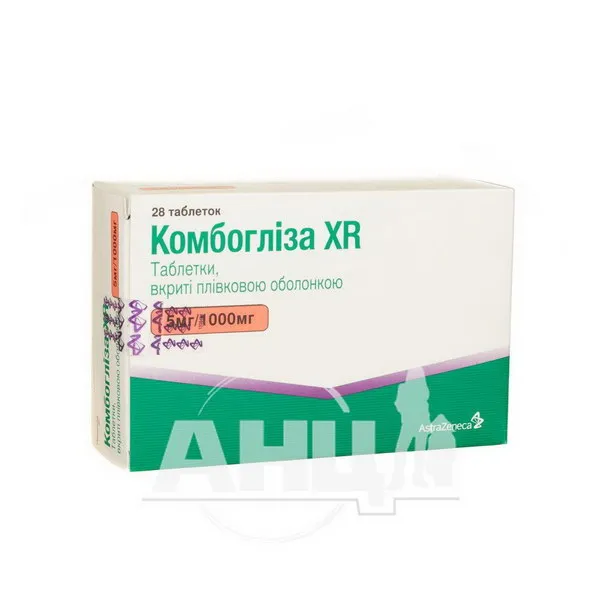
Table of Contents
INSTRUCTIONS FOR MEDICAL USE OF THE MEDICINAL PRODUCT KOMBOGLIZA XR (KOMBOGLYZA XR™)
Composition:
Active substances: saxagliptin, metformin hydrochloride;
One film-coated tablet contains 2.79 mg anhydrous saxagliptin hydrochloride equivalent to 2.5 mg saxagliptin and 1000 mg metformin hydrochloride;
or 5.58 mg anhydrous saxagliptin hydrochloride equivalent to 5 mg saxagliptin and 500 mg metformin hydrochloride;
or 5.58 mg anhydrous saxagliptin hydrochloride equivalent to 5 mg saxagliptin and 1000 mg metformin hydrochloride;
Excipients: sodium carboxymethylcellulose, hypromellose, magnesium stearate, microcrystalline cellulose (for 5 mg/500 mg);
Colorants for 2.5 mg/1000 mg: Opadry II White, Opadry II Yellow, Opacode Blue (for printing);
Colorants for 5 mg/500 mg: Opadry II White, Opadry II Light Brown, Opacode Blue (for printing);
Colorants for 5 mg/1000 mg: Opadry II White, Opadry II Pink, Opacode Blue (for printing).
Pharmaceutical form. Film-coated tablets.
Main physicochemical properties:
Tablets 2.5 mg/1000 mg: Biconvex capsule-shaped film-coated tablets; pale yellow to light yellow in color, with markings "2.5/1000" on one side and "4222" on the other, printed in blue ink;
Tablets 5 mg/500 mg: Biconvex capsule-shaped film-coated tablets; light brown to brown in color, with markings "5/500" on one side and "4221" on the other, printed in blue ink;
Tablets 5 mg/1000 mg: Biconvex capsule-shaped film-coated tablets; pink in color, with markings "5/1000" on one side and "4223" on the other, printed in blue ink.
Pharmacotherapeutic group. Combined oral hypoglycemic agents. Metformin and saxagliptin. ATC code A10BD10.
Pharmacological Properties.
Pharmacodynamics.
Saxagliptin
In patients with type 2 diabetes mellitus, administration of saxagliptin inhibits the activity of the enzyme dipeptidyl peptidase-4 (DPP-4) for 24 hours. Following an oral glucose load or food intake, DPP-4 inhibition led to a 2- to 3-fold increase in circulating levels of active glucagon-like peptide-1 (GLP-1) and GIP, reduced glucagon concentration, and enhanced glucose-dependent insulin secretion from pancreatic beta cells. The increase in insulin levels and decrease in glucagon levels were associated with lower fasting glucose concentrations and reduced glucose levels following oral glucose loading or food intake.
Treatment with saxagliptin 5 mg and extended-release metformin, administered once daily in the evening with food for 4 weeks, significantly reduced total glucose concentration over the 24-hour dosing interval compared to placebo plus extended-release metformin.
A significant reduction in glucose concentration 2 hours after food intake and in the 2-day average fasting glucose level was observed.
Cardiac Electrophysiology
Saxagliptin
Administration of saxagliptin was not associated with clinically meaningful QTc interval prolongation or increased heart rate at daily doses up to 40 mg (8 times higher than the maximum recommended human dose).
Pharmacokinetics.
The COMBOGLIZA XR formulation is bioequivalent to the co-administration of corresponding doses of saxagliptin (ONGLYZA) and metformin hydrochloride given as separate tablets.
Saxagliptin
The pharmacokinetics of saxagliptin and its active metabolite, 5-hydroxy saxagliptin, were similar in healthy volunteers and patients with type 2 diabetes mellitus.
With repeated once-daily dosing at any dose level, no clinically significant accumulation of saxagliptin or its active metabolite was observed. The clearance of saxagliptin and its active metabolite was independent of dose and time over 14 days of once-daily saxagliptin administration at doses ranging from 2.5 to 400 mg.
Metformin Hydrochloride
The median time to reach Cmax of extended-release metformin is 7 hours. The extent of metformin absorption when administered as extended-release tablets increases by nearly 50% when taken with food.
After repeated administration of extended-release metformin, metformin does not accumulate in plasma. Metformin is excreted unchanged in urine and does not undergo hepatic metabolism.
Absorption
Saxagliptin
The median time to reach maximum concentration (Tmax) after a single 5 mg dose administered once daily was 2 hours for saxagliptin and 4 hours for its active metabolite. Saxagliptin may be taken with or without food.
Metformin Hydrochloride
Following a single oral dose of extended-release metformin, the median time to reach Cmax is 7 hours, with a range of 4 to 8 hours.
The extent of metformin absorption (measured by AUC) increases by nearly 50% when extended-release metformin tablets are taken with food. No effect of food on Cmax or Tmax of metformin was observed. Both high- and low-fat meals have similar effects on the pharmacokinetics of extended-release metformin.
Distribution
Saxagliptin
In vitro protein binding of saxagliptin and its active metabolite to plasma proteins is minimal; therefore, changes in plasma protein levels under various disease conditions (e.g., renal or hepatic impairment) are not expected to affect the distribution of saxagliptin.
Metformin Hydrochloride
Distribution studies using extended-release metformin tablets have not been conducted. Metformin binds minimally to plasma proteins, unlike sulfonylureas, which are more than 90% protein-bound. Metformin penetrates into erythrocytes, and this process is very likely to increase over time.
Metabolism
Saxagliptin
Saxagliptin metabolism is primarily mediated by cytochrome P450 3A4/5 (CYP3A4/5). The major metabolite of saxagliptin is also a DPP-4 inhibitor, with approximately half the potency of saxagliptin. Therefore, strong inhibitors and inducers of CYP3A4/5 will affect the pharmacokinetics of saxagliptin and its active metabolite.
Metformin Hydrochloride
Metabolism studies using extended-release metformin tablets have not been conducted.
Excretion
Saxagliptin
Saxagliptin is eliminated via both renal and hepatic pathways. After a single 5 mg oral dose of saxagliptin in healthy volunteers, the mean terminal half-life (t1/2) in plasma was 2.5 hours for saxagliptin and 3.1 hours for its active metabolite.
Metformin Hydrochloride
The primary route of metformin elimination is tubular secretion. Following oral administration, approximately 90% of the absorbed drug is excreted via the kidneys within the first 24 hours, with a plasma half-life of approximately 6.2 hours. The blood elimination half-life is approximately 17.6 hours.
Special Patient Populations
Renal Impairment
COMBOGLIZA XR should not be administered to patients with renal impairment.
Saxagliptin
Dose adjustment is not recommended for patients with mild renal impairment.
Metformin Hydrochloride
In patients with reduced renal function (based on measured creatinine clearance), the plasma and blood elimination half-life of metformin is prolonged, and renal clearance decreases proportionally to the reduction in creatinine clearance.
Hepatic Impairment
Saxagliptin
Dose adjustment is not recommended for patients with hepatic impairment.
Metformin Hydrochloride
Pharmacokinetic studies of metformin in patients with hepatic impairment have not been conducted.
Since hepatic impairment has been associated with several cases of lactic acidosis, COMBOGLIZA XR should be avoided in patients with clinical or laboratory evidence of liver disease.
Body Mass Index
Saxagliptin
Dose adjustment based on body mass index is not recommended.
Gender
Saxagliptin
Dose adjustment based on gender is not recommended.
Metformin Hydrochloride
In studies involving patients with type 2 diabetes, the hypoglycemic effect of metformin was comparable between women and men.
Elderly Patients
Saxagliptin
Dose adjustment based solely on age is not recommended.
Metformin Hydrochloride
COMBOGLIZA XR is not recommended for patients over 80 years of age unless creatinine clearance testing confirms no reduction in renal function.
Pediatric Patients
Saxagliptin
Pharmacokinetic studies of saxagliptin in pediatric patients have not been conducted.
Metformin Hydrochloride
Following a single 500 mg oral dose of metformin (as tablets) taken with food, the geometric mean Cmax and AUC values of metformin differed by less than 5% between children (12–16 years) with type 2 diabetes and healthy adults (20–45 years) matched for gender and body weight. Renal function was normal in all patient groups.
Racial and Ethnic Background
Saxagliptin
Dose adjustment based on race is not recommended.
Metformin Hydrochloride
Pharmacokinetic studies of metformin according to race have not been conducted.
Clinical characteristics.
Indications.
COMBOGLIZA XR is indicated as an adjunct to diet and exercise to improve glycemic control in adult patients with type 2 diabetes mellitus when treatment with both saxagliptin and metformin is appropriate.
Contraindications.
COMBOGLIZA XR is contraindicated in patients with severe renal impairment (eGFR below 30 mL/min/1.73 m²).
COMBOGLIZA XR is not indicated for the treatment of type 1 diabetes or diabetic ketoacidosis due to lack of efficacy in these conditions.
This medicinal product has not been studied in combination with insulin.
This medicinal product should not be administered to patients with known hypersensitivity to saxagliptin or metformin hydrochloride. History of serious hypersensitivity reaction, such as anaphylaxis, anaphylactic shock, anaphylactic reaction, angioedema, or exfoliative skin disorders, to any dipeptidyl peptidase-4 (DPP-4) inhibitor.
Acute or chronic metabolic acidosis, including lactic acidosis, diabetic ketoacidosis with or without coma.
Diabetic precoma.
In diabetic ketoacidosis, insulin should be used.
Acute conditions that may affect renal function, such as:
- dehydration,
- severe infection,
- shock.
Acute or chronic conditions that may lead to tissue hypoxia, such as:
- cardiac or pulmonary insufficiency,
- recent myocardial infarction,
- shock,
- hepatic dysfunction,
- acute alcohol intoxication, alcoholism,
- breastfeeding period.
COMBOGLIZA XR must be temporarily discontinued in patients undergoing radiological procedures involving intravascular administration of iodinated contrast agents, as the use of such agents may lead to acute worsening of renal function.
Interaction with other medicinal products and other forms of interaction.
No specific pharmacokinetic drug interaction studies have been conducted with COMBOGLIZA XR, although similar studies have been conducted separately with saxagliptin and metformin.
Drug interactions regarding glucose-lowering efficacy have been studied in the following combinations:
- Concomitant administration of saxagliptin with extended-release metformin in patients with type 2 diabetes mellitus. Addition of saxagliptin to metformin.
- Combination therapy with saxagliptin, extended-release metformin, and glipizide.
- Combination therapy with saxagliptin, metformin, and sulfonylurea.
- Combination therapy with saxagliptin, metformin, and insulin (with or without immediate-release metformin).
- Saxagliptin as combination therapy with metformin and an SGLT2 inhibitor.
In vitro drug interaction assessment
In in vitro studies, saxagliptin and its active metabolite did not inhibit CYP1A2, 2A6, 2B6, 2C9, 2C19, 2D6, 2E1, or 3A4, and did not induce CYP1A2, 2B6, 2C9, or 3A4. Therefore, there is no expectation that saxagliptin will affect the metabolic clearance of concomitantly administered drugs metabolized by these enzymes. Saxagliptin is a substrate of P-glycoprotein (P-gp), but is not a significant inhibitor or inducer of P-glycoprotein.
Assessment of drug interactions in vivo
Table 1
Effect of concomitantly administered medicinal products on systemic exposure of saxagliptin and its active metabolite (5-hydroxysaxagliptin)
| Concomitant drug |
Dose of concomitant drug* |
Dose of saxagliptin* |
Geometric mean ratio (ratio with/without concomitant drug) No effect – 1.00 |
||
| AUC† |
Cmax |
||||
| No dose adjustment required |
|||||
| Metformin |
1000 mg |
100 mg |
Saxagliptin 5-hydroxysaxagliptin |
0.98 0.99 |
0.79 0.88 |
| Glyburide |
5 mg |
10 mg |
Saxagliptin 5-hydroxysaxagliptin |
0.98 NR |
1.08 NR |
| Pioglitazone‡ |
45 mg QD for 10 days |
10 mg QD for 5 days |
Saxagliptin 5-hydroxysaxagliptin |
1.11 NR |
1.11 NR |
| Digoxin |
0.25 mg every 6 hours on Day 1, then every 12 hours on Day 2, then QD for 5 days |
10 mg QD for 7 days |
Saxagliptin 5-hydroxysaxagliptin |
1.05 1.06 |
0.99 1.02 |
| Dapagliflozin |
10 mg single dose |
5 mg single dose |
Saxagliptin 5-hydroxysaxagliptin |
↓1% ↑9% |
↓7% ↑6% |
| Simvastatin |
40 mg QD for 8 days |
10 mg QD for 4 days |
Saxagliptin 5-hydroxysaxagliptin |
1.12 1.02 |
1.21 1.08 |
| Diltiazem |
360 mg LA QD for 9 days |
10 mg |
Saxagliptin 5-hydroxysaxagliptin |
2.09 0.66 |
1.63 0.57 |
| Rifampin§ |
600 mg QD for 6 days |
5 mg |
Saxagliptin 5-hydroxysaxagliptin |
0.24 1.03 |
0.47 1.39 |
| Omeprazole |
40 mg QD for 5 days |
10 mg |
Saxagliptin 5-hydroxysaxagliptin |
1.13 NR |
0.98 NR |
| Aluminum hydroxide + magnesium hydroxide + simethicone |
aluminum hydroxide – 2400 mg magnesium hydroxide – 2400 mg simethicone – 240 mg |
10 mg |
Saxagliptin 5-hydroxysaxagliptin |
0.97 NR |
0.74 NR |
| Famotidine |
40 mg |
10 mg |
Saxagliptin 5-hydroxysaxagliptin |
1.03 NR |
1.14 NR |
| The dose of KOMBOLIZA XR should be limited to 2.5 mg/1000 mg once daily when coadministered with strong CYP3A4/5 inhibitors (see section "Interaction with other medicinal products and other forms of interaction" and section "Method of administration and dosage"): |
|||||
| Ketoconazole |
200 mg BID for 9 days |
100 mg |
Saxagliptin 5-hydroxysaxagliptin |
2.45 0.12 |
1.62 0.05 |
| Ketoconazole |
200 mg BID for 7 days |
20 mg |
Saxagliptin 5-hydroxysaxagliptin |
3.67 NR |
2.44 NR |
* Single dose, unless otherwise indicated. The 10 mg dose of saxagliptin is not an approved dosage.
† AUC = AUC(INF) for single-dose drugs and AUC = AUC(TAU) for multiple-dose drugs.
‡ Data from one patient were not included in the results.
§ Rifampin did not affect inhibition of plasma dipeptidyl peptidase-4 (DPP-4) activity over the 24-hour dosing interval.
ND – not determined; QD – once daily; BID – twice daily; LA – long-acting.
Table 2
Effect of saxagliptin on systemic exposure of concomitantly administered drugs
| Concomitantly administered drug |
Dosing of concomitantly administered drug* |
Dosing of saxagliptin* |
Ratio of geometric mean values (ratio with/without concomitant administration) No effect – 1.00 |
||
| AUC† |
Cmax |
||||
| No dose adjustment required |
|||||
| Metformin |
1000 mg |
100 mg |
Metformin |
1.20 |
1.09 |
| Glyburide |
5 mg |
10 mg |
Glyburide |
1.06 |
1.16 |
| Pioglitazone‡ |
45 mg QD for 10 days |
10 mg QD for 5 days |
Pioglitazone Hydroxypioglitazone |
1.08 NC |
1.14 NC |
| Digoxin |
0.25 mg every 6 hours on Day 1, every 12 hours on Day 2, then QD for 5 days |
10 mg QD for 7 days |
Digoxin |
1.06 |
1.09 |
| Simvastatin |
40 mg QD for 8 days |
10 mg QD for 4 days |
Simvastatin Simvastatin acid |
1.04 1.16 |
0.88 1.00 |
| Diltiazem |
360 mg LA QD for 9 days |
10 mg |
Diltiazem |
1.10 |
1.16 |
| Ketoconazole |
200 mg BID for 9 days |
100 mg |
Ketoconazole |
0.87 |
0.84 |
| Ethinylestradiol and norgestimate |
ethinylestradiol – 0.035 mg and norgestimate – 0.250 mg for 21 days |
5 mg QD for 21 days |
Ethinylestradiol Norelgestromin Norgestrel |
1.07 1.10 1.13 |
0.98 1.09 1.17 |
* Single dose, unless otherwise stated. The 10 mg dose of saxagliptin is not an approved dosage.
† AUC = AUC(INF) for single-dose drugs and AUC = AUC(TAU) for multiple-dose drugs.
‡ Results include data from all patients.
NV – not determined; QD – once daily; BID – twice daily; LA – long-acting.
Table 3
Effect of coadministered drugs on systemic plasma exposure of metformin
| Concomitantly administered drug |
Dosing of concomitantly administered drug* |
Dosing of saxagliptin* |
Geometric mean ratio (ratio with/without concomitant drug administration) No effect – 1.00 |
||||
| AUC† |
Cmax |
||||||
| No dose adjustment required |
|||||||
| Glyburide |
5 mg |
850 mg |
Metformin |
0.91‡ |
0.93‡ |
||
| Furosemide |
40 mg |
850 mg |
Metformin |
1.09‡ |
1.22‡ |
||
| Nifedipine |
10 mg |
850 mg |
Metformin |
1.16 |
1.21 |
||
| Propranolol |
40 mg |
850 mg |
Metformin |
0.90 |
0.94 |
||
| Ibuprofen |
400 mg |
850 mg |
Metformin |
1.05‡ |
1.07‡ |
||
| Medicinal products excreted via renal tubular secretion may increase metformin accumulation (see section "Interaction with other medicinal products and other forms of interaction"). |
|||||||
| Cimetidine |
400 mg |
850 mg |
Metformin |
1.40 |
1.61 |
||
* Metformin and concomitantly administered medicinal products were taken as a single dose.
† AUC = AUC(INF)
‡ Ratio of arithmetic means
Table 4
Effect of metformin on systemic exposure of concomitantly administered medicinal products
| Concomitantly administered drug |
Dosing of concomitantly administered drug* |
Dosing of saxagliptin* |
Geometric mean ratio (ratio with/without concomitant metformin administration) No effect – 1.00 |
||||
| AUC† |
Cmax |
||||||
| No dose adjustment required |
|||||||
| Glipizide |
5 mg |
850 mg |
Glipizide |
0.78‡ |
0.63‡ |
||
| Furosemide |
40 mg |
850 mg |
Furosemide |
0.87‡ |
0.69‡ |
||
| Nifedipine |
10 mg |
850 mg |
Nifedipine |
1.10§ |
1.08 |
||
| Propranolol |
40 mg |
850 mg |
Propranolol |
1.01§ |
1.02 |
||
| ibuprofen |
400 mg |
850 mg |
ibuprofen |
0.97¶ |
1.01¶ |
||
| Cimetidine |
400 mg |
850 mg |
Cimetidine |
0.95§ |
1.01 |
||
* Metformin and concomitantly administered drugs were taken as a single dose.
† AUC = AUC(INF), unless otherwise specified.
‡ Ratio of arithmetic means, p-value for difference <0.05.
§ AUC(0–24 hours) is reported.
¶ Ratio of arithmetic means.
Potent CYP3A4/5 enzyme inhibitors
Ketoconazole significantly increased saxagliptin exposure. A similar significant increase in plasma concentrations of saxagliptin is expected when other potent CYP3A4/5 inhibitors (such as atazanavir, clarithromycin, indinavir, itraconazole, nefazodone, nelfinavir, ritonavir, saquinavir, and telithromycin) are used. When coadministered with a potent CYP3A4/5 inhibitor, the saxagliptin dose should not exceed 2.5 mg (see sections "Dosage and administration" and "Pharmacokinetics").
Carbonic anhydrase inhibitors
Topiramate or other carbonic anhydrase inhibitors (e.g., zonisamide, acetazolamide, or dichlorphenamide) frequently cause decreased serum bicarbonate levels and induce non-anion gap, hyperchloremic metabolic acidosis. Concomitant use of these drugs with KOMBIGLIZA XR may increase the risk of lactic acidosis.
Drugs that reduce metformin clearance
Concomitant use of drugs eliminated by renal tubular secretion involved in metformin elimination (e.g., organic cation transporter-2 [OCT2]/multidrug and toxin extrusion [MATE] inhibitors such as ranolazine, vandetanib, dolutegravir, and cimetidine) may lead to increased systemic exposure to metformin and an increased risk of lactic acidosis (see section "Pharmacokinetics"). The benefit-risk balance of concomitant use of these drugs should be carefully considered.
Alcohol
The risk of lactic acidosis is increased during alcohol intoxication, particularly during fasting, undernutrition, or impaired hepatic function, due to the presence of metformin in KOMBIGLIZA XR. Alcohol consumption and medicinal products containing alcohol should be avoided.
Use of iodinated contrast agents
Intravascular administration of iodinated contrast agents may cause contrast-induced nephropathy, leading to metformin accumulation and an increased risk of lactic acidosis. Administration of KOMBIGLIZA XR should be discontinued before or during radiological procedures involving iodinated contrast media and should not be restarted earlier than 48 hours after the procedure, and only after re-evaluation and confirmation of stable renal function.
Insulin secretagogues or insulin
In clinical trials with saxagliptin, hypoglycemia occurred more frequently when insulin secretagogues such as sulfonylureas were added, compared to placebo. Therefore, when insulin secretagogues (e.g., sulfonylureas) or insulin are used concomitantly, the dose of the insulin secretagogue or insulin may need to be reduced to minimize the risk of hypoglycemia.
Use of other medicinal products
Some medicinal products may cause hyperglycemia and may lead to loss of blood glucose control. These include thiazides and other diuretics, corticosteroids, phenothiazines, thyroid hormones, estrogens, oral contraceptives, phenytoin, nicotinic acid, sympathomimetics, calcium channel blockers, and isoniazid. If such medicinal products are prescribed to a patient taking KOMBIGLIZA XR, close monitoring for signs of loss of glycemic control is required. If such medicinal products are discontinued in a patient taking KOMBIGLIZA XR, careful monitoring for symptoms of hypoglycemia is necessary.
Some medicinal products may adversely affect renal function, thereby increasing the risk of lactic acidosis, such as NSAIDs, including selective cyclooxygenase (COX)-2 inhibitors, ACE inhibitors, angiotensin II receptor antagonists, and diuretics, especially loop diuretics. Renal function should be closely monitored at the start and throughout the use of such medicinal products in combination with metformin.
Special precautions for use.
Lactic acidosis
Lactic acidosis is a very rare but serious metabolic complication, most often occurring in the setting of markedly impaired renal function or cardiorespiratory disorders, or sepsis. Metformin accumulation occurs with severe renal impairment, increasing the risk of lactic acidosis.
In cases of dehydration (severe diarrhea or vomiting, fever, heat exposure, reduced fluid intake), treatment with this medicinal product should be temporarily discontinued and medical advice should be sought.
Post-marketing cases of metformin-associated lactic acidosis, including fatal cases, have been reported. These cases were characterized by insidious onset and presented with nonspecific symptoms such as malaise, myalgia, abdominal pain, respiratory distress, or increased somnolence; however, hypothermia, hypotension, and resistant bradycardia were observed only in cases of severe acidosis.
Medicinal products that may rapidly impair renal function (such as antihypertensives, diuretics, and NSAIDs) should be initiated with caution in patients receiving metformin. Other risk factors for lactic acidosis include excessive alcohol consumption, hepatic insufficiency, poorly controlled diabetes, ketosis, prolonged fasting, and any conditions associated with hypoxia, as well as concomitant use of medicinal products that may cause lactic acidosis.
Metformin-associated lactic acidosis is characterized by elevated blood lactate levels (> 5 mmol/L), acidosis with an anion gap (without evidence of ketonuria or ketonemia), increased lactate/pyruvate ratio, and elevated plasma metformin levels, typically > 5 µg/mL. Metformine reduces hepatic lactate uptake, thereby increasing blood lactate levels and increasing the risk of lactic acidosis, particularly in patients at risk.
If metformin-associated lactic acidosis is suspected, immediate general supportive measures should be initiated in a hospital setting, and COMBOGLIZA XR should be discontinued immediately.
Patients taking COMBOGLIZA XR who are diagnosed with or strongly suspected of having lactic acidosis should undergo immediate hemodialysis to correct acidosis and remove accumulated metformin (metformin hydrochloride is dialyzable with a clearance of up to 170 mL/min under adequate hemodynamic conditions). Hemodialysis often leads to resolution of symptoms and recovery.
Patients and their family members should be informed about the symptoms of lactic acidosis and the need to discontinue COMBOGLIZA XR and seek medical attention if these symptoms occur.
Patients and/or caregivers should be informed about the risk of developing lactic acidosis. Lactic acidosis is characterized by acidotic dyspnea, abdominal pain, muscle spasms, asthenia, and hypothermia, progressing to coma. If symptoms suggestive of lactic acidosis occur, COMBOGLIZA XR should be discontinued immediately and medical assistance sought urgently. Laboratory findings include decreased blood pH (< 7.35), elevated plasma lactate concentration above 5 mmol/L, increased anion gap, and elevated lactate/pyruvate ratio.
Below are recommendations for reducing the risk and managing metformin-associated lactic acidosis for each known or potential risk factor.
Renal impairment. In the post-marketing period, cases of metformin-associated lactic acidosis have occurred predominantly in patients with significant renal impairment. The risk of metformin accumulation and metformin-associated lactic acidosis increases with the severity of renal impairment, as metformin is primarily excreted by the kidneys. The following clinical recommendations are based on the patient's renal function (see section "Pharmacokinetics").
- Before initiating treatment with COMBOGLIZA XR, determine the estimated glomerular filtration rate (eGFR).
- COMBOGLIZA XR is contraindicated in patients with eGFR <30 mL/min/1.73 m².
Initiating treatment with COMBOGLIZA XR in patients with eGFR between 30 and 45 mL/min/1.73 m² is not recommended.
- In all patients receiving COMBOGLIZA XR, eGFR should be assessed at least annually. In patients at increased risk of renal impairment (e.g., elderly patients), renal function should be evaluated more frequently.
- For patients receiving COMBOGLIZA XR whose eGFR is below 45 mL/min/1.73 m², the benefit and risk of continuing therapy should be evaluated.
Interaction with other medicinal products. Concomitant use of COMBOGLIZA XR with certain other medicinal products may increase the risk of metformin-associated lactic acidosis; this includes agents that impair renal function, cause significant hemodynamic changes, affect acid-base balance, or enhance metformin accumulation (see section "Interaction with other medicinal products and other forms of interaction"). Therefore, such patients require more frequent monitoring.
Age over 65 years. The risk of metformin-associated lactic acidosis increases with patient age, as elderly patients are more likely to have impaired liver, kidney, or heart function than younger patients. Renal function in elderly patients should be evaluated more frequently.
Radiological procedures with contrast agents. Procedures involving intravascular administration of iodinated contrast agents may lead to acute worsening of renal function and have been associated with lactic acidosis in patients receiving metformin. COMBOGLIZA XR should be temporarily discontinued during or before imaging procedures using iodinated contrast agents in patients with eGFR between 30 and 60 mL/min/1.73 m², hepatic disease, alcoholism, or a history of heart failure, as well as in patients receiving iodinated contrast agents intraarterially. Treatment may be resumed only after re-evaluation of renal function 48 hours post-procedure and confirmation of stable renal function.
Surgical procedures and other interventions. Fasting during surgical procedures or other interventions may increase the risk of dehydration, hypotension, and renal impairment. COMBOGLIZA XR should be temporarily discontinued during periods of restricted food and fluid intake.
Hypoxic conditions. In the post-marketing period, several cases of metformin-associated lactic acidosis have occurred in the setting of acute congestive heart failure (associated, among other things, with hypoperfusion and hypoxemia). Cardiovascular collapse (shock), acute myocardial infarction, sepsis, and other conditions associated with hypoxemia may lead to lactic acidosis and may also cause prerenal azotemia. In such cases, treatment with COMBOGLIZA XR should be discontinued.
Alcohol abuse. Alcohol enhances the effect of metformin on lactate metabolism, potentially increasing the risk of metformin-associated lactic acidosis. Patients should be warned not to abuse alcohol while taking COMBOGLIZA XR.
Hepatic impairment. Cases of metformin-associated lactic acidosis have been reported in patients with hepatic impairment. This may be due to impaired lactate clearance, leading to elevated blood lactate levels. Therefore, COMBOGLIZA XR should be avoided in patients with clinical or laboratory evidence of liver disease.
Acute pancreatitis
During post-marketing surveillance, reports of acute pancreatitis have been received. Patients should be informed about the characteristic symptoms of acute pancreatitis, particularly persistent, severe abdominal pain. If pancreatitis is suspected, use of this medicinal product should be discontinued; if acute pancreatitis is confirmed, the drug should not be restarted. Caution should be exercised when treating patients with a history of pancreatitis. Spontaneous reports of acute pancreatitis as an adverse reaction have been reported with saxagliptin in the post-marketing period. After initiating treatment with COMBOGLIZA XR, patients should be monitored for signs and symptoms of pancreatitis.
Heart failure
In the SAVOR trial, the rate of hospitalization for heart failure was higher in patients receiving saxagliptin than in those receiving placebo, although a causal relationship was not established. Patients with a history of heart failure and those with renal impairment had a higher risk of hospitalization for heart failure regardless of assigned treatment.
The risks and benefits of treatment with COMBOGLIZA XR should be carefully weighed in patients at increased risk of heart failure. During therapy, patients should be monitored for signs and symptoms of heart failure. Patients should be informed about typical symptoms of heart failure and advised to report such symptoms immediately. If heart failure develops, appropriate evaluation and treatment according to current standards should be initiated; discontinuation of COMBOGLIZA XR should be considered.
Vitamin B12 levels
Approximately 7% of patients experienced a decrease in serum vitamin B12 concentration from normal to subnormal levels without clinical manifestations. This decrease, possibly due to interference with vitamin B12 absorption from the intrinsic factor-B12 complex, is very rarely associated with anemia and rapidly resolves upon discontinuation of metformin or administration of vitamin B12 supplements. Patients taking COMBOGLIZA XR are advised to have a complete blood count annually, and any abnormalities should be investigated and treated appropriately (see section "Adverse reactions").
Some individuals (those with inadequate intake of vitamin B12 or calcium, or those with poor absorption of these substances) appear to be more susceptible to subnormal vitamin B12 levels. For such patients, periodic measurement of serum vitamin B12 levels every 2 to 3 years may be beneficial.
Change in clinical status of patients with previously controlled type 2 diabetes
If a patient with previously well-controlled type 2 diabetes on COMBOGLIZA XR develops laboratory abnormalities or illness with clinical manifestations (especially of uncertain or poorly defined nature), immediate evaluation for ketoacidosis or lactic acidosis should be performed. The evaluation should include measurement of serum electrolytes and ketone bodies, blood glucose levels, and, if indicated, blood pH, lactate, pyruvate, and metformin levels. If any form of acidosis develops, COMBOGLIZA XR should be discontinued immediately and appropriate corrective measures initiated.
Hypoglycemia with concomitant use of sulfonylurea or insulin
Saxagliptin
When saxagliptin was used in combination with sulfonylurea or insulin (medicinal products known to cause hypoglycemia), the frequency of confirmed hypoglycemia was higher compared to placebo combined with sulfonylurea or insulin (see section "Adverse reactions"). Therefore, when insulin secretagogues or insulin are used concomitantly with COMBOGLIZA XR, dose reduction of the insulin secretagogue or insulin may be necessary (see section "Dosage and administration").
Metformin hydrochloride
Hypoglycemia does not occur in patients receiving metformin monotherapy under usual conditions of use, but may occur with inadequate caloric intake, when intense physical activity is not compensated by caloric supplementation, or with concomitant use of other glucose-lowering agents (such as sulfonylureas and insulin), or ethanol. Elderly and debilitated patients, those who are poorly nourished, with adrenal or pituitary insufficiency, or with alcohol intoxication are particularly sensitive to the hypoglycemic effect. Hypoglycemia may be difficult to recognize in elderly patients and in patients taking beta-adrenergic blockers.
Skin disorders
In preclinical toxicological studies of saxagliptin, ulcerative and necrotic skin lesions were observed in the extremities of monkeys. The incidence of skin lesions in clinical trials was not increased. Post-marketing reports of rash associated with DPP-4 inhibitors have been described. Rash has also been listed as an adverse reaction (AR) of saxagliptin. Therefore, during routine diabetes management, monitoring for skin lesions such as blistering, ulcers, or rash is recommended.
Hypersensitivity reactions
In the post-marketing period, serious hypersensitivity reactions have been reported in patients taking saxagliptin. These included anaphylaxis, angioedema, and exfoliative dermatitis. Such reactions occurred within the first 3 months of initiating saxagliptin therapy; in some cases, reactions occurred after the first dose. If a serious hypersensitivity reaction is suspected, COMBOGLIZA XR should be discontinued and alternative diabetes therapy initiated (see section "Adverse reactions").
Caution should be exercised when treating patients with a history of angioedema while taking other dipeptidyl peptidase-4 (DPP-4) inhibitors, as it is unknown whether such patients are at increased risk of developing angioedema while taking COMBOGLIZA XR.
Severe and disabling arthralgia
In the post-marketing period, cases of severe and disabling arthralgia have been reported in patients taking DPP-4 inhibitors. The time to onset of symptoms after starting therapy ranged from one day to several years. Symptoms improved after discontinuation of these drugs. In some patients, symptoms recurred after reinitiating therapy with the same or another DPP-4 inhibitor. DPP-4 inhibitors should be considered a possible cause of severe joint pain, and discontinuation of the medicinal product should be considered if necessary.
Patients with impaired immune system function
Patients with impaired immune system function, such as organ transplant recipients or patients diagnosed with immunodeficiency syndrome, were not included in the clinical development program for saxagliptin. Therefore, the efficacy and safety profile of saxagliptin in such patients has not been established.
Bullous pemphigoid
In the post-marketing period, cases of bullous pemphigoid requiring hospitalization have been reported with DPP-4 inhibitor use. In reported cases, patients recovered after local or systemic immunosuppressive treatment and discontinuation of the DPP-4 inhibitor. If bullous pemphigoid is suspected, treatment with COMBOGLIZA XR should be discontinued and the patient referred to a dermatologist for diagnosis and treatment.
Macrovascular outcomes
Clinical trials providing convincing evidence of reduced risk of macrovascular complications with COMBOGLIZA XR have not been conducted.
Use in elderly patients
COMBOGLIZA XR
Elderly patients are more likely to have decreased renal function. Renal function in elderly patients should be evaluated more frequently (see section "Pharmacokinetics").
Saxagliptin
No clinical differences in response to the drug between elderly and younger patients have been identified, although increased sensitivity in some older individuals cannot be ruled out.
Metformin hydrochloride
Controlled metformin studies did not include sufficient numbers of elderly patients to determine whether they respond differently than younger patients, although other clinical experience reports suggest no differences in response between elderly and younger patients. Metformin is substantially excreted by the kidneys. In most cases, dose selection for elderly patients should be cautious, starting at the lower end of the dosing range, considering the higher prevalence of decreased hepatic, renal, or cardiac function, concomitant diseases, or other drug therapies, and the higher risk of lactic acidosis. Renal function in elderly patients should be evaluated more frequently (see sections "Contraindications" and "Pharmacokinetics").
Renal impairment
Saxagliptin
The frequency of adverse events, including serious adverse events, and study drug discontinuation was approximately similar in saxagliptin and placebo groups. The overall incidence of hypoglycemia was 20% in patients receiving saxagliptin 2.5 mg and 22% in patients receiving placebo. At least one episode of confirmed symptomatic hypoglycemia occurred in four patients (4.7%) in the saxagliptin group and three patients (3.5%) in the placebo group.
Metformin hydrochloride
Renal function should be evaluated before initiating treatment with COMBOGLIZA XR and periodically thereafter.
Metformin is substantially excreted by the kidneys; therefore, the risk of metformin accumulation and lactic acidosis increases with renal impairment. If a patient receiving COMBOGLIZA XR experiences a further decline in eGFR below 45 mL/min/1.73 m², the benefits and risks of continuing therapy should be evaluated, and the saxagliptin dose should be reduced to 2.5 mg once daily. COMBOGLIZA XR is contraindicated in patients with severe renal impairment and in patients with an estimated glomerular filtration rate (eGFR) below 30 mL/min/1.73 m² (see sections "Dosage and administration", "Contraindications", and "Pharmacokinetics").
Hepatic impairment
The use of metformin in patients with hepatic impairment has been associated with several cases of lactic acidosis. COMBOGLIZA XR is not recommended for patients with hepatic impairment.
Use during pregnancy or breastfeeding.
There are no adequate data on the use of the drug in pregnant women.
The drug should not be used during pregnancy.
If treatment is required, breastfeeding should be discontinued.
Ability to influence reaction rate when driving or operating machinery.
No studies on the effect on the ability to drive or operate machinery have been conducted. Given dizziness as an adverse reaction, patients should refrain from driving or operating machinery during treatment. Additionally, patients should be aware of the risk of hypoglycemia associated with the use of COMBOGLIZA XR in combination with other antidiabetic medicinal products known to cause hypoglycemia (such as insulin, sulfonylureas).
Method of Administration and Dosage
Recommended Dosage
The dosage of COMBOGLIZA XR should be individually prescribed depending on the patient's current treatment regimen, efficacy, and tolerability. Generally, COMBOGLIZA XR should be taken once daily in the evening with food, with gradual dose escalation to reduce gastrointestinal (GI) side effects associated with metformin.
Available dosage forms:
- COMBOGLIZA XR, film-coated tablets, 5 mg/500 mg,
- COMBOGLIZA XR, film-coated tablets, 5 mg/1000 mg,
- COMBOGLIZA XR, film-coated tablets, 2.5 mg/1000 mg.
The recommended initial dose of COMBOGLIZA XR for patients requiring 5 mg of saxagliptin who are not currently taking metformin is 5 mg saxagliptin/500 mg extended-release metformin once daily, with gradual dose escalation. The dose should not exceed the maximum recommended doses of 5 mg saxagliptin and 2000 mg extended-release metformin.
For patients already taking metformin, the dosage of COMBOGLIZA XR should provide the same metformin dose currently being taken or the nearest appropriate therapeutic dose.
After switching from immediate-release metformin to extended-release metformin, careful monitoring of glycemia and appropriate dosage adjustments are required.
Patients requiring a daily dose of 2.5 mg saxagliptin in combination with extended-release metformin may take COMBOGLIZA XR 2.5 mg/1000 mg. Patients requiring 2.5 mg saxagliptin daily who have not previously taken metformin or who require a metformin dose exceeding 1000 mg should take the components as separate agents.
Any changes in type 2 diabetes treatment should be implemented cautiously, with ongoing monitoring of glycemic control.
COMBOGLIZA XR tablets should generally be swallowed whole and must not be broken, cut, or chewed. Occasionally, inactive ingredients of COMBOGLIZA XR may be eliminated in the feces as a soft, hydrated mass that may resemble the original tablet.
Dose Adjustment with Concomitant Use of Strong CYP3A4/5 Inhibitors
The maximum recommended dose of saxagliptin is 2.5 mg once daily when co-administered with strong inhibitors of cytochrome P450 3A4/5 (CYP3A4/5) (e.g., ketoconazole, atazanavir, clarithromycin, indinavir, itraconazole, nefazodone, nelfinavir, ritonavir, saquinavir, and telithromycin). In such cases, the dose of COMBOGLIZA XR should be limited to 2.5 mg/1000 mg once daily (see sections "Interaction with Other Medicinal Products and Other Forms of Interaction" and "Pharmacokinetics").
Special Patient Populations
Hepatic Impairment
This medicinal product should not be used in patients with hepatic impairment.
Elderly Patients (≥ 65 years)
Since both metformin and saxagliptin are eliminated by the kidneys, this medicinal product should be used with caution in elderly patients. Renal function monitoring is necessary to prevent metformin-associated lactic acidosis, particularly in elderly patients.
Pediatric Population
The safety and efficacy of COMBOGLIZA XR in pediatric patients have not been established.
Overdose.
Saxagliptin
In controlled clinical studies involving healthy volunteers receiving oral saxagliptin once daily at doses up to 400 mg for 2 weeks (80 times higher than the maximum recommended human dose), no dose-dependent adverse clinical reactions or clinically significant effects on QTc interval or heart rate were observed.
In case of overdose, appropriate supportive treatment should be initiated based on the patient's clinical condition. Saxagliptin and its active metabolites can be removed by hemodialysis (23% of the dose over 4 hours).
Metformin Hydrochloride
Cases of metformin hydrochloride overdose have been reported, including ingestion of doses exceeding 50 g. Hypoglycemia was reported in approximately 10% of cases, although a causal relationship with metformin hydrochloride has not been established. Significant overdose or concomitant risk factors for metformin use may lead to lactic acidosis. Lactic acidosis was reported in approximately 32% of metformin overdose cases (see section "Special Warnings and Precautions for Use"). Lactic acidosis requires immediate medical attention and hospitalization. Hemodialysis is the most effective method for removing lactate and metformin. Metformin is dialyzable with a clearance of up to 170 mL/min under favorable hemodynamic conditions. Therefore, hemodialysis may be beneficial for removing accumulated drug in patients suspected of overdose.
Adverse Reactions
The following serious adverse reactions have been reported:
- pancreatitis (see section "Special Precautions");
- heart failure (see section "Special Precautions");
- hypoglycemia when used concomitantly with sulfonylurea or insulin (see section "Special Precautions");
- hypersensitivity reactions (see section "Special Precautions");
- severe and disabling arthralgia (see section "Special Precautions");
- bullous pemphigoid (see section "Special Precautions").
Clinical Trial Experience
Because clinical trials are conducted under widely varying conditions, the frequency of adverse reactions observed in clinical trials of one drug cannot be directly compared to the frequency of adverse reactions in clinical trials of another drug, and may not reflect the frequency observed in clinical practice.
Adverse reactions observed in efficacy studies
Metformin hydrochloride
In placebo-controlled studies of metformin extended-release monotherapy, diarrhea and nausea/vomiting were observed in >5% of patients receiving metformin and more frequently than in patients receiving placebo (9.6% and 2.6% for diarrhea, and 6.5% and 1.5% for nausea/vomiting, respectively). Diarrhea led to discontinuation of the study drug in only 0.6% of patients receiving metformin extended-release.
Saxagliptin
The data presented in Table 5 are derived from five placebo-controlled clinical trials in which 882 patients received saxagliptin, with a mean duration of treatment of 21 weeks. The mean age of patients was 55 years, 1.4% were aged 75 years or older, and 48.4% were male. Of the study population, 67.5% were Caucasian, 4.6% were Black (including African Americans), 17.4% were Asian, and 10.5% and 9.8% had Hispanic or Latino ethnicity. At baseline, study participants had type 2 diabetes for a mean duration of 5.2 years and had a mean HbA1c of 8.2%. Baseline estimated renal function was normal or mildly impaired (eGFR ≥60 mL/min/1.73 m²) in 91% of patients.
Table 5 shows common adverse reactions, excluding hypoglycemia, associated with saxagliptin use. These adverse reactions occurred more frequently in the saxagliptin treatment group than in the placebo group and were reported in at least 5% of patients receiving saxagliptin.
Table 5
Adverse reactions in placebo-controlled studies,* observed in ≥5% of patients receiving saxagliptin 5 mg and more frequently than in patients receiving placebo
Adverse reactions |
Number (%) of patients |
|
| Saxagliptin 5 mg N=882 |
Placebo N=799 |
|
| Upper respiratory tract infection |
7.7 |
7.6 |
| Urinary tract infection |
6.8 |
6.1 |
| Headache |
6.5 |
5.9 |
* Among 5 placebo-controlled studies, two were monotherapy studies, and one was an add-on combination therapy study with one of the following agents: metformin, thiazolidinedione, or glyburide. Table 5 presents data over a 24-week period, regardless of rescue medications used for glucose-related events.
In patients receiving saxagliptin 2.5 mg, headache (6.5%) was the only adverse reaction observed at a frequency ≥5% and more frequently than in patients receiving placebo.
In the add-on combination study with TZD (thiazolidinedione), the incidence of peripheral edema was higher in the saxagliptin 5 mg group compared to placebo (8.1% vs. 4.3%, respectively). The incidence of peripheral edema in the saxagliptin 2.5 mg treatment group was 3.1%. None of the patients discontinued the investigational drug due to peripheral edema. The incidence of peripheral edema in the saxagliptin 2.5 mg and saxagliptin 5 mg groups compared to placebo was 3.6% and 2% vs. 3% in monotherapy, 2.1% and 2.1% vs. 2.2% in add-on to metformin, and 2.4% and 1.2% vs. 2.2% in add-on to glyburide.
The fracture rate was 1.0 and 0.6 per 100 patient-years, respectively, for saxagliptin (pooled data analysis for doses 2.5 mg, 5 mg, and 10 mg) and placebo. The 10 mg dose of saxagliptin is not an approved dose. There was no time-related increase in fracture rate observed in patients treated with saxagliptin. A causal relationship between fractures and drug use has not been established; saxagliptin's adverse effect on bone tissue was not demonstrated in preclinical studies.
Data on the association of idiopathic thrombocytopenic purpura with saxagliptin are lacking.
Treatment was discontinued due to adverse reactions in 2.2%, 3.3%, and 1.8% of patients receiving saxagliptin 2.5 mg, saxagliptin 5 mg, and placebo, respectively. The most common adverse reactions (observed in at least 2 patients receiving saxagliptin 2.5 mg or at least 2 patients receiving saxagliptin 5 mg) associated with early treatment discontinuation were lymphopenia (0.1% and 0.5% vs. 0%, respectively), rash (0.2% and 0.3% vs. 0.3%), increased blood creatinine (0.3% and 0% vs. 0%), and increased blood creatine phosphokinase (0.1% and 0.2% vs. 0%).
Adverse reactions during concomitant use with insulin
In the add-on combination study to insulin, the incidence of adverse events, including serious adverse reactions and discontinuation of investigational treatment due to adverse events, was approximately similar in the saxagliptin and placebo groups.
Adverse reactions associated with saxagliptin when used concomitantly with immediate-release metformin in patients with type 2 diabetes mellitus who had not previously received treatment
Table 6 shows adverse reactions observed (regardless of investigator-assessed causality) in ≥5% of patients participating in a 24-week add-on, active-controlled study, in which treatment-naïve patients received saxagliptin and metformin concomitantly.
Table 6
Concomitant use of saxagliptin and immediate-release metformin in treatment-naïve patients: adverse reactions observed in ≥5% of patients receiving combination therapy with saxagliptin 5 mg and immediate-release metformin (and more frequently than in patients receiving immediate-release metformin alone)
Adverse reactions |
Number (%) of patients |
|
| Saxagliptin 5 mg + metformin*, N=320 |
Placebo + metformin*, N=328 |
|
| Headache |
24 (7.5) |
17 (5.2) |
| Nasopharyngitis |
22 (6.9) |
13 (4.0) |
* Metformin immediate-release was initiated at a dose of 500 mg per day and the dose was gradually increased up to 2000 mg per day.
When saxagliptin and metformin immediate-release were used in combination, either as saxagliptin added to metformin immediate-release or administered concomitantly, in patients who had not previously received treatment, diarrhea was the only gastrointestinal adverse event observed with a frequency ≥5% across all treatment groups in both studies. In the study adding saxagliptin to metformin immediate-release, the incidence of diarrhea was 9.9%, 5.8%, and 11.2% in the saxagliptin 2.5 mg, 5 mg, and placebo groups, respectively. In the concomitant administration of saxagliptin and metformin immediate-release in treatment-naïve patients, the incidence of diarrhea was 6.9% in the saxagliptin 5 mg + metformin immediate-release group and 7.3% in the placebo + metformin immediate-release group.
Hypoglycemia
In clinical trials of saxagliptin, the frequency of hypoglycemic adverse reactions was determined based on all reported episodes of hypoglycemia. Simultaneous glucose measurement was not required, or in some patients, glucose levels were normal. Therefore, it is not possible to definitively determine whether all of these reports reflect true hypoglycemia.
The frequency of reported hypoglycemia with saxagliptin 2.5 mg and saxagliptin 5 mg compared to placebo in monotherapy settings was 4% and 5.6%, respectively, versus 4.1% with placebo. In the study adding saxagliptin to metformin immediate-release, the frequency of reported hypoglycemia was 7.8% with saxagliptin 2.5 mg, 5.8% with saxagliptin 5 mg, and 5% with placebo. In the concomitant administration of saxagliptin and metformin immediate-release in treatment-naïve patients, the frequency of reported hypoglycemia was 3.4% in the saxagliptin 5 mg + metformin immediate-release group and 4% in the placebo + metformin immediate-release group.
In an active-controlled trial comparing add-on therapy with saxagliptin 5 mg versus glipizide in patients with inadequate glycemic control on metformin alone, the frequency of reported hypoglycemia was 3% (19 events in 13 patients) with saxagliptin 5 mg versus 36.3% (750 events in 156 patients) with glipizide. Confirmed hypoglycemia with clinical symptoms (defined by a capillary blood glucose measurement using a test strip ≤50 mg/dL) was not observed in any patient receiving saxagliptin, but occurred in 35 patients receiving glipizide (8.1%) (p<0.0001).
In the saxagliptin add-on to insulin study, the overall frequency of reported hypoglycemia was 18.4% for saxagliptin 5 mg and 19.9% for placebo. However, the frequency of confirmed hypoglycemia with clinical symptoms (defined by a capillary blood glucose measurement using a test strip ≤50 mg/dL) was higher with saxagliptin 5 mg (5.3%) than with placebo (3.3%). In patients receiving insulin in combination with metformin, the frequency of confirmed hypoglycemia with clinical symptoms was 4.8% with saxagliptin versus 1.9% with placebo.
In the saxagliptin add-on to the combination of metformin and sulfonylurea study, the overall frequency of reported hypoglycemia was 10.1% with saxagliptin 5 mg and 6.3% with placebo. Confirmed hypoglycemia occurred in 1.6% of patients receiving saxagliptin and in none of the patients in the placebo group (see section "Special precautions for use").
Hypersensitivity reactions
Saxagliptin
Events related to hypersensitivity, such as urticaria and facial edema, were observed in 1.5%, 1.5%, and 0.4% of patients receiving saxagliptin 2.5 mg, saxagliptin 5 mg, and placebo, respectively. None of these events in patients receiving saxagliptin required hospitalization or were considered life-threatening. One patient in the saxagliptin group included in the pooled analysis of studies discontinued study treatment due to generalized urticaria and facial edema.
Renal function disorders
In the SAVOR trial, adverse reactions related to renal function, including laboratory parameter changes (i.e., doubling of serum creatinine levels from baseline and serum creatinine level >6 mg/dL), were observed in 5.8% (483 out of 8280) of patients receiving saxagliptin and in 5.1% (422 out of 8212) of patients receiving placebo. The most common adverse reactions were renal impairment (2.1% vs. 1.9%), acute renal failure (1.4% vs. 1.2%), and renal failure (0.8% vs. 0.9%) in the saxagliptin and placebo groups, respectively. From baseline to end of treatment, mean eGFR decreased by 2.5 mL/min/1.73 m² in patients receiving saxagliptin and by 2.4 mL/min/1.73 m² in patients receiving placebo. A reduction in eGFR from >50 mL/min/1.73 m² (corresponding to normal or mild renal impairment) to ≤50 mL/min/1.73 m² (corresponding to moderate or severe renal impairment) was observed in a greater number of patients randomized to the saxagliptin group (421 out of 5227, 8.1%) compared to those randomized to the placebo group (344 out of 5073, 6.8%). The proportion of patients with renal adverse reactions increased with worsening baseline renal function and with increasing age, regardless of assigned treatment.
Infections
Saxagliptin
There were no spontaneous reports of tuberculosis associated with saxagliptin use; a causal relationship has not been established.
There were no spontaneous reports of opportunistic infections associated with saxagliptin use.
Vital signs
Saxagliptin
No clinically significant changes in vital signs were observed in patients receiving saxagliptin alone or in combination with metformin.
Laboratory tests
Absolute lymphocyte count
Saxagliptin
A decrease in lymphocyte count was not associated with clinically significant adverse reactions. The 10 mg dose of saxagliptin is not an approved dose.
The clinical significance of the reduction in lymphocyte count relative to placebo has not been definitively established. If clinically indicated, such as in cases of unusual or prolonged infection, lymphocyte count should be determined. The effect of saxagliptin on lymphocyte count in patients with lymphocyte abnormalities (e.g., HIV) is unknown.
Vitamin B12 concentrations
Metformin hydrochloride
Metformin may cause decreased serum vitamin B12 concentrations (see section "Special precautions for use").
Post-marketing experience
Additional adverse reactions have been identified during the post-marketing period. Because these reactions are reported voluntarily from a population of uncertain size, it is generally not possible to reliably estimate their frequency or establish a causal relationship to drug exposure.
Hypersensitivity reactions have been reported as uncommon adverse reactions.
Frequent reports included upper respiratory tract infections, urinary tract infections, gastroenteritis, sinusitis, and nasopharyngitis (only with initial combination therapy).
Pancreatitis has been reported as an uncommon adverse reaction.
Gastrointestinal disorders were reported with the following frequencies: nausea – common, vomiting – common, pancreatitis – uncommon, constipation – not known.
Saxagliptin
- Hypersensitivity reactions, including anaphylaxis, angioedema, and exfoliative skin conditions (see section "Contraindications" and "Special precautions for use")
- Pancreatitis (see section "Special precautions for use")
- Severe and disabling arthralgia (see section "Special precautions for use")
- Bullous pemphigoid (see section "Special precautions for use")
Metformin hydrochloride
- Cholestatic, hepatocellular, and mixed hepatocellular liver injury.
Lactic acidosis has been reported as a very rare adverse reaction.
Liver function disorders and hepatitis have been reported as very rare adverse reactions.
Gastrointestinal disorders (gastrointestinal symptoms: nausea, vomiting, diarrhea, abdominal pain, and loss of appetite) have been reported as very common adverse reactions.
Vitamin B12 deficiency has been reported as a very rare adverse reaction (long-term metformin therapy is associated with reduced vitamin B12 absorption, which very rarely may lead to clinically significant vitamin B12 deficiency (e.g., megaloblastic anemia)).
Shelf life.
36 months.
Storage conditions.
Keep out of the reach of children. Store at a temperature not exceeding 25 °C.
Packaging. 7 tablets in a blister, 4 blisters in a cardboard box.
Prescription status.
Prescription only.
Manufacturer.
AstraZeneca Pharmaceuticals LP.
Manufacturer's address and place of business.
4601 Highway 62 East, Mount Vernon, IN, 47620, USA.