Captorex-darnitsa
Ukraine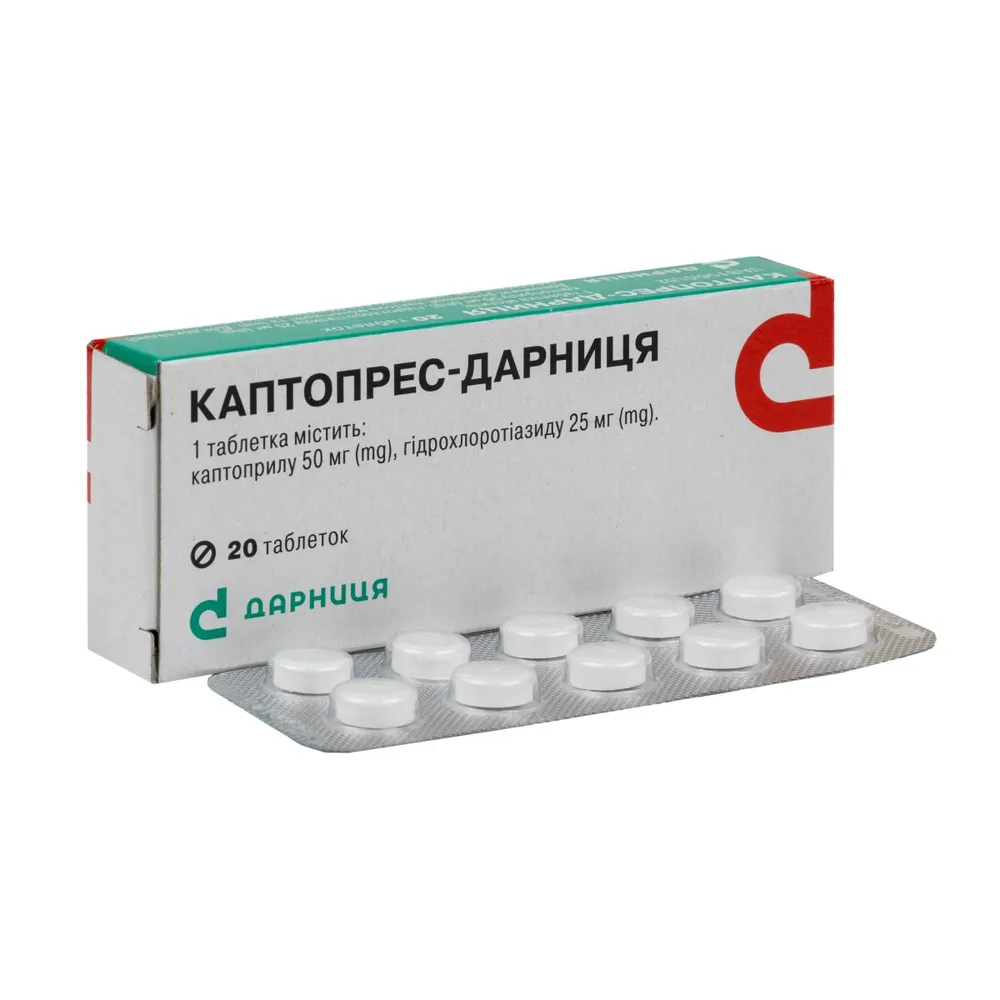
Table of Contents
INSTRUCTION FOR MEDICAL USE OF THE MEDICINAL PRODUCT KAPTOPRES-DARNITSA (CAPTOPRES-DARNITSA)
Composition:
Active substances: captopril, hydrochlorothiazide;
One tablet contains: captopril 50 mg, hydrochlorothiazide 25 mg;
Excipients: potato starch, lactose monohydrate, colloidal anhydrous silicon dioxide, povidone, magnesium stearate.
Pharmaceutical form. Tablets.
Main physicochemical properties: white-colored tablets, flat cylindrical shape, with bevel and score line, with a specific odor.
Pharmacotherapeutic group. Combined preparations of ACE inhibitors. Captopril and diuretics. ATC code C09BA01.
Pharmacological Properties.
Pharmacodynamics.
Captopres-Darnytsia is a combined antihypertensive medicinal product containing a fixed-dose combination of captopril and hydrochlorothiazide.
Captopril is an angiotensin-converting enzyme (ACE) inhibitor. It inhibits the formation of angiotensin II, thereby counteracting its vasoconstrictive effects and stimulatory influence on aldosterone secretion in the adrenal glands. It reduces total peripheral vascular resistance, arterial pressure, preload on the myocardium, and decreases pressure in the right atrium and pulmonary circulation.
Hydrochlorothiazide produces a moderately pronounced diuretic effect by increasing the excretion from the body of sodium, chloride, potassium ions, and water. It reduces sodium ion content in the vascular wall, thereby decreasing its sensitivity to vasoconstrictive stimuli and enhancing the antihypertensive effect of captopril.
Pharmacokinetics.
Captopril is actively absorbed in the gastrointestinal tract after oral administration. Time to reach maximum plasma concentration is approximately 1 hour. Captopril binds to plasma proteins by 25–30%. It is metabolized in the liver. The main metabolites are captopril-cysteine and the disulfide dimer of captopril. The elimination half-life (T½) is approximately 2–3 hours. About 95% of captopril is excreted by the kidneys: 50% as metabolites and up to 50% unchanged.
Hydrochlorothiazide is absorbed in the gastrointestinal tract by 68–78% after oral administration. Its elimination half-life (T½) is approximately 3–4 hours. Between 20–75% of hydrochlorothiazide is excreted unchanged by the kidneys.
In patients with renal insufficiency, drug elimination is slowed.
Clinical characteristics.
Indications.
Arterial hypertension.
Contraindications.
Hypersensitivity to captopril, other ACE inhibitors, hydrochlorothiazide, other sulfonamide-derived drugs, or any component of the medicinal product.
History of angioedema during therapy with other ACE inhibitors.
Hereditary (idiopathic) angioedema.
Severe renal function impairment (plasma creatinine concentration greater than 1.8 mg/100 ml or creatinine clearance less than 30 ml/min), severe renal insufficiency.
Bilateral renal artery stenosis or stenosis of the artery of a solitary kidney with progressive azotemia.
Post-renal transplantation state.
Anuria.
Aortic valve stenosis and other obstructive disorders impairing left ventricular ejection.
Hypertrophic cardiomyopathy with low cardiac output.
Severe hepatic dysfunction (pre-comatose state, hepatic coma, liver failure).
Primary hyperaldosteronism.
Porphyria.
Hypokalemia, hyperkalemia, hyponatremia with hypovolemia, hypercalcemia, gout.
Pregnancy or women planning to become pregnant (see "Use in pregnancy or breastfeeding").
Interaction with other medicinal products and other forms of interaction.
Concomitant use of this medicinal product with the following drugs may result in:
with diuretics (thiazide or loop diuretics) – risk of developing arterial hypotension due to dehydration caused by high-dose diuretic therapy. The hypotensive effect can be minimized by discontinuing diuretic therapy, increasing fluid and salt intake, and reducing initial doses of captopril;
with α- and β-adrenoblockers, calcium channel blockers of prolonged action, and other antihypertensive agents, organic nitrates, MAO inhibitors, hypnotics (nitrazepam), tranquilizers (alprazolam) – enhanced hypotensive effect of the drug; such combinations should be used with caution;
with ethanol-containing medicinal products and beverages, barbiturates, narcotics, neuroleptics, tricyclic antidepressants – enhanced hypotensive effect and orthostatic hypotension;
with sympathomimetics, estrogens, methenamine – reduced hypotensive effect of the drug; therefore, careful monitoring of blood pressure is required;
with nonsteroidal anti-inflammatory drugs (NSAIDs) – reduced hypotensive effect of the drug and impaired renal function with increased plasma potassium concentration; rarely, acute renal failure may develop, especially in patients with pre-existing renal impairment. Such combinations should be used with caution. Before initiating treatment, fluid and electrolyte balance should be normalized, and renal function should be monitored periodically during therapy. When high doses of salicylates are used, hydrochlorothiazide may potentiate their toxic effects on the central nervous system;
with drugs that increase serum potassium concentration (heparin, cyclosporine, potassium-sparing diuretics – amiloride, spironolactone, triamterene), potassium-containing preparations and supplements – marked increase in plasma potassium concentration; concomitant use of these drugs is not recommended. If co-administration is necessary due to existing hypokalemia, they should be used with extreme caution and frequent monitoring of serum potassium levels;
with allopurinol, procainamide, immunosuppressants (azathioprine), and cytostatic agents – suppression of hematopoiesis;
with diazoxide – enhanced hyperglycemic, hyperuricemic, and hypotensive effects; periodic monitoring of blood glucose and uric acid levels may be required;
with anesthetics, non-depolarizing muscle relaxants, anesthetic induction agents (tubocurarine chloride, gallamine triethiodide) – enhanced effects of the aforementioned drugs; dose adjustment and fluid-electrolyte balance correction may be necessary prior to surgical procedures;
with lithium preparations, calcium salts – enhanced effects of the aforementioned drugs; concomitant use is not recommended. Concurrent use of ACE inhibitors and lithium may lead to transient elevation of serum lithium levels and lithium toxicity. Concomitant use of ACE inhibitors and thiazide diuretics may further increase serum lithium levels and elevate the risk of lithium toxicity. Therefore, concomitant use of captopril with lithium is not recommended. If such a combination is necessary, careful monitoring of serum lithium levels is required;
with cardiac glycosides – increased toxicity of digitalis preparations (arrhythmias) due to hypokalemia induced by hydrochlorothiazide;
with carbamazepine – increased risk of hyponatremia; periodic monitoring of electrolyte levels may be required;
with amphotericin B, carbenoxolone, glucocorticosteroids, corticotropin, stimulant laxatives – enhanced electrolyte imbalance, particularly hypokalemia;
with metformin – metabolic acidosis in patients with impaired renal function;
with methyldopa – hemolytic anemia in isolated cases;
with antidiabetic agents, oral anticoagulants, anti-gout medications – reduced effects of the aforementioned drugs; dose adjustment of these drugs may be necessary;
with medicinal products whose effects are influenced by changes in plasma potassium levels, including:
- class I A antiarrhythmic agents (quinidine, hydroquinidine, disopyramide), class III antiarrhythmics (amiodarone, sotalol, dofetilide, ibutilide);
- neuroleptics (thioridazine, chlorpromazine, levomepromazine, trifluoperazine, ciomemazine, sulpiride, sultopride, amisulpride, tiapride, pimozide, haloperidol, droperidol);
- other agents: bepridil, cisapride, difeminal, intravenous erythromycin, halofantrine, ketanserin, mizolastine, pentamidine, sparfloxacin, terfenadine, intravenous vinpocetine – risk of developing "torsades de pointes" arrhythmia due to possible hypokalemia and hypomagnesemia; periodic monitoring of plasma potassium levels and electrocardiography is required;
with pressor amines (noradrenaline) – treatment with the drug should be discontinued one week before planned surgery;
with antacids, food, cholestipol, cholestyramine – reduced absorption and decreased bioavailability of the drug;
with probenecid – reduced excretion of captopril;
with iodine-containing contrast agents – increased risk of acute renal failure, especially with administration of high doses, due to dehydration caused by hydrochlorothiazide. Fluid balance should be normalized prior to iodine administration.
Cytotoxic agents (e.g., cyclophosphamide, methotrexate). Thiazides may reduce renal excretion of cytotoxic drugs and potentiate their myelosuppressive effects.
Anticholinergic agents (e.g., atropine, biperiden). Due to reduced gastrointestinal motility and delayed gastric emptying, bioavailability of thiazide diuretics increases.
Cyclosporine. Concomitant use with cyclosporine may enhance hyperuricemia and increase the risk of complications such as gout.
Amantadine. Thiazides, including hydrochlorothiazide, may increase the risk of adverse effects associated with amantadine.
Nonsteroidal anti-inflammatory drugs (NSAIDs), including selective cyclooxygenase-2 (COX-2) inhibitors, acetylsalicylic acid >3 g/day, and non-selective NSAIDs. Concomitant use of NSAIDs may reduce the antihypertensive effect of hydrochlorothiazide and enhance its effect on serum potassium levels.
Medicinal products whose effects are influenced by changes in serum potassium levels. Periodic monitoring of serum potassium levels and ECG is recommended when hydrochlorothiazide is used concomitantly with drugs whose effects are influenced by changes in serum potassium levels (e.g., digitalis glycosides and antiarrhythmic drugs), and with drugs that may cause polymorphic ventricular tachycardia of the "torsades de pointes" type, since hypokalemia is a contributing factor in the development of this arrhythmia.
Clinical trial data have shown that dual blockade of the renin-angiotensin-aldosterone system (RAAS) by combined use of ACE inhibitors, angiotensin II receptor blockers, or aliskiren is associated with a higher incidence of adverse reactions, such as arterial hypotension, hyperkalemia, and impaired renal function (including acute renal failure), compared to monotherapy with agents acting on the RAAS.
Use of the medicinal product may result in a positive urine test for acetone.
The medicinal product may be used in the treatment of acute myocardial infarction in combination with acetylsalicylic acid (cardiologic doses), thrombolytic agents, β-adrenoblockers, and/or nitrates.
Special precautions.
Before initiating treatment with the medicinal product, diuretics should be reduced or completely discontinued.
Before prescribing ACE inhibitors, circulating blood volume (CBV) should be corrected, and the issue of prescribing the lowest effective optimal dose of the medicinal product should be addressed.
During treatment with the medicinal product, periodic monitoring of electrolyte levels (particularly potassium), plasma urea and creatinine concentrations, and peripheral blood picture is required.
A low-sodium diet is recommended during treatment with the medicinal product.
Alcoholic beverages should not be consumed during treatment with the medicinal product.
The medicinal product should be used with caution in patients with fluid and electrolyte imbalance (due to intensive diuretic therapy, diarrhea, vomiting, or low-sodium diet) and in patients undergoing hemodialysis, as arterial hypotension may develop. Fluid and electrolyte balance should be corrected before initiating treatment with the medicinal product.
The medicinal product should be used with caution in patients with severe cardiac impairment and in elderly patients (aged 65 years and older). Prescribing the medicinal product to these patient groups is possible only under strict monitoring of arterial pressure, renal function, and fluid-electrolyte status.
In case of hypotension, the patient should be placed in a horizontal position (lying on the back), and if necessary, CBV should be increased by administration of 0.9% sodium chloride solution.
Special precautions related to the presence of hydrochlorothiazide in the medicinal product.
As with other antihypertensive medicinal products, symptomatic arterial hypotension may occur in some patients.
Treatment with thiazides may reduce glucose tolerance. Adjustment of antidiabetic agents, including insulin, may be required. Latent diabetes mellitus may manifest during thiazide therapy.
Thiazides may reduce renal excretion of calcium and may cause a slight transient increase in serum calcium levels. Marked hypercalcemia may indicate latent hyperparathyroidism.
Hypersensitivity reactions may occur in patients receiving thiazides, both in those with a history of allergy or bronchial asthma and in patients without prior history of these conditions. There have been reports of exacerbation or activation of systemic lupus erythematosus during thiazide therapy.
The medicinal product may affect the results of the following laboratory tests:
- The medicinal product may reduce plasma protein-bound iodine levels;
- Treatment with the medicinal product should be discontinued before laboratory testing to assess parathyroid function;
- The medicinal product may increase free bilirubin concentration in serum.
The medicinal product should be used with caution in patients with hepatic dysfunction or progressive liver disease, as thiazide diuretics may cause fluid and electrolyte imbalance, potentially leading to rapid development of hepatic coma. Prescribing the medicinal product to these patients is possible only under strict monitoring of arterial pressure, renal function, and fluid-electrolyte status.
The medicinal product should be used with caution in patients with renal impairment, as thiazide diuretics may cause azotemia. Accumulation of the medicinal product is also possible. In progressive renal disease characterized by elevated blood urea nitrogen levels, the necessity of continuing therapy should be carefully evaluated, and treatment should be discontinued if necessary.
The antihypertensive effect of hydrochlorothiazide may be enhanced after sympathectomy.
In patients taking hydrochlorothiazide, gout may be exacerbated due to increased uric acid concentration, latent diabetes mellitus may become clinically apparent, and systemic lupus erythematosus may flare.
Photosensitivity reactions have been reported during treatment with thiazide diuretics. If photosensitivity reactions occur during treatment with the medicinal product, it is recommended to discontinue the product. If the physician considers reinitiating diuretic therapy necessary, protection of skin areas exposed to sunlight or artificial UV radiation is recommended.
Hydrochlorothiazide may cause fluid and electrolyte imbalance (hypokalemia, hyponatremia, and hypochloremic alkalosis). Symptoms include dry mouth, thirst, weakness, lethargy, drowsiness, restlessness, muscle pain or cramps, muscle weakness, arterial hypotension, oliguria, tachycardia, and gastrointestinal disturbances such as nausea and vomiting. Although concomitant use with captopril reduces the risk of hydrochlorothiazide-induced hypokalemia, patients at high risk of developing hypokalemia include those with liver cirrhosis, high diuresis, inadequate oral electrolyte replacement, and those receiving glucocorticoid or adrenocorticotropic hormone therapy. In hot weather, hyponatremia, usually mild and not requiring treatment, may occur in patients prone to edema.
Hydrochlorothiazide may cause hypercalcemia. Therefore, the medicinal product should be discontinued before assessing parathyroid function.
Hydrochlorothiazide may increase cholesterol and triglyceride levels, decrease serum magnesium and iodine-binding thyroglobulins (without signs of thyroid dysfunction).
Hydrochlorothiazide may cause a positive doping test.
Hydrochlorothiazide may cause acute respiratory toxicity, including acute respiratory distress syndrome (ARDS). Very rare severe cases of acute respiratory toxicity, including ARDS, have been reported after hydrochlorothiazide administration. Pulmonary edema usually develops within minutes or hours after taking hydrochlorothiazide. Initial symptoms include dyspnea, fever, worsening lung condition, and hypotension. If ARDS is suspected, hydrochlorothiazide should be discontinued and appropriate treatment initiated. Hydrochlorothiazide should not be prescribed to patients who previously experienced ARDS after taking hydrochlorothiazide.
Choroidal effusion, acute myopia, and secondary angle-closure glaucoma
Medicinal products containing hydrochlorothiazide, a sulfonamide derivative, may cause an idiosyncratic reaction leading to choroidal effusion with visual field defects, transient myopia, and acute angle-closure glaucoma. Symptoms include sudden onset of decreased visual acuity or eye pain and usually occur within hours or weeks after starting the medicinal product.
Untreated acute angle-closure glaucoma may lead to permanent vision loss. The primary treatment is prompt discontinuation of the medicinal product. If intraocular pressure remains uncontrolled, medical or surgical intervention may be necessary. Risk factors for developing acute angle-closure glaucoma may include a history of sulfonamide or penicillin allergy.
Special precautions related to the presence of captopril in the medicinal product.
The medicinal product should be used with caution in patients with renal impairment (creatinine clearance less than 40 mL/min). Initial captopril doses should be adjusted according to creatinine clearance and subsequently based on patient response to treatment. Regular monitoring of renal function parameters (at the beginning and periodically during treatment) is required, including determination of plasma potassium and creatinine levels.
The medicinal product should be used with caution in patients with uncomplicated arterial hypertension, as symptomatic arterial hypotension may occur in individual cases. The likelihood of its development increases in patients with fluid and electrolyte imbalance (due to intensive diuretic therapy, diarrhea, vomiting, low-sodium diet) and in patients undergoing hemodialysis. Symptomatic hypotension has also been observed in patients with heart failure. Treatment in such patients should be initiated under medical supervision with low doses, carefully titrated. This also applies to patients with ischemic heart disease or cerebrovascular disease, in whom significant reduction in arterial pressure may lead to myocardial infarction or impaired cerebral circulation (stroke).
Captopril should be avoided in cases of cardiogenic shock and significant hemodynamic disturbances.
The medicinal product should be used with caution in patients with renovascular hypertension, as concomitant use with ACE inhibitors increases the risk of severe arterial hypotension and renal failure. Treatment in such patients should be initiated under medical supervision with low doses, carefully titrated.
Combined use of ACE inhibitors, angiotensin II receptor blockers, or aliskiren appears to increase the risk of hypotension, hyperkalemia, and impaired renal function (including acute renal failure). Therefore, dual blockade of the renin-angiotensin-aldosterone system (RAAS) by combined use of ACE inhibitors, angiotensin II receptor blockers, or aliskiren is not recommended.
If dual blockade therapy is absolutely necessary, it should be conducted under medical supervision with frequent monitoring of renal function, electrolytes, and arterial pressure.
Concomitant use of ACE inhibitors and angiotensin II receptor blockers is not recommended in patients with diabetic nephropathy.
The medicinal product should be used with caution in patients with diabetes mellitus who are taking oral antidiabetic agents or insulin, and regular monitoring of blood glucose levels is required, especially during the first month of treatment.
Very rarely, ACE inhibitor use has been associated with a syndrome beginning with cholestatic jaundice and rapidly progressing to liver necrosis and (sometimes) resulting in death. The mechanism of this syndrome is not defined. Patients receiving ACE inhibitors who develop jaundice or marked elevation of liver enzymes should discontinue ACE inhibitors and seek medical advice.
Proteinuria may develop in patients, particularly those receiving relatively high doses of captopril (more than 150 mg/day) or with impaired renal function. Protein excretion exceeding 1 g per day has been recorded in approximately 0.7% of patients receiving captopril. Nephrotic syndrome has been diagnosed in 20% of patients with proteinuria. In most cases, proteinuria resolves within 6 months after discontinuation of the medicinal product. Renal function parameters such as blood urea nitrogen and creatinine levels rarely change. In patients with impaired renal function, urine protein content should be determined before treatment and monitored periodically during therapy.
Cases of neutropenia, agranulocytosis, thrombocytopenia, and anemia have been reported in patients taking ACE inhibitors. Neutropenia is rare in patients with normal renal function and no other risk factors. Extreme caution is required when prescribing the medicinal product to patients with collagenoses, those undergoing immunosuppressive therapy, those taking allopurinol or procainamide, and in cases of combined conditions, especially with concomitant renal impairment. Severe infections, not always responsive to intensive antibiotic therapy, may develop in some such patients. Periodic monitoring of white blood cell count and differential count (before treatment, every 2 weeks during the first 3 months of therapy, and periodically thereafter) is required when using the medicinal product in such patients, and patients should be warned to report any signs of infection (fever, enlarged lymph nodes, sore throat). If neutropenia develops (neutrophil count < 1000/mm³), the medicinal product should be discontinued. In most patients, neutrophil count returns rapidly to normal after discontinuation of therapy.
Increased serum potassium levels have been observed in some patients taking ACE inhibitors, including captopril. Patients at risk of hyperkalemia include those with renal failure, diabetes mellitus, those taking potassium-sparing diuretics, potassium-containing dietary supplements, and those taking other medicinal products that increase serum potassium levels. If concomitant use of these medicinal products with ACE inhibitors is necessary, regular monitoring of serum potassium levels is required.
Angioedema of the face, extremities, lips, tongue, glottis, and larynx has been reported in some patients taking ACE inhibitors, particularly during the first weeks of treatment. In some cases, angioedema may develop even after prolonged ACE inhibitor therapy. Isolated fatal cases due to angioedema of the larynx or tongue have been recorded. If angioedema occurs, captopril should be discontinued immediately and appropriate treatment initiated. The patient should be hospitalized and monitored for at least 12–24 hours until symptoms completely resolve. Patients of non-black race are at higher risk of developing angioedema.
In patients undergoing surgery or anesthesia with agents that lower arterial pressure, captopril may block the compensatory renin release-induced increase in angiotensin II formation. Arterial hypotension resulting from this mechanism should be corrected by administration of additional fluid volume.
A persistent non-productive cough may occur in patients during treatment with ACE inhibitors, which resolves after discontinuation of therapy.
Patients taking ACE inhibitors undergoing allergen desensitization with Hymenoptera venom may develop persistent anaphylactoid reactions. These reactions can be avoided by temporarily discontinuing ACE inhibitors.
Patients taking ACE inhibitors undergoing hemodialysis with high-flux membranes may develop persistent anaphylactoid reactions. These reactions can be avoided by switching to dialysis membranes of another type or using antihypertensive agents of another class.
Patients taking ACE inhibitors undergoing LDL apheresis may develop persistent anaphylactoid reactions. These reactions can be avoided by temporarily discontinuing ACE inhibitors before each apheresis.
Cross-sensitivity is possible with medicinal products containing ACE inhibitors.
ACE inhibitors, including captopril, are less effective in reducing arterial pressure in patients of non-black race compared to patients of other races due to predominant low renin fractions.
Concomitant use of the medicinal product with lithium is not recommended due to increased toxicity of the latter.
The medicinal product contains lactose; therefore, it should not be used in patients with rare hereditary forms of galactose intolerance, lactase deficiency, or glucose-galactose malabsorption syndrome.
Use during pregnancy or breastfeeding.
The medicinal product is contraindicated in pregnant women or women planning pregnancy. If pregnancy is confirmed during treatment with the medicinal product, its use should be immediately discontinued and replaced with another medicinal product permitted for use during pregnancy.
The medicinal product should not be used during breastfeeding.
Ability to affect reaction speed when driving or operating machinery.
When using the medicinal product, patients should refrain from driving vehicles or operating machinery, as dizziness and drowsiness may occur, particularly at the beginning of therapy.
Dosage and Administration.
The medicinal product should be taken orally, 1 hour before meals, since the presence of food in the stomach reduces drug absorption.
The dosage of the medicinal product should be individually determined by a physician depending on the clinical condition.
The initial dose is ½ tablet (25 mg captopril and 12.5 mg hydrochlorothiazide) once daily.
If necessary, the maintenance dose may subsequently be increased to 1 tablet (50 mg captopril and 25 mg hydrochlorothiazide) once daily.
Maximum therapeutic effect is achieved 6–8 weeks after initiation of treatment. Dose adjustments should be made at 6-week intervals, unless clinical manifestations require more rapid dosage changes. If blood pressure reduction is insufficient, additional captopril and hydrochlorothiazide as monopreparations may be added to the treatment regimen. In such cases, the daily dose of captopril should not exceed 150 mg and that of hydrochlorothiazide should not exceed 50 mg.
Patients with impaired renal function.
Since captopril and hydrochlorothiazide are primarily excreted by the kidneys, their plasma levels may increase in patients with impaired renal function. Dose reduction is recommended: in patients with creatinine clearance between 30 and 80 mL/min, the initial dose is ½ tablet (25 mg captopril and 12.5 mg hydrochlorothiazide) once daily in the morning.
Children.
There are no data on the use of this medicinal product in children.
Overdose.
Captopril.
Symptoms: severe hypotension, tachycardia, headache, loss of appetite, taste disturbances, skin allergic reactions, neutropenia. In severe cases, seizures, paresis, shock, stupor, cardiac arrhythmias, bradycardia, renal failure, and electrolyte imbalance may occur. If these symptoms occur, the drug should be discontinued immediately and medical advice should be sought.
Treatment: the patient should be placed in a horizontal position and gastric lavage should be performed.
In cases of severe overdose, the patient should be urgently hospitalized for intensive detoxification measures, including hemodialysis, and for interventions aimed at increasing circulating blood volume and normalizing the functions of the cardiovascular, respiratory, and nervous systems, as well as restoring renal function. Hemodialysis using high-flux membranes made of polyacrylonitrile with metal sulfate (AN69) and hemofiltration should be avoided due to the risk of anaphylactoid reactions. Peritoneal dialysis is ineffective.
Symptomatic therapy should be administered to normalize blood pressure and alleviate other symptoms.
Hydrochlorothiazide.
Symptoms: weakness, nausea, vomiting, thirst, diarrhea. These symptoms rapidly resolve upon dose reduction or discontinuation of the drug. In some cases, with high-dose intake, the following symptoms have been reported: tachycardia, arterial hypotension, shock, dizziness, confusion, disturbances of consciousness, muscle cramps, paresthesia, exhaustion, polyuria, oliguria, anuria, hypokalemia, hyponatremia, hypochloremia, alkalosis, increased blood urea nitrogen levels (in patients with renal insufficiency). Severe manifestations of overdose may include severe disturbances in water-electrolyte balance and development of coma due to the direct pathological effect of hydrochlorothiazide on the central nervous system.
Treatment: to remove the drug from the gastrointestinal tract, induction of vomiting is recommended, followed by gastric lavage and administration of adsorbents. In cases of severe overdose manifestations, the patient should be urgently hospitalized in a specialized medical facility for intensive detoxification procedures (hemodialysis), correction of water-electrolyte imbalances, normalization of cardiovascular, respiratory, and central nervous system functions, and restoration of renal function. There is no specific antidote.
Adverse reactions.
Captopril.
Eye disorders: blurred vision.
Respiratory, thoracic and mediastinal disorders: dry, irritating (non-productive) cough, dyspnea, bronchospasm, rhinitis, laryngitis, allergic alveolitis/eosinophilic pneumonia, chest pain.
Gastrointestinal disorders: dry mouth, nausea, vomiting, epigastric discomfort, abdominal pain, diarrhea, constipation, stomatitis/aphthous ulcers, glossitis, peptic ulcer, pancreatitis.
Hepatobiliary disorders: liver function abnormalities and cholestasis (including jaundice), hepatitis (including necrosis), elevated liver enzymes, hyperbilirubinemia.
Renal and urinary disorders: impaired renal function (including renal failure), proteinuria, polyuria, oliguria, increased frequency of urination, nephrotic syndrome.
Metabolism and nutrition disorders: anorexia, hypoglycemia, hyperkalemia, hyponatremia.
Nervous system disorders: headache, drowsiness, taste disturbances, dizziness, asthenia, paresthesia, cerebrovascular disorders (including stroke and syncope).
Psychiatric disorders: sleep disturbances, confusion, depression.
Cardiovascular disorders: arterial hypotension, orthostatic hypotension, Raynaud's syndrome, flushing, pallor, tachycardia or tachyarrhythmia, angina pectoris, palpitations, cardiogenic shock, cardiac arrest.
Blood and lymphatic system disorders: eosinophilia, pancytopenia (especially in patients with impaired renal function), thrombocytopenia, anemia (including aplastic and hemolytic), leukopenia, neutropenia, agranulocytosis.
Immune system disorders: pruritus with or without rash, rash, alopecia, angioedema of the face, eyelids, tongue, interstitial angioedema, peripheral edema, urticaria, Stevens-Johnson syndrome, polymorphic erythema, photosensitivity, erythroderma, pemphigoid reactions, exfoliative dermatitis, autoimmune disorders, fever.
Skin and subcutaneous tissue disorders: pruritus with or without rash, rash, alopecia, polymorphic erythema, photosensitivity, erythroderma, pemphigoid reactions, exfoliative dermatitis.
Musculoskeletal and connective tissue disorders: myalgia, arthralgia.
Reproductive system and breast disorders: impotence, gynecomastia.
General disorders: weakness, fatigue, lymphadenopathy.
Laboratory findings: increased BUN and serum creatinine, decreased hemoglobin and hematocrit, elevated ESR, increased levels of antinuclear antibodies, may cause false-positive urine ketone tests.
Hydrochlorothiazide.
Eye disorders: xanthopsia, transient blurred vision, acute myopia, acute angle-closure glaucoma; frequency unknown – choroidal effusion.
Respiratory, thoracic and mediastinal disorders: respiratory disorders (including pneumonitis and pulmonary edema), very rare – acute respiratory distress syndrome (ARDS) (see section "Special precautions").
Gastrointestinal disorders: sialadenitis, loss of appetite, thirst, dry mouth, nausea, vomiting, gastric irritation, diarrhea, constipation, pancreatitis.
Hepatobiliary disorders: jaundice (intrahepatic cholestatic jaundice), cholecystitis.
Renal and urinary disorders: impaired renal function, renal failure, interstitial nephritis.
Metabolism and nutrition disorders: anorexia, hyperglycemia, glucosuria, reduced glucose tolerance which may provoke manifestation of latent diabetes mellitus; hyperuricemia, which may trigger gout attacks in patients with asymptomatic disease; electrolyte imbalance, particularly hypochloremic alkalosis, which may induce hepatic encephalopathy and coma; acidosis; hypokalemia; hyponatremia; hypomagnesemia; hypercalcemia; increased cholesterol and triglyceride levels.
Nervous system disorders: headache, drowsiness, seizures, paresthesia, vertigo, dizziness.
Psychiatric disorders: anxiety, nervousness, depression, mood changes, sleep disturbances, disorientation, confusion.
Cardiovascular disorders: postural hypotension, cardiac arrhythmia; necrotizing vasculitis (vasculitis, cutaneous vasculitis).
Blood and lymphatic system disorders: leukopenia, neutropenia, agranulocytosis, thrombocytopenia, aplastic anemia, hemolytic anemia, bone marrow suppression.
Immune system disorders: photosensitivity reactions, rash, eczema, purpura, lupus-like syndrome, exacerbation of cutaneous systemic lupus erythematosus, urticaria, anaphylactic reactions, anaphylactic shock, toxic epidermal necrolysis, Stevens-Johnson syndrome.
Skin and subcutaneous tissue disorders: photosensitivity reactions, rash, eczema, purpura, lupus-like syndrome, exacerbation of cutaneous systemic lupus erythematosus, urticaria, toxic epidermal necrolysis, Stevens-Johnson syndrome.
Musculoskeletal and connective tissue disorders: muscle pain, muscle cramps.
Reproductive system and breast disorders: sexual dysfunction.
General disorders: fever, weakness, exhaustion.
Shelf life. 3 years.
Storage conditions.
Store in a tightly closed original packaging, out of reach of children, at a temperature not exceeding 25 °C.
Packaging.
10 tablets in a blister pack, 2 blisters per carton.
Prescription category. Prescription only.
Manufacturer. JSC "Pharmaceutical Company "Darnitsya".
Address of manufacturer and location of business activity.
13 Borispilska Street, Kyiv, 02093, Ukraine.